

 ATTENTION: Want to Learn Affiliate Marketing from Successful Affiliates?
Join this FREE community where successful marketers share their secrets!
Learn directly from highly successful affiliate marketers
Access free, actionable training content regularly
Connect with an active community of over 5,000 members
Network with multiple six-figure earning affiliates
Get your questions answered by real experts
JOIN FREE NOW!
ATTENTION: Want to Learn Affiliate Marketing from Successful Affiliates?
Join this FREE community where successful marketers share their secrets!
Learn directly from highly successful affiliate marketers
Access free, actionable training content regularly
Connect with an active community of over 5,000 members
Network with multiple six-figure earning affiliates
Get your questions answered by real experts
JOIN FREE NOW!
To effectively implement SEO content clusters for affiliate websites, it is critical to create a structured approach that not only enhances search engine visibility but also provides value to the reader. By forming content clusters, you can interlink content around a central theme. This method improves SEO authority and helps users navigate related information more easily. Here’s how to get started.
Understanding Content Clusters
Content clusters revolve around a central pillar page that addresses a broad topic. This pillar page is then supported by multiple related content pieces, known as cluster content. Each piece delves into specific subtopics that essentially connect back to the main topic. This strategy works for affiliate websites by linking products and services naturally. Here’s how you can set it out:
- Pillar Page: Create a master page that covers a broad topic with relevant details.
- Cluster Content: Develop smaller articles that expand on subtopics, linking back to the pillar page.
- Interlinking: Use hyperlinks to connect related articles, providing a seamless reading experience.
Choosing Your Topics
When deciding on topics for your content clusters, focus on subjects that resonate with your target audience. Conduct thorough keyword research to identify high-traffic, low-competition keywords that align with your affiliate products. You can utilize tools like Ahrefs, SEMrush, and Moz to refine your keyword strategy.
Consider these factors when selecting topics:
- Audience Interest: What are your visitors searching for?
- Product Relevance: Is the topic related to the products you promote?
- Content Gaps: Are there unanswered questions or themes within your niche?
Structuring Your Content Clusters
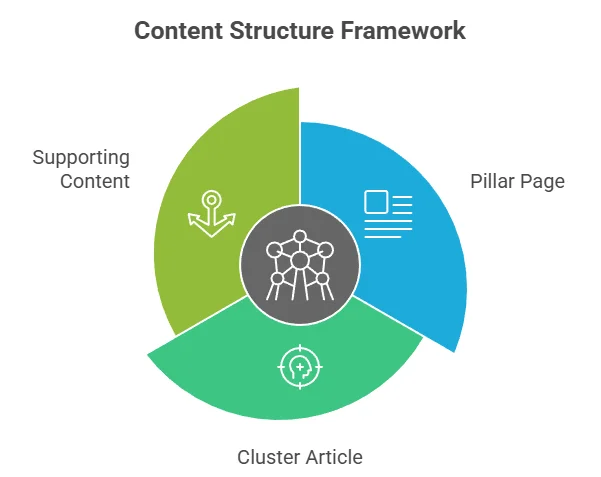
Once you have identified your topics, structure them effectively. The following framework can help:
| Type of Content | Purpose | Example |
|---|---|---|
| Pillar Page | Comprehensive overview | “Ultimate Guide to Gardening Tools” |
| Cluster Article | Specific focus within the pillar | “Top 10 Gardening Tools for Beginners” |
| Supporting Content | Deep dives into specific topics | “How to Choose the Right Shovel” |
Optimizing for SEO
Effective SEO optimization for content clusters involves both on-page and off-page strategies. Here are some essential tips:
- Keyword Integration: Naturally incorporate primary and related keywords throughout your content.
- Meta Tags: Write compelling title and meta description tags for better click-through rates.
- Responsive Design: Ensure your website is mobile-friendly as this impacts SEO ranking.
- Quality Backlinks: Seek to get backlinks from authoritative sites to boost credibility.
Leveraging Affiliate Links
Integrating affiliate links within your content clusters should feel organic. When linking to affiliate products, ensure they relate closely to the content being discussed. For instance, if your cluster article discusses gardening tools, you can link to relevant products for sale. You can use platforms like Amazon or ShareASale for affiliate programs.
Monitoring and Adjusting Your Strategy
After implementing your content clusters, continuously monitor performance through tools like Google Analytics and adjust your strategy accordingly. Look for:
- Traffic Data: Which articles attract the most visitors?
- User Engagement: How long do visitors stay on your pages?
- Conversion Rates: Are your affiliate links generating income?
By adapting to the data, you can refine your content clusters to better meet your readers’ needs and improve your affiliate revenue. Implementing SEO content clusters can greatly enhance your affiliate website’s visibility and engagement. Focus on providing valuable content, optimizing for search engines, and keeping track of your performance for sustainable growth.
Understanding the Importance of Topic Relevance in Content Clustering
In the dynamic world of digital marketing, understanding the concept of topic relevance is essential, especially for those who manage affiliate websites. Content clustering is a strategy that organizes related content into distinct groups, making it easier for search engines and users to navigate. But, what truly makes topic relevance a cornerstone of this approach? Let’s delve into the significance.
Enhancing SEO Performance
When you create content clusters, you establish a clear hierarchy of information. This structured approach helps search engines understand the relationships between various pieces of content. Here are some key benefits:
- Improved Keyword Optimization: By focusing on related keywords within a cluster, you can optimize each piece of content more effectively.
- Increased Crawl Efficiency: Search engine bots can quickly find and index your content, leading to better rankings.
- Enhanced User Engagement: Users appreciate the organized information, which keeps them on your site longer.
Building Authority in Your Niche
Establishing topic relevance through content clusters allows you to create a comprehensive resource on a specific subject. This depth of content not only attracts visitors but also builds your authority. Here’s why it matters:
- Expertise Demonstration: By covering all aspects of a topic, you position yourself as an expert in your field.
- Trust Building: Extensive, relevant content fosters trust with your audience, encouraging them to rely on your recommendations.
- Improved Link Building Opportunities: Other sites are more likely to link to your content when it serves as a reliable resource.
Facilitating User Journey
Another advantage of topic relevance in content clustering is its ability to enhance the user journey. When visitors land on your site, intuitive navigation is crucial. Implementing clusters provides:
- Logical Flow: Related content links lead users from one article to another, ensuring they find what they need.
- Reduced Bounce Rates: Engaging clusters keep users on your site and encourage exploration of more content.
- Targeted Recommendations: You can tailor offers or additional content based on user behavior.
Content Validity and Longevity
With fast-paced changes in the digital landscape, content relevance can fade over time. However, well-structured topic clusters contribute to the longevity of your content by keeping it up-to-date and aligned with user interests. Consider these strategies:
- Regular Updates: Review and refresh existing content to maintain accuracy and relevance.
- Internal Linking Strategy: Use links to highlight new and updated content. This practice keeps clusters fresh.
- Feedback Loop: Engage with your audience to understand what information they find most valuable, guiding future content creation.
Effective Example of Topic Clusters
To illustrate how this works, let’s take an example of an affiliate website focused on fitness equipment. The main cluster topic could be “Home Gym Essentials”. From there, related subtopics may include:
| Subtopic | Description |
|---|---|
| Dumbbells | Benefits, guides, and reviews of various kinds of dumbbells. |
| Resistance Bands | How to use resistance bands effectively for workouts. |
| Treadmills | Top-rated treadmills for home use. |
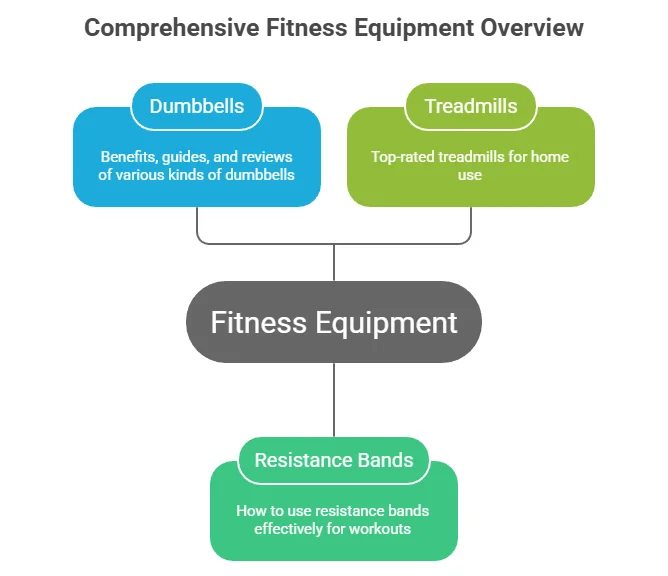
Each subtopic can link back to the main cluster content, creating a comprehensive guide that ranks well due to its relevance and depth. Content clustering combined with strong topic relevance serves as a powerful strategy for affiliate websites. Focus on developing organized, interconnected content that provides real value to readers. This approach not only boosts your SEO but also helps cultivate a loyal audience.
For more insights on digital marketing and effective content strategies, you may find the following resources helpful: Search Engine Journal, Moz, and Ahrefs.
The Role of Interlinking in Enhancing SEO for Affiliate Marketing
In the realm of affiliate marketing, SEO is essential for driving organic traffic to your website. One of the most effective strategies to boost your SEO is through interlinking. This practice involves creating links between the pages on your site, helping users navigate and discover content easily while signaling to search engines the importance and relevance of your material. Here’s how interlinking plays a pivotal role in enhancing SEO for affiliate websites.
Improving User Experience
Interlinking primarily benefits readers by creating a seamless experience as they explore your site. When users can easily find related content, they are more likely to stay on your website longer, interact with more pages, and ultimately convert. Here’s how interlinking improves user experience:
- Easy Navigation: By interlinking related articles, you allow visitors to jump from one page to another without confusion.
- Relevant Recommendations: Suggestions that lead to useful information keep users engaged, making them more likely to return.
- Less Bounce Rate: When users can navigate easily, they are less likely to leave immediately after landing on your site.
Strengthening Topic Authority
Interlinking is crucial for establishing your website as an authority on specific topics. When you link related content, you help search engines understand the relationship between different pieces of content. This creates topic clusters, which are beneficial for SEO in the following ways:
- Content Hierarchy: Linking from a main article to supporting articles helps outline the structure of information.
- Keyword Relevance: Interlinked content increases the chances of ranking for specific keywords, as search engines value comprehensive coverage on a topic.
- Enhanced Indexing: By providing connections between your content, search engines can crawl your website more efficiently, leading to better rankings.
Distributing Page Authority
Every page on your website has a certain level of authority based on factors like backlinks and content quality. Interlinking allows you to distribute this authority more evenly across your site, helping lesser-known pages gain visibility. Here’s how this process works:
- Link to High Authority Pages: When you create links from high-performing pages to new or lower-performing content, you pass on some of that authority.
- Creating a Balanced Ecosystem: Ensure every important page has links pointing towards it, allowing equal distribution of authority.
- Encouraging Click-Throughs: Using strategic anchor text in your links can encourage users to explore even more content.
Enhancing SEO Keywords Strategy
Interlinking also supports your keyword strategy for affiliate marketing. By linking texts containing target keywords, you can:
- Optimize Anchor Text: Use descriptive, keyword-rich phrases for your links to enhance relevancy.
- Avoid Over-Saturation: Link to various pages using different keywords, helping you rank for multiple search terms.
- Generate More Traffic: Utilize appropriate keywords not just for high authority pages but also to boost lesser-known content and drive traffic.
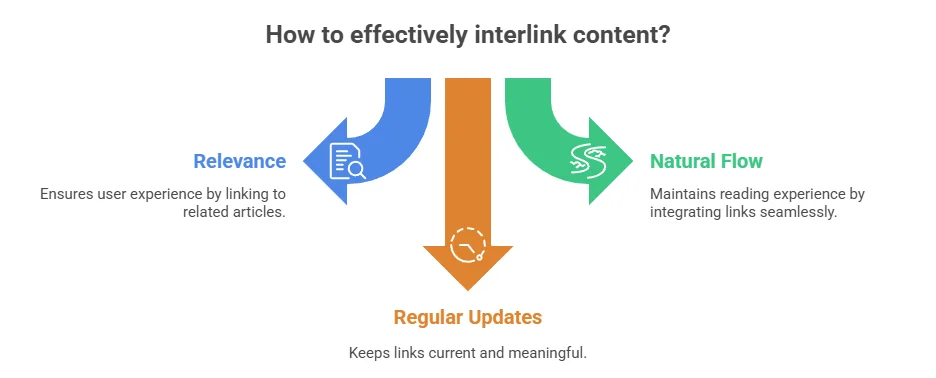
Best Practices for Interlinking
| Best Practice | Description |
|---|---|
| Relevance | Only link to articles that are relevant to the content to keep user experience high. |
| Natural Flow | Incorporate links that feel organic within the text so they don’t disrupt the reading experience. |
| Regular Updates | Periodically review your links to ensure they still make sense and point to current information. |
Ultimately, effective interlinking can dramatically enhance your SEO efforts for affiliate marketing. The right strategies not only benefit Google’s algorithms but also significantly improve how users interact with your content, thus driving higher conversions and engagement. For more insights on SEO and affiliate marketing, consider visiting Ahrefs and Moz.
Strategies for Creating High-Quality Pillar Content
Creating high-quality pillar content is essential for any website looking to improve its search engine optimization (SEO) and user engagement. Pillar content acts as the foundation for your content strategy, helping you organize and structure related topics into clusters. Here are effective strategies to develop compelling pillar content that resonates with your audience.
Understand Your Audience: Before you begin writing, it’s important to know who your target audience is. Conduct thorough research to identify their preferences, challenges, and interests. This understanding allows you to tailor your pillar content to meet their specific needs. Consider using tools like Google Analytics or Ahrefs to gather insights about your audience.
Choose Relevant Topics: Your pillar content should revolve around key topics that align with your audience’s interests and your niche. Make a list of potential topics and prioritize them based on popularity and relevance. Aim for a mix of evergreen content and current trend topics. Here are some ideas to guide your brainstorming:
- Industry trends and statistics
- Comprehensive guides on specific topics
- Tutorials that solve common problems
- Comparative reviews of products or services
Plan Your Content Structure: Structure is key to making your pillar content user-friendly. Start with a clear and concise introduction, followed by several sections that break down your main topic into manageable parts. Use bullet points, tables, and images to enhance readability and engagement. For example, if your pillar content is about “The Ultimate Guide to SEO for Affiliate Websites,” you could organize your content into sections covering basics, keyword research, content creation, backlinks, and analytics.
Incorporate Relevant Keywords: To boost your SEO efforts, identify relevant keywords that align with your pillar content. Use tools like Moz or Keyword Tool to find keywords that resonate with your audience. Naturally integrate these keywords throughout your pillar content, ensuring a smooth flow without keyword stuffing.
Provide In-Depth Information: Your pillar content should be comprehensive and informative. Aim for at least 1,500 words to cover your topic thoroughly. Dig deep into each section, providing detailed insights, examples, and data. Don’t shy away from linking to authoritative sources to enhance credibility and enrich your content. Consider using Backlinko to discover reputable data points.
Include Internal and External Links: Linking is crucial in pillar content. Include internal links to your related blog posts and articles to help users navigate your site more effectively. Additionally, provide external links to credible sources. This not only boosts your SEO ranking but also improves the reader’s experience. Ensure the external links open in a new window. This allows readers to view them without losing their place on your site.
Utilize Visuals: Visual elements like images, infographics, and videos can significantly enhance the appeal of your pillar content. Use images that complement your text and make complex information easier to digest. For tools to create engaging visuals, consider resources like Canva or Visme.
Monitor and Update Your Content: The digital landscape is ever-changing, and so is your audience’s knowledge and interests. Regularly monitor the performance of your pillar content using analytics tools. Update outdated information and refresh links to maintain relevance. This keeps your content valuable to readers over time.
Analyzing User Intent to Optimize Content Clusters for Better Conversions
Understanding user intent is essential for creating and optimizing content clusters, especially for affiliate websites. By aligning your content with what users are searching for, you can enhance not only engagement but also conversions. Here’s how to analyze user intent effectively.
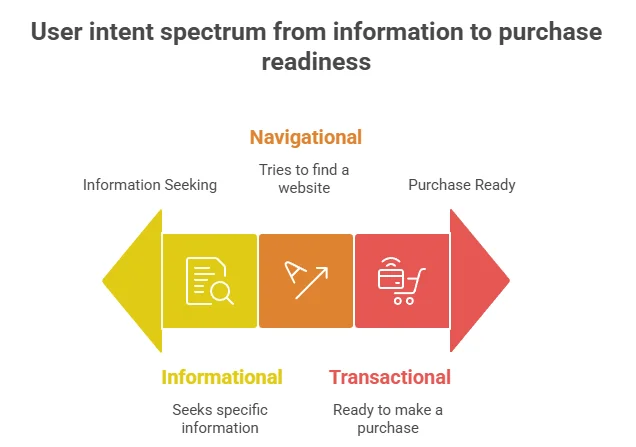
What is User Intent? User intent refers to the reason behind a search query. It helps you identify what users are hoping to achieve when they enter specific keywords into search engines. The primary types of user intent include Informational, Navigational, and Transactional.
Identifying User Intent: To optimize your content clusters, start with thorough keyword research. Utilize tools like Moz or Ahrefs to discover the keywords that your target audience is using. Look for search volume, related keywords, and analyze search results to see what content already ranks.
Creating Content Clusters: Once you grasp user intent, it’s time to build your content clusters. Begin with a central topic that captures broad user intent. For instance, if your niche is tech gadgets, the pillar page could cover “Best Tech Gadgets of 2023.” Around this central topic, create clustered articles that target specific intents like budget gadgets, reviews, or buying guides.
Optimizing for Better Conversions: Each piece of content should lead users to a specific action, ideally converting them into paying customers or leads. Use strong CTAs, enhance navigation with internal linking, and incorporate interactive elements like quizzes or polls to maintain interest.
Analyzing Performance: To understand whether your strategy is effective, use analytics tools like Google Analytics. Monitor traffic sources, bounce rates, and conversion rates. You can further adjust and improve your content clusters based on the feedback from these analytics.
Staying Updated with User Intent Trends: Search behaviors evolve, thus it’s vital to keep an eye on changes in user intent. Regularly revisit your keywords and refresh your content to meet current trends. Resources like Search Engine Journal can offer insights into the latest SEO strategies affecting user intent.
| User Intent Type | Description | Content Example |
|---|---|---|
| Informational | Users looking for specific information | “How to Use Smart Gadgets” |
| Navigational | Users trying to find a particular website | “Visit the Best Gadgets Review Site” |
| Transactional | Users ready to make a purchase | “Buy the Latest Smartwatch Online” |
By rigorously analyzing user intent and adapting your content strategy accordingly, you will establish a cohesive ecosystem within your affiliate website that appeals to your audience and fosters conversions.
Conclusion
Implementing SEO content clusters effectively can transform your affiliate website’s performance, allowing you to attract and retain more visitors. By understanding the importance of topic relevance, you ensure that your content resonates with your target audience and aligns perfectly with their search queries. This relevance not only enhances user experience but also signals to search engines that your site is an authority on specific topics.
Interlinking plays a crucial role in boosting your site’s SEO. It helps search engines crawl your content more efficiently while guiding users through related information seamlessly. This not only improves your site’s visibility in search results but also increases the likelihood of conversions, as readers find more value in a well-structured content journey.
Creating high-quality pillar content is essential to the success of your content clusters. Pillar content acts as a central hub, providing comprehensive insights on a broad topic that links to related cluster content. This strategy not only positions your site as an authoritative source but also enhances user engagement, encouraging visitors to explore more of what you offer.
Analyzing user intent helps you tailor your content clusters to meet the specific needs of your audience. By understanding what your visitors are searching for, you can create targeted content that drives higher conversion rates. Each piece must address their questions and concerns, providing solutions that encourage them to take action.
These strategies will ensure your affiliate website thrives in a competitive landscape, turning visitors into loyal customers. By focusing on relevance, interlinking, quality content, and user intent, you’ll create a robust content ecosystem that not only appeals to search engines but, more importantly, offers real value to your audience.