
Search Engine Ranking Factors Explained

ATTENTION: Want to Learn Affiliate Marketing from Successful Affiliates?
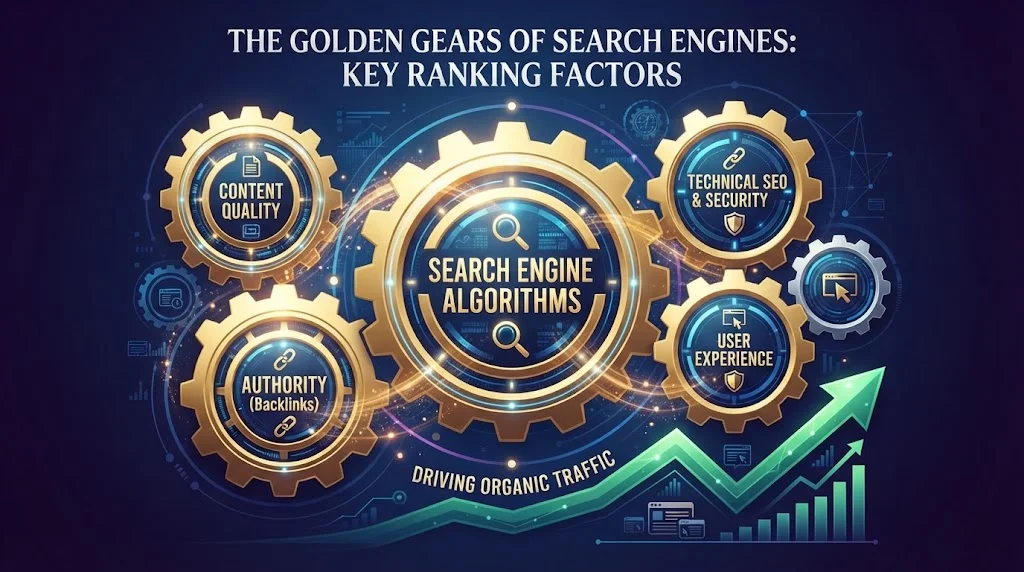
When it comes to getting your website noticed, understanding Search Engine Ranking Factors is essential. These factors determine how well your content ranks in search results on platforms like Google. If you want to improve your visibility and draw more traffic to your site, grasping these elements is key.
On-Page SEO Factors
The first major category to consider is on-page SEO. This refers to the optimization of content on your website itself. Here are some vital on-page factors:
- Content Quality: High-quality content is crucial. It should be well-written, relevant, and provide real value to your readers.
- Keyword Usage: Incorporate relevant keywords naturally throughout your content. This helps search engines understand what your page is about.
- Meta Tags: Properly optimized title tags and meta descriptions can enhance click-through rates from search results.
- URL Structure: Use clean, informative URLs. It’s easier for users and search engines to read.
- Internal Linking: Link to other relevant pages on your site to keep visitors engaged and distribute page authority.
Off-Page SEO Factors
Another significant factor is off-page SEO, which focuses on activities outside your website that influence your rankings. This includes:
- Backlinks: Quality backlinks from reputable sites signal that your content is trustworthy. The more high-quality websites link to you, the better your ranking potential.
- Social Signals: Engagement on social media can drive traffic and signal authority to search engines.
- Brand Mentions: Even unlinked brand mentions can affect your credibility and visibility.
Technical SEO
There’s also the important aspect of technical SEO. This deals with backend configurations, affecting how search engines crawl your site. Key elements include:
- Mobile Friendliness: With more users browsing on mobile devices, having a responsive design is essential.
- Site Speed: A fast-loading site enhances user experience and can boost your rankings.
- Sitemap and Robots.txt: These files guide search engines on how to crawl your website efficiently.
- Secure Sockets Layer (SSL): Having HTTPS in your URL increases security and is a ranking factor.
User Experience (UX)
Understanding user experience (UX) is increasingly important as well. Search engines prefer pages that offer a smooth and enjoyable experience. Here are some UX elements to think about:
- Page Layout: Ensure your layout is clean and easy to navigate.
- Readability: Use legible fonts and appropriate font sizes. Break content into smaller paragraphs for easier reading.
- Engagement Metrics: High bounce rates and low dwell time can negatively impact rankings. Aim for engaging content that keeps visitors on your site.
Keeping abreast of updates from search engines is vital. Major search engines, especially Google, regularly update their algorithms. Understanding these changes helps you adapt your strategies. Resources like Google’s SEO Starter Guide can provide additional insights.
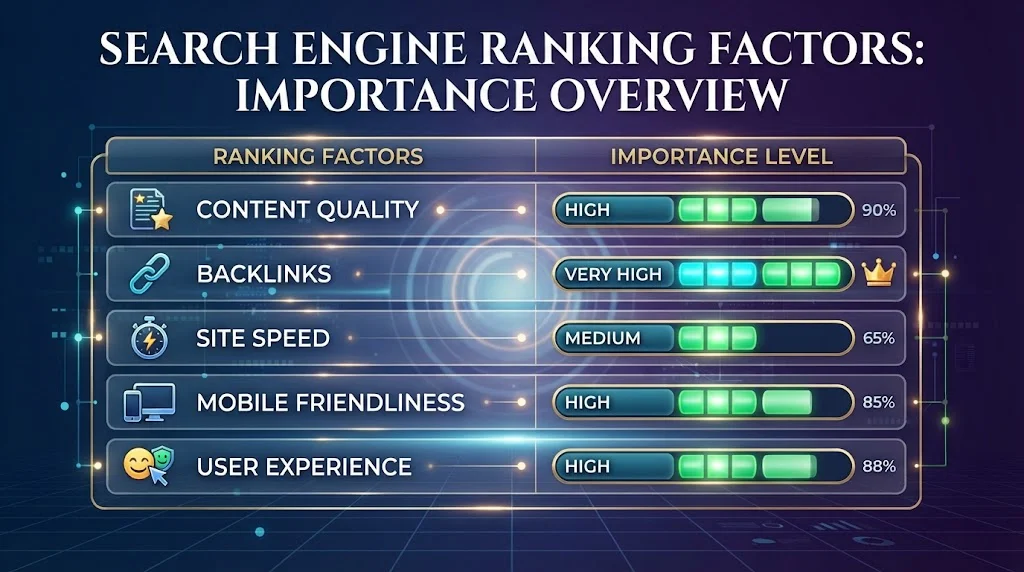
| Ranking Factors | Importance |
|---|---|
| Content Quality | High |
| Backlinks | Very High |
| Site Speed | Medium |
| Mobile Friendliness | High |
| User Experience | High |
For further reading, you can visit reputable resources such as Moz and Search Engine Journal. They offer comprehensive guides and articles that can enhance your understanding of these important factors.
The Role of Content Quality in SEO Success
In the ever-evolving world of SEO, the significance of content quality cannot be overstated. High-quality content acts as the backbone of successful search engine optimization efforts. It not only draws visitors but also engages them effectively. Let’s explore how content quality impacts SEO and why it should be your primary focus.
When you think about creating content, consider what makes it valuable. Quality content meets user needs by providing accurate, detailed, and well-structured information. Search engines aim to serve users the best possible results, meaning that your content must resonate with their intentions.
Here are key elements that contribute to content quality:
- Relevancy: Ensure your content aligns with the keywords and topics your audience cares about. Tools like Google Trends can help you identify popular search queries.
- Depth and Detail: Go beyond surface-level information. Detailed articles typically perform better as they provide comprehensive insights.
- Originality: Duplicate or plagiarized content will hurt your rankings. Craft unique pieces that offer fresh perspectives.
- Readability: Content should be easy to read, ensuring that users can digest your message without struggle. Tools like Readability Score can assist in evaluating this aspect.
- Engagement: Encourage readers to interact with your content—whether through comments, shares, or likes. Engaging content can help with dwell time, which signals quality to search engines.
Statistics show that 70% of marketers believe that content marketing is crucial for their strategies. In fact, companies that invest in high-quality content report 5–10 times more organic traffic compared to those that don’t. This statistic highlights that good content isn’t just about creating articles; it’s about producing effective, engaging resources designed to attract and retain an audience.
When it comes to the optimization of your content for search engines, consider these important practices:
- Keyword Usage: Include targeted keywords that your audience is likely searching for. Make sure to use these strategically throughout your content without stuffing.
- Internal Linking: Link to other relevant content on your website. This not only helps with site navigation but also boosts your SEO by defining the structure of your content.
- External Linking: Citing credible sources enhances the trustworthiness of your content. Referencing reputable websites can help improve your content’s authority.
- Content Updates: Regularly update your posts to keep them relevant. Search engines reward sites that continually provide fresh content.
- User Experience: Focus on optimizing your website’s loading speed and mobile-friendliness, as these factors impact how users interact with your content.
Moreover, the structure of your content influences both user engagement and search engine visibility. Below is a simple overview of how structured content benefits your SEO:
| Aspect | Impact on SEO |
|---|---|
| Headings | Improves scannability and indicates the hierarchy of information. |
| Bullet Points | Makes critical information digestible and easier for readers. |
| Images | Enhances the visual appeal and can be optimized for search engines with alt text. |

These elements can help you create high-quality content that not only ranks well but also serves your audience effectively. Always remember, the ultimate goal of SEO is to provide value to users.
How User Experience Influences Search Rankings
In today’s digital landscape, the connection between user experience (UX) and search engine rankings is becoming increasingly crucial. Websites that prioritize UX tend to perform better in search engines, making UX a vital factor in achieving higher rankings. Understanding how user experience impacts search rankings can help you optimize your site effectively.
Fast Loading Times
One of the primary elements of an excellent user experience is fast loading times. Users expect websites to load quickly; delays can lead to frustration and higher bounce rates. A site that takes longer than three seconds to load may lose about 40% of its visitors. Search engines like Google recognize this behavior and prioritize faster-loading websites in their rankings.
Mobile-Friendliness
As mobile internet usage continues to rise, having a mobile-friendly site is essential. Google employs mobile-first indexing, which means it predominantly uses the mobile version of your site for ranking. If your website is challenging to navigate or slow on mobile devices, your search rankings will likely suffer.
Easy Navigation
Clear and intuitive navigation is crucial for enhancing user experience. When users can easily find what’s looking for, they’re more likely to stay on your site longer. Effective navigation not only leads to higher engagement but also sends positive signals to search engines. Consider the following:
- Use a logical structure for categories and subcategories.
- Implement a search feature to help users quickly find content.
- Limit the number of clicks required to access important information.
Quality Content
Content is king in the world of SEO, and it plays a massive role in user experience. High-quality, relevant content attracts visitors and encourages them to share it, increasing your site’s visibility. Here are some tips for creating engaging content:
- Use clear and concise language.
- Break text up with headers, bullet points, and images for readability.
- Regularly update old content to keep it fresh and relevant.
Engagement Metrics
User engagement metrics such as click-through rates (CTR), average session duration, and bounce rates are critical indicators of a site’s performance. Improving these metrics can positively influence your search rankings. Google monitors these metrics to assess the relevance and quality of your site. To boost engagement, consider:
- Utilizing engaging visuals and interactive elements.
- Including calls to action that guide users to the next steps.
- Creating relevant content that meets users’ needs.
Security and Trustworthiness
Web security is essential for user experience. Sites that lack proper security measures, such as SSL certificates, may deter visitors from engaging with your content. Google prioritizes secure sites, which is why obtaining an SSL certificate can affect your search engine ranking. Always ensure that:
- Your site has HTTPS encryption.
- You disclose a privacy policy and terms of service.
- You implement measures to keep your site safe and free of malware.
Accessibility
Ensuring your website is accessible to all users, including those with disabilities, enhances user experience and aligns with SEO best practices. Take the following steps to improve accessibility:
- Use alt text for images to describe them accurately.
- Ensure that links are easy to identify and not confused with body text.
- Test your site with various assistive technologies.
Social Signals
While social signals are not direct ranking factors, they can drive traffic to your site and improve engagement metrics. When users share your content on social media platforms, it increases visibility and can lead to more backlinks, resulting in better search rankings. Focus on creating shareable content, and encourage users to share it on their social channels.
By prioritizing user experience, you are not only enhancing your visitors’ satisfaction but also paving the way for improved search engine rankings. Websites that make a genuine effort to create a seamless, enjoyable experience for users will likely earn better positions on search results pages.
The Impact of Backlinks on Your Website’s Authority
Backlinks play a crucial role in determining your website’s authority and search engine ranking. These links, which point from other websites to yours, signal to search engines that your content is valuable and trustworthy. When more authoritative sites link to your page, it can lead to an increase in your website’s credibility, ultimately improving its visibility in search results.
Understanding how backlinks impact your site is essential for developing a strong online presence. Here are several key factors to consider regarding backlinks:
Types of Backlinks
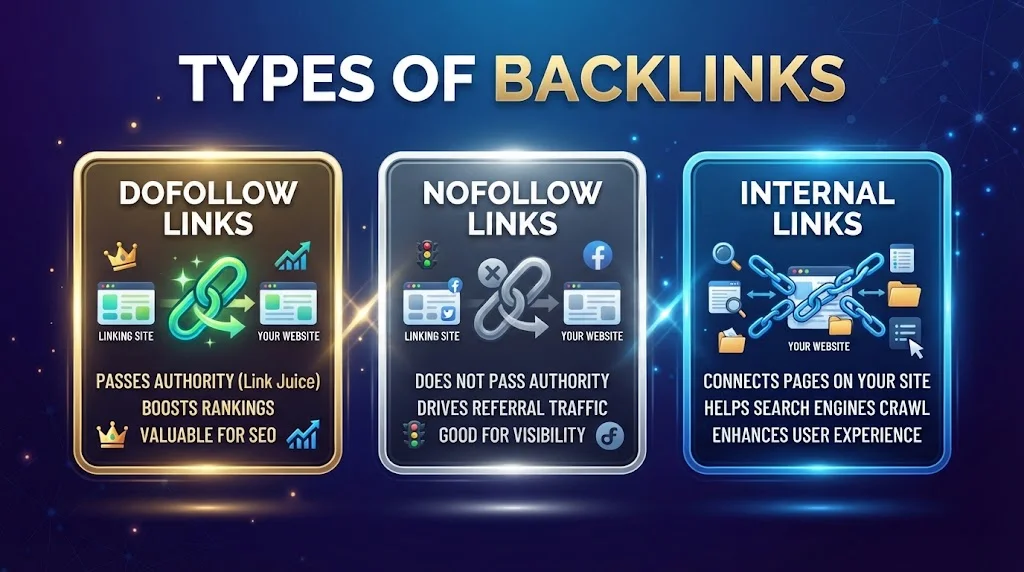
Not all backlinks are created equal. They vary in quality and impact on your website:
- DoFollow Links: These links pass authority from the linking site to yours, potentially boosting your rankings.
- NoFollow Links: While these don’t pass authority, they can still drive traffic to your site. Social media platforms often use nofollow for links.
- Internal Links: Links that point to other pages within your own website. They help search engines crawl your site and enhance user experience.
Quality Over Quantity
When it comes to backlinks, quality is far more important than quantity. A link from a high-authority site like Moz or SEMrush can have a much greater impact on your authority than dozens of links from low-quality sites. You should aim for backlinks that are:
- Relevant to your niche
- From reputable sources
- From pages with high domain authority
Building a Strong Backlink Profile
Creating a robust backlink profile takes time and effort. Here are some effective strategies to acquire valuable backlinks:
- Guest Blogging: Writing articles for other reputable blogs can earn you backlinks while exposing your expertise to a new audience.
- Broken Link Building: Find broken links on authoritative sites and suggest your content as a replacement.
- Content Creation: Develop high-quality content that is shareable, such as infographics, detailed guides, or research papers.
Utilizing tools like Ahrefs and Linkody can help you analyze your backlink profile and identify opportunities for growth. These insights can guide you in crafting a strategy that effectively enhances your site’s authority.
The Impact on SEO
Search engines, particularly Google, rely heavily on backlinks as a ranking factor. The more trustworthy sites that link to your content, the more likely your site is to rank higher in search results. Here are a few reasons why backlinks are vital for SEO:
- Improved Ranking: Backlinks can significantly boost your ranking in search engine results pages (SERPs).
- Increased Referral Traffic: High-quality backlinks attract more visitors, increasing your site’s traffic.
- Faster Indexing: Backlinks help search engines discover your pages more quickly.
Maintaining Your Backlink Health
It’s important to monitor the health of your backlinks regularly. Conduct audits to identify and disavow toxic links that could harm your site’s authority. Tools like Google Search Console provide insights into your backlink profile.
Additionally, keep an eye on the performance of your backlinks. Use metrics such as organic traffic, page rank, and the number of referring domains to assess their effectiveness.
The Future of Search Algorithms: Trends and Predictions
The digital landscape is ever-evolving, and so are the algorithms that power search engines. Understanding the future of search algorithms is crucial for anyone involved in online content, SEO, or digital marketing. As technology advances, the way users search for information and how algorithms process that data is changing rapidly. Let’s dive into some key trends and predictions that will shape search algorithms in the coming years.
Artificial Intelligence and Machine Learning

Artificial intelligence (AI) and machine learning (ML) are at the forefront of search algorithm evolution. These technologies have the capability to analyze vast amounts of data, enabling more sophisticated and nuanced search results. Here’s how they are impacting search:
- Personalization: Search engines will increasingly tailor results based on individual user behavior, preferences, and search history.
- Semantic Search: Algorithms will focus more on understanding the context of searches, which prioritizes meaning over keywords.
- Voice Search: As voice searches gain popularity, search algorithms will adapt to process natural language queries more effectively.
User Experience Will Take Center Stage
Search engines are placing greater emphasis on user experience (UX) as a ranking factor. Factors that contribute to a positive user experience include:
- Page Load Speed: Fast-loading pages will be crucial for retaining users and thus ranking higher in search results.
- Mobile Friendliness: With an increasing number of users accessing the web on mobile devices, search engines will prioritize mobile-optimized sites.
- Engagement Metrics: Metrics like bounce rate, time on site, and click-through rates will have a larger impact on rankings.
Emphasis on E-A-T Principles
Expertise, Authoritativeness, and Trustworthiness (E-A-T) are becoming more significant in determining search rankings. Content creators should ensure that their expertise is evident in their work to align with these principles. Some key aspects include:
- High-Quality Content: Well-researched and accurate information will rank higher.
- Author Credentials: Having visible author bios that demonstrate expertise can enhance credibility.
- Backlink Quality: Links from reputable sites add trust to your content.
Local SEO Will Become More Important

As search engines continue to refine how they deliver local results, local SEO strategies must evolve accordingly. Here are a few trends to watch:
- Increased Local Intent: Users are searching for local businesses more frequently, requiring optimization for location-based queries.
- Google My Business: Claiming and optimizing your Google My Business profile is essential for local visibility.
- Reviews and Ratings: Positive user reviews will play a critical role in establishing local authority.
Structured Data and Rich Snippets
Structured data markup helps search engines understand your content better. This understanding leads to rich snippets, which can improve visibility in search results. Key points include:
- Schema Markup: Implementing schema can help search engines present your content more effectively.
- Rich Snippets: These enhanced listings can increase click-through rates and visibility.
Privacy and Data Security Considerations
As concerns about data privacy and security rise, search algorithms may adapt to respect these changes. Potential implications include:
- Data Usage Regulations: Search engines will need to comply with regulations such as GDPR, influencing how they collect and use data.
- Anonymous Search Options: Search engines may offer options for more privacy-focused searches.
As we look ahead, staying informed about these trends and predictions will be essential for anyone in the field of digital marketing. The ways search engines analyze content are becoming more advanced, making it imperative for marketers to adapt their strategies accordingly.
For more insights on the future of search algorithms, consider visiting Search Engine Land and Moz. Keeping an eye on these developments will help you stay ahead in the digital landscape.
Conclusion
Mastering the intricacies of search engine ranking factors is crucial for anyone striving to enhance their online presence. Understanding these factors not only demystifies the process behind search engine results but also empowers you to create better content tailored to your audience. High-quality content remains at the heart of SEO success; it is essential to produce relevant, engaging material that meets the needs of your readers while incorporating keywords strategically.
Equally important is the user experience. A seamless, intuitive website fosters engagement and encourages visitors to stay longer, which search engines interpret as a positive signal. Ensuring that your site is user-friendly and optimized for fast loading speeds can significantly impact your ranking.
Moreover, backlinks play a vital role in establishing your website’s authority. By earning quality backlinks from reputable sites, you signal to search engines that your content is valuable and trustworthy, which can boost your rankings further.
Looking ahead, search algorithms are constantly evolving. Staying informed about the latest trends and predictions helps you adapt effectively. By embracing new technologies like artificial intelligence and voice search, you can position your website for future success.
Focusing on these critical areas will not only help you understand search engine ranking factors better but also equip you with the strategies needed to achieve lasting visibility and engagement online. Each factor intertwines to create a holistic approach that elevates your digital content and connects you more meaningfully with your audience.