
Improving Website Engagement with Content

ATTENTION: Want to Learn Affiliate Marketing from Successful Affiliates?
Engaging your audience with compelling content is crucial for any website’s success. When you focus on Improving Website Engagement with Content, you not only retain visitors but also drive conversions and foster loyalty. Here are several effective strategies that can help you elevate engagement levels on your site.
Create Valuable Content
The cornerstone of effective web engagement is creating valuable content. This means providing information that your audience actually cares about. Here are some steps to achieve this:
- Identify Your Audience: Use Google Analytics to understand who is visiting your site and what their interests are.
- Address Pain Points: Create content that resolves the problems or questions your audience has.
- Use a Conversational Tone: Speak directly to your readers as if you’re having a discussion, making your writing approachable.
Utilize Interactive Elements
Adding interactive elements can significantly boost user engagement. Consider these options:
- Quizzes and Polls: These can elevate the user experience and encourage participation.
- Infographics: Present information visually to make it easier and more enjoyable to digest.
- Comment Sections: Allow readers to share their thoughts; this builds a community around your content.
Optimize for Readability
Your content should be easy to read and understand. To enhance readability, follow these best practices:
- Short Sentences: Aim for clarity by using shorter sentences. This reduces cognitive load for users.
- Simple Language: Avoid jargon unless it’s necessary. You want your content to be accessible.
- Paragraph Breaks: Use short paragraphs to break up text, which makes reading less daunting.
Include Visual Content
Visual elements can make your content more engaging and memorable. Here’s how to utilize them:
- Images and Videos: Use high-quality visuals that complement your text. Tools like Canva can assist with creating engaging graphics.
- Slideshows: Break down information into slides so readers can consume it at their own pace.
Encourage Sharing
Make it easy for your visitors to share your content. You can incorporate:
- Social Media Buttons: Place social sharing buttons at the top or bottom of your content for quick access.
- Email Subscriptions: Encourage visitors to subscribe to your content for updates and newsletters.
- Referral Incentives: Offer rewards for sharing your content to motivate users to spread the word.
Optimize for Mobile Users
With more users accessing content on mobile devices, it’s important to ensure that your website is mobile-friendly. Consider these tips:
- Responsive Design: Use a responsive design that adjusts to different screen sizes, ensuring good usability across devices.
- Fast Loading Times: Optimize images and minimize coding to improve loading speed on mobile networks.
Analyze and Adjust
Regularly reviewing your website engagement is essential. Utilize analytics tools, such as Google Analytics, to track user behavior. Focus on metrics like bounce rates, time spent on page, and conversion rates. This data helps you adjust your content strategy effectively.
| Strategy | Benefit | Tools |
|---|---|---|
| Valuable Content | Retains visitors | Google Analytics |
| Interactive Elements | Increases participation | SurveyMonkey |
| Visuals | Enhances retention | Canva |
Improving Website Engagement with Content is a continuous effort that requires creativity and strategy. By focusing on providing real value, using interactive elements, and optimizing for your audience, you can create an engaging experience that encourages visitors to return. Remember, the more engaged your users are, the more likely they are to convert and become loyal fans of your brand.
The Role of Visuals in Boosting User Interaction
In the digital world, grabbing attention and keeping it can be a challenge. This is where visuals come into play, transforming plain text into exciting experiences that drive user interaction. Using images, videos, infographics, and other visual elements can greatly enhance how users engage with your content.
The Importance of Visuals
Visuals capture the essence of your message quickly and effectively. They provide context, highlight key information, and create an emotional connection with your audience. Here are some important reasons why visuals boost user interaction:
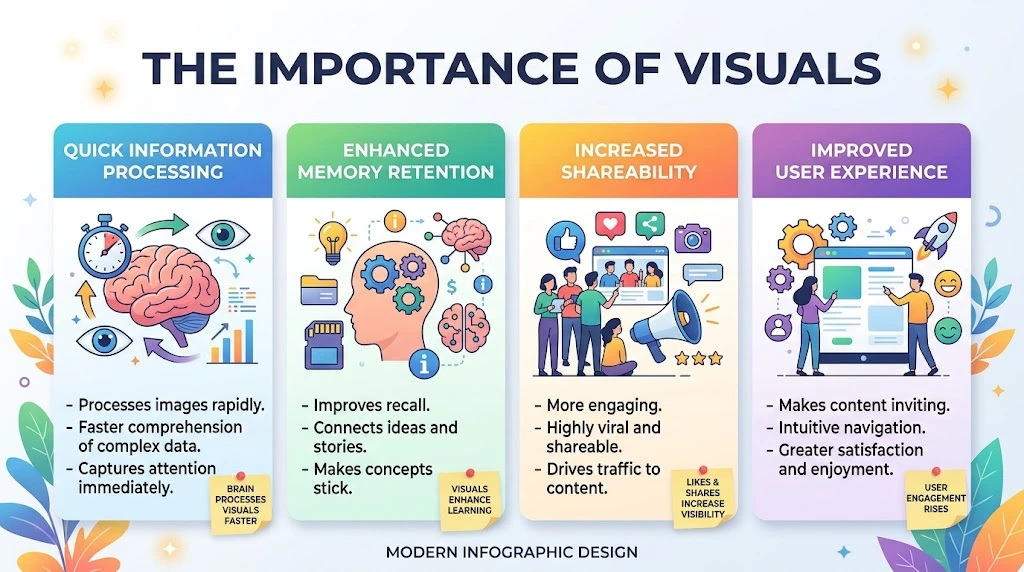
- Quick Information Processing: Humans process images 60,000 times faster than text. This means visuals immediately grab attention and convey messages swiftly, making them essential for engagement.
- Enhanced Memory Retention: A study shows that people remember 65% of the information they receive if it’s paired with relevant visuals, compared to just 10% when it’s presented as text alone.
- Increased Shareability: Eye-catching visuals are more likely to be shared on social media platforms, significantly increasing your reach and driving engagement.
- Improved User Experience: Visuals break up large text blocks, making content easier to read and navigate. This leads to longer session durations on your website.
Types of Visuals to Use
Various types of visuals can keep your content fresh and engaging. Here are some effective options:
- Images: Use high-quality images that resonate with your brand and message. They can evoke emotions and help convey complex ideas simply.
- Infographics: Condensing information into infographics can be both appealing and informative. They simplify complicated data, making it digestible.
- Videos: Short and engaging videos can keep visitors on your page longer, boosting interaction rates. These can range from tutorials to behind-the-scenes looks.
- GIFs: Animated GIFs can add a fun element to your content, often appealing to younger audiences and making topics more relatable.
Best Practices for Using Visuals
When implementing visuals, keep these best practices in mind to enhance engagement:
- Optimize for Speed: Ensure your visuals are optimized for web. Compress images and videos to reduce loading times, preventing user frustration.
- Use Alt Text: Always add alt text to your images. This improves accessibility for those using screen readers and can enhance your SEO efforts.
- Align with Content: Ensure your visuals complement your written content. They should add value and context, not distract from your core message.
- Maintain Consistency: Use a consistent color scheme and style for your visuals. This helps in establishing your brand identity and makes your content recognizable.
Examples of Effective Visual Usage
Many websites effectively utilize visuals to boost user interaction:
| Website | Visual Strategy |
|---|---|
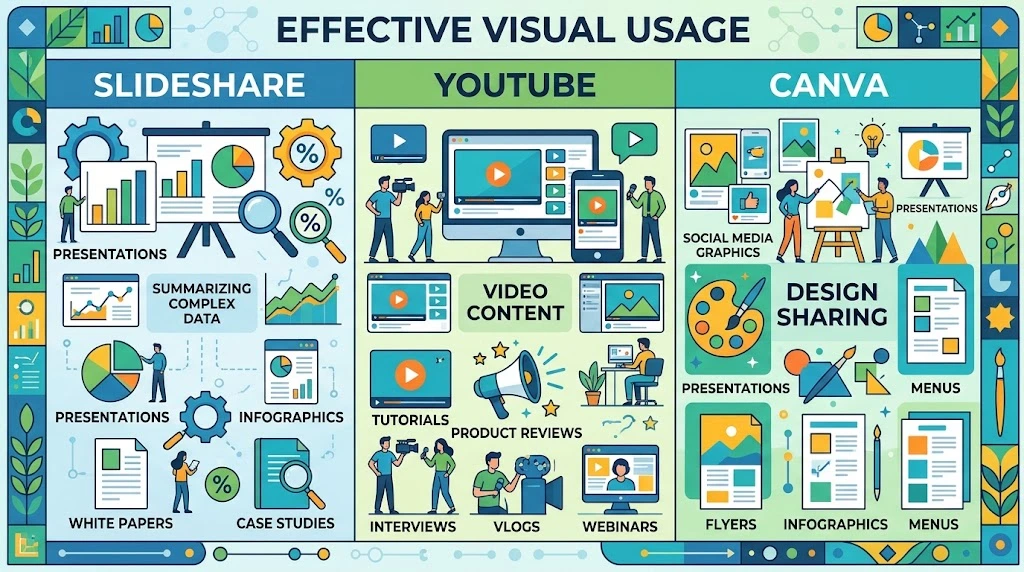
| SlideShare | Utilizes infographics and presentations to summarize complex data engagingly. |
| YouTube | Engages users with video content, offering tutorials, entertainment, and more. |
| Canva | Shows how to create visuals, encouraging user interaction through design sharing. |
Visuals in Social Media Strategy
Social media platforms thrive on visual content. Posts with images or videos perform significantly better than those without. To enhance interaction, consider:
- Creating shareable posts with appealing visuals.
- Utilizing live video features or stories for immediate engagement.
- Encouraging user-generated content, which often includes visuals created by your audience.
Visuals into your website can create a more engaging environment for users. By carefully selecting the use of images, videos, and graphics, and following best practices, you will enhance not only user interaction but also the overall user experience on your site. For further insights on visual content strategies, check out HubSpot’s Marketing Blog or Buffer’s Visual Content Guide.
Crafting Compelling Headlines to Capture Attention
In the digital landscape, your headline acts as the first impression. It’s your chance to grab attention, spark curiosity, and encourage clicks. Crafting compelling headlines can significantly improve your website engagement with content. Here’s how you can create headlines that resonate with your audience.
Understand Your Audience
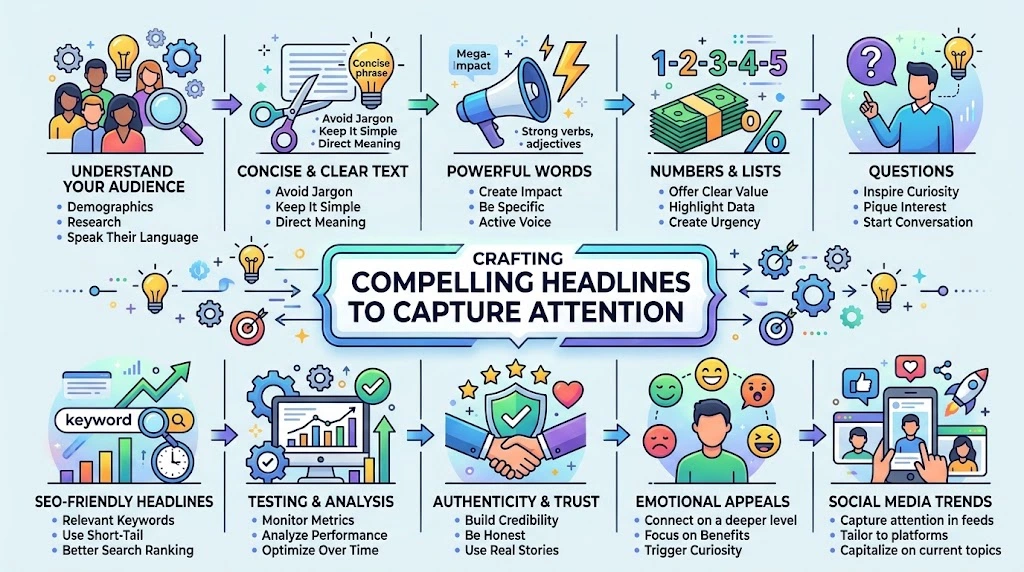
Knowing who your audience is forms the basis of compelling headlines. You want to create headlines that speak directly to their interests and needs. Conduct surveys, and read comments and reviews to understand what your audience is looking for. Tailor your headlines to reflect their language and concerns.
Be Concise and Clear
Attention spans are short online. Aim for headlines that are clear and concise—ideally under 60 characters. Avoid jargon and complicated words. Instead, use familiar terms that are easy to understand. A clear message engages better.
Utilize Powerful Words
Certain words evoke stronger emotions than others. Incorporate powerful action words or adjectives that spur an emotional reaction. Words like “discover,” “unlock,” “proven,” or “simple” can significantly boost the appeal of your headlines.
Incorporate Numbers and Lists
Numbers stand out in text and imply a specific, digestible amount of information. Consider these formats:
- “10 Tips for…”
- “7 Reasons Why…”
- “The Top 5 Ways to…”
These formats promise quick, valuable insights which draw readers in.
Ask Questions
Questions in your headlines can provoke curiosity, pulling readers in to find the answers. For example, “Are You Making These Mistakes in Your Marketing?” makes readers reflect on their actions and compels them to click for clarity.
Use SEO Wisely
Incorporate relevant keywords into your headlines, as they can enhance your visibility in search results. Research trending keywords related to your topic using tools like Moz or Ahrefs. It’s an effective way to ensure your headlines are both catchy and optimized for search engines.
Test and Analyze
Creating a headline is just the beginning. Use A/B testing to find out which headlines work best. Platforms like Optimizely allow you to experiment with different titles to see which ones lead to higher click-through rates. Regularly analyze the performance of your headlines to continuously improve your strategy.
Stay Relevant and Authentic
Ensure that your headlines accurately reflect the content. Misleading headlines may generate clicks, but they often lead to high bounce rates. Authentic content builds trust with your readers, and they are more likely to engage deeply with content you provide.
Explore Emotional Appeals
Engaging headlines can also tap into emotions. Think about what would resonate with your readers. Whether it’s curiosity, surprise, or urgency, an emotional appeal can create a lasting impact. Consider these examples:
| Emotion | Headline Example |
|---|---|
| Curiosity | “What Happens When You Stop Making Excuses?” |
| Urgency | “Last Chance: 5 Secrets for Instant Results!” |
| Fear of Missing Out (FOMO) | “Join Thousands Who Changed Their Lives with These 8 Strategies!” |
Leverage Social Media Trends
Staying updated with social media trends can provide inspiration for your headlines. Analyze popular posts and see what resonates with users. Incorporate trending topics and phrases but ensure they align with your content. Tools like BuzzSumo can be helpful to discover what’s trending.
By understanding your audience, utilizing effective strategies, and analyzing performance, you can craft compelling headlines that truly engage readers. The right headline can be the difference between a reader staying on your site or moving on. Prioritize creating headlines that capture attention and heighten engagement with your content.
Techniques for Encouraging User-Generated Content
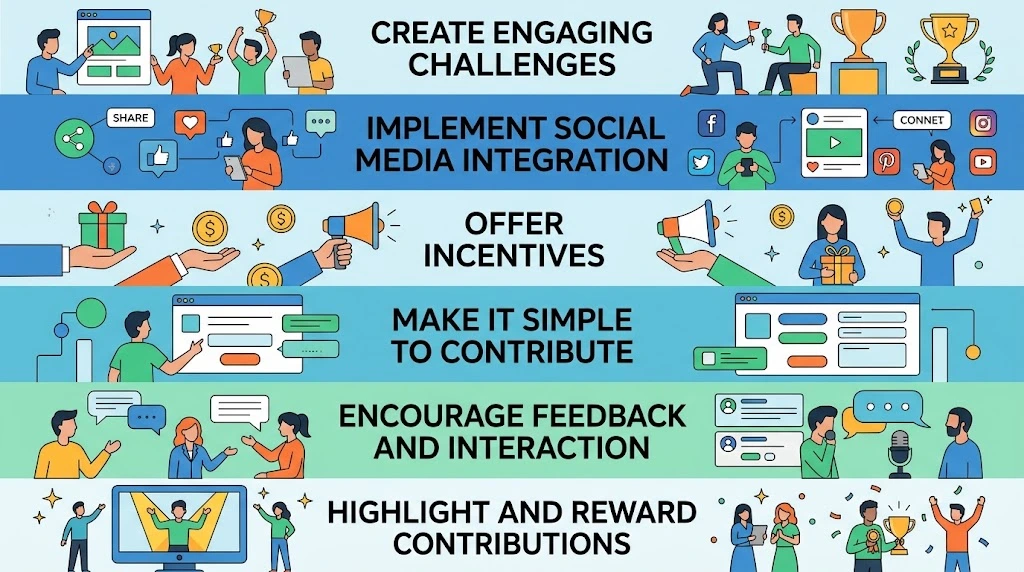
Encouraging user-generated content (UGC) can significantly enhance engagement on your website. When users share their experiences and opinions, it not only enriches the content but also builds a strong community around your brand. Here are some effective techniques to motivate users to contribute valuable content.
1. Create Engaging Challenges
Planning contests or challenges can spark creativity among your audience. Consider these options:
- Photo Contests: Ask users to submit photos featuring your products, with winners receiving a prize.
- Creative Writing: Encourage users to share stories or tips related to your niche.
- Video Submissions: Invite customers to create short videos showcasing their experiences.
These initiatives not only generate content but also foster excitement and participation.
2. Implement Social Media Integration
Leveraging social media is an excellent way to encourage UGC. Consider the following methods:
- Hashtags: Create a unique hashtag for your brand that users can include in their posts.
- Social Sharing Buttons: Make it easy for users to share content from your site directly to their social media.
- Feature Users on Your Profile: Share user-generated content on your brand’s social media profiles to encourage others to participate.
3. Offer Incentives
Incentives can motivate users to create and submit content. Some effective incentives include:
- Discounts or Coupons: Offer a discount for users who submit content.
- Rewards Programs: Establish a points system for submissions, leading to prizes.
- Exclusive Access: Give contributors early access to new products or features.
By providing tangible rewards, users will feel valued and more likely to participate.
4. Make It Simple to Contribute
Simplifying the contribution process is essential. Here’s how you can improve submissions:
- User-Friendly Forms: Create intuitive submission forms that don’t overwhelm users with questions.
- Clear Guidelines: Provide straightforward instructions on what type of content you are looking for.
- Mobile Optimization: Ensure your website is mobile-friendly, allowing users to submit content on-the-go.
5. Encourage Feedback and Interaction
Fostering an environment where feedback is welcomed can generate more user interaction. Consider these techniques:
- Comment Sections: Enable comments on posts and encourage users to engage with one another.
- Surveys and Polls: Conduct surveys to gather opinions that users can share.
- Regular Q&A Sessions: Host live Q&A events where users can ask questions and share insights.
6. Highlight and Reward Contributions
Recognizing users’ contributions encourages more participation. Use these strategies:
- Feature Content: Regularly showcase user-generated content on your homepage or social media to highlight their efforts.
- Top Contributor Recognition: Acknowledge top contributors through special awards or shout-outs.
- Community Spotlights: Create posts dedicated to featuring stories and insights from engaged users.
By implementing these strategies, you will create an inviting atmosphere for user-generated content. Not only will this enhance engagement on your website, but it also builds trust and loyalty within your community.
For more insights on encouraging user-generated content, resources such as Content Marketing Institute and Social Media Examiner can provide valuable guidance.
Analyzing User Behavior to Tailor Content for Better Engagement
Understanding how visitors interact with your website is vital for crafting engaging content. By analyzing user behavior, you can identify what resonates with your audience and tailor your content to enhance their experience. This approach not only increases engagement but also boosts retention and conversions.
One effective way to analyze user behavior is by utilizing analytics tools. Platforms like Google Analytics provide in-depth insights into how users navigate your site. Here are some key metrics to focus on:
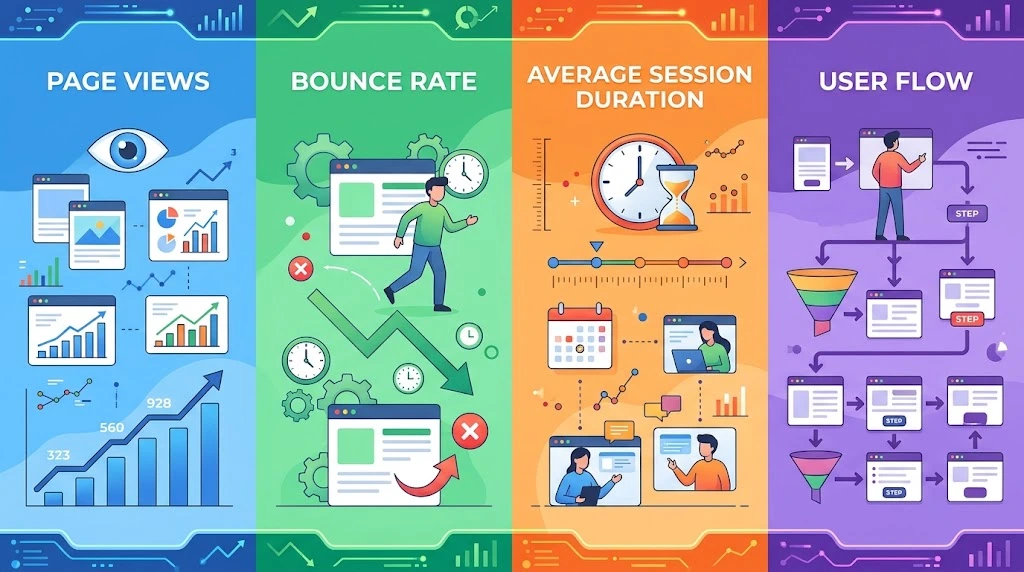
- Page Views: High page views may indicate engaging content, while low views could signal a need for improvement.
- Bounce Rate: A high bounce rate often suggests that users are not finding what they expect. Aim for a lower rate by ensuring your content is relevant and engaging.
- Average Session Duration: Longer sessions mean users are exploring your site more thoroughly, which is a positive indicator of engagement.
- User Flow: This shows the path users take through your site. Identify drop-off points to improve user experience.
Another critical method is heat mapping. Tools like Hotjar or Crazy Egg allow you to visualize where users are clicking and how far they scroll. This insight can help determine which sections of your content attract the most interest. With this data, you can optimize the layout of your pages and position important information strategically.
Feedback also plays a crucial role in understanding user behavior. Encourage visitors to leave comments or fill out surveys. open-ended questions can lead to richer feedback. Here are some examples:
- What topics would you like to see covered in future content?
- What questions do you have about the current content?
- How easy was it to find the information you needed?
Once you gather insights from your analytics and feedback, it’s time to tailor your content accordingly. Here are some strategies:
- Personalization: Use data to create targeted content. If you notice certain demographics interact more with specific topics, focus on these areas.
- Content Format: Some users prefer video over text or infographics. Diversifying your content format can meet the varying preferences of your audience.
- Update Existing Content: Revise underperforming articles by adding recent information or adjusting the tone to make it more engaging.
- Segment Your Audience: Create tailored sections for different audience groups. This allows you to speak directly to user interests and needs.
Testing is another essential aspect of enhancing engagement. A/B testing helps determine what works best. Experiment with different headlines, images, or calls to action. By monitoring changes in user behavior associated with these alterations, you can make informed decisions on what content performs best.
Responding to comments and fostering a community can also improve engagement. When users see that their input is valued, they are more likely to return. Investing time in creating a dialogue not only boosts engagement but also builds trust with your audience.
Gamification elements, such as quizzes or polls related to your content, can further enhance engagement. This interactive approach makes users feel involved and encourages them to spend more time on your site.
| Engagement Strategy | Description |
|---|---|
| User Feedback | Ask questions and encourage comments to understand user needs. |
| Analytics Monitoring | Use tools to track user behavior and identify areas for improvement. |
| Content Diversification | Offer various content formats, including videos and articles. |
| A/B Testing | Experiment with different content styles to see what resonates most. |
| Community Engagement | Respond to user comments and create discussions to foster loyalty. |
By implementing these strategies, you can analyze user behavior effectively and tailor your content to boost engagement. The goal is to create a website experience that not only meets but exceeds user expectations. Remember, a focused and data-driven approach leads to higher engagement, which is crucial for your website’s success. Start today by employing these techniques and watch your audience grow and interact with your content.
Conclusion
Improving Website Engagement with Content is all about creating a meaningful and interactive experience for your visitors. By implementing effective strategies, such as utilizing visuals and crafting compelling headlines, you can capture and maintain their attention. Visuals not only break up text but also enhance understanding, making your content more engaging and memorable. Moreover, headlines act as the gateway to your content, so compelling titles can significantly increase your click-through rate.
Encouraging user-generated content is another powerful way to boost engagement. When users feel valued and connected, they are more likely to share their thoughts, stories, and experiences, enriching your website with fresh perspectives. This not only fosters community but also encourages repeat visits, as users return to see how their contributions have been incorporated.
Analyzing user behavior is essential for refining your content strategy. By understanding what resonates with your audience, you can tailor your offerings to meet their preferences. Tools like analytics can guide you in identifying patterns and trends, allowing you to create targeted content that speaks directly to your readers’ interests and needs.
Ultimately, the key to Improving Website Engagement with Content lies in continuously adapting your approach based on feedback and data. Focus on building a connection with your audience through valuable, engaging content, and watch as your website transforms into a vibrant hub of interaction and discussion. By prioritizing your visitors’ experiences, you’ll not only enhance engagement but also foster loyalty, ensuring that they keep coming back for more.