
How to Write “Versus” Posts That Convert for Affiliate Sales?


ATTENTION: Want to Learn Affiliate Marketing from Successful Affiliates?
Creating “versus” posts can be a powerful strategy for driving affiliate conversions. When done correctly, these posts compare two products, services, or brands, helping readers make informed decisions. This not only engages the audience but also encourages them to click through your affiliate links. Here’s How to Write “Versus” Posts That Convert for Affiliate Sales effectively to maximize your affiliate sales.
Understand Your Audience
Before you start writing, it’s crucial to know your target audience. Ask yourself:
- What do they care about?
- What problems do they need solving?
- What information will help them make a purchasing decision?
Develop buyer personas to get an idea of who you’re writing for. Consider factors like age, interests, and purchasing habits. This knowledge will guide your content and make it more relevant. When considering How to Write “Versus” Posts That Convert for Affiliate Sales, this knowledge is paramount.
Choose the Right Products to Compare
Selecting the right products is key. Look for two items in the same niche that have a loyal following. Use affiliate platforms such as Amazon or Shopify to find products that resonate with your audience. Consider comparisons that people frequently search for. Tools like Ahrefs or SEMrush can help you identify trending comparisons in your niche.
Create a Clear Structure
The layout of your post can significantly impact readability. A clear structure helps readers follow your arguments and makes the content easy to consume. Here’s a simple outline you can use when learning How to Write “Versus” Posts That Convert for Affiliate Sales?:
- Introduction: Briefly introduce the products and why they are worth comparing.
- Head-to-Head Comparison: Use a table to display key features, pros, and cons side by side.
- Detailed Analysis: Provide in-depth reviews of each product.
- User Reviews: Incorporate customer feedback to add credibility.
- Conclusion: Summarize your findings and recommend a choice based on different user needs.
Use Tables for Comparison
| Feature | Product A | Product B |
|---|---|---|
| Price | $199 | $179 |
| Rating | 4.5/5 | 4.2/5 |
| Warranty | 2 years | 1 year |
| User Experience | Very good | Good |
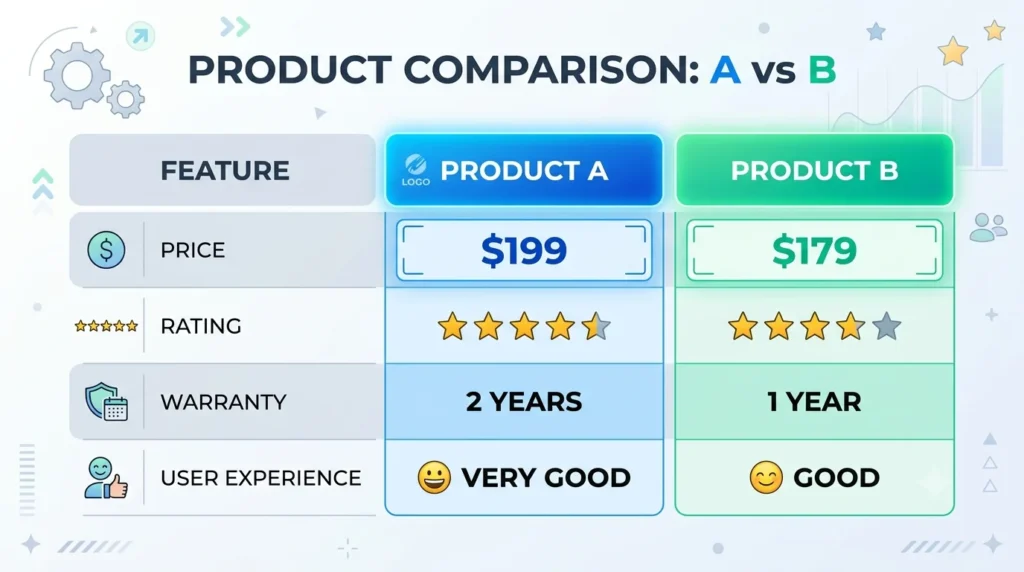
Using a table allows readers to see the key distinctions at a glance, making your comparison more effective and user-friendly. Understanding this is vital for How to Write “Versus” Posts That Convert for Affiliate Sales?
Incorporate SEO Strategies
Optimize your content for search engines to increase visibility. Here are some tips:
- Use your target keywords naturally throughout the post without stuffing. For instance, include “best product comparison” or “buying guide” where relevant.
- Optimize images with alt tags that include your keywords.
- Utilize internal and external links to enhance credibility. Link to reputable websites and your own relevant articles.
Engage with Your Audience
Don’t just publish and forget. Engage with your audience by responding to comments and questions. Use social media platforms to share your posts, encouraging discussion and encouraging clicks on your links. Consider including a call-to-action (CTA) at the end of your “versus” posts. Prompt readers to click on your affiliate links for more information or discounts. Mastering How to Write “Versus” Posts That Convert for Affiliate Sales? requires consistent interaction.
Track Performance
Once your post is live, use analytics tools to monitor its performance. Track metrics like page views, click-through rates (CTR), and conversions. Adjust your strategy based on what works and what doesn’t to continually improve your affiliate marketing efforts. By following these tips, you’ll be well on your way to crafting compelling “versus” posts that drive affiliate conversions successfully.
Key Elements of a High-Converting Comparison Post
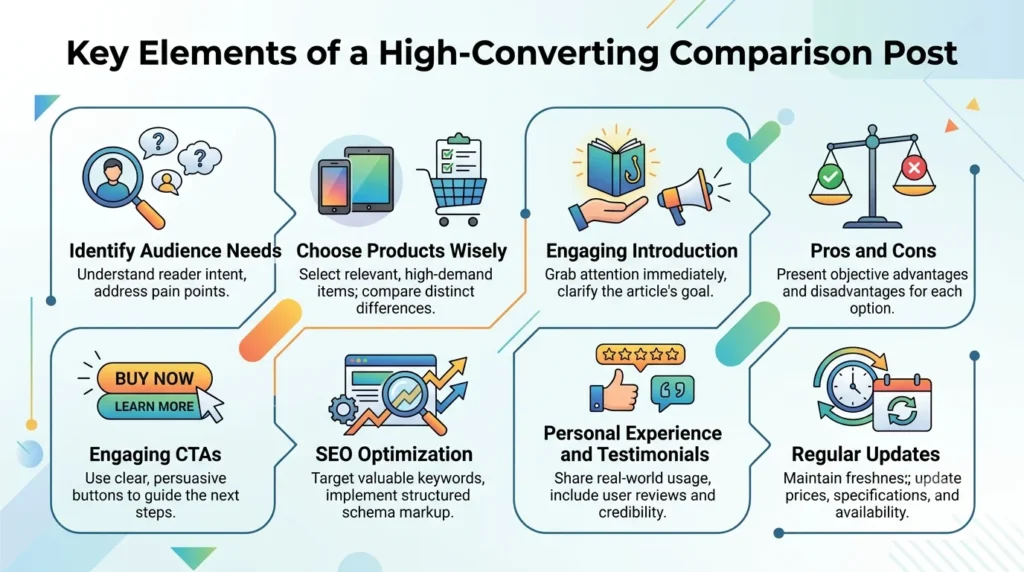
Creating high-converting comparison posts is a powerful way to drive traffic and increase affiliate sales. These posts not only help readers make informed choices but also boost your chances of earning commissions. Here are some key elements to include when crafting How to Write “Versus” Posts That Convert for Affiliate Sales?
Identify Your Audience’s Needs
Understanding your audience is crucial. Start by identifying what products or services they need help comparing. Use tools like Google Trends to see popular topics and products within your niche. Engage in forums, social media groups, or comment sections to gather insights into what your audience is talking about.
Choose Your Products Wisely
Select products that are in the same category and relevant to your audience’s interests. Ensure these products have a good reputation and positive reviews. Using products from platforms like Amazon or ClickBank can provide you with a trusted base for your comparisons.
Clear and Engaging Introduction
Your introduction should capture the reader’s attention. Clearly state the purpose of your comparison and what they will learn. A short anecdote or relatable question can hook readers right away. An example of a captivating introduction could be: “Have you ever found yourself lost between two similar products? You’re not alone!”
Highlight Pros and Cons
For each product, include a section where you list its pros and cons. This honest approach builds trust with your audience and helps them make informed decisions. Here’s a brief template you could follow regarding How to Write “Versus” Posts That Convert for Affiliate Sales:
Product A: Pros: Affordable, Easy to Use; Cons: Limited Features
Product B: Pros: Feature-Rich, Excellent Customer Support; Cons: Higher Price
Utilize Engaging Call-to-Actions (CTAs)
Call-to-actions are pivotal in guiding readers towards making a purchase. Use phrases like “Check the latest price here” or “Grab your best deal now!” This embedded urgency can encourage readers to click. Make sure to link these CTAs to your affiliate partner’s page for seamless transactions.
SEO Optimization and Keyword Usage
Integrate keywords naturally throughout your content to improve search engine visibility. Use tools such as Ahrefs or Moz to identify relevant keywords. Focus on long-tail keywords related to your products, as they often attract targeted traffic.
Incorporate Personal Experience and Testimonials
If you have used the products, share your experience. Personal anecdotes can enhance credibility and make your comparison relatable. Additionally, include testimonials or quotes from users to further support your claims.
Regular Updates and Maintenance
The world of products is ever-changing, and so should your posts. Regularly review and update your comparison posts based on new products, changes in existing products, or shifts in audience preferences. This commitment to keeping content fresh will serve to strengthen your site’s trust and authority. By focusing on these elements when creating your comparison posts, you can boost your chances of converting visitors into buyers. Engaging, informative, and well-structured posts will not only benefit your readers but also lead to higher affiliate sales.
Understanding Your Audience for Effective “Versus” Content
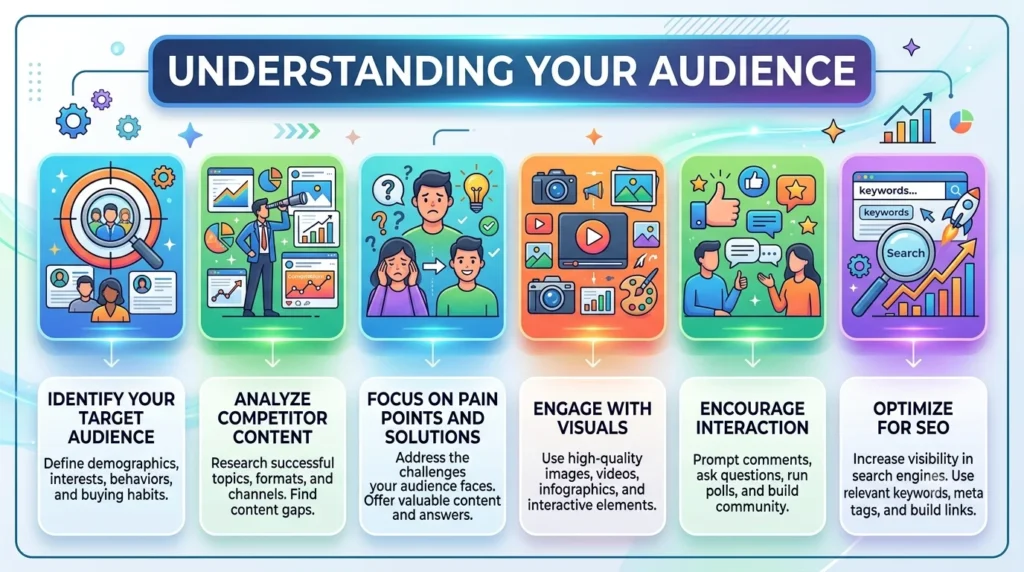
Creating engaging ‘versus’ content takes more than just comparing two products or services. To make your posts effective and drive affiliate sales, you need to understand your audience deeply. Knowing their preferences, pain points, and behavior patterns allows you to craft content that resonates with them. Here’s how to get started with How to Write “Versus” Posts That Convert for Affiliate Sales?
Identify Your Target Audience
Understanding who your readers are is the cornerstone of producing compelling versus content. Start by asking yourself: What are the demographics of my audience? (Age, gender, location); What interests do they have related to my niche?; What problems do they need solutions for? By answering these questions, you can attract the right visitors who are more likely to convert. Utilize tools like Google Analytics to gain insights into your audience’s behavior on your site.
Analyze Competitor Content
Look at the content produced by your competitors. What are they covering in their ‘versus’ posts? This can help you understand what appeals to your shared audience. Take note of: The format and structure they use; The tone and style of their writing; The features and benefits they highlight. By analyzing their approach, you can identify gaps in their content and position your own posts better to meet reader needs. Tools like SEMrush can help you crunch the data.
Focus on Pain Points and Solutions
Each piece of versus content should address a problem your audience faces. For instance, when comparing two cameras, consider factors like:
| Feature | Camera A | Camera B |
|---|---|---|
| Image Quality | High | Medium |
| Battery Life | 20 hours | 15 hours |
| Price | $500 | $400 |
Focus on how each option addresses specific needs. This creates a narrative that encourages readers to see themselves in your comparison. Highlight the weaknesses of one product to bolster the strengths of the other, always aiming for honesty and transparency.
Engage with Visuals
People are visual learners, and adding photographs, infographics, and comparison charts can enhance engagement. Use visuals to: Illustrate differences clearly; Break up text to improve readability; Provide testimonials to enhance credibility. Infographics can simplify complex information, making it easier for your audience to digest. Consider tools like Canva to create stunning visuals.
Encourage Interaction
Make your content interactive by inviting your readers to share their experiences with the products or services you are discussing. Include a comment section where they can exchange views. Posing questions such as: Which product do you prefer and why?; Have you had experiences with these brands? This interaction builds community and encourages more visitors to engage with your content. Remember, higher engagement can lead to better rankings in search results.
Optimize for SEO
Make your content easily discoverable by taking SEO into account. Use keywords related to your niche naturally throughout the article. Focus on: Keyword Placement: Use primary and secondary keywords in headings and throughout the text; Meta Descriptions: Craft compelling descriptions that include your main keywords; Internal Linking: Link to other related posts on your site to boost user engagement and SEO. Utilize tools like Ahrefs to check your SEO performance and make necessary adjustments. By understanding your audience and tailoring your ‘versus’ posts to meet their needs, you create compelling and persuasive content that drives affiliate sales. Engage, inform, and empower your readers with well-structured, relevant posts that keep them coming back for more.
The Role of Visuals in Enhancing “Versus” Posts
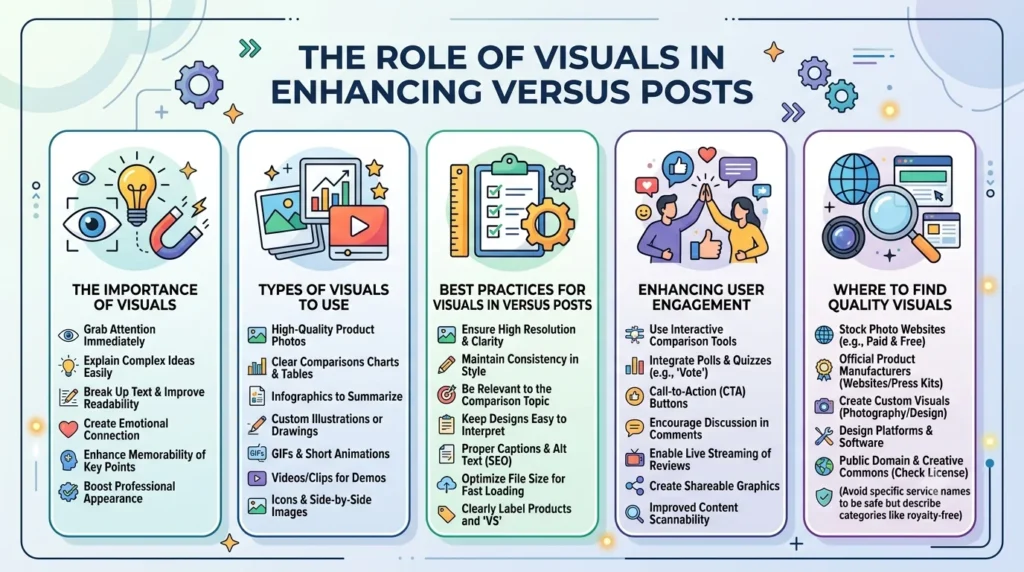
When it comes to crafting persuasive “versus” posts, visuals play a crucial role in enhancing engagement and clarity. These types of posts, which compare two products or services directly, benefit immensely from well-placed images and graphics. Here’s how to make visuals work for How to Write “Versus” Posts That Convert for Affiliate Sales?
The Importance of Visuals
Visuals are not just decorations; they serve multiple functions in “versus” posts. They can: Catch readers’ attention quickly; Clarify complex information; Support arguments and claims made in the text; Enhance the overall aesthetic appeal of the article. Understanding the psychology behind visuals helps in creating a stronger impact. Readers are more likely to engage with content that is visually appealing. According to studies, people process images 60,000 times faster than text. Therefore, integrating visuals is not just beneficial; it’s essential for converting readers into customers.
Types of Visuals to Use
When creating your “versus” posts, consider these types of visuals: Images: High-quality images of the products being compared can create a stronger connection with your audience; Infographics: Infographics effectively summarize information, making it easier to digest. They can illustrate comparisons quickly and clearly; Tables: Use tables to display features side-by-side, making it easy for readers to compare key specifications; Videos: Short video clips can show the products in action, showcasing their benefits directly; Graphs and Charts: When comparing statistics, graphs and charts can visualize data points and trends, offering quick insights to readers.
Best Practices for Visuals in “Versus” Posts
To maximize the effectiveness of your visuals, adhere to these best practices: Relevance: Ensure that every visual you include is directly related to the content. Avoid stock images that do not add value; Quality: Use high-resolution images and professional designs to maintain credibility; Descriptions: Always include captions or descriptions for visuals. This allows search engines to index your content better and makes it accessible to all users; Consistency: Use a consistent color scheme and layout throughout your visuals to reinforce your brand identity; Mobile Optimization: Ensure all visuals are responsive and optimized for mobile viewing. A significant number of users will access your posts using mobile devices.
Enhancing User Engagement
Visuals don’t just inform; they also invite interaction. Consider adding elements such as: Clickable Images: Make images clickable to lead readers to further resources or affiliate links; Polls or Quizzes: Embed interactive visuals that encourage readers to express their opinions on the products; Social Share Buttons: Add share buttons next to compelling images to encourage readers to spread the word about your “versus” posts.
Where to Find Quality Visuals
When searching for high-quality visuals, consider these resources: Unsplash – A treasure trove of free, high-resolution images; Pixabay – A wide variety of free images and videos; Canva – A fantastic platform for creating custom graphics. Visuals in your “versus” posts not only enhances the reading experience but also drives conversions. By thoughtfully selecting and optimizing visuals, you cater to the needs of your audience, making your content more appealing and engaging. This will surely assist you in boosting your affiliate sales and establishing a trusted brand presence.
Measuring Success: Analyzing Conversion Rates for Affiliate Sales
Understanding how to measure success through analyzing conversion rates for affiliate sales is crucial for any marketer. This process can help you identify what works, what doesn’t, and how you can improve your earnings over time. Conversion rates tell you the percentage of visitors who take a desired action, such as making a purchase or signing up for a newsletter. Here, we’ll look into key steps and strategies to effectively analyze your conversion rates when exploring How to Write “Versus” Posts That Convert for Affiliate Sales?
Track your conversion rates
One of the first steps in measuring success is to track your conversion rates. You can calculate the conversion rate using the formula: Conversion Rate = (Number of Conversions / Total Visitors) x 100. For example, if your affiliate link received 1,000 clicks and led to 50 sales, your conversion rate would be 5%. This simple yet effective formula helps you see how well your content engages your audience.
Segment your audience
Next, it’s important to segment your audience. By dividing your audience into specific groups, you can gain deeper insights. Consider segments such as demographics, referral sources, or behavior patterns. You might find, for example, that users from certain sources convert at higher rates than others. This can highlight which channels are worth investing more time into. Some helpful tools for audience segmentation include Google Analytics and Hotjar.
Understanding where visitors are dropping off
Another significant factor is understanding where visitors are dropping off. Analyze the user journey on your pages to see where people lose interest or fail to convert. It could be a lengthy sign-up form, unclear calls to action (CTAs), or even slow-loading pages. Utilizing tools like Optimizely for A/B testing can help you determine the most effective setup to reduce drop-off rates.
Create quality content
When assessing your conversion rates, looking closely at your content quality is essential. Are you providing valuable information that resonates with your audience? Ensure your posts contain detailed product reviews and comparisons, as these generate trust and help users make informed decisions. When creating content, consider the following: Use clear, persuasive language to explain the benefits of the products; Incorporate customer testimonials or case studies to illustrate effectiveness; Provide visual aids such as images, tables, or infographics to make your content engaging.
Optimizing your calls to action (CTAs)
In addition to content quality, optimizing your calls to action (CTAs) is crucial. Your CTAs should stand out and motivate readers to click through. Use action-oriented language and strategically place CTAs to maximize visibility. Test different wording and placements to see what yields the highest conversion rates. Once you have implemented changes based on your analysis, it is time to monitor results closely. Establish benchmarks for comparison, and maintain consistent tracking over set periods. Tools like ClickMeter can provide real-time insights into your conversion rates, helping you adjust your strategies promptly.
Communicate with your audience
It’s also beneficial to communicate with your audience. Engage them through surveys or social media to understand their preferences and pain points better. Gaining feedback can help you tailor offerings to meet your audience’s needs, resulting in better conversion rates. If feedback points to a specific issue, address it and track how it impacts your conversions.
Table: Simple Conversion Rate Calculation Example
| Total Visitors | Conversions | Conversion Rate (%) |
|---|---|---|
| 1,000 | 50 | 5% |
| 2,000 | 100 | 5% |
| 3,000 | 90 | 3% |
Analyzing conversion rates for affiliate sales involves numerous factors, including tracking, segmentation, content quality, and ongoing testing. By utilizing the right tools and processes, you can improve your conversion rates and maximize your affiliate earnings. For additional resources, consider visiting Niche Pursuits and WPBeginner, which offer insights and tutorials on optimizing affiliate marketing strategies.
Conclusion
Creating “Versus” posts that drive affiliate conversions requires a thoughtful approach, blending compelling content with an understanding of your audience. By carefully crafting your comparisons, you can highlight key differences that resonate with potential buyers. Each high-converting post should include essential elements like a clear structure, unbiased insights, and persuasive calls to action, all tailored to meet the needs and preferences of your target audience when learning to Write “Versus” Posts That Convert for Affiliate Sales
Understanding your audience empowers you to create content that genuinely speaks to their pain points and desires. When they feel that you understand their needs, they are more likely to engage with your recommendations. Furthermore, incorporating visuals can dramatically elevate the effectiveness of your posts. Eye-catching images, graphs, or infographics can simplify complex information and enhance the overall reader experience, making your comparisons more relatable and easier to digest.
To ensure your efforts translate into sales, consistently analyze your conversion rates. Monitor which posts are performing well and where your audience is clicking. This data not only informs your next steps but also helps you fine-tune your strategy. By iterating on what works and adapting to the preferences of your readers, you’ll foster loyalty as you become their trusted source for helpful comparisons. Ultimately, focusing on the needs of your audience while employing these strategies can transform your “Versus” posts into powerful tools for driving affiliate sales. With a commitment to quality and clarity, you can significantly enhance your chances of success in a competitive landscape.