How To Write Persuasive Landing Page Copy

ATTENTION: Want to Learn Affiliate Marketing from Successful Affiliates?
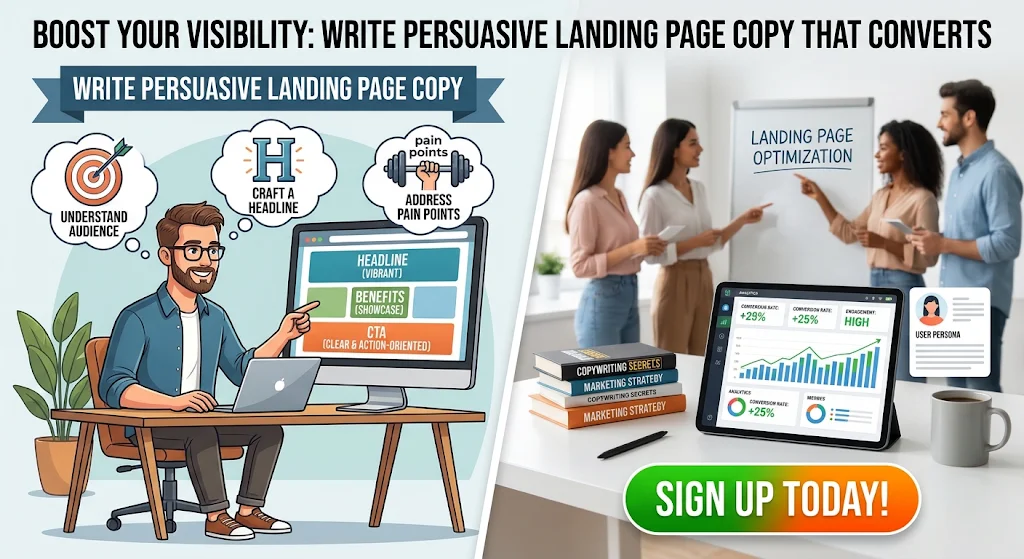
Creating persuasive landing page copy can be your secret weapon in converting visitors into customers. This process requires clear messaging, engaging language, and an understanding of your audience’s desires and pain points. Here are some techniques to make your landing page copy as compelling as possible.
Understand Your Audience
The first step in writing persuasive landing page copy is to truly understand your audience. Research their needs, desires, and pain points. Use this knowledge to craft messages that resonate with them. Ask questions like:
- What problems does my audience face?
- What solutions are they seeking?
- What benefits will they gain from my product?
Crafting a Strong Headline
Your headline is the first impression visitors have. Make it vibrant and engaging. A great headline should:
- Be clear and concise
- Address a pain point or desire clearly
- Convey the benefit of your offering
An impactful headline grabs attention and encourages visitors to read further.
Addressing Pain Points
Once you have your audience’s attention, dive into their pain points. Use empathetic language to show you understand their struggles. For example:
- “Are you tired of endless scrolling for solutions that don’t work?”
- “Struggling with X? Here’s how we can help.”
By speaking directly to their issues, you create a connection that builds trust.
Showcase Benefits, Not Features
When writing landing page copy, it’s tempting to highlight the features of your product. However, visitors want to know how your offering benefits them. Instead of saying:
“Our software has advanced analytics,”
Try:
“Unlock insights that help boost your sales by 30%.”
This shift in focus demonstrates the value of your product in their lives.
Use Persuasive Techniques
To enhance your persuasive landing page copy, incorporate these techniques:
- Scarcity: Highlight limited-time offers to create urgency. E.g., “Only 10 spots left!”
- Social Proof: Use testimonials or case studies to validate your product’s effectiveness. E.g., “Join thousands of satisfied customers.”
- Clear Call-to-Action (CTA): Ensure that your CTA stands out and conveys action. E.g., “Sign up for free today!”
End with a Strong Closing Argument
After presenting your key points, ensure your closing argument summarizes the main benefits clearly. Encourage immediate action with phrases like:
“Don’t wait any longer; transform your life today!”
A strong close reinforces what visitors should do next and why they should do it now.
Optimize for SEO
While engaging copy is essential, don’t forget about search engine optimization. Integrate relevant keywords naturally throughout the copy, such as “persuasive landing page copy” and “write landing page copy.” Enhance readability using short paragraphs, bullet points, and strategic subheadings.
Testing and Iteration
Remember that writing persuasive landing page copy is an iterative process. Run A/B tests to see which headlines, CTAs, or texts resonate best with your audience. Analyze the results and refine your copy accordingly. Continuous improvement keeps your landing page effective.
For further reading on creating persuasive copy, consider visiting Copyblogger or WordStream. They provide valuable resources that can help you hone your skills and produce compelling content.
The Importance of Headlines in Captivating Visitors
The effectiveness of any online marketing campaign hinges significantly on how well you capture the attention of your visitors. A compelling headline can make or break your ability to draw in potential customers. Crafting persuasive landing page copy often begins with a strong headline. It is not merely a title; it serves as the first impression your audience will have of your content.
Why Headline Matters
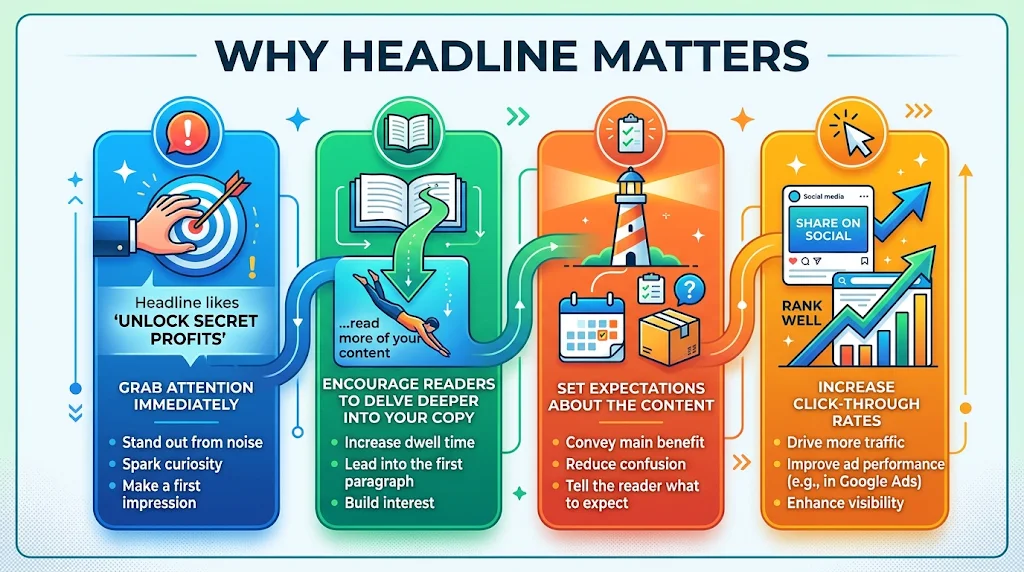
An eye-catching headline can dramatically influence your conversion rates. Research shows that 80% of people never get past the headline. This statistic underlines the importance of spending time to brainstorm and create a captivating headline. When done well, headlines can:
- Grab attention immediately
- Encourage readers to delve deeper into your copy
- Set expectations about the content
- Increase click-through rates
Techniques for Crafting Compelling Headlines
So, how do you write headlines that truly captivate your audience? Here are some effective strategies:
- Use Numbers: Headlines with numbers tend to perform better, as they provide clear information. For instance, consider using “5 Ways to Improve Your Writing Skill” instead of “Improve Your Writing Skill.”
- Ask Questions: A question directly engages the reader’s curiosity. For example, “Are You Making These Mistakes in Your Home Office?” motivates readers to find out if they are.
- Use Action Verbs: Start your headlines with strong action verbs that give a sense of urgency. For example, “Transform Your Marketing Strategy Today!” resonates with proactive readers.
- Appeal to Emotions: Emotional triggers can enhance your headline’s effectiveness. Use words that resonate emotionally, such as “Discover the Secret to Stress-Free Living!”
Consider Your Audience
Understanding your audience is critical when creating headlines. Tailor your headlines to address their specific needs or desires. What are their pain points? What solutions can you offer them? For example, if your audience consists of small business owners, your headline might read, “Boost Your Small Business Sales with These Simple Strategies.” This approach helps build a connection right from the start.
Testing Your Headlines
After crafting a few variations of headlines, don’t hesitate to test them out! A/B testing can help you understand which headlines resonate more with your audience. Track metrics such as click-through rates and engagement levels to find the most effective option. Tools like Optimizely or Unbounce provide helpful insights into your headline performance.
Examples of Headlines to Inspire You
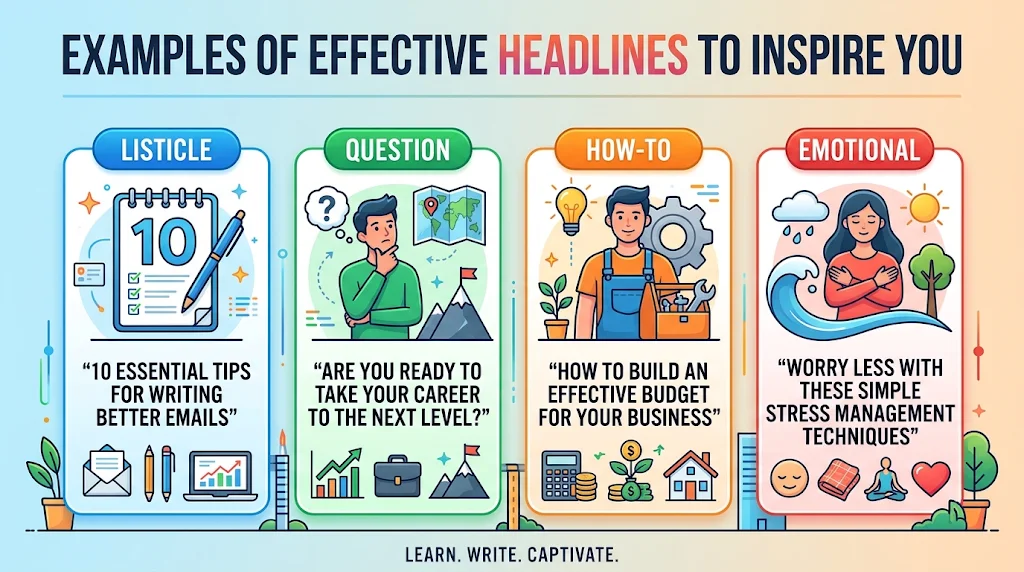
Here are some examples of effective headlines:
| Type of Headline | Example |
|---|---|
| Listicle | “10 Essential Tips for Writing Better Emails” |
| Question | “Are You Ready to Take Your Career to the Next Level?” |
| How-to | “How to Build an Effective Budget for Your Business” |
| Emotional | “Worry Less with These Simple Stress Management Techniques” |
Common Mistakes to Avoid
Even with the best intentions, some common headline mistakes can hinder your success:
- Making it too long or complex
- Using jargon or technical terms that your audience might not understand
- Being too vague or misleading in what the content delivers
By focusing on crafting high-quality, persuasive headlines, you can significantly enhance your landing page copy. Remember, the objective is not just to attract clicks but to engage your visitors and guide them through your content. When you master the art of headlines, you lay the groundwork for effective communication and higher conversion rates.
For more insights on writing effective headlines and copy, visit HubSpot or check out Neil Patel’s blog.
Crafting Compelling Calls to Action that Convert
Creating calls to action (CTAs) that resonate with your audience is crucial for boosting conversions on your landing pages. A well-crafted CTA not only guides users toward the next step but also persuades them to take action. Here’s how you can create compelling CTAs that truly convert.
Use strong action verbs
First and foremost, it’s essential to use strong action verbs. Verbs like “Get,” “Join,” “Download,” and “Claim” command attention and encourage immediate action. Instead of saying “Learn More,” try something like “Discover Your Solution” or “Start Your Journey.” This small shift in language can significantly increase engagement.
Tailor your CTAs
Next, tailor your CTAs to resonate with the specific desires and needs of your audience. You can achieve this by understanding your target demographic through surveys, feedback, and analytics. Knowing what makes your audience tick will help you craft personalized messages that they find hard to ignore.
Consider the placement of your CTA
In addition, consider the placement of your CTA. It’s not just about wording; where you position your CTA on the landing page matters too. Place your CTA buttons where they’re easily visible, such as above the fold or at the end of a convincing argument. Testing different placements can reveal where your audience is most likely to click.
Use contrasting colors
Using contrasting colors for your CTA buttons can dramatically increase visibility. Make sure your buttons stand out from the rest of your page. This ensures that they draw the eye and prompt action. Tools like Canva’s Color Wheel can help you choose colors that contrast well and still maintain brand consistency.
Inspire urgency
The wording of your CTAs should also inspire urgency. Phrases such as “Limited Time Offer” or “Join Now and Save” create a sense of urgency Sthat can push users to act quickly. People are more likely to take action if they feel they might miss out on something valuable.
Specific CTAs
Don’t forget to make your CTAs specific. Rather than saying “Click Here,” try something actionable like “Download Your Free Guide” or “Register for Our Webinar.” The more specific you are, the clearer the next steps are for your audience.
Utilizing social proof
Utilizing social proof can significantly boost the effectiveness of your CTAs. Including testimonials, ratings, or case studies next to your CTAs reassures potential customers that they are making the right choice. You can leverage platforms like Trustpilot or Yelp to gather authentic reviews that can serve as social proof.
Optimize your CTAs
It’s also beneficial to test and optimize your CTAs regularly. Conduct A/B testing by varying one element at a time—like the button color or wording—to see which version yields better results. Monitor the performance of your CTAs using tools like Google Analytics to understand what works best for your audience.
Make it easy for users to act. If your CTA leads to a form, keep it short and straightforward. Too many fields can deter users from completing the action. Aim for critical information and avoid overwhelming your visitors.
| Action Verbs | Urgency Phrases | Specific CTAs |
|---|---|---|
| Get | Limited Time Offer | Download Your Free E-book |
| Join | Act Now | Sign Up Today |
| Claim | Last Chance | Subscribe for Exclusive Updates |
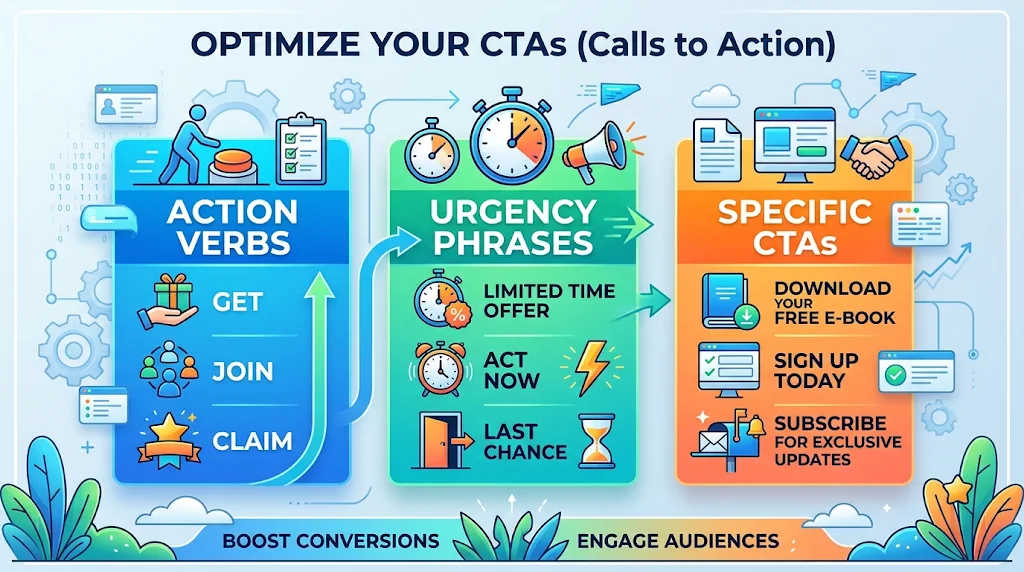
By implementing these strategies, you can craft compelling calls to action that not only attract attention but also inspire users to convert. Focus on your audience’s needs, continually test your approaches, and make necessary adjustments to maximize your conversion rates.
To learn more about effective CTAs and conversion strategies, check out Neil Patel’s guide or explore WordStream’s examples for inspiration.
Understanding Your Audience: The Key to Effective Landing Pages
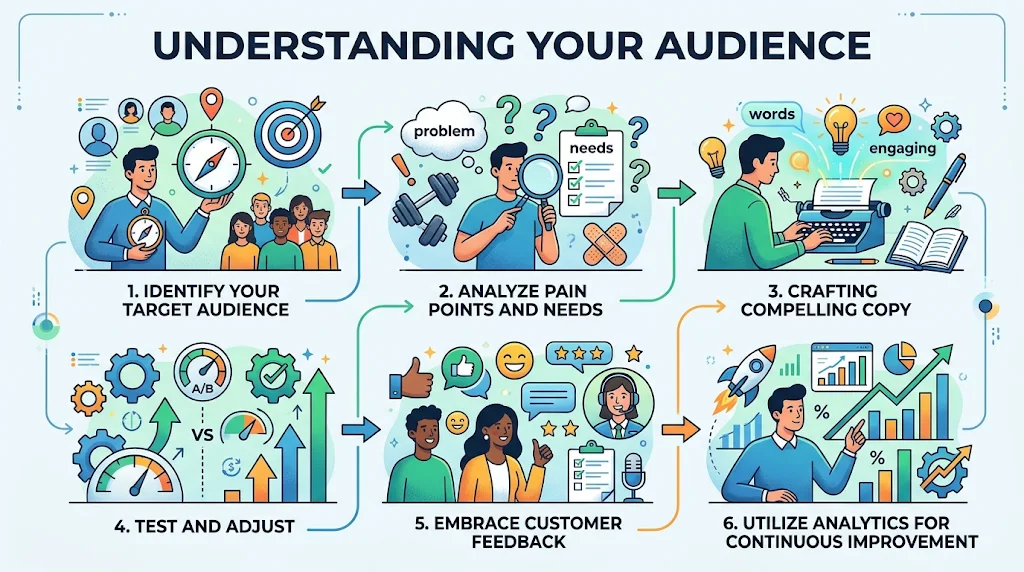
Creating a landing page that converts requires more than just appealing design and catchy headlines. At the heart of an effective landing page is a deep understanding of your audience. Knowing who your visitors are—what they want, need, and fear—can dramatically influence your page’s success. Here’s how you can delve into audience understanding and create persuasive copy that resonates.
Identify Your Target Audience
Start by defining who your ideal customers are. Create buyer personas by collecting data on demographics, psychographics, and buying behaviors. Here are some essential attributes to consider:
- Demographics: Age, gender, income level, location.
- Psychographics: Interests, values, lifestyle preferences.
- Behavior: Purchasing habits, product use cases, feedback on previous experiences.
This information can come from surveys, interviews, website analytics, and customer feedback. The more you know, the better you can tailor your message.
Analyze Pain Points and Needs
Your audience’s challenges are your opportunities. Understand their pain points and needs to position your product or service as the solution. Conduct interviews or group discussions to gather insights directly from potential customers. Here are some common sources:
- Online forums: Places like Reddit or niche-specific groups are great for gauging pain points.
- Social media: Monitor conversations and comments related to your industry.
- Competitor analysis: Study reviews of competitor products to identify gaps you can fill.
Crafting Compelling Copy
Once you have insights about your audience’s pain points, it’s time to write persuasive landing page copy. Implement the following strategies:
- Use a Conversational Tone: Speak directly to your audience using “you.” This personal touch builds a connection.
- Highlight Benefits Over Features: Instead of just listing product features, explain how these features solve problems or improve lives.
- Utilize Strong Calls to Action (CTAs): Use action-driven language that prompts your audience to act. Phrases like “Get Started,” “Join Now,” or “Discover the Benefits” are effective.
Test and Adjust
Creating a great landing page is an iterative process. Once you launch your page, monitor its performance closely. A/B testing different headlines, CTAs, and even color schemes can provide insights about what resonates with your audience. Here are some tools that can help:
- Google Analytics Track user behavior on your page.
- Optimizely Tailor your website content based on user data.
- Unbounce Build and test different landing pages without hassle.
Embrace Customer Feedback
Your visitors will always have valuable insights to share. Include mechanisms for feedback on your landing page. Use surveys or comment sections to gauge user experience. Pay attention to this information, as it can provide you with new ideas for improvement. You could also consider incorporating live chat options to assist visitors in real-time, showing that you value their experience.
Utilize Analytics for Continuous Improvement
Data is your friend when it comes to optimizing your landing page. Use website analytics to understand where visitors are dropping off and which sections are attracting attention. Consider the following metrics:
- Conversion Rate: The percentage of visitors who complete the desired action, such as signing up or making a purchase.
- Bounce Rate: How many visitors leave your page without taking any action; a high bounce rate might indicate that the page isn’t meeting their expectations.
- Average Time on Page: If users spend significant time on your landing page, it suggests that your content engages them.
Understanding your audience enables you to create landing pages that genuinely meet their needs. By continually refining your copy based on insights and data, you can improve conversions and achieve greater success.
For more on writing effective copy, check resources like Copyblogger and HubSpot.
Analyzing Successful Landing Pages: What Makes Them Work?
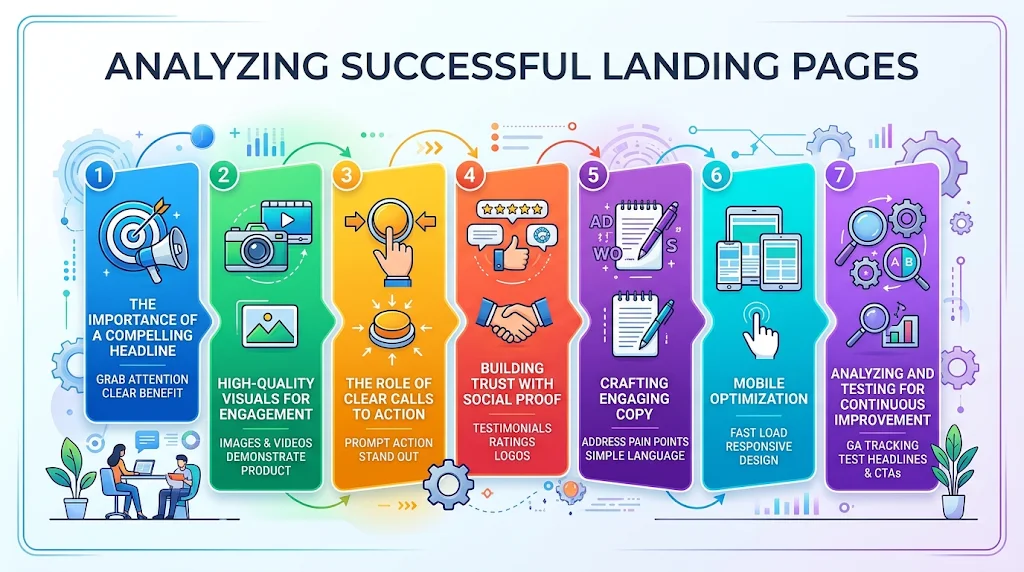
Understanding the Elements of Successful Landing Pages
Creating a landing page that converts visitors into customers involves understanding what makes others successful. Many landing pages share common features, but their effectiveness often comes down to specific elements that resonate with the audience. To enhance your landing pages, it’s valuable to analyze these successful examples.
The Importance of a Compelling Headline
Your headline is the first thing visitors will see, and it should grab their attention immediately. A compelling headline is often short, clear, and relevant. It should communicate the main benefit or purpose right away. Effective examples include:
- Being specific about what the product or service does
- Asking a question that speaks to visitors’ needs and desires
- Using strong verbs that evoke emotion or curiosity
High-Quality Visuals for Engagement
Using engaging visuals can enhance your landing page significantly. Images and videos not only draw attention but also help convey your message quickly. Here are some tips for selecting visuals:
- Choose images that demonstrate your product or service in action
- Utilize infographics to summarize key points
- Incorporate colors that align with your brand’s identity
The Role of Clear Calls to Action
An effective landing page includes clear and concise calls to action (CTAs). These buttons or links guide visitors toward the next step. Your CTAs should be bold and stand out. Consider the following when creating effective CTAs:
- Use action-oriented language (e.g., “Download Now”, “Get Started”)
- Place them strategically throughout the page
- Make sure the CTAs are relevant to the overall message
Building Trust with Social Proof
Visitors are more likely to convert when they see evidence that others have successfully used your product or service. Integrating social proof can include:
- Customer testimonials highlighting positive experiences
- Case studies that showcase successful results
- Logos of well-known brands you’ve worked with or featured in
Crafting Engaging Copy
The copy on your landing page should be concise and engaging. It needs to talk directly to your audience’s pain points and explain how your solution works. To keep readers interested, consider:
- Breaking up text with bullet points for easier digestion
- Using bold or italicized text to highlight important points
- Avoiding jargon; instead, use simple language that resonates
Mobile Optimization
With more users accessing websites via mobile devices, it’s crucial to ensure your landing page is responsive. An optimized page should:
- Load quickly on mobile networks
- Have buttons and links that are easy to click
- Display text and visuals correctly on various screen sizes
Analyzing and Testing for Continuous Improvement
Successful landing pages are often the result of extensive testing. Using A/B testing can help you refine your elements, from headlines to CTAs. Regular analysis via tools like Google Analytics can provide insights into:
- User behavior on your pages
- Conversion rates
- Traffic sources that yield the highest engagement
Looking at successful landing pages provides invaluable insights into what works and why. By focusing on elements like headlines, visuals, CTAs, and social proof, you can craft pages that engage visitors and encourage action. For further reading on effective landing pages, check out resources from Copyblogger and Unbounce. These sites offer professional tips and case studies to help you enhance your skills in landing page optimization.
Conclusion
Writing persuasive landing page copy is an art that requires a strategic mix of techniques, insightful understanding of your audience, and a keen eye for successful examples. Engaging headlines grab visitors’ attention and set the tone for what follows. A strong headline is your first opportunity to create intrigue and draw readers in, ensuring they stay and explore further.
Equally essential are compelling calls to action that significantly influence conversion rates. An effective CTA not only directs visitors on the next steps but also encourages them to take action that benefits them, whether it’s signing up, purchasing, or requesting more information.
Understanding your audience is the cornerstone of creating effective landing pages. By knowing their needs, pain points, and preferences, you can tailor your messaging to resonate deeply with them, making your copy not just persuasive but also relevant.
Analyzing examples of successful landing pages can provide invaluable insights into what works in your niche. By examining elements like layout, language, and engagement strategies, you can adapt those successful tactics into your own writing.
Ultimately, crafting persuasive landing page copy is about connecting with your audience, addressing their needs, and guiding them towards action. When you focus on these elements, you’re not just writing copy; you’re creating a powerful bridge between your product and the people who need it. Harness these strategies to convert interest into action, ensuring that your landing pages not only attract clicks but also drive meaningful results.