
How to Write A “Case Study” Blog Post for An Affiliate Product?

ATTENTION: Want to Learn Affiliate Marketing from Successful Affiliates?
Writing a compelling case study for an affiliate product is a fantastic way to showcase its benefits and engage potential customers. This guide will walk you through the steps needed to create a captivating case study that not only promotes the product but also provides valuable insight to your audience.
Identify Your Target Audience
Before you start writing, it’s vital to understand who your readers will be. Identifying your target audience ensures that your case study resonates with them. Consider the following:
- Demographics: Age, gender, and location
- Interests: What are their hobbies and preferences?
- Needs: What problems can the affiliate product solve for them?
Choose a Relevant Affiliate Product
Select an affiliate product that aligns with your target audience’s interests and needs. Research products within your niche to find one that has great reviews and a solid reputation. Highlighting a reputable product helps build trust among your readers.
Gather Data and Testimonials
To create a persuasive case study, collect data, and testimonials. Reach out to existing users and ask them about their experiences. You can also explore:
- Surveys: Create simple questionnaires for users of the product.
- Statistics: Look for relevant statistics that highlight the product’s effectiveness.
- Comparative Analysis: Compare the product with similar offerings to illustrate its advantages.
Structure Your Case Study Effectively
A well-structured case study captivates readers and keeps them engaged. Here’s a basic outline to follow:
- Background: Provide context about the problem the affiliate product addresses.
- The Challenge: Describe the specific challenges faced by users before the product was introduced.
- Solution: Explain how the affiliate product solved these challenges.
- Results: Present data and testimonies that showcase the positive effects of using the product.
Write an Engaging Narrative
Turn your data into a story. Readers connect better with narratives rather than dry facts. Use relatable language and anecdotes to illustrate your points clearly. Highlight the user experience to make it personal and relatable. For example:
“When Sarah first started using [Affiliate Product], she struggled with [specific problem]. After just a few weeks, she noticed significant changes, like [describe positive outcome].”
Optimize for SEO
Make sure your article is visible on search engines by optimizing it for relevant keywords. Include the following in your writing:
- Keyword placement: Use keywords naturally throughout your content.
- Image optimization: Add alt text to images related to your case study.
- Links: Include links to the affiliate product and other relevant resources for additional credibility. For affiliate links, consider using Amazon or ShareASale.
Include Visual Elements
Visual tools can enhance your case study significantly. Graphs, charts, and images help illustrate key points. For example, a simple table showing user satisfaction levels before and after using the product can be impactful:
| User | Satisfaction Pre-Product | Satisfaction Post-Product |
|---|---|---|
| Sarah | 3/10 | 9/10 |
| John | 4/10 | 8/10 |
Using data-driven visuals not only makes your case study more appealing but also helps reinforce the effectiveness of the product.
Proofread and Edit
Carefully proofread your case study. Look for grammatical errors and ensure it flows well. Reading your work aloud helps catch any awkward phrasing. Consider getting feedback from peers to identify areas for improvement.
By following these steps, you will create an engaging case study that highlights your affiliate product’s value. Not only will it entice potential buyers, but it will also establish you as a trustworthy source of information, ultimately boosting your affiliate sales.
Key Elements to Include in Your Case Study Blog Post
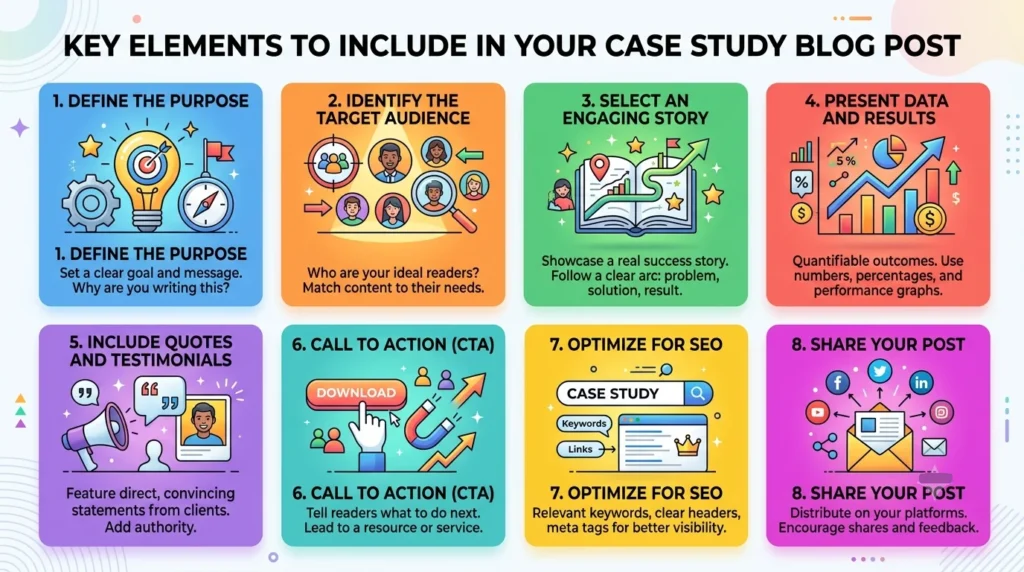
Writing a compelling case study blog post for an affiliate product can significantly boost your engagement and conversions. This approach combines storytelling with practical insights, making it relatable and educational for your audience. Here are the essential elements you should incorporate to create a standout case study.
Define the Purpose
Start by clarifying the purpose of your case study. Is it to showcase how a product solves a problem, highlight success stories, or demonstrate effectiveness? This will guide the structure and content of your post. Keeping your main objective in mind will help maintain focus and enhance reader interest.
Identify the Target Audience
Understanding who your audience is will shape your case study. Ask yourself questions like:
- What are their interests or pain points?
- What product features would be most appealing to them?
- How can I present this information to engage and inform them?
By tailoring your content to meet the specific needs of your audience, you’ll foster a more meaningful connection, encouraging readers to take action.
Select an Engaging Story
A great case study isn’t just about the product; it’s about the story behind it. Choose a customer or scenario that illustrates the product’s value. Aim to highlight key moments that make your case relatable:
- Before the product: Describe the challenges faced.
- Using the product: Explain the process and the user experience.
- After the product: Share the outcomes and benefits.
This storyline captivates readers and provides context, making the product more appealing.
Present Data and Results
Data is crucial to validate your case study. Provide specific metrics or qualitative insights to back up your narrative. Consider creating a table to show results clearly:
| Metric | Before Product Use | After Product Use |
|---|---|---|
| Time Saved | 10 hours/week | 5 hours/week |
| Sales Growth | $500/month | $1000/month |
| Customer Satisfaction | 60% | 90% |
These data points enhance credibility and help the reader visualize the product’s impact.
Include Quotes and Testimonials
Including direct quotes from users adds authenticity to your case study. It offers first-hand insights into their experiences, making your content more relatable. You can use blocks or italics to highlight these testimonials:
“This product transformed my workflow and saved me countless hours!” – Happy Customer
Such endorsements can persuade potential buyers by fostering trust and positive sentiment.
Call to Action
Every case study should include a call to action (CTA). Guide your readers on what steps to take next. You might encourage them to:
- Try the product for themselves.
- Sign up for a newsletter for more insights.
- Leave a comment about their experiences.
Your CTA serves as the bridge between engaging storytelling and actionable outcomes, directing your audience toward the desired action.
Optimize for SEO
Do not forget to optimize your case study with relevant keywords such as “product review,” “user experience,” and “success stories.” These keywords should appear naturally throughout your content to improve search engine rankings. Tools like Ahrefs can help you identify the best keywords to use for your case study. Additionally, make sure to include internal and external links to reputable sources that can enrich your post.
Share Your Post
Once your case study is published, share it across various platforms to increase visibility. Utilize social media, email newsletters, and online communities related to your niche. The more your case study is shared, the more potential readers will engage with it.
By combining storytelling with data and real-user experiences, you’ll create a case study blog post that not only informs but also converts. Utilize these elements to craft your case study and watch your affiliate marketing efforts thrive.
How to Analyze and Present Data Effectively in Case Studies
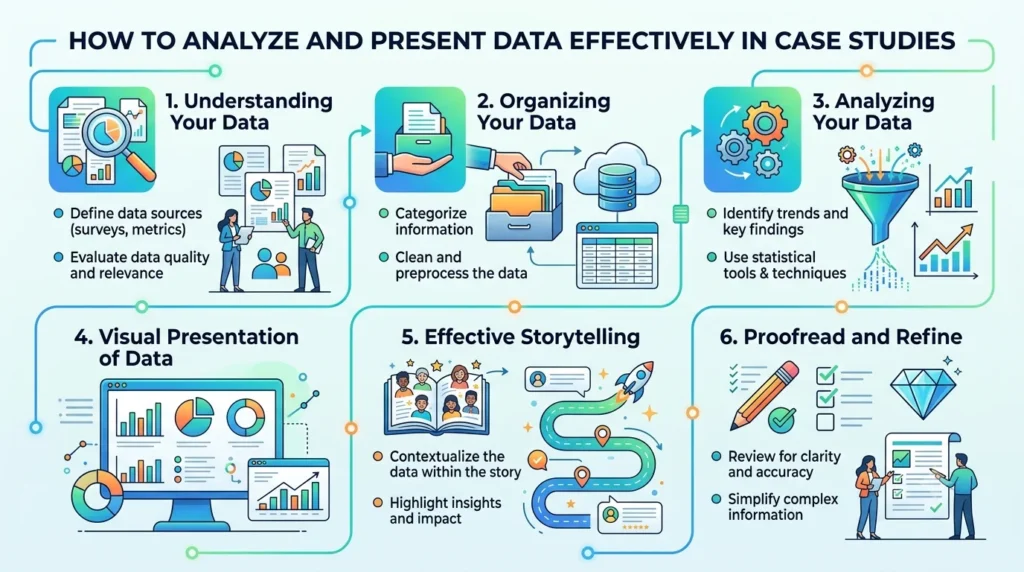
Analyzing and presenting data effectively is crucial to creating a compelling case study that resonates with your readers. When you focus on clarity and attention to detail, your case study will not only inform but also engage your audience. Here are some effective strategies for achieving this.
Understanding Your Data
Before diving into analysis, it’s vital to thoroughly understand the data you have. This includes both qualitative and quantitative measures. Take the time to ask yourself key questions:
- What is the purpose of this data?
- Who is the target audience for my case study?
- What key messages do I want to convey?
By answering these questions, you can lay a strong foundation for your analysis.
Organizing Your Data
A well-organized dataset allows for seamless analysis. Use tools such as Excel or Google Sheets to organize your data effectively. Focus on categorizing information relevant to your case, as this will streamline the analysis process. Here are some tips:
- Group related data points together to observe trends.
- Use charts or graphs to visualize data easily.
- Keep your data tables uncluttered for better understanding.
Analyzing Your Data
Now that your data is organized, it’s time for analysis. Here are some advanced strategies to consider:
- Identify Trends: Look for patterns over time, such as spikes in user engagement or sales after a campaign launch.
- Use Comparative Analysis: Compare your data against industry standards or competitor data to highlight your product’s strengths.
- Quantify Results: Use metrics like conversion rates, customer acquisition cost, or return on investment (ROI) to show the effectiveness of your affiliate product.
These strategies will make your data more insightful and persuasive.
Visual Presentation of Data
Visual elements are essential for engaging your readers. A well-designed table can make complex data easy to digest. Here’s an example format:
| Metric | Before Campaign | After Campaign | Percentage Increase |
|---|---|---|---|
| Website Traffic | 1,000 | 1,500 | 50% |
| Sales | $5,000 | $7,500 | 50% |
Using clear visuals like tables and charts will help your audience quickly grasp key statistics while appreciating the impact of your affiliate product.
Effective Storytelling
Remember, data alone isn’t enough; it must be part of a broader narrative. Use storytelling techniques to connect with your audience. Consider these points:
- Start with a relatable scenario where your affiliate product plays a crucial role.
- Present the challenges faced and how the product helped overcome these obstacles.
- Use testimonials or quotes to add authenticity to your case study.
Your goal is to make your case study relatable and memorable.
Proofread and Refine
Take the time to proofread your case study thoroughly. Clear, concise language is vital for maintaining reader engagement. Eliminate jargon unless it’s relevant, and ensure a conversational tone is present throughout.
Techniques for Promoting Your Case Study Blog Post to Drive Traffic
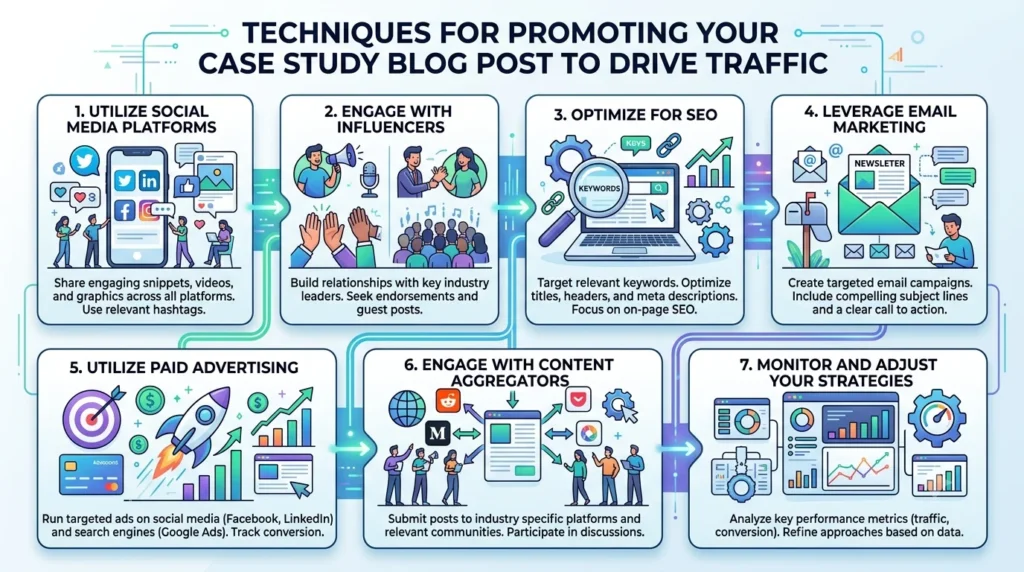
Promoting your case study blog post effectively can significantly enhance its visibility and traffic. A well-crafted case study not only showcases the benefits of an affiliate product but also builds trust with potential customers. Here are some effective techniques to ensure your post reaches a wider audience.
Utilize Social Media Platforms
Social media is a powerful tool for promoting your case study blog post. Here’s how to do it effectively:
- Share on Multiple Platforms: Post your case study on Facebook, Twitter, LinkedIn, and Instagram. Tailor your message for each platform to engage your audience.
- Use Eye-Catching Visuals: Create infographics or short videos summarizing key elements from your case study. Visuals can capture attention and convey information rapidly.
- Join Relevant Groups: Participate in forums and groups related to your case study’s topic. Share your blog post in a helpful manner without being overly promotional.
Engage with Influencers
Collaborating with influencers can help boost your post’s reach. Focus on these steps:
- Identify Industry Influencers: Find influencers in your niche who have a strong following and credibility.
- Offer Value: Approach them with your case study and explain how it can benefit their audience. Consider offering them a free trial of the affiliate product featured in your study.
- Co-Promotion: See if they’d be willing to share your post or collaborate on content that references your case study.
Optimize for SEO
Search engines are a significant source of traffic. Make sure your blog post is optimized:
- Use Relevant Keywords: Research and identify keywords related to your case study that potential readers might use. Incorporate them naturally throughout your content.
- Create Meta Descriptions: Write compelling meta descriptions that include your primary keywords. This can help improve click-through rates on search results.
- Internal Linking: Link to other relevant content on your website to keep readers engaged longer and improve your site’s SEO.
Leverage Email Marketing
Email marketing is an excellent way to inform your audience about your new case study. Here’s how to make the most of it:
- Build a Quality Email List: Ensure you have a list of subscribers who are genuinely interested in your niche.
- Send Personalized Emails: Craft emails that highlight the main points of your case study while also providing a link to read more.
- Offer Exclusive Content: Consider sending exclusive insights or additional data from your case study to your email list to encourage opens and clicks.
Utilize Paid Advertising
If budget allows, paid advertising can elevate your post’s exposure. Consider these options:
- Social Media Ads: Use platforms like Facebook Ads or Instagram Ads to target specific audiences who might be interested in your case study.
- Google AdWords: Invest in a targeted AdWords campaign to drive traffic to your blog post from search engine results.
Engage with Content Aggregators
Submitting your case study to content aggregators can expose your work to new audiences. Here’s how:
- Identify Relevant Aggregators: Submit your blog post to places like Reddit’s Entrepreneurship or Medium.
- Highlight Interesting Findings: When sharing, focus on the most compelling statistics or stories from your case study to spark interest.
Monitor and Adjust Your Strategies
Track the performance of your promotional efforts. Use tools like Google Analytics to monitor traffic sources and user engagement. Based on your findings, adjust your strategies to maximize effectiveness.
Following these techniques will not only help you drive traffic to your case study blog post but also increase your chances of conversions for the affiliate product you are promoting. Each step, whether it’s optimizing for SEO or leveraging social media, works together to create a comprehensive promotional strategy.
Common Mistakes to Avoid When Writing Case Studies for Affiliate Marketing
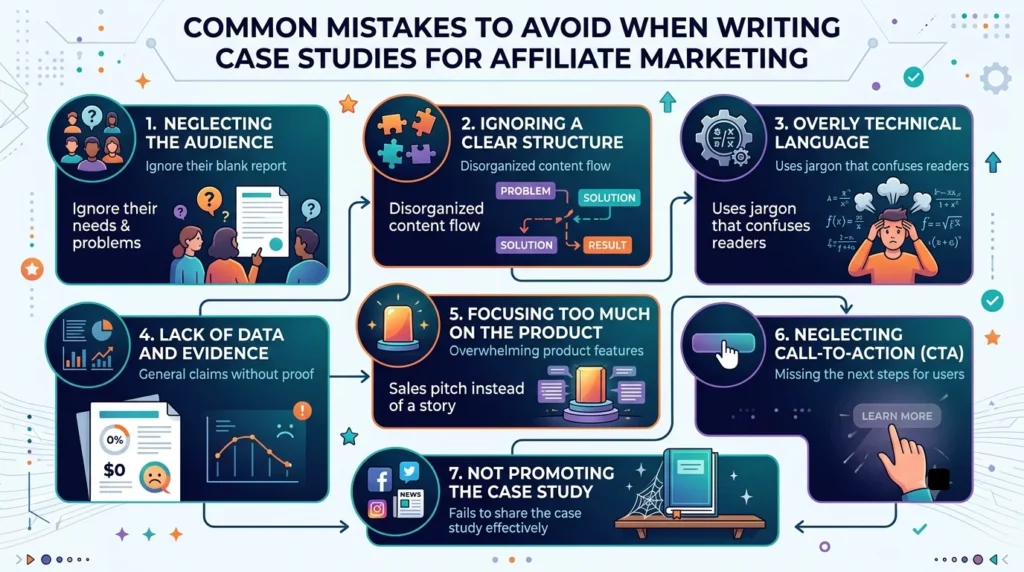
Writing a case study for affiliate marketing can be an effective way to showcase a product’s benefits and value. However, many affiliate marketers make common mistakes that can dampen their impact. Understanding these pitfalls is crucial for crafting a compelling narrative that engages readers and drives conversions.
Neglecting the Audience
One of the biggest mistakes in writing case studies is failing to consider the target audience. It’s essential to understand who you are writing for. Ask yourself:
- What are their pain points?
- What solutions are they seeking?
- How does the product fit into their lives?
By focusing on your readers’ needs, you can tailor your case study to resonate with them. When the content speaks directly to your audience, it enhances engagement and increases the chances of conversion.
Ignoring a Clear Structure
A case study must follow a logical structure. Avoid presenting information chaotically, as this can confuse readers. A typical structure can include:
- Introduction: Brief overview of the problem and solution.
- Background: Details about the customer or situation.
- Solution: Explain how the product provided a solution.
- Results: Share measurable impacts and outcomes.
This format not only facilitates comprehension but also helps to maintain readers’ attention throughout the content.
Overly Technical Language
Using jargon or overly complex phrases can alienate your audience. Remember, a case study should be accessible to everyone. Aim for clarity and simplicity. Instead of saying:
“The product provides exemplary functionalities that contribute to enhanced operational efficiencies,”
Try:
“This product helps businesses work faster and easier.”
Simple language ensures that your message is clear and will resonate with a wider audience.
Lack of Data and Evidence
People tend to trust data-backed statements. Neglecting to include quantitative results, such as percentages, testimonials, or specific improvements, can weaken your case study’s credibility. Always look to include:
- Statistics that highlight results
- Customer quotes that emphasize satisfaction
- Comparative data that showcases superiority
Including such elements not only supports your claims but also builds trust with your audience.
Focusing Too Much on the Product
While it’s important to highlight the affiliate product, avoid making it the sole focus. Instead, concentrate on the story behind how the product made a difference. Show the reader the journey and keep them hooked on the narrative. For instance, instead of elaborating exclusively on the product’s features, narrate how a user’s life changed after using it, thereby integrating the product naturally into the story.
Neglecting Call-to-Action (CTA)
Once you’ve crafted a well-rounded case study, don’t forget to include a strong call-to-action. Without it, readers may appreciate the information but leave without taking any steps. End your case study by encouraging readers to:
- Click a link to learn more or make a purchase
- Sign up for a newsletter
- Share the case study with others
An effective CTA can significantly increase engagement and conversions.
Not Promoting the Case Study
After investing time into writing a great case study, the work isn’t done. Failing to promote it is a missed opportunity. Use various channels to get the word out:
- Social media platforms
- Email newsletters
- Relevant online forums and communities
The more visibility your case study has, the more it can potentially convert readers into customers.
For additional resources on writing effective case studies, visit HubSpot’s guide on writing case studies or refer to Copyblogger’s insights on creating compelling case studies. These sites provide comprehensive tips and strategies to enhance your affiliate marketing efforts.
By recognizing and avoiding these mistakes in writing case studies, you can ensure that your content not only informs but also persuades. Remember to keep your audience in mind, structure your content clearly, use accessible language, support your claims with data, and drive action with a strong CTA. Happy writing!
Conclusion
Writing a compelling case study blog post for an affiliate product offers you a unique opportunity to connect with your audience and demonstrate the value of the product. By following a step-by-step approach, you lay the groundwork for an engaging narrative that captivates readers. key elements—such as clear goals, challenges faced, and results achieved—adds depth and credibility to your case studies, making them more persuasive.
Effective data analysis and presentation play a crucial role in establishing your authority and providing valuable insights. Remember to use visuals or infographics to enhance understanding and keep the reader’s attention intact. Promoting your case study through social media, email newsletters, and SEO strategies will amplify its reach, ensuring that your hard work gets the visibility it deserves.
As you craft your case studies, be mindful of common pitfalls. Avoid jargon, remain authentic, and steer clear of overly complicated narratives that could confuse your audience. Instead, prioritize clarity and engagement.
With these strategies in mind, you can create case studies that not only highlight the benefits of the affiliate product but also resonate with potential customers. Use your unique voice to tell compelling stories that drive traffic, build trust, and ultimately lead to increased conversions. Your commitment to presenting informative and engaging content will set you apart in the competitive affiliate marketing landscape and foster a loyal readership that looks forward to your insights.