
How to Use Google Trends for Affiliate Niche Validation?


ATTENTION: Want to Learn Affiliate Marketing from Successful Affiliates?
Understanding your affiliate niche is vital for long-term success. One tool that can help you gain insights and validate your niche ideas is Google Trends. This platform offers data on the popularity of search queries over time, which can guide your choices when it comes to affiliate marketing. Here’s how to use Google Trends for affiliate niche validation effectively to validate your affiliate niche.
Accessing Google Trends
First, you need to access Google Trends. Simply go to Google Trends. Once you’re on the site, you’ll see a simple interface allowing you to enter your keywords, topics, or niches. Start by typing in a niche that interests you and wait for the results.
Analyzing Search Volume
When you search for a term, Google Trends will show you a graph that represents its search volume over time. Here are a few key points to focus on:
- Trends Over Time: Observe how the search interest has changed over the months or years. A steady or increasing trend indicates growing interest, while a decline might suggest the opposite.
- Seasonality: Check if the interest in the topic has seasonal spikes. This information can help you plan your content and marketing strategies accordingly.
- Comparing Terms: You can compare multiple keywords to see which one resonates better with the audience.
Demographic Insights
Google Trends also offers insights into demographics. Understanding your audience is crucial for affiliate marketing. Here’s what you should consider:
- Geographic Interest: Determine where the interest is the strongest. This can help you tailor your marketing efforts to specific locations.
- Related Topics and Queries: This feature shows you other searches related to your niche. Use this information to identify potential sub-niches you might want to explore.
Finding Opportunities Within Your Niche
While analyzing the data, you may discover various opportunities as follows:
- Emerging Trends: Look for keywords that have seen a recent surge in interest. These trends could indicate new areas where you can introduce affiliate products.
- Long-Tail Keywords: Use related queries to find long-tail keywords. These are often less competitive and more targeted, making them ideal for affiliate marketing.
Validating Affiliate Products
Once you have a better understanding of the trends and opportunities within your niche, it’s time to validate specific affiliate products. Here are two strategies:
- Search Volume for Products: Enter specific products or brands into Google Trends to see how popular they are. A strong search interest can indicate good potential for affiliate sales.
- User Reviews: Use Google to find reviews of the products you’re considering promoting. Positive feedback can be a strong signal to move forward with those products.
Staying Updated
The landscape of online marketing is continually changing. Set a routine check-in with Google Trends to keep your strategies fresh and relevant. You can set alerts for specific keywords to get notified about significant changes, helping you remain ahead in your niche.
Using Google Trends with Other Tools
Enhance your research by combining Google Trends data with other tools. For example, platforms like SEMrush and Ahrefs provide deep keyword analysis and competitor insights. Utilizing these resources alongside Google Trends can give you a comprehensive view of your affiliate niche.
On Utilizing Google Trends
Applying Google Trends to validate your affiliate niche is an essential step toward building a successful affiliate marketing strategy. By understanding search volume, demographics, and the potential for emerging trends, you can make informed decisions. This approach allows you to align your product offerings with what the audience is actively seeking, enhancing your chances of success in the ever-evolving marketing landscape.
Identifying Seasonal Trends in Affiliate Marketing
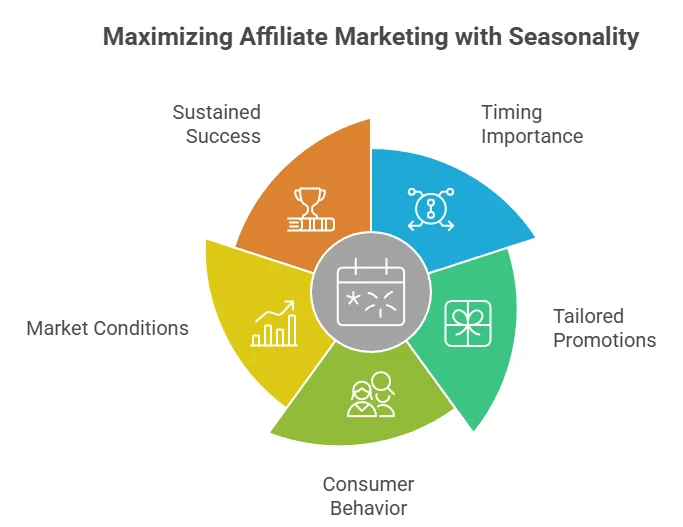
Understanding seasonal trends in affiliate marketing can significantly boost your performance and revenue. By identifying and leveraging these trends, you can tailor your content and marketing strategies to align with consumers’ buying behaviors throughout the year.
Recognizing Seasonality in Affiliate Marketing
Every industry experiences shifts in consumer interest over certain periods. These fluctuations can be attributed to holidays, seasonal activities, and even weather changes. For instance, fitness products tend to see increased sales in January when many people make New Year’s resolutions. Similarly, outdoor equipment often sees a spike in interest when summer approaches.
The Importance of Timing
Timing is everything in affiliate marketing. Knowing when to push certain products or services can lead to higher conversions. Here’s how you can effectively identify and utilize seasonal trends:
- Analyze Historical Data: Review past performance data to identify patterns related to your niche. Tools such as Google Trends can provide valuable insights into how keywords and topics resonate over different seasons.
- Monitor Social Media: Keeping an eye on platforms like Instagram and Pinterest can help you see what products are trending for different seasons. Influencers often set the tone for popular items during specific times of the year.
- Utilize Affiliate Networks: Many affiliate programs provide seasonal insights and reports. Platforms like ShareASale and ClickBank offer resources that can highlight trends within your affiliate niche.
Seasonal Marketing Strategies
Implementing effective seasonal marketing strategies can give you a competitive edge. Here are tactics you can use:
- Seasonal Content Creation: Craft articles and blog posts that tie into seasonal themes. For example, if you promote travel gear, write about the best summer vacation destinations and include affiliate links to the suggested products.
- Email Campaigns: Design email marketing campaigns that reflect the current season. Use promotional offers or highlight relevant products to encourage your subscribers to make purchases.
- Seasonal SEO Optimization: Optimize your content for specific seasonal keywords. For instance, use keywords like “best gifts for Christmas” if you are promoting products during the holiday season. Tools like Ahrefs can help you refine your keyword strategy.
Tools to Identify Seasonal Trends
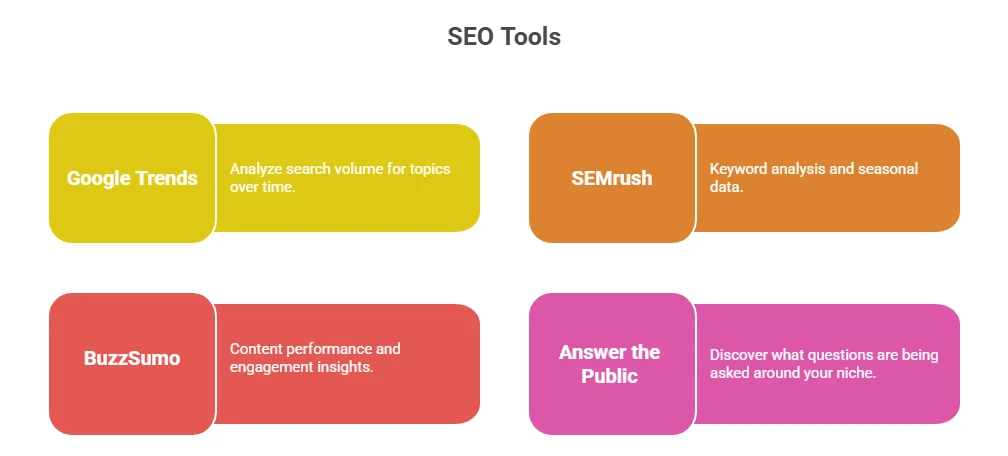
Several tools can assist in pinpointing seasonal trends effectively:
| Tool | Purpose | Link |
|---|---|---|
| Google Trends | Analyze search volume for topics over time | Visit |
| SEMrush | Keyword analysis and seasonal data | Visit |
| BuzzSumo | Content performance and engagement insights | Visit |
| Answer the Public | Discover what questions are being asked around your niche | Visit |
Continuous Monitoring and Adjustment
Seasonal trends can change from year to year, so it’s essential to monitor these shifts continuously. Regularly reassess your strategies and adjust your marketing efforts based on current data. Flexibility and quick adaptation to new trends can significantly impact your affiliate marketing success.
Identifying and leveraging seasonal trends can set your affiliate marketing efforts apart from the competition. By staying informed and adjusting your strategies accordingly, you’ll not only enhance your engagement but also drive conversions effectively. Remember, the key is to stay observant and agile in your approach.
Analyzing Competitor Strategies through Google Trends
Understanding competitor strategies is a crucial part of any successful online business. One powerful tool you can use to analyze what your competitors are doing is Google Trends. This platform allows you to delve into the trends and patterns of searches related to your niche, helping you gauge what strategies are effective for your competitors. Below, we explore how you can utilize Google Trends to your advantage.
How Google Trends Works
Google Trends shows the frequency of specific search queries across various regions and languages. It provides insights into how interest in a topic rises and falls over time, allowing you to spot seasonal trends and long-term shifts in consumer behavior. With this data, you can identify successful keywords that your competitors are targeting.
Identifying Competitor Keywords
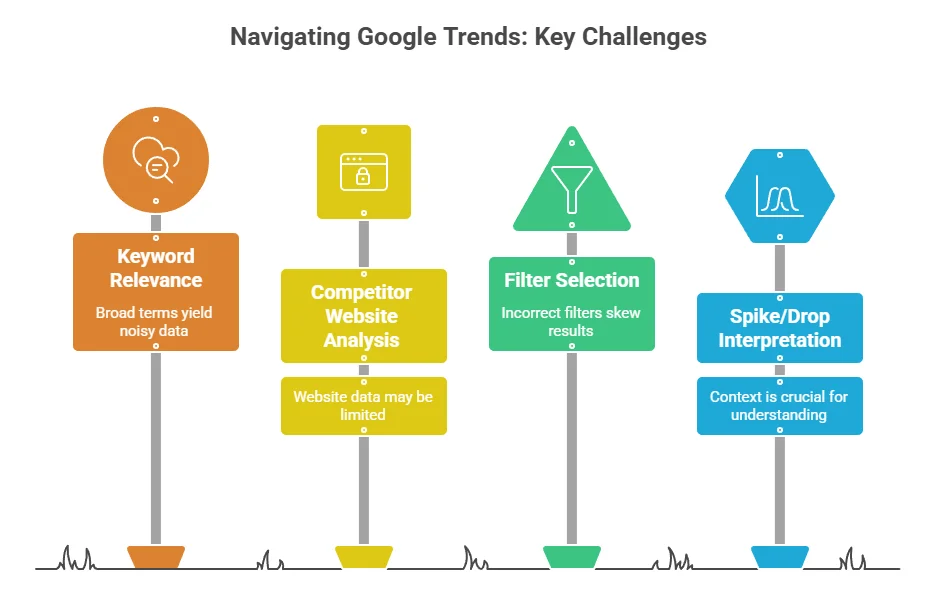
Start by entering your competitor’s website or key products into Google Trends. This will help you discover the popular keywords associated with them. By comparing these keywords over time, you can understand which terms drive the most traffic to your competitors. These could be product names, features, or even specific problems your competitors are addressing.
- Access Google Trends.
- Type in a relevant keyword or your competitor’s website.
- Select the appropriate filters (region, time frame) to refine your search.
- Analyze the results: Look for spikes or drops in interest.
Spotting Seasonal Trends
Many industries experience seasonal fluctuations. Google Trends can help you determine if your competitors’ traffic increases during specific times of the year. By identifying these patterns, you can align your marketing campaigns accordingly. For example, if you notice that a competitor sees increased interest in winter clothing every December, you may want to ramp up your own efforts during that period.
Competitor Content Strategy
Reviewing your competitors’ content strategy is easier when you can see which topics generate more interest. Once you identify popular search queries, check how competitors are addressing those topics. Observe their content formats, such as blog posts, videos, or infographics, to understand what resonates with the audience.
- Examine how often they publish new content.
- Look for specific keywords they might be targeting.
- Observe user engagement in their comments and social shares.
This analysis can give you valuable insights into the content gaps in your niche. If competitors are gaining traction with certain topics that you haven’t explored, it might be time to create your own unique content around those ideas.
Measuring Brand Interest Over Time
Another beneficial feature of Google Trends is its ability to show how brand interest changes over time. By searching for your competitors’ brand names, you can visualize their performance in comparison to yours. This may reveal shifts in public interest, such as a growing desire for a competitor’s offerings or the emergence of new players in the niche.
| Brand | Interest Over Time |
|---|---|
| Competitor A | Steady Increase |
| Competitor B | Seasonal Spikes |
| Your Brand | Declining Interest |
Understanding Audience Behavior
Google Trends can also provide insights into why users might prefer certain brands over others. By comparing search terms, you can uncover the features or values that appeal most to your target audience. This data-driven approach allows you to tailor your offerings in a way that addresses specific needs, thereby improving your competitive edge.
Optimization Based on Competitor Analysis
Armed with insights from Google Trends, you can refine your overall marketing strategy. Adjust your SEO tactics, social media campaigns, or product offerings based on what you learn from your competitors. If specific keywords are trending upward, integrate them into your website content, product descriptions, and advertisements to capture more traffic.
Google Trends into your analysis process can significantly enhance your understanding of the competitive landscape. This insight not only assists you in validating your niche ideas but also equips you with the strategies to craft compelling offers that resonate more strongly with your audience. For more detailed insights on using Google Trends, check out resources from Neil Patel and Ahrefs.
Utilizing Localized Trends for Targeted Affiliate Campaigns
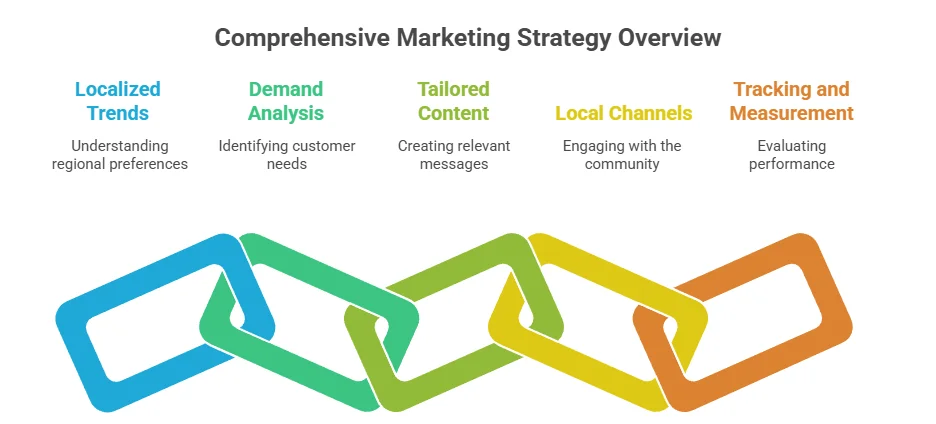
In today’s fast-paced digital world, leveraging localized trends can significantly enhance your affiliate marketing strategy. When you tailor your campaigns to cater to specific communities, not only do you increase relevance, but you also improve engagement. Understanding how to tap into these localized trends can empower you to effectively promote products and services that resonate with your target audience.
Localized trends provide insights into what people are searching for within specific geographic areas. By analyzing these trends, you can identify niche markets ripe for affiliate marketing. Here are steps to effectively utilize localized trends for your targeted affiliate campaigns:
Identify Localized Trends
Start by exploring platforms and tools that can help you recognize localized trends in your niche:
- Google Trends: This free tool allows you to see trending topics based on geographic location. You can filter results by country, region, or even city.
- BuzzSumo: Great for identifying what content is popular in different regions. It provides insights on the types of articles audiences are engaging with.
- SurveyMonkey: Conducting local surveys can help you gather first-hand insights about what locals care about.
Analyze Demand in Your Niche
Once you have identified the trends, it is essential to analyze the demand and competition within your niche. This analysis enables you to make informed decisions. Consider the following:
- The volume of searches for specific products or services in the locale.
- The level of competition within that niche.
- Seasonal trends that could affect purchasing decisions.
A table showcasing demand vs. competition can help visualize the potential of a niche. Here’s an example:
| Niche | Search Volume (Monthly) | Competition | Potential Value |
|---|---|---|---|
| Local Organic Produce | 2000 | Medium | High |
| Fitness Classes | 1500 | High | Medium |
| Home Decor Trends | 3000 | Low | High |
Create Tailored Content
Once you have pinpointed your niche based on localized trends, the next step is crafting tailored content. It should resonate with the local audience while incorporating relevant affiliate links. Here are a few tips:
- Utilize storytelling that relates to local culture and experiences. This personal touch can create a strong emotional connection.
- Incorporate local keywords throughout your content. This optimization helps improve your search engine visibility.
- Offer value through localized guides, tips, or resources. For example, if you are promoting outdoor gear, share insights about popular local hiking trails.
Engage through Local Channels
Promoting your content through localized channels ensures you reach the right audience effectively. Use the following channels:
- Facebook Groups: Join local groups related to your niche. Share content and engage with members genuinely.
- Instagram: Utilize geo-tagging to promote your products in specific locations. Sharing stories from local influencers can also widen your reach.
- Local Blogs: Collaborate with local bloggers to tap into their audience. Guest posts can help improve your brand’s visibility.
Track and Measure Results
Tracking the effectiveness of your localized campaigns allows you to refine your strategy. Monitor metrics such as:
- Click-through rates on affiliate links.
- Conversion rates on products promoted in localized campaigns.
- User engagement on social media posts.
By continuously analyzing your results, you can adapt your strategies and drive better outcomes.
Utilizing localized trends not only sets your affiliate marketing campaigns apart but also resonates deeply with your audience. By following these strategies, you can create targeted, engaging content that leverages the uniqueness of local interests and preferences, ultimately leading to increased success in your affiliate endeavors.
Interpreting Google Trends Data for Long-Term Affiliate Success
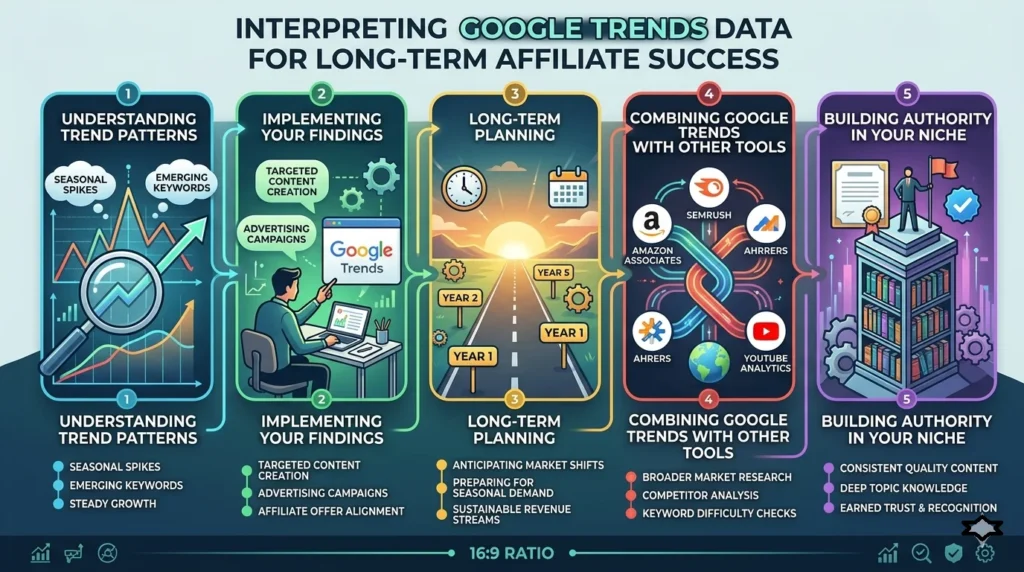
When thinking about affiliate marketing, the right niche plays a crucial role in your success. Google Trends is a powerful tool that helps you validate that niche. By diving into the trends of keywords related to your affiliate products, you can make data-driven decisions about what to promote. This not only improves your chances of conversions but also helps you stay relevant in a competitive market.
To get started, you need to familiarize yourself with the functionalities of Google Trends. Once you enter your keyword, you will see a graph displaying how often that term has been searched over a certain period. You can analyze trends over months or even years, which provides insights into whether the interest is increasing, decreasing, or remaining stable.
Understanding Trend Patterns
Recognizing patterns within Google Trends data is key for long-term success. Here are a few aspects to focus on:
- Seasonality: Is the interest in your niche seasonal? For instance, keywords related to holiday decorations may peak around festive seasons.
- Regional Interest: Are there specific locations that show higher interest in your niche? Tailoring your marketing efforts to those regions can yield better results.
- Related Queries: Google Trends provides related search queries that can reveal other topics worth exploring in your content.
Implementing Your Findings
Once you’ve analyzed the data, the next step is implementing your findings into your affiliate strategy.
The key here is to align your content with trending topics. For instance, if you notice an upsurge in searches for “eco-friendly products,” creating content around this can attract more visitors. Here’s how you can break it down:
- Identify the keywords that show an upward trend.
- Create informative and engaging content around those keywords.
- Incorporate affiliate links naturally within this content.
Long-Term Planning
Validating a niche is not just about immediate trends; you also want to think long-term. By using Google Trends, you can project whether the interest in your niche will continue. Here’s how:
- Explore Historical Data: Dig deep into the historical data provided by Google Trends. This can give you insight into whether the interest has been growing consistently over the past years.
- Monitor Changes: Regularly check back on your niche keywords to observe any shifts. Having a pulse on your niche allows you to pivot quickly if trends start to fade.
Combining Google Trends with Other Tools
While Google Trends is incredibly useful, combining it with other tools enhances your market insights. The following platforms can be invaluable:
- SEMrush: Great for comprehensive keyword analysis.
- Ahrefs: Perfect for content marketing strategies and backlink analysis.
- Keyword Tool: Useful for finding specific keywords related to your niche.
Building Authority with Your Niche
As you gather insights from Google Trends, you’ll also want to build authority in your chosen niche. Here are some actionable steps:
- Create high-quality, informative content that answers your audience’s questions.
- Engage with your audience through comments and social media.
- Collaborate with influencers in your niche to reach a wider audience.
These strategies will not only help you validate your niche using Google Trends but will also position you for long-term affiliate marketing success. With thorough analysis and consistent monitoring, you will build a sustainable business model that stands the test of time.
To learn more about leveraging Google Trends for your affiliate marketing strategy, visit Ahrefs for in-depth guides and resources.
Conclusion
Successfully using Google Trends for affiliate niche validation opens up a world of opportunities for your marketing strategies. By identifying seasonal trends, you can align your promotions with the times when interest peaks, maximizing your outreach and sales potential. Analyzing your competitors’ strategies allows you to gain insights into what works and what doesn’t, giving you a competitive advantage in your niche. Moreover, localizing your campaigns by tapping into regional trends ensures that your content resonates with your target audience, making your efforts more relevant and effective.
Interpreting Google Trends data not only aids in short-term planning but also provides a roadmap for long-term success. By continuously monitoring trends and adapting your strategies, you can stay ahead of the curve and adjust to shifts in consumer behavior. This proactive approach helps carve out a sustainable niche for your affiliate marketing endeavors.
Embracing these insights equips you with the tools needed to navigate the dynamic landscape of affiliate marketing. Remember, the key is to stay engaged with your audience and regularly assess the data provided by Google Trends. By doing so, you position yourself not just as a marketer, but as a valuable resource for your audience, ultimately leading to greater trust and higher conversions. Keep exploring, adapting, and growing in your affiliate marketing journey. Your success is driven by your ability to understand and leverage the trends that shape your niche.