
How to Transition from A Hobby Blog to A Profitable Affiliate Site?


ATTENTION: Want to Learn Affiliate Marketing from Successful Affiliates?
Transitioning from a hobby blog to a profitable affiliate site is an exciting journey that can yield great rewards if approached strategically. Let’s explore key strategies to help you make this transition effectively. First and foremost, identify your niche. This is crucial for determining what products you will promote. Consider what topics resonate with your existing audience and where you have authority or interest. Tools like Google Trends can help you gauge interest in specific topics and keywords. Next, enhance your audience engagement. To successfully transition from a hobby to a profitable venture, you need to create a loyal reader base. Engage with your readers through:
- Comments: Respond to queries and encourage discussions.
- Social Media: Share your content and interact with followers.
- Email Newsletters: Keep subscribers updated with valuable content.
As you build your community, it’s essential to understand affiliate marketing basics. Affiliate marketing involves promoting other companies’ products and earning a commission for each sale made through your referral links. Familiarize yourself with programs that align with your blog’s theme. Websites like Amazon Associates and ShareASale offer excellent starting points. Now, let’s talk about content optimization. If you want your blog to convert readers into buyers, your content should be both informative and optimized for search engines. Here are a few tips:
- Use Relevant Keywords: Research relevant keywords using tools like Moz or Ahrefs.
- Create High-Quality Content: Write articles that solve problems or provide value.
- Include Call-To-Actions: Encourage readers to click on your affiliate links.
Utility and usability are vital. Ensure that your blog’s layout is user-friendly and visually appealing. A clean, professional design helps build trust with your audience. Use tools like WordPress, which offers a plethora of customizable themes tailored for affiliate marketing. Once your content is optimized, it’s time to promote your blog. Use multiple channels to reach potential readers. Consider:
- Social Media Marketing: Share your posts on platforms relevant to your audience such as Facebook, Instagram, or Pinterest.
- Guest Blogging: Write for other blogs in your niche to get backlinks and reach new audiences.
- Pay-Per-Click Advertising: Invest in ads on platforms like Google Ads to attract targeted traffic.
Monitoring your performance is essential for growth. Use analytics tools such as Google Analytics to track visitor behavior. Pay attention to which posts drive traffic and conversions, and adjust your strategy accordingly. Regularly reviewing your analytics helps you stay on the right path. Look for trends in how your readers engage with your content and the affiliate products you promote. As you refine your strategies, keep testing new approaches. Whether it’s a new content type or a different promotional method, staying flexible and willing to adapt is key. You can increase your profits by discovering what resonates with your audience.
Identifying Your Niche and Target Audience for Affiliate Marketing
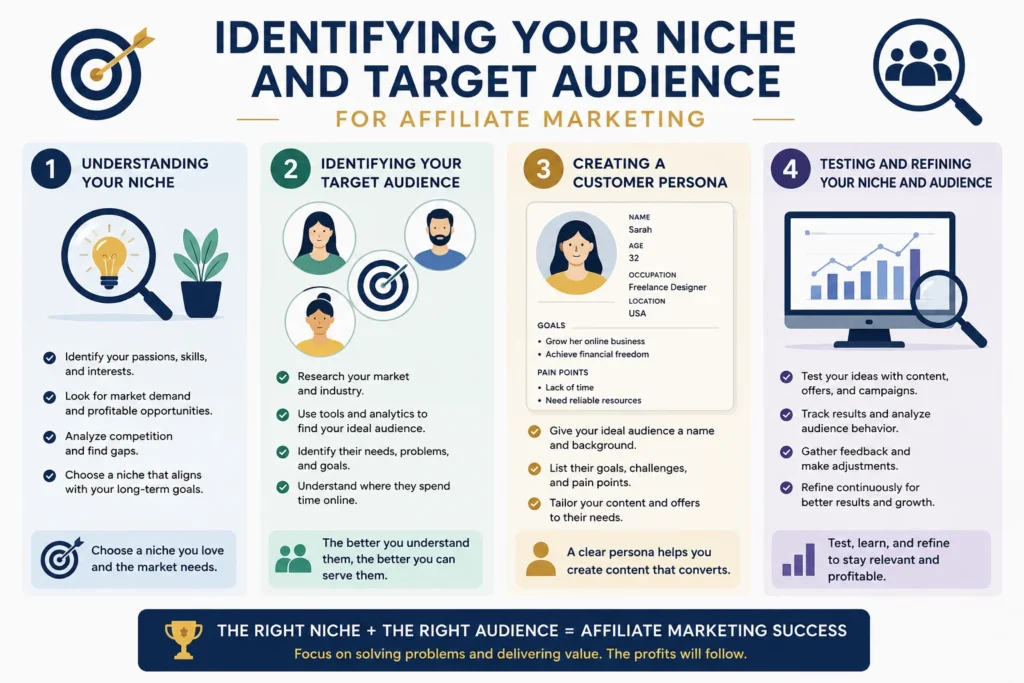
In the world of affiliate marketing, finding your niche and identifying your target audience is crucial. This process lays the foundation for building a successful affiliate site. It shapes your content and influences your marketing strategies. Let’s explore this in detail.
Understanding Your Niche
Your niche defines the specific area of interest or topic that your blog or affiliate website will focus on. Choosing the right niche can make a significant difference. Here’s how to identify it:
- Assess Your Interests: Start by listing down subjects you are passionate about. The more interested you are in your niche, the easier it will be to create content consistently.
- Research Market Demand: Use tools like Google Trends to see what topics are gaining traction. A profitable niche should have a good balance of interest and demand.
- Analyze the Competition: Look at other blogs and affiliate sites in your potential niche. Are these sites successful? Consider how you can differentiate your content or approach.
- Profitability Potential: Ensure your niche can generate income through affiliate marketing. Research potential affiliate programs that align with your niche.
Identifying Your Target Audience
Knowing your audience is just as important as choosing your niche. Your target audience consists of the specific group of people who are most likely to be interested in your content and products. Here are steps to pinpoint them:
- Demographic Information: Define who your ideal reader is. Consider age, gender, location, and income level. This information will help tailor your content effectively.
- Interests and Pain Points: Understand what your audience is interested in and the problems they face. Survey tools like SurveyMonkey can help gather this data.
- Online Behavior: Analyze where your audience hangs out online. Are they more active on social media or forums? Knowing where they engage will help you market your content better.
- Engagement: Interact with your audience through comments, social media, or email. This interaction can provide invaluable insights into their preferences and expectations.
Creating a Customer Persona
Once you have identified your target audience, creating a customer persona can be beneficial. A customer persona is a detailed description of your ideal reader, which can guide your content creation and marketing strategies. Here’s how to create one:
- Name: Give your persona a name that represents your ideal audience segment.
- Background: Detail their demographics, occupation, education, and other relevant information.
- Goals: Outline what this persona hopes to achieve—both in life and in terms of the solutions your products provide.
- Challenges: Define the pain points and obstacles this persona faces that prevent them from reaching their goals.
Testing and Refining Your Niche and Audience
Once you’ve defined your niche and audience, it’s crucial to continuously test and refine your understanding. Use analytics tools like Google Analytics to monitor traffic and engagement. Keep an eye on which types of content perform well and adapt accordingly. Additionally, get feedback through surveys or social media interactions. Engaging directly with your audience can provide insights into their changing preferences over time. This adaptability ensures that your affiliate site remains relevant and profitable.
Choosing the Right Affiliate Programs and Products to Promote
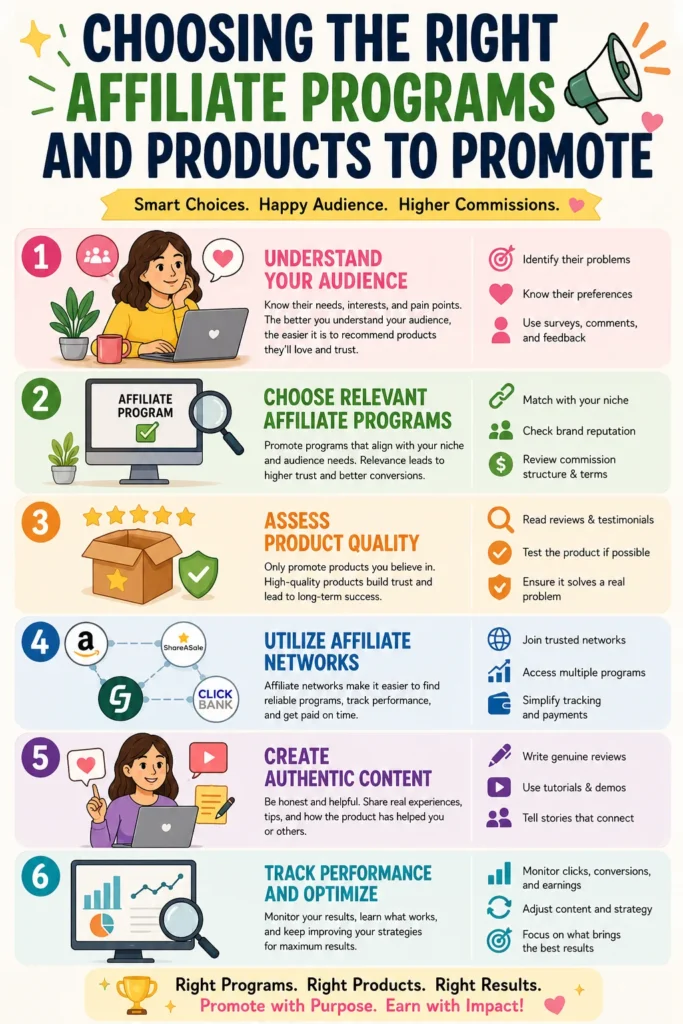
Transitioning your blog into a profitable affiliate site requires careful planning and consideration when it comes to selecting the right affiliate programs and products to promote. Making the right choices can significantly affect your website’s success, and knowing where to focus your efforts is essential.
Understand Your Audience
Before diving into affiliate programs, you must first understand your audience. Knowing their preferences, interests, and needs will help you select products that genuinely resonate with them. Here are a few steps to gain insights:
- Surveys and Feedback: Engage your readers through surveys or feedback forms. Ask what types of products they are interested in.
- Analytics Tools: Use tools like Google Analytics to analyze your blog’s traffic and identify popular content.
- Social Media Insight: Monitor comments and engagement on your social media platforms to understand what excites your audience.
Choose Relevant Affiliate Programs
Once you have a clear picture of your audience, it’s time to explore affiliate programs. Focus on those that align with your blog’s niche. Look for the following factors when choosing programs:
- Commission Structure: Check if the program offers a fair commission structure. A balance between enticing commissions and reasonable sales rates is critical.
- Reputation: Research the program’s reputation. Programs with positive reviews typically lead to better outcomes.
- Support and Resources: Choose programs that provide effective marketing support, such as banners, content, or tools to help you promote their products.
Assess Product Quality
The products you choose to promote can make or break your affiliate program. Here are tips to ensure you select high-quality items:
- Personal Experience: Try products for yourself before promoting them. Your genuine insights will come through in your content.
- Customer Reviews: Look for customer feedback on external sites to gauge the product’s quality.
- Return Policies: Understand the return policies associated with the products. This will help you know how to deal with customer complaints if they arise.
Utilize Affiliate Networks
Using affiliate networks can simplify your journey in finding the right programs to join. Here are some popular networks that provide easy access to various affiliate offers:
| Affiliate Network | Key Features | Website |
|---|---|---|
| ShareASale | Wide range of products, excellent tracking tools | shareasale.com |
| Amazon Associates | Vast product selection, brand trust | affiliate-program.amazon.com |
| Rakuten Advertising | Global reach, high commissions | rakutenadvertising.com |
Create Authentic Content
Once you have chosen a few affiliate programs, make sure you create content that is authentic and meaningful. Your audience values transparency, so please follow these guidelines:
- Be Honest: Always disclose your affiliate relationships. Honesty builds trust and encourages conversion.
- Provide Value: Create content that answers questions and provides value to your audience. This will engage readers and increase the likelihood of conversions.
- Use Reviews and Comparisons: Review the products you promote or compare different options, giving your readers useful insights to make informed decisions.
Track Performance and Optimize
After implementing your affiliate strategy, keep analyzing and tracking performance. Use tools such as Google Analytics or specific affiliate program dashboards to see what works best. Regularly review which products generate the most income and focus on promoting those. Consider:
- Adjusting your posts based on performance metrics.
- Expanding into related products to increase sales opportunities.
- Testing different marketing strategies to identify the most compelling approaches.
Transitioning to a profitable affiliate site involves careful planning, but with the right knowledge and choices, you can thrive in this space. Remember that genuine engagement and building trust with your audience will be your most significant assets.
Creating High-Quality Content That Drives Traffic and Converts
High-Quality Content Attributes
Creating high-quality content involves several key attributes:
- Relevance: Your content must be relevant to your audience’s needs and interests.
- Originality: Avoid copying others; provide unique insights and perspectives.
- Engagement: Use storytelling and emotional appeal to captivate your readers.
- Readability: Write in clear, concise language that’s easy to understand.
- Visual Appeal: Incorporate images, videos, or infographics to enhance the reading experience.
Effective Keyword Strategy
Conducting keyword research is crucial in driving traffic. Use tools like Ahrefs or SEMrush to find relevant keywords that your audience is searching for. Once you have a list, strategically incorporate them into your content. Focus on:
- Title tags
- Headings
- Content body
- Meta descriptions
- Image alt texts
Remember, avoid keyword stuffing; instead, use variations naturally within the content. This will improve your chances of ranking higher in search engines.
Content Structure and Formatting
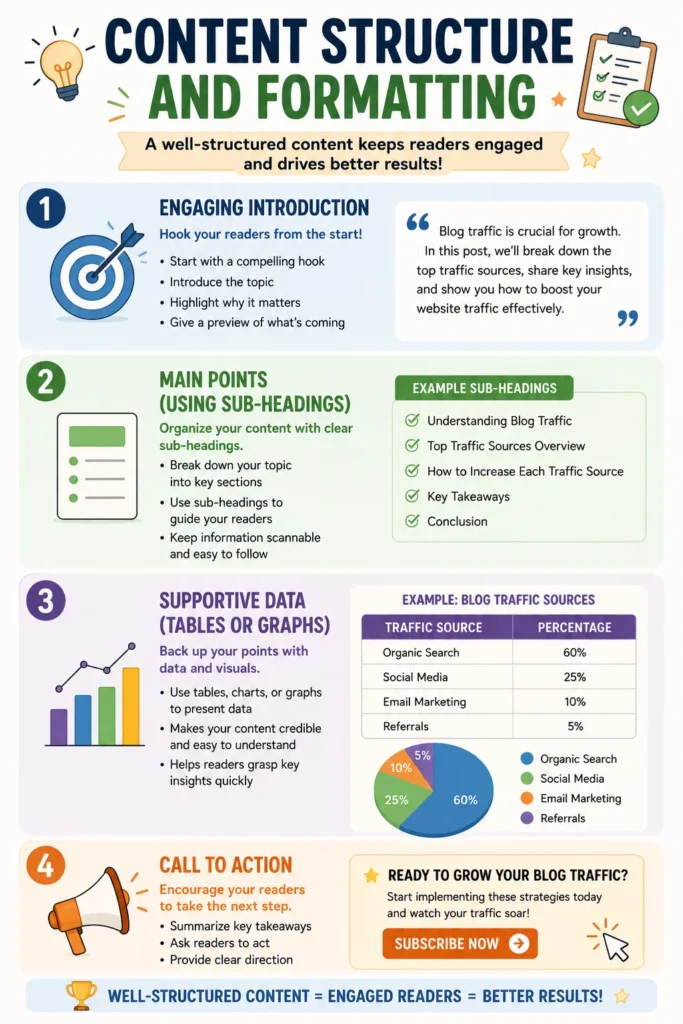
Break up your content into manageable sections. This not only helps with readability but also keeps your audience interested. Use short paragraphs, bullet points, and numbered lists where applicable. Here’s a simple structure you might follow for an article:
- Engaging Introduction
- Main Points (using sub-headings)
- Supportive Data (tables or graphs)
- Call to Action
For instance, if you’re discussing blog traffic, you could create a table showcasing traffic sources, like:
| Traffic Source | Percentage |
|---|---|
| Organic Search | 60% |
| Social Media | 25% |
| Email Marketing | 10% |
| Referrals | 5% |
Call to Action
Engage your audience by incorporating effective calls to action (CTAs) throughout your content. Use phrases like “Learn more,” “Subscribe for updates,” or “Check this out!” CTAs guide readers on what to do next, increasing the likelihood of conversions.
Measure and Analyze Performance
After publishing your content, you need to measure its performance. Use analytics tools like Google Analytics to monitor traffic, engagement rate, bounce rate, and conversions. This data will help you understand what works and what doesn’t, allowing you to refine your strategy over time.
Stay Updated on Trends
Content trends can change rapidly. Subscribe to industry newsletters, follow influencers on social media, and participate in relevant forums. Websites like Content Marketing Institute and HubSpot are great resources for staying informed.
Connect with Other Creators
Networking with other content creators can open doors for collaborations, guest posts, and sharing insights. Engaging with a community can provide fresh ideas and keep your content relevant and exciting. High-quality content that drives traffic and converts requires understanding your audience, using an effective keyword strategy, and consistently analyzing performance. By staying updated on trends and connecting with other creators, you can build a successful content strategy that truly resonates with your readers. Focus on value, and your audience will follow.
Analyzing Performance Metrics to Boost Your Affiliate Marketing Success
Understanding performance metrics is vital for anyone involved in affiliate marketing. These metrics reveal how well your strategies are working and help identify areas for improvement. By analyzing data effectively, you can significantly boost your chances of success. Below are key performance metrics and ways to leverage them.
Key Performance Metrics
To enhance your affiliate marketing success, focus on these essential metrics:
- Click-Through Rate (CTR): This measures how many users click on your affiliate links compared to how many people view your content. A higher CTR indicates that your content is engaging and that your calls to action are effective.
- Conversion Rate: This shows the percentage of users who make a purchase after clicking your affiliate link. Tracking this helps you understand if your content influences buying decisions.
- Earnings Per Click (EPC): This metric tells you how much money you’re earning each time someone clicks on your affiliate link. Calculating EPC helps you assess which affiliate programs are worth your time and effort.
- Return on Investment (ROI): This indicates the profitability of your affiliate marketing campaigns. A positive ROI means you’re making more money than you’re spending on marketing efforts.
- Traffic Sources: Knowing where your traffic comes from allows you to concentrate your marketing efforts effectively. Analyze whether your visitors prefer social media, search engines, or email campaigns.
Leveraging Analytics Tools
To gather and analyze these metrics, utilize various analytics tools:
- Google Analytics – Great for tracking site performance and understanding user behavior.
- ClickMeter – Helps you measure and optimize your marketing campaigns, focusing on your affiliate links.
- AffiloJet – Specialized analytics tools for affiliate marketers that focus on ROI and conversions.
Strategies for Improvement
Once you’ve gathered your data, it’s time to make improvements:
- Optimize Content: Evaluate which of your posts generate the most traffic and conversions. Update them with better keywords and improved calls to action. Make sure your content answers readers’ questions effectively.
- Test Different Approaches: Use A/B testing on different elements such as headlines, images, and calls to action. This will help you learn what resonates best with your audience.
- Engage with Your Audience: Feedback is an invaluable resource. Encourage comments and messages to better understand what your audience values and needs.
- Focus on Targeting: Use data to target specific demographics more effectively. Consider running targeted ads or social media campaigns based on where your converting audience is located.
Tracking Long-Term Trends
While daily tracking can be insightful, it’s essential to look at your metrics over the long term. Establish a monthly review process to identify trends:
| Month | CTR (%) | Conversion Rate (%) | EPC ($) |
|---|---|---|---|
| January | 5.5 | 2.0 | 0.75 |
| February | 6.0 | 2.5 | 0.85 |
| March | 6.5 | 3.0 | 1.00 |
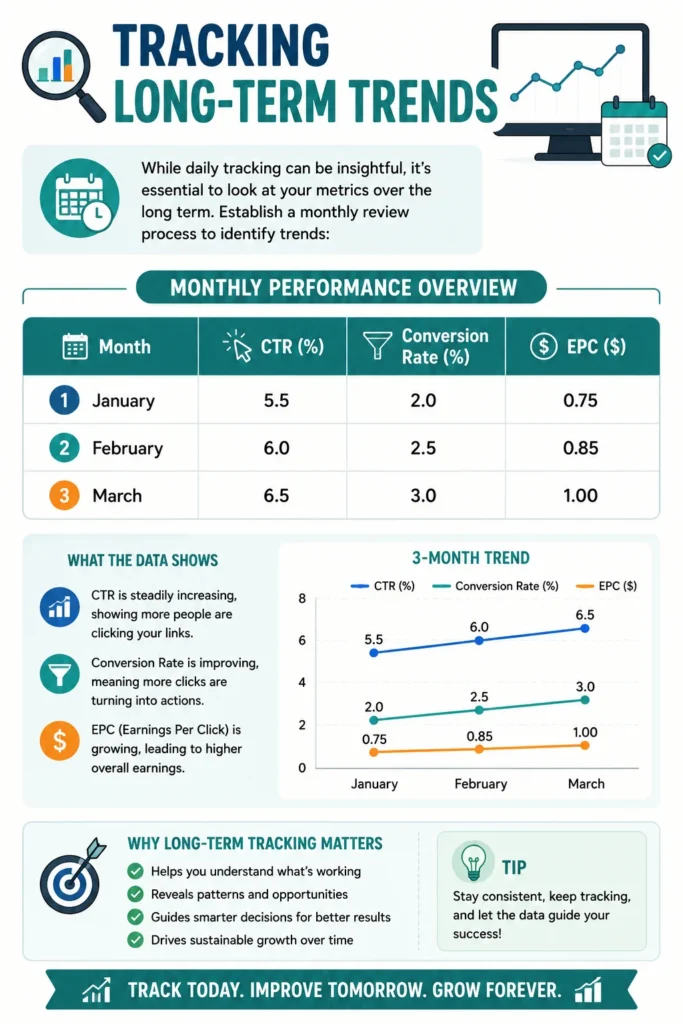
Regularly analyzing trends in CTR, conversion rates, and EPC can highlight successes and reveal weaknesses in your strategy.
Continual Education
Stay updated with advancements in affiliate marketing. Websites like Smart Passive Income and Niche Pursuits provide valuable tips and insights. Engaging in online communities can also help you learn from the experiences of others. Ultimately, analyzing performance metrics is an ongoing journey. It requires dedication but is crucial to ensuring your affiliate marketing strategies are well-informed and effective. By taking deliberate steps to analyze and adapt, you can turn your affiliate marketing efforts into a successful venture.
Conclusion
Transitioning from a hobby blog to a profitable affiliate site is an exciting journey that requires dedication and strategic planning. By identifying a niche that resonates with your passions and appeals to a specific target audience, you set the stage for success. Understanding who your readers are allows you to tailor your content and affiliate products effectively, ensuring that what you promote aligns with their interests.
Selecting the right affiliate programs is crucial. Not all programs will suit your blog or audience, so focus on finding those that resonate best and offer quality products. This alignment can enhance your credibility and increase conversions. High-quality content is a game changer; creating engaging, valuable, and relevant posts will attract more visitors and encourage them to trust your recommendations.
Regularly analyzing performance metrics is essential for optimizing your affiliate marketing efforts. Use tools like Google Analytics to track which content performs best, what products get the most clicks, and where your traffic is coming from. This data-driven approach will help you make informed adjustments that can lead to higher sales and better engagement.
Building a profitable affiliate site from your hobby blog takes time and effort, but the rewards can be significant. Stay committed to learning, experimenting, and refining your strategies. With passion for your niche, dedication to creating valuable content, and an insightful approach to your audience, you can transform your blog into a reliable source of income while engaging with a community you love.