

 ATTENTION: Want to Learn Affiliate Marketing from Successful Affiliates?
Join this FREE community where successful marketers share their secrets!
Learn directly from highly successful affiliate marketers
Access free, actionable training content regularly
Connect with an active community of over 5,000 members
Network with multiple six-figure earning affiliates
Get your questions answered by real experts
JOIN FREE NOW!
ATTENTION: Want to Learn Affiliate Marketing from Successful Affiliates?
Join this FREE community where successful marketers share their secrets!
Learn directly from highly successful affiliate marketers
Access free, actionable training content regularly
Connect with an active community of over 5,000 members
Network with multiple six-figure earning affiliates
Get your questions answered by real experts
JOIN FREE NOW!
When creating an affiliate review page, how you structure your content can dramatically influence reader engagement and conversion rates. A well-organized review not only helps readers find the information they need but also establishes your credibility as an affiliate marketer. Here’s a guide on effectively structuring your Affiliate Review Pages.
Start with a Compelling Headline
Your headline is the first thing readers see, so make it attention-grabbing. It should clearly convey what the product is and hint at the value they’ll gain from your review. Use keywords related to the product to enhance SEO, but keep it natural and focused on the reader’s needs.
Introduce the Product Briefly
Begin with a concise introduction to the product. Explain what it is, its purpose, and why it’s relevant to your audience. This section should include:
- The name of the product.
- The main features or benefits.
- A hook that draws them into reading more.
Utilize a Product Overview Table
Consider creating a comparison or overview table for quick information access. This table can highlight critical features, pricing, and ratings. For example:
| Feature | Details |
|---|---|
| Product Name | Smart Widget Model X |
| Price | $199 |
| Rating | 4.5/5 Stars |
| Best For | Home Automation Enthusiasts |
Highlight Key Features and Benefits
After the overview, dive deeper into the specific features of the product. For each feature, explain how it benefits the user. Use bullet points for clarity:
- Smart Connectivity: Easily connects with your home network.
- User-Friendly Interface: Intuitive controls that anyone can operate.
- Energy Efficient: Saves you money on energy bills.
Include a Personal Experience or Testimonial
Your credibility as an affiliate marketer increases when you provide genuine insights. Share your personal experience with the product or include testimonials from others. This builds trust with your audience and helps them feel more confident in their purchasing decision.
Pros and Cons Section
An effective way to help your readers make informed choices is by providing a clear pros and cons list. This helps present a balanced view of the product:
Pros:
- High quality and durable.
- Offers various smart features.
- Good customer service support.
Cons:
- A bit pricey compared to competitors.
- Setup can be complex for non-tech users.
Include an FAQ Section
Anticipate the questions your readers might have. An FAQ section can provide answers and resolve doubts, further instilling confidence in the product:
- What warranty does the product come with?
- Can this product be connected to other smart devices?
- Is customer support available 24/7?
Optimize for SEO
Use relevant keywords strategically throughout your review. This helps improve your chances of appearing in search results. Use phrases like “best smart home gadget” or “Smart Widget Model X review” naturally throughout your content.
Structuring your Affiliate Review Pages effectively is a critical step in engaging readers and driving conversions. By providing detailed and well-organized content, you allow your audience to make informed decisions, while also establishing yourself as a trustworthy source in the affiliate marketing space. For more insights on structure and content, check out WordStream’s Affiliate Marketing Guide and explore options at Shopify’s Affiliate Marketing Resource.
Key Elements of a High-Converting Review Page
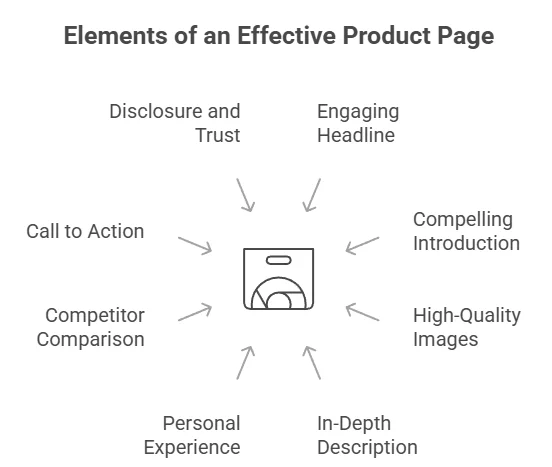
Creating a review page that converts visitors into buyers is crucial for any affiliate marketer. The structure of your page can significantly affect its performance. Here are the key elements to focus on when building a high-converting review page for your How To Structure Affiliate Review Pages.
Engaging Headline
Your headline is the first impression visitors will have of your review page, so make it count. Aim for clarity and impact that encapsulates the product’s key advantage or value. For example, instead of “Best Blender,” use “Transform Your Smoothies: The Best Blender for Creamy Results.” This technique can draw readers in and make them eager to learn more.
Compelling Introduction
A good introduction sets the stage for the rest of your page. Address the reader’s pain points or needs directly. Here’s how you can make it engaging:
- Start with a relatable question or scenario.
- Provide a brief overview of what to expect in your review.
- Keep the tone conversational to maintain interest.
For instance, “Are you tired of chunky smoothies? Let’s discover the blender that can change that!”
High-Quality Product Images
Visual elements are important for a review page. High-quality images give visitors a clear view of the product. Feature multiple angles, close-ups, and images of the product in use. This not only builds trust but also helps potential buyers visualize themselves using the product.
In-Depth Product Description
Provide a thorough product description that highlights the features, benefits, and potential drawbacks. Use bullet points for clarity:
- Feature 1: Description of the feature and why it’s beneficial.
- Feature 2: Description of the feature and its advantages.
- Feature 3: Description of the feature and how it compares to competitors.
Personal Experience and Testimonials
Sharing your personal experience with the product builds credibility. Describe how you used it, the results, and any challenges you faced. Additionally, include testimonials from other users if possible. These elements add social proof, enhancing your page’s reliability.
Comparison with Competitors
Providing a comparison with similar products can help readers make informed decisions. A table can be a useful format for this:
| Product | Price | Rating | Key Features |
|---|---|---|---|
| Ultimate Blender | $99 | 4.8 | High speed, easy cleaning |
| Blender Pro | $79 | 4.5 | Compact, lightweight |
Call to Action (CTA)
A strong and clear CTA is essential. It should seamlessly guide the visitor towards making a purchase. Use action-oriented phrases related to urgency, such as “Buy Now to Enjoy Smoothies Tomorrow!” Make sure the CTA button is prominent and easy to find on the page.
SEO Optimization
Adding keywords strategically will help your page rank better. Use relevant keywords like “best blender for smoothies” in the content, meta descriptions, and alt texts for images. However, ensure it feels natural and enhances the reading experience.
Disclosure and Trust Signals
As an affiliate marketer, you must disclose your affiliate relationship. This builds trust with your readers, informing them that you might earn a commission if they make a purchase. Consider placing a brief disclosure statement near the top of your review.
Link to Source and Additional Resources
Include relevant links to official product pages or reputable review websites for further reading. Aim to provide value by linking to resources like CNET for technology reviews or Consumer Reports for extensive product evaluations.
Structuring your How To Structure Affiliate Review Pages with these key elements will engage your readers and enhance your conversion rates. Always remember, the ultimate goal is to create an informative and trustworthy experience that helps consumers make the best choice for their needs.
Best Practices for Writing Authentic Product Reviews
Writing authentic product reviews is essential for establishing trust with your audience. Whether you are an affiliate marketer, a blogger, or just sharing your thoughts on a product, authenticity can set you apart in a crowded marketplace. Here’s how to effectively craft reviews for your How To Structure Affiliate Review Pages that resonate with your readers.
Understand Your Audience
Before writing a review, take time to understand your audience. What are their preferences and pain points? By identifying the needs of your readers, you can tailor your review to address their specific concerns. Utilize tools like Google Trends to determine what your audience is interested in and what they are searching for.
Be Honest and Transparent
Honesty is paramount when writing product reviews. If you genuinely dislike a product, it’s best to share your experience candidly. Readers appreciate transparency and may even trust your opinion more if they see both the pros and cons of a product.
Share Personal Experiences
When you incorporate personal stories or experiences, your review becomes more relatable. Here are some tips on integrating personal anecdotes:
- Describe how you used the product in your daily life.
- Share results you noticed after using the product for a specific time.
- Highlight any unexpected benefits or issues.
By sharing your experiences, you create a connection with your readers that mere product specifications cannot achieve.
Provide Comprehensive Information
An effective review includes detailed information about the product. Consider the following elements:
- Product Features: What stand-out features does the product offer?
- Specifications: Include essential product specifications (size, color options, etc.).
- Price Point: Discuss the cost and how it compares to similar products.
Tables can be effective in summarizing this information, helping readers quickly absorb essential details. Here’s an example of how to format product information:
| Feature | Description |
|---|---|
| Battery Life | Up to 12 hours of continuous use |
| Warranty | 2 years limited warranty |
| Compatibility | Works with both iOS and Android devices |
Use Visuals for Engagement
Images, infographics, or videos can significantly enhance the quality of your review. Visuals not only grab attention but also help illustrate points clearly. Be sure to include:
- High-quality product images.
- Charts comparing similar products.
- How-to videos for the product in action.
Visuals make your content more engaging and can also improve your SEO visibility.
Include User Feedback
Citing user feedback adds credibility to your review and provides a broader perspective. For example, you might summarize comments from other customers or refer to ratings from sites such as Trustpilot or Amazon. You can say: “Many users have praised the product for its ease of use, while some found the assembly difficult.” This enhances your review by showing that it’s not just your personal opinion.
Encourage Engagement
End your review with a call to action, prompting readers to leave their thoughts or questions. Questions like, “Have you tried this product? Share your experience in the comments!” create a community feel and encourage interaction.
Stay Updated on SEO Best Practices
Make sure you stay updated with evolving SEO best practices. Integrating keywords naturally throughout your content is critical for discoverability, but it shouldn’t feel forced. Tools like Ahrefs can help you discover relevant keywords to use, ensuring your reviews reach your intended audience.
By following these best practices, you’ll be able to write authentic, engaging product reviews that not only inform but also build trust with your audience. Remember, your goal is to provide value — the more genuine your content, the more likely it is to resonate with readers when you learn How To Structure Affiliate Review Pages.
Utilizing Visuals and Layouts to Enhance User Experience
Creating an exceptional user experience is integral to the success of any online platform. Visual elements play a crucial role in how users interact with your content. By thoughtfully utilizing visuals and layouts, you can significantly enhance user engagement and retention. Here’s how to effectively structure these components for your How To Structure Affiliate Review Pages.
Start by understanding the importance of visuals in communication. Images, infographics, and videos can convey complex ideas quickly. According to studies, people retain information better when it is presented visually. This implies that a strategically chosen visual can amplify your message. Make sure your images are high-quality and relevant to the content, as this builds credibility with your audience.
When discussing layouts, consider the importance of a clean, organized appearance. An uncluttered layout helps guide the user’s eye and encourages exploration. Here are a few essential tips to optimize your layout:
- Consistent Formatting: Use a uniform style for fonts, colors, and sizes. This creates a coherent look, making it easier for users to navigate and digest information.
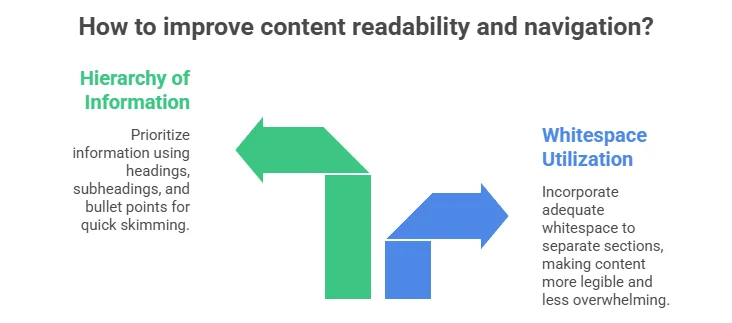
- Whitespace Utilization: Incorporate adequate whitespace to separate different sections. This makes your content more legible and less overwhelming.
- Hierarchy of Information: Prioritize your information using headings, subheadings, and bullet points. This allows readers to quickly skim and find what they are looking for.
If you’re creating How To Structure Affiliate Review Pages, consider structuring your content to include product images, star ratings, and buy buttons visually placed to catch the user’s attention. Having these elements arranged in a grid format can make comparison easier, fostering a seamless shopping experience.
Infographics are another powerful tool. Instead of presenting lists of data or statistics in long paragraphs, use infographics to contextualize information visually. This provides clarity and allows the reader to grasp key points at a glance. Tools like Canva and Piktochart can assist you in designing stunning infographics.
Pay attention to the flow of your visual elements. A good practice is to position fundamental information at the top, followed by additional data further down the page. This makes it feel less overwhelming, allowing users to dive deeper if they wish.
Videos is also highly advantageous. They can provide detailed explanations without requiring the user to read extensive text. Host instructional videos on platforms such as Vimeo or YouTube, and embed them into your page to enrich the user experience. A well-placed video can contribute to a lower bounce rate as users are more likely to engage with dynamic content.
The integration of calls-to-action (CTAs) is vital in prompting user interaction. Design CTAs so they stand out from the rest of the page, utilizing a contrasting color and clear, captivating text. For instance, instead of a bland “Buy Now” button, try something like “Unlock Your Savings Today.” Crafting a sense of urgency or exclusivity can further entice users to act.
To analyze the effectiveness of your visuals and layouts, consider using A/B testing. This involves creating two versions of a page to determine which performs better in terms of user engagement and conversion rates. Insights from this testing can guide your future designs and optimizations.
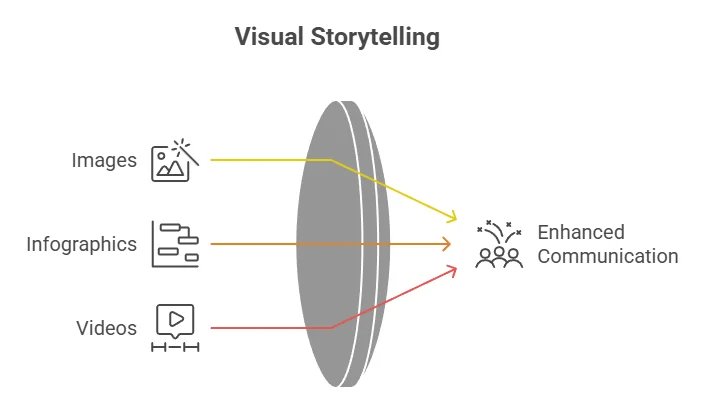
| Visual Element | Benefits | Best Practices |
|---|---|---|
| Images | Enhances clarity; Captures attention | Use high-quality, relevant images |
| Infographics | Simplifies complex data; Improves retention | Employ clear design; Utilize color coding |
| Videos | Engages users; Demonstrates more effectively | Embed relevant content; Ensure fast loading |
Keep accessibility in mind when you design. Ensure that your visuals have alternative text descriptions for those using screen readers. Test different devices and browsers to confirm that your layouts are responsive and user-friendly, enhancing the experience for everyone.
For further insights on optimizing user experience through visuals, check out more from Smashing Magazine or Nielsen Norman Group. By implementing these strategies, you can create visually appealing layouts that significantly enrich user experience and enhance engagement on your Affiliate Review Pages.
Strategies for Promoting Affiliate Review Pages Successfully
Creating successful strategies for promoting How To Structure Affiliate Review Pages requires a blend of audience targeting, content quality, and proper marketing techniques. Here, you’ll discover effective methods that can enhance the visibility and engagement of your affiliate review pages, helping you drive traffic and boost conversions.
Understand Your Audience
The fundamental step in promoting your Affiliate Review Pages is to know your audience well. This involves identifying their preferences, pain points, and interests. You can conduct surveys or use analytics tools to gather data on your readers’ behavior. Understanding this will enable you to tailor your content to meet their needs.
Create High-Quality Content
Your review pages should be packed with valuable information. Consider the following elements:
- In-depth Product Analysis: Provide thorough insights into the products you are reviewing. Discuss their features, pros, cons, and pricing.
- Personal Experience: Share your own experiences with the product. Personal stories can build trust and credibility with your audience.
- Visual Content: Incorporate images, infographics, or videos to make your reviews more engaging. Visuals can help readers understand features better.
Optimize for Search Engines
To rank higher in search results, you must include relevant keywords thoughtfully within your content. Essential keywords related to your product should appear in your title, headers, and throughout the body. However, avoid keyword stuffing. Instead, aim for a natural flow that enhances readability.
Leverage Social Media Platforms
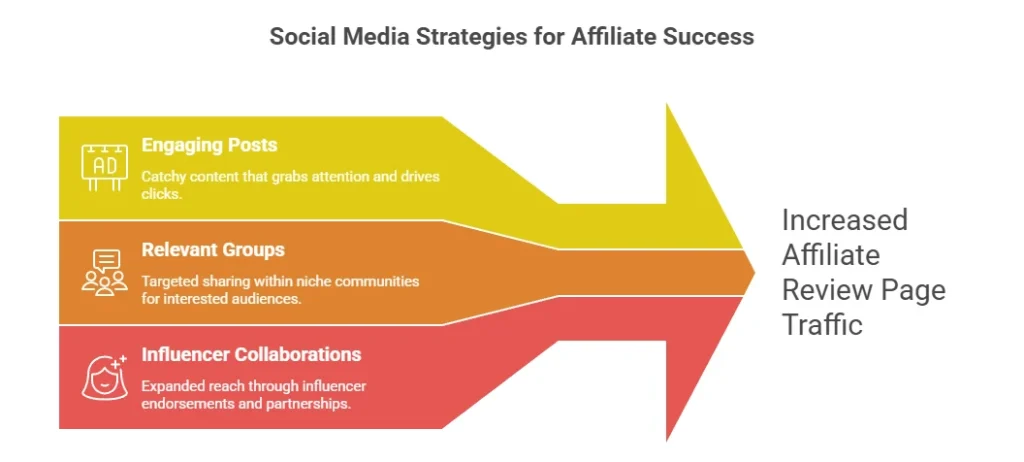
Social media is a powerhouse for driving traffic to your Affiliate Review Pages. Consider these tactics:
- Share Engaging Posts: Craft catchy posts that highlight your reviews and encourage clicks. Include visuals and headlines that catch attention.
- Join Relevant Groups: Participate in groups related to your niche to share your reviews with an interested audience.
- Use Influencer Collaborations: Partnering with influencers can widen your reach significantly. Their endorsement can attract their audience to your content.
Utilize Email Marketing
Building an email list is vital for promoting your Affiliate Review Pages. Follow these steps:
- Create Valuable Newsletters: Send out periodic newsletters containing your latest reviews, product updates, or exclusive deals.
- Segment Your List: Tailor your messages to different segments of your audience to improve engagement rates.
- Include Call-to-Actions: Make sure your emails have clear calls-to-action directing readers to your review pages.
Utilize Paid Advertising
Investing in paid advertising can be highly effective, especially in the beginning stages of promoting your affiliate reviews.
- Google Ads: Use Google Ads to target specific keywords that potential buyers may search for.
- Facebook Ads: Create targeted ads on Facebook to reach specific demographics based on interests and behaviors.
- Retargeting Ads: Implement retargeting campaigns to re-engage visitors who previously visited your review pages.
Monitor and Analyze Performance
Continuously track the performance of your How To Structure Affiliate Review Pages. Use analytics tools such as Google Analytics to monitor the following:
- Traffic Sources: Identify where your traffic is coming from to focus your marketing efforts.
- User Behavior: Assess how visitors interact with your pages – this can highlight areas for improvement.
- Conversion Rates: Track which of your strategies are successfully converting visitors into buyers.
Network and Build Relationships
Networking with other bloggers and marketers can provide additional promotional opportunities. Consider guest blogging or collaborating on projects that allow you to share your reviews with a broader audience. Genuine relationships in the industry can lead to organic promotion and shared traffic.
The strategies outlined above can help you effectively promote your Affiliate Review Pages. Always remember that consistency and adapting to the dynamic nature of online marketing are critical. For a deeper understanding of driving traffic and conversions, visit Smart Passive Income and Niche Pursuits, where you can find additional insights and resources.
Conclusion
How To Structure Affiliate Review Pages is essential for attracting and engaging readers while ensuring conversion. By focusing on the key elements discussed, such as crafting compelling content and incorporating engaging visuals, you can create a review page that resonates with your audience. Authenticity in writing is crucial; readers can easily spot a disingenuous review, so always prioritize honest assessments over hyped-up claims. This approach fosters trust and encourages potential customers to take action.
Enhancing user experience through thoughtful layout and strategic use of images or videos can make your review pages more appealing. A well-organized structure guides readers effortlessly through the essential information, helping them make informed decisions. clear calls to action encourages users to click and learn more, which can drive conversions.
Promotion strategies play a significant role in the success of your Affiliate Review Pages. Whether through social media, email marketing, or collaborating with influencers, getting the word out about your reviews is key. Implementing SEO best practices will maximize your visibility on search engines and attract organic traffic.
By combining these elements—structured layouts, authentic writing, engaging visuals, and strategic promotion—you can create powerful Affiliate Review Pages that not only captivate readers but also drive sales. Your focus should always be on providing value to your audience, ensuring they walk away informed and empowered to make their purchase decisions. Embrace these techniques and watch your affiliate marketing efforts flourish.