How to Scale an Affiliate Marketing Business to 10k a Month


ATTENTION: Want to Learn Affiliate Marketing from Successful Affiliates?
Scaling your affiliate marketing business to $10K a month is an achievable goal that requires careful planning and execution. With the right strategies, you can effectively increase your income and build a sustainable affiliate marketing model. Here’s How to Scale an Affiliate Marketing Business to 10k a Month.
Understand Your Niche
Before diving deeper into affiliate marketing, it’s crucial to understand your niche thoroughly. Identifying the right niche allows you to target your audience effectively and choose the right products to promote. Consider these steps:
- Research popular trends in your niche.
- Identify target demographics who are likely to buy the products.
- Assess competition within the niche and identify gaps you can fill.
Create High-Quality Content
Your content is the backbone of your affiliate marketing efforts. To engage your audience and encourage them to act, you need to produce valuable, high-quality content consistently. Focus on:
- Writing informative blog posts that solve problems.
- Creating engaging videos or podcasts to reach different audiences.
- Utilizing social media to share your content and drive traffic.
Use SEO Strategies
Search engine optimization (SEO) is essential for increasing organic traffic to your site. Implement these SEO practices:
- Conduct keyword research using tools like Moz or Ahrefs.
- Optimize your website’s on-page SEO, including titles, meta descriptions, and headers.
- Build backlinks to improve domain authority.
Build an Email List
Your email list is one of your most valuable assets in affiliate marketing. It allows you to directly communicate with your audience. Here’s how to build an effective email list:
- Offer a lead magnet, such as a free eBook or a discount code.
- Use sign-up forms and pop-ups strategically on your website.
- Consistently send newsletters that include valuable content and affiliate promotions.
Leverage Social Media Platforms
Social media is a powerful tool for increasing brand awareness and driving traffic. Use platforms like Instagram, Facebook, and TikTok to promote your content. Here are a few strategies:
- Post regularly and engage with your followers.
- Run targeted advertising campaigns to reach broader audiences.
- Join relevant groups or forums to share your expertise.
Analyze Your Performance and Optimize
It’s crucial to monitor your performance regularly. Use analytics tools such as Google Analytics to track your website’s traffic and understand visitors’ behavior. Based on the data, consider:
- Identifying which products convert well and focusing on them.
- Adjusting your content strategy based on engagement metrics.
- Testing different email campaigns to see what resonates best.
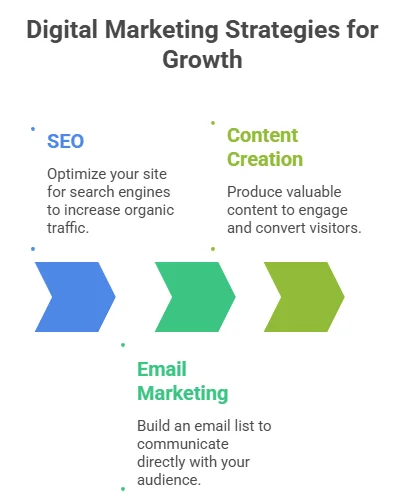
| Strategy | Description | Tools |
|---|---|---|
| SEO | Optimize your site for search engines to increase organic traffic. | Moz, Ahrefs |
| Email Marketing | Build an email list to communicate directly with your audience. | Mailchimp, ConvertKit |
| Content Creation | Produce valuable content to engage and convert visitors. | WordPress, Canva |
Consider Paid Advertising
If you have the budget, paid advertising can help you accelerate your growth. Here are some options to explore:
- Google Ads: Target specific keywords related to your niche.
- Facebook Ads: Create targeted ads that engage users on social media.
- Influencer Marketing: Collaborate with influencers to reach a broader audience.
By implementing these strategies and continually optimizing your approach, you can effectively scale your affiliate marketing business to $10K a month. Remember, success won’t happen overnight; persistence and adaptation are key to long-term growth.
Effective Traffic Generation Techniques for Affiliate Marketers
Affiliate marketing offers incredible potential for those willing to put in the work. One critical component of establishing a thriving affiliate marketing business is effective traffic generation. Here are some insightful techniques and strategies you can implement to boost your traffic and, ultimately, your earnings.
Understanding Your Audience
Before diving into traffic generation techniques, it’s important to understand your target audience. Knowing their preferences, habits, and pain points will guide your traffic strategies. Use tools like SurveyMonkey to conduct surveys, or analyze your existing audience using Google Analytics.
SEO Optimization
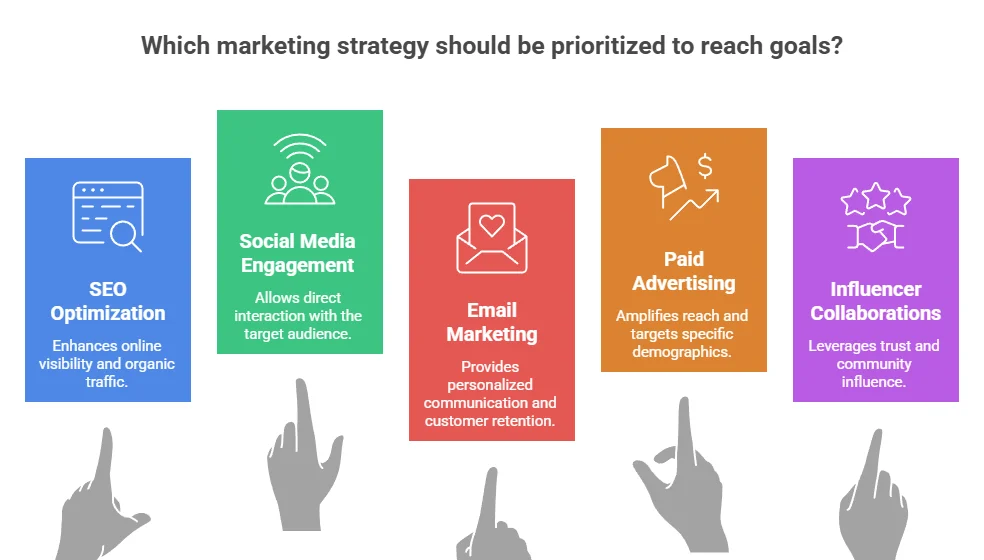
Search Engine Optimization (SEO) is essential for generating organic traffic. Properly optimizing your website can lead to higher search engine rankings, which increases visibility. Focus on the following aspects:
- Keyword Research: Utilize tools like Moz or Ahrefs to find relevant keywords.
- On-Page SEO: Ensure that your content includes these keywords naturally in headers, meta tags, and throughout your articles.
- Quality Content: Create valuable, informative content that provides real benefits to your readers. The more engaging your content, the more likely people are to share it.
Utilizing Social Media
Social media platforms are gold mines for traffic generation. Here’s how to effectively use them:
- Choose the Right Platforms: Not all social media platforms may suit your niche. Focus on platforms where your target audience hangs out, whether that’s Facebook, Instagram, Twitter, or Pinterest.
- Engaging Posts: Share bite-sized content that encourages sharing. Use eye-catching images and videos to draw attention.
- Join Communities: Participate in relevant Facebook groups or forums. Engage with users, offering helpful advice and including your affiliate links where appropriate, without being overly promotional.
Email Marketing
Email marketing is a powerful tool for affiliate marketers. Building a list allows you to connect directly with your audience. Here are the steps to implement:
- Build Your List: Use lead magnets like eBooks or exclusive discounts to encourage sign-ups.
- Create Newsletters: Regularly send valuable content to your subscribers, promoting your affiliate products subtly.
- Segment Your List: Tailor your emails based on subscriber interests to increase engagement.
Paid Advertising
If you have the budget, consider using paid advertising to generate quick traffic. Options include:
- PPC Ads: Platforms like Google Ads allow you to bid on keywords to appear at the top of search results.
- Social Media Ads: Use Facebook Ads or Instagram sponsored posts to reach a broader audience.
- Retargeting: Implement retargeting ads to recapture visitors who didn’t convert on their first visit.
Influencer Collaborations
Partnering with influencers in your niche can drive substantial traffic to your affiliate offers. Here’s how:
- Identify Relevant Influencers: Look for influencers who genuinely align with your niche and have a loyal following.
- Build Relationships: Engage with them on social media before pitching. This helps establish credibility.
- Negotiate Collaborations: Consider guest posts, shoutouts, or reviews to tap into their audience.
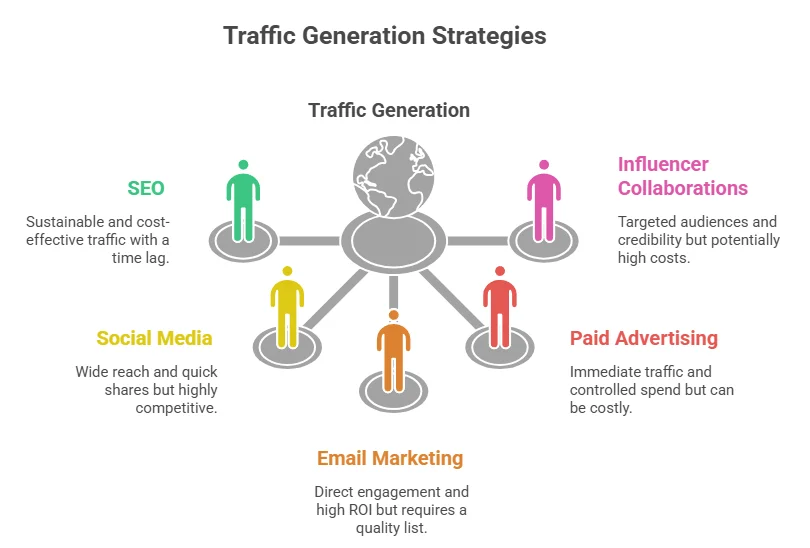
| Traffic Generation Method | Pros | Cons |
|---|---|---|
| SEO | Cost-effective, sustainable results | Can take time to see results |
| Social Media | Wide audience reach, quick shares | Highly competitive, changing algorithms |
| Email Marketing | Direct engagement, high ROI | Requires a quality list, potential for spam filters |
| Paid Advertising | Immediate traffic, controlled spend | Can be costly, need careful management |
| Influencer Collaborations | Access to targeted audiences, credibility | Potentially high costs, dependence on influencer |
By combining these effective traffic generation techniques, you can enhance your affiliate marketing success. Focus on what suits your style, and don’t hesitate to experiment with different methods. Each effort you make brings you one step closer to your goals.
Building a Strong Affiliate Marketing Brand: Key Considerations
Creating a successful affiliate marketing brand requires more than just promoting products. You need to develop a strong identity that resonates with your audience and differentiates you from the competition. Here are the essential considerations for building that brand effectively.
Understand Your Niche
Your niche should reflect your interests and expertise. Focusing on a specific area allows you to connect deeply with your audience. To identify your niche, consider the following:
- Passions and interests
- Market demand
- Competitor analysis
Researching popular trends in your niche can guide you toward identifying affiliate products that will appeal to your audience. Websites like MerchantWords can help you analyze keywords and search terms relevant to your niche.
Create a Unique Selling Proposition (USP)
Your USP distinguishes your brand from competitors. To develop your USP, ask yourself:
- What makes my content unique?
- Why should someone choose my recommendations over others?
- What value do I bring to my audience?
A clear USP strengthens your brand’s message and establishes credibility. It can range from in-depth product reviews to exclusive bonuses for your audience, adding significant value that would make them return.
Build a Strong Online Presence
Your online presence involves your website, social media accounts, and other platforms where you interact with potential customers. Consider these steps to build a robust presence:
- Create a Professional Website: Invest in a site that reflects your brand identity. Use platforms like WordPress to build a user-friendly site.
- Optimize for SEO: Incorporate relevant keywords and ensure your website’s structure facilitates search engine indexing. Tools such as Moz can assist you in improving your SEO strategy.
- Leverage Social Media: Choose platforms that align with your target audience. Engage with your followers through regular posts, comments, and interactions.
Develop High-Quality Content
Content is at the heart of affiliate marketing. It drives traffic, builds trust, and converts visitors into buyers. Focus on:
- Creating actionable and valuable content, like tutorials, guides, and reviews.
- Using a variety of formats—blogs, videos, and podcasts to engage different audiences.
- Consistently updating your content to keep it relevant.
Engage with Your Audience
Building a strong relationship with your audience is critical. Here are effective strategies:
- Email Marketing: Create a mailing list. Use services like Mailchimp to send newsletters, product updates, and personalized content.
- Encourage Feedback: Ask for opinions on your products or content. Engage with comments on your blog or social media pages.
- Host Webinars or Live Q&A Sessions: This promotes direct interaction, which helps in building trust.
Track Your Performance
Monitoring metrics is vital for assessing the effectiveness of your strategies. Pay attention to:
- Your website traffic and visitor behavior via tools like Google Analytics.
- Conversion rates to determine how many visitors are completing desired actions.
- Engagement metrics on social media to gauge audience interaction.
By focusing on these key considerations, you can create a strong affiliate marketing brand that not only attracts an audience but also establishes long-term loyalty. Building a reputable brand takes time and dedication, but by consistently delivering value, you’ll position yourself strongly within your niche. Note: For detailed insights and further reading, check out the resources available on Affilorama, which specializes in affiliate marketing training.
Analyzing Performance Metrics: Understanding What Drives Sales
To drive sales in any business, understanding performance metrics is crucial. These metrics serve as the compass that guides your marketing decisions, helping you assess what’s working and what isn’t. You can optimize your strategies to boost sales by analyzing them effectively.
Key Performance Indicators (KPIs)
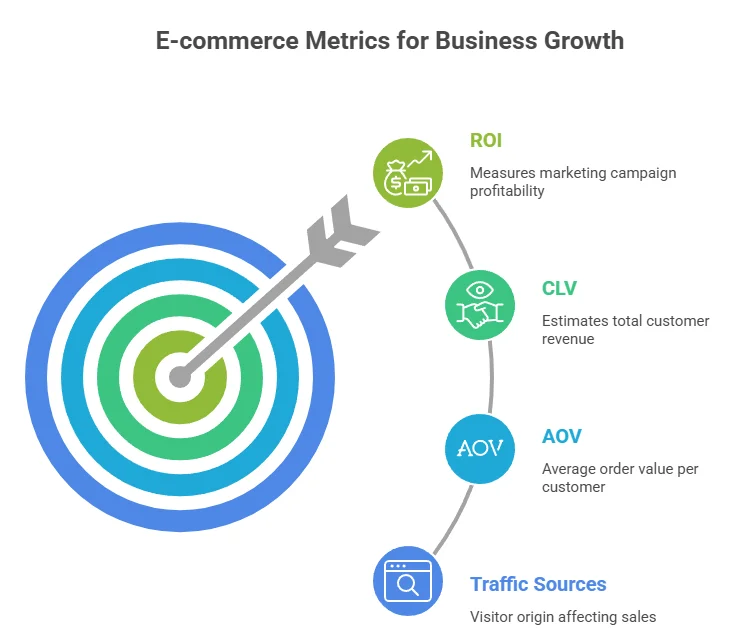
When aiming to understand what drives sales, you must first identify your key performance indicators (KPIs). These metrics reveal how your strategies perform and where you can improve. Consider focusing on:
- Conversion Rate: This percentage indicates how many visitors are completing the desired action, such as making a purchase.
- Traffic Sources: Analyze where your visitors come from—whether organic search, paid ads, social media, or referrals—as this affects your sales.
- Average Order Value (AOV): Understanding how much customers spend on average can help tailor marketing strategies to increase this figure.
- Customer Lifetime Value (CLV): This metric estimates the total revenue a customer is likely to bring during their relationship with your brand.
- Return on Investment (ROI): Evaluating the profitability of your marketing campaigns is essential in determining which strategies yield the best results.
Using Data Analytics Tools
Investing in data analytics tools allows you to gather real-time insights on your sales performance. A few popular tools include:
- Google Analytics: Provides comprehensive statistics and analysis for your website traffic.
- Kissmetrics: Helps track customer behavior and understand lifetime value.
- SEMrush: An SEO tool that also provides analytics on your traffic sources and competition.
Identifying Trends
Market trends can significantly impact sales. By keeping a close eye on industry patterns, you can make informed decisions. Here are some ways to identify trends:
- Regularly Review Data: Set up a schedule to analyze your KPIs regularly. Look for unusual spikes or drops in data to identify trends.
- Customer Feedback: Encourage customers to share their opinions. This insight can provide direct feedback on what they like or dislike.
- Competitor Analysis: Monitor your competitors to see how they perform. Tools like SimilarWeb can help with this.
Segmenting Your Audience
Understanding your audience is vital in driving sales. By segmenting your audience based on demographics, behavior, and preferences, you can tailor your marketing efforts to meet their needs better. Effective segmentation may include criteria such as:
| Segment Type | Description |
|---|---|
| Demographic | Age, gender, income level, etc. |
| Geographic | Location-based targeting to appeal to regional preferences. |
| Behavioral | Based on purchasing habits, such as repeat buyers vs. one-time customers. |
Testing and Optimization
Once you have your data, it’s time to test different approaches and see what resonates with your audience. A/B testing is an effective strategy for this. You can experiment with:
- Email subject lines
- Landing page designs
- Call-to-action buttons
Continuously optimize your campaigns based on what the data tells you. This allows you to refine your strategies and increase conversions effectively.
Building Strong Relationships with Customers
The relationship you maintain with your customers plays a significant role in driving sales. Building trust can lead to increased customer loyalty and repeat purchases. Consider employing strategies such as:
- Personalized Marketing: Tailor your marketing messages based on customer data for a more personalized experience.
- Excellent Customer Service: Promptly address customer inquiries, complaints, and feedback to show that you value their business.
- Loyalty Programs: Implement programs that reward repeat customers, encouraging them to return for future purchases.
Understanding and analyzing performance metrics is not just about collecting data; it’s about making that data work for you. By evaluating KPIs, employing analytical tools, identifying trends, segmenting your audience, and optimizing your strategies, you can drive your sales effectively.
Leveraging Social Media for Affiliate Marketing Success
In today’s digital landscape, social media has become a powerful tool for affiliate marketing. As an affiliate marketer, you can use various social media platforms to reach a broader audience, boost your engagement, and ultimately increase your earnings. Here’s how you can leverage social media effectively for your affiliate marketing success.
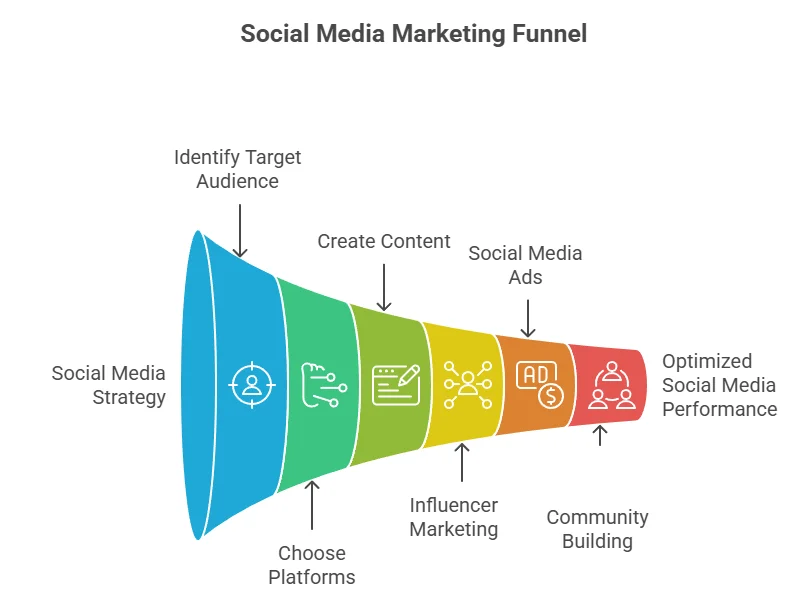
Identify Your Target Audience
Understanding your target audience is crucial. Identify who they are, what they like, and where they spend their time online. This information not only helps in content creation but also when selecting which social media platforms to use. Here are a few ways to gather insights:
- Conduct surveys and polls to gather information directly from your audience.
- Analyze demographic data on the platform you intend to use, like Facebook Insights or Twitter Analytics.
- Engage in forums or groups that align with your niche to observe discussions and interests.
Choose the Right Social Media Platforms
Different platforms cater to different demographics and content styles. Consider factors like your target audience, the type of products you’re promoting, and the kind of content you will create. Popular platforms include:
- Instagram: Great for visual products like fashion, beauty, and food.
- Facebook: A diverse audience and supports a variety of content types.
- X (Twitter): Ideal for short, impactful content and news sharing.
- YouTube: Effective for tutorial content and product reviews.
Create High-Quality Engaging Content
Your content should be compelling and valuable to your audience. Consider incorporating these content formats:
- How-to Guides: Educate your audience on how to use a product effectively.
- Product Reviews: Provide honest and thorough reviews to build trust.
- Video Content: Create engaging videos showcasing the benefits of products.
Utilize Influencer Marketing
Partnering with influencers can expand your reach significantly. Choose influencers who resonate with your audience and whose followers match your target market. Consider these steps when working with influencers:
- Reach out and propose collaborations that benefit both parties.
- Choose influencers who have a genuine following over those with bloated numbers.
- Monitor the performance of influencer content to assess ROI.
Leverage Social Media Ads
Investing in social media ads can help you reach a larger audience quickly. Most platforms offer targeted advertising options to make your investment worthwhile. Focus on:
- Setting clear goals for your ad campaign.
- Targeting specific demographics, interests, and behaviors.
- Testing different ad formats, such as carousel ads or video ads.
Engagement and Community Building
Building a community around your content is vital. Engage with your followers regularly by responding to comments, hosting live Q&A sessions, and encouraging discussions. This builds loyalty and trust, which can drive more conversions. Here’s how to enhance engagement:
- Ask questions in your posts to encourage interaction.
- Run contests or giveaways that require sharing your content to enter.
- Share user-generated content to show appreciation for your audience.
Analyze and Optimize
The beauty of social media is the wealth of analytics available to you. Regularly reviewing performance metrics can help you understand what’s working and what’s not. Pay attention to:
- Engagement rates such as clicks, shares, and comments.
- Conversion rates from your affiliate links.
- Traffic sources to see which platforms are most effective.
Based on these insights, refine your strategy to continually improve your results.
For those looking for more insights, Neil Patel offers excellent resources on leveraging social media for marketing success, while Social Media Examiner provides the latest trends and strategies in social media marketing.
Effective use of social media can take your affiliate marketing business to new heights. It’s about creating meaningful relationships, providing value, and continuously optimizing your strategy. Make use of these tips to create a robust presence that converts well and drives sales.
Conclusion
Reaching the milestone of $10K a month in your affiliate marketing business requires a multifaceted approach. By implementing effective strategies tailored to your niche, you can significantly boost your income while building a reputable brand. Traffic generation is essential; leveraging SEO, email marketing, and pay-per-click ads can draw targeted visitors to your site and enhance your conversion rates.
Creating a strong brand presence not only sets you apart from competitors but also fosters trust and loyalty among your audience. This involves establishing a clear value proposition, engaging with your audience authentically, and maintaining a consistent visual and tonal identity across all platforms.
Understanding performance metrics is crucial. Regularly analyzing these metrics helps you identify which strategies yield the highest returns, allowing you to optimize your campaigns efficiently. This data-driven approach will enable you to pivot your methods as necessary, making your marketing efforts more impactful.
Moreover, social media can be a powerful tool in your affiliate marketing arsenal. Engaging content and consistent communication can inspire your followers to convert, amplifying your reach and driving more traffic to your affiliate offers.
By focusing on these core aspects, you will lay a solid foundation for scaling your affiliate marketing business effectively. Keep experimenting, stay adaptable, and continue to educate yourself about the ever-evolving landscape of digital marketing, and you’ll be well on your way to achieving and exceeding that $10K monthly goal. How to Scale an Affiliate Marketing Business to 10k a Month is a journey of persistence and strategic refinement.