


Ranking your affiliate articles quickly can be a game changer for your online revenue. You want to reach that coveted top spot on search engines, and to do so, you’ll need to employ some effective techniques. The following strategies focus on enhancing visibility, engagement, and ultimately, conversions. When considering your long-term strategy, always look for Sustainable Affiliate Programs that offer recurring value.
Keyword Research
The foundation for ranking affiliate articles starts with thorough keyword research. Select long-tail keywords that potential customers are likely to search for. Tools like Ahrefs and Ubersuggest can help you find relevant keywords with less competition. Aim for keywords that have:
- Low competition but decent search volume.
- Strong relevance to your affiliate products.
Quality Content Creation
Your content should provide real value to readers. Start with a compelling introduction to grab attention. Here’s how you can enhance your writing:
- Use clear and concise language.
- Include personal anecdotes to relate to your audience.
- Break the text into smaller paragraphs for better readability.
When writing affiliate articles, focus on solving specific problems or answering questions your target audience has.
On-Page SEO Optimization
Once your article is written, the next step is optimizing it for search engines. Here are some essential on-page elements to consider:
- Title Tags: Ensure your primary keyword is included within the first 60 characters.
- Meta Descriptions: Summarize what your content is about in under 160 characters, using relevant keywords.
- Internal Links: Link to other relevant articles on your site to keep visitors engaged longer.
- Image Alt Text: Use descriptive alt text for images to help search engines understand your content better.
Building Quality Backlinks
Backlinks are vital for improving your search ranking. Engage in outreach to other website owners, offering them unique insights or content in exchange for links back to your articles. Here are some tactics to succeed:
- Guest blogging on related sites.
- Collaborating with influencers in your niche.
- Creating shareable content, like infographics, that people will want to link to.
Utilizing Social Media
Promoting your affiliate articles on social media is a fantastic way to drive traffic quickly. Consider these strategies:
- Create engaging posts that connect with your audience.
- Utilize stories and live videos for more engagement.
- Join relevant groups where you can share your content.
Platforms like Facebook, Twitter, and Instagram are perfect for this.
Continual Monitoring and Adjustments
It’s essential to monitor your article’s performance. Use tools such as Google Analytics and Google Search Console to track your rankings and organic traffic. If something isn’t working, don’t hesitate to adjust your content or SEO strategy based on the data you gather.
Promoting Through Email Marketing
Email marketing remains a powerful tool for promoting your affiliate articles. Build a mailing list and send regular newsletters that include links to your latest content. Make sure to:
- Create catchy subject lines to grab attention.
- Offer exclusive content or promotions for email subscribers.
- Encourage feedback to engage with your audience.
Networking with Other Affiliates
Building relationships with other affiliates can lead to potential collaborations. Attend conferences and engage in online forums to share experiences and tips. The more connections you have, the more doors may open for joint ventures and promotions.
By following these techniques, you can boost your affiliate article rankings swiftly and effectively. Focus on producing quality content, optimizing for SEO, and leveraging social media and networks. Soon enough, you’ll start seeing the fruits of your labor!
The Role of Keyword Research in Affiliate Marketing Success
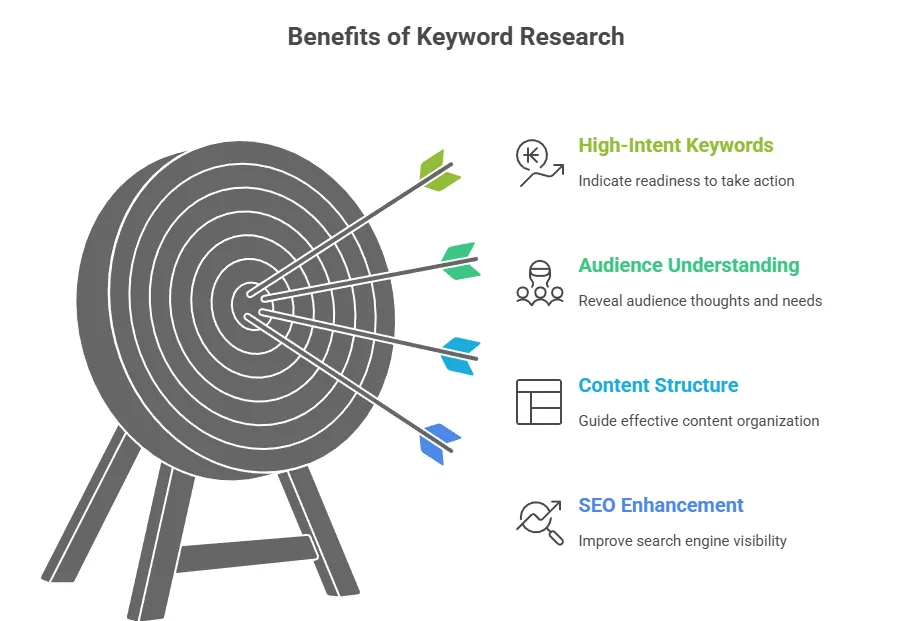
In affiliate marketing, the success of your campaigns heavily relies on keyword research. Understanding which keywords resonate with your target audience is crucial to driving traffic and increasing conversions. It allows you to craft content that answers your audience’s questions while aligning with their search intent.
To understand the significance of keyword research, consider the following roles it plays in affiliate marketing:
Identifying High-Intent Keywords
High-intent keywords are phrases that indicate a user is ready to take action, whether that be making a purchase or signing up for a service. By focusing on these keywords, you increase your chances of converting visitors into buyers.
Understanding Your Audience
Keywords are a window into what your audience is thinking. By analyzing search queries, you can tailor your content to address your audience’s needs and concerns.
Guiding Content Structure
Well-researched keywords help in organizing your content effectively. This ensures that your articles are comprehensive and cover all relevant aspects that a potential customer might consider.
Enhancing SEO Efforts
Google rewards content that features relevant keywords. By strategically placing high-performing keywords in your articles, you optimize your chances of ranking higher in search results.
To kick-start your keyword research, consider using tools like Moz or Ahrefs. These platforms offer valuable insights into keyword difficulty, search volume, and related suggestions. Here’s how to effectively use these resources:
- Enter seed keywords related to your affiliate niche.
- Analyze the results for keyword difficulty and search volume.
- Identify long-tail keywords that are less competitive yet relevant to your target audience.
Another key factor is understanding the competition. Analyzing the top-ranking articles for your chosen keywords can offer invaluable insights. Look into:
- What keywords they are targeting
- The type and depth of content they provide
- Their backlink profiles, which can inform your link-building strategy
| Keyword | Search Volume | Keyword Difficulty |
|---|---|---|
| Best running shoes | 12,000 | 35 |
| Top affiliate programs | 8,000 | 25 |
| How to start a blog | 15,000 | 20 |
Once you’ve gathered relevant keywords, it’s time to integrate them into your content. Use the following strategies to maximize the effectiveness of your keywords:
- Include keywords in strategic locations: Ensure that you place your main keywords in the title, subheadings, and throughout the body text, while maintaining natural readability.
- Avoid keyword stuffing: This can lead to penalties from search engines. Ensure that the content is fluid and provides value, with keywords used naturally within the text.
- Use synonyms and related terms: This not only enriches your content but also shows search engines the relevancy of your article.
Monitoring the results after optimizing your content for chosen keywords is vital. Use analytics tools like Google Analytics to track visitor behavior and understand how well your keywords perform. Adjust your keyword strategy based on insights from performance data. This ongoing process is essential for maintaining and improving your rankings over time.
Keyword research isn’t just a one-time task; it’s an ongoing element of your affiliate marketing strategy. Continually test new keywords, expand your targeting, and stay updated with trends in your niche. By prioritizing keyword research, you ensure that your campaigns remain effective and competitive in the ever-evolving digital landscape.
Effective keyword research serves as the backbone of successful affiliate marketing. By utilizing the right tools, understanding your audience, and consistently refining your strategy, you set yourself up for long-term success.
Crafting Compelling Content That Converts Readers into Buyers
When it comes to converting readers into buyers, crafting compelling content is key. The goal is to engage your audience, provide value, and drive them toward making a purchase. Here are some advanced strategies to help you create content that not only attracts attention but also leads to conversions.
Understanding Your Audience
The first step in creating effective content is to understand who your audience is. Knowing their desires, pain points, and preferences allows you to tailor your message to meet their needs. Conduct surveys, check social media comments, and analyze website analytics to gather insights. You can use tools like Google Analytics and BuzzSumo to better understand what resonates with your audience.
Creating Headlines That Grab Attention
Your headline is the first thing readers will see, so make it count. A strong headline should be clear, interesting, and should spark curiosity. Use numbers or questions to draw interest. For example:
- “5 Essential Tips for Boosting Your Sales”
- “Are You Making These Mistakes in Your Marketing Strategy?”
Headlines that offer a clear benefit will encourage readers to click. Tools like CoSchedule’s Headline Analyzer can help you refine your titles.
Utilizing Storytelling Techniques
Stories are powerful. They allow readers to connect emotionally with the content. Incorporate anecdotes, testimonials, or case studies that illustrate how your product or service can solve a problem. For instance, instead of just listing features, share a story about a customer who benefitted from your offerings. This approach helps to build credibility and trust.
Highlighting Benefits Over Features
While it’s important to mention product features, focusing on benefits can better motivate readers to buy. Instead of saying, “Our software has a user-friendly interface,” highlight how it saves time and reduces stress for the user. Make it personal. Readers should be able to see themselves benefiting from your product.
Clear Calls to Action
Every piece of content should have a clear call to action (CTA). Make it easy for readers to know what to do next. Use action-oriented language like “Buy Now,” “Try for Free,” or “Learn More.” Position your CTAs strategically within your content, ensuring that they are visible but not intrusive. A well-placed CTA can significantly boost your conversion rates.
Creating Engaging Visuals
Visual content can complement your written words and improve engagement. Add images, infographics, and videos that illustrate key points. Research shows that content with visuals performs better in terms of retention and shareability. Use platforms like Canva to create eye-catching visuals that align with your branding.
SEO Optimization for Visibility
To rank well and attract more readers, optimize your content for search engines. Use relevant keywords naturally throughout the text. However, avoid keyword stuffing. Include keywords in your title, headers, and meta descriptions. Tools like Moz can help you track keyword rankings and optimize your content effectively.
Structuring Your Content for Readability
Break your content into easily digestible sections. Use bullet points, numbered lists, and short paragraphs. This improves readability, making it easier for readers to scan the content. Aim for a Grade 5 readability level to ensure that your message is accessible to a broad audience.
Testing and Adjusting Your Approach
After publishing your content, monitor its performance. Use analytics to see how readers are interacting with your articles. Are they clicking on CTAs? Are they spending time reading? Adjust your strategy based on this data. A/B testing different headlines or CTAs can also provide insights into what works best.
By implementing these strategies, you can create compelling content that not only captures attention but also converts readers into buyers. Remember to continuously refine your approach based on reader feedback and analytics to achieve sustained success.
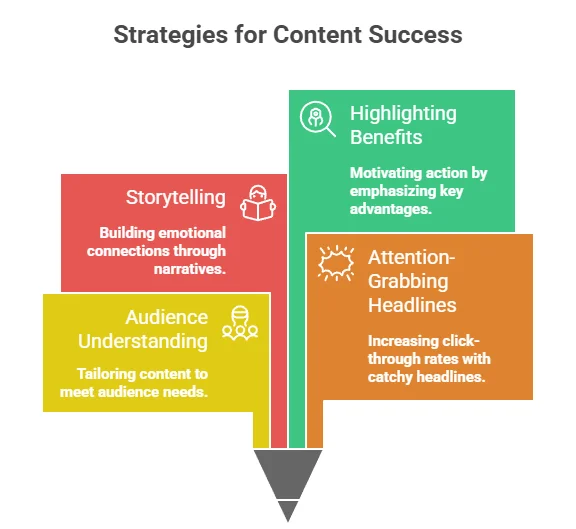
| Strategy | Benefit |
|---|---|
| Understanding Your Audience | Tailor content to specific needs. |
| Grabbing Attention with Headlines | Increase click-through rates. |
| Utilizing Storytelling | Build emotional connections. |
| Highlighting Benefits | Motivate readers to take action. |
Leveraging SEO Best Practices for Affiliate Article Optimization
When it comes to affiliate marketing, creating high-quality articles that rank well in search engines is crucial. As the digital landscape evolves, leveraging SEO best practices becomes essential to improve visibility and drive traffic to your affiliate content. Here are effective strategies you can implement to optimize your affiliate articles.
Keyword Research
Finding the right keywords is the foundation of your SEO strategy. Use tools like Ahrefs or Moz to identify keywords relevant to your niche. Consider both short-tail and long-tail keywords:
- Short-tail keywords: Keywords consisting of one or two words. They typically have high search volume but may be more competitive.
- Long-tail keywords: Phrases containing three or more words. They usually have lower search volume but can convert better as they target specific queries.
For instance, instead of just targeting “shoes,” you might focus on “best running shoes for flat feet.”
Quality Content Creation
Your articles need to be informative, engaging, and valuable to your readers. Aim for at least 1,000 words per article, and break down large blocks of text into easily digestible paragraphs. Use bullet points, lists, and visuals to enhance readability. Remember, your goal is to provide comprehensive answers to your audience’s questions.
On-Page SEO Techniques
Optimizing your articles for search engines involves various on-page SEO elements:
- Title Tags: Ensure your title tag includes the primary keyword and accurately represents the content.
- Meta Descriptions: Write compelling meta descriptions that include keywords to encourage click-throughs.
- Header Tags: Use H3 and H4 tags to structure your content and include keywords where they fit naturally.
- Image Alt Text: Optimize images by providing descriptive alt text that contains relevant keywords.
Internal and External Linking
Linking is key to SEO success. Include internal links to other relevant articles on your site, which helps distribute page authority and keeps visitors engaged longer. Also, external links to reputable sources can enhance credibility. For example, referencing a Search Engine Journal article can bolster your authority on a topic.
Mobile Optimization
With a significant portion of web traffic coming from mobile devices, ensure that your articles are mobile-friendly. Use responsive design, clean layouts, and fast-loading pages to enhance the mobile experience. Google favors sites that perform well on mobile, which can boost your rankings.
Social Media Promotion
After publishing your affiliate articles, share them across your social media platforms. Tailor your content to fit each platform and engage with your audience by asking questions or encouraging shares. Use social media buttons on your articles to make sharing easy.
Monitoring and Analytics
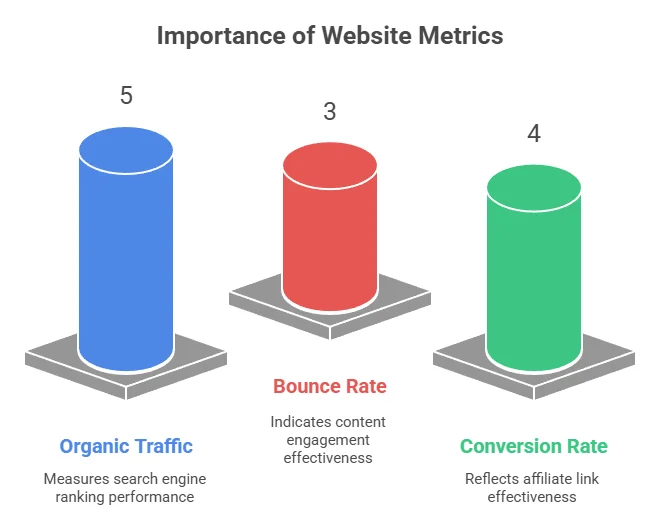
Track the performance of your articles using tools like Google Analytics or SEMrush. Monitor metrics such as organic traffic, bounce rate, and conversion rates. This data will help you refine your strategy:
| Metric | Importance |
|---|---|
| Organic Traffic | Indicates how well your articles are ranking in search results. |
| Bounce Rate | High rates may suggest your content isn’t engaging. |
| Conversion Rate | Reflects the effectiveness of your affiliate links. |
Consistency Is Key
Keep publishing quality content regularly. Consistency signals to search engines that your site is active. Aim for at least one new article per week to maintain engagement and improve ranking potential over time.
By implementing these SEO best practices tailored for affiliate articles, you can significantly enhance your chances of ranking higher on search engine results. Focus on creating valuable content, optimizing it effectively, and promoting it dynamically, and you will see a positive shift in your affiliate marketing efforts.
Building Backlinks: A Key Strategy for Faster Rankings in Affiliate Content
In the competitive world of affiliate marketing, having a well-optimized article isn’t enough. You need to consider various strategies that can elevate your content’s visibility. One of the most effective ways to boost your site’s rankings quickly is through building quality backlinks. This approach might seem complex, but with the right tactics, you can create a solid arsenal that helps your affiliate articles climb higher on search engine results pages.
Backlinks are links from other websites that direct traffic to your content. Search engines, like Google, see these links as a vote of confidence. The more quality backlinks you have, the more authoritative your site appears, which can lead to better rankings. Here’s how you can effectively build backlinks to make your affiliate content shine.
Understanding Link Quality
Not all backlinks are created equal. Here are some key factors to consider:
- Authority: Links from reputable websites improve your credibility.
- Relevance: Backlinks from sites within your niche or related to your content are more valuable.
- Diversity: A mix of different types of links can enhance your backlink profile.
Effective Link Building Strategies
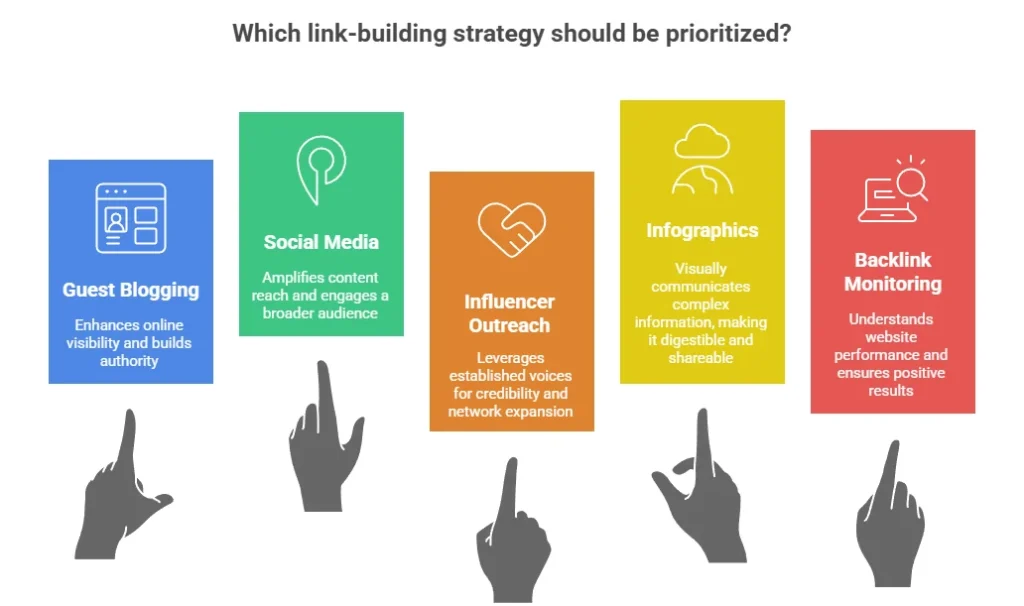
Below are some effective ways to build backlinks for your affiliate articles:
Guest Blogging
Writing guest posts for other websites can introduce your content to a broader audience. Aim for sites that allow backlinks in author bios or within the content itself. Make sure to offer high-quality content that provides value to the readers at websites like Blogging Basics 101 or Smart Blogger.
Utilizing Social Media
Share your articles on social platforms. Engagement can lead to organic backlinks. Platforms like Facebook, Twitter, and LinkedIn can be great for spreading the word about your content.
Influencer Outreach
Connecting with influencers in your niche can help you gain valuable links. Collaborate with them for shoutouts, mentions, or joint content. Websites like Influencer Marketing Hub can help you find relevant influencers.
Creating Infographics
Visual content such as infographics are easily shareable and often attract backlinks. Make sure your infographic provides insightful data relevant to your audience to encourage shares.
Monitoring Backlinks
Keeping track of your backlink profile is essential. Use tools like Ahrefs or Moz to identify where your backlinks are coming from and whether they’re adding value to your SEO strategy.
Common Mistakes to Avoid
- Focusing only on quantity rather than quality.
- Neglecting to check the authority of the sites you’re gaining links from.
- Utilizing black-hat techniques that could lead to penalties.
The Role of Content Quality
Ultimately, the quality of your content will dictate how successful your backlink strategy will be. Create content that is original, informative, and engaging. When other sites find your articles helpful, they will naturally want to link back to them.
Tools to Help Build Backlinks
Consider using various tools to streamline your link-building efforts:
- SEMrush – for comprehensive SEO analysis.
- Google Search Console – to monitor your site’s performance.
- BuzzSumo – to identify the most shared content in your niche.
By implementing these strategies and focusing on building quality backlinks, you can effectively enhance the rankings of your affiliate articles. Remember, the key is to prioritize quality over quantity, and keep your content engaging and relevant to draw in both readers and backlinks.
Conclusion
To achieve success in affiliate marketing, understanding How To Rank Affiliate Articles Fast is crucial. By employing effective techniques such as thorough keyword research, you can pinpoint what your audience is searching for and align your content accordingly. This foundational step not only boosts visibility but also enhances the chances of engaging potential buyers.
Crafting compelling content plays a vital role in converting your readers into loyal customers. Focus on providing valuable insights that address their needs and questions. Use straightforward language, relatable scenarios, and clear calls to action to guide them toward making a purchase.
Optimizing your articles by leveraging SEO best practices can significantly enhance your ranking potential. Ensure that your content includes relevant keywords naturally and is formatted to improve readability, including headings and bullet points. This not only aids search engines in understanding your content but also makes it more approachable for your audience. Working with Sustainable Affiliate Programs will ensure that once you rank, your income remains steady.
Furthermore, building backlinks should not be overlooked. Quality backlinks from reputable sources not only drive traffic but also indicate to search engines that your content is trustworthy. Collaborating with other websites and engaging in guest blogging can be effective strategies to enhance your link profile.
By integrating these strategies, you will increase your chances of ranking your affiliate articles quickly. The combination of focused keyword research, engaging content creation, SEO optimization, and backlink building ultimately paves the way for successful affiliate marketing. Embrace these techniques to see tangible results in your affiliate endeavors and build a sustainable income stream that continues to grow. Understanding How To Rank Affiliate Articles Fast is the first step toward that growth.