
How To Optimize FAQ Pages for SEO


ATTENTION: Want to Learn Affiliate Marketing from Successful Affiliates?
When it comes to enhancing your website’s SEO, optimizing your FAQ pages is a powerful yet underutilized strategy. These pages not only provide answers to your audience’s common queries but also allow search engines to understand your content better. Let’s explore effective strategies to maximize the SEO potential of your Optimize FAQ Pages for SEO efforts.
Understand Your Audience’s Questions
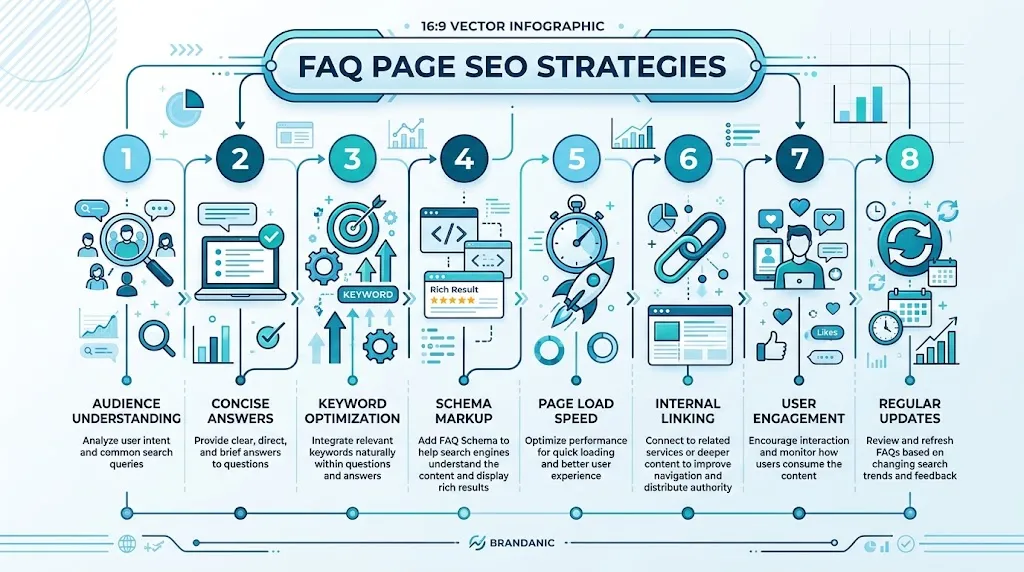
Start by identifying common questions your target audience asks about your products or services. Utilize tools like Answer The Public or Ahrefs to find popular queries that people search for. By understanding these questions, you can tailor your FAQ content to address real issues.
Use Clear and Concise Answer Formats
Your answers should be straightforward and to the point. A well-structured response not only aids user experience but also can aid in SEO rankings. Here’s a simplified structure for your answers:
- Question: What is the main benefit of your service?
- Answer: Our service helps you save time and money by streamlining your workflow.
By framing your questions and answers this way, you make it easier for search engines to crawl your page while also providing immediate clarity to your users when applying To Optimize FAQ Pages for SEO.
Implement Keyword Optimization
Relevant keywords into your FAQ page is critical for SEO. Identify primary and secondary keywords related to your niche. Use these keywords naturally in both questions and their answers. For example:
- If your keyword is “eco-friendly cleaning products,” you might ask, “What are the benefits of using eco-friendly cleaning products?”
This approach helps align your answers with what users are searching for and boosts your visibility in search engines through proper How To Optimize FAQ Pages for SEO.
Use Schema Markup
Schema markup is a structured data vocabulary that helps search engines better understand your content. Adding FAQ schema to your pages can enhance how your FAQs appear in search results. This often leads to rich snippets, which can improve click-through rates. For more details on implementing schema markup, consider visiting the Schema.org FAQPage documentation.
Improve Page Load Speed
Page speed is a critical factor for both user experience and SEO. Slow load times can discourage users from staying on your page. Use tools like Google PageSpeed Insights to analyze and improve your page load speed. Optimizing images, using browser caching, and reducing server response times can significantly enhance performance.
Integrate Internal Linking
Linking to other relevant pages on your website can bolster SEO. It helps search engines understand the structure of your site and encourages visitors to explore more of your content. For example, if you’re discussing your eco-friendly products, link to a blog post about their benefits or a specific product page.
Enhance User Engagement
Encouraging user engagement can help improve SEO rankings. Allow visitors to submit their questions or vote on existing ones, which can keep your content fresh and relevant. This engagement can signal to search algorithms that your content is valuable and authoritative.
Monitor and Update Regularly
SEO is an ongoing process. Regularly check your FAQ page for outdated content and update it with current information. Use analytics tools to track how well your FAQ pages are performing. Adjust your strategies based on what the data reveals about user behavior.
| Strategy | Description |
|---|---|
| Audience Understanding | Identify common questions using tools like Answer The Public or Ahrefs. |
| Concise Answers | Structure answers in a clear and straightforward manner. |
| Keyword Optimization | Incorporate relevant keywords naturally in questions and answers. |
| Schema Markup | Add structured data to enhance search result appearance. |
| Page Load Speed | Optimize load times for better user experience. |
| Internal Linking | Encourage exploration by linking to other pages. |
| User Engagement | Allow users to ask questions or engage with content. |
| Regular Updates | Monitor and refresh content to keep it relevant. |
Boosting the visibility of your FAQ pages can significantly enhance your overall SEO strategy. By focusing on the needs of your audience and optimizing accordingly through Optimize FAQ Pages for SEO, you create a win-win situation for both users and search engines. Start implementing these practices today and watch your SEO performance improve.
The Importance of User Intent in FAQ Content
When creating FAQ content, understanding user intent is crucial. User intent refers to the reason behind a person’s search query. It’s about what information they are truly looking for and how you can provide it. By aligning your FAQ pages with user intent, you enhance the overall user experience and can significantly improve your SEO ranking via Optimize FAQ Pages for SEO.
Every question a user types into a search engine has a purpose. By analyzing these motivations, you can tailor your FAQ content effectively. Consider the following types of user intents that may be relevant:
- Informational Intent: Users seek specific information, like “What is the best time to plant tomatoes?” To meet their needs, provide clear, concise answers.
- Navigational Intent: Here, users know what they want and are trying to find a particular site or page. Think about including links to your main sections.
- Transactional Intent: These users are ready to make a purchase. FAQs addressing common concerns about products or services can guide them through their decision-making.
Pinpointing user intent starts with keyword research. Tools such as Google Trends and Answer the Public can reveal what users are questioning. These platforms help identify common phrases and topics that your audience might be interested in. By using these insights, you can create targeted FAQ sections that resonate with their needs.
Keyword placement is essential for optimizing your content for search engines while still addressing user intent. Incorporate relevant keywords naturally throughout your FAQ answers. For instance, if your FAQ is about “how to optimize FAQ pages for SEO,” you might include phrases like “SEO strategies for FAQ” or “optimizing FAQ content.” This not only makes the content more discoverable but also more applicable to users looking for those specific solutions.
Another critical aspect is the structure of your FAQ content. Clear formatting can engage users and improve their experience. Adopting a question-and-answer format is effective, but consider the use of tables for comparisons or lists for steps in a process. For example:
| FAQ Question | Response |
|---|---|
| What is FAQ? | A FAQ (Frequently Asked Questions) section provides answers to common questions about a product, service, or topic. |
| How can I improve my FAQ section? | Research user intent, use clear keywords, and ensure your answers are concise and informative. |
It’s also wise to monitor user behavior on your FAQ pages. Tools like Google Analytics can provide insight into how users interact with your content. Pay attention to metrics such as time on page and bounce rates. High bounce rates may indicate that your content is not meeting user expectations or needs. Thus, you can adjust your FAQ content accordingly.
Engagement
Engagement is vital. Include calls-to-action within your FAQ responses to encourage users to explore further. For instance, if you answer a query about your services, consider adding links to your service pages, other related FAQs, or even contact forms. This not only helps with SEO but also provides users with a seamless experience on your website.
Updating your FAQ pages
Don’t forget about updating your FAQ pages regularly based on changes in your business or user behavior. Regular updates signal to search engines that your content is fresh and relevant. You might find that new questions emerge over time, requiring modifications to existing FAQs or the addition of new ones.
In a digital landscape where content is competing for attention, optimizing your FAQ pages based on user intent can set you apart. Understanding what your users are searching for and providing detailed, easily navigable responses will not only improve user satisfaction but also enhance your site’s SEO performance. For more detailed guidance, refer to resources like Moz’s Beginner’s Guide to SEO and Ahrefs’ Blog on FAQ SEO.
Best Practices for Structuring FAQ Sections Effectively
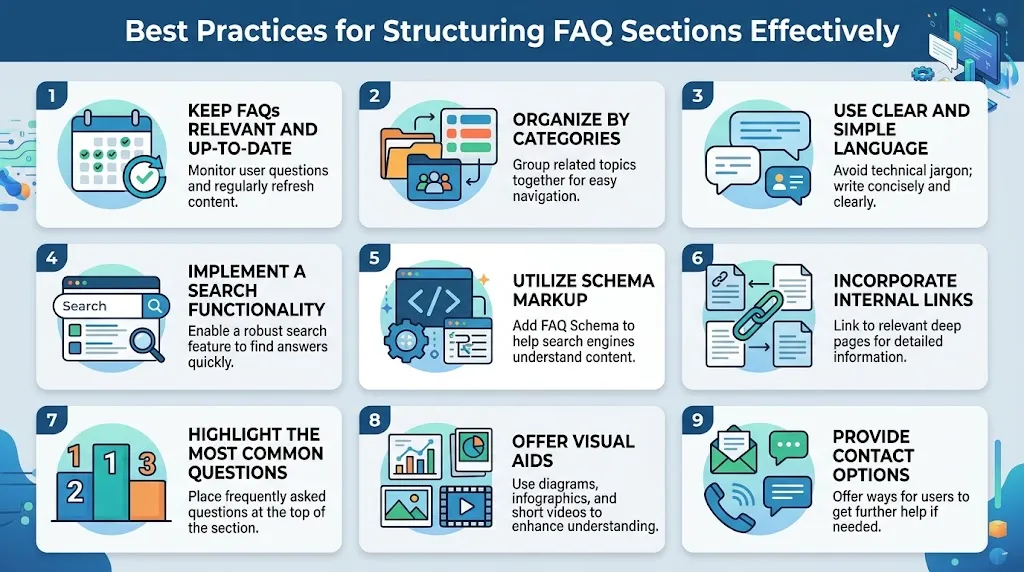
Creating an effective FAQ section can significantly enhance user experience on your website. By providing clear, concise, and relevant information, you can help visitors find answers quickly. Here are some best practices to consider when structuring your FAQ sections using principles of Optimize FAQ Pages for SEO.
Keep FAQs Relevant and Up-to-Date
Regularly review and update your FAQ section. You want to ensure the information reflects current offerings and addresses the most common questions. Keeping content fresh not only helps users but can also improve your SEO. New content signals to search engines that your site is active and up-to-date.
Organize by Categories
If you have numerous questions, categorize them for easier navigation. This organization allows users to quickly find the information they seek. Consider grouping common topics, such as:
- Shipping Details
- Returns and Exchanges
- Account Management
- Technical Support
Use Clear and Simple Language
Aim for a grade 5 readability level when crafting your questions and answers. Avoid jargon and complex terms. Readers appreciate straightforward language that is easy to understand. For example:
- Do you offer free shipping? Yes, we provide free shipping on orders over $50.
- How can I reset my password? Go to the login page and click on “Forgot Password.”
Implement a Search Functionality
If your FAQ section contains a lot of content, consider adding a search bar. This feature allows users to type in keywords or phrases to find relevant answers quickly. This improves user experience and can reduce frustration.
Utilize Schema Markup
Schema markup helps search engines understand the content of your FAQ page better. By marking up your FAQs with structured data, you can enhance visibility in search results. This can also help display your questions directly in search results, making your content more appealing.
Incorporate Internal Links
Enhance the user experience by linking to related articles or services within your website. When users see links to additional information, they are more likely to engage further. For instance: For more details on returns, visit our Returns Policy.
Highlight the Most Common Questions
Start with the most frequently asked questions. This strategy not only shows you understand your audience’s needs but also helps in reducing the number of customer service inquiries. Monitoring customer feedback or using analytics tools can help you gauge which questions are the most common.
Offer Visual Aids
Sometimes, words aren’t enough. Use images, videos, or diagrams to explain complex information easily. These visual elements can clarify answers and cater to different learning styles. For instance, a video tutorial on how to navigate your website or use your product might be invaluable.
Provide Contact Options
It’s essential to offer users alternative ways to get in touch if their question isn’t answered. This could be in the form of a live chat feature or a contact form. A simple, direct line to customer support can enhance user satisfaction.
Monitor and Analyze FAQ Performance
Use analytics tools to assess how users interact with your FAQ section. Track metrics like page views, questions searched, and common exit points. This data provides insights into areas that may need refining, helping improve the user experience continually.
Examples of Successful FAQ Pages
Look for inspiration from well-structured FAQ pages. Websites like LifeWire and TED offer great examples of how to present information. These established brands emphasize clarity, organization, and reader engagement.
By implementing these best practices, you can create an FAQ section that not only serves your customers effectively but also enhances your website’s SEO performance. By regularly updating content and organizing questions, your FAQ page can transform from a simple addition to a powerful tool that benefits both users and search engines.
Utilizing Schema Markup to Enhance FAQ Visibility
Schema markup is a powerful tool that can significantly enhance the visibility of your FAQ pages in search engine results. By utilizing structured data, you not only provide search engines with better context about your content but also improve user engagement. When optimized correctly, FAQ pages can appear directly in the search engine results pages (SERPs) in rich snippets, making them more eye-catching and informative.
To effectively leverage schema markup for your FAQ pages, you need to follow a few essential steps. Let’s explore how you can use it to boost your visibility.
What is Schema Markup?
Schema markup is a form of microdata added to your HTML that helps search engines understand the content on your webpages. This additional context can help your site achieve richer search results, such as featured snippets. For FAQ pages, this means your questions and answers might be displayed directly in SERPs.
Steps to Implement Schema Markup for FAQ Pages
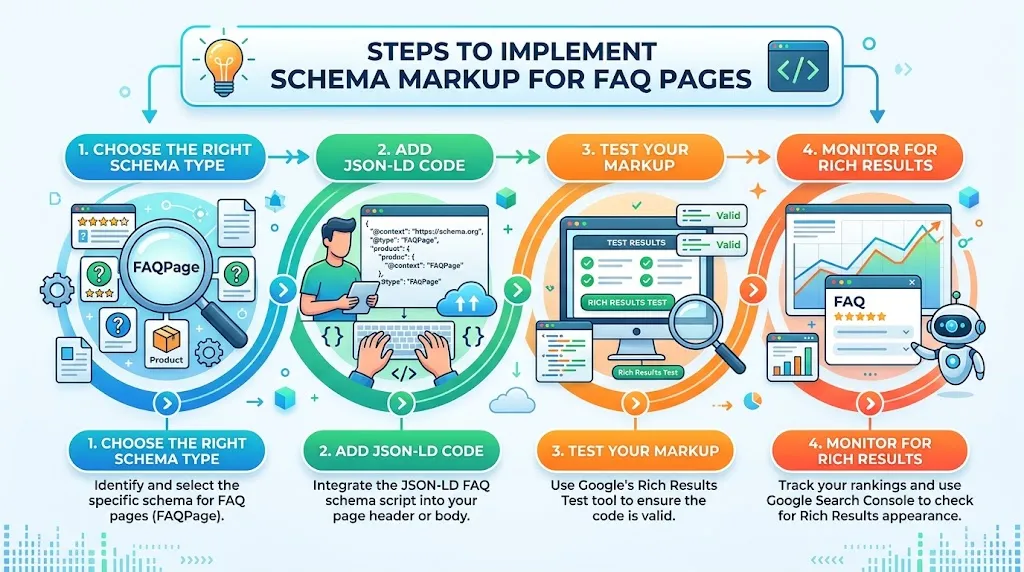
- Choose the Right Schema Type: Use the FAQPage schema to mark up your questions and answers. This specific type indicates that your content is an FAQ, making it easier for search engines to recognize it.
- Add JSON-LD Code: Implementing JSON-LD is the recommended method for adding schema markup. It can be added in the head of your webpage or within the body of the HTML. Here’s a basic example:
| Question | Answer |
|---|---|
| What is schema markup? | Schema markup is code that helps search engines better understand your content. |
- Test Your Markup: Use Google’s Structured Data Testing Tool to check if your markup is formatted correctly. This tool will highlight any errors or warnings, helping you refine your implementation.
- Monitor for Rich Results: After your schema markup is live, use Google’s Search Console to track your performance. Look for impressions and click-through rates specifically for your FAQ pages.
Benefits of Using Schema Markup for FAQs
- Increased Visibility: Rich snippets stand out in SERPs, attracting more clicks.
- Higher Engagement: Answering user questions directly can lead to lower bounce rates, as users find what they’re looking for immediately.
- Improved Credibility: Being featured in rich snippets can enhance your site’s authority and trustworthiness.
Best Practices for FAQ Schema Implementation
Keep in mind the following best practices when implementing schema markup on your FAQ pages:
- Keep Your Questions Relevant: Focus on questions that your audience frequently asks. This increases the chances of appearing in search results.
- Avoid Duplicate Questions: Ensure that each FAQ is unique. Duplicate entries can confuse search engines, leading to poor performance.
- Limit the Length of Answers: The answers should be clear and concise. Keep them under 50 words to maintain reader engagement while delivering the essence of your message.
Common Pitfalls to Avoid
While implementing schema markup, there are several pitfalls you should steer clear of:
- Avoid overloading your pages with schema markup that is not relevant to your content.
- Don’t use generic text for questions and answers; always tailor your content to your audience.
- Steer clear of manipulating rich snippets through misleading information.
Utilizing schema markup is a straightforward yet effective way to enhance the visibility of your FAQ pages. With an increasing number of users turning to search engines for instant answers, optimizing your FAQ content with schema can improve your chances of standing out. Don’t underestimate the power of structured data—it could be the key to elevating your content in the competitive digital landscape.
For further reading on the subject, check out resources from Schema.org and learn more about structured data and its uses to elevate your website’s presence.
Analyzing Competitors: Learning from Successful FAQ Implementations
Understanding what makes an effective FAQ page is crucial in today’s digital landscape. Learning from successful implementations can provide valuable insights. Many businesses have taken creative and strategic approaches to crafting their FAQ sections. By analyzing these successful examples, you can refine your own FAQ page into a robust tool for both SEO and user engagement.
The first step in this analysis is identifying your competitors. Make a list of businesses in your niche that have effective FAQ pages. Once you have this list, dissect their techniques to determine what makes them stand out. Look for common features that engage visitors and enhance user experience.
Key Elements of Successful FAQ Pages
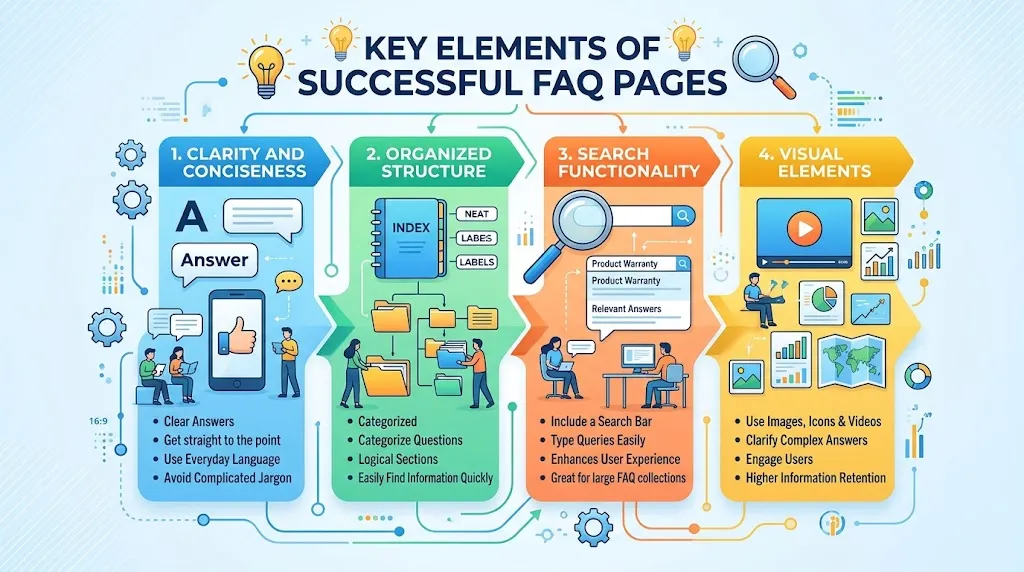
When evaluating competitor FAQ pages, pay special attention to the following elements:
- Clarity and Conciseness: The best FAQ pages provide clear answers that get straight to the point. Complicated jargon can confuse readers, so using everyday language is essential.
- Organized Structure: Effective FAQ pages often categorize questions into logical sections. This makes it easier for users to find the information they need quickly.
- Search Functionality: Some successful FAQ implementations include a search bar, allowing users to type in their queries. This can enhance user experience significantly, especially on websites with a large number of questions.
- Visual Elements: Images, icons, or even videos can clarify complex answers. Visual aids engage users and can lead to higher retention of information.
Analyzing Competitor FAQs for SEO Optimization
Successful FAQ pages don’t just answer questions; they are optimized for search engines. Here are some tactics to consider:
Keyword Usage
Competitor analysis can reveal which keywords they are targeting in their FAQ sections. Look for long-tail keywords and phrases that are relevant to your audience. Tools like Moz and Ahrefs can help you research relevant keywords effectively.
Schema Markup
Many successful FAQ implementations include structured data using schema markup. This helps search engines understand the content better. The result can often be rich snippets, which enhance visibility in search results. Use tools like Schema.org for guidance on implementing this.
Internal Linking Strategies
Note how competitors integrate internal links within their FAQ responses. Linking to related articles or resources can boost user engagement and help with SEO. Providing pathways to additional information keeps visitors on your site longer.
Assessing User Engagement Metrics
After evaluating the FAQ pages of competitors, look into the user engagement metrics they may be using:
- Time on Page: This shows whether visitors find the FAQ valuable. The longer the duration, the higher the perceived value.
- Bounce Rate: A low bounce rate indicates that users are finding what they need and continuing to explore the website.
- Comments and Feedback: Read through any user feedback on these pages. This can offer insights into how well the FAQ addresses user concerns.
Learning from Specific Examples
For a deeper understanding, let’s take a look at a few standout examples:
| Website | Effective Features |
|---|---|
| Zocdoc | Clear categories, in-depth answers, and user-friendly design |
| Shopify | Great use of visuals, effective search bar, and organized content |
| Khan Academy | Interactive elements, structured topics, and community feedback |
By analyzing competitor FAQ pages, you can gather valuable insights into crafting an effective one for your own website. Identifying best practices and understanding user needs will ultimately help you create an FAQ that not only ranks well in search engines but also provides real value to your visitors.
Conclusion
Optimizing your FAQ pages for SEO is not just a technical task; it’s about enhancing user experience. By focusing on strategies that prioritize user intent, you create meaningful content that addresses the specific needs of your audience. This approach not only boosts engagement but also builds trust with your readers, ensuring they find the answers they seek promptly.
Structure plays a critical role in the effectiveness of your FAQ sections. A clear and organized layout allows users to navigate easily and find relevant information quickly. Implementing best practices, such as using concise questions followed by straightforward answers, will keep users engaged.
Schema markup is another essential tactic that can significantly improve your FAQ page’s visibility in search results. By making it easier for search engines to understand your content, schema markup can lead to rich snippets that draw attention and increase click-through rates.
Analyzing successful implementations by your competitors can provide valuable insights. By observing what works well for them, you can adopt similar strategies to enhance your own FAQ pages.
The ongoing optimization of your FAQ content is a valuable investment in both your website’s SEO and user satisfaction. By prioritizing these elements, you create not just a better user experience but also a stronger foundation for your brand’s online visibility. With these strategies in place, you set your FAQ pages up for success, attracting more visitors and turning inquiries into actionable leads.