
How To Optimize Author Pages for SEO

ATTENTION: Want to Learn Affiliate Marketing from Successful Affiliates?
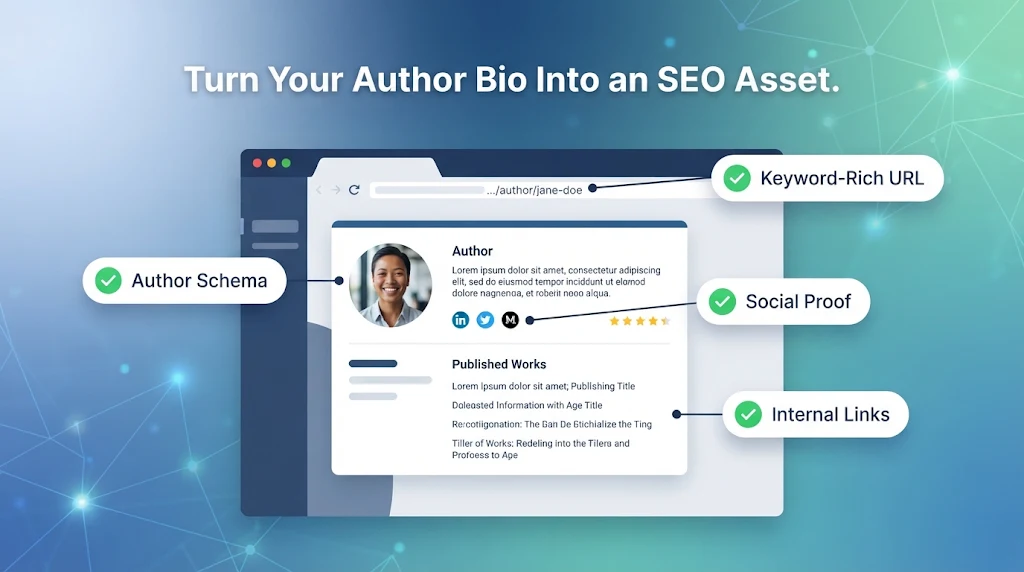
When it comes to SEO, optimizing author pages can significantly impact how readers perceive your work and how search engines rank your content. Author pages serve as a critical connection between your writing and your audience. Here are some effective strategies you can use to enhance your author pages for better visibility in search engine results.
Craft a Compelling Author Bio
Your author bio is the first thing visitors see. It should be engaging and reflect your personality while including relevant keywords that describe your niche. Start with your name and current title, followed by your writing expertise and achievements. Aim to add specifics that make your bio unique.
- Include your author photo for a personal touch.
- Mention topics you specialize in, like technology, health, or travel.
- Link to your social media profiles for easy access.
Utilize Keyword-Rich URLs
URLs are a vital part of on-page SEO. Instead of generic URLs like website.com/author123, customize them to include your name or specific niche such as website.com/author-jane-doe. This offers both readers and search engines insight into what the page is about.
Optimize Content for Search Engines
Make sure your author page contains well-written content. This includes providing links to your published works, along with a brief description of each piece. Focus on using keywords naturally without forcing them, making it easy for search engines to understand the context of your expertise.
Implement Schema Markup
Schema markup, a type of code that you can add to your author page, helps search engines better understand your content. Implementing author schema can allow search engines like Google to pull information directly from your author page, improving your visibility in search results.
Embed Social Proof and Testimonials
Adding testimonials from readers or high-profile endorsements helps build credibility. A section on your author page showcasing reader reviews can enhance trust, encouraging visitors to explore your work. Aim to include:
- Quotes from readers or industry experts.
- Links to positive articles about your work.
Encourage Internal Linking
Link to your other works within the author page. This keeps visitors engaged by directing them to related articles or books. Internal linking also enhances your site’s overall SEO, making it easier for search engines to crawl your content.
Utilize Multimedia Elements
Images, videos, or podcasts can enrich your author page. These elements keep visitors on your page longer, which is beneficial for SEO. Ensure all multimedia items are properly tagged with alt text that includes relevant keywords.
Optimize for Mobile Users
With a growing number of users accessing content via mobile devices, ensure your author page is mobile-friendly. Use responsive design, check loading speeds, and ensure all elements are easy to navigate on smaller screens. Test your site regularly for optimal performance.
Promote Your Author Page
Don’t forget to share your author page across social media platforms and in your email newsletters. Engaging with your audience through multiple channels increases traffic and signals to search engines that your content is valuable. Recommended platforms include:
By utilizing these advanced techniques for optimizing your author page, you empower not only your content but also your overall brand. The combination of well-crafted bios, multimedia engagement, and thoughtful links will not only improve your page’s aesthetics but also its functionality and SEO performance. Focusing on both reader engagement and search engine visibility can elevate your author presence significantly.
The Importance of Author Authority in Content Marketing
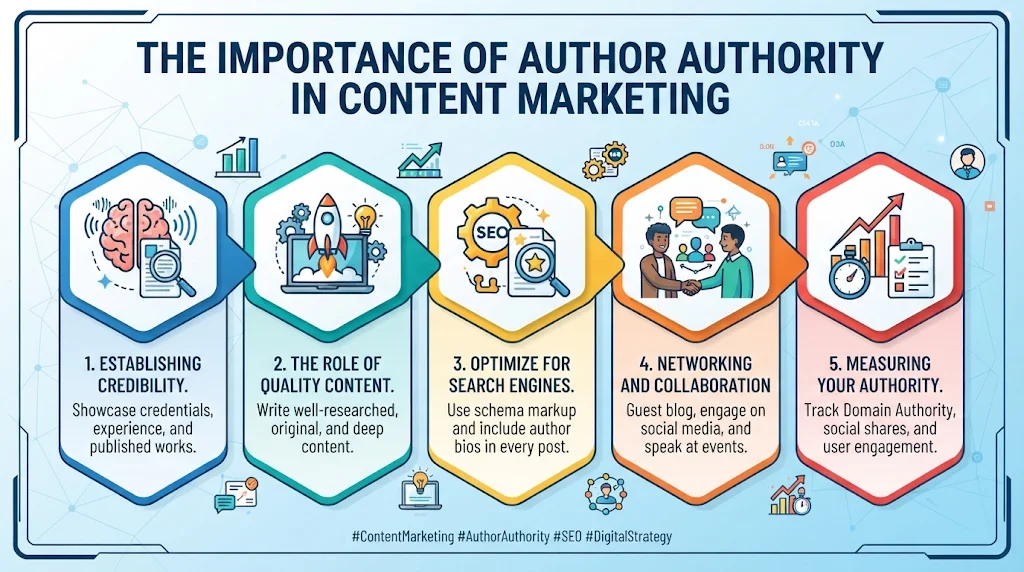
In the competitive landscape of content marketing, establishing your credibility as an author is vital. Author authority not only fosters trust among your audience but also enhances your visibility in search engines. As Google‘s algorithms evolve, they increasingly prioritize quality content created by recognized experts. This transformation means that focusing on author authority is more important than ever.
One of the primary benefits of having strong author authority is the ability to build relationships with your readers. When they trust your knowledge, they’re more likely to engage with your content, share it, and become loyal followers. This rapport can lead to numerous opportunities, such as collaborations, guest posts, and invitations to industry events.
Establishing Credibility
Building author authority starts with showcasing your credentials and experience. Here are some practical steps to establish your credibility:
- Display Relevant Experience: Highlight your expertise by adding a detailed author bio on your pages, including your education, professional background, and relevant work experience.
- Share Your Accomplishments: Mention any published works, awards, and recognitions in your niche to assert your authority.
- Engage With Your Audience: Respond to comments and questions on your blog or social media. Engaging with readers increases your visibility and showcases your commitment to your audience.
The Role of Quality Content
Content quality is intrinsically linked to author authority. Writing well-researched, original, and engaging posts helps position you as an expert in your field. Here’s what you can do:
- Focus on Depth: Instead of skimming the surface, delve deeply into topics. Provide valuable insights and actionable tips that your readers can apply.
- Use Authoritative Sources: Support your claims with information from recognized sources. This not only strengthens your argument but also shows that you are informed and credible.
- Keep Updating Content: Regularly revisit older posts to update them with new information, reflecting the evolving nature of your industry.
Optimize for Search Engines
Optimizing your content for search engines is crucial for visibility, but it’s essential to focus on author authority while doing so. Here’s how to achieve this:
- Include Author Bios: Ensure your author bio appears with every piece of content. This helps establish your identity as an expert, improving trustworthiness.
- Utilize Schema Markup: Implement schema markup to define your author information. This can enhance search engine results visibility, showcasing you as a trusted contributor.
- Link to Your Author Pages: Use internal and external links wisely to direct readers to your author pages or other authoritative content.
Networking and Collaboration
Building relationships within your niche can significantly enhance your author authority. By engaging with other experts, you can gain access to new audiences and grow your influence.
- Guest Blogging: Write for reputable sites in your niche to expand your audience and showcase your expertise. Ensure to include a link back to your own author page.
- Social Media Engagement: Share insights, join conversations, and interact with industry leaders on social media platforms.
- Participate in Webinars and Podcasts: Become a speaker in relevant events to further build your author reputation and reach a broader audience.
Measuring Your Authority
To gauge your author authority, consider tracking the following metrics:
| Metric | Description |
|---|---|
| Domain Authority | Use tools like Moz to check your site’s authority score. |
| Social Shares | Monitor how often your content is shared across social platforms. |
| User Engagement | Track comments, likes, and interaction rates on your posts. |
Establishing strong author authority in content marketing is a multi-faceted journey. By focusing on your credentials, creating quality content, optimizing for search engines, networking within your industry, and measuring your impact, you can significantly enhance your authority and credibility in your niche. Check out related resources such as Moz for domain authority insights and Search Engine Journal for the latest trends in SEO and content marketing.
Remember, building author authority is not an overnight process but an ongoing effort that bears fruit over time.
Enhancing User Experience Through Effective Author Bio Design
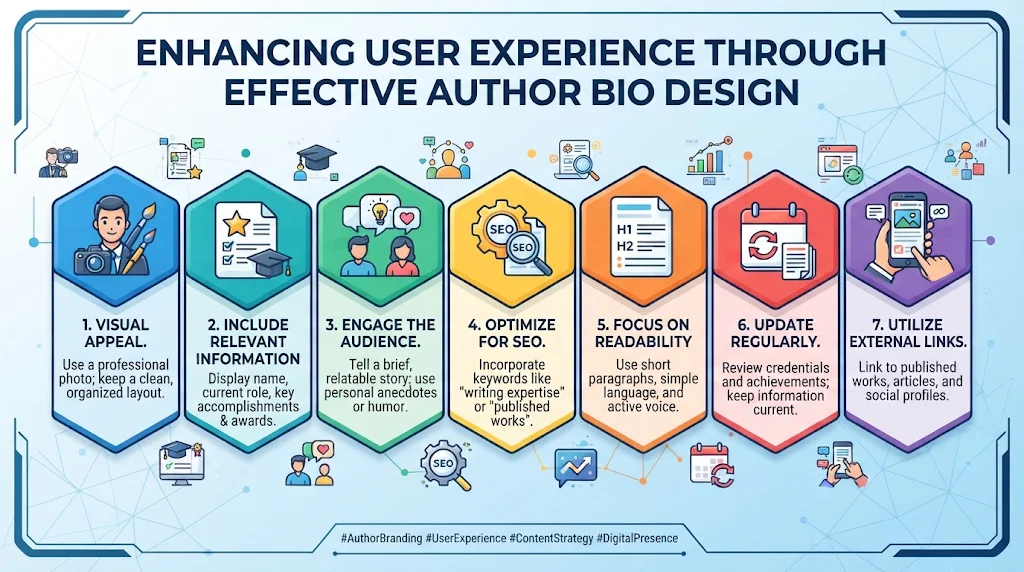
Crafting an engaging author bio is essential in the digital landscape, where readers often want to connect with the writers behind the words. Effective author bio design not only enhances user experience but also strengthens your brand identity. By presenting yourself in an appealing and informative way, you foster trust and encourage further exploration of your content. Here are several strategies to consider when designing your author bio.
Visual Appeal
Your author bio should be visually appealing. Use a professional picture that represents you well. A high-quality, friendly image can create a personal connection with readers. In addition to an image, consider using a clean and organized layout. This can be achieved by using bullet points to present information succinctly. Here’s how to make your bio visually engaging:
- Use a professional headshot.
- Keep the font readable and use a consistent style.
- Incorporate social media icons for easy access.
Include Relevant Information
Your bio should convey essential information while reflecting your personality. Include your name, profession, and a brief description of your expertise. Consider mentioning your achievements, notable publications, and any awards you’ve received. Here’s a quick checklist of items to include:
- Name and title
- Current role or profession
- Key accomplishments
- Links to your social media profiles
- Email address or contact information for inquiries
Engage the Audience
Telling a story within your bio can considerably boost engagement. Instead of listing your credentials dryly, narrate a brief story that reflects your journey as a writer. This can make your bio relatable and memorable. Consider using emotional hooks, humor, or personal anecdotes that align with your writing style. This storytelling approach draws readers in and keeps them engaged.
Optimize for SEO
While your primary goal is to connect with readers, optimizing your author page can also enhance discoverability on search engines. Here are some key SEO practices:
- Incorporate relevant keywords such as “author bio,” “writing expertise,” or “published works.”
- Use structured data markup to help search engines understand your page.
- Link to your portfolio or significant works to enhance authority.
Focus on Readability
Ensuring that your bio is easy to read is crucial. Use short paragraphs, simple language, and active voice. Avoid jargon and complex words that might confuse readers. Aim for a conversational tone, as if you are speaking directly to your audience. This approach makes your bio more inviting.
Update Regularly
Your author bio should be a living document. As you grow in your career, your experience and achievements will change. Regularly updating your bio ensures that it remains relevant and accurate. Set a schedule to review and refresh your credentials, keeping your audience informed of your latest developments.
Utilize External Links
Including links to your published works, articles, or social media profiles can provide readers with more information about you. This connectivity further enhances user experience, allowing them to explore your work seamlessly. Ensure that links are functional and lead to reputable sites to maintain credibility.
| Element | Importance | Best Practices |
|---|---|---|
| Professional Photo | Builds trust | High quality, relatable |
| Clear Information | User-friendly | Concise, organized |
| Engaging Narrative | Catches interest | Personal stories, relatable |
| SEO Optimization | Searchability | Use keywords strategically |
Creating a successful author bio involves a blend of personal branding, user engagement, and technical knowledge. By focusing on these elements, you ensure that your bio resonates with readers, enhances user experience, and serves as a powerful tool in your online presence.
The Role of Social Media in Promoting Your Author Brand
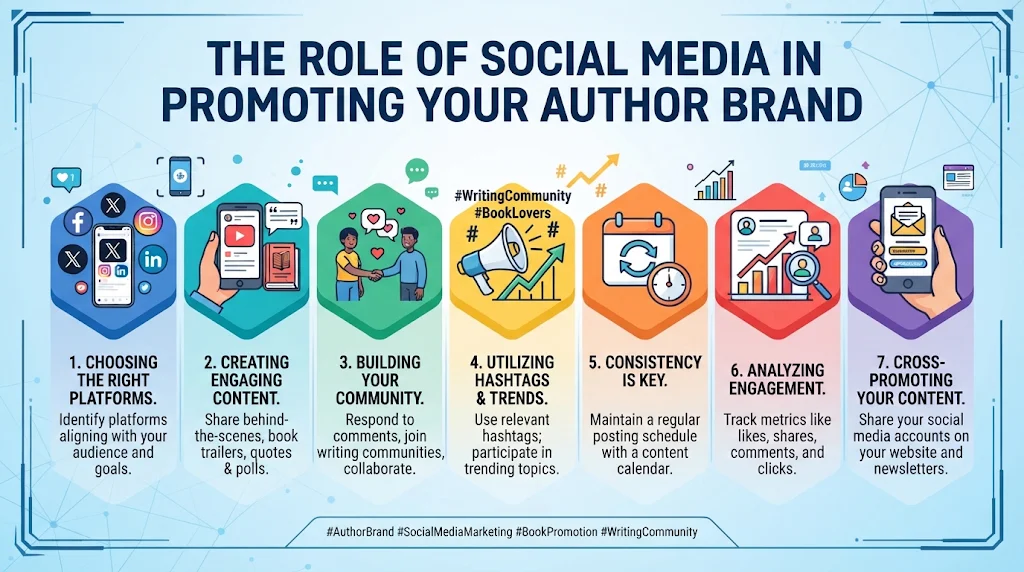
Social media has become a vital tool for authors looking to build and promote their personal brands. Engaging with readers and fellow writers through various platforms can not only enhance visibility but also foster a loyal fan base. Here are some strategies to effectively use social media in promoting your author brand.
Choosing the Right Platforms
Each social media platform serves different demographics and interests. To maximize your reach, it’s essential to choose the platforms that align with your audience. Here are some popular options:
- Facebook: Great for community building and sharing longer posts, articles, and photos.
- X (formerly Twitter): Excellent for quick updates, thoughts, and engaging in conversations.
- Instagram: Perfect for visually-driven content including book covers, behind-the-scenes images, and promotional graphics.
- LinkedIn: Ideal for connecting with other professionals, sharing articles, and showcasing your expertise in the literary field.
Creating Engaging Content
Once you select the right platforms, the next step is to create content that resonates with your audience. Consider the following content types:
- Behind-the-Scenes Looks: Share your writing process, workspace, or the inspiration behind your work.
- Book Trailers: Create short video trailers for your books to captivate your audience.
- Reader Interactions: Host Q&A sessions, polls, or giveaways to encourage engagement.
- Quotes and Excerpts: Post captivating quotes or excerpts from your books to draw interest.
Building Your Community
Social media isn’t just a broadcasting channel; it’s a community-building tool. Engaging with your audience can turn casual followers into passionate fans.
- Respond to Comments: Always reply to comments and messages to show your followers that their opinions matter.
- Join Writing Communities: Participate in groups related to your genre or writing style to connect with like-minded individuals.
- Collaborate with Other Authors: Partner with other writers for joint promotions or themed discussions.
Utilizing Hashtags and Trends
Hashtags and trends can help expand your reach. Use relevant hashtags related to writing or your book genre to expose your content to a wider audience. Regularly participate in trending topics or chats to engage with others and keep your content fresh.
Consistency is Key
Maintaining a consistent posting schedule is crucial for keeping your audience engaged. Plan your content through a content calendar, identifying key dates such as book releases or events where you will be participating. Here are some tips for consistency:
- Frequency: Decide how often you will post on different platforms, whether it’s daily, weekly, or bi-weekly.
- Timing: Analyze when your audience is most active to ensure your posts reach them at the right time.
- Content Variation: Mix and match different types of content to keep your feed interesting.
Analyzing Engagement
To refine your social media strategy, regularly analyze your engagement metrics. Look for patterns in what types of posts perform best. Use tools like Google Analytics or built-in platform analytics to track metrics like likes, shares, and comments. This data will guide your future content strategy.
Cross-Promoting Your Content
Don’t hesitate to promote your social media accounts on different channels. Share your profiles on your website, in newsletters, or even at book signings. This will encourage your readers to follow your updates regularly.
Social media is an essential part of cultivating your author brand. Focus on creating engaging content, building a community, showcasing consistency, and analyzing your metrics to facilitate growth. By leveraging these tools effectively, you can not only promote your books but also connect with readers on a deeper level.
Analyzing the Impact of Author Pages on Website Traffic
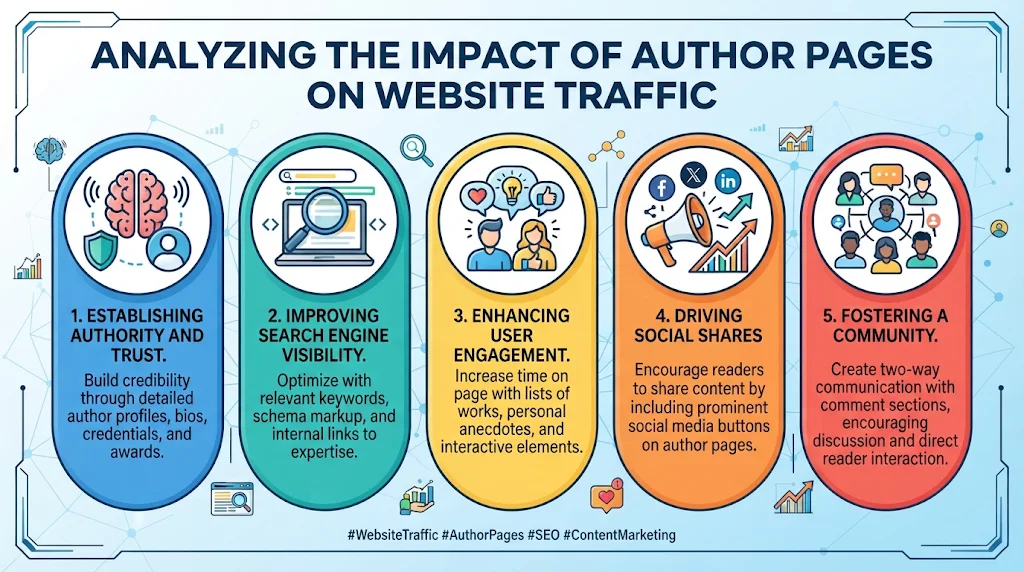
Author pages play a crucial role in enhancing website traffic and improving your site’s overall SEO performance. When users visit your author page, they’re looking for information about the person behind the content. This means well-optimized author pages can not only encourage longer visits but also help build trust and authority, which are important factors for SEO.
To understand the full impact of author pages, it’s important to consider how they contribute to both user experience and search engine ranking. Here’s how optimizing your author pages can influence traffic positively:
1. Establishing Authority and Trust
When potential readers see detailed author profiles, they are more likely to trust the content. Detailed information about the author, along with their qualifications, background, and areas of expertise, can increase credibility. Here are key elements to include:
- Author biography: A brief and engaging summary of the author’s background.
- Profile picture: A professional image that conveys trustworthiness.
- Links to social media: Allow readers to connect with the author on various platforms.
- Contact information: Enables readers to reach out for inquiries or collaborations.
2. Improving Search Engine Visibility
Search engines prioritize content created by authoritative figures. By ensuring that the author’s details are optimized for search, you can enhance visibility. Strategies include:
- Incorporate relevant keywords in the author biography. Focus on words that resonate with your target audience.
- Use schema markup to define your author information. This allows search engines to understand and display your author information effectively.
- Link to relevant content that the author has produced within the biography. This helps to keep users engaged and improves the internal linking structure.
3. Enhancing User Engagement
A well-structured author page can lead to higher engagement rates. When readers connect with an author personally, they are more likely to explore related content. Consider these strategies to keep them engaged:
- Include a list of published works: Display the author’s articles to entice users to read more.
- Highlight achievements and awards: Let readers know the author’s accolades to bolster reputation.
- Add a personal touch: Sharing anecdotes or fun facts makes authors more relatable.
4. Driving Social Shares
Optimized author pages can encourage readers to share content across social media platforms. Including social media sharing buttons on author pages increases the likelihood of content being shared. This expands the reach and visibility of both the author and their work.
5. Fostering a Community
A great way to enhance interaction with readers is to include a comment section on author pages. This encourages two-way communication and creates a sense of community. Authors can engage directly with readers, answering questions or providing insights, which can further enhance traffic through organic engagement.
Impact on Traffic
The effect of optimizing author pages can be substantial. Websites that employ strong author strategies often see an increase in user retention and lower bounce rates. Here’s a simple example of potential traffic improvements:
| Before Optimization | After Optimization | Traffic Increase (%) |
|---|---|---|
| 200 visitors/month | 400 visitors/month | 100% |
As shown in the table, optimizing author pages can indeed double website traffic. Establishing an author’s credibility can lead to greater interest in their content and ultimately a more robust visitor base.
For those looking to learn more about best practices in optimizing author pages, consider checking resources like Moz and Yoast. These websites provide additional insights and detailed strategies that can significantly enhance your efforts. Investing time in refining your author pages is crucial not just for SEO, but for developing a loyal readership.
Conclusion
Creating an optimized author page is essential for anyone looking to elevate their online presence. By implementing best practices and techniques for SEO, you can significantly increase your visibility in search engine results, attracting more readers to your work. Establishing author authority is a cornerstone of effective content marketing; it builds trust with your audience, ensuring they see you as a credible source.
User experience also plays a pivotal role in keeping readers engaged. A well-designed author bio not only communicates your qualifications but also adds a personal touch that can resonate with your audience. When readers feel connected to you, they are more likely to return, share, and seek out more of your content.
Moreover, social media has transformed the way authors can promote their brand. By actively engaging on platforms like Twitter, Instagram, and LinkedIn, you can drive traffic back to your author page while connecting with your audience on a more personal level. This engagement not only fosters relationships but also enhances your visibility, reinforcing the authority you’ve built.
Regularly analyzing the impact of your author pages on website traffic lets you refine your strategies. By understanding what works and what doesn’t, you can continuously improve your content, making it more appealing and more aligned with your readers’ interests. By focusing on these areas, you not only enhance your SEO but also enrich the experience for your audience, creating a win-win situation that propels your author brand forward.
Keep these strategies in mind, and watch as your online presence flourishes.