
How to Do Local SEO for A Niche-specific Affiliate Site?


ATTENTION: Want to Learn Affiliate Marketing from Successful Affiliates?
When you operate a niche-specific affiliate site, attracting local traffic can significantly impact your conversion rates. Local SEO is crucial in making your site visible to the right audience. By optimizing your site for local searches, you can position yourself as a trusted option in your niche.
Understand Your Target Audience
The first step in effective local SEO is understanding who your audience is and what they are searching for. Conduct keyword research specific to your niche and focus on local intent. Some tools that can help are:
Identify keywords that include local qualifiers, such as “best [product] in [city]” or “[niche] services near me.” these keywords naturally into your content is essential.
Create Locally Relevant Content
Engage your audience by creating content that resonates with their local interests. Here are some strategies:
- Local Guides: Create informative guides related to your niche that highlight local businesses or services.
- Blog Posts: Share articles about local events or news relevant to your affiliate products.
- User-Generated Content: Encourage your users to contribute stories or reviews about local experiences with your niche products.
Optimize Google My Business
Your Google My Business (GMB) listing plays a vital role in local SEO. Ensure that your GMB profile is optimized:
- Claim and verify your listing.
- Include precise categories related to your niche.
- Write a compelling business description, focusing on local keywords.
- Regularly update your listing with posts about promotions or new arrivals.
Utilize Local Backlinks
Building backlinks from local websites can improve your site’s authority and visibility. Focus on:
- Local Blogs: Reach out to local bloggers in your niche for guest posting opportunities.
- Chamber of Commerce: Join your local chamber of commerce and get listed on their website.
- Local News Sites: Share press releases with local news organizations to gain media coverage.
| Backlink Source | Potential Benefit | How to Approach |
|---|---|---|
| Local Blogs | Increased traffic and visibility | Request guest post opportunities |
| Chamber of Commerce | Higher trust and credibility | Join and get listed |
| Local News Sites | Media coverage and recognition | Submit press releases |
Leverage Social Media for Local Engagement
Social media platforms are excellent for driving local traffic to your affiliate site. You can:
- Engage with Your Community: Participate in local online groups and forums related to your niche.
- Share Local Offers: Promote special deals exclusively for locals on your social platforms.
Using location tags in your posts can also enhance visibility among local users.
Encourage Reviews and Testimonials
Positive reviews from local customers can establish trust with potential buyers. Encourage satisfied customers to leave reviews on your GMB profile and other relevant sites. You can:
- Offer incentives for leaving reviews.
- Respond to all reviews, showing appreciation for customer feedback.
Regularly monitor and analyze your website’s local SEO performance using tools like Google Analytics and Google’s Mobile-Friendly Test. Making adjustments based on this data ensures continuous improvement. By implementing these strategies, your niche-specific affiliate site can flourish in local search, attracting your target audience effectively. Stay patient, remain consistent with your efforts, and always strive for high-quality content.
Understanding Local Keywords: Tailoring Your Content for Target Markets
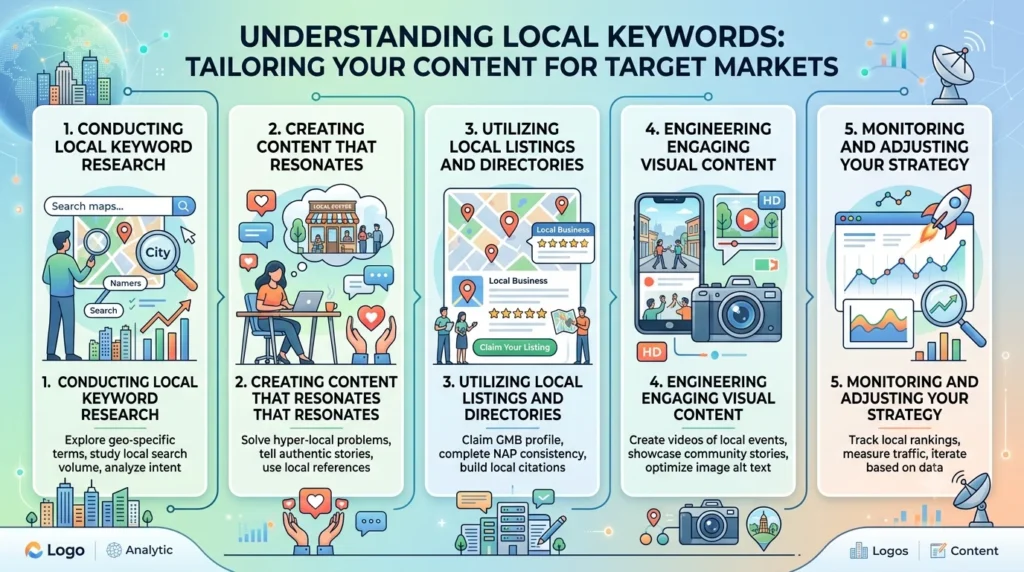
To effectively reach your audience, understanding local keywords is essential. Local keywords help you communicate with consumers in your specific area while emphasizing your niche. By focusing on these words, you can tailor your content more effectively, increasing visibility and engagement.
Start by identifying keywords that reflect both your niche and your location. For instance, if you run an affiliate site that promotes local artisan products in Austin, Texas, your keywords might include phrases like “handmade crafts Austin” or “local artisans TX.” You’ll want to ensure that these keywords not only relate to your products but also represent what potential customers are search for.
Conducting Local Keyword Research
To find local keywords, consider using tools like AnswerThePublic or Google Trends. These can provide insights into what people are actively searching for in your area. Other methods include:
- Utilizing Google’s autocomplete feature: Begin typing a phrase relevant to your niche, and see what suggestions pop up for your city or region.
- Exploring local forums and social media groups: This can yield keywords that regular SEO tools might miss.
- Analyzing your competitors: Look at websites similar to yours to identify targeted local keywords.
Creating Content that Resonates
After gathering a list of relevant keywords, it’s crucial to weave them naturally into your content. You should prioritize quality and clarity. Here are some effective strategies:
- Use Geographic Modifiers: Incorporate your city or region in your content, such as “Austin handmade soap” to enhance local relevance.
- Optimize Titles and Meta Descriptions: Make sure to include local keywords in your blog post titles and meta descriptions. This not only helps with SEO but attracts clicks as well.
- Create Locally Focused Content: Write articles about local events, trends, or interviews with local artisans. This establishes your authority and can draw in local traffic.
Utilizing Local Listings and Directories
Another crucial element in strengthening your local presence is ensuring you’re listed on local directories, such as Yelp or MapQuest. Here’s how to effectively use these platforms:
- Claim Your Business Listing: This will help ensure your information is accurate and visible to potential customers.
- Encourage Reviews: Positive reviews can boost your local SEO and draw more customers.
- Keep Your Information Consistent: Your business name, address, and phone number should match exactly across all platforms.
Engineering Engaging Visual Content
Visuals is crucial as well. Infographics or locally focused videos can capture attention and share information quickly. Use tools such as Canva for creating easy and appealing graphics. To truly engage your audience, focus on building community connections. Collaborate with local influencers or other affiliate sites in your niche. Not only can this enhance your visibility, but it creates a network of support. How to Do Local SEO for A Niche-specific Affiliate Site?
Monitoring and Adjusting Your Strategy
Always track the performance of your keywords. Use tools like Google Analytics or SEMrush to evaluate which keywords drive traffic and which don’t. This allows you to pivot your strategy based on what’s working in the local search landscape. By employing these tactics, you will not only attract more local traffic to your niche-specific affiliate site but also better engage with your audience. Remember, the key is to enhance their experience while leading them to your content and products.
Building Strong Local Backlinks to Enhance Affiliate Website Authority
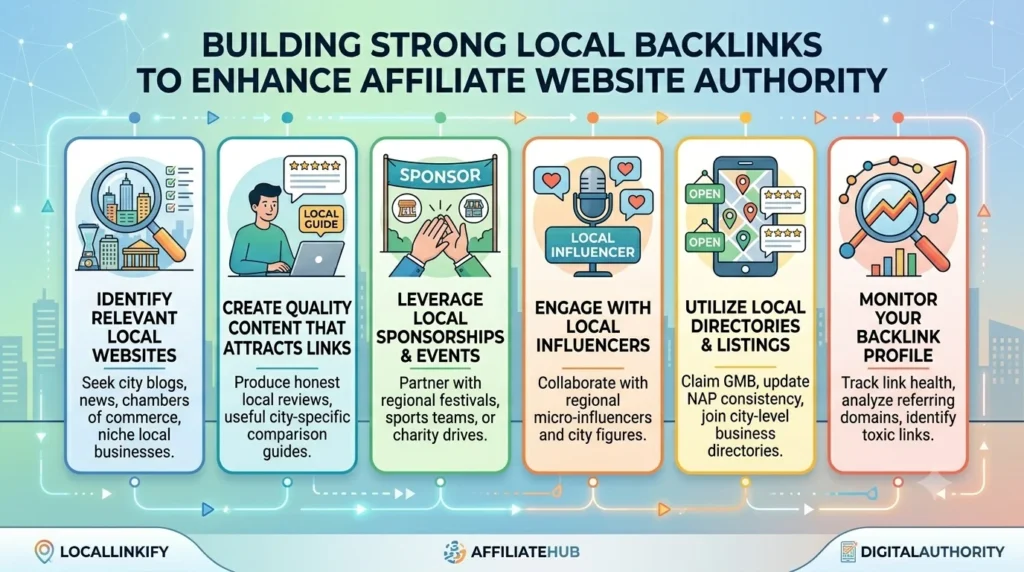
Building strong local backlinks is essential for increasing the authority of your affiliate website. Backlinks serve as endorsements from other websites, signaling to search engines that your content is valuable. For niche-specific affiliate sites, focusing on local connections can significantly enhance visibility and traffic. Here’s how you can effectively build those links.
Identify Relevant Local Websites
The first step is to identify local websites that relate to your niche. Look for the following:
- Local Businesses: Partner with local shops or services that complement your offerings.
- Community Organizations: Nonprofits and local clubs often welcome partnerships.
- Local Blogs: Find bloggers writing about topics in your niche and propose collaborations.
- Local News Outlets: Approach them for features or guest articles that can include links.
Create Quality Content That Attracts Links
Content is king when it comes to attracting backlinks. Consider the following types of content:
- Infographics: Visual content can easily get shared and cited by local websites.
- Case Studies: Highlight success stories related to your niche and share them with local media.
- Guides: Write comprehensive local guides that provide value and encourage backlinks.
- Interviews: Engage local experts or businesses and publish interviews with them.
Leverage Local Sponsorships and Events
Getting involved in your community is another excellent way to secure local backlinks. You can:
- Sponsor Events: Sponsor local events in exchange for backlinks on their promotional materials.
- Host Workshops: Offer free workshops or classes and ask for links from attendees’ websites.
- Participate in Local Fairs: Set up a booth and ensure that your website receives a mention on the event website.
Engage with Local Influencers
Local influencers can play a big role in boosting your affiliate site’s visibility. Here’s how to collaborate with them:
- Collaboration: Work together on projects that require linking back to your site.
- Guest Blogging: Write guest posts for their platforms, including a link back to your site.
- Social Media Promotions: Partner for social campaigns that give you valuable mentions and links.
Utilize Local Directories and Listings
Adding your affiliate site to relevant local directories can also help build strong backlinks. Some popular directories include:
| Directory Name | Link |
|---|---|
| Yelp | Visit Yelp |
| Google My Business | Visit Google My Business |
| Angie’s List | Visit Angie’s List |
| Local Chamber of Commerce | Visit Chamber of Commerce |
Ensure your information is accurate and complete. This increases your chances of being featured and gaining backlinks.
Monitor Your Backlink Profile
After you have implemented these strategies, it’s important to regularly monitor your backlink profile. Use tools like Moz Link Explorer or Ahrefs Backlink Checker to track your progress. This will allow you to identify which strategies are working and where adjustments may be necessary. Building strong local backlinks is a foundational strategy for enhancing your affiliate website’s authority. By actively seeking out partnerships and creating compelling content, you can significantly improve your site’s visibility and user engagement. Remember, the goal is to create meaningful connections that provide value to both parties involved.
Using Google My Business to Boost Visibility for Affiliate Offers
Google My Business (GMB) is a powerful tool that can significantly enhance the visibility of your affiliate offers. This free service from Google helps businesses manage their online presence across Google, including Search and Maps. By optimizing your GMB listing, you make it easier for customers to discover your niche-specific affiliate site and engage with your content. Let’s explore the best practices for using Google My Business effectively to elevate your affiliate marketing efforts.
When creating your GMB profile, it’s vital to provide accurate and detailed information about your business. Here are some essential elements to include:
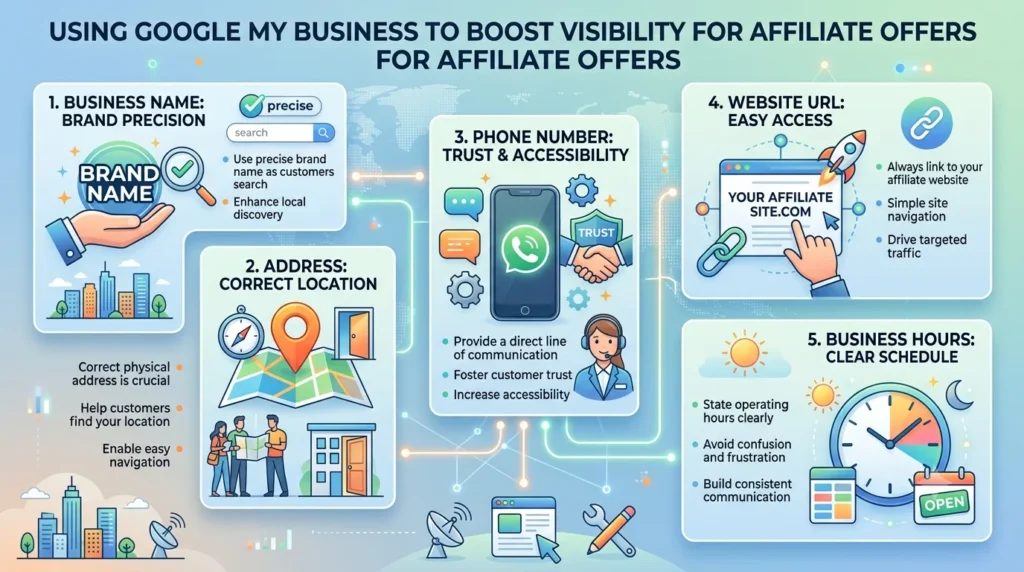
- Business Name: Use your brand name precisely as customers would search for it.
- Address: Ensure that your physical address is correct to help customers locate you easily.
- Phone Number: A direct line of communication fosters trust and accessibility.
- Website URL: Always link to your affiliate website for easy access and navigation.
- Business Hours: Clearly state your operating hours to avoid customer confusion.
Once you’ve established your GMB profile, it’s time to enhance it further to attract more visitors. Focus on these optimization techniques:
- Add High-Quality Photos: Images of your products, store, or services can catch the attention of potential customers. Make sure your photos are clear and high resolution.
- Collect and Respond to Reviews: Customer reviews are crucial. Encourage satisfied customers to leave positive reviews and respond to them. This interaction shows that you value customer feedback.
- Use Posts to Promote Offers: GMB allows you to share updates and promotions. Use this feature to highlight your affiliate products and special deals. Keep your posts engaging and visual.
- Utilize Categories: Choose the most relevant categories for your business. This step helps Google match your business with the right searches.
Another critical aspect of GMB is the use of Google Q&A. When customers have questions, they can ask them directly on your listing. Here’s how to make the most of this feature:
- Monitor Questions: Regularly check your listing for new questions that customers ask.
- Provide Clear Answers: Respond promptly and clearly. This builds trust and improves customer engagement.
- Encourage Questions: You can even prompt users to ask questions by sharing FAQs within your GMB posts.
One of the most effective strategies to boost your GMB visibility is to focus on local SEO. Here are some specialized tactics:
| Technique | Description |
|---|---|
| Local Keywords | Incorporate local keywords relevant to your niche in your business description and posts. |
| Citations | List your business in local directories, ensuring that your name, address, and phone number (NAP) are consistent. |
| Backlinks | Gain links from relevant local businesses and websites to improve your domain authority. |
Integrating your Google My Business listing with other platforms can yield exceptional results. Share your GMB link on your social media profiles and on your affiliate site. This will connect different parts of your online presence, driving more traffic and leads. Consider also utilizing tools like Moz or BrightLocal to gain insights and enhance your GMB strategy. Leveraging Google My Business is crucial for affiliate marketers aiming to optimize their online visibility. By providing valuable information, engaging with customers, and focusing on local SEO tactics, you can significantly enhance your affiliate offers’ reach.
Measuring Success: Tracking Local SEO Metrics for Affiliate Performance
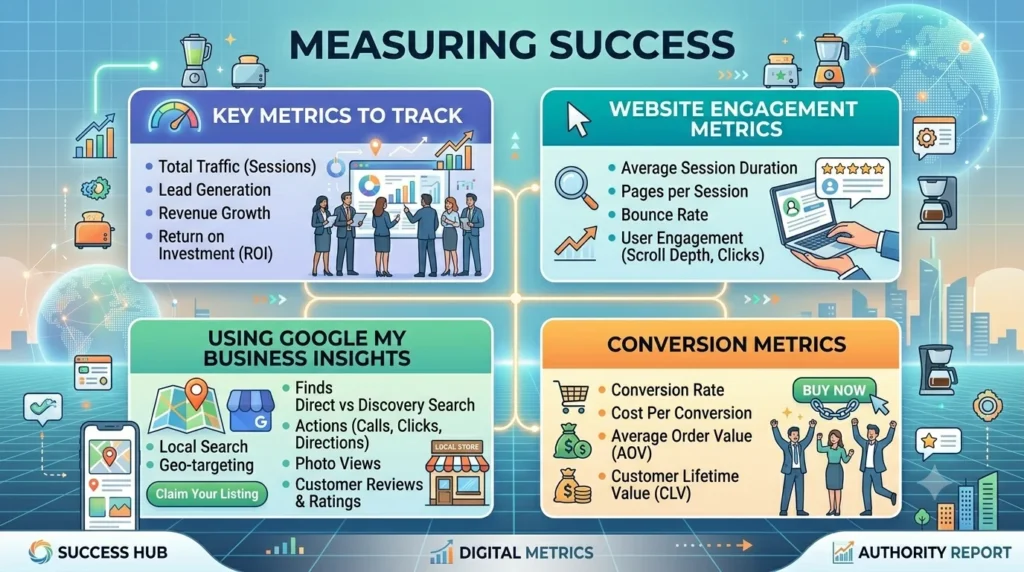
When you run a niche-specific affiliate site, measuring success is vital for understanding performance and optimizing your local SEO efforts. Local SEO focuses on enhancing your visibility in local search results. Tracking metrics gives you insight into how well your strategies are working and what adjustments might be necessary. Here, we explore the key metrics to track for improving your site’s local SEO and overall affiliate performance.
Key Metrics to Track
To measure the success of your local SEO, focus on these critical metrics:
- Organic Traffic: This refers to the visitors who come to your site through unpaid search results. Use tools like Google Analytics to monitor your traffic sources.
- Keyword Rankings: Track how well your website ranks for targeted local keywords. Tools like SEMrush and Ahrefs can provide this data.
- Click-Through Rate (CTR): This measures the percentage of users who click on your site from search results. High CTR indicates your titles and descriptions are appealing to users.
- Local Pack Impressions: Monitor how often your site appears in the local pack (the top three local listings). A tool like Moz Local can help with this.
Website Engagement Metrics
Understanding user behavior on your site is just as important as tracking traffic. Focus on:
- Bounce Rate: This indicates the percentage of visitors who leave your site after viewing only one page. A high bounce rate may signal that your content isn’t engaging or relevant.
- Average Session Duration: This metric shows how long users stay on your site. More extended visits typically suggest valuable content.
- Pages per Session: This shows the average number of pages a user visits during a session. Higher numbers can indicate user engagement and interest in your niche.
Conversion Metrics
Tracking conversions offers insight into how effectively your local SEO efforts drive sales or leads. Key conversion metrics include:
- Conversion Rate: This shows the percentage of visitors who complete a desired action, such as filling out a form or making a purchase. To improve this, ensure your calls to action are clear and compelling.
- Return on Investment (ROI): Determine how much revenue each dollar spent on local SEO brings back. Calculating ROI can help justify your local SEO expenditures.
Using Google My Business Insights
Your Google My Business profile provides essential insights for your local SEO. Here are some important aspects to consider:
- Search Queries: See what search terms lead people to your profile. This helps refine your keyword strategy.
- Customer Actions: Monitor how customers interact with your profile, including visits to your website, direction requests, and phone calls.
- Post Engagement: If you post updates or offers, track how users respond to these posts for optimizing future content.
Conclusion
Successfully implementing local SEO for your niche-specific affiliate site can significantly enhance your online presence and drive more targeted traffic. By utilizing effective strategies tailored to your specific audience, you can improve your site’s visibility in local search results, ultimately leading to increased conversions and sales. Understanding local keywords is essential; by doing so, you can create content that speaks directly to the needs and preferences of your target market, making your site more relevant in search results.
Building strong local backlinks further establishes your site’s authority and credibility. These connections can come from local businesses, community blogs, or local news outlets, all of which help boost your website’s reputation in search engines. Additionally, leveraging tools like Google My Business is vital for increasing visibility, allowing you to represent your affiliate offers effectively within local search parameters.
Measuring your success is crucial to your ongoing strategy. By tracking local SEO metrics, such as website traffic, conversion rates, and user engagement, you can identify what’s working and what needs adjustment. This iterative process will not only help you refine your approach but also ensure your affiliate site continues to meet the unique demands of your niche market. Adopting these strategies will set the foundation for long-term success in local SEO, making your niche-specific affiliate site a go-to resource in your local community.