
How to Build Trust with Your Audience for Affiliate Marketing?


ATTENTION: Want to Learn Affiliate Marketing from Successful Affiliates?
In affiliate marketing, building trust with your audience is crucial for long-term success. When your audience trusts you, they are more likely to take your recommendations seriously and make purchases through your affiliate links. Here are some strategies that can help you foster that essential trust.
Understand Your Audience
One of the key ways to Build Trust with Your Audience for Affiliate Marketing is to know your audience inside and out. Understand their needs, preferences, and concerns. This involves conducting market research and gathering feedback through surveys or social media interactions. Here are some methods to better understand your audience:
- Utilize surveys to ask what kind of products they’re interested in.
- Engage with your audience on social media to gather insights.
- Monitor comments and feedback on your content.
Provide Value Through Quality Content
When you create high-quality, valuable content, you position yourself as an authority in your niche. Quality content can come in various forms:
- In-depth product reviews
- How-to guides
- Informative blog posts related to your niche
Good content answers your audience’s questions and addresses their pain points, reinforcing your credibility. For more insights on content creation, check out Copyblogger.
Be Honest and Transparent
Your audience will appreciate your honesty. If a product you promote doesn’t meet your expectations, don’t hesitate to share that. Transparency builds trust. You can accomplish this by:
- Being upfront about your affiliate relationships.
- Sharing both pros and cons of the products you promote.
- Disclosing any potential biases in your recommendations.
Transparency can enhance your audience’s trust, showing them you are not just after a quick sale.
Engage and Interact
Building a connection with your audience involves ongoing engagement. Respond promptly to comments and messages, and encourage discussions on your posts. This builds rapport and shows that you care about your audience’s opinions. Consider these tactics:
- Host Q&A sessions on social media.
- Create polls to gather opinions on various topics.
- Feature user-generated content on your platforms.
Showcase Testimonials and Reviews
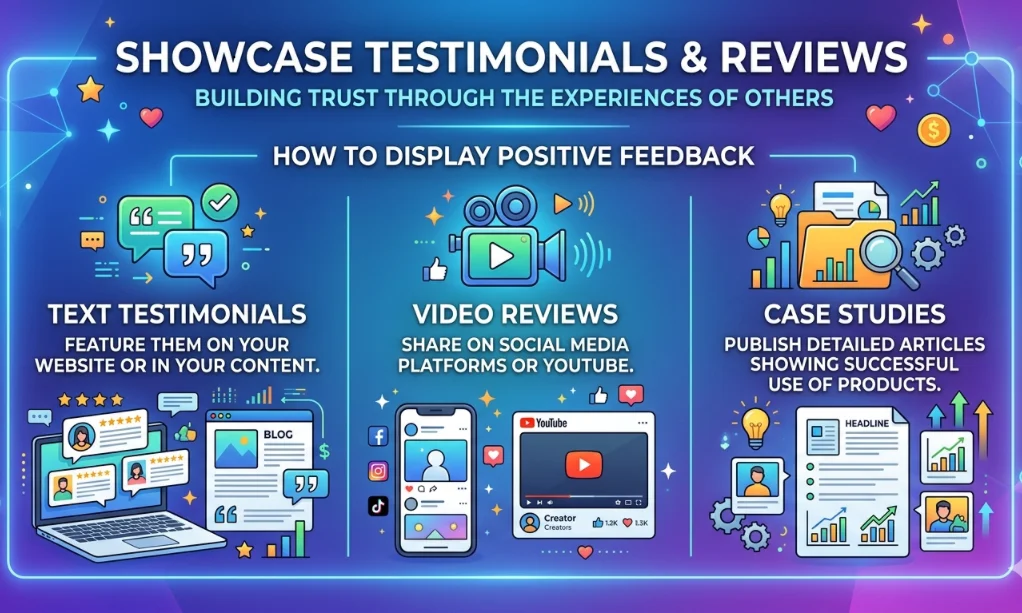
Nothing speaks to trust like the experiences of others. If you’ve received positive feedback about a product or service, showcase it! You can use:
| Type of Feedback | How to Display It |
|---|---|
| Text Testimonials | Feature them on your website or in your content. |
| Video Reviews | Share on social media platforms or YouTube. |
| Case Studies | Publish detailed articles showing successful use of products. |
Displaying real-life experiences lets your audience see the value in what you’re promoting.
Utilize Credible Sources
When recommending products, citing reliable sources and linking to studies or articles can enhance your trustworthiness. This demonstrates that you have done your homework. Always provide your audience with external links to sources that have valuable information, such as Nielsen or Statista.
Keep Learning and Adapting
The world of affiliate marketing is constantly evolving. To maintain trust, stay updated on trends and changes relevant to your niche. Attend workshops, webinars, or conferences whenever possible. Being knowledgeable about your field empowers you to provide the best recommendations to your audience.
By implementing these strategies, you can effectively How to Build Trust with Your Audience for Affiliate Marketing? which in turn can lead to higher conversions and lasting relationships in your affiliate marketing journey. Remember, trust takes time to build, but once established, it can significantly enhance your marketing effectiveness.
The Importance of Authenticity in Affiliate Marketing
In the world of affiliate marketing, authenticity is the glue that holds your relationship with your audience together. When you promote products or services, your audience needs to feel confident that you have their best interests in mind. This goes beyond simply sharing links or promotional content; it’s about building a genuine connection based on trust.
One key element of authenticity in affiliate marketing is transparency. You should always disclose your affiliate relationships. Let your audience know that when they click a link and make a purchase, you may receive a commission. This openness establishes trust and aligns with ethical marketing practices. According to the Federal Trade Commission (FTC), transparency is crucial. By being upfront about your partnerships, you show respect for your audience’s intelligence and decision-making process.
Another aspect of authenticity is the alignment between your content and the products you promote. Choose affiliate products that genuinely resonate with your audience and fit your brand. If your audience trusts your recommendations, they’ll likely be more willing to make a purchase through your links. Here are some strategies to help you maintain authenticity:
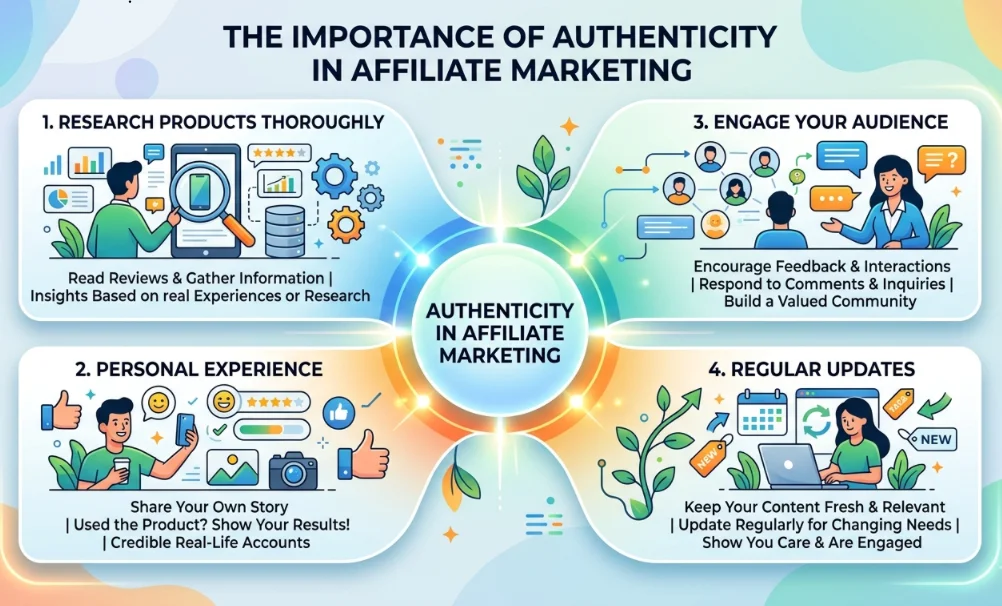
- Research Products Thoroughly: Always read reviews and gather information about products or services before recommending them. Your insights should be based on real experiences or thorough research.
- Personal Experience: Share your personal experience. If you’ve used a product and have results to share, include those in your content. This real-life account adds credibility.
- Engage Your Audience: Encourage feedback and interactions. By responding to comments and inquiries, you build a community that feels valued.
- Regular Updates: Keep your content fresh and relevant by updating it regularly. This shows your audience that you are engaged and care about their needs.
Creating a consistent brand voice is also essential for authenticity. By conveying your own personality and values, you will attract an audience that resonates with you. Use a conversational tone, address your readers directly, and be relatable. Remember that your style should be a natural extension of who you are, making it easier for your audience to connect with you.
Visual elements can significantly contribute to your authenticity as well. High-quality visuals, such as images and graphics, enhance your storytelling. Use original images when possible, as this personal touch can resonate more. Avoid relying on stock photography entirely, as it may appear disingenuous to your audience.
It’s important to remain consistent across all platforms where you engage with your audience. Whether it’s your website, social media, or email newsletters, your message should reflect your core values and beliefs. Inconsistency can confuse your audience and diminish your credibility.
The impact of authenticity in affiliate marketing cannot be overstated. According to a Statista report, consumers are more likely to trust recommendations from individuals, leading to higher conversion rates. The statistics indeed support the idea that authenticity in your approach will likely yield higher engagement and sales.
Here are some ways to measure the effectiveness of your authentic marketing strategy:
| Strategy | Metric | Goal |
|---|---|---|
| Transparency | Link click-through rate | Increase by 20% |
| Engagement | Comments and shares | Double within 6 months |
| Personal Experience | Conversion rates | Boost by 15% |
Authenticity into your affiliate marketing strategy is much more than an optional approach; it’s a necessity for success. It fosters trust and helps cultivate lasting relationships with your audience. Authentic content inspires loyalty, encouraging your readers to return to you for future recommendations. When you lead with authenticity, your audience is not just numbers on a page; they become a community you genuinely care about. Emphasizing authenticity can lead to sustained growth and prosperity in your affiliate marketing efforts.
Strategies for Transparent Communication with Your Audience
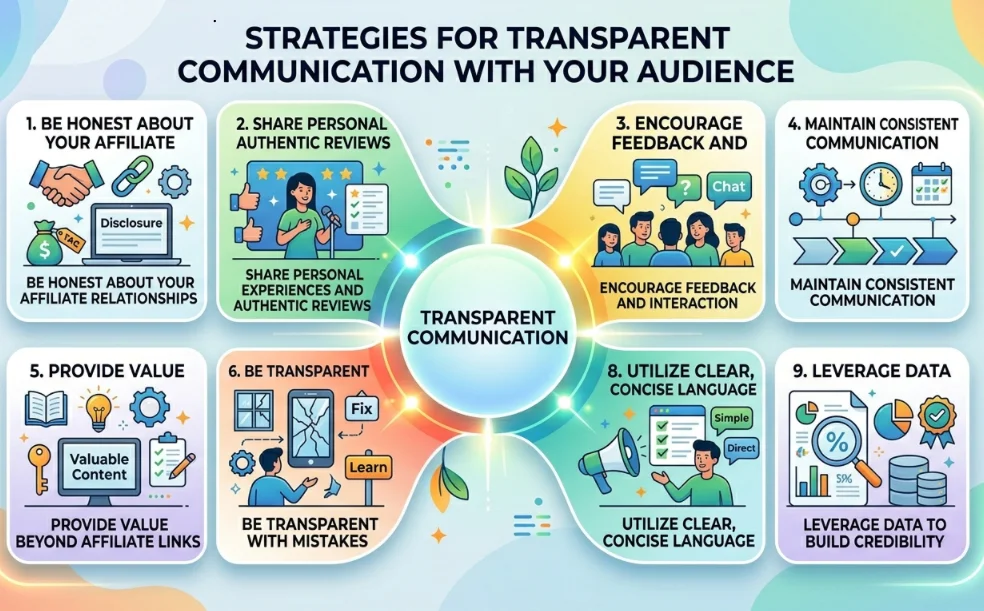
Building a strong connection with your audience is essential for successful affiliate marketing. Transparent communication is one of the most effective ways to cultivate this bond. It establishes trust, credibility, and loyalty, making your audience more likely to engage with your promotions. Here are several strategies to ensure your communication is transparent and engaging.
Be Honest About Your Affiliate Relationships
Recognizing and clarifying your affiliate relationships fosters trust. Your audience appreciates understanding that you might earn commissions from the products you recommend. Be upfront and share your motivations. Most people understand that affiliate marketing is how you monetize your content, but you must disclose this information clearly.
Share Personal Experiences and Authentic Reviews
When you recommend products, including personal stories about how these products impacted your life creates authenticity. Instead of simply providing a list of features or benefits, share your journey. Did the product help you solve a problem? Did it exceed your expectations? Genuine reviews resonate with your audience, making them more likely to trust your recommendations.
Encourage Feedback and Interaction
Inviting your audience to provide feedback fosters an open dialogue. Create opportunities for them to share their opinions by asking questions and responding to comments. Address both positive and negative feedback with grace and transparency. This engagement shows you value their opinions and are committed to improving their experience.
Maintain Consistent Communication
Regularly update your audience through newsletters, social media, and blog posts. Consistency builds familiarity and trust. When your audience knows they can rely on you for timely information, it strengthens your relationship. Utilize various formats like videos, podcasts, or articles to cater to different preferences, but always ensure the messaging aligns with your brand’s voice.
Provide Value Beyond Affiliate Links
Your audience seeks valuable content, not just affiliate links. Share tips, tutorials, guides, and helpful resources that align with their interests and needs. By prioritizing their value over your financial gain, you reinforce trust in your recommendations. The more you help them, the more likely they are to trust your promotions.
Be Transparent with Mistakes
Everyone makes mistakes, and being open about yours can actually enhance your credibility. Whether it’s a wrong product recommendation or a technical issue on your website, addressing it head-on demonstrates your accountability. Share how you resolved the mistake and what you learned from it, reinforcing transparency with your audience.
Build a Community
Creating a sense of belonging within your audience can strengthen trust. Encourage them to connect with one another through forums, social media groups, or comment sections. A community isn’t just about your relationship with them; it’s about fostering relationships among your audience. This network will enhance their loyalty to you and your recommendations.
Utilize Clear, Concise Language
To ensure your audience understands your message, use straightforward language. Avoid jargon or overly complicated terms. Instead, aim for clarity and brevity to keep your readers engaged. Here are a few tips to improve your communication:
- Use bullet points for lists to make information digestible.
- Break up text into shorter paragraphs to enhance readability.
- Check for spelling and grammar issues to maintain professionalism.
Leverage Data to Build Credibility
Incorporate statistics and real-life case studies when discussing products. This data offers evidence to support your recommendations. Use tables to visualize comparisons, making it easier for your audience to digest the information. For example:
| Product | Rating | Price |
|---|---|---|
| Product A | 4.5/5 | $29.99 |
| Product B | 4.7/5 | $34.99 |
| Product C | 4.2/5 | $19.99 |
Including this data adds depth to your recommendations and shows you’ve done your research.
For additional reading on effective communication strategies, check out Content Marketing Institute and Neil Patel’s blog. These resources provide valuable insights into building trust with your audience while enhancing your affiliate marketing efforts.
Leveraging Social Proof to Gain Audience Trust
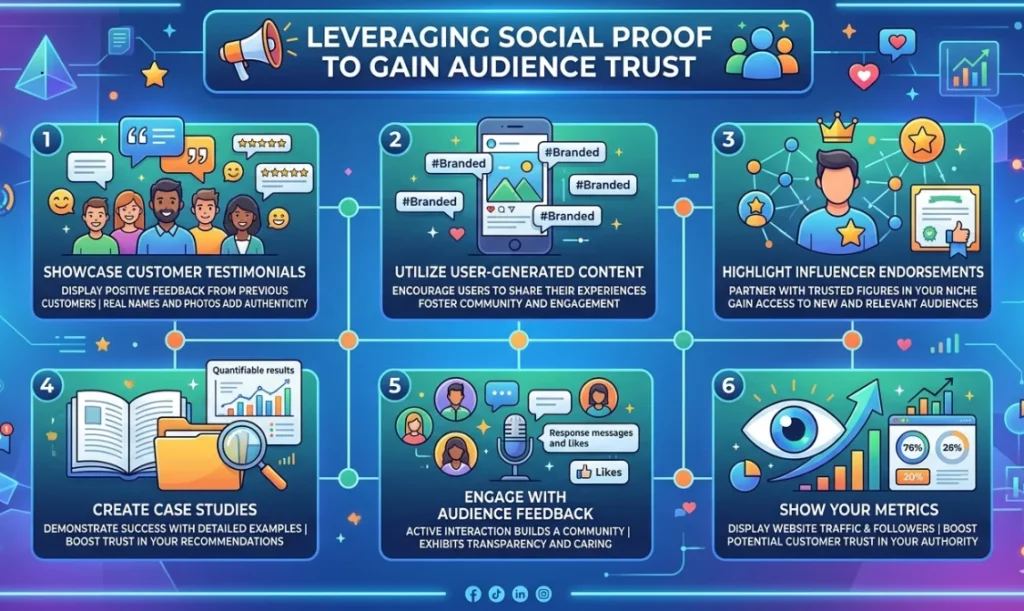
Building trust with your audience is vital for successful affiliate marketing. One effective way to establish and enhance trust is through leveraging social proof. Social proof refers to the concept that people look to the behavior and opinions of others when making decisions. Here’s how you can effectively use social proof to gain trust from your audience:
Showcase Customer Testimonials
Customer testimonials are powerful tools in establishing credibility. When potential buyers see positive feedback from previous customers, their confidence in your recommendations grows significantly. Here are some ways to integrate testimonials:
- Display them prominently on your website.
- Use real names and photos to authenticate the experiences.
- Add video testimonials for more engaging content.
Platforms like Trustpilot can help gather and display authentic testimonials, creating a trusted environment for potential customers.
Utilize User-Generated Content
User-generated content (UGC) can be a game changer for affiliate marketers. UGC refers to any content—text, videos, images, reviews—created by consumers. By sharing user-generated content, you foster community and engagement. Here’s how to implement it:
- Encourage your audience to share their experiences with the products you promote.
- Create branded hashtags for users to tag their posts.
- Share this content on your social media platforms as proof of satisfaction.
UGC on your website can enhance your credibility and showcase real-life usage of the products you promote.
Highlight Influencer Endorsements
Partnering with influencers can offer significant social proof. Influencers have established credibility with their audience, making their endorsements powerful. Here’s how to collaborate effectively:
- Identify influencers within your niche who align with your brand values.
- Offer them products in exchange for their honest reviews.
- Ensure they promote your affiliate links in their content.
This kind of collaboration can bring in new audiences who trust the influencer’s opinion. Websites like Influenster can help you track influentials in your industry.
Create Case Studies
Sharing detailed case studies can effectively demonstrate the success others have had with the products you affiliate for. A well-structured case study should include the following elements:
- The challenge faced prior to using the product.
- How the product was utilized.
- Quantifiable results achieved.
Providing real data and results will bolster your audience’s trust in your recommendations. Display these case studies on your blog or website, as they form lasting proof of claims.
Engage with Audience Feedback
Active engagement with your audience can foster a sense of community. Responding to comments, addressing concerns, and asking for feedback exhibits transparency and shows that you value their opinions. Here’s how to maximize audience interaction:
- Respond promptly to comments and queries on social media and blogs.
- Conduct surveys to gather insights on their preferences and experiences.
- Show your audience that their feedback shapes your content and product recommendations.
This engagement builds trust and encourages a loyal following, which is crucial for successful affiliate marketing.
Show Your Metrics
Displaying your metrics, such as website traffic or social media following, can serve as a form of social proof. Here’s how to do this effectively:
- Use analytics tools to track performance statistics.
- Share these insights with your audience occasionally to show growing engagement.
- Highlight achievements like awards, ratings, or recognitions.
It establishes authority and boosts potential customer trust in your content and recommendations.
Implementing these strategies can significantly enhance your credibility, allowing you to build a solid foundation of trust with your audience. Remember, genuine engagement and authentic content are key in navigating the affiliate marketing space successfully. For further insights on building trust through social proof, consider visiting SocialProof.
Creating Valuable Content that Resonates with Your Audience
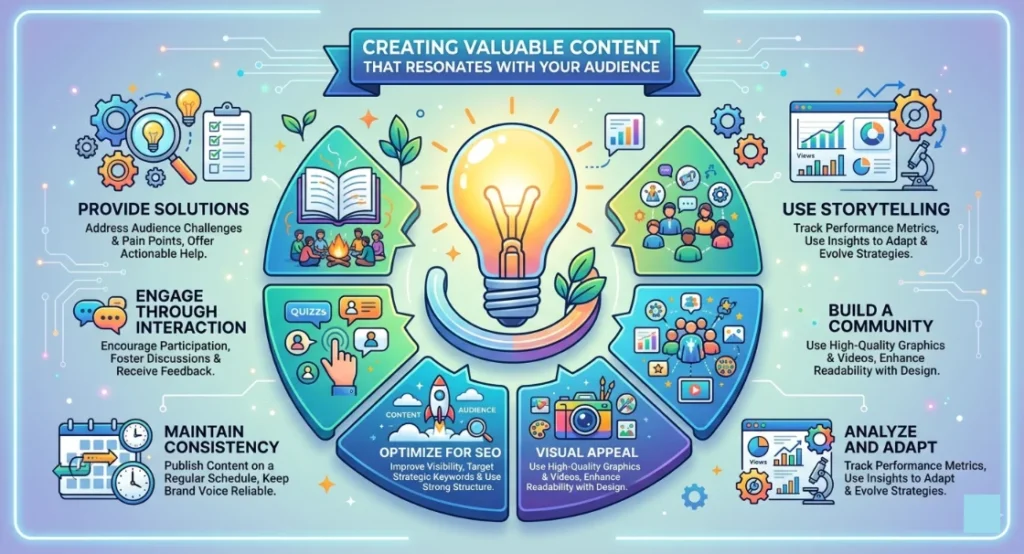
Building a genuine connection with your audience starts with creating content that holds value and resonates deeply. When your content speaks to the unique needs of your audience, you foster trust and loyalty. Here’s how to achieve this.
Provide Solutions
Your content must address the specific challenges your audience faces. Create guides, how-tos, and tips that provide actionable solutions. This can be in the form of:
- Step-by-Step Guides: Break down complex processes into manageable steps.
- Checklists: Offer quick references for projects or tasks they need to complete.
- Tutorials: Use visuals and screenshots to enhance understanding.
By providing solutions, you empower your audience and establish yourself as a reliable resource.
Use Storytelling
Storytelling is an effective way to create an emotional connection. Share personal experiences, case studies, or customer testimonials. People are naturally drawn to stories, and they help humanize your brand. It makes the information relatable and memorable.
Engage Through Interaction
Encourage your audience to participate. Utilize polls, quizzes, and open-ended questions in your content. This engages them and provides you with valuable feedback. You can create interactive content, such as:
- Surveys: Gather opinions on specific topics.
- Feedback Forms: Ask for suggestions to improve your content.
When your audience feels heard, they’re more likely to trust you and remain loyal.
Maintain Consistency
Consistency in your messaging, presentation, and publishing schedule builds reliability. Your audience should know what to expect from you, whether it’s weekly blog posts, social media updates, or newsletters. This helps in creating a brand presence that they can rely on.
Optimize for SEO
Use relevant keywords strategically to improve visibility. This doesn’t mean stuffing your content with keywords but rather integrating them naturally. Tools like Ahrefs can help you find keywords that your audience searches for. Remember, optimized content should still focus on delivering value to readers.
Visual Appeal
Incorporate engaging visuals to make your content visually appealing. Use images, infographics, and videos to support your textual content. A well-designed layout enhances readability and makes your content more enjoyable to consume.
Build a Community
Create platforms where your audience can interact not only with you but also with each other. Social media groups, forums, or comment sections provide spaces for discussion. When your audience feels part of a community, they are more likely to return and engage regularly.
Example Table of Content Formats
| Content Type | Purpose |
|---|---|
| Blog posts | In-depth articles providing insights |
| Videos | Entertaining and engaging visual content |
| Podcasts | Information delivered through conversation |
| Webinars | Interactive sessions offering expert insights |
Analyze and Adapt
Regularly assess the performance of your content. Check metrics like engagement, shares, and conversion rates. Use tools like SEMrush to track how well your content is resonating. Always be ready to adapt based on this feedback, ensuring you continue to meet your audience’s evolving needs.
Creating valuable content that resonates requires consistent effort and understanding. By focusing on your audience, providing solutions, and remaining interactive, you build lasting trust. In affiliate marketing, trust is essential, and as you cultivate it, you’ll see not just engagement but growth in your connections and business.
Conclusion
Establishing trust with your audience is crucial for any affiliate marketing endeavor. By prioritizing authenticity, you create genuine connections and encourage loyalty among your readers. Transparency in communication fosters a sense of reliability, making your audience more inclined to engage with your recommendations.
Implementing strategies that showcase social proof—like reviews, testimonials, and case studies—can significantly enhance your credibility. When potential customers see that others have benefitted from your recommendations, they are more likely to feel secure in their purchasing decisions.
Another key aspect lies in the creation of valuable content that truly resonates with your audience. By understanding their needs and desires, you can provide insights, tips, and solutions that address their pain points, fostering a community built on trust and support.
Remember, the journey to Build Trust with Your Audience for Affiliate Marketing is ongoing. Consistently delivering quality content and maintaining open lines of communication will keep your audience connected and engaged. Ultimately, when your audience knows they can rely on you for honest information, they’ll be more likely to follow your affiliate links and make purchases, driving success for your marketing ventures. Trust is not just a nice-to-have; it’s a fundamental ingredient in the recipe for sustainable affiliate marketing success.