

 ATTENTION: Want to Learn Affiliate Marketing from Successful Affiliates?
Join this FREE community where successful marketers share their secrets!
Learn directly from highly successful affiliate marketers
Access free, actionable training content regularly
Connect with an active community of over 5,000 members
Network with multiple six-figure earning affiliates
Get your questions answered by real experts
JOIN FREE NOW!
ATTENTION: Want to Learn Affiliate Marketing from Successful Affiliates?
Join this FREE community where successful marketers share their secrets!
Learn directly from highly successful affiliate marketers
Access free, actionable training content regularly
Connect with an active community of over 5,000 members
Network with multiple six-figure earning affiliates
Get your questions answered by real experts
JOIN FREE NOW!
Creating affiliate content that resonates and generates income can be challenging. A common pitfall in this niche is producing thin affiliate content. This type of content lacks depth, value, and originality, making it ineffective in monetization. To enhance your affiliate efforts, you need strategies that enrich your content and engage your audience. Understanding How to Avoid Thin Affiliate Content is the first step toward building a high-authority site.
Understand Your Audience
The first step to creating high-quality affiliate content is understanding your target audience. What are their interests? What problems do they face? Conducting audience research can provide insights that guide your content creation. You can utilize tools like Google Trends to gauge current interests.
Focus on Quality over Quantity
It’s tempting to churn out as many pieces of content as possible, but this approach often leads to thin articles. Instead, prioritize creating fewer, high-quality posts. Consider the following techniques for How to Avoid Thin Affiliate Content:
- In-Depth Reviews: Provide detailed evaluations of products instead of surface-level summaries.
- Personal Experience: Share your own experiences and insights related to the products you promote.
- Expert Interviews: Featuring knowledgeable individuals can inject credibility and relatability into your content.
Create Unique Content
Ensure that your content stands out by offering unique perspectives. Instead of rehashing what everyone else is saying, dig deeper. For instance, incorporate:
- Data-Driven Insights: Use statistics and surveys to back your claims. You can use resources like Statista for relevant data.
- Real-Life Examples: Share case studies or scenarios that apply to the products discussed.
- FAQs: Anticipate common questions your audience may have and address them in your content.
Optimize for SEO
While the primary goal is to create valuable content for your readers, optimizing for search engines is important too. Use relevant keywords thoughtfully throughout your articles, but avoid keyword stuffing. A balance between natural readability and SEO can be achieved by:
- Using Synonyms: Diversify your language; don’t repeat the same keyword excessively.
- Structuring Content: Use bullet points and tables to break up text and make it easier to read.
Engage Your Readers
Your content should foster engagement. Encourage readers to leave comments and share their thoughts. The more interaction your content generates, the more search engines will take notice. You could include:
- Polls: Use tools like Poll Everywhere to gauge reader opinions.
- Calls to Action (CTAs): Invite readers to subscribe, click through to products, or share your articles on social media.
Regular Updates and Maintenance
Thin affiliate content often arises from outdated information. Regularly review and update your posts to ensure they remain accurate and relevant. This practice shows your commitment to providing value, enhancing both user trust and search ranking. Mastering How to Avoid Thin Affiliate Content requires keeping your data fresh.
Analyze Performance
Utilize tools like Google Analytics to track the performance of your content. Monitoring which articles convert better can inform your future writing. You might find that certain topics or formats resonate more with readers.
The Importance of Unique Value in Affiliate Marketing
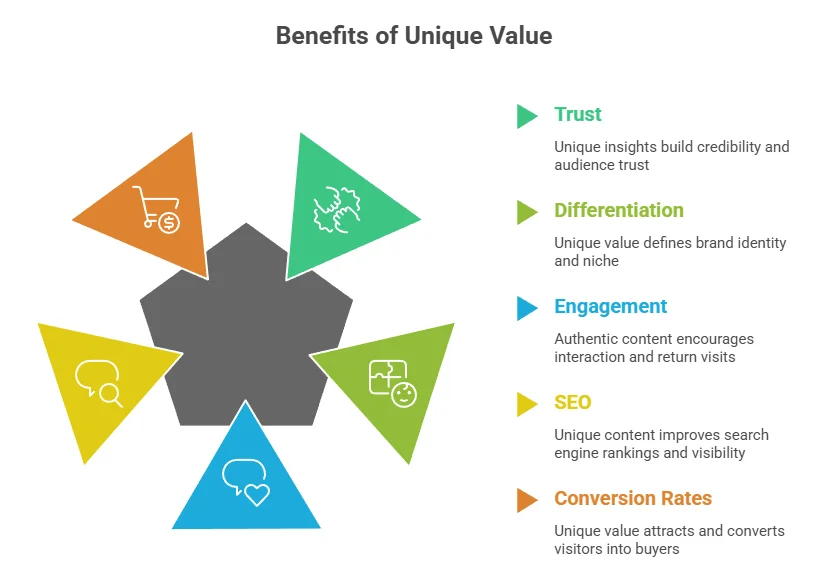
In the rapidly evolving world of affiliate marketing, establishing a unique value proposition is crucial. Many marketers find themselves in a crowded digital space, where competition is fierce. To stand out and succeed, it’s essential to offer something that sets you apart. Unique value doesn’t just attract more visitors; it helps build lasting relationships with your audience, leading to higher conversions and loyalty.
The digital marketplace is overflowing with affiliate links and promotional content. Here are some key reasons why providing unique value is vital for affiliate marketers:
- Builds Trust: When you offer unique insights or valuable information, your audience is more likely to trust your recommendations. By positioning yourself as a knowledgeable source, you create a connection that fosters trust.
- Differentiates Your Brand: Unique value helps in defining your brand’s identity. It allows you to cater to a specific niche, making it easier to convey your message and connect with your target audience.
- Encourages Engagement: Authentic and valuable content engages readers. When your content resonates with your audience, it can lead to comments, shares, and return visits—key factors in growing your online presence.
- Improves SEO: Search engines prioritize unique and high-quality content. This not only enhances visibility but also keeps your audience engaged longer, decreasing bounce rates.
- Increases Conversion Rates: Providing unique value not only attracts visitors but also turns them into buyers. Users appreciate thoughtful recommendations that cater to their needs, leading to higher conversions.
To achieve a strong unique value proposition, affiliate marketers should focus on the following strategies:
- Research Your Niche: Understand what your audience is interested in and where there’s a gap in the market. Use tools like SEMrush or Ahrefs for in-depth research.
- b: Write articles, guides, and reviews that showcase your expertise. Offering detailed insights about products or services can set you apart from the rehashed content that floods the internet.
- Utilize Visuals: Engaging visuals can convey your message more effectively. Infographics, videos, and high-quality images not only enhance user experience but also improve the shareability of your content.
- Focus on Authenticity: Be genuine in your recommendations. Sharing personal stories or experiences with a product adds authenticity, making your audience more likely to relate to you.
- Encouraging User-Generated Content: Invite your audience to share their experiences and reviews. This builds community and adds credibility to your affiliate offerings.
Implementing these strategies will enhance your ability to offer unique value in affiliate marketing. However, it’s not just about providing information but also about how you deliver it. Keep your content engaging and simple to understand. Your audience should feel that they benefit from every visit to your site. Additionally, keeping an eye on trends and adapting your strategies accordingly can significantly benefit your affiliate marketing efforts. Tools like Google Trends allow you to track what’s popular, helping you produce timely and relevant content.
| Strategy | Description |
|---|---|
| Research Your Niche | Identify gaps and audience interests through analytical tools. |
| Create Original Content | Produce insightful articles about products or services. |
| Utilize Visuals | Incorporate engaging graphics and videos to enhance messages. |
| Focus on Authenticity | Share personal stories for better relatability. |
| Encourage User-Generated Content | Invite audience participation to build trust and community. |
By positioning yourself as a trusted source with unique value, you create a pathway to success in affiliate marketing. Not only does it help you stand out in a saturated market, but it also ensures that your audience benefits from your knowledge and expertise. Take the time to craft thoughtful, engaging content and you will see the rewards in your affiliate marketing journey. For more insights on unique value in affiliate marketing, you can explore resources from Smart Passive Income and Blogging Wizard.
Understanding Google’s Guidelines on Thin Content
Understanding Google’s guidelines is critical for anyone involved in content creation, especially those in the affiliate marketing space. One of the key terms you’ll often encounter is “thin content.” Thin content refers to web pages that provide little or no value to users. Often, these pages might be stuffed with keywords but lack substantial information or insights. If you want your site to rank well and provide real value to your audience, here are some strategies to consider for How to Avoid Thin Affiliate Content.
What is Thin Affiliate Content?
Thin affiliate content can include:
- Content that is either too brief or lacks depth.
- Pages designed purely for monetization without offering useful information.
- Highly duplicated content that does not provide unique insights or perspectives.
- Landing pages stuffed with keywords but lacking meaningful engagement or detail.
Why Avoid Thin Content?
Google’s ranking algorithm highly favors content that offers real value to its audience. Thin content can lead to:
- Poor user experience.
- Lower search engine rankings.
- Increased bounce rates, as users leave your site quickly.
- Possible penalties from Google for manipulative practices.
Strategies to Avoid Thin Affiliate Content
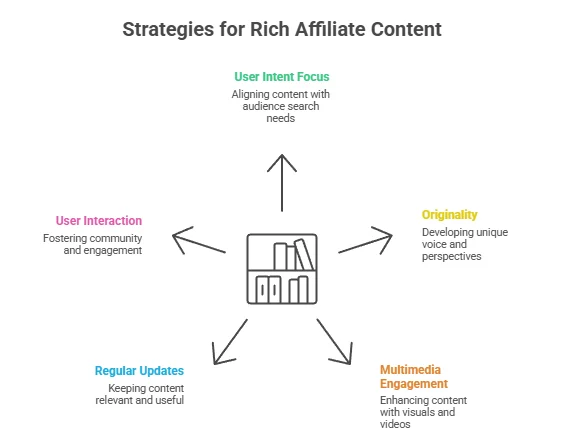
Making sure your content is valuable and substantial can help you avoid penalties associated with thin content. Here are advanced strategies you can implement:
1. Produce Comprehensive Guides: A detailed, informative guide covering various aspects of a topic helps establish authority. For example, instead of simply listing products, you could write a comprehensive guide on “The Best Running Shoes for Every Budget.” This adds value and gives your audience a reason to stay.
2. Focus on User Intent: Understand what your audience is searching for and align your content to meet their needs. Use tools like Keyword Tool to discover keywords that reflect user intent, ensuring you provide relevant information.
3. Ensure Originality: Google emphasizes original content. Rewriting existing articles or pulling info from other websites won’t cut it. Aim to develop your unique voice and perspectives, particularly in areas where you have expertise.
4. Create Engaging Multimedia Content: Enhancing your articles with engaging visuals, videos, or infographics can provide value that text alone cannot. This not only keeps users on the page longer but also makes your content more appealing.
5. Update Your Content Regularly: Outdated content offers little benefit to users and can contribute to thin content issues. Regularly updating your articles ensures that the information remains relevant and useful.
6. Encourage User Interaction: Engage your audience by allowing them to comment or ask questions. This interaction not only freshens your content but creates a community around your niche, making your site a go-to place for answers.
Monitoring Your Content
Using analytics tools like Google Analytics can help you track your content performance. Pay attention to metrics such as bounce rates and average time spent on the page. This data allows you to adjust your strategies accordingly as you learn How to Avoid Thin Affiliate Content.
Examples of High-Quality Affiliate Content
| Website | Description | Why It Stands Out |
|---|---|---|
| The New York Times | A comprehensive news site. | Deep investigative pieces and multiple viewpoints. |
| A vast community forum. | User-generated content ensures a variety of topics and discussions. | |
| Mashable | Entertainment and tech-focused news. | Engaging articles mixed with multimedia content, appealing to tech-savvy readers. |
By adhering to these guidelines and strategies, you can create quality affiliate content that not only satisfies user intent but also aligns with Google’s expectations. Committing to content that is informative, engaging, and original will set you apart from the competitors and provide your readers with the valuable insights they are looking for.
Best Practices for Creating Engaging Affiliate Content
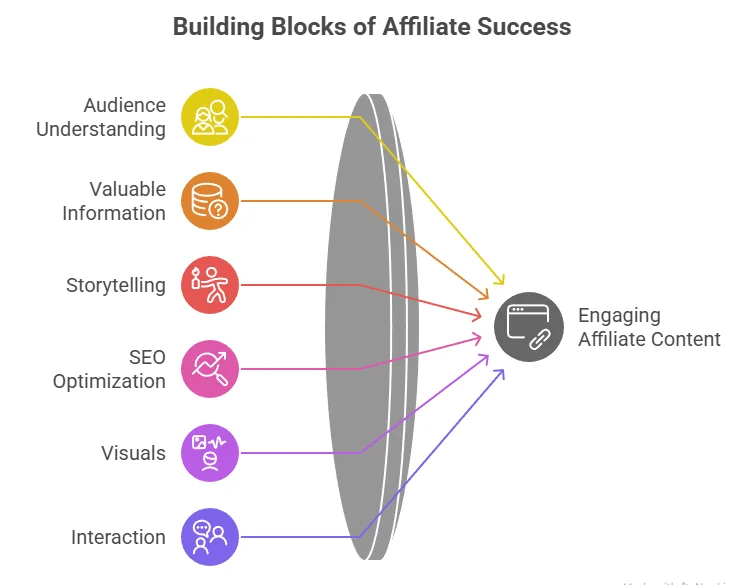
Creating engaging affiliate content is essential for building trust with your audience and driving sales. Writing high-quality, informative, and captivating content can set you apart from competitors using thin affiliate strategies. To engage your readers, consider these best practices for How to Avoid Thin Affiliate Content:
Understand Your Audience
The first step in creating engaging content is to know who your audience is. Identify their needs, preferences, and pain points. Use tools like Google Trends to uncover what topics resonate with your target market. Conduct surveys or polls to gather direct feedback. Tailoring your content to your audience’s interests fosters a strong connection and makes your content more likely to be shared.
Provide Valuable Information
When your content adds value to your readers’ lives, they are more likely to engage with it. Focus on offering solutions to common problems, sharing tips and tricks, and using case studies or personal anecdotes to illustrate your points. For example, if you are promoting a product, provide a detailed review, discussing both pros and cons. This transparency will build your credibility and encourage your readers to trust your recommendations.
Engage with Compelling Storytelling
Engaging narratives can elevate your affiliate content from basic descriptions to captivating stories. Consider using these elements: common ground, conflict and resolution, and a strong call to action. Putting a story behind the product creates an emotional connection, which often drives user engagement and action.
Optimize for SEO
While your main goal is to create valuable content, ensuring it’s optimized for search engines is also key. Use strategic keywords naturally throughout the content, aiming for relevancy over density. Incorporate internal and external links. Link to relevant resources to provide additional value. For example, read more at Backlinko for tips on effective linking. Use engaging meta descriptions to attract clicks from search results.
Include Visuals
Images, videos, and infographics can significantly elevate the engagement levels of your affiliate content. Utilize visuals to break up large blocks of text, illustrate complex ideas more clearly, and provide an aesthetic appeal. Make sure your visuals are high-quality and relevant to the content. Tools like Canva can help you create stunning images for your articles.
Encourage Interaction
Encouraging interaction helps build a community around your content. This can come in many forms, such as asking questions that invite readers to leave comments, incorporating polls or quizzes for immediate feedback, and using social sharing buttons to encourage readers to spread the word.
Maintain Authenticity
Readers can often sense when content comes off as overly promotional or inauthentic. To maintain credibility, be honest about your experiences with the product, disclose your affiliate relationships transparently, and prioritize your integrity over profits. For guidance on ethical affiliate marketing, visit Matthew Woodward’s Blog for inspiring insights. By following these rules, you solidify your knowledge of How to Avoid Thin Affiliate Content.
Analyzing Successful Affiliate Websites: What They Do Right
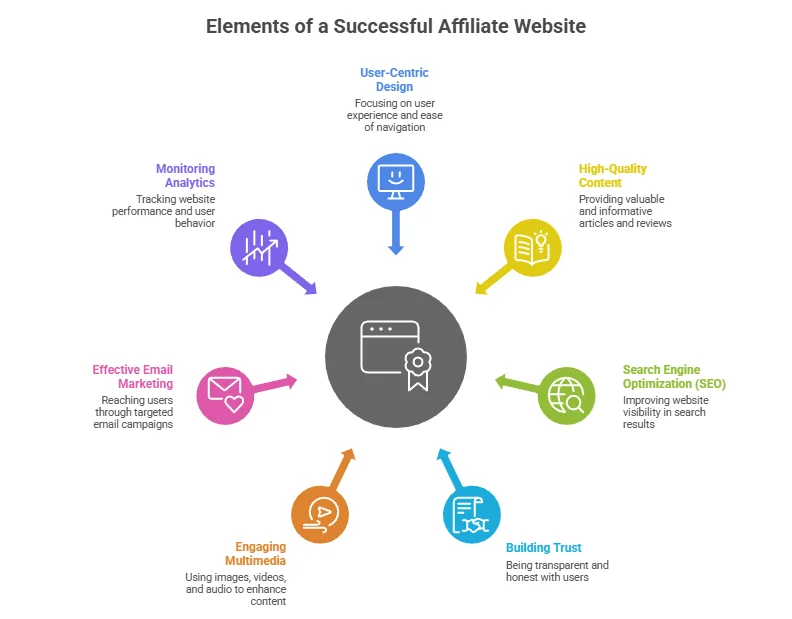
When you explore the world of affiliate marketing, it’s essential to analyze the practices of successful affiliate websites. These sites master the art of engaging their audience while driving conversions through effective strategies. Below are some key factors that successful affiliate sites employ to stand out and succeed.
User-Centric Design
A successful affiliate site prioritizes user experience. The design is clean, intuitive, and navigable, making it easy for visitors to find what they need. Some critical elements include responsive design that adapts to various devices, fast loading times, and clear calls to action (CTAs).
High-Quality Content
Content is king in the realm of affiliate marketing. Successful sites produce informative, engaging, and valuable content. Websites like Niche Pursuits provide excellent resources for learning about high-quality affiliate content. They understand the significance of well-researched articles that not only attract traffic but also engage readers effectively, teaching them How to Avoid Thin Affiliate Content through example.
Search Engine Optimization (SEO)
Well-optimized websites rank higher on search engines. This visibility is crucial for attracting organic traffic. Successful affiliate websites implement various SEO strategies, including relevant keywords and well-structured internal linking. For more robust SEO strategies, check out Moz’s Beginner’s Guide to SEO.
Building Trust Through Transparency
Trust is fundamental in affiliate marketing. Successful sites promote transparency by disclosing affiliate relationships clearly and providing genuine testimonials. Checking sites like Sophisticated Spender shows how sharing honest insights creates a loyal audience that returns time after time.
Engaging Multimedia Use
Utilizing various forms of media enhances the user experience. Successful affiliate websites integrate high-quality images, infographics, and videos that explain complex topics or demonstrate products.
Effective Email Marketing
Building an email list is another key strategy. Successful affiliate sites offer valuable lead magnets and personalized content. For insights on building an effective email marketing strategy, visit Mailchimp’s Email MarkAffiliate Marketing, SEO, Thin Content, Content Marketing, Blog Growth, Google Helpful Content Updateeting Field Guide.
Monitoring Analytics and Metrics
Successful affiliate marketers continuously analyze their efforts. They track traffic sources, conversion rates, and user behavior using tools like Google Analytics. Regularly reviewing these metrics enables affiliate marketers to pivot their approach based on real data and understand How to Avoid Thin Affiliate Content as their site grows.
Conclusion
Creating valuable and engaging affiliate content is key to successful monetization. By implementing strategies to avoid thin content, you ensure that your readers find unique value in every piece of information you share. This not only enhances user experience but also builds trust and loyalty, crucial elements in affiliate marketing.
Understanding Google’s guidelines on thin content is vital for staying compliant and avoiding penalties. When your content meets these standards, you enhance your site’s visibility, leading to increased organic traffic and higher conversion rates. Focusing on quality over quantity allows your audience to appreciate the effort you put into your work. Best practices for crafting engaging affiliate content, such as incorporating storytelling, visuals, and interactive elements, can significantly elevate your articles.
Analyzing successful affiliate websites can offer additional inspiration and direction. Notice what they do right: they prioritize user experience, deliver well-researched content, and maintain strong branding. By learning from their strategies, you can discover How to Avoid Thin Affiliate Content and create a more robust and profitable affiliate marketing strategy. Strive to consistently provide high-quality, engaging, and unique content that resonates with your audience. The more value you offer, the more likely you are to succeed in the competitive world of affiliate marketing. Your readers will appreciate your efforts, and in turn, your affiliate earnings will reflect this dedication.