
Content Gap Analysis for Organic Growth


ATTENTION: Want to Learn Affiliate Marketing from Successful Affiliates?
In today’s digital landscape, standing out requires a keen understanding of your content landscape and the competitive market. Conducting a content gap analysis for organic growth is an essential strategy to boost your visibility and attract more visitors effectively. This process helps you identify the areas where your content may be lacking, paving the way for new opportunities to enhance your online presence.
The first step in conducting a content gap analysis for organic growth is to define your target audience and their needs. Start by asking yourself key questions:
- What information are they seeking?
- What pain points do they experience?
- How can your content provide solutions?
If you don’t have a deep understanding of your audience, your content may not resonate with them. Utilize tools like Google Analytics to analyze user behavior and demographics. This data can be invaluable in shaping your content strategy.
Next, you’ll want to review your existing content thoroughly. This includes blog posts, articles, infographics, and videos. Look at performance metrics such as:
- Traffic numbers
- Engagement rates
- Social shares
- Conversion rates
Identify the pieces that perform well and those that underperform. This understanding helps you know where to focus your efforts. For example, if a certain topic attracts plenty of visitors but has a high bounce rate, it may need a refresh to keep readers engaged.
While analyzing your own content, it’s also crucial to inspect your competitors. Investigate what content they produce and how it performs. Tools like SEMrush can provide insights into your competitors’ keyword rankings and traffic sources. By assessing their content, you can identify the gaps in your offerings. Ask yourself:
- What topics do they cover that you don’t?
- Can you provide a different angle or deeper insight into intersecting topics?
- Are there formats that you are missing, like videos or podcasts?
After identifying the gaps, prioritize them based on relevance and potential impact. Choose topics that not only align with your audience’s needs but also support your overall business goals. You can create a table to visualize and categorize these gaps by topic, potential traffic, and content type.
| Topic | Potential Traffic | Content Type |
|---|---|---|
| Topic A | 2000 monthly searches | Blog Post |
| Topic B | 1500 monthly searches | Infographic |
| Topic C | 2500 monthly searches | Video |
With your topics prioritized, begin crafting new content or updating existing materials. Focus on making your content comprehensive, engaging, and user-friendly. Ensure to incorporate relevant keywords naturally throughout your content to improve search engine visibility. Remember, you’re aiming for high-quality content that meets the specific needs of your audience. Refer to authoritative resources like Moz for SEO best practices to guide your keyword usage.
Once your content is published, promote it through various channels. Share on social media, email newsletters, and collaborate with influencers or other websites that can link to your content. Engage with your audience to gather feedback, and be ready to make adjustments based on their response.
By conducting a structured content gap analysis for organic growth, you position your website to reach a broader audience effectively. Always stay updated on market trends and your audience’s changing preferences to ensure your content remains relevant and valuable.
Identifying Audience Needs: Bridging the Content Gap
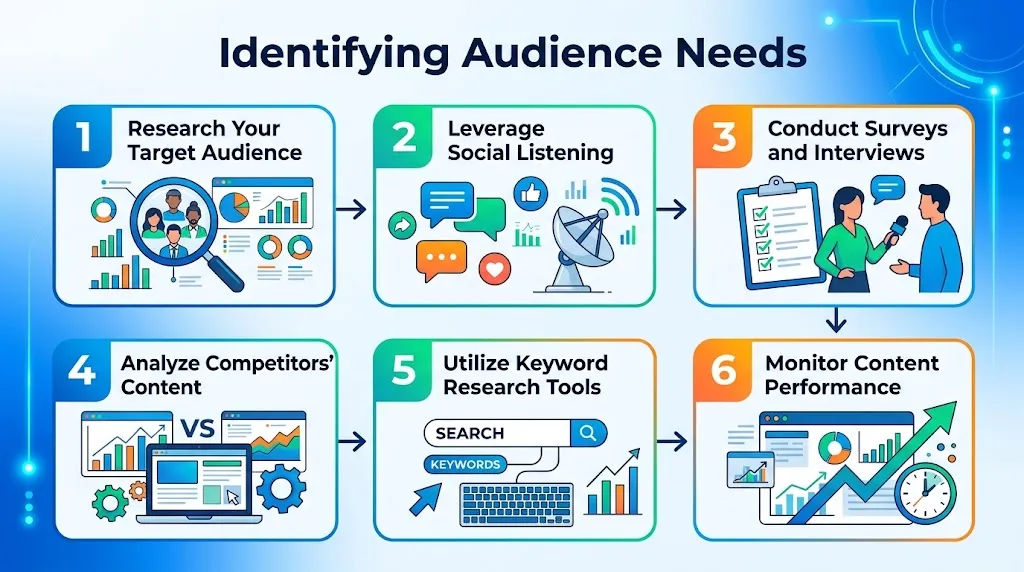
Understanding the needs of your audience is crucial for any content marketing strategy. By identifying these needs, you can effectively bridge the content gap, leading to organic growth. This process allows you to create valuable content that resonates with your audience, ultimately driving traffic and engagement.
To begin with, it’s important to define what a content gap is. A content gap arises when there is a mismatch between the content you provide and the interests or needs of your target audience. Not addressing this gap means missing out on opportunities for engagement, and growth. Here’s how to effectively identify audience needs to eliminate these gaps.
Research Your Target Audience
The first step in bridging the content gap is conducting thorough research on your target audience. This includes:
- Demographic Analysis: Understanding the age, gender, occupation, and location of your audience helps tailor your content.
- Psychographic Analysis: Dive into the interests, values, and lifestyles of your audience to understand what drives them.
- Behavioral Data: Analyze how your audience interacts with your content, which topics attract their attention, and the platforms they prefer for consuming information.
Utilize tools like Google Analytics to gather insights into what content performs best. By understanding the metrics that matter most to your audience, you can create more refined and engaging content.
Leverage Social Listening
Social media platforms offer a treasure trove of information regarding audience needs. By listening to conversations and monitoring trends, you can gain valuable insights. Use tools like Sprout Social or BuzzSumo to track relevant discussions, hashtags, and content shares.
While engaging in social listening, pay attention to:
- Common questions or concerns expressed by your audience.
- Feedback on existing content and potential improvements.
- Emerging trends that spark interest and discussion.
Conduct Surveys and Interviews
Direct feedback from your audience can significantly inform content creation. Surveys and interviews provide first-hand insights into what your audience wants. Here’s how you can do it:
- Create short, engaging surveys using tools like SurveyMonkey or Google Forms.
- Ask specific questions related to content preferences, challenges they face, and topics they’re interested in.
- Host live interviews or focus groups to dive deeper into your audience’s needs.
Analyze Competitors’ Content
An effective way to identify audience needs is to analyze the content produced by your competitors. This not only gives you an idea of what is working in your niche but also highlights potential gaps. Consider these steps:
- Identify content types that garner high engagement, such as blog posts, videos, or infographics.
- Review keywords that competitors are ranking for but are missing on your site.
- Note topics they’ve covered extensively and consider how you can offer a unique angle.
Utilize Keyword Research Tools
Keyword research is essential in identifying what your audience is actively searching for. Tools like Ahrefs and Moz can help highlight trending keywords in your niche. Focus on:
- Long-tail keywords that reflect audience intent.
- Questions that users are searching for and create content that answers those queries.
Monitor Content Performance
Regularly monitor your content’s performance to ensure it meets your audience’s needs. Use analytics tools to track key performance indicators (KPIs) like:
- Traffic and page views.
- Engagement metrics such as time spent on page and bounce rates.
- Conversion rates that reflect audience actions following content consumption.
By continually assessing your content against audience needs, you can adapt and refine your strategy, effectively bridging the content gap. Remember, the key to organic growth is not just quantity, but quality content that genuinely serves your audience.
Utilizing SEO Tools for Effective Content Gap Analysis
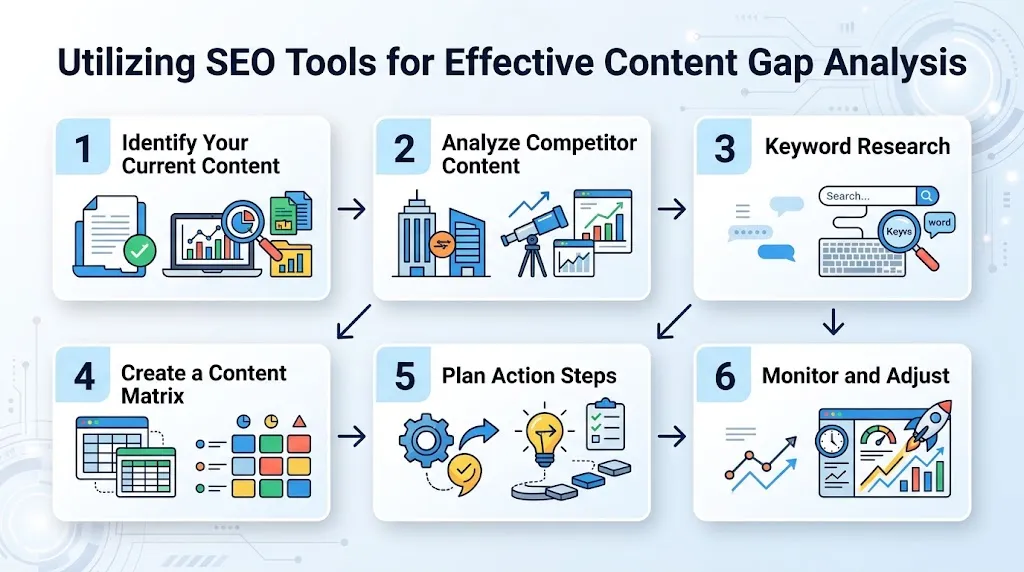
Understanding content gap analysis is essential for any website looking to achieve organic growth. By leveraging powerful SEO tools, you can identify areas in your content strategy that need improvement. This tailored approach ensures that your content aligns with user intent, enhances visibility, and meets the needs of your audience.
SEO tools provide valuable insights into your existing content and the competitive landscape. Here’s how to utilize these tools for effective content gap analysis for organic growth:
Identify Your Current Content
The first step is to gather data on your existing content. Use tools like SEMrush or Moz to perform an audit of your website. Look for:
- Blog posts
- Landing pages
- Resource guides
- FAQs
By having a comprehensive list of your content, you can better assess its performance and relevance.
Analyze Competitor Content
Next, explore what your competitors are producing. Tools like Ahrefs can show how similar businesses are engaging their audience. Look for:
- Topics that rank high in your niche
- Keywords that bring traffic to competitors
- Content formats they utilize (videos, infographics, etc.)
By understanding the landscape, you will uncover gaps in your content offering that you can fill.
Keyword Research
Effective keyword research is crucial to any content gap analysis for organic growth. Use tools like Keyword Tool or Google Keyword Planner to identify:
- Long-tail keywords that align with user searches in your niche
- Keywords that competitors rank for but you do not
- Emerging trends that could inform new content
Focusing on these keywords will enhance your chances of capturing traffic and expanding your reach.
Create a Content Matrix
Building a content matrix is a practical step in visualizing your existing content gaps. You can use a simple table format like this:
| Content Topic | Current Rank | Competitor Rank | Keyword Opportunities |
|---|---|---|---|
| Topic A | 10 | 3 | Keyword X, Keyword Y |
| Topic B | 5 | 1 | Keyword Z |
| Topic C | N/A | 7 | Keyword M |
This table helps you to see where you fall short and where new content can be developed to improve rankings.
Plan Action Steps
Once you have identified content gaps, it’s time to create a plan of action. You can:
- Update underperforming articles with new insights
- Create entirely new content targeting the identified keywords
- Enhance multimedia elements to engage visitors
Each step should be clear and actionable to ensure your content marketing efforts yield effective results.
Monitor and Adjust
After implementing your updates, the final step is to monitor their effectiveness. Tools like Google Analytics and Google Search Console can help track performance. Pay attention to:
- Changes in organic traffic
- Engagement metrics (bounce rates, session duration)
- Conversion rates on landing pages
Stopping to analyze the results allows you to adjust your strategy continuously, which is necessary for sustained organic growth.
In this ever-evolving digital landscape, conducting content gap analysis for organic growth is paramount for identifying potential opportunities. By utilizing SEO tools correctly, you can craft a more informed and robust content strategy that resonates with your audience and drives organic growth.
Case Studies: Brands That Succeeded Through Content Gap Strategies
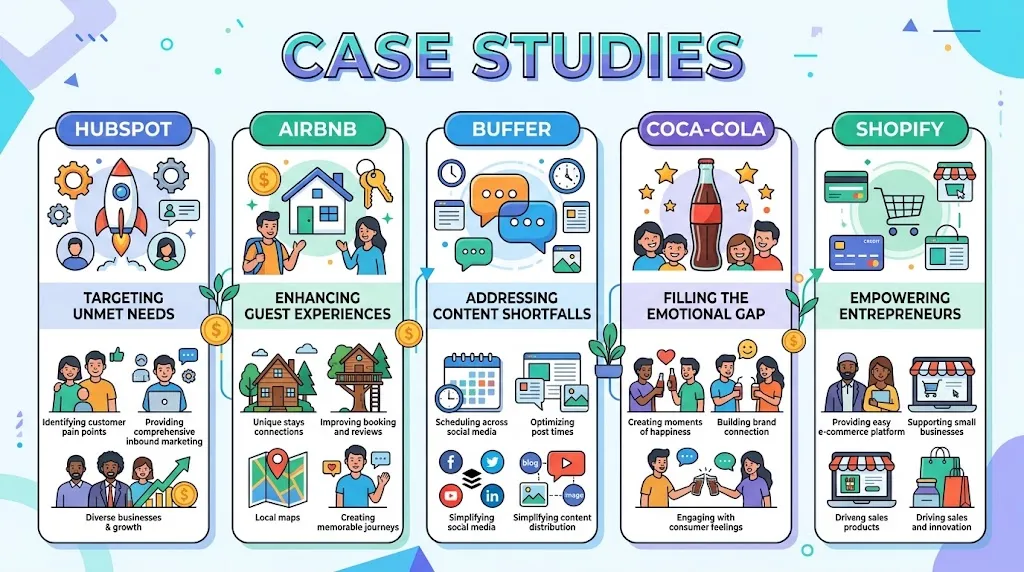
Content gap analysis for organic growth is a crucial strategy that many successful brands have employed to achieve organic growth. By identifying gaps in the content landscape, these brands can create targeted content that meets the needs of their audience. Here are some exceptional case studies illustrating how top brands leveraged content gap strategies to bolster their success.
HubSpot: Targeting Unmet Needs
HubSpot, a leader in inbound marketing, frequently conducts content gap analyses to enhance its offerings. By utilizing tools like Ahrefs and SEMrush, they can identify topics their target audience is searching for but not finding sufficient content about.
For instance, HubSpot found that there was limited information on video marketing for small businesses. They created a comprehensive guide covering the fundamentals, strategies, and tips specifically for small business owners. This new content not only attracted traffic but also positioned HubSpot as an authority in video marketing.
Airbnb: Enhancing Guest Experiences
Airbnb shifted its content focus by conducting gap analyses that identified the need for more localized travel content. Recognizing that potential guests were looking for authentic experiences, they created neighborhood guides for various cities. These guides include:
- Local events and festivals
- Hidden gems and attractions
- Recommendations for local restaurants
This strategy significantly increased organic search traffic as it directly addressed the needs of potential travelers seeking more than just traditional accommodation information.
Buffer: Addressing Content Shortfalls
Buffer, a social media management tool, used content gap analysis for organic growth to identify the lack of resources focused on social media trends for niche markets. They created detailed blog posts and infographics that discussed trends in specific industries, such as healthcare or real estate. These pieces not only served the immediate needs of these industries but also boosted Buffer’s visibility in search results.
| Industry | Content Focus | SEO Benefits |
|---|---|---|
| Healthcare | Social Media Trends | Increased traffic from health professionals |
| Real Estate | Marketing Strategies | Enhanced relevance in a competitive market |
Coca-Cola: Filling the Emotional Gap
Coca-Cola recognized that consumers were increasingly looking for emotional connections with brands. Through their content gap analysis for organic growth, they discerned a gap in content focusing on personal stories connected to their products. By launching campaigns telling stories of joy, shared moments, and togetherness, Coca-Cola not only filled this content gap but also deepened consumer loyalty.
Shopify: Empowering Entrepreneurs
Shopify understood that many small business owners feel overwhelmed when starting e-commerce ventures. Through their content gap analysis for organic growth, they identified a lack of resources specific to e-commerce challenges faced by these entrepreneurs. Shopify developed a series of free courses and tutorials that break down complex topics into manageable steps, like:
- Setting up an online store
- Understanding digital marketing
- Leveraging analytics for growth
This initiative increased engagement and positioned Shopify as a supportive partner for entrepreneurs looking to succeed online.
Measuring the Impact of Content Gap Analysis on Organic Traffic
Understanding how content gap analysis for organic growth can influence organic traffic is vital for businesses aiming to enhance their online presence. By identifying and addressing gaps in your content strategy, you can significantly improve your website’s ability to attract visitors without resorting to paid advertising. This approach aligns well with search engine optimization (SEO) techniques that focus on creating effective, engaging content for users.
Content gap analysis involves comparing your current content against competitors and identifying topics you haven’t covered yet. This process allows you to pinpoint opportunities where you can create new content that meets users’ needs. By filling these gaps, you can provide value, improve user experience, and drive organic traffic to your site.
Measuring the impact of your content gap analysis for organic growth requires you to track several key metrics over time. Here are some important indicators to watch:
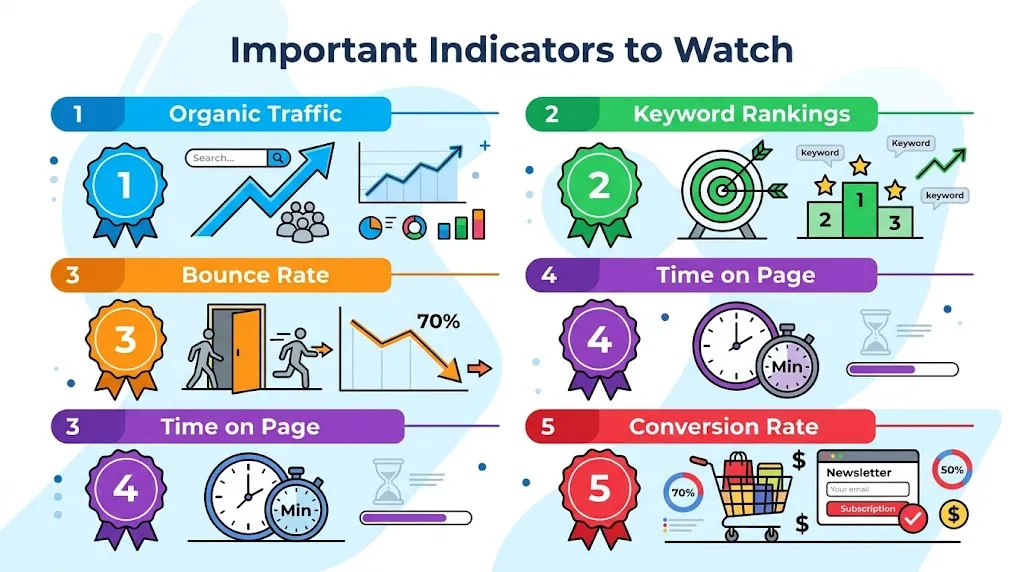
- Organic Traffic: Monitor changes in the number of visitors coming to your site from search engines before and after implementing new content.
- Keyword Rankings: Track how your new content ranks for targeted keywords associated with your identified gaps.
- Bounce Rate: Analyze user behavior to understand if visitors are engaging with the new content or leaving quickly.
- Time on Page: Measure how long users stay on your content. Longer time indicates that users find value.
- Conversion Rate: Determine if the new content leads to higher conversions, whether that’s signing up for a newsletter or making a purchase.
Implementing a content gap analysis for organic growth is not just a one-time task. It’s an ongoing strategy. Regularly review your content and assess its performance. Tools like Google Analytics, SEMrush, and Ahrefs can assist in analyzing various metrics effectively. For additional insights, consider checking Moz or Search Engine Journal for tips on utilizing tools to measure performance.
Creating quality content is essential, but it must also reflect what users are searching for. To ensure your new content measures up, follow these best practices:
- Research User Intent: Understand what your audience is searching for regarding the topic.
- Utilize Keyword Research Tools: Tools like Google Keyword Planner can help you identify relevant keywords.
- Create Rich Content: Use diverse formats, such as videos, infographics, and blogs to engage different kinds of users.
- Optimize Your Content: Ensure that your content is optimized for SEO to help it rank better in search results.
- Internal Linking: Use internal links to connect new content with related articles on your site, guiding users toward more value.
The process of measuring the impact of content gap analysis for organic growth on organic traffic involves charting your progress systematically. A simple tracking table might look like this:
| Metric | Before Gap Analysis | After Gap Analysis |
|---|---|---|
| Organic Traffic | 1,000 visitors/month | 1,500 visitors/month |
| Keyword Rankings | 5 keywords in the top 10 | 15 keywords in the top 10 |
| Bounce Rate | 62% | 50% |
| Time on Page | 1 minute 30 seconds | 3 minutes |
| Conversion Rate | 2% | 4% |
By analyzing data, you can assess the success of your content gap analysis for organic growth efforts. More importantly, the process is iterative. With each round of analysis, refine your strategy based on findings and continually optimize your content to meet user demands.
Remember, the key to organic growth is understanding your audience and consistently providing relevant, high-quality content that addresses their needs. For further reading on optimizing content for organic growth, check out Content Marketing Institute and Neil Patel’s blog.
Conclusion
Achieving organic growth in today’s digital landscape requires a strategic approach, and conducting a content gap analysis for organic growth is one of the most effective methods. By following the outlined steps and strategies, you can pinpoint the specific areas where your content falls short, allowing you to create valuable material that resonates with your audience. Understanding their unique needs is crucial; it helps you bridge the content gap and ensures you are delivering what your readers genuinely desire.
Utilizing SEO tools can significantly enhance the effectiveness of your content gap analysis for organic growth. These tools provide invaluable insights into keyword performance and content trends, guiding you towards high-potential topics that can elevate your site’s visibility. The success stories of various brands illustrate that integrating a targeted content gap strategy can lead to remarkable results, driving increased traffic and engagement.
Measuring the impact of your content gap analysis for organic growth is essential for continuous improvement. Tracking organic traffic, user engagement, and conversion rates provides clear indicators of success and areas for adjustment. By regularly revisiting and refining your content strategy, you not only fill gaps but also position your brand to adapt to emerging trends and shifting audience interests. Embracing a proactive stance toward content creation will ultimately pave the way for sustained organic growth, ensuring your brand remains relevant and competitive in an ever-evolving market.