
Best Ways to Generate Online Leads

ATTENTION: Want to Learn Affiliate Marketing from Successful Affiliates?
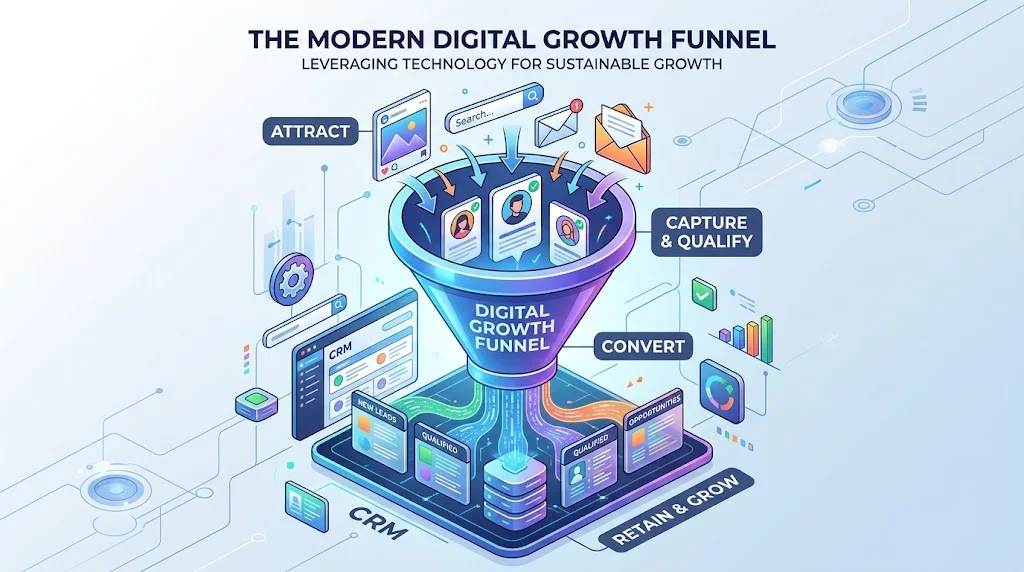
In today’s digital landscape, generating online leads is essential for business growth. Here are several effective strategies to help you attract and capture potential customers.
Utilize Social Media Platforms
Social media platforms are a powerful tool for lead generation. By sharing valuable content, engaging with your audience, and using targeted ads, you can increase your reach and attract potential leads. Here are some ways to leverage social media:
- Create Shareable Content: Post blogs, infographics, or videos that your audience finds interesting and informative, encouraging them to share.
- Engagement: Respond to comments, ask questions, and run polls to foster a community around your brand.
- Targeted Ads: Use platforms like Facebook and Instagram to target specific demographics and interests to find your ideal leads.
Implement Email Marketing Campaigns
Email marketing remains one of the most effective strategies for lead generation. This tool enables you to nurture relationships with potential leads. Here’s how to make your email campaigns count:
- Segmentation: Divide your email list into segments based on behavior and preferences. This allows you to tailor messages effectively.
- Personalization: Use the recipient’s name and customize content to make emails more engaging.
- Compelling Calls to Action: Include clear, persuasive calls to action that guide your readers toward the next step.
Optimize Your Website for SEO
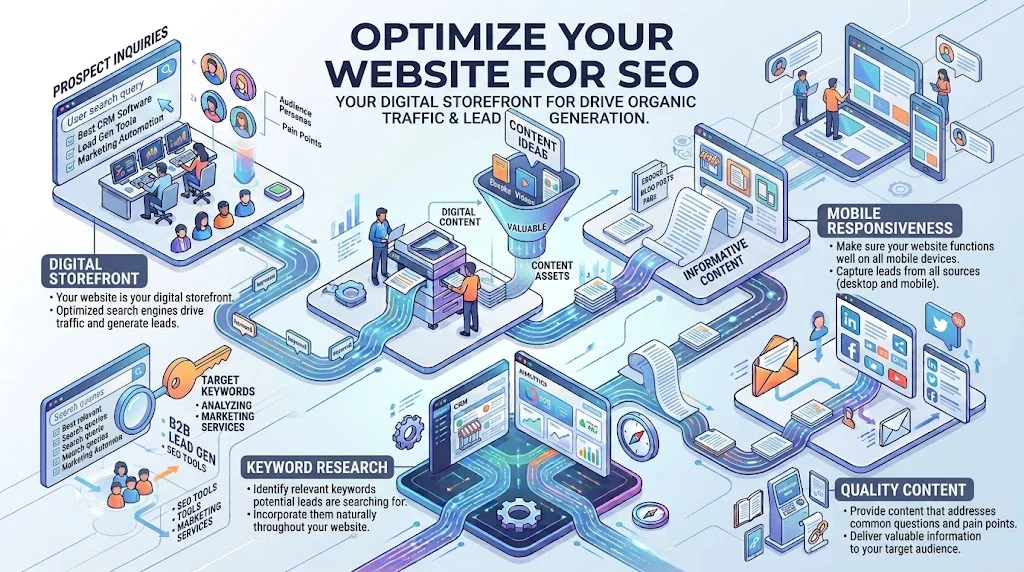
Your website is your digital storefront. Ensuring it is optimized for search engines can drive organic traffic and generate leads. Here are key aspects to improve:
- Keyword Research: Identify relevant keywords that your potential leads are searching for, and incorporate them naturally throughout your website.
- Quality Content: Provide informative content that addresses common questions and pain points of your target audience.
- Mobile Responsiveness: Make sure your website functions well on mobile devices to capture leads from all sources.
Create High-Value Lead Magnets
Lead magnets are incentives that encourage visitors to exchange their contact information. These can significantly improve your lead generation efforts. Consider using:
- Ebooks: Comprehensive guides on topics relevant to your audience.
- Webinars: Live sessions that provide valuable insights and engage with your audience in real-time.
- Free Trials: Allow potential customers to test your product or service without commitment.
Leverage Content Marketing
Creating valuable content establishes your authority in your niche and attracts potential leads. Here are effective types of content you might consider:
- Blog Posts: Regularly publish articles that address your audience’s questions. This builds credibility and encourages shares.
- How-To Guides: Detailed guides that provide useful step-by-step instructions relevant to your industry.
- Videos: Visual content is often more engaging and can be shared easily across platforms.
Utilize Pay-Per-Click Advertising
Pay-Per-Click (PPC) advertising allows you to reach potential leads actively searching for services like yours. Focus on these aspects:
- Targeted Keywords: Bid on relevant keywords that align with your business offerings.
- Landing Pages: Create specific landing pages for your ads to enhance user experience and increase conversion rates.
- Analyze Results: Regularly analyze the performance of your ads to optimize future campaigns.
The Best Ways to Generate Online Leads is by combining these strategies for maximum effect. For more tips on lead generation, you can visit OptinMonster or Neil Patel’s blog.
Remember, the key to successful lead generation is consistent engagement and providing value to your audience.
The Role of Social Media in Lead Generation
Social media has transformed the way businesses connect with their audience. It serves not only as a platform for sharing content but also as a powerful tool for generating online leads. Understanding how to leverage social media effectively can make a significant impact on your lead generation strategy.
Understanding Your Target Audience
To generate online leads through social media, you must first know who your target audience is. This involves determining their interests, preferences, and online behaviors. Conduct surveys or use analytics tools to gather data on your followers. This will help you create tailored content that resonates with them. When you speak directly to the needs and interests of your audience, you increase the likelihood of attracting quality leads.
Content Is King
Posting relevant and valuable content consistently is crucial in attracting leads. Consider the following types of content:
- Informative Posts: Share blog articles, industry news, and tips that may benefit your audience.
- Engaging Visuals: Create eye-catching images, infographics, and videos that draw attention.
- User-Generated Content: Encourage your audience to share their experiences with your products or services. This builds trust and fosters community.
When you provide value, your audience is more likely to engage with your brand, leading to increased online leads.
Utilizing Paid Advertising
Organic reach on social media can be limited, which is why paid advertising is an effective strategy for lead generation. Platforms like Facebook, Instagram, and LinkedIn offer targeted ad options to reach specific demographics. Use these platforms to:
- Promote Lead Magnets: Offer free resources like eBooks or webinars in exchange for contact information.
- Retarget Previous Visitors: Use retargeting ads to reach users who have interacted with your brand before.
- Drive Traffic to Landing Pages: Create ads that direct users to key pages on your website designed for conversions.
By combining organic content and paid advertising, you maximize your chances of generating leads.
Engagement Is Key
Your interaction with followers can greatly affect your lead generation efforts. Encourage conversations by:
- Asking questions relevant to your industry.
- Responding promptly to comments and messages.
- Hosting live Q&A sessions to connect with followers in real-time.
When you engage with your audience, they feel valued, which can lead to increased trust and conversions.
Analyzing Performance
Regularly checking the performance of your social media efforts is vital. Utilize tools like Google Analytics, Hootsuite, or Sprout Social to track relevant metrics, including:
| Metric | Description |
|---|---|
| Engagement Rate | Measures how users interact with your content (likes, shares, comments). |
| Click-Through Rate (CTR) | Percentage of users who click on a link in your post. |
| Conversion Rate | Reflects how many leads were generated from your social media efforts. |
By analyzing these metrics, you can adapt your strategies to improve your online lead generation efforts.
Collaborations and Partnerships
Partnering with influencers or other businesses in your industry can widen your reach. Influencers have established audiences who trust their recommendations. Collaborate with them on content or co-host events that can introduce your brand to new potential customers. Leverage platforms like Instagram and TikTok to find relevant influencers in your niche.
Incorporating social media into your lead generation strategy is essential in today’s digital landscape. By understanding your audience, providing valuable content, engaging with followers, and analyzing your performance, you can generate a steady stream of online leads. For further resources, consider visiting Social Media Examiner and Buffer for social media strategies.
Utilizing Content Marketing to Attract Prospects
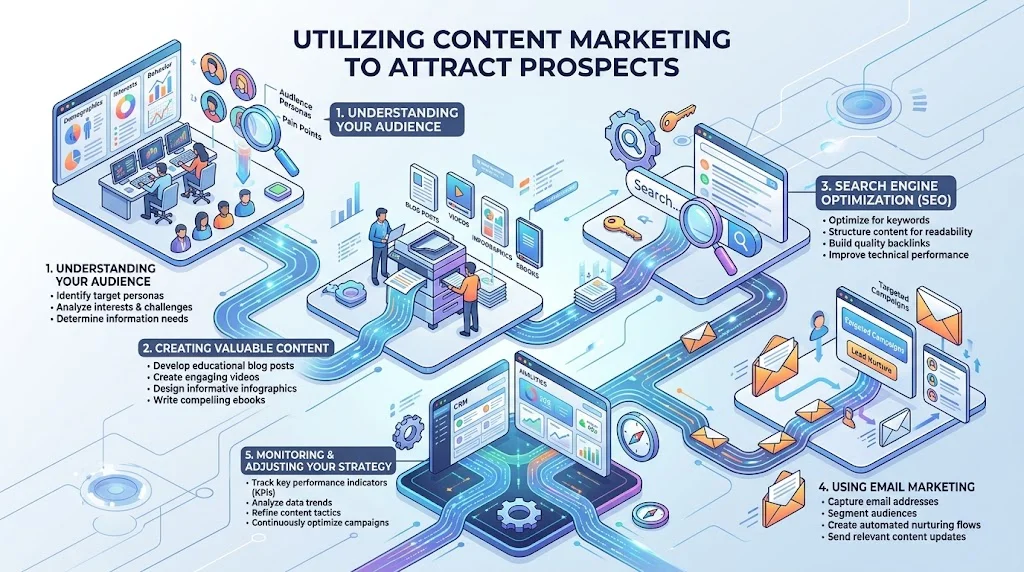
In today’s digital landscape, attracting prospects through effective strategies is crucial for any business. One highly effective method is content marketing, which encompasses creating and sharing valuable content to engage your target audience. Here’s a breakdown of how to utilize content marketing to draw in potential customers.
Understanding Your Audience
The first step in developing an effective content marketing strategy is to understand your audience. Identify their needs, interests, and pain points. By putting yourself in the shoes of your intended audience, you can create informative content that resonates with them. Utilize tools like surveys and social media analytics to gather insights about your audience.
Creating Valuable Content
Once you understand your audience, the next step is to produce valuable content. This content can take various forms:
- Blog Posts: Craft articles that answer common questions or provide insights related to your industry.
- Videos: Create engaging video content that demonstrates your products or shares expert tips.
- Infographics: Use visually appealing infographics to convey complex information in an easy-to-digest format.
- eBooks and Guides: Offer comprehensive resources that your audience can download in exchange for their contact information.
Consider collaborating with influencers in your industry to expand your reach. By sharing their thoughts and perspectives on your products, you can attract their audience to your brand.
Search Engine Optimization (SEO)
Implementing SEO techniques is vital for ensuring your content is discoverable by search engines. Here are some key strategies for optimizing your content:
- Keyword Research: Identify relevant keywords that your audience is searching for and incorporate them naturally into your content.
- Meta Descriptions: Write compelling meta descriptions that summarize your content and include primary keywords.
- Quality Links: Link to authoritative sources and enhance credibility. Moz is an excellent resource for learning more about SEO.
Utilizing Social Media Platforms
Social media is a powerful tool for content marketing. Sharing your content on platforms where your audience spends their time can drive significant traffic to your website. Consider the following:
- Choose the Right Platforms: Focus on social media platforms that align with your audience’s interests, such as Instagram for visual content or LinkedIn for professional articles.
- Engage with Followers: Actively respond to comments and messages to build relationships with potential customers.
- Share User-Generated Content: Encourage your followers to share their experiences with your products, which helps build community and trust.
Using Email Marketing
Email marketing remains a highly effective way to nurture leads. Consider these tactics:
- Build a Targeted Email List: Offer incentives, like exclusive content or discounts, to encourage sign-ups.
- Segment Your Audience: Divide your email list into segments based on interests or behavior to send targeted messages.
- Personalize Your Messages: Tailor content and offers based on past interactions with your brand.
Monitoring and Adjusting Your Strategy
To gauge the effectiveness of your content marketing efforts, you need to monitor results continuously. Utilize tools like Google Analytics to track website traffic, user engagement, and conversion rates. This data will help you understand what is working and what needs adjustment.
Adjust your content marketing strategy based on analytics insights and emerging trends. Adaptability is key to remaining relevant in a competitive digital environment.
By embracing content marketing and implementing these strategies, your business can effectively attract and engage prospects. Aim to create quality content, understand your audience, and utilize SEO and social media effectively. For more resources on optimizing your content marketing strategy, visit Content Marketing Institute.
Email Campaigns: Nurturing Leads for Long-Term Success
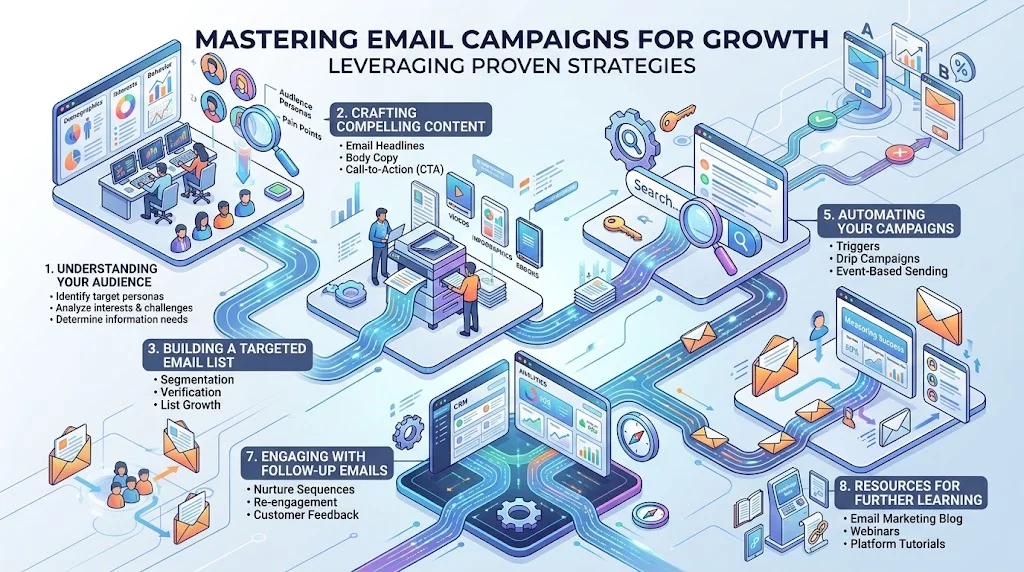
Email campaigns are essential in nurturing leads and guiding them through your sales funnel. They create a direct line of communication with potential customers, allowing you to build trust and foster relationships over time. To achieve long-term success, it’s crucial to understand how to structure and execute effective email campaigns that resonate with your audience.
Understanding Your Audience
Before launching any email campaign, knowing your audience is vital. Conduct thorough research to gather insights about your potential leads. Consider segmenting your audience based on demographics, interests, and behaviors. This segmentation will allow you to craft personalized messages that speak to their specific needs.
Crafting Compelling Content
The content of your emails can make or break your campaign. To capture attention and encourage engagement, always focus on the following:
- Personalization: Use the recipient’s name and tailor content to their preferences.
- Valuable Information: Offer tips, solutions, or resources that genuinely help your leads.
- Strong Call to Action (CTA): Clearly direct your readers on what to do next, whether it’s visiting your website or downloading a resource.
Building a Targeted Email List
Collecting emails is the first step in nurturing leads. Utilize various methods to grow a robust email list:
- Lead Magnets: Provide valuable content like eBooks, webinars, or templates in exchange for email addresses.
- Website Opt-In Forms: Place forms strategically on your website to encourage visitors to subscribe.
- Social Media Promotions: Use your social media platforms to drive traffic to your email sign-up page.
A/B Testing for Optimization
To ensure your email campaigns remain effective, embrace A/B testing. This process allows you to experiment with different elements of your emails, such as:
- Email Subject Lines
- Call-to-Action Buttons
- Images versus Text-Only Emails
By analyzing the data from these tests, you can learn what resonates with your audience and make informed improvements to your email strategies.
Automating Your Campaigns
Email marketing automation tools can significantly streamline your campaigns. These tools allow you to:
- Schedule emails for specific times.
- Set up drip campaigns that gradually send a series of emails to leads.
- Trigger emails based on user behavior, such as cart abandonment.
Automating your email campaigns saves time and ensures that your messages reach the right people at the right time.
Measuring Success
To gauge the effectiveness of your email campaigns, keep track of key metrics, including:
- Open Rates: Indicates how many recipients opened your email.
- Click-Through Rates (CTR): Shows how many clicked on links within your email.
- Conversion Rates: Measures how many leads took the desired action.
Regularly reviewing these metrics allows you to adjust strategies and optimize future campaigns for better performance.
Engaging with Follow-Up Emails
Following up is crucial in email marketing. After your initial contact, send follow-up emails to keep your leads engaged. Use these emails to:
- Provide additional value based on their interests.
- Invite them to webinars or special events.
- Offer exclusive discounts or promotions.
Regular follow-ups help to nurture leads and keep your brand fresh in their minds.
Resources for Further Learning
To enhance your email marketing skills, consider exploring these resources:
Implementing effective email campaigns is a foundational strategy for nurturing leads and achieving long-term success. By understanding your audience, crafting compelling content, using automation, and measuring success, you can build and maintain strong relationships with your leads, ultimately driving them to conversion.
Leveraging SEO for Enhanced Lead Generation Efforts
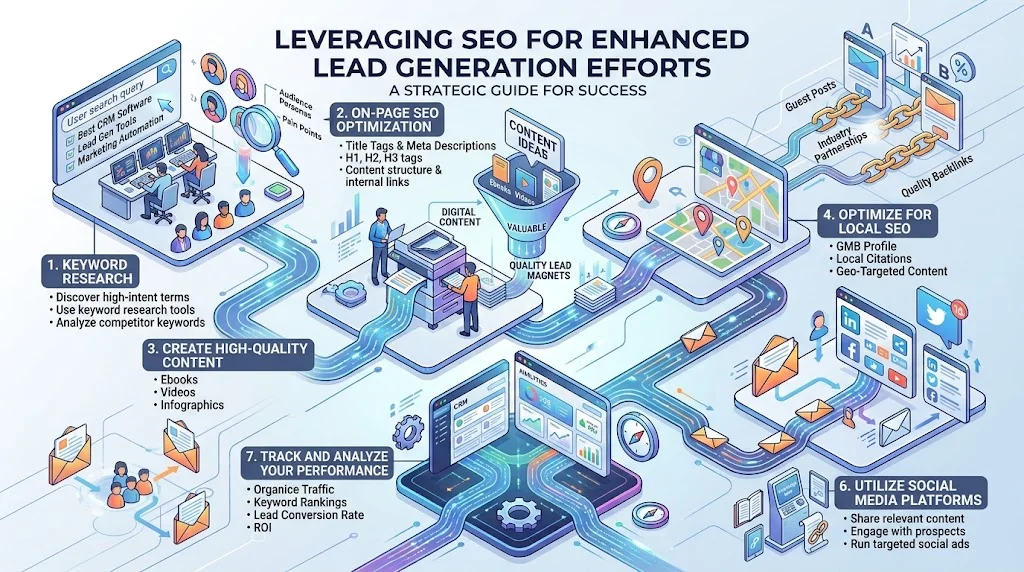
In today’s highly digital world, understanding how to leverage SEO can significantly enhance your lead generation efforts. By optimizing your online content for search engines, you attract visitors who are more likely to convert into leads. Here are some effective strategies that you can implement to boost your lead generation through SEO.
Keyword Research
The first step in optimizing your content for SEO is conducting thorough keyword research. This process involves identifying the terms and phrases that your target audience is searching for online. Tools like Moz and Ahrefs can provide insights into popular keywords related to your industry. Focus on long-tail keywords as they often indicate higher buyer intent. For example, instead of targeting “shoes,” consider “best running shoes for flat feet.” This specificity helps to attract more qualified leads.
On-Page SEO Optimization
Once you have your keywords, it’s crucial to include them strategically throughout your content. Here’s how to do that:
- Title Tags: Ensure your primary keyword appears in the title of your webpage.
- Meta Descriptions: Write concise and compelling meta descriptions that include your keywords. This can help improve click-through rates.
- Headings: Use keywords in your headings and subheadings to structure your content and make it easier for readers to digest.
- Content Body: Naturally incorporate keywords throughout your content while avoiding keyword stuffing. Aim for a keyword density of about 1-2%.
Create High-Quality Content
Content is king when it comes to SEO. High-quality, informative content not only helps with rankings but also engages your audience, increasing the chances of conversion. Consider producing different formats of content:
- Blog Posts: Regularly updated blogs can attract organic traffic. Share insights, how-to guides, and industry tips.
- Videos: Video content can increase engagement and time spent on your site.
- Infographics: Visual content is shareable and can help educate your audience attractively.
For more in-depth strategies, visit Search Engine Journal.
Optimize for Local SEO
If your business has a physical location, optimizing for local SEO is a game changer. Make sure to:
- Claim your Google My Business listing and optimize it with accurate information.
- Encourage satisfied customers to leave positive reviews.
- Include local keywords that reflect your business location.
Link Building
Building quality backlinks to your website is another effective strategy to improve your SEO. Backlinks signal to search engines that your content is credible and relevant. Here are some strategies for building backlinks:
- Guest Blogging: Write articles for reputable sites in your niche.
- Influencer Collaborations: Partner with influencers to promote your content.
- Engaging on Social Media: Share your content across social platforms to increase its visibility.
Utilize Social Media Platforms
Social media can drive traffic to your website and improve your online presence. Share your content consistently on platforms like Facebook, LinkedIn, Instagram, and Twitter. This can increase engagement and lead generation opportunities. Utilize social media advertising to target specific demographics and drive even more traffic to your website.
Track and Analyze Your Performance
Use tools like Google Analytics and Google Search Console to monitor the performance of your lead generation strategies. Analyze metrics such as traffic sources, bounce rates, and conversion rates. This data will help you refine your strategies and optimize for better results.
By implementing these advanced SEO strategies, you can significantly enhance your lead generation efforts. Focus on understanding your audience, optimizing your content, and continuously analyzing your performance to stay ahead of the competition. For more information on SEO best practices, visit Search Engine Watch.
Conclusion
Generating online leads is an ongoing journey that requires the right mix of strategies and tools. To build a robust pipeline of prospects, it’s essential to understand and effectively implement various techniques. Utilizing effective strategies like targeted content marketing not only draws in potential leads but also nurtures them into loyal customers. By creating high-quality, valuable content tailored to your audience’s needs, you set the stage for deeper engagement and trust.
Social media plays a vital role in this process. Establishing a strong presence on platforms where your audience spends their time enables you to connect, interact, and generate interest in your offerings. Engaging posts and targeted ads can be powerful levers for attracting attention and converting it into leads. Additionally, don’t underestimate the effectiveness of email campaigns. These tools are perfect for nurturing leads over time, creating a lasting relationship that can result in long-term success.
Moreover, leveraging SEO is crucial for enhancing your lead generation efforts. By optimizing your website and content for search engines, you increase your visibility to potential leads actively searching for solutions you provide. This strategic alignment between what people seek and what you offer can dramatically change your outcomes.
By integrating these diverse strategies, you create a comprehensive lead generation system that not only attracts new prospects but also cultivates lasting relationships. Embracing these best practices can position your business as an authority in your niche, fostering growth and sustainable success in the digital landscape.