

 ATTENTION: Want to Learn Affiliate Marketing from Successful Affiliates?
Join this FREE community where successful marketers share their secrets!
Learn directly from highly successful affiliate marketers
Access free, actionable training content regularly
Connect with an active community of over 5,000 members
Network with multiple six-figure earning affiliates
Get your questions answered by real experts
JOIN FREE NOW!
ATTENTION: Want to Learn Affiliate Marketing from Successful Affiliates?
Join this FREE community where successful marketers share their secrets!
Learn directly from highly successful affiliate marketers
Access free, actionable training content regularly
Connect with an active community of over 5,000 members
Network with multiple six-figure earning affiliates
Get your questions answered by real experts
JOIN FREE NOW!
When diving into the world of affiliate marketing, one of the most crucial questions you may have about your affiliate posts is: what is the optimal content length? The answer isn’t one-size-fits-all; it varies based on your audience, niche, and goals. However, understanding the general guidelines can significantly enhance your content’s performance and engagement.
Research shows that posts around 1,500 to 2,500 words tend to rank better on search engines. This length allows for detailed discussions, comprehensive guides, and well-rounded information. But why? Longer content tends to cover a topic more thoroughly, making it more valuable to readers. Here’s why you should consider it:
- Depth of Information: Longer posts can provide in-depth analysis, reviews, and insights that shorter posts might skim over.
- Improved Search Ranking: Search engines often favor detailed content because it is more likely to meet the needs of users searching for specific information.
- Higher Engagement: Longer articles encourage readers to stay on your page longer, reducing bounce rates and signaling to search engines that your content is worth reading.
However, remember that quality is more important than quantity. Adding fluff just to meet a word count won’t benefit you or your reader. Focus on delivering genuine value with each word you write. Here’s how:
- Know Your Audience: Understand what information your readers are looking for and structure your content to meet those needs.
- Provide Solutions: Highlight common problems and provide solutions that link to your affiliate offers where appropriate.
- Engage with Clear Formatting: Use bullet points, lists, and images to break up text and make it more digestible.
The ideal length can also vary based on the type of post. For example, product reviews may require more detail to cover features, pros, and cons. In contrast, a simple how-to guide may need less. As a rule of thumb:
| Type of Post | Recommended Length |
|---|---|
| Product Reviews | 1,500 – 2,000 words |
| How-To Guides | 1,000 – 1,500 words |
| Tutorials | 1,500 – 2,500 words |
| Listicles | 2,000 + words |
Another factor to consider is competition. If your competitors are writing lengthy, detailed posts, you’ll want to ensure your content is at least as informative. Tools like SEMrush and Ahrefs allow you to analyze what works in your niche, giving you insight into optimal content length.
Moreover, reader behavior is changing. With mobile browsing on the rise, many users appreciate concise information. Consider creating “snackable content” alongside long-form articles. Quick tips or key takeaways can be beneficial in keeping your audience’s attention.
Integrating multimedia, like videos or infographics, can also enhance longer articles. These elements not only make your posts more engaging but also serve to explain complex information in a more accessible way, making visitors more likely to share your content.
If you’re unsure about your audience’s preferences, conduct tests. Post content of varying lengths and monitor engagement. Look at metrics such as time on page, share rates, and comments to help gauge your reader’s preferences.
While the Best Content Length for Affiliate Posts often falls between 1,500 to 2,500 words, quality and relevance trump sheer volume. Offering valuable, well-structured, and engaging content will likely yield the best outcomes for your affiliate marketing endeavors. Remember to adapt as feedback from your audience rolls in. They will guide you in creating posts that resonate, keeping your affiliate journey both enjoyable and profitable.
For more tips and strategies on affiliate marketing, check out Affiliate Marketing and Digital Marketing Organization.
The Impact of Content Length on Reader Engagement
Understanding how content length affects reader engagement is crucial for anyone creating affiliate posts. The balance between delivering valuable information and maintaining reader interest is an essential part of affiliate marketing strategy.
Studies reveal that reader engagement often correlates with the length of content. In general, longer posts tend to perform better in terms of SEO and engagement. But what is the “sweet spot” for content length? Many experts suggest that the most effective affiliate posts usually exceed 1,000 words. This length allows for a deeper dive into the subject matter, giving you the chance to address readers’ questions comprehensively.
However, longer doesn’t always mean better. It’s essential to keep the content engaging and focused. A lengthy post that rambles or becomes too technical may lose the reader’s interest. Therefore, it’s recommended to utilize the following techniques to improve engagement:
- Include visuals: Images, charts, and infographics can break up text and make the content more appealing. Readers often find visual information easier to digest.
- Use bullet points: Lists help convey information quickly and clearly. They allow readers to skim through essential points easily.
- Engage with storytelling: Making your content relatable through stories can significantly enhance reader interest.
Password for success includes not just the word count, but understanding who your audience is and what they need. Are they looking for quick tips, or do they prefer comprehensive guides? Knowing this can guide your content length and structure.
Another crucial factor is readability. Not only should your posts be informative, but they should also be easy to read. Using short sentences, clear language, and a conversational tone can help facilitate better understanding. Tools like Readability Score can help assess your writing level.
When analyzing your competitors, pay attention to how long their successful affiliate posts are. If similarly themed articles are all around 1,500 words and are ranking well, it might be beneficial for you to produce content of a similar length while maintaining your unique perspective.
| Content Length | Engagement Level | SEO Performance |
|---|---|---|
| 500 words | Low | Poor |
| 1,000 words | Moderate | Fair |
| 1,500 words | High | Good |
| 2,000 words+ | Very High | Excellent |
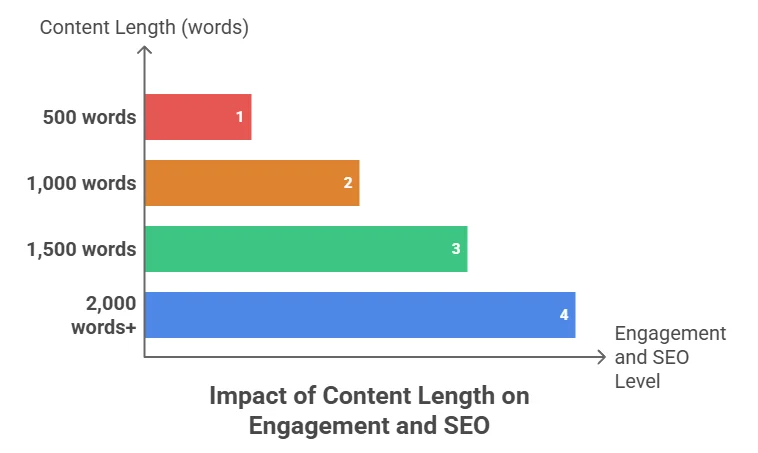
Ultimately, while longer content tends to engage readers better, make sure that every word provides value. Quality should always surpass quantity; unnecessary fluff can do more harm than good. Furthermore, consider dividing lengthy posts into multiple sections with engaging headers to encourage readers to continue to the next section.
Innovative approaches can also be field-tested to discover what works best. Use analytics tools like Google Analytics to gauge reader behavior on your posts. Look for metrics such as average time spent on your site and the bounce rate to adjust your content strategy accordingly.
Don’t hesitate to engage directly with your audience. Encourage them to leave comments or share their preferences for content length in your posts. This feedback is invaluable in tailoring your future articles to maximize engagement and convert clicks into sales.
Finding the ideal content length for affiliate posts takes practice and analysis, but by focusing on reader engagement and content quality, you can create articles that not only rank well but resonate with your audience.
For more insights on crafting engaging content, check out Copyblogger and Neil Patel’s blog. They offer valuable tips on content strategies that can boost both engagement and affiliate earnings.
Crafting Concise Yet Informative Affiliate Post Strategies
Creating effective affiliate posts requires a careful balance of providing valuable information while keeping posts engaging and concise. One of the most debated aspects of crafting these posts is the ideal content length. The Best Content Length for Affiliate Posts can significantly impact reader engagement, SEO performance, and ultimately, conversions. Here, you’ll find strategies to achieve the perfect blend of length and depth when crafting your affiliate posts.
Understanding the preferences of your audience is crucial. Most readers today prefer concise content that quickly delivers valuable insights. Studies suggest that affiliate posts between 1,500 to 2,500 words often perform well, but it’s vital to adapt your content length to your niche and audience’s needs. Here are key strategies to refine your approach.
Know Your Niche
Different niches may have varying expectations regarding post length. For example, in tech or finance, readers might be accustomed to longer, detailed analyses. Meanwhile, lifestyle or fashion-related posts might thrive with shorter, more visual content. Consider the following:
- Audience Expectation: Some audiences look for in-depth knowledge, while others want snappy highlights.
- Type of Product: For complex products, a lengthier post may be beneficial for explaining features.
- Competitor Analysis: Examine what lengths competitors use. Tools like SimilarWeb can provide insights into competitor articles.
Optimize for SEO without Sacrificing Value
SEO goes hand-in-hand with content length. Search engines often favor longer content because it generally covers topics more comprehensively. However, stuffing your post with keywords can produce low-quality content and disengage readers. Crafting high-quality affiliate posts involves:
- Keywords Naturally: Use your primary keyword, “Best Content Length for Affiliate Posts,” but ensure it fits seamlessly into the text.
- Utilizing Subtopics: Break content into digestible sections that are compelling, and incorporate relevant keywords.
- Tactics for Internal Linking: Include links to other relevant posts on your blog to keep readers engaged and improve SEO.
Writing Style Matters
The writing style plays a significant role in engagement. You want your posts to sound conversational and relatable. Apply these tips:
- Active Voice: Use active voice to create a more urgent and engaging tone.
- Vary Your Sentence Structure: Mix short sentences with longer ones to maintain a natural flow.
- Speak Directly to the Reader: Use words like “you” to connect more personally with your audience.
Visual Aids Enhance Understanding
Visuals can complement text and keep readers engaged. Studies show that posts containing images, infographics, or tables can increase retention and understanding of the material. You can consider using:
- Images: Use high-quality images relevant to the affiliate products you promote.
- Infographics: Create simple guides or comparisons using tools like Canva.
- Tables: If covering multiple products or options, a table comparing features or prices can be helpful.
Monitoring and Adapting Content Length
After publishing, continually monitor how your posts perform. Tools like Google Analytics can help assess reader engagement based on different content lengths. If you notice one specific length consistently results in better engagement, adjust future posts accordingly.
Engaging Users with CTA
A strong call-to-action (CTA) in your affiliate posts can significantly boost conversion rates. Every post should lead the reader towards taking action, whether signing up for a newsletter or purchasing a product. Consider:
- Clarity: Be clear about what you want the reader to do next.
- Value: Highlight the benefits the reader will gain by following through.
The optimal content length for affiliate posts is flexible, adapting to both audience needs and SEO criteria. By focusing on concise yet informative content, using visual aids, and actively engaging readers, you can craft successful affiliate posts that resonate well with your audience while encouraging conversions.
Analyzing Competitor Content Lengths in Affiliate Marketing
In the world of affiliate marketing, understanding how competitor content length influences performance can significantly shape your strategy. Many affiliate marketers aim to strike a balance between informative content and reader engagement, and analyzing competitors’ content lengths can provide valuable insights.
Content length often varies among different niches and target audiences. However, certain patterns can emerge when reviewing competitors’ content lengths. By analyzing these patterns, you can optimize your own posts to improve visibility and conversion rates.
Research suggests that longer content tends to perform better in search engine results. While there’s no universal standard for the “best” content length, a good benchmark for affiliate posts lies around 1,500 to 2,500 words. However, this depends heavily on your niche, audience, and type of product you are promoting.
Here are specific factors to consider when analyzing competitor content lengths:
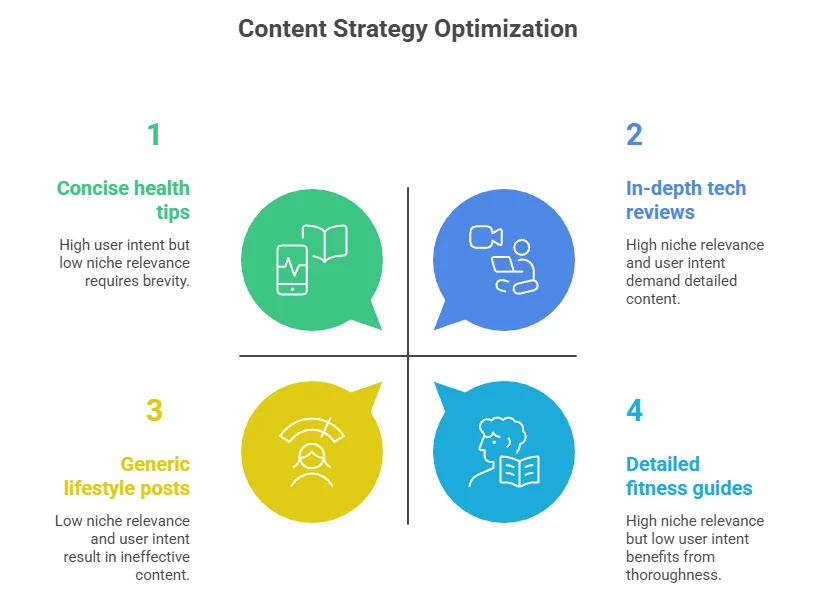
- Niche Relevance: Each niche has its standards. For instance, tech reviews typically demand in-depth analysis, leading to longer posts, while health and fitness blogs might benefit from concise content that gets straight to the point.
- User Intent: Understand why users are searching for information. Longer content can provide thorough solutions, catering to users who want detailed knowledge before making a purchase.
- Engagement Metrics: Look beyond content length. Analyzing metrics like bounce rates and time on page can help gauge readers’ engagement. A long post that sees high bounce rates might not be beneficial.
To visualize how competitor lengths vary, consider creating a simple table comparing your competitors’ average word counts. This can help identify opportunities and inform your own content strategy.
| Competitor | Average Content Length (words) |
|---|---|
| Competitor A | 1,800 |
| Competitor B | 2,300 |
| Competitor C | 1,500 |
| Competitor D | 2,000 |
After gathering data, review content pieces that resonate with your target audience. Note how the length supports the information presented. Do competitors provide comprehensive details or go for a more streamlined approach? This can inform whether you should extend your content or keep it short and sweet.
Often, successful affiliate posts mix various content lengths depending on the topic complexity. Here are a few general length strategies you might consider:
- Short Form (500-800 words): Ideal for quick product reviews or comparisons. Engage readers rapidly and encourage them to click through to affiliate links.
- Medium Form (1,000-1,500 words): Good for how-to guides or detailed reviews. This length strikes a balance between depth and engagement.
- Long Form (2,000+ words): Best suited for comprehensive guides or in-depth reviews where users opt for thorough understanding.
Visuals like images, charts, or tables can enhance your content by breaking up text and making it more attractive. High-quality images can make longer content more digestible, while infographics can provide value and insight in a concise format.
Tools like SEMrush or Ahrefs can help analyze the lengths of competitors’ posts and their rankings for specific keywords. This research may reveal trends that could guide your content creation.
When crafting your affiliate post, remember that quality matters as much as length. Aim for originality and depth, but ensure that every word adds value. The Best Content Length for Affiliate Posts is the one that delivers the most benefit to your audience while keeping them engaged.
By understanding your competitors and applying actionable insights, you can enhance your content strategy and potentially increase conversions through well-optimized, engaging affiliate posts.
Best Practices for Balancing Detail and Brevity in Affiliate Content
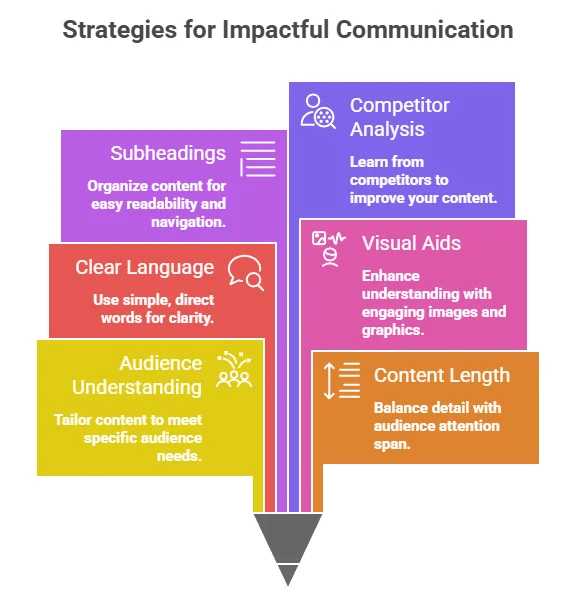
Affiliate content requires careful consideration of detail and brevity to engage readers effectively. Striking the right balance can positively influence not just user experience, but also conversion rates. Here are key strategies to achieve that balance in your affiliate content.
Understand Your Audience
Before you start writing, identify who your readers are. What are their interests? What problems do they need solving? Understanding your audience shapes the content’s length and detail. For instance, if your target audience is expert shoppers, they may appreciate deeper insights and more detailed product reviews. In contrast, casual shoppers might prefer straight-to-the-point information.
Optimal Content Length
The ideal content length for affiliate posts typically falls between 1,500 to 2,500 words. This range provides sufficient room to explore topics without overwhelming readers. However, it’s essential to remember that quality trumps quantity. Aim for:
- Engagement: Maintain your reader’s attention with compelling storytelling.
- Value: Ensure that every paragraph adds meaningful information.
- SEO benefits: Longer content generally performs better in search results, but only if it’s well-structured and relevant.
Use Clear and Concise Language
Keep your language simple. Complex words can alienate readers. The goal is to clarify, not confuse. When presenting affiliate products, use active voice and engaging syntax. This not only improves readability but also enhances user experience, keeping prospects engaged with your content.
Incorporate Visual Aids
Visual elements such as images, infographics, or videos can break up long chunks of text. They also provide opportunities to convey information quickly. For example, using a comparison table to highlight product features can allow readers to absorb information at a glance.
| Product | Feature 1 | Feature 2 |
|---|---|---|
| Product A | Detail about Feature 1 | Detail about Feature 2 |
| Product B | Detail about Feature 1 | Detail about Feature 2 |
Leverage Subheadings and Bullet Points
When writing long-form content, use subheadings and bullet points to break information into digestible parts. This improves scanning ability for users, allowing them to locate information quickly. Each section can focus on a specific aspect of the product or the topic, guiding readers through your content seamlessly.
Answer Common Questions
Integrating FAQs targeting common questions about products or topics will enhance your post’s relevance. This tactic not only serves your audience but also improves your SEO ranking. Many users will appreciate concise answers to their inquiries without needing to sift through an excessive amount of text.
Editing for Brevity
After drafting your affiliate post, take the time to edit it. Look for sentences that can be shorter yet meaningful without losing essential information. Aim for clarity and brevity; a well-edited piece resonates more with readers. As you refine your post, keep these tips in mind:
- Remove redundant phrases.
- Use simpler alternatives for complex words.
- Focus on getting to the point swiftly.
Evaluate Competitor Content
Studying the content strategies of your competitors helps to give insights into effective practices. Analyze posts that rank well in search engines and identify their content length, style, and structure. Take notes on what works and adapt those elements to your affiliate content. Websites like Backlinko provide in-depth SEO insights that can be valuable in this research.
Ultimately, finding the sweet spot between detail and brevity is an ongoing process. By understanding your audience and employing effective strategies, you can create engaging and valuable affiliate content that meets both reader needs and SEO goals. Keep testing what works best for your audience to keep your content fresh and effective.
Conclusion
Determining the Best Content Length for Affiliate Posts is a crucial element in engaging your audience effectively and driving conversions. Throughout this discussion, we’ve explored optimal content lengths, acknowledging that striking the right balance enhances reader engagement. Research indicates that posts around 1,500 to 2,500 words tend to perform well, but the ideal length can vary based on your niche and audience preferences.
By understanding how content length impacts reader engagement, you can tailor your writing to capture and maintain attention. Remember, detailed yet concise information is key; readers appreciate value without wading through fluff. This is where crafting strategies that highlight essential points while keeping explanations clear will serve you well.
The analysis of competitor content lengths reveals valuable insights into industry standards and trends. Observing what works for others can guide your decisions, helping you to refine your own posts for maximum impact. Adopting best practices that embrace both detail and brevity ensures that your affiliate content remains informative while catering to the fast-paced nature of online reading.
Ultimately, think about your audience’s needs and preferences. Be ready to experiment with content lengths to find what resonates most with your unique readers. Balancing detail with brevity while focusing on delivering quality content will not only enhance engagement but can also lead to increased conversions in your affiliate marketing efforts. When you create valuable content, you foster trust, grow your audience, and pave the way for lasting success in affiliate marketing.