
Best Blogging Workflow for Content Creators

ATTENTION: Want to Learn Affiliate Marketing from Successful Affiliates?
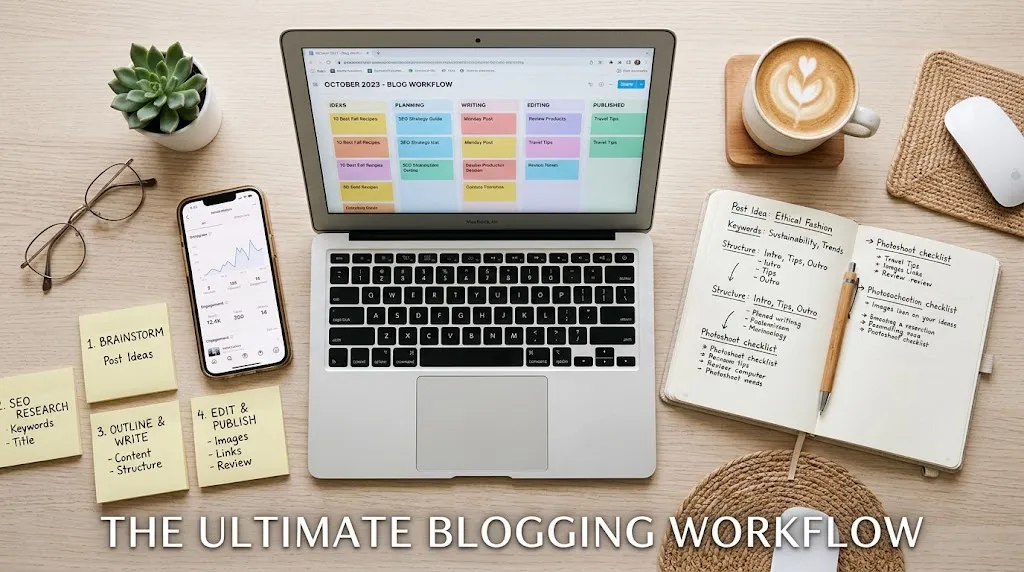
Creating a successful blog requires more than just writing; it demands a structured workflow that can help streamline the entire process. The best blogging workflow for content creators involves several key steps designed to ensure efficiency, quality, and engagement. By following these steps, you can optimize your blogging efforts, making your content not only more effective but also easier to produce.
Define Your Audience
Understanding your audience is the cornerstone of effective blogging. By identifying who you are writing for, you can tailor your content to meet their needs and interests. Here’s how to define your audience:
- Conduct surveys to gather demographics and interests.
- Utilize tools like Google Analytics to analyze your existing audience.
- Create audience personas that outline their challenges and preferences.
Brainstorming Content Ideas
Once you know who your audience is, it’s time to come up with content ideas. This step can make or break the effectiveness of your blog. Here are some effective strategies:
- Use tools like AnswerThePublic to identify popular questions in your niche.
- Check out social media trends to see what topics are resonating with your audience.
- Review comments on your previous posts to find out what your readers want to learn more about.
Content Planning and Organization
Planning your content is vital for maintaining consistency and quality. Establish a content calendar to schedule your posts. This allows you to:
- Identify posting frequency—daily, weekly, or bi-weekly.
- Assign deadlines for when drafts, edits, and final versions should be completed.
- Monitor upcoming holidays or events in your niche for timely content.
Writing Process
When you sit down to write, consider the following steps to streamline your writing process:
- Start with an outline to organize your thoughts and key points.
- Write the first draft without worrying about perfection. Just let your ideas flow.
- Take breaks between writing to clear your mind, which can spark new ideas.
Editing and Proofreading
Edit your content with a critical eye. This step is crucial for clarity and engagement. Here are some tips:
- Read your content aloud to catch awkward phrasing and grammatical errors.
- Use online tools like Grammarly to assist with grammar and style checks.
- Consider involving a peer or a professional editor for a fresh perspective.
SEO Optimization
Enhancing your blog posts for SEO is essential for visibility. Follow these practices:
- Incorporate relevant keywords naturally throughout your text.
- Use meta descriptions and alt text for images.
- Implement internal links to other relevant posts on your blog.
Promoting Your Content
Creating great content is only half the battle; you also need to promote it. Utilize a mix of channels for sharing your work:
- Use social media platforms to share links and engage with your audience.
- Participate in online forums and communities to spread the word about your blog.
- Consider creating an email newsletter to keep your readers informed of new posts. Resources such as Mailchimp can help.
Analyze Performance
Measure your blog’s performance to understand what works and what doesn’t. Use analytics tools to:
- Monitor traffic to individual posts and overall site engagement.
- Assess which topics generate the most interest or conversions.
- Adjust your strategy based on the data you collect.
By incorporating these steps into your blogging workflow, you set yourself up for success as a content creator. A structured approach not only makes the process smoother but also guides you toward creating content that resonates with your audience. Remember, the goal is to engage and provide value, ensuring your readers keep coming back for more.
Essential Tools to Streamline Your Blogging Process
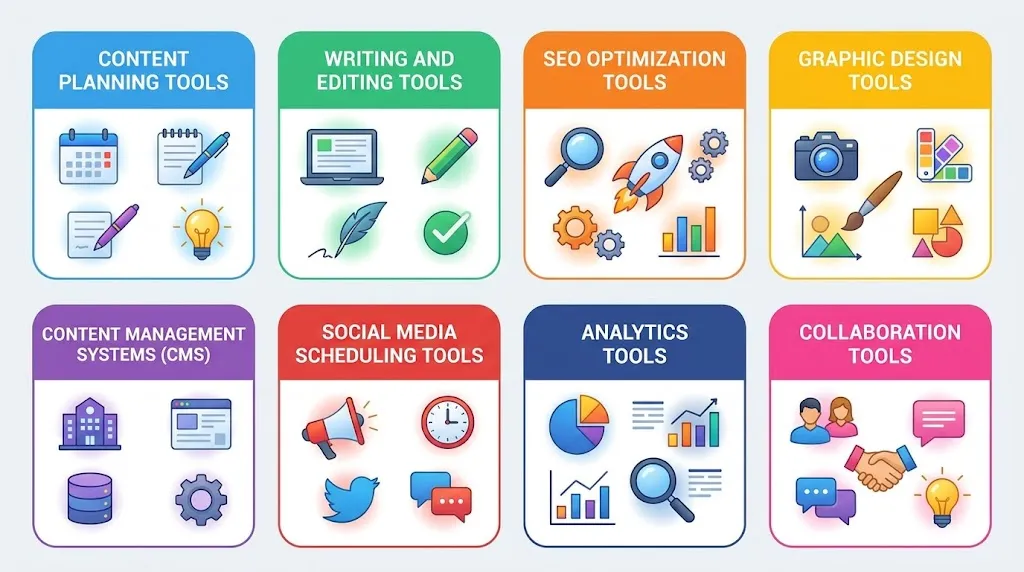
In the fast-paced world of blogging, having the right tools can make a significant difference in your productivity and quality of content. Whether you’re a seasoned content creator or just starting out, utilizing essential tools can streamline your blogging process and help you create engaging content efficiently. Below are several vital tools that can enhance your blogging experience and support the best blogging workflow for content creators.
Content Planning Tools
Planning your content ahead of time is crucial. Using content planning tools can help you keep track of ideas and stay organized. Consider using:
- Trello: A visual tool to organize tasks and ideas.
- Evernote: Perfect for jotting down ideas on the go.
Writing and Editing Tools
Once you have a plan, it’s time to create your content. Effective writing and editing tools can enhance the clarity and readability of your posts. Here are some top picks:
- Grammarly: A powerful grammar and spell checker that also suggests style improvements.
- Hemingway Editor: Helps you make your writing clear and concise, focusing on readability.
SEO Optimization Tools
To reach your audience, optimizing your content for search engines is important. Various SEO tools can assist you in this area:
- Ahrefs: Offers comprehensive keyword research and analysis.
- Moz: Great for tracking your site’s SEO performance and health.
Graphic Design Tools
Visual content can significantly increase engagement on your blog. Creating eye-catching graphics doesn’t have to be difficult. Consider these tools:
- Canva: A user-friendly platform to create stunning graphics and visuals.
- Piktochart: Ideal for creating infographics that convey complex information clearly.
Content Management Systems (CMS)
A robust CMS is the backbone of your blog. It allows you to easily publish and manage your content. Some popular options include:
- WordPress: The most widely-used platform, known for its flexibility and plugins.
- Weebly: A beginner-friendly option with drag-and-drop features.
Social Media Scheduling Tools
Promoting your blog is just as important as writing it. Social media scheduling tools can help you share your posts effectively:
- Buffer: Allows you to schedule and manage posts across multiple social media platforms.
- Hootsuite: A comprehensive tool to monitor, manage, and schedule your social media activity.
Analytics Tools
Understanding your audience is critical for growth. Analytics tools give you insights into how your blog is performing:
- Google Analytics: Tracks website traffic and provides insights on user behavior.
- Matomo: An open-source alternative that focuses on data privacy.
Collaboration Tools
If you work with a team, collaboration tools can enhance communication and workflow. Consider using:
- Slack: A messaging platform that streamlines team communication.
- Google Docs: Enables real-time collaboration on documents.
Choosing the right tools to streamline your blogging process can save you time and enhance the quality of your content. By incorporating these essential tools into your workflow, you can focus more on creating engaging posts while ensuring your content reaches a wider audience.
How to Develop a Content Calendar for Consistent Posting
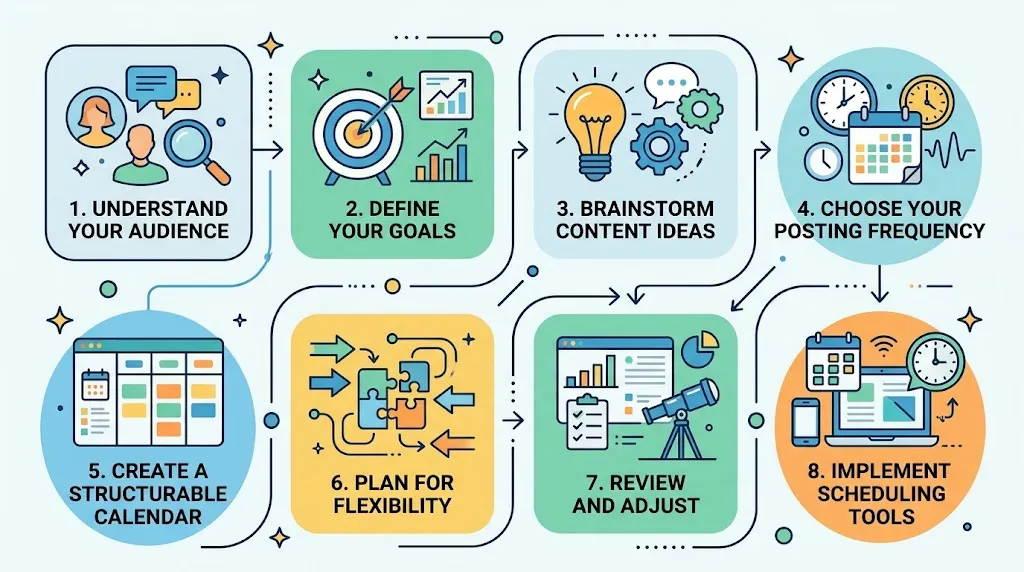
Creating a content calendar is a crucial step for content creators looking to establish a consistent posting schedule. By planning your content in advance, you can save time, reduce stress, and ultimately enhance the quality of your posts. Implementing the best blogging workflow for content creators ensures that your calendar supports your overall strategy. The following steps can guide you in developing an effective content calendar.
Understand Your Audience
Before you start planning out your content, take a moment to understand who your audience is. Use analytics tools like Google Analytics to gather information about your audience’s preferences, demographics, and behavior. Knowing what your audience enjoys will enable you to tailor your content accordingly.
Define Your Goals
Establish clear goals for your blog. Whether you aim to increase website traffic, boost engagement, or build brand awareness, defining your objectives will help shape your content planning. Make sure these goals are measurable, attainable, relevant, and timely (SMART).
Brainstorm Content Ideas
Once you have a clear understanding of your audience and goals, start brainstorming content ideas. Consider various formats such as:
- Blog posts
- Videos
- Infographics
- Podcasts
Utilize tools like AnswerThePublic to find trending questions and topics in your niche. This will help in generating relevant content ideas that your audience is eager to read.
Choose Your Posting Frequency
Decide how often you want to publish content on your blog. Whether it’s once a week, biweekly, or monthly, consistency is key. A regular posting schedule helps maintain audience engagement and improves SEO performance. For most blogs, a weekly schedule works best, but assess what is feasible for you before committing.
Create a Structurable Calendar
Using a spreadsheet, digital tool, or an editorial calendar app can be beneficial for organizing your content plan. Here’s a simple structure to consider:
| Date | Content Idea/Title | Format | Status |
|---|---|---|---|
| 01/01/2023 | New Year Resolutions for Content Creators | Blog Post | Done |
| 01/08/2023 | How to Create a Content Calendar | Blog Post | In Progress |
| 01/15/2023 | 5 Essential Tools for Bloggers | Video | Scheduled |
Plan for Flexibility
While consistency is essential, flexibility is equally important. You may find that certain topics gain more traction than others, or that unexpected industry events arise. Incorporate buffer days into your content calendar to adapt to changes, allowing you to swap out less relevant topics with timely content.
Review and Adjust
Regularly assess the performance of your content using analytics metrics. Look for insights such as page views, engagement rates, and social shares. This evaluation will help you understand what works best and where improvements can be made. Adjust your calendar based on these insights to keep your content relevant and engaging.
Implement Scheduling Tools
Reduce the workload by utilizing tools like Buffer or Hootsuite to schedule your posts in advance across multiple platforms. This ensures that your posts go live at optimal times and keeps your audience engaged across all channels.
Developing a content calendar is not just about keeping up with posting; it’s about creating a structured approach that aligns with your goals while engaging your audience. With the right plan in place, you can make content creation less overwhelming and more enjoyable. For further reading on effective content strategies, check out HubSpot’s Marketing Blog.
Strategies for Optimizing Blog Posts for SEO
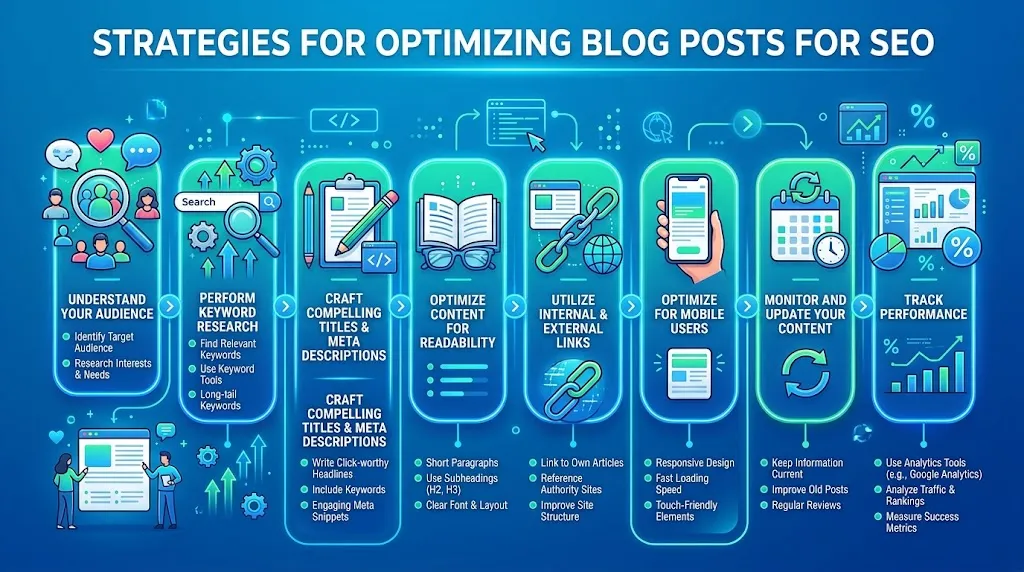
Optimizing blog posts for SEO is essential for gaining visibility and attracting organic traffic. Incorporating effective strategies into your writing process can significantly boost your chances of ranking higher on search engines. Following the best blogging workflow for content creators will naturally incorporate SEO optimization at every stage. Here are some practical tips to help you create SEO-optimized blog content.
Understand Your Audience
Before diving into writing, it’s crucial to know your audience. Understanding their needs, preferences, and search behaviors will allow you to tailor your content effectively. You can try the following:
- Conduct surveys or polls to gather insights.
- Engage with your audience on social media platforms.
- Utilize Google Analytics to analyze user behavior on your current blogs.
Perform Keyword Research
Keywords are the foundation of any successful SEO strategy. Focus on finding relevant keywords that your audience is searching for. Use tools like Ahrefs or Moz to identify both primary and secondary keywords. Aim for a mix of short-tail and long-tail keywords:
- Short-tail keywords: Broad terms that usually consist of one or two words.
- Long-tail keywords: More specific phrases that generally attract a smaller audience but yield higher conversion rates.
Craft Compelling Titles and Meta Descriptions
Titles and meta descriptions are often the first things users notice in search results. Make them engaging and informative. Here’s how:
- Include primary keywords in the title (preferably at the beginning).
- Keep the title under 60 characters to ensure it displays fully in search results.
- Write a clear meta description that summarizes your content in under 160 characters. Don’t forget to add a call to action!
Optimize Content for Readability
Your content should be easy to read and understand. Follow these best practices:
- Use short sentences and simple language.
- Incorporate bullet points and lists to break down information.
- Use images with alt text to enhance understanding and improve SEO.
Utilize Internal and External Links
Linking is a vital aspect of SEO that enhances credibility and improves user experience. Make sure to:
- Include internal links to related blog posts on your site to keep readers engaged.
- Use external links to credible sources to support your claims. This can boost your credibility.
- Check that all links are functional to avoid broken link issues.
Optimize for Mobile Users
With a significant number of users accessing content via mobile devices, your blog must be mobile-friendly. Ensure your site is responsive, which means it adjusts to different screen sizes. You might consider:
- Using a mobile-optimized theme.
- Testing your site on various devices and browsers.
Monitor and Update Your Content
SEO is a continuous process. Regularly monitoring your content and updating it based on performance analytics is essential. Here are several tips:
- Use tools like Google Analytics to track which posts perform best.
- Update old blog posts with fresh information and updated links.
- Repurpose high-performing content into different formats, such as videos or infographics.
Track Performance
Select analytical tools that help you measure the effectiveness of your SEO strategies. Look at:
- Search engine rankings for your targeted keywords.
- Organic traffic to individual posts.
- The engagement rate of your content through shares and comments.
By following these strategies, you can enhance your blog’s performance in search engines. Keep your content reader-focused, ensure it’s valuable, and adapt to trends in digital marketing and SEO. For further learning, you can check out Search Engine Roundtable for insights into trends and techniques that can benefit your blogging journey.
The Importance of Engagement and Feedback in Blogging
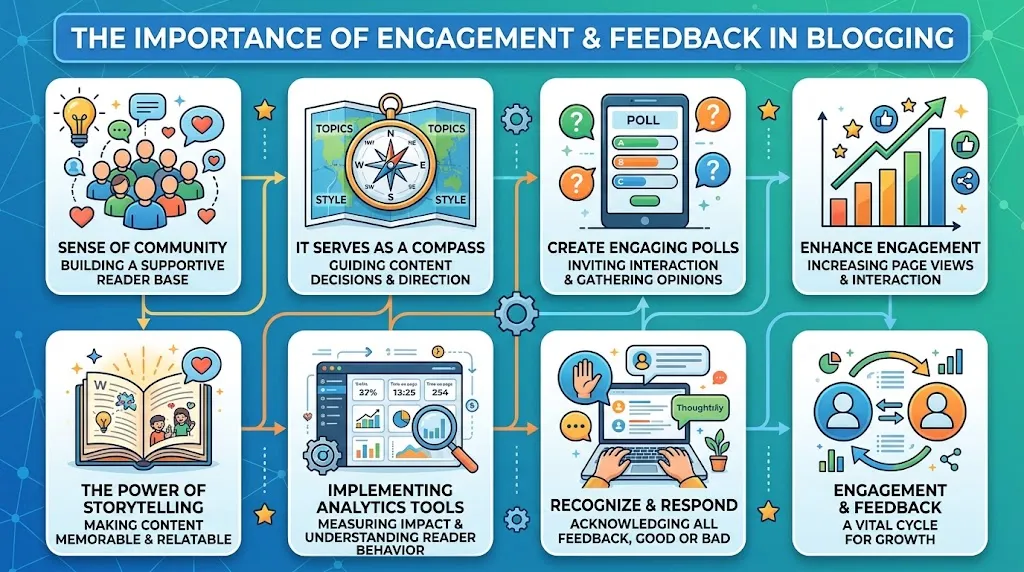
In today’s digital world, blogging isn’t just about sharing your thoughts; it’s a dynamic space that thrives on interaction. Engagement and feedback are vital components that can significantly enhance your blogging experience. Having the best blogging workflow for content creators includes establishing routines for responding to and implementing reader feedback. When readers partake in your content, they not only validate your efforts but also forge a deeper connection with you as the creator. Understanding this importance is crucial for any content creator looking to make their mark.
Sense of community
First and foremost, engagement fosters a sense of community. When readers comment on your posts or share your content, it indicates that your words resonate with them. Creating a platform for interaction means that you’re building relationships and cultivating a loyal audience. This isn’t merely beneficial for boosting metrics; it establishes a dynamic environment where ideas can flourish. Readers appreciate being heard, and when you respond to their comments, it shows that you value their opinions.
It serves as a compass
Feedback plays an equally important role in the blogging landscape. It serves as a compass for content creators to navigate their journey. By soliciting feedback, bloggers can understand what their audience enjoys and where there is room for improvement. Constructive criticism provides insights into how your content is perceived and can help fine-tune your approach. Remember, your readers often have valuable perspectives that can improve your future posts.
Create engaging polls
One effective method to encourage feedback is to create engaging polls or surveys at the end of your posts. It not only provides valuable insights but also stimulates interaction. You can ask questions like, “What topics would you like to see more of?” or “Did you find this post helpful?” Simple questions can lead to meaningful discussions and help you refine your content strategy.
Enhance engagement
Moreover, leveraging social media can significantly enhance engagement. Platforms like Instagram, Twitter, and Facebook can be used to share your blog posts and invite conversation. Encourage your followers to comment, like, or share your content. This interaction creates a buzz around your work, which can lead to increased visibility. When your posts are shared widely, it also opens the door for new audiences, enriching your content’s reach.
Let’s take a look at some strategies to foster engagement and collect feedback:
- Ask Open-Ended Questions: Encourage your readers to express their thoughts by posing open-ended questions in your blogs.
- Create Interactive Content: Incorporate quizzes and polls that can stimulate responses and discussions.
- Utilize Email Newsletters: Send regular updates and encourage your readers to reply with their feedback. This creates a direct line of communication.
The power of storytelling
Don’t underestimate the power of storytelling. When you weave personal anecdotes into your posts, your audience feels a closer connection to you. Sharing experiences makes your writing relatable, encouraging readers to engage more deeply with your content. Passionate storytelling often invites comments and discussions as readers reflect on similar experiences.
Implementing analytics tools
Implementing analytics tools can help track the level of engagement on your blog. Understanding what types of content perform best can guide your writing strategy. Services like Google Analytics can provide detailed insights into how readers interact with your content, helping you tailor your approach effectively.
Recognize and respond
Another effective tactic is to recognize and respond to every form of engagement. Always reply to comments on your blog and social media channels. Acknowledging reader input fosters a sense of belonging and encourages further engagement. Readers are more likely to return and participate again if they know their voices are heard.
Engagement and feedback
Engagement and feedback also influence the blog’s SEO performance. Search engines favor content that has high user interaction. Higher levels of engagement signal to platforms like Google that your content is valuable, potentially leading to better rankings. Consequently, this opens new doors to organic traffic, which can be pivotal in your growth as a content creator.
The strength of your blog lies in the community built around it. Prioritizing engagement and actively seeking feedback nurtures relationships that can lead to a flourishing blogging journey. By incorporating these strategies, content creators can transform their blogs into interactive platforms that not only attract readers but also retain them. For further insights on enhancing your blog engagement, visit Content Marketing Institute or HubSpot Blog.
Conclusion
Developing the best blogging workflow for content creators is crucial for success in today’s digital world. By following the key steps outlined, including brainstorming ideas, creating drafts, and refining your work, you can create engaging content that resonates with your audience. Utilizing essential tools not only simplifies your blogging process but also enhances your overall productivity, allowing you to focus on what truly matters—your content.
Establishing a content calendar is an effective way to ensure consistent posting. This structured approach helps you track your ideas and maintain a steady flow of fresh content, which can keep your readers returning for more. Additionally, optimizing your blog posts for SEO plays a vital role in increasing your visibility. By using relevant keywords strategically, you can not only enhance your search rankings but also attract a broader audience.
Remember that blogging is not just about posting content; it’s about building relationships. Engaging with your readers and actively seeking their feedback strengthens your community and fosters loyalty. By encouraging dialogue and responding to comments, you demonstrate that you value your audience’s opinions, which can lead to greater interaction over time.
Embracing these strategies will enable you to develop a robust blogging workflow that not only elevates the quality of your posts but also cultivates an engaged and responsive readership. With dedication and the right approach, you can transform your blog into an influential platform that resonates with your audience while achieving your content creation goals.