
Best Amazon Associates Alternatives for Small Blog Owners


ATTENTION: Want to Learn Affiliate Marketing from Successful Affiliates?
If you’re a small blog owner, finding reliable ways to monetize your content is crucial. While Amazon Associates has long been a staple for affiliate marketing, it may not be the best fit for everyone. Exploring alternatives can open new doors for income generation without being overly saturated or competitive.
Why Consider Alternatives?
Amazon Associates offers a vast product range, but it comes with some drawbacks, such as low commission rates and strict policies. By considering other affiliate programs, you might discover options that better align with your niche and audience. Here are some fantastic alternatives that could work for you:
Top Amazon Associates Alternatives
The following options can help you maximize your blog’s earning potential:
ShareASale
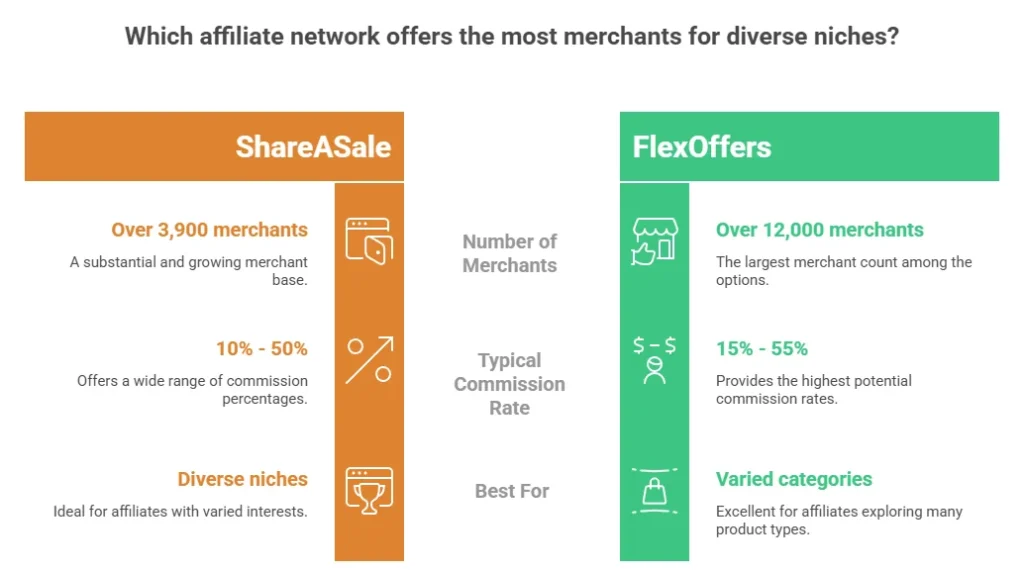
With over 3,900 merchants, ShareASale is an excellent platform that caters to various niches. It provides unique marketing tools and easy-to-use dashboards, allowing you to track your performance.
Commission Junction (CJ)
CJ offers a treasure trove of advertising partners, making it easier to find products that resonate with your audience. They also provide in-depth reporting features that help you analyze your campaigns.
FlexOffers
FlexOffers is known for its user-friendly interface and vast range of affiliate programs. Their high payout rates can be attractive for small blog owners looking to increase earnings.
Rakuten Marketing
Rakuten offers a robust affiliate network with plenty of unique brands. It’s particularly beneficial if you are in the fashion, electronics, or health sectors.
Impact
Impact focuses on partnerships and offers custom solutions, providing flexibility that might be appealing for niche bloggers. Their smart technology allows for optimizing your campaigns effectively.
Unique Features of Each Alternative
| Platform | Number of Merchants | Typical Commission Rate | Best For |
|---|---|---|---|
| ShareASale | 3,900+ | 10% – 50% | Diverse niches |
| CJ | 3,000+ | 5% – 30% | Brand partnerships |
| FlexOffers | 12,000+ | 15% – 55% | Varied categories |
| Rakuten Marketing | 1,000+ | 7% – 25% | Fashion and tech |
| Impact | Various | Variable | Custom solutions |
Choosing the Right Fit
Not every affiliate program will suit every blogger. When selecting the right affiliate network for your site, keep the following tips in mind:
- Consider your Niche: Ensure the brands align with your content and audience. For instance, if you blog about technology, programs like Rakuten Marketing may be beneficial.
- Evaluate Commission Rates: Compare what each program offers. Higher commissions can significantly impact your earnings.
- Check for Support: Look for platforms that offer mentoring or customer service to guide you, especially if you are new to affiliate marketing.
- Review Payment Methods: Make sure the payment system is convenient for you. Some affiliate networks offer PayPal, while others might have different methods.
Tips for Success with Affiliate Marketing
Once you’ve decided on an affiliate program, employ these strategies for better results:
- Create Engaging Content: Readers are more likely to click on your affiliate links when they’re part of informative and engaging articles.
- Utilize SEO Practices: Optimize your blog posts for search engines to increase visibility. This not only aids readers in finding your content but also boosts your affiliate links.
- Build Trust: Authenticity matters; share your honest opinions on products to foster trust among your audience.
While Amazon Associates is a popular choice, many profitable alternatives are out there for small blog owners. Exploring these alternatives can enhance your earning potential and allow you to create content that resonates with your audience. Research each option’s features and benefits, and select the network that fits your unique needs.
How to Choose the Right Affiliate Program for Your Blog
Choosing the right affiliate program for your blog can significantly impact your earnings and audience engagement. It’s important to make an informed decision that aligns with your blog’s niche and your audience’s interests. Here are some key considerations to help you find the best fit for your blog.
Understand Your Audience
Before diving into affiliate programs, it’s crucial to know your audience. Ask yourself these questions:
- What are their interests and pain points?
- What types of products or services do they frequently seek?
- Which affiliate products complement the content I already produce?
The more you know about your audience, the better you can select programs that resonate with them. For instance, if you run a food blog, joining an affiliate program related to kitchenware or meal planning services can be a natural fit.
Evaluate Affiliate Program Commission Structures
Different affiliate programs have varying commission structures. Some offer a flat rate per sale, while others provide a percentage of the sale. Consider these options:
| Commission Type | Pros | Cons |
|---|---|---|
| Flat Rate | Predictable earnings | Can be lower for high-ticket items |
| Percentage of Sale | Higher potential for earnings with expensive products | Income variation based on product pricing |

Choose a structure that will benefit your blog theme and audience expectations. Programs like ShareASale offer various commission structures that might appeal to specific niches.
Research Program Reputation and Track Record
Not all affiliate programs are created equal. Look for programs with positive reviews from other bloggers. You can find insights by searching forums, social media, or platforms like Reddit’s Affiliate Marketing community. A reputable program will ensure timely payments, responsive support, and valuable tools for tracking your performance.
Product Relevance and Quality
It’s crucial to choose products that are not only relevant but also of high quality. Promoting low-quality products can damage your credibility with your audience. Consider these factors:
- Is the product something you would use yourself?
- Does it have positive reviews and feedback?
- Does it align with your blog’s values?
For example, if you run a health blog, you might choose supplements or wellness products that are well-reviewed and trusted. Programs like HealthWave focus on health-related products and can provide a good match.
Affiliate Tools and Support
When choosing an affiliate program, assess the tools and resources offered. A good program should provide:
- Promotional materials (banners, links)
- Tracking tools to monitor clicks and sales
- Responsive affiliate support for your questions
Programs like CJ Affiliate are known for their extensive tools that help bloggers optimize their affiliate marketing efforts.
Consider Payout Thresholds and Frequency
Be mindful of the payout structures and thresholds. Some programs require you to reach a specific amount before receiving your earnings. Look for options that offer reasonable payout thresholds to ensure you don’t wait too long for your commissions.
Test and Optimize Your Strategy
After you choose an affiliate program, monitor your results. Track which products perform best and how your audience responds. Use analytics tools and adjust your strategy accordingly. Your initial choice may evolve based on your audience’s preferences and behaviors.
Selecting the right affiliate program involves understanding your audience, evaluating commission structures, researching program reputation, and ensuring product quality. Make use of the resources available and continually optimize your efforts for better engagement and earnings. By following these guidelines, you can position yourself for success in the affiliate marketing space.
Maximizing Revenue with Niche-Specific Affiliate Marketing
In the world of blogging, affiliate marketing is a significant opportunity for revenue generation. However, the key to maximizing revenue lies in niche-specific strategies, where focus and expertise can significantly impact performance. By aligning your affiliate marketing efforts with your blog’s niche, you can create tailored content that speaks directly to your audience’s needs.
Understanding your audience is the first step towards successful niche-specific affiliate marketing. You should conduct thorough research to know what products or services your readers are interested in. For instance, if you have a blog about outdoor gear, consider affiliate programs that specialize in camping equipment, hiking apparel, or survival tools. This focused approach ensures that the products you promote are directly relevant to your readers, leading to higher conversion rates.
Choosing the Right Affiliate Programs
Not all affiliate programs are created equal, especially for niche bloggers. It’s crucial to pick programs that resonate with your niche. Here are several high-quality affiliate programs you can consider:
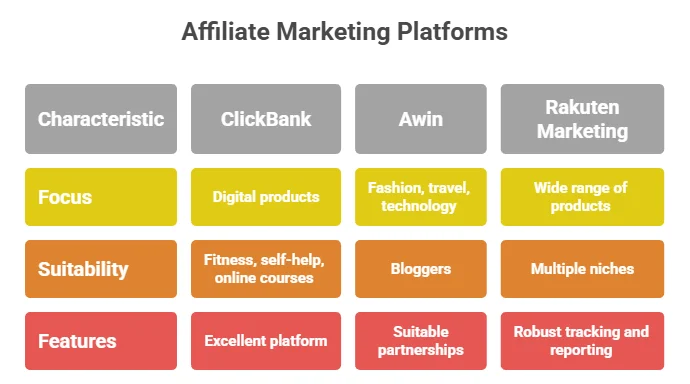
- ShareASale: With numerous merchants across various categories, it offers great opportunities to find niche-specific partners.
- ClickBank: An excellent platform for digital products, particularly suitable for niches like fitness, self-help, and online courses.
- Awin: This program focuses on various areas, including fashion, travel, and technology, allowing bloggers to find suitable partnerships.
- Rakuten Marketing: Offers a wide range of products, catering to multiple niches, with robust tracking and reporting tools.
When signing up for affiliate programs, pay attention to the commission structure. Some programs offer a flat fee per sale, while others provide a percentage of the sale. Calculate what would work best for your blog’s traffic and audience behavior.
Creating High-Quality Content
High-quality content is vital in driving traffic to your blog and converting it into sales. Aim to provide value through detailed product reviews, educational articles, and comparison guides. Here are some content ideas to explore:
- How-to Guides: Help your audience understand how to use products effectively.
- Product Reviews: Offer honest insights and experiences based on your use of the product.
- Comparison Posts: Compare similar products to help readers make informed decisions.
- Resource Lists: Curate lists of tools or resources that your readers can benefit from.
This type of content not only helps establish you as an authority in your niche but also builds trust with your audience. When readers feel you are genuinely helping them, they are more likely to purchase through your affiliate links.
Utilizing SEO Strategies
Search engine optimization is essential for making your content discoverable. Use relevant keywords that align with your audience’s search intent. Perform keyword research using tools like AnswerThePublic or Ahrefs to find popular queries related to your niche. Incorporate these keywords naturally into your content, headings, and meta descriptions.
Engaging with Your Audience
Engagement plays a key role in driving conversions. Utilize social media to reach your audience where they spend their time. Platforms like Instagram and Pinterest work effectively for visually-driven niches, while Twitter and Facebook may suit more conversational topics. Encourage discussions and feedback, and use these platforms to share your affiliate content strategically.
Consider creating a newsletter to keep your audience updated on new posts and exclusive deals. Email marketing can significantly boost your affiliate revenue as it lets you communicate directly with interested readers.
Maximizing revenue with niche-specific affiliate marketing involves understanding your audience, choosing suitable affiliate programs, creating valuable content, implementing effective SEO strategies, and engaging actively with your community. With dedication and focus, your affiliate marketing efforts can flourish, leading to a rewarding blogging venture.
Strategies for Building Trust with Your Audience in Affiliate Marketing
Building trust with your audience is crucial in affiliate marketing. Trust influences purchasing decisions and keeps readers coming back. Here are effective strategies to cultivate trust and enhance your affiliate efforts.
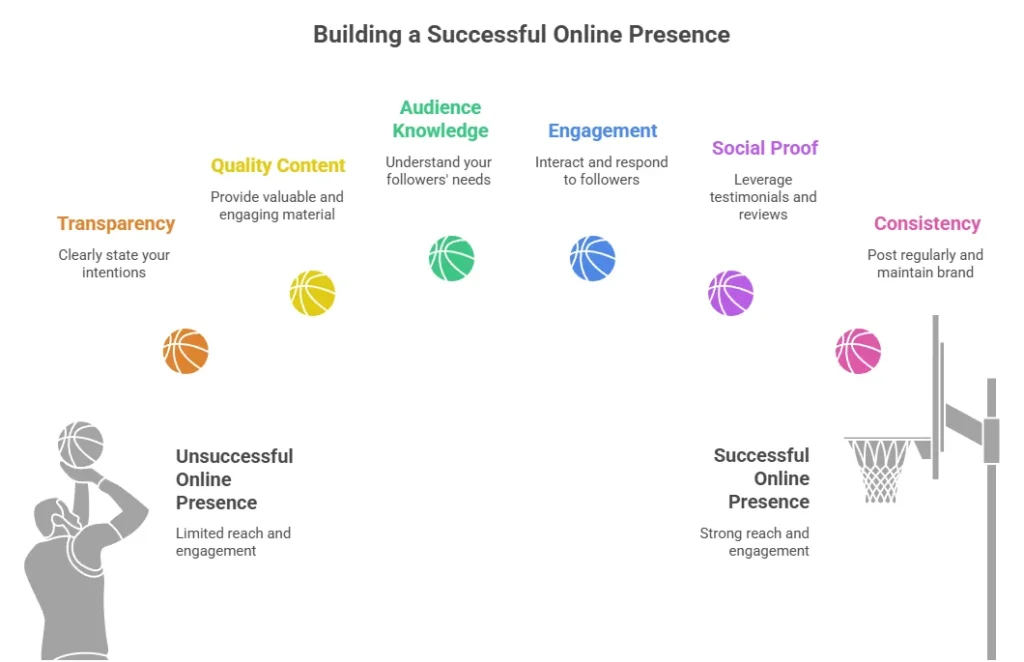
Be Transparent About Your Intentions
Honesty is the foundation of trust. Always disclose your affiliate relationships. When recommending products, let your audience know that you may earn a commission if they purchase through your links. This transparency creates a sense of integrity around your content.
Provide Quality Content
Your primary goal should be to share valuable information. Share product reviews, how-to guides, or comparisons that help your readers make informed decisions. Quality content showcases your expertise and shows that you care about their needs.
Know Your Audience
Understanding your audience is key in fostering trust. Conduct surveys or ask for feedback to learn what they value. When you tailor your recommendations to their interests, they are more likely to view you as a credible source.
Engage and Respond to Your Followers
Engagement plays a vital role in building relationships. Reply to comments and questions promptly. This interaction demonstrates that you value reader input. Consider creating a community by establishing a social media presence or a dedicated email newsletter.
Leverage Social Proof
Social proof can significantly boost your credibility. Display testimonials, user-generated content, or case studies that highlight the success of the products you promote. When potential buyers see others benefiting from your recommendations, they may feel more inclined to trust you.
Be Consistent
Consistency in your messaging and content helps reinforce trust. Establish a regular posting schedule and stick to a niche. When readers know what to expect, they are likely to return for more content.
Utilize Affiliate Networks
Consider joining reputable affiliate networks. These platforms provide a variety of products to promote while ensuring that the brands are trusted. Well-known networks, such as ShareASale and ClickBank, offer reliable options that can enhance your credibility.
Invest in Your Website
A professional-looking website gives a good first impression. Make sure your site is easy to navigate and visually appealing. Pay attention to mobile optimization, load times, and design to ensure a positive user experience. You can use platforms like WPBeginner for tips on optimizing your WordPress site.
Provide Comparisons and Alternatives
Instead of pushing a single product, offer comparisons. Lay out various options side by side, focusing on pros and cons. This approach shows that you are not just trying to sell; you genuinely want to help your audience find the best fit. Consider creating tables to display these differences clearly:
| Product | Price | Pros | Cons |
|---|---|---|---|
| Product A | $29.99 | Affordable, well-reviewed | Limited features |
| Product B | $49.99 | Feature-rich, good warranty | Higher price point |
| Product C | $19.99 | Budget-friendly, easy to use | Less durable |
Regularly Update Your Content
Keep your content fresh and relevant. Review and update your older posts to reflect new information or changes in products. This not only helps maintain trust but also boosts your search engine rankings.
Provide Value-Added Incentives
Offering value-added incentives can encourage trust and engagement. Consider providing exclusive discounts, freebies, or e-books in exchange for signing up for your newsletter. This strategy rewards your audience while growing your email list.
By implementing these strategies, you can establish strong relationships with your audience, ultimately leading to higher conversion rates in your affiliate marketing efforts. Trust does not build overnight but investing in these practices can yield long-lasting results.
Evaluating the Pros and Cons of Popular Affiliate Platforms
Choosing the right affiliate platform can significantly impact your revenue as a small blog owner. With various options available, each platform comes with its own set of advantages and disadvantages. Let’s explore some popular affiliate platforms, focusing on their pros and cons to help you make an informed decision.
Amazon Associates
Amazon Associates is one of the most recognized affiliate programs. It offers a vast array of products to promote, making it appealing for bloggers across different niches.
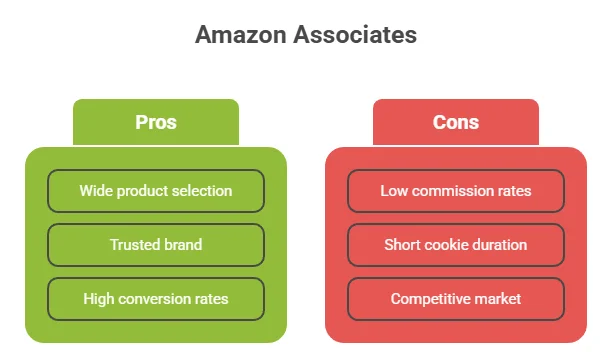
Pros:
- Wide selection of products
- Trusted brand reputation
- Higher conversion rates due to existing customer trust
Cons:
- Lower commission rates compared to some competitors
- Short cookie duration, meaning you earn a commission only if the purchase is made within 24 hours
- Highly competitive market
ShareASale
ShareASale is a popular affiliate marketing network that connects bloggers with thousands of merchants.
Pros:
- Variety of merchants in various niches
- Easy-to-use interface
- Reporting tools that help you track your performance
Cons:
- Some merchants might have strict application requirements
- Payouts can be slower compared to other platforms
Commission Junction (CJ Affiliate)
CJ Affiliate is another robust affiliate marketing platform that offers high-quality partnerships.
Pros:
- Access to top brands with high commissions
- Advanced reporting and tracking features
- Dedicated support for affiliates
Cons:
- A steeper learning curve for beginners
- May require more effort to get accepted by certain brands
Rakuten Marketing
Rakuten Marketing has been in the affiliate space for over 20 years and offers numerous opportunities for bloggers.
Pros:
- Wide selection of well-known brands
- Strong affiliate support network
- Regular training and webinars available
Cons:
- Complex interface that may overwhelm new users
- Payout thresholds can be higher than competitors
Impact
Impact is an advanced affiliate marketing platform designed for serious marketers.
Pros:
- Powerful tracking and reporting features
- Access to high-profile brands
- Flexible commission structures
Cons:
- Best suited for experienced marketers
- Not ideal for beginners due to its complexity
When evaluating which affiliate platform to join, consider the following:
- Your niche and audience
- Product relevance and demand
- Commission rates and payment terms
- Ease of use and support
Some additional affiliate platforms worth considering include:
- FlexOffers
- Admitad
- Performance Horizon Group (PHG)
Ultimately, choosing the Best Amazon Associates Alternatives for Small Blog Owners involves weighing the pros and cons of each option. Consider your specific needs and the potential for profitability before making a commitment.
Conclusion
Finding the right affiliate programs is crucial for small blog owners looking to monetize their content effectively. By exploring the Best Amazon Associates Alternatives for Small Blog Owners, you’re already taking a significant step towards maximizing your blog’s earning potential. Remember, selecting the right affiliate program isn’t just about commission rates; it involves considering which products resonate with your audience and fit seamlessly into your niche.
As you’ve learned, niche-specific affiliate marketing can significantly boost your revenue. By promoting products that align with your blog’s theme, you engage readers more meaningfully—and they’re more likely to make a purchase. This targeted approach ensures your content remains relevant and benefits both you and your audience.
Building trust with your audience is essential in any affiliate marketing strategy. Focus on transparency, recommending only those products you believe in and that provide real value. Authenticity matters; when your audience trusts you, they’re more likely to act on your recommendations.
Evaluating the pros and cons of different affiliate platforms gives you the insight needed to make informed decisions. Take the time to assess each platform’s features, support, and product offerings. This thorough approach will pay off when you see your hard work translate into revenue.
By following these strategies and continuously optimizing your affiliate marketing efforts, you can create a successful income stream through your blog while providing valuable content to your readers. Keep your audience’s needs at the forefront, and you’ll foster a loyal community that supports your blogging journey.