
Affiliate Marketing with WordPress


ATTENTION: Want to Learn Affiliate Marketing from Successful Affiliates?
Affiliate marketing has become a powerful tool for generating income online, and using WordPress can exponentially enhance your efforts. If you are looking to succeed in Affiliate Marketing with WordPress, there are effective strategies that can guide you through the process. Let’s explore some of the key tactics you can implement to boost your affiliate marketing efforts.
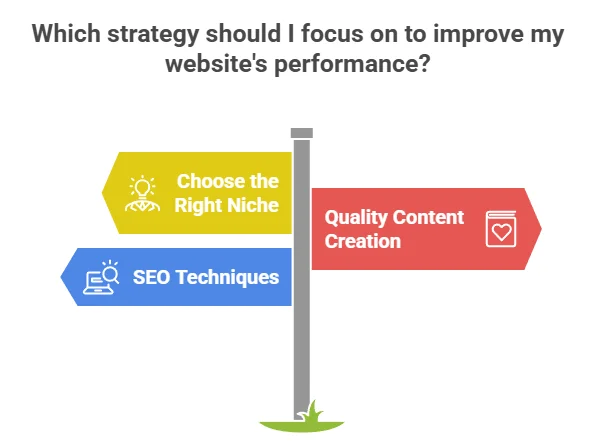
Choose the Right Niche
The first step in effective affiliate marketing is selecting the right niche. Choose a niche that you are passionate about, as this will make content creation easier and more enjoyable. Your audience will feel your enthusiasm, which can lead to better engagement. Additionally, ensure that your chosen niche has affiliate programs with products that you can promote and that have a good reputation in the market.
Utilize Quality Content Creation
Your content should provide real value to your readers. Here are some content ideas:
- How-to guides
- Product reviews
- Comparison articles
- Case studies
Engaging content not only helps in SEO but also builds trust with your audience. Make sure you incorporate relevant keywords in your posts to make them more discoverable. Using WordPress plugins like Yoast SEO can assist in optimizing your content effectively.
Leverage SEO Techniques
Search engine optimization (SEO) is crucial for driving traffic to your WordPress site. Here are some tips:
- Optimize your website speed. Use caching plugins like W3 Total Cache to improve loading times.
- Focus on both on-page and off-page SEO.
- Create an XML sitemap using Google Sitemap Generator.
- Use internal linking to guide your readers to other relevant content.
Use Affiliate Marketing Plugins
WordPress offers a variety of plugins specifically designed for affiliate marketing. These plugins can enhance your site’s functionality, making it easier to manage links and track performance. Some notable plugins include:
- AffiliateWP – This plugin helps you create your own affiliate program.
- ThirstyAffiliates – This tool helps you cloak your affiliate links and manage them more effectively.
- WP Affiliate Manager – A great solution for tracking your affiliate sales and managing affiliates.
Promote on Social Media
Utilizing social media platforms for promotion can significantly increase your reach. Share your blog posts on channels like Facebook, Twitter, Instagram, and Pinterest. Engaging with your audience through comments, shares, and likes will create a community around your content, enhancing trust and increasing potential conversions. Use images and videos effectively as they tend to attract more engagement.
Build an Email List
Creating an email list can help you maintain contact with your audience. Offer freebies or exclusive content in exchange for email subscriptions. Once you have a list, sending newsletters that include affiliate links can increase sales significantly. Use WordPress plugins like Mailchimp for WordPress to simplify your email marketing process.
Track Your Performance
To maximize your efforts, it’s crucial to track the performance of your affiliate marketing strategies. Utilize tools like Google Analytics to monitor traffic, conversion rates, and user behavior. Regularly analyze this data to see what’s working and what needs improvement. Adjust your strategies based on your findings to optimize your revenue.
By implementing these strategies, you can enhance your Affiliate Marketing with WordPress. Staying committed and continually learning will pay off in the long run. Remember, the best approach is to focus on providing value to your audience while promoting products that genuinely help them.
| Strategy | Description | Tools/Plugins |
|---|---|---|
| Choose the Right Niche | Select a niche you are passionate and informed about. | N/A |
| Quality Content Creation | Engaging and helpful content that attracts traffic. | Yoast SEO |
| SEO Techniques | Enhance site visibility and speed. | W3 Total Cache, Google Sitemap Generator |
Explore and adapt these strategies to become successful in Affiliate Marketing with WordPress!
Top WordPress Plugins to Boost Your Affiliate Marketing Efforts
When you dive into Affiliate Marketing with WordPress, the right plugins can significantly enhance your efforts. They streamline your processes and help you convert visitors into buyers. Below are some essential plugins that can boost your affiliate marketing game.
1. ThirstyAffiliates
This is one of the leading link management plugins. You can easily cloak your affiliate links, making them look clean and trustworthy. It also allows you to monitor your clicks and performance, which is vital for optimizing your strategy. With ThirstyAffiliates, you can:
- Organize your affiliate links
- Redirect broken links
- Add geo-targeting and more
Start exploring ThirstyAffiliates here.
2. Pretty Links
Pretty Links is perfect for those who want to manage their affiliate links directly from the WordPress dashboard. You can shorten, cloak, track, and group your links effortlessly. It also offers advanced features, such as split-testing and link redirection. You will appreciate how it can help you:
- Create shareable links quickly
- Set up automatic redirects
- Monitor clicks in real-time
Find out more about Pretty Links here.
3. WooCommerce
If you’re considering turning your site into an online store, then WooCommerce is a must-have. It allows you to sell products directly, but it is also very effective for affiliate marketing. You can set up affiliate products, manage inventory, and handle payments efficiently. Using WooCommerce can enhance your affiliate marketing strategy by enabling you to:
- Promote affiliate products as if they were your own
- Track customer behavior and sales stats
- Offer discounts and promotions seamlessly
Delve into WooCommerce here.
4. MonsterInsights
Understanding your audience is critical for any affiliate marketer. MonsterInsights integrates Google Analytics directly into your WordPress site, offering you in-depth insights into your visitors’ behavior. This plugin helps you:
- Track clicks on affiliate links
- Understand visitors’ demographic information
- Monitor page performance and exit rates
Learn more about MonsterInsights here.
5. OptinMonster
To maximize conversions, you need effective lead generation tools. OptinMonster helps you create beautiful pop-ups and forms that capture emails and grow your audience. By utilizing this plugin, you will be able to:
- Boost your email list
- Increase conversions with targeted campaigns
- Use exit-intent pop-ups to save abandoning visitors
Discover how to improve your email marketing with OptinMonster here.
6. AAWP (Amazon Affiliate WordPress Plugin)
If you’re an Amazon affiliate, AAWP is indispensable. It allows you to create customized product boxes, comparison tables, and more. This way, your visitors can see exactly what you recommend at a glance, making it easier for them to click through and purchase. Benefits of using AAWP include:
- Automatic product updates
- Simple insertion of products via shortcodes
- Customizable layouts to match your site’s design
Find AAWP here.
7. WPForms
Building your mailing list is vital for any affiliate marketing strategy. WPForms provides an intuitive way to create contact forms, subscription forms, and more. With its drag-and-drop builder, you can:
- Collect information effortlessly
- Create feedback forms
- Integrate with various marketing tools
Check out WPForms here.
These essential plugins will help you leverage the capabilities of WordPress, enhancing your affiliate marketing efforts. Each tool adds unique features designed to track, manage, and optimize your affiliate links efficiently.
Designing a User-Friendly Affiliate Website Using WordPress
Creating a user-friendly affiliate website on WordPress is essential for engaging visitors and driving conversions. When your site is easy to navigate, it encourages users to explore and make purchases through your affiliate links. Here’s how to design an effective affiliate website while keeping the user experience in mind.
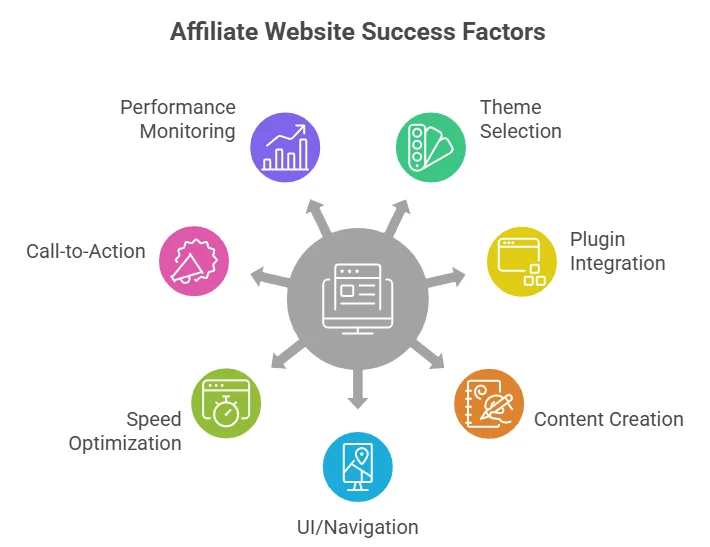
Choosing the Right Theme
Your theme is the first impression your audience will have of your website. Select a WordPress theme that is responsive and mobile-friendly, ensuring it performs well on all devices. Opt for a clean and professional design that highlights your content without overwhelming your visitors.
Features to Look For:
- Speed optimization
- Customizable layouts
- SEO-friendly structures
- Integration capabilities for plugins
Recommended Themes:
Essential Plugins for Your Affiliate Site
Plugins can enhance the functionality of your website significantly. Here are some essential plugins for optimizing your affiliate marketing efforts:
- SEO Plugin: Use a plugin like Yoast SEO to optimize your content easily.
- Affiliate Link Management: Pretty Links can help manage, shorten, and track your affiliate links.
- Social Sharing: Install a social sharing plugin to encourage visitors to share your content on social media.
- Analytics: Google Analytics for WordPress allows you to track your visitors and their behavior.
Creating High-Quality Content
Your content is the backbone of your affiliate marketing strategy. To truly engage users, focus on providing valuable information. Consider using the following content strategies:
- Product Reviews: Write honest and detailed reviews of products you promote, explaining their benefits and drawbacks.
- How-To Guides: Create guides that help users solve specific problems or learn new skills, incorporating your affiliate products naturally.
- Comparisons: Comparing similar products can help potential buyers make informed decisions.
Make sure to include relevant keywords, such as “Affiliate Marketing with WordPress,” to improve your SEO. However, never stuff keywords; they should fit naturally into your writing.
User Interface and Navigation
An intuitive navigation bar will significantly enhance the user experience. Here are some tips for setting it up:
- Limit Menu Items: Aim for 5-7 menu items that include key categories of your content.
- Use Dropdown Menus: If you have many categories, condense them into dropdowns for simplicity.
- Sticky Navigation: A sticky menu ensures access to important links as users scroll down the page.
Optimizing Your Website for Speed
Website speed is a critical factor for user experience and SEO. Here are some strategies to optimize speed:
- Image Optimization: Use tools like TinyPNG to compress images without losing quality.
- Leverage Caching: Use caching plugins such as W3 Total Cache to reduce loading times.
- Optimize Your Hosting: Choose reliable hosting services that emit high uptime and fast loading speeds.
Utilizing Call-to-Action Buttons
Call-to-action (CTA) buttons guide visitors towards making a purchase. Ensure that CTAs are prominent and persuasive. Use contrasting colors, clear language, and strategic placements to boost conversions:
Examples of Effective CTAs:
- “Buy Now” for product links
- “Learn More” for additional product details
- “Get Your Free Trial” for services
Monitoring Performance with Analytics
Consistently monitor your website’s performance. Use tools such as Google Analytics to track which pages bring in traffic and conversions. Analyze this data to refine your strategies continuously. Building a user-friendly affiliate website using WordPress requires focus and dedication. You can create a platform that resonates with your audience by ensuring your site is appealing, fast, and informative. For more tips and resources on creating an optimal affiliate marketing website, visit WPBeginner.
Best Practices for Creating Engaging Content for Affiliate Marketing
Creating engaging content for affiliate marketing is essential to attract visitors and convert them into customers. Here are some best practices to help you craft compelling content that resonates with your audience.
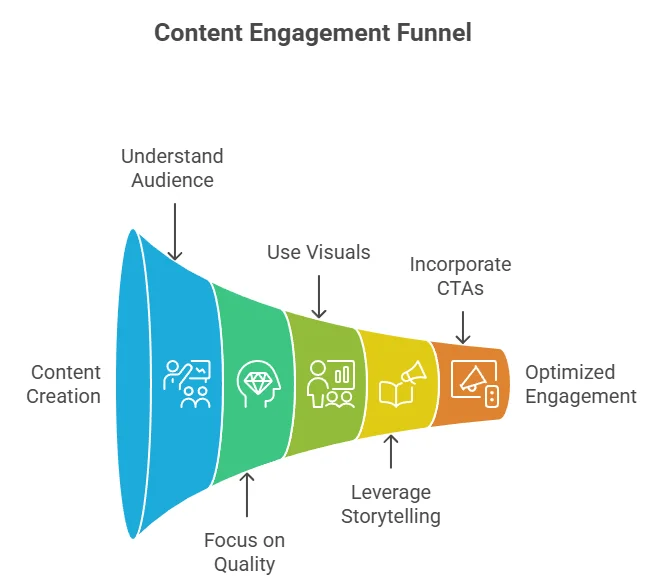
Understand Your Audience
Before you start creating content, take some time to know your audience. Research their interests, pain points, and preferences. You can use tools like Google Trends to find out what your audience is searching for. Tailoring your content to meet their needs will keep them engaged and more likely to trust your recommendations.
Focus on Quality over Quantity
While it’s tempting to churn out content frequently, prioritize quality. Quality content is more likely to be shared, link back to your site, and position you as an authority in your niche. Aim for well-researched articles that provide genuine value. Readers appreciate thoroughness and may return for more if they feel you’ve delivered real insights.
Use Visuals to Enhance Engagement
Images, infographics, and videos can greatly enhance your content. Visuals help to break the monotony of text and can elucidate complex concepts. They also encourage sharing. Ensure that all visuals are relevant and add value. For instance, if you’re reviewing a product, include high-quality images to show it in action.
Leverage Storytelling Techniques
Humans are naturally drawn to stories. When you share anecdotes or customer testimonials, it creates a connection with your audience. A narrative can evoke emotions, making your content more relatable. For example, share a real-life success story about someone using a product you’re promoting. This approach can make the product more appealing.
Incorporate Strong Calls to Action (CTAs)
Your content should guide readers toward the next step. Whether it’s prompting them to click an affiliate link, subscribe to a newsletter, or leave a comment, a strong CTA is crucial. Phrases like “Find out more here” or “Get started today!” can drive conversions. Make sure your CTAs are clear and compelling.
Optimize for SEO
Search engine optimization (SEO) is vital for making your content discoverable. Use relevant keywords throughout your text, but ensure it reads naturally. Tools such as the Moz Keyword Explorer can assist you in finding the right keywords. Focus on on-page elements like meta descriptions and alt tags for images as well.
Make It Scannable
Your audience may not read every word. Instead, they often skim through content. To accommodate this, structure your text with bullet points, short paragraphs, and headers. This makes it easier for readers to get the gist of your content quickly. Consider the following layout:
- Bullet Point 1: Key information about the product or service
- Bullet Point 2: Unique selling proposition
- Bullet Point 3: How it solves the audience’s problems
Provide Genuine Recommendations
Be honest about the products you promote. If you’ve used an item or service, share your experience. Readers value authenticity and are less likely to trust recommendations that seem insincere. Always disclose your affiliate relationships to maintain transparency.
Use Analytics to Refine Your Strategy
Regularly checking your content performance is crucial. Use analytics tools like Google Analytics to track what works and what doesn’t. Focus on metrics such as bounce rates, time spent on page, and click-through rates on your affiliate links to inform your future strategies.
Stay Updated with Industry Trends
The digital landscape is constantly evolving. Stay informed about the latest trends in affiliate marketing by following reputable blogs like Smart Passive Income or the Ahrefs Blog. Keeping your content fresh and relevant will help you maintain your audience’s interest and engagement. Engaging content is the cornerstone of successful affiliate marketing. By understanding your audience, focusing on quality, and incorporating various techniques, you can create content that not only resonates with readers but also drives conversions. Start implementing these best practices today and watch your affiliate marketing efforts thrive!
Analyzing Performance Metrics for Successful Affiliate Marketing on WordPress
Affiliate marketing is a powerful way to earn passive income. When you use a platform like WordPress, you can easily start an affiliate marketing journey. But how do you know if your efforts are effective? Analyzing performance metrics is the key to ensuring your affiliate marketing strategy is successful. By focusing on the right metrics, you can make informed decisions to improve your results.
Understanding Key Metrics
To assess how well your affiliate marketing efforts are doing, you need to look at several important metrics. These metrics provide valuable insights into your campaigns and help you understand the behaviors of your audience.
- Click-Through Rate (CTR): This percentage shows how many of your visitors clicked on the affiliate links you shared. A higher CTR means that your content resonates with your audience.
- Conversion Rate: This indicates the percentage of visitors who actually make a purchase through your affiliate links. It’s calculated by dividing the number of sales by the total number of visitors.
- Average Order Value (AOV): This metric tells you the average amount spent by each customer referred through your affiliate links. Knowing AOV can help you understand which products are most profitable.
- Return on Investment (ROI): This shows how much you earn for every dollar spent on your affiliate marketing efforts. It’s calculated using your total sales minus your expenses divided by your expenses.
Tools for Tracking Metrics
Fortunately, WordPress makes it easy to track these important metrics. Here are some tools to help you analyze your affiliate marketing performance:
- ThirstyAffiliates: This plugin helps you manage your affiliate links and monitor their clicks.
- Google Analytics: A powerful tool that provides comprehensive data about your website traffic, including how visitors interact with your affiliate links.
- Yoast SEO: While primarily an SEO tool, Yoast can help optimize your content for better visibility, thus improving your affiliate link clicks.
Interpreting Your Data
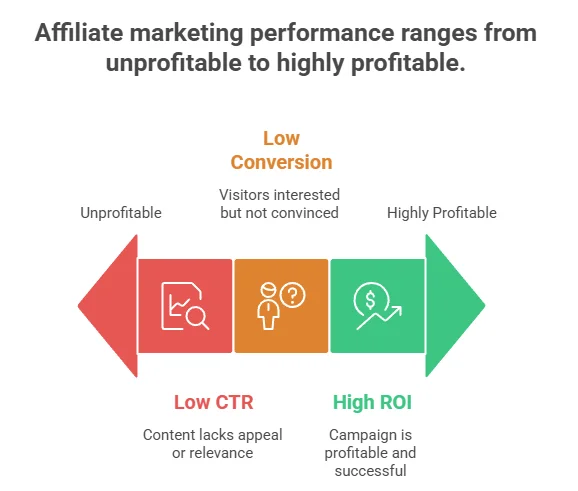
| Metric | What It Indicates | Actions |
|---|---|---|
| Low Click-Through Rate | Your content may not be appealing or relevant. | Revise your calls to action or improve content quality. |
| Low Conversion Rate | Your visitors may be interested, but not convinced to buy. | Enhance your product reviews or create more compelling offers. |
| High ROI | Your affiliate marketing campaign is profitable. | Consider investing more in successful strategies. |
Using Data to Optimize Your Strategy
Now that you have the metrics and tools, you can optimize your affiliate marketing efforts. Here are some tips:
- Regularly review your data. Schedule monthly audits to adjust your strategies as needed.
- A/B test different content styles and link placements to see what works best.
- Engaging with your audience to understand their preferences and needs.
Additionally, consider joining affiliate networks like Awin or Subreddit on Affiliate Marketing to share insights and learn from others in the industry. Analyzing performance metrics is essential for successful affiliate marketing on WordPress. By focusing on key metrics, utilizing the right tools, and interpreting the data properly, you can significantly improve your strategies. Remember, the goal is not just to track numbers but to understand and connect with your audience to drive conversions and build a solid income stream.
Conclusion
Mastering Affiliate Marketing with WordPress involves a blend of effective strategies, the right tools, and a commitment to creating a great user experience. By implementing the strategies discussed, you can position yourself for success in this competitive space. Utilizing top WordPress plugins tailored for affiliate marketers can streamline your efforts, making it easier to manage links, track performance, and optimize your campaigns effortlessly.
Creating a user-friendly affiliate website is essential. Seek to design your site with clear navigation, compelling CTAs, and engaging visuals. This enhances the user experience, keeping visitors coming back for more. Engaging content is the heartbeat of successful affiliate marketing. By focusing on producing high-quality, relevant material that resonates with your audience, you can drive traffic and increase conversions. Analyzing performance metrics is crucial for ongoing success. Monitoring your site’s analytics allows you to understand what works and what doesn’t. This data-driven approach enables you to refine and adapt your strategies, ensuring your affiliate marketing efforts continue to grow.
By combining these elements—effective strategies, useful plugins, user-friendly design, compelling content, and thorough performance analysis—you equip yourself to thrive in affiliate marketing using WordPress. Stay proactive, keep learning, and adapt as you embark on your journey toward building a successful affiliate business. Your efforts can lead to rewarding results when done thoughtfully and strategically.