

 ATTENTION: Want to Learn Affiliate Marketing from Successful Affiliates?
Join this FREE community where successful marketers share their secrets!
Learn directly from highly successful affiliate marketers
Access free, actionable training content regularly
Connect with an active community of over 5,000 members
Network with multiple six-figure earning affiliates
Get your questions answered by real experts
JOIN FREE NOW!
ATTENTION: Want to Learn Affiliate Marketing from Successful Affiliates?
Join this FREE community where successful marketers share their secrets!
Learn directly from highly successful affiliate marketers
Access free, actionable training content regularly
Connect with an active community of over 5,000 members
Network with multiple six-figure earning affiliates
Get your questions answered by real experts
JOIN FREE NOW!
Affiliate marketing can be incredibly rewarding, especially when combined with effective informational content strategies. By providing valuable and informative content, not only do you engage with your audience, but you also enhance your credibility and drive traffic through organic search. The marriage of affiliate marketing and informational content creates a powerful synergy that boosts your potential for success.
Understanding Informational Content
Informational content includes articles, videos, infographics, and guides that educate your audience about a specific topic. This type of content aims to inform rather than directly sell. It’s important to focus on answering questions, solving problems, and providing valuable insights. When done right, this type of content can naturally lead to affiliate sales.
Identifying Your Niche
To maximize your success, first identify your niche. Understanding your audience’s needs is crucial. Here are some steps to help you define your target audience:
- Research your market to find gaps in information.
- Analyze competitors to see what works for them.
- Utilize tools like Google Trends to discover what topics are trending.
Creating High-Quality Informational Content
Producing high-quality content is vital for engaging your audience. Here are some key strategies to consider:
- Focus on Value: Ensure your content is valuable, answering your audience’s questions or solving problems.
- Be Authentic: Share personal stories or case studies related to the products you promote.
- Optimize for SEO: Use relevant keywords naturally in your content, headings, and meta descriptions. This will improve your visibility in search results.
Utilizing Different Content Formats
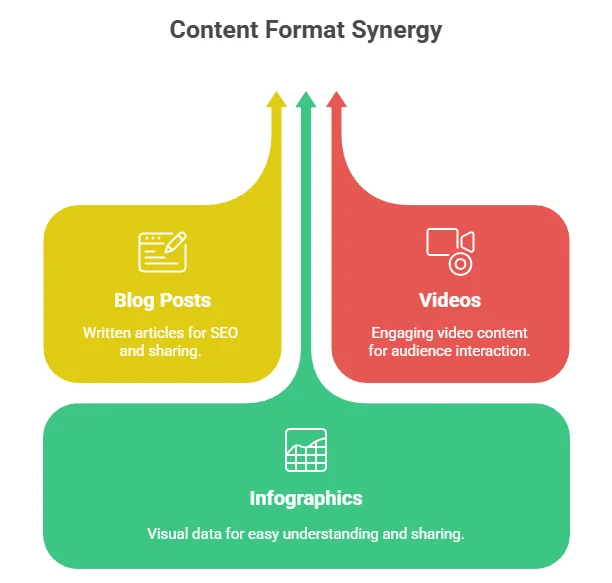
Different formats can resonate with different audiences. Here are some effective formats to diversify your content strategy:
| Format | Description | Benefits |
|---|---|---|
| Blog Posts | Written articles that delve into topics. | SEO-friendly and easy to share. |
| Videos | Video content explaining concepts or reviews. | Highly engaging and shareable. |
| Infographics | Visual representations of information. | Easy to consume and share across platforms. |
Utilizing Affiliate Links Effectively
When you create your informational content, the incorporation of affiliate links should feel natural. Here are some tips:
- Include links where they fit organically in your content.
- Use anchor text that explains what the link is about—this improves accessibility and encourages clicks.
- Stay transparent. Always disclose your affiliate relationships to build trust with your audience.
Measuring Success
To know if your strategies are effective, you’ll need to track your performance. Key metrics to monitor include:
- Traffic: Use tools like Google Analytics to see how much traffic your content attracts.
- Click-Through Rate (CTR): Track how many people click on your affiliate links.
- Conversions: Monitor how many clicks lead to actual sales.
Understanding these metrics helps you adjust your strategies for better outcomes.
Learning from the Experts
Studying successful affiliate marketers can inspire your journey. Check out blogs like Smart Passive Income or expert resources on affiliate marketing for valuable insights. Maximizing your affiliate marketing success through informational content requires a thorough understanding of your audience, high-quality content creation, and effective use of affiliate links. Implement these strategies consistently, and you’ll not only engage your readers but also increase your chances of driving sales. With commitment and creativity, the sky is the limit in the world of affiliate marketing!
The Role of SEO in Affiliate Marketing through Informative Articles
Affiliate marketing is a powerful way to earn income online, but without a solid strategy, it can be challenging to see results. One vital aspect of a successful affiliate marketing campaign is Search Engine Optimization (SEO). By using SEO effectively, you can enhance the reach of your informational content, engage your audience, and ultimately increase conversions.
When you create informational articles, focus on providing value to the readers. Your content should address their questions, solve their problems, and guide them through the decision-making process. Here’s where SEO comes into play. Keyword research is the foundation of your SEO strategy. By identifying the right keywords related to your niche, you can tailor your content to what potential customers are searching for.
The role of SEO in affiliate marketing often involves the following key strategies:
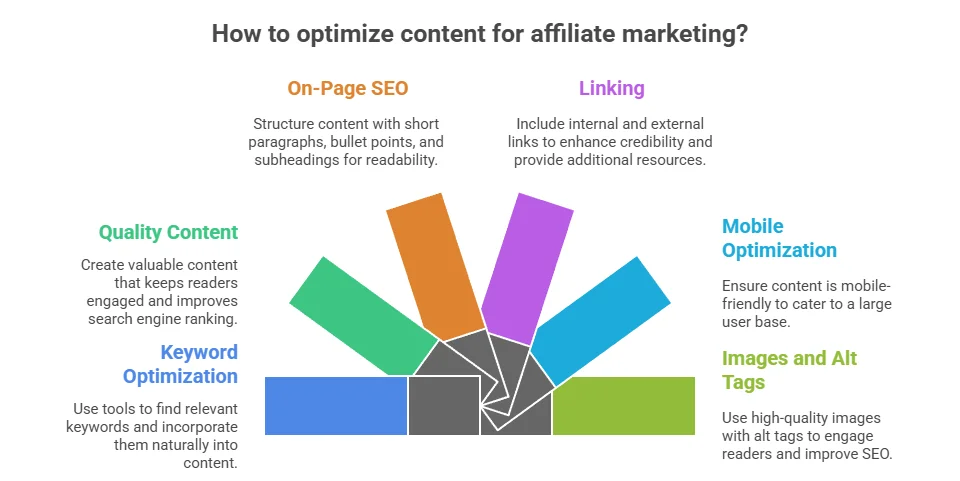
- Keyword Optimization: Use tools like the Google Keyword Planner or Moz Explorer to find relevant keywords. Incorporate these into your article naturally.
- Quality Content Creation: Unlike traditional ads, your articles must provide real value. Search engines favor quality content that keeps readers on the page longer.
- On-Page SEO: Ensure your articles are structured correctly. Use short paragraphs, bullet points, and subheadings (like H3 and H4) to break up text.
- Internal and External Linking: Incorporate links to other relevant articles on your website as well as high-authority external websites. For instance, linking to reputable sites like Ahrefs Blog provides readers with additional sources and increases trust.
- Mobile Optimization: Many users visit websites on their mobile devices, so ensuring your content is mobile-friendly is crucial.
- Use of Images and Alt Tags: High-quality images related to your content can engage readers. Always add alt tags to describe your images.
Content promotion is another essential part of your strategy. Share your articles on social media platforms and encourage others to engage with your content. When articles gain traffic and receive shares, search engines take notice. They see this as a signal of relevance, boosting your chances for better rankings.
Understanding user intent plays a crucial role here. Are users looking for quick information, detailed guides, or comparisons? Craft your content to match these intents. For example, if a user searches for “best affiliate programs,” write a comprehensive guide that discusses various programs, highlighting their benefits and drawbacks. Include affiliate links where it makes sense, ensuring readers have a seamless experience and can easily follow through to make a purchase.
A valuable aspect of affiliate marketing through SEO is tracking your progress. Use tools like Google Analytics to monitor traffic sources and user behavior on your site. Analyzing this data will allow you to refine your strategy, ensuring you’re producing content that resonates with your audience and drives conversions. It’s essential to stay updated with SEO best practices since search engines continuously evolve. Following websites like Search Engine Land will help you stay in the loop with the latest trends, ensuring your strategies remain effective.
By strategically implementing SEO in your affiliate marketing efforts through informative articles, you’ll not only boost engagement but also create a reliable income stream. Engaging, optimized content is key to attracting and converting your audience.
Top Types of Informational Content that Drive Affiliate Sales
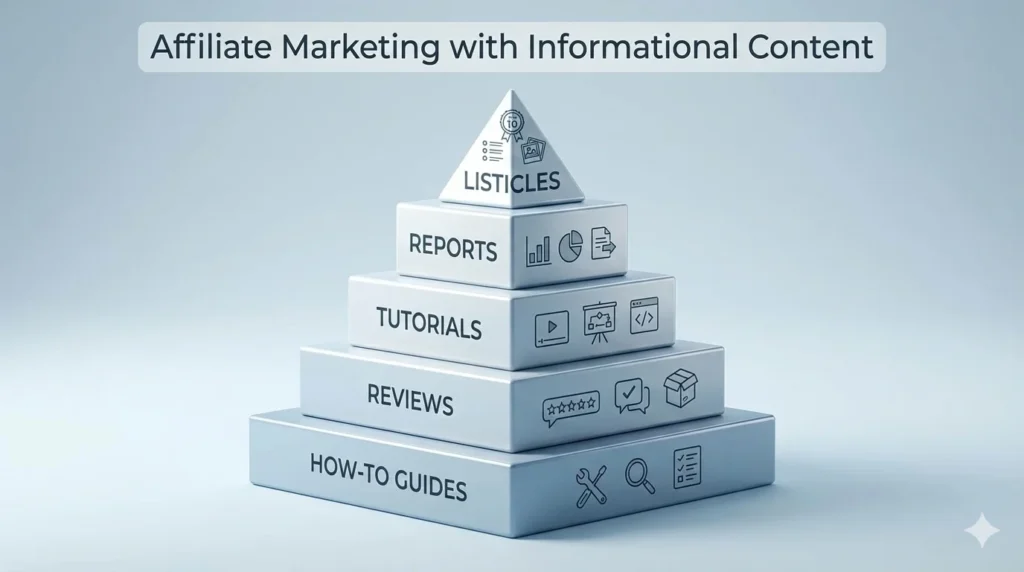
When it comes to driving affiliate sales, creating the right type of informational content is crucial. Informational content helps build trust and establishes authority in your niche. Here are some top types of content that can boost your affiliate marketing efforts.
How-To Guides
How-to guides are among the most popular forms of informational content. They provide step-by-step instructions that help users solve a specific problem. This type of content is particularly effective because it engages the reader directly. When users find a guide that helps them, they are more likely to trust the recommendations made, including affiliate links.
Product Reviews
Product reviews are essential in affiliate marketing. They not only discuss the pros and cons of a product but also offer personal insights based on real experiences. Readers often look for trustworthy reviews before making a purchase. Including affiliate links within these reviews can significantly increase sales.
Tutorials
Tutorials provide a deeper understanding of how to use a product effectively. They answer critical questions and showcase the benefits of a product. Since tutorials are often rich with information and demonstrate practical usage, they can lead to higher conversion rates.
Industry Reports
Creating in-depth industry reports that analyze trends or product comparisons can position you as an expert in your field. These reports often attract backlinks and shares, enhancing your credibility. Use data from reputable sources to enhance your content. For example, including statistics from the Statista website can strengthen your viewpoints.
Listicles
Listicles, or list-based articles, are easy to read and digest. They allow readers to quickly understand content while enjoying a casual format. A list of top 10 products in a category not only provides value but also encourages clicks on affiliate links. The structured format keeps readers engaged.
Infographics
Infographics combine visuals with informative text and can simplify complex information. They are highly shareable, making them excellent for generating traffic. An infographic detailing statistics about a certain product or market can help drive user engagement. Make sure to include a call to action that leads back to your affiliate link.
FAQs
Creating a Frequently Asked Questions (FAQ) section can help address common concerns about a product or service. This type of content assists your audience by providing important answers and builds your credibility. An effective FAQ can also improve SEO, as users often search for these queries directly.
Case Studies
Case studies present real-life examples of how a product has positively impacted someone’s life or business. They provide social proof and can effectively persuade others to make a purchase. Including testimonials and concrete results will enhance the reader’s trust in the recommendations, making them more likely to follow your affiliated links.
A variety of these informative content types into your affiliate marketing strategy can lead to a more engaged audience and ultimately drive higher sales. Keep your content user-friendly, informative, and tailored to your target audience’s needs.
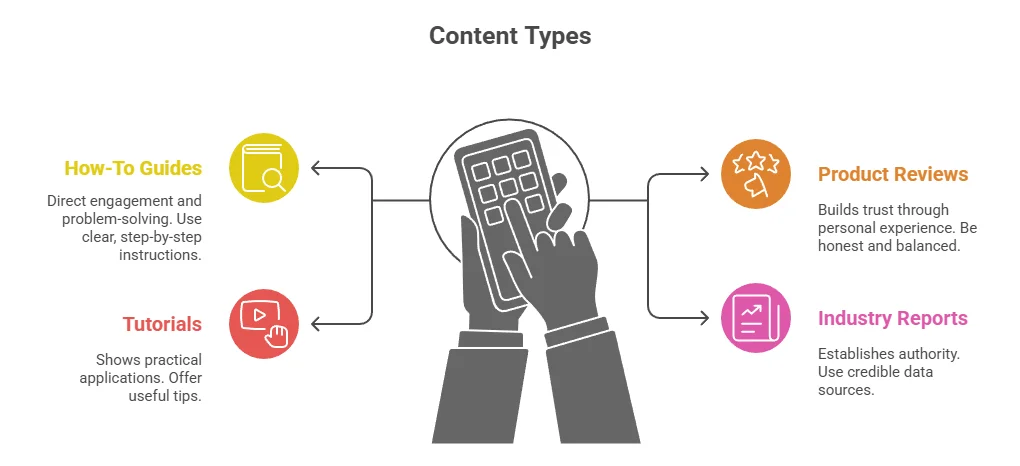
| Content Type | Benefits | Best Practices |
|---|---|---|
| How-To Guides | Direct engagement and problem-solving | Use clear, step-by-step instructions |
| Product Reviews | Builds trust through personal experience | Be honest and balanced |
| Tutorials | Shows practical applications | Offer useful tips |
| Industry Reports | Establishes authority | Use credible data sources |
For more insights on boosting your affiliate marketing with content strategies, visit Blogging Basics 101 for expert advice. Additionally, HubSpot offers various tools and tips to enhance your marketing strategies.
Engaging Your Audience: Tips for Writing Effective Informative Content
Creating informative content is essential in engaging your audience effectively. To stand out in a crowded digital landscape, you must understand who your audience is and what they seek. This approach not only establishes trust but also fosters loyalty. Here are some tips to help you connect with your readers through effective informative content.
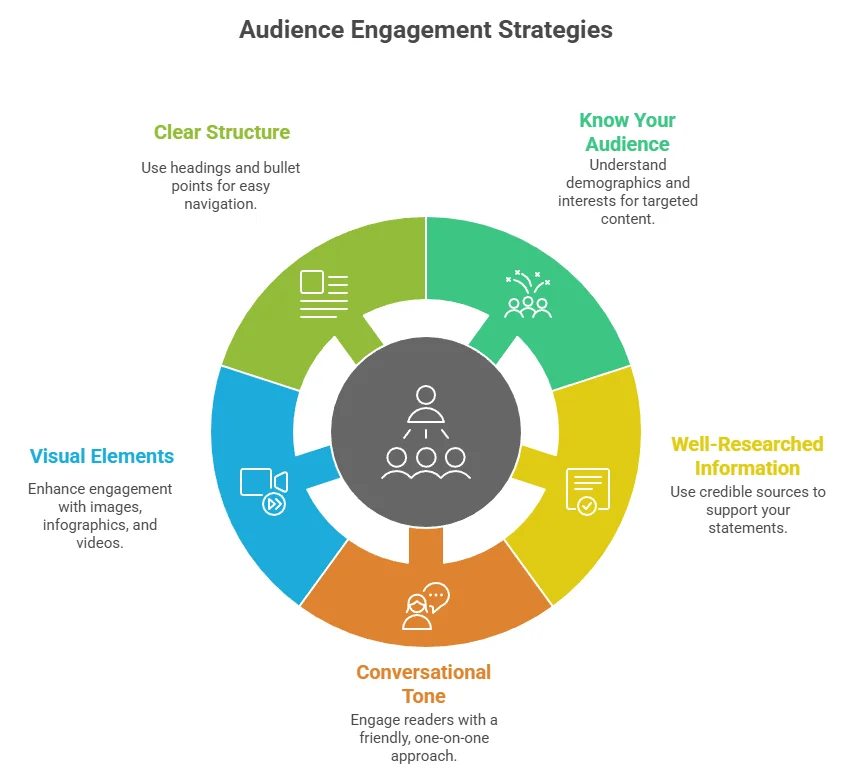
The first step in writing effective informative content is understanding your audience. You need to identify their interests, challenges, and preferences. Conduct surveys or analyze engagement metrics to gather insights. Knowing your audience will allow you to tailor your language, tone, and content structure to meet their needs.
Next, ensure that your content is well-researched. Readers appreciate credible and accurate information. By providing well-documented facts, statistics, and insights, you demonstrate authority in your field. Use reputable sources such as Statista for statistical data or Pew Research Center for research findings. Proper citations not only enhance your credibility but also provide additional resources for your readers.
Engaging content is often conversational. Write as if you are speaking directly to your readers. Use a friendly tone and include personal anecdotes when applicable. This approach helps to build a connection and makes the content more relatable. Incorporate questions that invite readers to reflect on their experiences.
Visuals play a critical role in effective informative content. Use images, infographics, and videos to complement your writing. Visual content breaks up text and keeps readers engaged. Tools like Canva can help you create appealing graphics effortlessly. Ensure that every visual is relevant and serves to enhance the reader’s understanding of the topic.
Structure your content with clarity in mind. Use short paragraphs, bullet points, and headings to organize information logically. Too much text can overwhelm readers, so keep sentences concise. Readers often scan content; thus, highlight key points by using bold or italics strategically.
- Know Your Audience: Research demographics and interests.
- Well-Researched Information: Use credible sources to back your statements.
- Conversational Tone: Engage readers as if you’re having a one-on-one chat.
- Visual Elements: Add images, infographics, and videos for better engagement.
- Clear Structure: Use headings and bullet points for easy navigation.
Another crucial aspect is the inclusion of actionable insights. Provide tips, how-tos, or step-by-step guides that readers can implement. This not only makes your content more valuable but also encourages readers to share it with others.
Calls to action (CTAs) are essential in engaging your audience further. After sharing valuable information, encourage readers to take a specific action, such as signing up for a newsletter or sharing their thoughts in the comments. A well-placed CTA can help turn casual readers into active participants in your community.
Don’t forget to promote your content. Share it across social media platforms, collaborate with influencers, or engage with online communities. Use platforms like Reddit or LinkedIn to reach wider audiences. Ensure that your content is mobile-friendly, as more users are accessing information through their smartphones.
Engaging your audience through informative content requires a blend of understanding, research, structure, and promotion. By creating meaningful material that speaks directly to your readers, you will foster long-lasting engagement and build a loyal following.
Measuring the Impact of Informational Content on Affiliate Marketing Performance
Affiliate marketing has gained traction as an efficient way for businesses to expand their reach and boost sales. One effective strategy in this space is using informational content. When you create valuable content, you not only inform your audience but also guide them towards making purchase decisions. Understanding how to measure the impact of this content on your affiliate marketing performance can lead to more significant ROI.
Understanding Informational Content
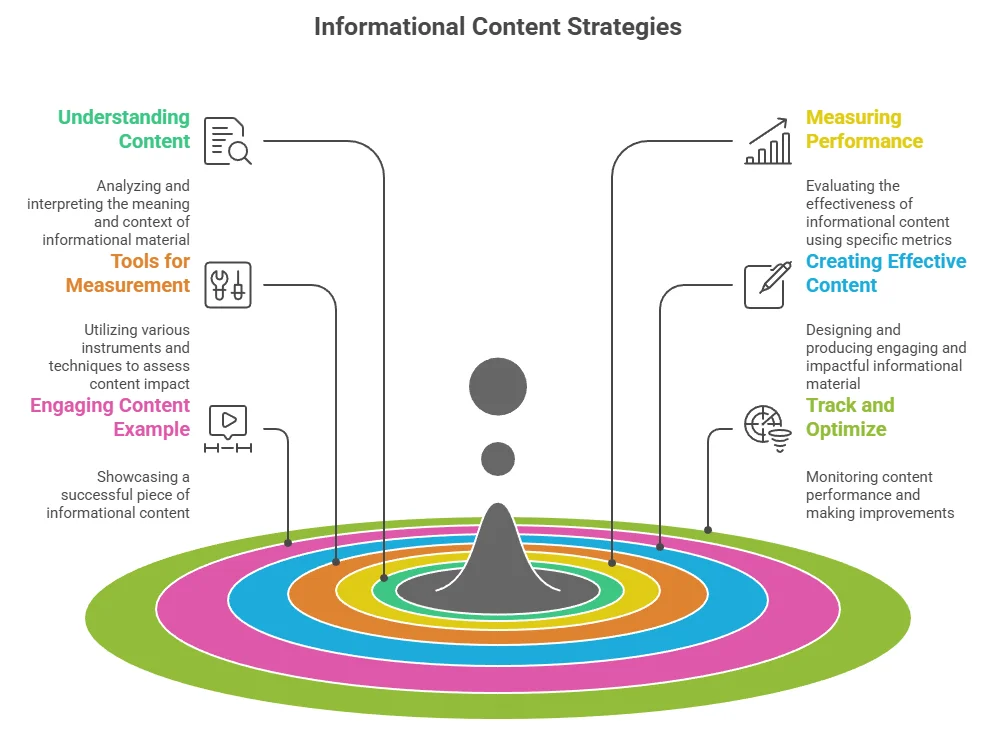
Informational content includes articles, videos, infographics, and other resources designed to educate your audience. This type of content is essential because it helps establish your authority in a niche while providing readers with valuable insights. When crafted correctly, it can seamlessly integrate affiliate links that direct readers to products or services.
Key Metrics to Measure Performance
To assess the effectiveness of your informational content in affiliate marketing, focus on these critical metrics:
- Traffic Volume: Monitor the number of visitors to your content.
- Engagement Rates: Look for comments, shares, and time spent on the page.
- Click-Through Rate (CTR): This tells you how many visitors click on your affiliate links.
- Conversion Rate: Ultimately, track how many people make a purchase after clicking through from your content.
- Return on Investment (ROI): Analyze how much revenue your affiliate marketing earns compared to costs.
Tools for Measuring Impact
Utilizing the right tools can simplify tracking these metrics:
- Google Analytics: Use this tool to monitor traffic sources, user behavior, and conversions.
- Social Media Analytics: Platforms like Facebook and Twitter offer insights into performance.
- Affiliate Dashboards: Many affiliate programs have built-in dashboards for tracking.
- Heatmaps: Tools like Hotjar can help you see where users click.
Creating Effective Informational Content
To fully leverage informational content for affiliate marketing, consider the following strategies:
- Identify Your Audience: Know who your readers are and what information they seek.
- Incorporate SEO Practices: Use relevant keywords naturally throughout your content.
- Utilize a Conversational Tone: Write as if you’re having a chat with your reader.
- Include Visuals: Adding images, videos, or infographics can break up dense text.
Example of an Engaging Informational Content
Suppose you are promoting fitness products. You could create an article titled “5 Essential Tips for Building Muscle at Home.” In the body of your article, you could provide detailed tips and seamlessly integrate links to relevant affiliate products like weights, resistance bands, or instructional fitness programs.
Track and Optimize
After implementing your strategies, continually track the performance of your content. Use the insights gained to optimize future creations. If certain topics see high traffic but low conversion, reevaluate how you present affiliate links.
Resources for Further Learning
For more in-depth knowledge and strategies surrounding affiliate marketing and informational content, consider exploring these resources:
Conclusion
Harnessing the power of informational content in affiliate marketing can significantly enhance your success. By strategically implementing content strategies, you can connect more deeply with your audience, building trust and authority in your niche. SEO plays a critical role, ensuring that your articles rank well and attract the right visitors. Through the use of optimized keywords and engaging titles, you can draw in readers looking for valuable information, leading them to your affiliate links naturally.
Understanding the types of informational content that resonate with your audience—be it how-to guides, product reviews, or informative blog posts—can drive affiliate sales effectively. Diversifying your content approach not only keeps your audience engaged but also caters to different preferences. Furthermore, writing effectively hinges on crafting relatable and engaging messages that speak directly to your readers, fostering a sense of community and interaction.
It’s essential to measure the impact of your efforts. Analyzing metrics such as traffic, conversion rates, and user engagement provides insights into what works and what doesn’t. By continuously refining your approach based on these metrics, you can improve your content strategy over time, ensuring sustained growth in your affiliate marketing performance.
Ultimately, leveraging Affiliate Marketing with Informational Content isn’t just about driving sales; it’s about delivering real value to your audience. When you prioritize their needs and preferences, you build lasting relationships that yield long-term success. Embrace these strategies, and you’ll find that Affiliate Marketing with Informational Content can become a powerful tool in your digital toolkit.