

 ATTENTION: Want to Learn Affiliate Marketing from Successful Affiliates?
Join this FREE community where successful marketers share their secrets!
Learn directly from highly successful affiliate marketers
Access free, actionable training content regularly
Connect with an active community of over 5,000 members
Network with multiple six-figure earning affiliates
Get your questions answered by real experts
JOIN FREE NOW!
ATTENTION: Want to Learn Affiliate Marketing from Successful Affiliates?
Join this FREE community where successful marketers share their secrets!
Learn directly from highly successful affiliate marketers
Access free, actionable training content regularly
Connect with an active community of over 5,000 members
Network with multiple six-figure earning affiliates
Get your questions answered by real experts
JOIN FREE NOW!
Affiliate marketing can be a powerful way to earn passive income online. By promoting products and earning commissions, many website owners have turned their passion into profit. Below are ten outstanding Affiliate Marketing Website Examples that can provide valuable insights into what makes an affiliate website successful.
1. Smart Passive Income
Run by Pat Flynn, this website offers a wealth of resources for aspiring affiliate marketers. Pat shares his journey, including the ups and downs of affiliate marketing, detailed income reports, and strategies that you can implement. It’s transparent and educational, perfect for beginners and seasoned marketers alike. Visit Smart Passive Income.
2. Neil Patel
Neil Patel’s website is a hub of digital marketing knowledge, including affiliate marketing. He provides insightful content covering SEO strategies, paid advertising, and analytics. The various tools available on the site help users track their affiliate campaigns effectively. Explore more at Neil Patel.
3. The Penny Hoarder
This personal finance website focuses on helping readers save and make money. The Penny Hoarder excels at affiliate marketing through engaging content and by recommending products that truly benefit their readers. Their genuine approach builds trust, enhancing conversion rates. Check out The Penny Hoarder.
4. NerdWallet
NerdWallet is renowned for its focus on financial services comparison. By offering unbiased reviews and comparisons of credit cards and loans, they utilize affiliate links to earn commissions. Their user-friendly layout and clear content make it easy for visitors to navigate. See more at NerdWallet.
5. Ahrefs Blog
Ahrefs is a popular SEO tool, but their blog serves as a fantastic affiliate marketing model. They share insights on SEO strategies that help beginners and experts alike maximize their online visibility. The blog integrates affiliate products naturally, blending education with promotion. Learn at Ahrefs Blog.
6. Making Sense of Cents
Michelle Schroeder-Gardner’s blog focuses on personal finance and lifestyle topics. Her affiliate marketing success stems from her ability to connect with her audience through authentic storytelling. She shares her strategies openly, providing practical advice to her readers. Visit Making Sense of Cents.
7. Capterra
Capterra specializes in software reviews and comparisons. By suggesting software solutions for various businesses and industries, they generate income through affiliate partnerships. Their detailed reviews and robust comparison tools make it invaluable for users in need of software assistance. Explore Capterra.
8. Reviews.com
This website is dedicated to generating in-depth product reviews on a wide array of categories. Reviews.com utilizes comprehensive research to present honest opinions, linking to products through affiliate partnerships. Their authority and trustworthiness foster high conversion rates. Find reviews at Reviews.com.
9. TechRadar
TechRadar is an excellent source for technology-related reviews, comparisons, and guides. They utilize affiliate marketing well, recommending gadgets and software that they genuinely believe in. The site’s engaging format keeps readers interested while driving sales through affiliate links. Visit TechRadar.
10. The Wirecutter
Part of The New York Times, The Wirecutter excels at providing detailed product recommendations. With thorough guides and expert opinions, they guide readers toward making informed purchases, earning commissions through affiliate sales without compromising on integrity. Read more at The Wirecutter.
Understanding successful Affiliate Marketing Website Examples can provide a roadmap for your own venture. Take cues from these examples to build a website that not only drives traffic but also converts visitors into customers. By focusing on quality content and genuine recommendations, you can foster trust and generate revenue through affiliate marketing.
How to Choose the Right Affiliate Programs for Your Website
Choosing the right affiliate programs for your website is crucial for maximizing your earning potential. With so many options available, it can feel overwhelming. Here are some straightforward strategies to help you select programs that align with your goals and audience.
Understand Your Audience
Before diving into affiliate programs, it’s essential to know your audience. Understanding what products or services your visitors are interested in will guide your choices. Consider the following:
- Demographics: Who visits your site? What are their age, interests, and needs?
- Behavior: What kind of content do they engage with? Are they looking for reviews, price comparisons, or tutorials?
- Feedback: Gather questions and comments from your audience to learn what they find valuable.
Research Affiliate Programs
Once you have a clear understanding of your audience, research programs that cater to their interests. Here are some tips to find reliable affiliate programs:
- Niche-Specific Programs: Look for affiliate programs that specialize in your niche. For example, if you run a health blog, consider affiliates like Health Affiliate Programs.
- Popular Networks: Consider joining established affiliate networks such as ClickBank or Amazon Associates. They offer a variety of products across different niches.
- Brand Reputation: Focus on programs offered by reputable brands. A trustworthy brand will make it easier to convert visitors into customers.
Evaluate Commission Structures
| Commission Type | Description |
|---|---|
| Pay-per-sale (PPS) | You earn a commission when a customer makes a purchase through your link. |
| Pay-per-click (PPC) | You earn money each time a user clicks on your affiliate link, regardless of purchase. |
| Pay-per-lead (PPL) | You earn a fee when a visitor takes a specific action, like signing up for a newsletter. |
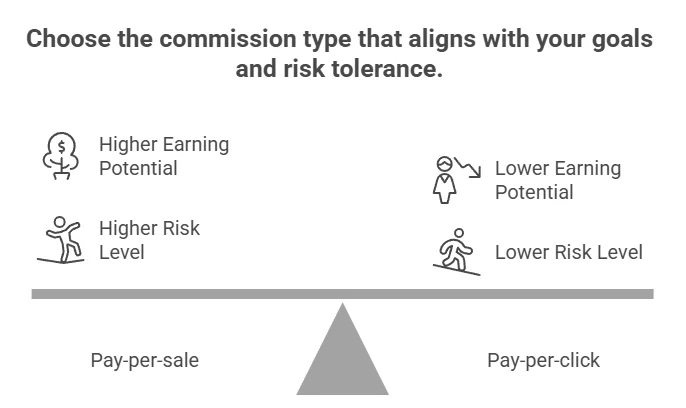
Assess which structure best aligns with your website’s content and your audience’s behavior.
Consider the Support and Resources
Once you’ve narrowed down your options, check the support and marketing resources each affiliate program offers. Good programs provide:
- Marketing Materials: Banners, text links, and promotional content can help you effectively promote their products.
- Performance Tracking: A reliable dashboard allows you to monitor traffic, clicks, and conversions.
- Support: Evaluate the accessibility of their support team in case you have questions or encounter issues.
Review the Terms and Conditions
Always read the terms and conditions of any affiliate program you’re considering. Pay attention to:
- Payment Terms: Understand when and how you’ll receive your commission.
- Cookie Duration: Know how long the affiliate cookie last to ensure you earn the right commission.
- Restrictions: Be aware of any promotional methods that are not allowed (e.g., PPC advertising).
Choosing the right affiliate programs involves careful consideration and research, but it can pay off significantly in the long run. Remember to continually assess your choices as your audience and their needs evolve. For more information on affiliate marketing strategies, visit Affiliate Programs for more insights.
Common Mistakes to Avoid in Affiliate Marketing
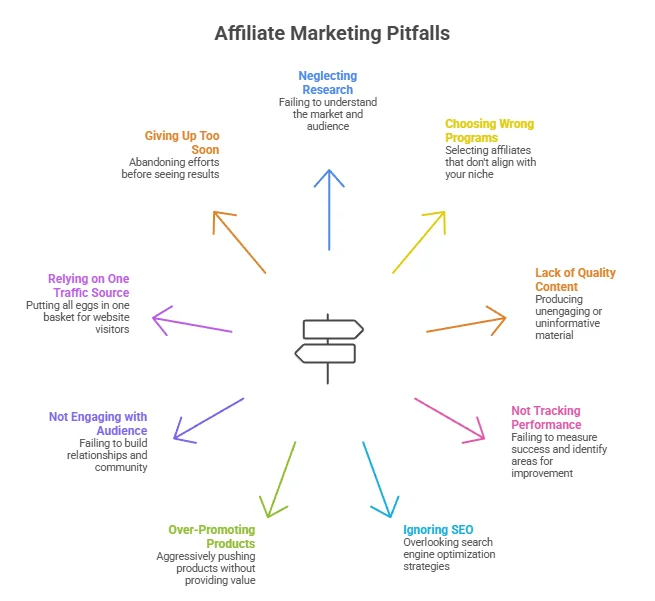
Venturing into the realm of affiliate marketing can be exhilarating yet challenging. Many newcomers make common missteps that can hinder their success. Knowing what to avoid can help you navigate this landscape more effectively and set you up for long-term achievements in affiliate marketing.
Neglecting Research
One of the primary errors is failing to conduct thorough research before diving into affiliate marketing. You need to understand the products you’re promoting and the audience you’re targeting. Effective research can help you make informed decisions about what niche to pursue and which affiliate programs to join. Spend time analyzing competitors, market trends, and audience preferences to refine your strategy.
Choosing the Wrong Affiliate Programs
Identifying suitable affiliate programs is critical. Joining programs that don’t align with your audience’s interests or products you don’t believe in can lead to dismal sales. Ensure the programs you choose not only offer great commissions but also appeal to your target market. Popular platforms like Awin and CJ Affiliate provide various options to match your niche.
Lack of Quality Content
Content is king in affiliate marketing. Producing subpar content can alienate your audience and reduce your credibility. Always focus on creating high-quality, engaging articles, videos, or posts. Engage with your audience comfortably and offer valuable insights or tips related to the products you’re promoting. For instance, blogging platforms like WordPress are excellent for distributing quality content.
Not Tracking Performance
Failing to track your performance can lead you to miss valuable insight into what works. Utilize tools like Google Analytics to monitor traffic, conversion rates, and user engagement. By analyzing this data, you can adjust your strategies accordingly to optimize performance. Regularly assessing these metrics ensures you can better guide your next steps in your affiliate marketing journey.
Ignoring SEO
Search engine optimization (SEO) is critical for driving organic traffic to your affiliate marketing website. Many beginners overlook this crucial aspect, leading to minimal visibility. Optimize your site by focusing on relevant keywords, meta descriptions, and site speed. You can enhance your knowledge through resources like Moz.
Over-Promoting Products
While it’s essential to promote the products you’re affiliated with, excessive promotion can turn off your audience. People can sense when they’re being sold to, and it may lead to distrust. Instead, aim for a balance between informative content and promotional messages. Focus on building relationships with your audience by offering valuable, trustworthy information.
Not Engaging with Your Audience
In affiliate marketing, connection with your audience is pivotal. Ignoring comments, questions, or feedback can hinder relationship-building. Make an effort to engage with your audience on social media, through email, or within the comments section of your blog. Responding to inquiries fosters loyalty, increasing the likelihood of purchasing through your affiliate links.
Relying Solely on One Traffic Source
Many marketers make the mistake of relying solely on one traffic source, such as social media or paid ads. A diversified approach is beneficial as it mitigates risk. Consider utilizing various platforms, including email marketing, social media, and search engines, to create a robust web of traffic sources that drive visitors to your site.
Giving Up Too Soon
Affiliate marketing success typically doesn’t happen overnight. Many new marketers will quit when they don’t see immediate results. Stay committed and patient while continuing to refine your strategy. It may take time to effectively establish your online presence and start generating significant income. By understanding these common pitfalls and taking active steps to avoid them, you can enhance your chances of success in the affiliate marketing space. Remember, refining your techniques, maintaining quality content, and engaging meaningfully with your audience are vital components of building a thriving affiliate marketing business.
The Future of Affiliate Marketing: Trends to Watch
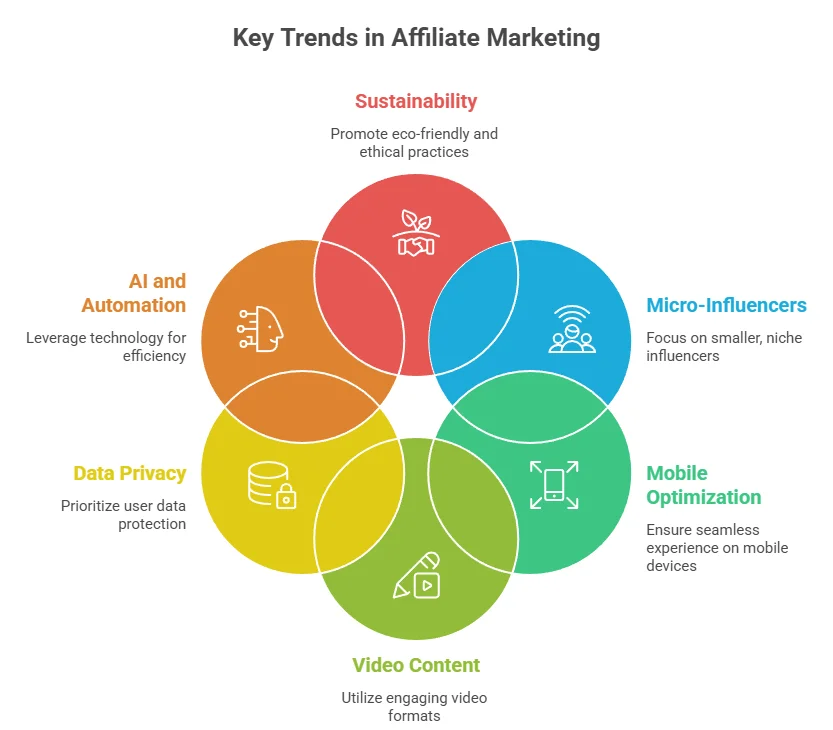
As the digital landscape evolves, so does the world of affiliate marketing. In recent years, a myriad of trends has reshaped how marketers approach this field. Understanding these trends can help your affiliate marketing efforts stand out and succeed. Here are some key trends you should watch for the future.
Increased Focus on Micro-Influencers
Micro-influencers, who typically have a smaller but highly engaged following, are becoming more relevant in affiliate marketing. Their followers often trust their recommendations more than those from larger influencers. Here’s why you should consider working with micro-influencers:
- Higher engagement rates due to niche audiences.
- Cost-effective partnerships compared to big-name influencers.
- Stronger authenticity in recommendations.
Collaborating with micro-influencers not only boosts your reach but also increases the likelihood of conversion, given their ability to connect with their audience on a personal level.
Mobile Optimization is Essential
With mobile traffic accounting for over 50% of online visits, optimizing your affiliate marketing strategies for mobile users is crucial. A few steps include:
- Creating mobile-friendly landing pages that load quickly.
- Using responsive design to enhance user experience on all devices.
- Utilizing mobile-specific promotions and discounts.
You can ensure that your audience can access your content seamlessly, whether they are browsing from a smartphone or tablet. For examples of successful mobile marketing strategies.
The Rise of Video Content
Video content continues to dominate attention in digital marketing. video into your affiliate marketing strategy can significantly boost engagement. Consider these video formats:
- Product reviews and comparisons.
- How-to videos that educate viewers.
- Live events showcasing products, offering exclusive deals.
Platforms like YouTube and TikTok are great for sharing concise and engaging content. Brands that embrace video often see an increase in conversions, which is critical in the competitive landscape of affiliate marketing.
Data Privacy Awareness
With stringent regulations like GDPR and growing concerns about data privacy, marketers must prioritize transparent data practices. Here’s how to adapt:
- Be transparent about how you collect and use customer data.
- Get explicit consent from users regarding data usage.
- Provide easy options to opt out of tracking and communications.
Respecting consumer data can build trust and loyalty in your audience. Explore more on data privacy regulations on Privacy Shield’s website.
Emergence of AI and Automation
Artificial Intelligence and automation are changing the affiliate marketing game. AI tools can analyze trends, optimize campaigns, and personalize content for better engagement. Consider integrating automation to:
- Track affiliate performance metrics in real-time.
- Automate email marketing campaigns tailored to user behaviors.
- Use AI-generated content to save time on production.
Implementing these technologies can lead to more efficient marketing efforts and higher returns on investment.
Sustainability and Ethical Marketing
As consumers become more environmentally conscious, brands that advocate for sustainability resonate well with audiences. In your affiliate marketing strategy, consider:
- Promoting products that are eco-friendly and sustainable.
- Collaborating with brands that prioritize ethical business practices.
- Creating content that educates consumers about sustainable choices.
Brands that align with these values can build stronger, trust-based connections with their audience. Staying ahead of these emerging trends can significantly enhance your understanding and effectiveness in affiliate marketing. The landscape is continuously changing, and by adapting your strategies, you’re not just reacting to changes but proactively leading in the industry.
| Trend | Impact | Action Steps |
|---|---|---|
| Micro-Influencers | Higher engagement and trust | Collaborate with niche influencers |
| Mobile Optimization | Increased mobile user engagement | Create mobile-friendly content |
| Video Content | Boosted audience engagement | Produce diverse video formats |
| Data Privacy | Enhanced user trust | Prioritize transparent practices |
| AI and Automation | Operational efficiency | Integrate AI tools |
| Sustainability | Connect with conscious consumers | Focus on eco-friendly offerings |
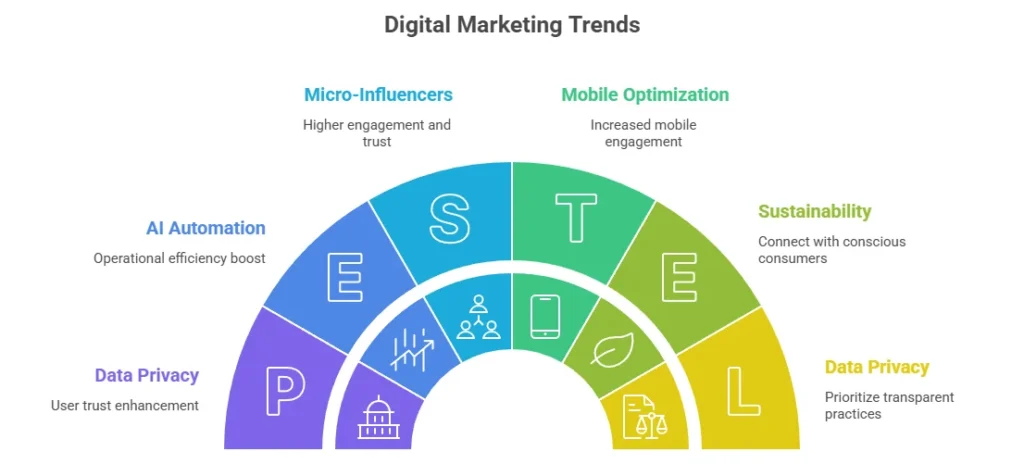
Keeping an eye on changes like these allows you to refine your affiliate marketing strategy for future success. Each trend presents unique opportunities, ensuring your approach remains innovative and aligned with audience expectations. These are key Affiliate Marketing Website Examples of how to stay relevant.
Conclusion
As we wrap up our exploration of affiliate marketing, it’s clear that learning from the best Affiliate Marketing Website Examples is crucial. The top 10 affiliate marketing websites we’ve highlighted showcase a range of strategies that can help you carve out your niche in this competitive landscape. By understanding the key features of successful sites, such as user experience, engaging content, and effective calls-to-action, you can design a website that attracts and retains visitors.
Choosing the right affiliate programs is equally important. The right partnerships not only align with your brand but also cater to your target audience’s needs. Conducting thorough research can set you up for long-term success and profitability. However, be mindful of common pitfalls like neglecting to track your performance or failing to update your content regularly. Avoiding these mistakes will put you on a much smoother path toward growth.
Looking ahead, the future of affiliate marketing is bright, with trends like influencer collaborations and personalized marketing gaining traction. Staying informed about these trends will keep your strategies fresh and impactful. Embracing new technologies and adapting to consumer behavior will also enhance your success.
By utilizing the insights gained from this article, you are well-equipped to dive into the world of affiliate marketing. Embrace the journey, learn continuously, and adapt as you go. With dedication and the right approach, you can create a thriving affiliate marketing website that resonates with your audience and drives significant revenue.