

 ATTENTION: Want to Learn Affiliate Marketing from Successful Affiliates?
Join this FREE community where successful marketers share their secrets!
Learn directly from highly successful affiliate marketers
Access free, actionable training content regularly
Connect with an active community of over 5,000 members
Network with multiple six-figure earning affiliates
Get your questions answered by real experts
JOIN FREE NOW!
ATTENTION: Want to Learn Affiliate Marketing from Successful Affiliates?
Join this FREE community where successful marketers share their secrets!
Learn directly from highly successful affiliate marketers
Access free, actionable training content regularly
Connect with an active community of over 5,000 members
Network with multiple six-figure earning affiliates
Get your questions answered by real experts
JOIN FREE NOW!
Affiliate Marketing on Social Media has become a dynamic way for businesses and individuals to earn income. Success in this area involves understanding your audience, choosing the right platforms, and creating engaging content. Here are several strategies you can implement to maximize your affiliate marketing efforts on social media.
Understand Your Audience
Knowing your audience is the cornerstone of effective affiliate marketing. By understanding who your followers are, their interests, and what content resonates with them, you can tailor your affiliate promotions accordingly. Use the following techniques to gain insights:
- Analytics Tools: Use tools like Google Analytics and Facebook Insights to analyze follower demographics and engagement patterns.
- Surveys and Polls: Regularly ask your audience about their preferences and needs. This direct feedback can guide your content creation.
Choose the Right Social Media Platforms
Not all social media platforms are equally effective for affiliate marketing. Select platforms where your target audience spends the most time. For example:
- Instagram: Great for visually appealing products.
- Facebook: Effective for building a community and driving long-form engagement.
- Twitter: Useful for real-time promotions and updates.
- LinkedIn: Ideal for B2B affiliate marketing.
Create Engaging Content
To succeed at affiliate marketing, create content that truly engages your audience. This can be achieved through:
- High-Quality Images and Videos: Visual content is more likely to capture attention. Use images and videos that showcase the products you are promoting.
- Authentic Storytelling: Share personal experiences with the product. This builds trust and encourages your audience to make a purchase.
- Interactive Content: Use polls, quizzes, or contests to engage your audience and promote affiliate links naturally.
Leverage Influencer Collaborations
Collaborating with influencers can expand your reach significantly. Here’s how to get started:
- Identify Relevant Influencers: Look for influencers whose audience aligns with your target market. Tools like Socialbakers can help find suitable partners.
- Mutually Beneficial Arrangements: Offer attractive commissions and collaborate on content that highlights both your brand and the influencer’s strengths.
Utilize Affiliate Links Wisely
When sharing affiliate links on social media, it’s essential to do so judiciously:
- Shorten Links: Use link shorteners like Bitly to create clean and attractive URLs.
- Disclose Partnerships: Be transparent about your affiliate relationships. This builds trust and adheres to guidelines set by platforms.
Engage with Your Community
Social media is about building relationships. Engage regularly with your community by:
- Responding to Comments: Take the time to reply to your followers’ comments or questions about products.
- Joining Conversations: Participate in relevant discussions or forums to further establish your expertise in the niche.
Monitor Performance and Adjust Strategies
Regularly monitoring your performance helps ensure your strategies are effective. Track metrics like click-through rates and conversion rates. Use this data to modify your approach as needed. Tools like Google Analytics and Hootsuite can aid in performance tracking.
Stay Informed About Trends
The world of affiliate marketing constantly evolves. Stay updated with the latest trends by following platforms like:
These strategies into your Affiliate Marketing on Social Media will not only help you generate income but also build a reputable and engaged online presence. Always prioritize creating value for your audience, and the results will follow.
Top Social Media Platforms for Affiliate Marketing
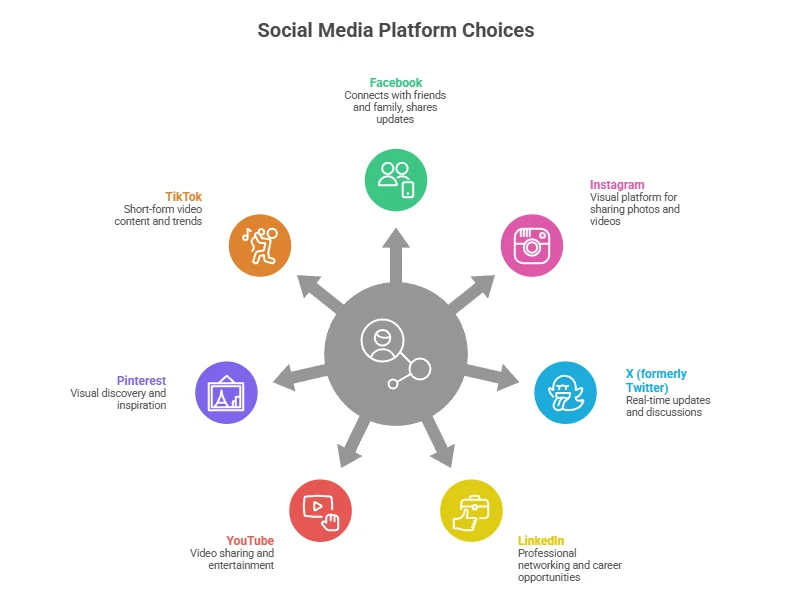
In today’s digital world, social media platforms have become major players in the affiliate marketing landscape. Each platform offers unique features that cater to different audiences and marketing strategies. To maximize your affiliate marketing efforts, it’s crucial to choose the right platforms that align with your target market and promotional tactics.
Facebook remains one of the most popular platforms for affiliate marketing. With over 2.8 billion users, it provides a vast audience for marketers. You can create business pages, join groups, and even run paid ads to reach potential customers. Sharing engaging content, including videos and images, can drive traffic to your affiliate links. Additionally, Facebook ads offer precise targeting options, allowing you to reach specific demographics. It’s essential to optimize your posts for sharing, creating an easy way for users to pass along your content.
Instagram is ideal for visual storytelling, making it perfect for affiliate marketers promoting products. The platform allows you to share stunning images and short videos that can captivate your audience’s attention. With features like Stories and IGTV, you can create engaging content that keeps followers interested. Utilizing Instagram’s “swipe-up” feature in Stories can lead directly to your affiliate products, provided you have over 10,000 followers or a verified account. Partnering with influencers can also extend your reach and lend credibility to your marketing efforts.
While Twitter may not have the same dynamic visual appeal as other platforms, it allows for convenient sharing of quick updates and links. With its 280-character limit, effective communication is key. You can post affiliate links, engage with followers, and participate in trending conversations to boost visibility. Using relevant hashtags will help your tweets reach a broader audience. Twitter’s unique feature of retweeting also allows your followers to share your content easily, creating more exposure for your affiliate links.
For those in the B2B space, LinkedIn is an excellent platform for affiliate marketing. It’s a networking site, making it perfect for connecting with professionals and decision-makers. By sharing insightful articles or posts related to your niche, you can establish authority and promote products relevant to your audience. Joining LinkedIn groups and participating in discussions can enhance your visibility and help drive traffic to your affiliate links. This platform offers a more professional approach to marketing, which can be quite effective in generating leads.
YouTube
YouTube is the second largest search engine after Google, making it a powerful platform for affiliate marketing. Video content can be incredibly persuasive, allowing you to demonstrate products lively. Creating unboxing videos, reviews, and tutorials can help viewers understand your products better and encourage them to click your affiliate links. Including affiliate links in your video descriptions can lead to higher conversion rates. Don’t forget to promote your channel on other social media platforms to increase subscribers and engagement.
Pinterest is often overlooked but is a powerful tool for affiliate marketing, especially in niche markets. It operates as a visual discovery engine, perfect for lifestyle, fashion, and home decor products. You can create eye-catching pins that link directly to your affiliate products. By optimizing your pins for search and using rich pins, you can boost visibility and drive traffic to your affiliate links. Tailoring your content to cater to seasonal trends can also yield excellent results on Pinterest.
TikTok
With its explosive growth, TikTok is becoming increasingly popular for affiliate marketing. The platform’s short, engaging videos appeal to younger audiences, offering unique opportunities for creative storytelling. Creating catchy videos and leveraging viral trends can effectively promote your products. Additionally, you can utilize TikTok ads to reach specific audiences, making your marketing strategies even more effective.
By selecting the right social media platforms for your affiliate marketing efforts, you can enhance your reach and increase conversions. Whether you opt for Facebook, Instagram, Twitter, LinkedIn, YouTube, Pinterest, or TikTok, each offers distinctive ways to engage with your audience and promote affiliate products effectively. For more expert insights, visit sites like Shopify and WordStream for valuable resources on affiliate marketing strategies.
Building an Audience for Your Affiliate Links
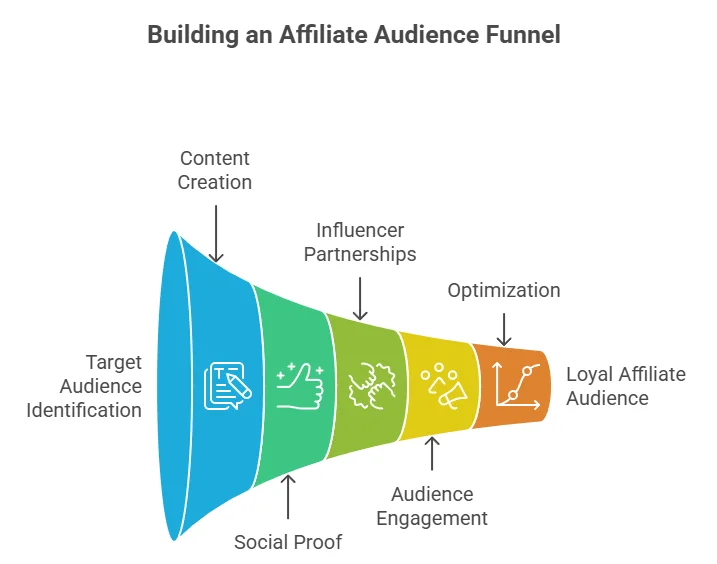
Building a loyal audience is essential for successfully using Affiliate Marketing on Social Media. You want to create an engaged community that trusts your recommendations. Here are some effective strategies to help you connect with your target audience and promote your affiliate links seamlessly.
Understand Your Target Audience
Knowing your audience is crucial. Take the time to understand their interests, preferences, and pain points. You can use several methods to gather this information:
- Engage in social listening on platforms like Twitter and Facebook.
- Conduct polls or surveys via your social media channels.
- Join relevant groups and forums to observe discussions.
When you know what your audience cares about, you can tailor your content to meet their needs.
Create Valuable Content
Producing valuable content is at the heart of building an audience. The aim is to provide information that resonates with your audience and builds trust. Consider the following content types:
- Informative Posts: Create how-to guides, tips, or tutorials related to your niche.
- Videos: Use platforms like Instagram Reels or TikTok to share quick tips or product reviews.
- Blogs: Write in-depth articles on your website and share them on your social media.
All content should include your affiliate links naturally, ensuring they add value to what you’re sharing.
Leverage Social Proof
Social proof can significantly enhance your credibility. Showcasing testimonials, reviews, or case studies can influence your audience’s purchasing decisions. Here are ways to incorporate social proof:
- Share user-generated content that features your affiliated products.
- Highlight positive reviews and experiences from other customers.
- Use case studies to showcase the effectiveness of the products you promote.
When potential buyers see that others have benefited from a product, they are more likely to click through your affiliate links.
Utilize Influencer Partnerships
Partnering with influencers can expand your reach and help build your audience quickly. Collaborating with individuals who align with your brand can lead to increased trust. Here’s how to approach this:
- Find Relevant Influencers: Look for those in your niche who share a similar audience.
- Build Relationships: Engage with influencers by commenting on their posts and sharing their content.
- Propose Partnerships: Offer to collaborate on promotions or giveaways that include your affiliate links.
Influencer partnerships can provide you with a significant boost in audience size and trust, which is vital for affiliate marketing success.
Engage Your Audience Regularly
Staying active and engaging with your audience consistently is key. Regular interaction can lead to a loyal following. Here are tips to keep your audience engaged:
- Ask Questions: Encourage discussions by posing questions on posts.
- Respond to Comments: Take time to reply to comments and messages to create a community feel.
- Host Live Sessions: Consider live Q&A sessions where you can directly interact with your audience.
The more engaged your audience, the more likely they are to trust your recommendations and click on your affiliate links.
Analyze and Optimize
Review your affiliate marketing performance regularly. Use tools like Google Analytics and social media insights to track what content resonates with your audience. Pay attention to:
| Metric | Importance |
|---|---|
| Click-Through Rate (CTR) | Indicates how well your audience is responding to your affiliate links. |
| Engagement Rate | Shows how involved your audience is with your content. |
| Conversion Rate | Measures the percentage of clicks that resulted in a purchase. |
By optimizing based on these metrics, you can refine your strategy and better serve your audience. Building an audience for your affiliate links on social media takes time and effort, but with the right approach, you can create a community that trusts your advice and is eager to engage with your content. For further insights, check out HubSpot’s affiliate marketing guide and learn more effective techniques.
Measuring Success: Tracking Affiliate Marketing Performance
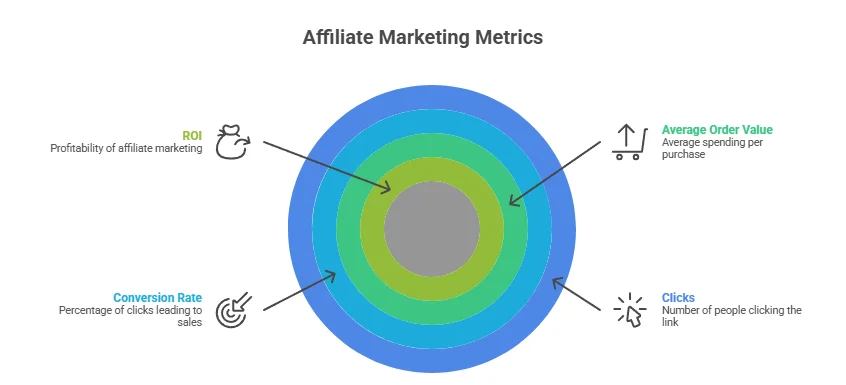
Tracking how well your affiliate marketing efforts perform is crucial for success. You need to measure key metrics that allow you to assess effectiveness and make informed decisions. Understanding your results not only helps you see what works but also how to optimize your marketing strategy effectively. One of the first steps in measuring success is to use analytics tools. Platforms like Google Analytics provide insights into various metrics. Below are some essential metrics you should focus on:
- Clicks: This measures how many people clicked your affiliate link. Higher click rates usually indicate that your content resonates with your audience.
- Conversion Rate: The percentage of clicks that resulted in sales. This metric directly indicates the effectiveness of your marketing strategies. A low conversion rate might suggest that your call-to-action needs improvement.
- Average Order Value (AOV): This shows the average amount spent when a customer makes a purchase through your affiliate link. Monitoring AOV helps identify the potential revenue each referral could generate.
- Return on Investment (ROI): Calculates the profitability of your affiliate marketing. It’s essential to know how much you earn compared to how much you spend.
To make your tracking effective, consider setting goals. Having clear objectives will help you determine what success looks like for your affiliate marketing campaigns. For instance, you might aim for a specific number of clicks or a targeted conversion rate within a set timeframe. An excellent way to visualize your data is through tables and charts. Here’s a sample table that demonstrates how you might track your affiliate marketing metrics over time:
| Month | Clicks | Conversion Rate (%) | Average Order Value ($) | ROI (%) |
|---|---|---|---|---|
| January | 1500 | 3 | 50 | 200 |
| February | 1800 | 4 | 55 | 250 |
| March | 2000 | 5 | 60 | 300 |
Using this table format, you can easily identify trends. If you see that clicks are increasing but conversion rates are not, you may need to revise your promotional strategy. Consider testing different calls-to-action or re-evaluating your target audience. Moreover, it’s crucial to track the performance of each affiliate program you join. Not all programs will yield the same results, and high performance can vary depending on your niche. Regularly reviewing your performance across different partnerships helps you refine your choices. Websites such as AffiliateTraction and ShareASale offer robust reporting tools that can aid in this tracking.
Another important aspect is A/B testing. A/B testing allows you to compare two versions of your campaigns to see which performs better. This could involve testing different headlines, promotional emails, or social media posts. Using this method leads to data-driven decisions which can enhance your affiliate marketing outcomes. In addition, regularly checking in with affiliate networks will keep you informed about new trends, best practices, and updates. Many networks offer dashboards and insights that can give real-time data on how campaigns are performing. Engaging with resources like AWeber and Admitad can provide the latest info in the affiliate marketing landscape.
Always keep your audience in mind. Customer feedback offers invaluable insights. By encouraging reviews and listening to what your audience thinks about the products you promote, you gain a clearer idea of how well your affiliate links are performing. Measuring success in affiliate marketing requires careful tracking, analyzing data, and adjusting your strategies based on results. By focusing on the metrics that matter and using the right tools and strategies, you can significantly enhance your affiliate marketing performance.
Common Mistakes to Avoid in Affiliate Marketing on Social Media
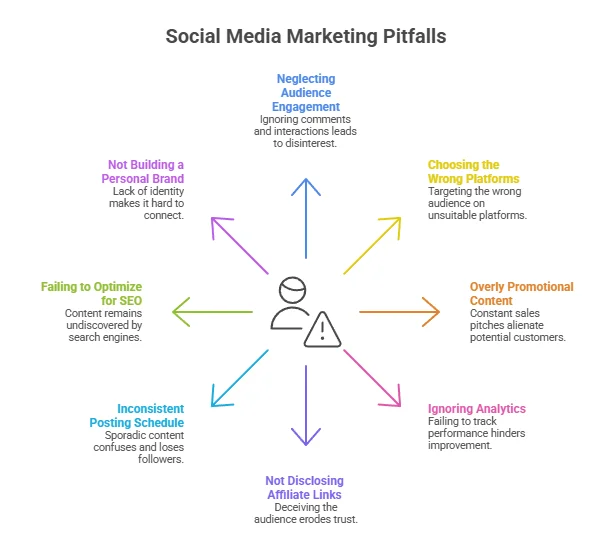
Affiliate marketing on social media can be incredibly rewarding, but stumbling into common pitfalls can derail your success. By steering clear of these mistakes, you can maximize your efforts and drive higher engagement and sales. Here are key missteps to avoid while navigating affiliate marketing on social media.
Neglecting Audience Engagement
One of the biggest mistakes is forgetting to engage with your audience. To build trust and rapport, you need to respond to comments, answer questions, and acknowledge feedback. Social media is not just a broadcasting platform; it’s a community. Make sure to:
- Reply to direct messages promptly.
- Engage with comments on your posts.
- Participate in discussions relevant to your niche.
Choosing the Wrong Platforms
Not all social media platforms are created equal for affiliate marketing. Your audience may be more active on Instagram than LinkedIn, for instance. Research where your target demographic spends their time and focus your efforts there. Consider using:
- Instagram for visually appealing products.
- Facebook for community engagement and targeted ads.
- TikTok for viral short-form content.
Overly Promotional Content
Excessively promoting products can drive your audience away. Balance your content by mixing promotions with valuable information. Aim for a mix that includes:
- Educational posts that teach your audience.
- Personal stories that create relatability.
- Interactive content such as polls or questions.
Ignoring Analytics
Not tracking your performance is another mistake that can cost you dearly. Use analytics tools to measure what works and what doesn’t. Focus on metrics like:
| Metric | Importance |
|---|---|
| Engagement Rate | This shows how well your audience connects with your content. |
| Click-Through Rate (CTR) | This measures how many people take action after seeing your post. |
| Conversion Rate | This indicates how many sales or sign-ups result from your efforts. |
Not Disclosing Affiliate Links
Transparency is key in affiliate marketing. Not disclosing your affiliate links can lead to a breach of trust with your audience. Always be open about your affiliations, as it fosters credibility. Use clear disclaimers such as “I may earn a commission if you purchase through my link.”
Inconsistent Posting Schedule
Inconsistency can confuse your audience and dilute your brand message. To maintain engagement, develop a consistent posting schedule. You could use a content calendar to plan and organize your posts effectively.
Failing to Optimize Content for SEO
While social media is primarily driven by engagement, optimizing your content for search engines can enhance discoverability. Use relevant keywords and hashtags to reach a wider audience. Consider these techniques:
- Incorporate keywords in post captions.
- Use trending hashtags related to your niche.
- Create shareable graphics that attract clicks.
Not Building a Personal Brand
People connect with people, not faceless brands. Failing to build your personal brand can impede your growth. Create a unique voice and style that resonates with your audience. Share your journey and showcase your personality.
Avoiding these common mistakes in Affiliate Marketing on Social Media will help you become more effective. With the right strategies and mindset, you can leverage the power of social platforms to boost your affiliate sales and grow your audience. For further insights, you may check platforms such as Affiliate Programs and Social Media Examiner for expert advice and resources.
Conclusion
Successfully navigating Affiliate Marketing on Social Media requires a blend of strategic planning, audience engagement, and ongoing analysis. By implementing effective strategies tailored to each platform, you can maximize your reach. Platforms such as Instagram, Facebook, TikTok, and Pinterest offer unique opportunities to showcase products. Understanding the strengths of each platform will help you choose where to focus your efforts.
Building an audience is crucial to your affiliate success. You should prioritize creating authentic connections and delivering valuable content that resonates with your followers. This sets a foundation for trust, making them more likely to engage with your affiliate links and promotions. Remember, it’s not just about selling; it’s about providing genuine value.
Measuring your success is vital to understanding what works and making necessary adjustments. Use analytics tools to monitor clicks, conversions, and overall engagement. This data can guide your strategy, showing you what products or content formats your audience prefers.
Be mindful of common pitfalls in affiliate marketing, such as over-promotion, neglecting your audience’s needs, or failing to adhere to platform guidelines. Avoiding these missteps will help sustain your credibility and maintain audience trust.
Affiliate Marketing on Social Media is an evolving landscape, but by focusing on strategies that engage users, choosing the right platforms, and continuously measuring your results, you can create a successful affiliate marketing strategy. Your persistence and adaptability will ultimately lead to growth and success in this dynamic online environment.