

 ATTENTION: Want to Learn Affiliate Marketing from Successful Affiliates?
Join this FREE community where successful marketers share their secrets!
Learn directly from highly successful affiliate marketers
Access free, actionable training content regularly
Connect with an active community of over 5,000 members
Network with multiple six-figure earning affiliates
Get your questions answered by real experts
JOIN FREE NOW!
ATTENTION: Want to Learn Affiliate Marketing from Successful Affiliates?
Join this FREE community where successful marketers share their secrets!
Learn directly from highly successful affiliate marketers
Access free, actionable training content regularly
Connect with an active community of over 5,000 members
Network with multiple six-figure earning affiliates
Get your questions answered by real experts
JOIN FREE NOW!
When stepping into the world of affiliate marketing, the first and crucial step is to validate your niche. This process ensures that you choose a niche that has potential for growth, profitability, and a consistent audience. Without validation, you might find yourself in a less than favorable position, either with unmotivated customers or very little interest in your offerings. Here’s a comprehensive guide to help you understand the Affiliate Marketing Niche Validation Process.
To effectively validate a niche in affiliate marketing, you should follow a systematic approach. Here are the steps you need to take:
1. Identify Your Interests and Passion
The first step is to think about what you are genuinely interested in. Creating content and promoting products in a niche that excites you will make the journey more enjoyable. List down a few topics you are passionate about, as this will keep you motivated during the challenging times.
2. Conduct Keyword Research
Using tools like Google Keyword Planner or Ubersuggest can help you gauge interest in your chosen niche. Here’s how to conduct your keyword research:
- Explore related keywords to see search volume.
- Analyze the competition using metrics like Keyword Difficulty.
- Look for long-tail keywords that are easier to rank for.
This will give you a clearer picture of demand and competition within your niche.
3. Analyze Competition
Understanding your competition is vital. Here are a few ways to analyze it:
- Identify existing affiliate sites in your niche.
- Review their content and product offerings.
- Monitor their social media presence and audience engagement.
- Use SEO tools to evaluate their traffic and rankings.
By analyzing your competitors, you can pinpoint their strengths and weaknesses, allowing you to position your affiliate marketing strategy effectively.
4. Evaluate Profitability
Ensure that the niche you are considering can lead to monetary success. Research the average commission rates of products associated with your niche. Generally, you can find this information on affiliate networks such as Amazon Associates or ShareASale. Consider these factors:
- Average order value: Higher-value products often lead to bigger commissions.
- Commission structure: Recurring commissions from subscription models can provide ongoing income.
- Demand for products: Ensure that there is a consistent demand for the products or services.
5. Validate Market Interest
Use tools like Google Trends to examine the popularity of your niche over time. Here’s how to proceed:
- Look for seasonal trends that might affect product sales.
- Gauge how the topic’s interest grows or declines over time.
- Explore discussions in forums related to your niche to gather insights directly from potential customers.
With this information, you can better understand whether your niche holds long-term potential.
6. Test the Waters
Before fully committing, consider testing the niche. Create a simple blog or landing page to offer some affiliate products. This will give you an idea of how your audience reacts to your offerings. A/B testing can be quite effective here. Track metrics such as:
- Visitor engagement rates
- Click-through rates (CTR)
- Conversion rates
By analyzing this data, you can fine-tune your strategy moving forward. A successful Affiliate Marketing Niche Validation Process significantly reduces risks. It helps in ensuring you invest your time and resources in a direction that will yield positive results. While some may find that the process takes time, it is vital for achieving long-term success in affiliate marketing.
For more information about affiliate marketing and finding the right niche, consider exploring resources from Shopify and Oberlo. These articles provide valuable insights from experts in the field and can guide you in your affiliate marketing journey.
| Step | Description |
|---|---|
| Identify Interests | Choose a niche you are passionate about. |
| Keyword Research | Analyze search volume and keywords. |
| Analyze Competition | Examine competitors and their strengths. |
| Evaluate Profitability | Check commission rates and demand. |
| Validate Market Interest | Use Google Trends and forums. |
| Test the Waters | Create a simple test site and analyze metrics. |

Following these steps will guide you through the Affiliate Marketing Niche Validation Process and help ensure that your efforts will be fruitful. Take your time, analyze thoroughly, and you’ll set yourself up for success.
Key Strategies for Identifying Profitable Niches
One of the most critical steps in the journey of affiliate marketing is identifying a profitable niche. Understanding how to effectively navigate this process can set you up for success. You might be excited to start, but slow down – validating your niche is essential. Let’s explore key strategies to help you pinpoint niches that are profitable and sustainable.
Research Your Interests and Passions
Your journey begins with self-reflection. Consider what you are passionate about or knowledgeable in. When you work in a niche that interests you, it makes the content creation process much more enjoyable. Additionally, your enthusiasm can resonate with your audience, creating a strong connection. Spend some time brainstorming a list of topics that excite you.
Analyze Market Demand
After identifying your interests, the next step is to examine whether there is a market demand for those topics. You can use various tools to aid your analysis:
- Google Trends – This platform allows you to see the popularity of search queries over time.
- Keyword Tool – An excellent source for generating keyword ideas and measuring their search volume.
- Answer the Public – This tool provides insights into questions people are asking related to your niche ideas.
Using these tools, you can gauge what topics are trending and align your interests with market demands. Aim to find a balance between your passion and what people are actively seeking.
Examine the Competition
Next, evaluate the competition within your identified niches. A high level of competition isn’t necessarily bad, but you want to ensure that you can carve out your space in the market. Here are some approaches to assess competition:
- Identify popular blogs and websites within the niche. Take note of their content quality and the engagement they receive.
- Check affiliate programs related to the niche. Websites like ClickBank and Affiliatly can show you products with high commission rates.
- Analyze their social media presence to see how they engage with their audience. Are they getting shares and likes? This can give you insight into the niche’s potential.
Validate the Niche with Keyword Research
Keyword research plays a critical role in niche validation. Use tools like Moz or Ahrefs to identify relevant keywords in your niche. Look at the following:
- Search volume – This shows how many people are searching for a given keyword.
- Keyword difficulty – This indicates how hard it would be to rank for that keyword.
- Related keywords – This can help you uncover sub-niches that may be underserved.
By ensuring that there is a healthy search volume for your potential keywords, you can confirm that there is interest in your niche.
Test Affiliation Opportunities
Once you’ve narrowed down your niche ideas based on passion, competition, and keyword validation, you’ll want to explore potential affiliate programs. Check affiliate networks such as:
- Amazon Affiliate Program – Offers vast options across multiple niches.
- ShareASale – Known for a wide array of products and services ranging from health to fashion.
If strong affiliate opportunities exist, this is a positive sign for the viability of your niche.
Your Plan Moving Forward
After completing your validation process, outline a plan for entering the niche. Create engaging and relevant content aimed at addressing the needs of your audience. Consider different formats, such as blogs, videos, or social media posts. By using these steps, you can effectively identify a profitable niche in the affiliate marketing landscape. It revolves around combining your interests with market demand while keeping a close eye on potential competition and affiliate opportunities.
Common Mistakes to Avoid in Niche Validation
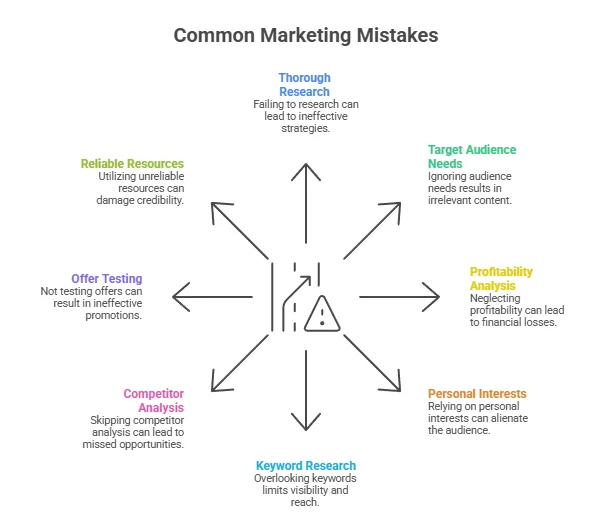
When diving into affiliate marketing, one key step is the Affiliate Marketing Niche Validation Process. This step helps ensure that you are investing time and resources into a niche that is profitable and has enough interest. However, many individuals make critical mistakes that can lead to wasted effort and disappointment. Understanding these common pitfalls can help you navigate through the Affiliate Marketing Niche Validation Process more effectively.
Failing to Research Thoroughly
One of the most significant errors is not conducting adequate research. Without detailed insights into your niche, you risk entering a market that may already be saturated or lacking demand. Take the time to:
- Utilize tools like Google Trends to identify interest over time.
- Explore forums and online communities related to your niche to gauge audience enthusiasm.
- Review existing affiliate programs to understand product offerings and competition levels.
Effective research lays the foundation for successful niche validation.
Ignoring Target Audience Needs
Another common mistake is overlooking the needs and preferences of your target audience. Understanding who your audience is and what they truly need is crucial. Conduct surveys and utilize social media to get feedback directly from potential consumers. You can ask questions like:
- What problems do you face that are related to this niche?
- What solutions have you tried in the past?
- What would make you choose a product over another?
Neglecting Profitability Analysis
Some marketers dive into a niche without validating whether there’s realistic profitability. While passion is important, it should be supported by the numbers. Evaluate potential affiliate products using criteria such as:
- Commission rates
- Average order value
- Payment structure of different affiliate programs
Understanding these aspects will help ensure that your efforts yield financial rewards.
Relying Solely on Personal Interests
While it’s essential to be enthusiastic about your chosen niche, basing your decision solely on personal interests can lead to disappointment. A niche that you love may not have enough market demand. To avoid this trap, balance your interests with market research. Tools like Niche Finder can help identify trending topics while considering your passion.
Overlooking Keyword Research
Keyword research is the backbone of ensuring your niche can attract organic traffic. Many skip this step or do it inadequately. Make sure to invest time in finding the right keywords to target. Use tools like Ahrefs or Moz to help you find terms with good search volumes and manageable competition.
Skipping Competitor Analysis
Another common mistake is neglecting to analyze competitors within the niche. Competitor analysis provides insights into what works and what doesn’t. Take the time to:
- Identify top competitors and analyze their strategies.
- Look at their content quality, product offerings, and customer engagement.
- Determine what gaps you could fill that your competitors aren’t addressing.
Not Testing Offers
Failing to test different offers can hinder your success. Once you’ve validated your niche, try promoting various products to see which ones resonate best with your audience. A/B testing your marketing strategies and offers can lead to improved conversions.
Utilizing Reliable Resources
As you embark on your niche validation journey, it is vital to continually educate yourself about the process. Websites such as Smart Passive Income and eCommerce Fuel offer valuable insights and advice on niche marketing strategies to enhance your knowledge. Avoiding these common mistakes during your Affiliate Marketing Niche Validation Process will put you in a far better position to succeed. By undertaking proper research, understanding audience needs, analyzing profitability, and assessing competition, you will be better equipped for long-term success.
The Role of Market Research in Affiliate Marketing
In the world of affiliate marketing, understanding your market is crucial. Market research plays a vital role in determining which products or services to promote. This analytical process helps you identify the right audience, trends, and demands, ultimately guiding your marketing strategies. Before diving headfirst into your affiliate marketing journey, it’s essential to explore various elements of market research that can significantly impact your success. Here are some key components:
- Identifying Target Audience: Knowing who your audience is will allow you to tailor your marketing campaigns effectively. Conduct surveys or use tools like Google Analytics to determine demographics, interests, and behaviors.
- Analyzing Industry Trends: Keeping up with current trends helps you stay relevant. Websites like Google Trends provide insights into popular searches in your niche.
- Competitive Analysis: Understanding what your competitors are doing provides a strategic advantage. Tools like SimilarWeb help you analyze competitor traffic and their marketing strategies.
To effectively evaluate the viability of a niche for affiliate marketing, consider these factors:
| Factor | Description |
|---|---|
| Demand | Is there a consistent demand for this product category? |
| Profit Margin | How much commission can you earn from promoting products in this niche? |
| Competition | What is the level of competition in your niche? High competition can mean high rewards, but it also means you need to find unique angles. |

Once you identify the viable options, create a list of potential affiliate programs. Websites like CJ Affiliate and Awin showcase numerous affiliate programs to help you connect with potential partners. Additionally, understanding seasonal trends in your niche is essential. Seasonal fluctuations can significantly impact sales. Use historical data and analytics to predict busy periods, and adjust your marketing efforts accordingly. For instance, if you promote holiday gifts, prepare your campaigns well in advance of the holiday season.
Don’t forget to use social listening tools to gauge sentiments about products in your niche. Tools such as BuzzSumo allow you to analyze popular content and see what your audience is currently engaging with. This knowledge helps in creating content that resonates well with your target market. Market research is not a one-time effort; it should be an ongoing process. The trends and preferences of your audience can change rapidly. By continuously validating your niche and updating your strategies, you position yourself and your affiliate marketing endeavors for long-term success. By incorporating these market research strategies, you can make informed decisions and enhance your affiliate marketing efforts.
Investing time in market research will lead to better-targeted marketing efforts, improved engagement, and ultimately higher conversion rates in your affiliate marketing business. Keep refining your process, stay adaptable, and watch your affiliate marketing success grow!
Tools and Resources to Aid Niche Validation Efforts
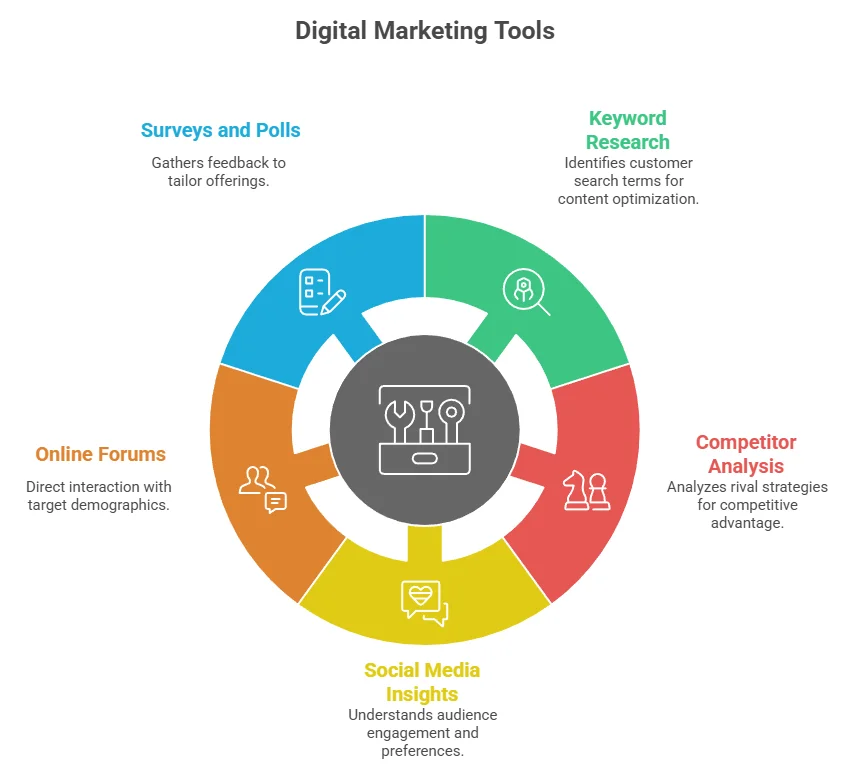
Niche validation is a crucial step in affiliate marketing. It helps you determine whether the niche you want to explore has enough potential for profitability. To streamline this process, various tools and resources can significantly enhance your niche validation efforts. Below are some of these tools that can provide valuable insights and support in making informed decisions.
Keyword Research Tools
Keyword research is at the heart of niche validation. By understanding what people are searching for, you can gauge interest and competition within your chosen niche. Here are some tools to consider:
- Google Trends – This free tool allows you to see the popularity of search terms over time. You can compare different keywords and view geographical interest patterns.
- Ahrefs Keyword Explorer – A powerful but paid tool that gives comprehensive data on keyword difficulty, search volume, and related terms.
- Moz Keyword Explorer – This offers keyword suggestions, difficulty scores, and organic CTR estimations to help you find the most promising keywords.
Competitor Analysis Tools
Analyzing your competitors is essential to validate your niche and identify successful strategies that you can emulate. Below are few tools that can be utilized:
- SimilarWeb – This tool allows you to analyze competitors’ web traffic, audience demographics, and engagement metrics, giving you a clearer view of their success.
- SpyFu – By entering a competitor’s domain, you can see their most profitable keywords and ad strategies.
- BuzzSumo – This platform helps you discover popular content and identify influencers in your niche.
Social Media Insights
Social media platforms are treasure troves of information regarding current trends and audience sentiments. These insights can greatly aid your niche validation:
- Facebook Insights – This tool allows you to analyze engagement on your posts and understand what resonates with your audience.
- Twitter Trends – Checking trending hashtags can unveil what people are talking about in real time.
- Instagram Explore Page – This feature lets you discover content that aligns with your interests, reflecting current trends and popular topics.
Online Forums and Communities
Engaging with communities can provide real-time feedback and insights are invaluable for niche validation:
- Reddit – Subreddits related to your niche can help you understand pain points, interests, and questions potential customers have.
- Quora – This question-and-answer platform gives you a peek into what people want to know or learn about specific topics.
- Facebook Groups – Joining groups relevant to your niche can provide insights, discussions, and support.
Surveys and Polls
Conducting surveys can provide direct feedback from your target audience. Here are some tools you can use to create and distribute surveys:
- SurveyMonkey – An easy-to-use tool for creating surveys with various question types.
- Google Forms – A free option allowing you to create customizable surveys and view responses in real-time.
- Typeform – This platform offers visually appealing surveys and questionnaires that engage users effectively.
Utilizing these tools and resources can enable you to validate your niche effectively. From keyword research to competitor analysis and community engagement, each aspect plays a significant role in ensuring that you choose a profitable niche in affiliate marketing. By investing time in the proper validation process, you’re more likely to find success and set yourself up for long-term growth.
Conclusion
Validating your affiliate marketing niche is a crucial step in setting the stage for success. By understanding the Affiliate Marketing Niche Validation Process, you gain insights into how to choose a profitable area to focus on. Identifying the right niche requires a blend of intuition and strategy; key strategies such as analyzing market trends and audience interests are essential.
Being aware of common mistakes can save you time and resources. Many aspiring marketers jump into niches without thoroughly assessing their viability. Avoiding these pitfalls often leads to clearer insights and improved long-term outcomes. Market research is a powerful tool in understanding your niche landscape. It helps you gauge demand, recognize competition, and understand buyer behavior. Incorporating a comprehensive market research into your niche validation strategy allows you to make more informed decisions and tailor your approach to meet audience needs.
Leveraging the right tools and resources can streamline your niche validation efforts. From keyword research tools to analytics platforms, these resources empower you to gather data efficiently. By employing these strategies and tools, you can navigate the complexities of affiliate marketing with confidence, ultimately positioning your business for growth and success. Embracing this process not only increases your chances of profitability but also leads to a more fulfilling and sustainable affiliate marketing journey.