

 ATTENTION: Want to Learn Affiliate Marketing from Successful Affiliates?
Join this FREE community where successful marketers share their secrets!
Learn directly from highly successful affiliate marketers
Access free, actionable training content regularly
Connect with an active community of over 5,000 members
Network with multiple six-figure earning affiliates
Get your questions answered by real experts
JOIN FREE NOW!
ATTENTION: Want to Learn Affiliate Marketing from Successful Affiliates?
Join this FREE community where successful marketers share their secrets!
Learn directly from highly successful affiliate marketers
Access free, actionable training content regularly
Connect with an active community of over 5,000 members
Network with multiple six-figure earning affiliates
Get your questions answered by real experts
JOIN FREE NOW!
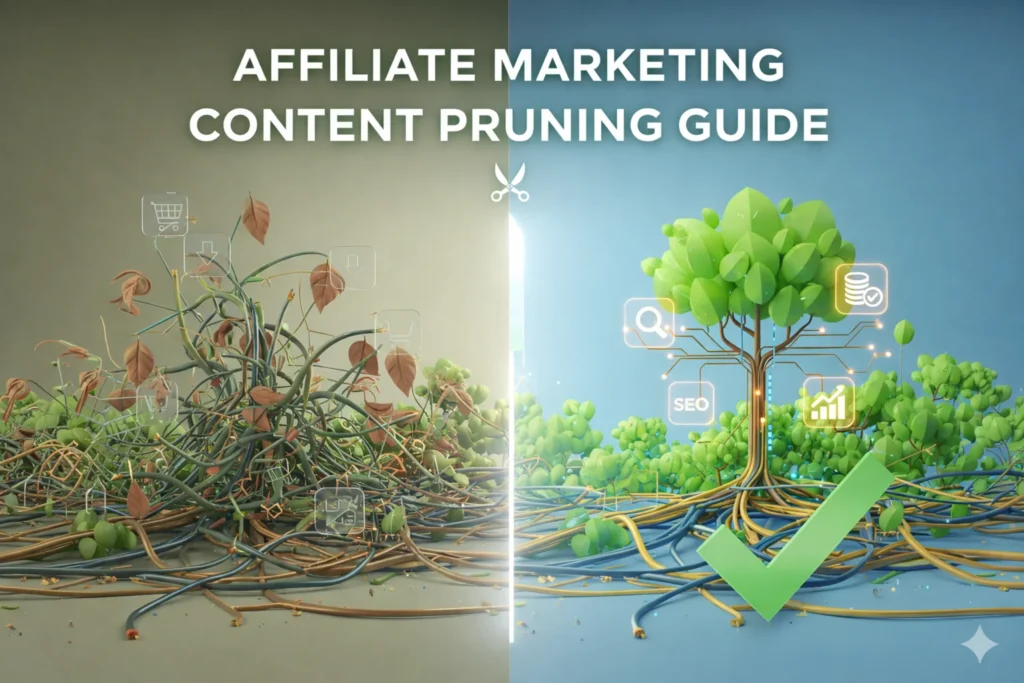
In today’s digital landscape, the effectiveness of your content is crucial for achieving success in affiliate marketing. One of the often-overlooked strategies to maintain that effectiveness is content pruning. This process is about selectively removing or improving pieces of content on your site that are underperforming. When done right, it can lead to better SEO performance and more conversions.
Many affiliate marketers focus on creating new content without evaluating the existing content’s performance. However, neglecting this aspect can lead to a cluttered website filled with outdated or irrelevant posts. This not only impacts user experience but can also dilute your site’s authority in the eyes of search engines.
Understanding the importance of content pruning can help you streamline your efforts and focus on what truly matters: delivering valuable information to your audience. Here are some key benefits of this strategy:
- Improved SEO Performance: Search engines favor websites that provide clear and authoritative content. By removing low-quality or outdated content, you can enhance the overall quality of your site.
- Better User Engagement: High-quality, relevant content keeps users on your site longer. This can reduce your bounce rate, ultimately boosting your ranking on search engines.
- Increased Credibility: A clean, well-organized website establishes trust. When visitors see that you prioritize quality over quantity, they are more likely to engage with your content and click on your affiliate links.
Identifying content that needs pruning is the first step in this process. Here are some guidelines to assess your existing articles:
- Traffic Analytics: Use Google Analytics to identify pages with low traffic. Content that isn’t drawing visitors should be evaluated for potential removal or improvement.
- Engagement Metrics: Look at metrics such as average time on page and bounce rates. If users are leaving quickly, it might be a sign that the content is not meeting their needs.
- Outdated Information: Check your content for relevance. For example, if you’re promoting affiliate products, outdated guides may hurt your credibility.
- SEO Performance: Use SEO tools to analyze keyword rankings. Low-ranking pages may indicate the need for an update or removal.
Once you’ve identified the content for pruning, you have several options:
- Update Existing Content: If a piece of content has potential, consider updating it with fresh information, images, or links. This can revitalize interest and improve its ranking.
- Merge Similar Posts: If you have overlapping content, consider merging them into a more comprehensive piece. This helps in consolidating backlinks and authority.
- Remove Low-Value Content: Sometimes, it’s best to simply remove content that doesn’t add value. Ensure to set up 301 redirects to avoid losing traffic.
Implementing a content pruning strategy will greatly affect your affiliate marketing performance. Well-pruned content not only enhances your site’s SEO but also ensures that your audience finds the most valuable information without sifting through unnecessary pages.
For practical resources on content pruning and affiliate marketing strategies, consider visiting:
- Moz: The Content Pruning Guide
- Search Engine Journal: Content Audit Essentials
- Backlinko: The Ultimate Guide to Content Audits
Change is constant in the world of affiliate marketing. Regularly evaluate your content to adapt to new trends and user preferences. By prioritizing quality over quantity through effective content pruning, you position yourself for long-term success in affiliate marketing.
Key Metrics to Evaluate Your Affiliate Marketing Content
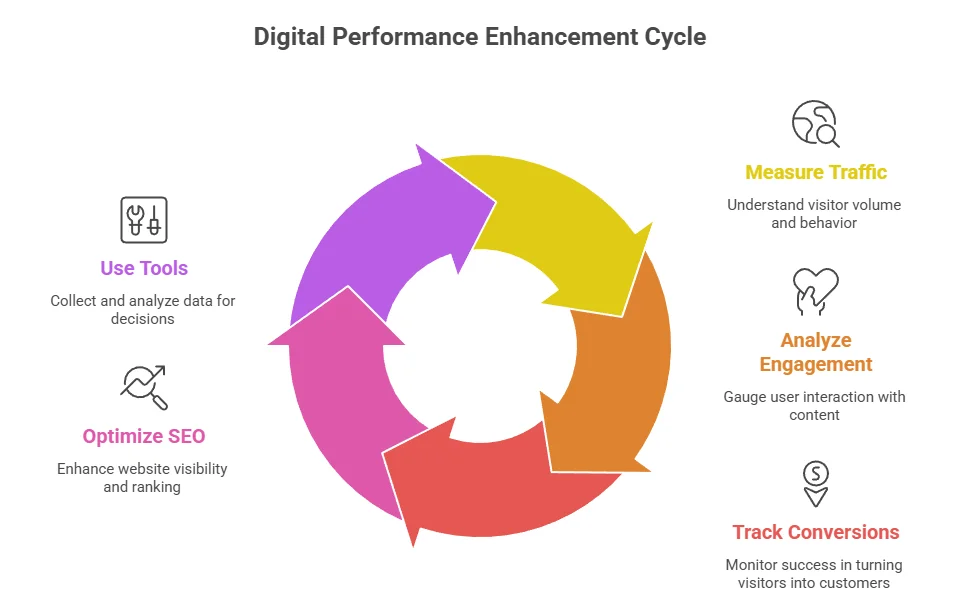
Understanding key metrics is crucial for evaluating the success of your affiliate marketing content. It’s not just about creating great content; you need to analyze how effective it is in driving traffic and generating conversions. Metrics provide insight into what’s working and what needs improvement. They guide your future efforts and shape your strategy. Here are some essential metrics to keep in mind when assessing your affiliate marketing content.
Traffic Metrics
Traffic metrics indicate how many people are visiting your content. This is the first step in measuring success. Pay attention to the following:
- Total Page Views: This metric shows how many times your content has been viewed. More views typically indicate more interest.
- Unique Visitors: This speaks to the number of different individuals visiting your content. Focusing on engaging unique visitors is vital for building a loyal audience.
- Traffic Sources: Know where your traffic is coming from. Is it organic search, social media, or referral links? Understanding sources is essential for refining your promotional strategies.
Engagement Metrics
Engagement metrics help you measure how well your audience is interacting with your content. The higher the engagement, the more likely it is that your content resonates. Key engagement metrics include:
- Average Time on Page: This indicates how long readers are staying on your page. A longer duration suggests that they find your content valuable.
- Bounce Rate: A high bounce rate can imply reader disinterest. It means visitors leave your site quickly, which could be a reason to reevaluate your content.
- Pages per Session: This demonstrates how many pages users are exploring. A higher number can suggest effective content that encourages further browsing.
Conversion Metrics
Ultimately, the goal of your affiliate marketing content is to convert readers into buyers. For this reason, it’s vital to track conversion metrics:
- Click-Through Rate (CTR): The percentage of visitors that click on your affiliate links divided by the total visitors. A higher CTR indicates your content effectively persuades readers to act.
- Conversion Rate: This shows the percentage of visitors who complete a desired action, such as making a purchase. Track this to evaluate how persuasive your content is.
- Return on Investment (ROI): Calculate the profit from your affiliate marketing efforts against what you spent to promote your content. A positive ROI signifies effectiveness.
Search Engine Optimization (SEO) Metrics
Analyzing SEO metrics will help you optimize your content for better visibility:
- Keyword Rankings: Identify how well your content ranks for target keywords related to affiliate marketing. Improved rankings lead to more organic traffic.
- Organic Search Traffic: The amount of traffic coming specifically from search engines reflects how well your content is optimized for SEO.
- Page Load Time: A slower website can hurt your SEO. Ensure your site speed is optimized to enhance user experience and ranking.
Tools for Measurement
To effectively evaluate these metrics, you will need to utilize certain tools:
- Google Analytics: A powerful tool for tracking traffic, engagement, and conversion metrics.
- SEMrush: Great for keyword rankings and SEO analysis.
- Ahrefs: Excellent for backlinks and organic traffic tracking.
By regularly evaluating these key metrics, you position yourself to uncover the strengths and weaknesses of your affiliate marketing content. Use this information to refine your approach. This iterative process will enhance user engagement and ultimately drive sales.
These strategies into your affiliate marketing efforts can make a significant difference. Evaluate your metrics frequently, adapt to changes, and watch your success grow. With the right approach, your affiliate revenue can flourish.
Strategies for Effective Content Pruning in Affiliate Marketing
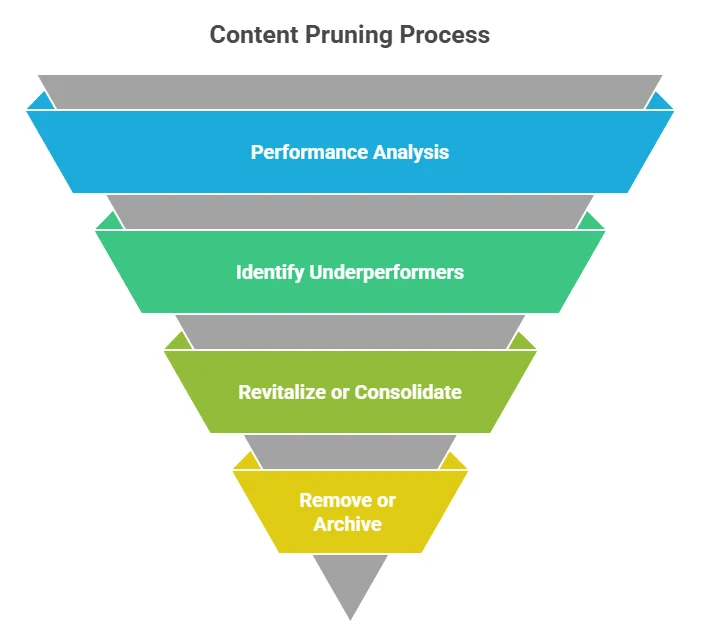
In the fast-paced world of affiliate marketing, content walks a tightrope between driving traffic and providing genuine value. As your strategy evolves, content pruning becomes vital for maintaining quality while enhancing performance. This Affiliate Marketing Content Pruning Guide offers effective strategies for pruning your affiliate marketing content, ensuring each piece serves your goals rather than cluttering your site.
Understand Your Content’s Performance
Prioritizing data-backed decisions is the first step in effective content pruning. Analyzing key performance indicators (KPIs) will help you focus on what works and ditch what doesn’t. Consider the following metrics:
- Traffic: How many visitors are you attracting?
- Engagement: Are users spending time on your pages? Look for low bounce rates and high session durations.
- Conversion Rates: Are your pieces driving affiliate sales? Measure conversions to determine content effectiveness.
Using tools like Google Analytics and SEMrush will enable you to gather and analyze these metrics.
Identify Underperforming Content
Once you have the data, it’s time to sift through it. Identify content that does not meet your KPIs. Look for:
- High bounce rates indicating lack of interest.
- Low click-through rates (CTR) on affiliate links.
- Content that hasn’t been updated in over a year or is outdated.
This step is crucial for determining which pieces need attention or removal.
Evaluate and Revitalize
Not all underperforming content needs to be discarded. Many times, it can be revitalized. Consider these strategies:
- Update Information: Ensure all data, statistics, and affiliate links are current.
- Enhance SEO: Refresh on-page SEO elements, like keywords, meta descriptions, and image alt texts.
- Improve Readability: Shorten sentences, use bullet points, and include visuals, making the content more enjoyable to read.
By improving your existing pieces, you can potentially increase their effectiveness without completely replacing them.
Content Consolidation
When faced with multiple pieces covering similar topics, consolidating them into a single, comprehensive article can enhance their value. This not only improves the user experience but also strengthens your site’s authority on specific subjects. Consider the following:
- Combine related articles that have thinner content into a single detailed resource.
- Redirect traffic from the outdated posts to the updated content using 301 redirects.
- Incorporate insights or content from your best-performing articles to enhance the new consolidated piece.
Remove or Archive Low-Quality Content
If certain pieces consistently underperform, it may be time to remove or archive them. Here’s a simple guideline:
- If a post has not generated traffic or conversions over a set timeframe (e.g., six months), consider removing it.
- Archive low-quality content that is not aligned with your current marketing strategy but could be revisited later.
Removing dead weight enhances your site’s overall SEO and keeps your audience engaged with high-quality content.
Monitor and Iterate
Effective content pruning is not a one-time task; it requires ongoing effort. Regularly review your metrics and adapt your pruning strategy as necessary. Set a schedule—perhaps quarterly—to conduct content audits. Factors to keep in mind:
- Keep updating your affiliate link strategies based on performance.
- Stay updated on SEO trends and audience needs.
- Engage with user feedback and metrics to fine-tune your content approach.
By implementing these strategies, you can prune your affiliate marketing content effectively. For additional insights, consider visiting Affiliate Marketer Training or Blogging Wizard for resources tailored to improving your affiliate strategies.
Taking the time to prune your content will ultimately lead to a website that is more efficient, engaging, and profitable. Remember, quality over quantity is key in the affiliate marketing realm.
Common Mistakes to Avoid When Pruning Affiliate Marketing Content
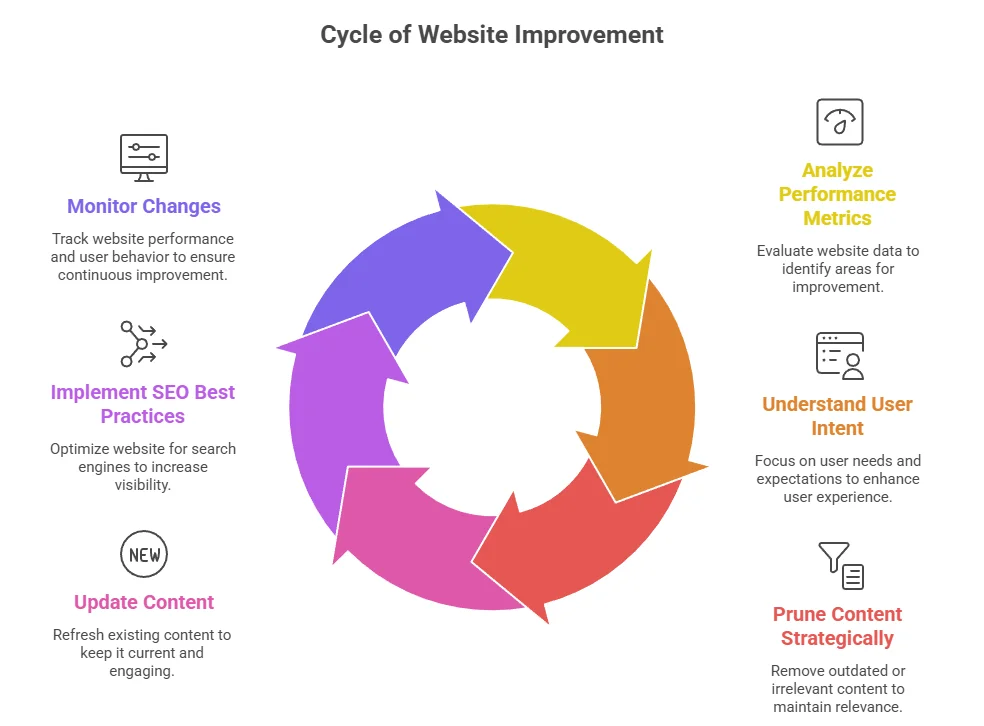
When it comes to affiliate marketing, content pruning is often an overlooked yet critical aspect of maintaining a successful online presence. While it’s tempting to think that simply adding more content will boost your rankings and income, removing underperforming posts can yield even better results. However, many make common mistakes during the pruning process. Here’s a Affiliate Marketing Content Pruning Guide to help you avoid those pitfalls.
Not Analyzing Performance Metrics
One of the first mistakes is failing to analyze the performance metrics of your affiliate marketing content. It’s essential to look at data like traffic, engagement, and conversion rates before deciding what to prune. Utilizing tools like Google Analytics can give you deep insights into how each piece of content performs. Establish clear criteria for what qualifies as underperforming based on these metrics.
Ignoring User Intent
You might have a high number of visits to a page, but they might not lead to conversions. Ignoring user intent is a mistake. Your audience might land on a post but decide to bounce due to irrelevant content. Take time to understand what your audience is looking for. Tailor your content to meet those needs. This can significantly improve user engagement and conversion rates.
Pruning Based Solely on Age
Another common mistake is judging content by its age. Just because a post is older doesn’t mean it lacks value. Some evergreen content can continue to resonate with users. Instead of pruning solely based on how long ago it was published, assess its relevance and quality. New or updated information may add value to older posts, allowing them to shine once again.
Failing to Update Instead of Remove
Always consider the option to update instead of removing content. Many think that if a post isn’t performing well, it’s better to delete it altogether. However, refreshing the content can breathe new life into it. Update with current information, improved writing, and better visuals. This can turn stale content into valuable resources.
Disregarding SEO Best Practices
When pruning, some affiliate marketers forget about SEO best practices. It’s important to keep SEO principles in mind to ensure your website maintains its rankings in search engines. When reviewing your content, focus on:
- Keyword optimization: Ensure your target keywords are included naturally.
- Internal linking: Link to other pages on your site to keep users engaged.
- Meta tags: Update the title and description to reflect any changes made.
Not Monitoring Changes
Many fail to monitor the impact of their pruning efforts. You might think you’ve made the right choices, but are those actions improving your metrics? Continuously track the performance of your site after pruning. This allows you to see what works and what doesn’t, helping you refine your affiliate marketing strategy over time.
A Plan for Effective Pruning
To avoid these pitfalls, consider implementing a structured pruning plan. Here’s a simple framework:
| Step | Action |
|---|---|
| 1 | Analyze current performance metrics |
| 2 | Assess content relevance and user intent |
| 3 | Decide whether to update or remove |
| 4 | Apply SEO best practices during updates |
| 5 | Monitor the effects of your changes |
Pruning your affiliate marketing content is not merely about cutting out the bad. It should be a strategic approach aimed at enhancing engagement and maximizing conversions. By making informed decisions based on performance metrics, user intent, and constant monitoring, you will maintain a content-rich environment that thrives. For more insights on pruning techniques, you can explore resources from Search Engine Journal and Moz.
The Role of Fresh Content in Revitalizing Your Affiliate Marketing Efforts
In today’s digital landscape, fresh content is essential for affiliate marketers. Regularly updating your website with new and engaging articles, reviews, or guides can greatly influence your visibility and conversion rates. Here’s how revitalized, updated content plays a pivotal role in enhancing your affiliate marketing strategies.
Why Fresh Content Matters
Providing updated content ensures your audience receives the most relevant information. This not only establishes your credibility but also fosters a sense of trust with your readers. When users see continuous updates, they are more likely to return, increasing your site’s traffic and affiliate opportunities.
Benefits of Regularly Updating Your Content
- Improved SEO Performance: Search engines favor websites with fresh content. Regular updates signal to Google that your site is active, enhancing your rankings.
- Enhanced User Engagement: Fresh articles or updated reviews can attract more visitors. Engaged readers spend more time on your site, further boosting your SEO.
- Building Authority: Consistently providing valuable and up-to-date information positions you as an expert in your niche. This builds user trust and encourages conversions.
- Increased Conversion Rates: Fresh, relevant content can lead to more opportunities for affiliate link clicks. Updated product reviews, for instance, can convert visitors into buyers more effectively.
Strategies for Pruning and Refreshing Content
To ensure your content remains relevant, consider implementing these strategies:
- Evaluate Existing Content: Regularly review your articles to check for outdated information. Remove or update any content that no longer aligns with current trends or data.
- Optimize for SEO: Use keyword research tools to identify trending phrases related to your niche. Make sure to incorporate these keywords naturally into your updated content.
- Improve Readability: Break up long paragraphs, and use bullet points and images to make your article more engaging. Tools like Hemingway or Grammarly can help improve clarity.
- Incorporate User Feedback: Pay attention to your audience’s comments and questions. Their input can guide you in updating content that resonates with their needs.
Creating Fresh Content Ideas
Struggling to find new content ideas? Here are a few suggestions:
- Product Comparisons: Create articles that compare similar products or services. This not only aids decision-making for your readers but also allows you to include multiple affiliate links.
- Tutorials and How-Tos: Step-by-step guides can attract readers interested in learning. These pieces should naturally incorporate related affiliate products.
- Seasonal Trends: Update your content to reflect seasonal trends or holidays, which can help drive timely traffic. For example, gift guides during the holiday season.
- Interviews with Experts: Hosting interviews can provide unique perspectives and fresh insights, engaging your audience while confirming your authority and relevance.
Monitoring the Impact of Fresh Content
To evaluate the effectiveness of your updated content, consider the following KPIs:
| Key Performance Indicator | What to Measure |
|---|---|
| Organic Traffic | Track the number of visitors coming from search engines. |
| Bounce Rate | Evaluate how many visitors leave your site after viewing only one page. |
| Conversion Rate | Measure the percentage of visitors who complete a desired action, such as clicking an affiliate link. |
| Social Shares | Count the number of times your content is shared on social media platforms. |
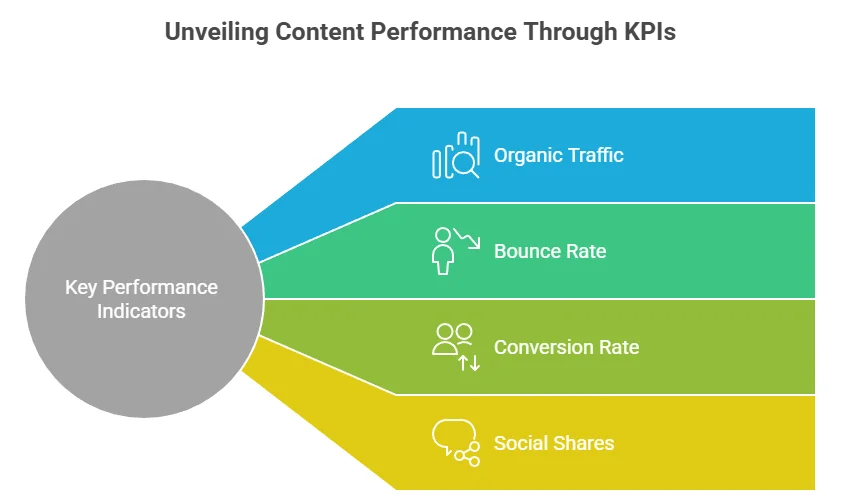
By closely monitoring these indicators, you can assess whether your content updates are effective. Adjust your strategies accordingly to maximize engagement and conversions.
Always look for new ways to bring value to your audience. Websites like Search Engine Journal and Neil Patel offer excellent insights into trends that can inspire your content strategies. Keeping your content fresh is not just about staying relevant; it’s about cultivating a loyal audience and maximizing your affiliate marketing potential.
Conclusion
Effective affiliate marketing relies heavily on the quality of your content. Pruning your content not only enhances SEO performance but also improves the overall user experience. By evaluating key metrics, such as engagement rates and conversion statistics, you can pinpoint which pieces are working and which are holding you back.
Implementing targeted strategies like removing outdated content and optimizing underperforming pieces can make a huge difference. Additionally, being aware of common pitfalls—such as neglecting user intent or overlooking backlink integrity—will help you prune more wisely.
Don’t forget that fresh content is vital for maintaining relevance in a fast-paced digital landscape. Regularly updating or creating new articles can breathe new life into your affiliate marketing efforts, keeping your audience engaged and more likely to convert.
By embracing a systematic approach to content pruning, you can elevate your affiliate marketing game, boost search rankings, and foster lasting relationships with your audience. This not only enhances your brand’s credibility but also ensures you remain competitive in your niche. Prioritize your content health, avoid mistakes, and keep your strategies dynamic for continual growth and success in affiliate marketing.