

 ATTENTION: Want to Learn Affiliate Marketing from Successful Affiliates?
Join this FREE community where successful marketers share their secrets!
Learn directly from highly successful affiliate marketers
Access free, actionable training content regularly
Connect with an active community of over 5,000 members
Network with multiple six-figure earning affiliates
Get your questions answered by real experts
JOIN FREE NOW!
ATTENTION: Want to Learn Affiliate Marketing from Successful Affiliates?
Join this FREE community where successful marketers share their secrets!
Learn directly from highly successful affiliate marketers
Access free, actionable training content regularly
Connect with an active community of over 5,000 members
Network with multiple six-figure earning affiliates
Get your questions answered by real experts
JOIN FREE NOW!
In the world of affiliate marketing, creating blog content is crucial to attracting and retaining an audience. By understanding the key content pillars, you can structure your blog effectively to drive traffic, engage readers, and, ultimately, convert them into customers. Content pillars act as the foundational themes around which your posts are created, providing a clear path for both your content strategy and your audience’s journey.
Informational Content
One of the primary pillars of an affiliate marketing blog is informational content. This type of content seeks to educate your readers about specific topics related to your niche. It’s where you can share valuable insights, guidelines, and tips that help them make informed decisions. Examples include:
- How-To Guides: Step-by-step tutorials that break down processes or tasks related to the products you promote.
- Product Reviews: Detailed assessments of products, highlighting their pros and cons to help readers find the best options.
- Industry News: Keeping your audience updated with the latest trends and developments within your niche.
Engaging Content
Engaging content not only informs but also entertains. It keeps your audience hooked and encourages them to participate. This pillar can include:
- Quizzes and Polls: Interactive elements that invite readers to share their opinions.
- Case Studies: Real-life examples that showcase the impact of using specific products or services.
- Infographics: Visually appealing graphics that simplify complex information and are shareable on social media.
SEO-Optimized Content
SEO is a vital component of affiliate marketing blog content. To maximize your blog’s visibility, ensure that your content is optimized for search engines. This includes:
- Keyword Research: Identify relevant keywords that your audience is searching for and incorporate them naturally into your content.
- Meta Descriptions: Create compelling meta descriptions that summarize the content and encourage clicks.
- Alt Text for Images: Use descriptive alt text for images to improve accessibility and search rankings.
Promotional Content
This pillar focuses on content that promotes affiliate products. While it’s important to include these posts, balance is key. Your audience should feel that you’re providing value rather than just trying to sell them something. Types of promotional content include:
- Sales Pages: Dedicated pages that highlight specific products along with testimonials and features.
- Discount Promotions: Alerts regarding special deals or limited-time offers that create urgency.
- Affiliate Links in Content: Naturally incorporating links within your informational and engaging content to guide readers toward products.
Community-Building Content
Building a community around your blog can enhance user loyalty. This involves creating content that fosters connections among your readers. Here’s how to do it:
- Guest Posts: Invite influential figures in your niche to contribute, which exposes your blog to their audience.
- Comment Engagement: Encourage readers to comment and engage, and be sure to reply to their messages.
- Social Media Integration: Share posts and encourage discussions on platforms like Facebook or Instagram.
Analytics and Improvement
To ensure your blog remains effective, regularly analyze your content’s performance. Use tools like Google Analytics to track traffic, user engagement, and conversion rates. Adjust your strategy based on the data to optimize your content pillars continually.
Implementing these pillars effectively can transform your affiliate marketing blog into a go-to resource for your audience. Remember, it’s not just about attracting visitors; it’s about creating a lasting connection with your audience. By focusing on quality, value, and engagement, your blog will thrive in the competitive world of affiliate marketing.
For more insights on affiliate marketing, check out Smart Passive Income and Neil Patel’s blog for expert tips and strategies.
Crafting Compelling Content for Each Pillar
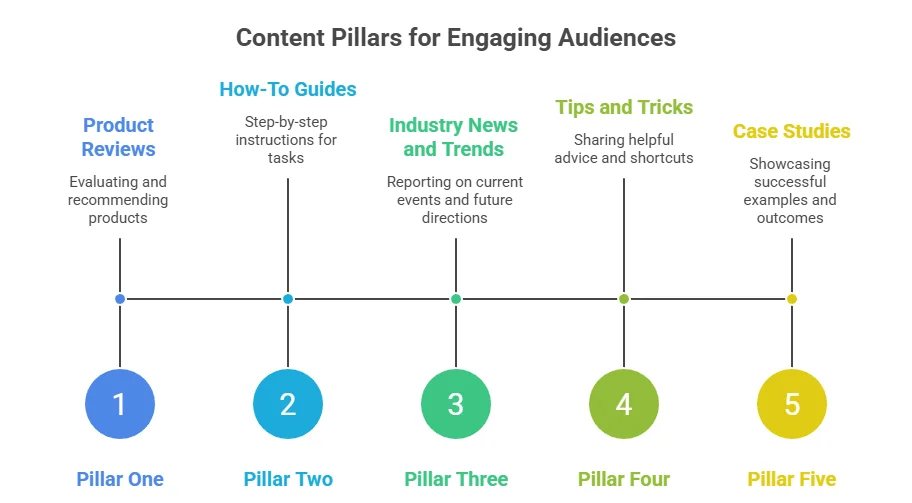
Creating Affiliate Marketing Blog Content Pillars involves recognizing the content pillars that structure your blog. These pillars serve as foundational categories that guide your content creation process, ensuring it remains organized and relevant to your audience. Let’s explore how to develop engaging content for each pillar and maximize your affiliate marketing efforts.
Pillar One: Product Reviews
When it comes to product reviews, authenticity is key. You want to provide genuine insights that resonate with your audience. Here’s how to craft compelling content in this pillar:
- Use Personal Experience: Share your hands-on experience with the product. Describe how you used it, what you liked, and any drawbacks you encountered.
- Be Honest: Readers appreciate honesty. If a product has disadvantages, address them clearly.
- Include Visuals: High-quality images or videos can help illustrate your points, making the review more engaging.
- Utilize Comparison Tables: Create tables that compare the product with competitors. This visual format helps readers make informed decisions easily.
Pillar Two: How-To Guides
How-to guides are incredibly popular as they provide actionable steps for readers. When developing this type of content, consider the following:
- Define the Problem: Begin by clearly stating the problem your guide will solve.
- Step-by-Step Instructions: Break down complex processes into simple steps. Use bullet points or numbered lists for clarity.
- Add Visual Elements: Diagrams and screenshots enhance understanding, making your guide more effective.
- Include Affiliate Links: Naturally integrate affiliate links within the guide to drive conversions, ensuring they are relevant and helpful.
Pillar Three: Industry News and Trends
Keeping your audience updated with industry news and trends positions you as a leader in your niche. Here’s how to write engaging content for this pillar:
- Research Thoroughly: Stay informed by following reputable sources. This builds trust with your audience.
- Give Your Perspective: Share your insights and analysis on the trends you cover. This adds unique value that keeps readers engaged.
- Link to Relevant Sources: Whenever possible, link to original news articles or studies. This not only provides value but also boosts your blog’s credibility.
Pillar Four: Tips and Tricks
Offering valuable tips and tricks can help your readers navigate challenges. Here’s how to present this information compellingly:
- Keep It Concise: Stick to a few well-thought-out tips to maintain reader engagement.
- Use Examples: Provide real-life applications of your tips to illustrate their effectiveness.
- Engage with Your Audience: End with a question encouraging readers to share their experiences or additional tips in the comments.
Pillar Five: Case Studies
Case studies can showcase your expertise through real-life examples. Here’s the best approach to writing them:
- Choose Relevant Cases: Select case studies that resonate with your target audience.
- Highlight Challenges and Solutions: Clearly state what the challenges were and how they were overcome.
- Include Results: Share measurable outcomes, such as percentage increases in sales or engagement.
These content pillars into your affiliate marketing blog can strengthen your writing and directly engage readers. Aim to produce content that drives traffic while ensuring it serves to educate or entertain your audience.
For more strategies and insights into content marketing, visit Copyblogger or check out Neil Patel’s blog. These resources provide excellent information on mastering the craft of writing for digital marketing.
Building Trust and Credibility in Affiliate Marketing Content
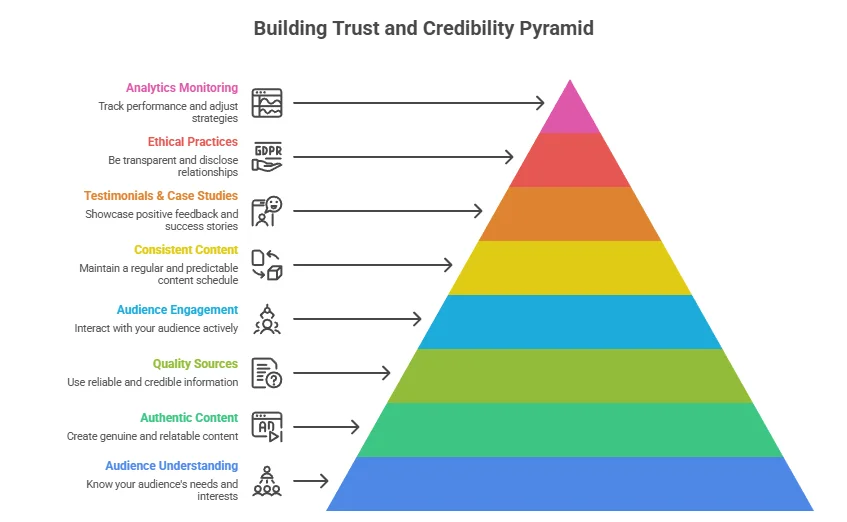
Affiliate marketing can be a rewarding venture, but success heavily relies on trust and credibility. Building trust with your audience is essential if you want them to take your recommendations seriously. Here’s how you can establish your credibility in the affiliate marketing space and become a trusted resource.
Understand Your Audience
Before you can build trust, you need to know your audience inside and out. This involves understanding their needs, preferences, and pain points. Conduct surveys or engage with your audience through social media platforms to gather insights. By showing that you genuinely care about what they think, you can foster a sense of trust.
Provide Authentic Content
People appreciate transparency. Your audience wants to know that the products you promote are worth their time and money. To maintain authenticity:
- Write honest reviews based on personal experience.
- Disclose any partnerships or commissions you may earn.
- Focus on providing value rather than pushing sales.
When your content resonates with your audience, you become a trustworthy source. This tactic not only helps in boosting your credibility but also fosters a loyal readership.
Utilize Quality Sources
Linking to reputable sources can greatly enhance your content’s credibility. This involves citing studies, articles, or experts related to the topic you’re discussing. Always ensure that the information you provide is accurate and up-to-date. If you recommend a product, link to credible reviews or detailed information on the manufacturer’s site. For valuable insights, you can refer to Business.com and NerdWallet.
Engage with Your Audience
Engagement is key in establishing trust. Respond to comments, answer questions, and create dialogue with your audience. This shows you value their opinions and are genuinely interested in their feedback. Furthermore, using social media platforms to keep the conversation going helps to build a community around your content. Regular updates and interactions can make you more relatable and approachable.
Provide Consistent Content
Consistency plays a crucial role in your audience’s perception of your credibility. Create a content calendar and stick to it. Whether it’s blog posts, videos, or social media updates, your audience should know when to expect new content from you. This consistency builds anticipation and trust over time. Posting regularly also signals to search engines that you are an active contributor, which may improve your visibility.
Showcase Testimonials and Case Studies
Nothing speaks louder than the opinions of satisfied customers. Share testimonials and real-life case studies to validate your claims. When potential customers see others vouch for a product or service, they are more likely to trust you as a recommended source. You can display customer feedback on your blog or create dedicated pages for case studies to enhance your credibility further.
Be Ethical and Disclose Relationships
As tempting as it may seem to exaggerate claims or hide sponsorships, ethical practices are vital in building long-term trust. Always disclose your affiliate relationships; this builds credibility. According to the Federal Trade Commission (FTC), it’s a legal requirement to showcase affiliate links and sponsorships clearly. Transparency in your affiliate marketing practices solidifies trust between you and your audience.
Monitor Analytics to Adjust Strategies
Understanding what works is just as important as implementing strategies. Use analytics tools such as Google Analytics to monitor which content resonates well with your audience. This data can provide valuable insights into your audience’s preferences, allowing you to tailor your approach accordingly. The more you adapt to your audience’s needs, the more trustworthy you will become.
Building trust and credibility in affiliate marketing is a long-term commitment. It requires genuine effort to connect with your audience, provide valuable content, and adhere to ethical practices. By being transparent and consistently engaging with your readers, you can foster a trustworthy relationship that ultimately leads to success.
Strategies for Promoting Your Affiliate Marketing Blog
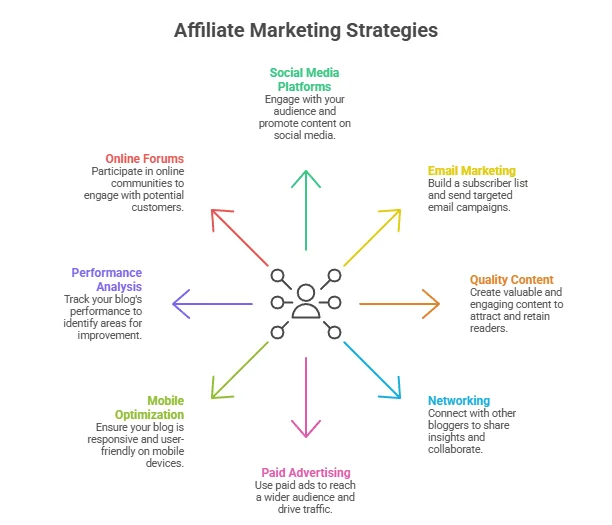
If you have an affiliate marketing blog, knowing how to promote it effectively is vital for its success. You want to attract visitors and keep them engaged so they can convert into loyal readers and customers. Here are several strategies to promote your affiliate marketing blog successfully.
Utilize Social Media Platforms
Social media is a powerful tool for driving traffic to your blog. Use platforms like Facebook, Twitter, Instagram, and Pinterest to share your content. Here are some tips:
- Craft Eye-Catching Posts: Use attractive images and compelling captions to grab attention.
- Engage Your Followers: Respond to comments and messages to build a community around your blog.
- Join Relevant Groups: Participate in groups related to your niche to increase visibility.
- Utilize Hashtags: Include relevant hashtags to reach a wider audience.
Leverage Email Marketing
Email marketing can be an effective strategy to promote your affiliate marketing blog. Start building your email list as soon as possible. Here’s how:
- Offer a Lead Magnet: Provide a freebie such as an eBook or checklist in exchange for email addresses.
- Send Regular Newsletters: Share blog updates, tips, and exclusive offers.
- Personalize Your Emails: Address your subscribers by name and tailor content to their interests.
Write Quality Content Consistently
Creating high-quality, valuable content is crucial for attracting and retaining readers. Here’s what you can do:
- Focus on SEO: Use keywords, meta descriptions, and alt tags to optimize your content for search engines.
- Be Informative: Answer your readers’ questions and solve their problems.
- Include Engaging Visuals: Use images, infographics, and videos to make your posts more entertaining.
Network with Other Bloggers
Collaborating with other bloggers can open doors to new audiences. You can:
- Guest Post: Write guest posts for other blogs in your niche and allow them to write on yours.
- Join Blogging Communities: Engage in forums or Facebook groups to connect with like-minded bloggers.
- Participate in Podcasting: Appear on podcasts to share your expertise and direct listeners to your blog.
Invest in Paid Advertising
Running ads can give your blog a quick visibility boost. Consider using:
- Facebook Ads: Target specific demographics to reach potential readers.
- Google AdWords: Use keywords to display your ads on search engine results pages.
- Instagram Promotions: Share sponsored posts to attract followers organically.
Optimize for Mobile
With an increasing number of users browsing on mobile devices, it’s essential to ensure that your blog is mobile-friendly. Consider using responsive design that adjusts to different screen sizes. Check your site’s speed using tools like Google PageSpeed Insights and optimize it for faster load times.
Analyze Your Performance
Use tools like Google Analytics to track your blog’s performance. Here’s what to monitor:
- Traffic Sources: Understand where your visitors are coming from.
- User Behavior: Know which posts are most popular and how long readers stay on your site.
- Conversion Rates: Track how many visitors complete desired actions, such as signing up for email lists or clicking affiliate links.
Participate in Online Forums
Engaging in online forums and discussion boards related to your niche can help you reach new readers. Consider:
- Providing Value: Answer questions, offer insights, and link back to relevant blog posts when appropriate.
- Building Relationships: Connect with users rather than just promoting your blog.
Promoting your affiliate marketing blog requires a combination of creativity, consistency, and strategy. By employing these methods, you can effectively increase your readership and boost your affiliate sales. For more tips on affiliate marketing, check out Affiliate Income Mastery and explore resources offered on Smart Blogger.
Measuring Success: Analytics and Feedback for Affiliate Content
Understanding how to measure success in affiliate marketing requires a keen focus on analytics and feedback. These tools provide valuable insights that can enhance the performance of your content, helping you reach a wider audience and increase conversions. By learning to analyze key metrics and gather feedback from your audience, you can hone your strategies and optimize your affiliate content effectively.
Key Analytics to Track
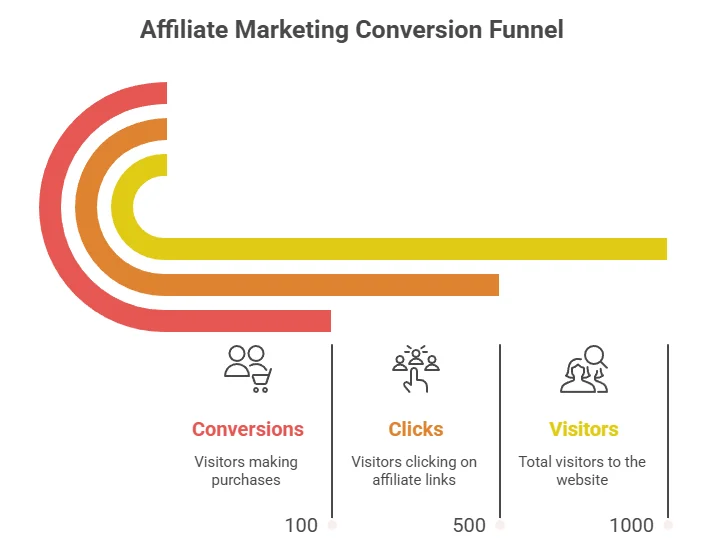
To create an effective affiliate marketing strategy, it’s essential to focus on specific analytics that can guide your decisions. Here are some key metrics to monitor:
- Click-Through Rate (CTR): This metric helps you measure how many people are clicking on your affiliate links compared to the total number of visitors to your content. A higher CTR indicates that your content is compelling and encourages readers to act.
- Conversion Rate: The conversion rate shows the percentage of users who complete a desired action, such as making a purchase through your affiliate link. This metric is crucial for determining the effectiveness of your affiliate promotions.
- Traffic Sources: Understanding where your visitors come from can help you focus your promotional efforts more efficiently. Track organic search, social media, and referral traffic to see which sources bring the most engaged users.
- Engagement Metrics: Keep an eye on average session duration and pages per session. Higher engagement often correlates to better conversion rates. Create content that keeps users on your page longer, thus increasing the likelihood of them clicking on your affiliate links.
Tools for Measuring Analytics
Several tools can help you measure these vital analytics:
- Google Analytics: This free tool provides robust insights into traffic sources, user behavior, and conversion tracking.
- SEMrush: Best known for its SEO capabilities, Semrush also offers traffic analysis and keyword research, which can inform your affiliate content strategy.
- Hotjar: This tool provides heatmaps and user behavior analytics, helping you understand how visitors interact with your content.
Importance of Audience Feedback
While analytics are essential, feedback from your audience is equally valuable. User feedback can come in various forms:
- Surveys: Use tools like Google Forms or SurveyMonkey to gather feedback. Ask your readers about their preferences, interests, and suggestions for improvements.
- Comments and Reviews: Engage with your audience in the comments section of your blog. Responding to questions and incorporating their feedback can improve your content’s quality.
- Social Media Engagement: Pay attention to likes, shares, and comments on platforms like Facebook, Twitter, and Instagram. Understanding what resonates with your audience can guide your content strategy.
Turning Data into Action
Once you’ve gathered analytics and feedback, the next step is to implement changes. Here are a few practical steps to take:
- Refine Content Strategy: Use analytics to identify successful content types and subjects. Focus on creating more of what resonates with your audience.
- Test and Optimize: Conduct A/B testing for different elements of your affiliate links, such as copy and placements. Track performance to see what leads to higher conversions.
- Engage with Your Audience: Regularly ask for feedback and make adjustments based on the responses. Keeping your audience involved will foster a loyal community.
Utilizing Data to Forecast Performance
Understanding historical data helps in predicting future performance. Analyzing trends over a specific timeframe allows you to make more informed decisions. For example:
| Month | Click-Through Rate | Conversion Rate |
|---|---|---|
| January | 5% | 2% |
| February | 6% | 2.5% |
| March | 7% | 3% |
By analyzing the data, you might discover seasonal trends, allowing you to ramp up efforts during peak times or adjust strategies during quieter months. Measuring success through analytics and feedback not only helps in optimizing affiliate marketing efforts but also enhances the overall experience for your readers. By focusing on their needs and preferences, you can create engaging content that leads to higher conversions and long-term success in affiliate marketing.
Conclusion
Creating a successful affiliate marketing blog involves understanding and implementing key content pillars that resonate with your audience. Each pillar—whether it’s reviewing products, sharing personal experiences, or providing valuable insights—serves as a foundation that supports your overall strategy. Crafting compelling content around these pillars not only engages your readers but also encourages them to trust your recommendations. Trust and credibility are paramount in affiliate marketing; without them, even the best content can fall on deaf ears.
Furthermore, strategic promotion can significantly enhance your blog’s visibility. Leveraging social media, SEO techniques, and engaging with relevant communities ensures your content reaches a broader audience. Remember, it’s not just about posting; it’s about connecting with your audience and encouraging discussions around your content.
Measuring your success through analytics and reader feedback is crucial. Each metric provides insight into what works and what doesn’t, allowing you to refine your approach continuously. This feedback loop helps you to adapt your content strategy and to remain relevant in a fast-changing digital landscape. By focusing on these aspects, you can create an affiliate marketing blog that not only attracts readers but also converts them into loyal followers and customers. Embrace these pillars, and you’ll be on your way to turning your affiliate marketing efforts into a successful journey.