

 ATTENTION: Want to Learn Affiliate Marketing from Successful Affiliates?
Join this FREE community where successful marketers share their secrets!
Learn directly from highly successful affiliate marketers
Access free, actionable training content regularly
Connect with an active community of over 5,000 members
Network with multiple six-figure earning affiliates
Get your questions answered by real experts
JOIN FREE NOW!
ATTENTION: Want to Learn Affiliate Marketing from Successful Affiliates?
Join this FREE community where successful marketers share their secrets!
Learn directly from highly successful affiliate marketers
Access free, actionable training content regularly
Connect with an active community of over 5,000 members
Network with multiple six-figure earning affiliates
Get your questions answered by real experts
JOIN FREE NOW!
Affiliate marketing can be a lucrative online venture, but mistakes in SEO can undermine your efforts. Understanding what to avoid is crucial for success. Below, we explore some common pitfalls that affiliate marketers encounter with their SEO strategies.
Neglecting Keyword Research
One of the biggest mistakes is ignoring keyword research. This process is vital to understand what terms potential buyers are using. Without proper keywords, your content may not reach the intended audience. Utilize tools like Ahrefs or SEMrush to identify high-traffic and relevant keywords.
Keyword Stuffing
While it’s important to use keywords, overusing them can harm your SEO. Keyword stuffing leads to unnatural writing and can be penalized by search engines. Focus on using keywords naturally within your content. Aim for a keyword density of 1-2%, which is generally accepted as beneficial without appearing spammy.
Ignoring On-Page SEO Factors
On-page SEO plays a significant role in how your content ranks. If you fail to optimize your on-page elements, you may miss out on valuable traffic. Here are key factors to focus on:
Title Tags
Title tags are one of the most important on-page SEO elements for affiliate marketing. They tell search engines what your page is about and are often the first thing a user sees in search results. An engaging title tag can significantly increase your click-through rate, attracting more targeted traffic to your content.
Meta Descriptions
Meta descriptions are a critical component of on-page SEO that directly impact your click-through rate from search engine results. A well-crafted meta description summarizes your page’s content in a clear, concise, and compelling way, enticing users to click through to your website.
Header Tags
Header tags (H1, H2, H3, etc.) play a crucial role in structuring your content for both readers and search engines. They break your content into organized sections, making it easier to scan and understand, which improves user experience—a key SEO factor.
Image Alt Text
Image alt text, also called alternative text, is a key on-page SEO element that helps search engines understand the content of your images. Properly written alt text improves your website’s accessibility, allowing screen readers to describe images for visually impaired users, while also giving search engines context to index your content effectively.
Not Creating High-Quality Content
Most affiliate marketers chase quantity over quality. But high-quality, engaging content is what keeps visitors on your page. Create articles that provide value to the reader. Aim to solve problems or answer questions. Check out Moz for tips on crafting quality content that ranks well.
Failure to Optimize for Mobile
With more people browsing on mobile devices, not optimizing for mobile can alienate a significant portion of your audience. Ensure your website is responsive and loads quickly on mobile devices. Tools like Google’s PageSpeed Insights can help analyze your loading times.
Ignoring Backlinking Strategies
Backlinks are a crucial element of SEO that many overlook. Quality backlinks from reputable sites can drive traffic and boost your site’s credibility. Engage in guest blogging or collaboration with other influencers to earn links. Monitor your backlinks using Majestic to ensure they are from high-quality sources.
Not Using Analytics to Measure Performance
Many affiliate marketers fail to track the performance of their SEO efforts. Use tools like Google Analytics to monitor traffic, bounce rates, and conversion rates. This data allows you to adjust your strategies effectively.
Ignoring Local SEO Opportunities
If your affiliate marketing business has a local component, local SEO can provide significant advantages. Ensure your business is listed in local directories. Optimize your Google My Business profile to appear in local searches.
Settling for Low-Domain Authority Websites
Partnering with low-authority sites for affiliate promotions might hurt your credibility and rankings. Focus on collaborating with high-authority websites that complement your niche. This strategy not only enhances your brand’s reputation but can also improve your SEO rankings.
Being Impatient with Results
Many affiliate marketers expect instant results. SEO is a long-term game. It takes time for content to rank, so consistently update, optimize, and produce quality content to see progress.
By avoiding these common affiliate marketing SEO mistakes, you can enhance your online presence and maximize your earning potential. Always remember, SEO is not just about hitting top rankings; it’s about building a sustainable and engaging experience for your audience. For more insights on optimizing your affiliate marketing strategy, check out Neil Patel and stay informed.
The Importance of Keyword Research in Affiliate Marketing
In the realm of affiliate marketing, understanding the ins and outs of keyword research is essential for success. This crucial step forms the backbone of your SEO strategy, helping you connect with the right audience and driving more targeted traffic to your affiliate links. Many affiliate marketers overlook this aspect and suffer as a result. Here’s why keyword research is vital and some best practices to keep in mind.
Why Keyword Research Matters
Keyword research allows you to discover what potential customers are actively searching for online. This information is invaluable as it guides everything from the content you create to the products you promote. Here are several reasons why effective keyword research can elevate your affiliate marketing efforts:
- Increased Visibility: Utilizing the right keywords helps your content rank higher in search engine results, making it more likely for users to find your site.
- Targeted Traffic: By focusing on the specific phrases and terms that users are interested in, you can attract a more relevant audience who is more likely to convert.
- Content Strategy: Keyword data informs your content strategy. Knowing what people are looking for helps you create content that meets their needs and solves their problems.
Common Mistakes to Avoid in Keyword Research
While keyword research is vital, many marketers make common mistakes that hinder their success. Here are a few pitfalls to watch out for:
- Failing to Use Long-Tail Keywords: While short-tail keywords are competitive, long-tail keywords are often easier to rank for and target a specific audience. For example, instead of “shoes,” consider “best running shoes for beginners.”
- Ignoring Search Intent: It’s not enough to find popular keywords. Understanding the intent behind searches can significantly impact your conversion rates. Are users looking to buy, learn, or compare?
- Overlooking Local SEO: If your affiliate products have a local component, don’t forget about local keywords. Search terms like “best coffee shops in NYC” can attract a more localized audience.
Research Tools to Utilize
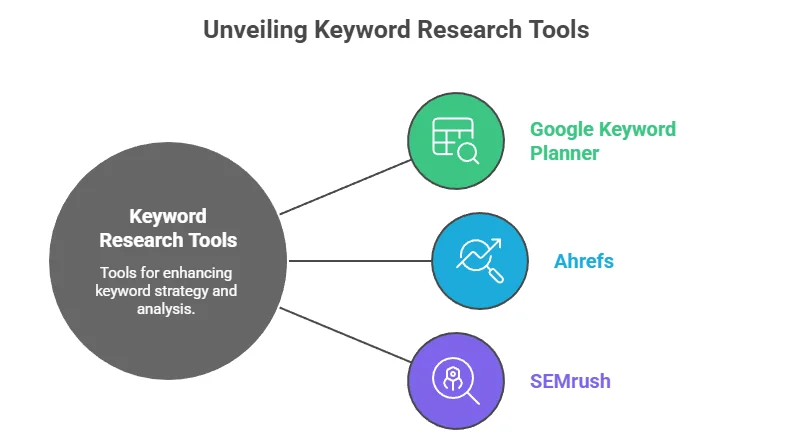
Using various keyword research tools can significantly enhance your keyword strategy. Some tools worth exploring include:
| Tool | Key Features | Link |
|---|---|---|
| Google Keyword Planner | Free tool, provides search volume, competition data | Visit |
| Ahrefs | Comprehensive analysis, keyword rankings, and backlinks | Visit |
| SEMrush | Keyword suggestions, competitor analysis | Visit |
Implementing Your Keyword Strategy
Once you’ve identified your target keywords, the next step is implementation. Here are actionable steps to integrate your keyword research into your affiliate marketing:
- Content Creation: Write blog posts, articles, or product reviews centered around your chosen keywords. Integrate them naturally into your headings, subheadings, and body copy.
- On-Page SEO: Optimize your website’s meta titles, descriptions, and image alt texts with the target keywords you’ve selected.
- Monitor and Adjust: Regularly track your keyword performance. Use analytics to see what’s working and adjust your strategy accordingly.
Building Quality Backlinks for Affiliate Marketing Success
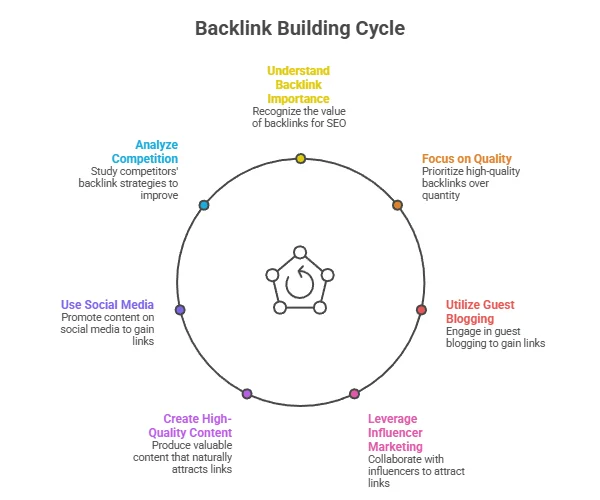
In the world of affiliate marketing, building quality backlinks is one of the most effective strategies to enhance your visibility and drive traffic. Quality backlinks not only contribute to SEO but also boost your authority in your niche. However, not all backlinks are created equal. Here are some essential strategies to help you build strong backlinks that will contribute to your affiliate marketing success.
Understand Why Backlinks Matter
Backlinks act as votes of confidence from one website to another. When high-authority sites link to your content, search engines recognize your site as credible and valuable. This is particularly vital in affiliate marketing, where competition is fierce. The more quality backlinks you have, the better chance you have of ranking higher on search engine results pages (SERPs).
Focus on Quality Over Quantity
A common misconception is that the number of backlinks is what matters. However, it’s crucial to focus on the quality of the sites linking to you. Backlinks from reputable sites in your niche are more impactful than dozens of links from low-quality websites. To find quality sites, consider the following:
- Check the domain authority of the site using tools like Moz.
- Look for relevance in your niche to ensure the link is valuable to your audience.
- Assess the site’s traffic; higher traffic usually means better exposure.
Utilize Guest Blogging Effectively
Guest blogging is a fantastic way to create backlinks and engage with a new audience. When you write guest posts, you can include links back to your site, improving your chances of higher rankings. To ensure your guest posts are successful:
- Choose authoritative blogs related to your niche.
- Create high-quality, unique content that provides value to the host site’s audience.
- Build relationships with other bloggers and editors to facilitate future collaborations.
Leverage Influencer Marketing
Partnering with influencers in your niche can also lead to valuable backlinks. Influencers often have strong followings and high domain authority, making their endorsements powerful. Consider the following steps:
- Identify influential bloggers or social media personalities in your niche.
- Reach out to them with a proposal that highlights mutual benefits.
- Collaborate on content that features links back to your site.
Create High-Quality Content
Your content needs to be top-notch if you want others to link to it. High-quality content includes informative articles, infographics, and videos. People are more likely to share and link to content that they find interesting and valuable. Try to:
- Use data, statistics, and research to enhance your authority and attractiveness.
- Craft engaging headlines and clear, actionable insights.
- Update existing content regularly to keep it relevant.
Utilize Social Media to Attract Links
Promoting your content on social media platforms can increase its visibility and attract potential backlinks. Make sure to:
- Share your content across multiple platforms like Facebook, Twitter, and LinkedIn.
- Engage with users who share or comment on your posts, which may lead to them linking back to you.
- Utilize relevant hashtags to expand your reach.
Analyze Your Competition
Understanding where your competitors are gaining their backlinks can provide valuable insights into building your own link profile. Tools like Ahrefs and SEMrush can help you analyze backlinks, allowing you to target similar high-authority sites.
| Competitor | Backlink Sources | Domain Authority |
|---|---|---|
| Competitor A | Blog X, Site Y, Forum Z | 70 |
| Competitor B | Site A, Blog B | 65 |
Building quality backlinks requires ongoing effort and a strategic approach. By staying focused on reputable sources and creating valuable content, you can significantly enhance your affiliate marketing success. Dive into these strategies, and watch your rankings and traffic grow.
How Content Quality Impacts Affiliate SEO Performance
In the world of affiliate marketing, the quality of your content can significantly impact your SEO performance. High-quality content not only engages your audience but also helps to boost your rankings in search engines. Here’s how content quality plays a crucial role in the success of your affiliate marketing efforts.
Understanding the Importance of Content Quality
Content quality affects numerous aspects of your SEO strategy. When you create valuable, informative content, you’re more likely to:
- Attract organic traffic
- Engage users effectively
- Encourage social sharing
- Receive backlinks from reputable websites
Each of these factors contributes to developing a solid SEO foundation, leading to higher rankings and more sales for your affiliate products.
Key Elements of High-Quality Content
To ensure your content is effective, you should focus on several ingredients:
- Relevance: Your content should be closely related to your audience’s interests and questions.
- Originality: Unique content not only prevents plagiarism issues but also keeps your readers coming back.
- Clarity: Easy-to-read text enhances user experience. Use simple language and break up long paragraphs.
- Actionable Insights: Readers love practical advice. Offer step-by-step guides or tips that they can apply immediately.
- Visual Appeal: relevant images, graphs, or videos can make your content more engaging.
Avoiding Common Content Quality Pitfalls
It’s essential to steer clear of mistakes that can reduce content quality. Here are some common pitfalls to watch out for:
- Low word count. Short articles may lack depth. Aim for at least 800 words for comprehensive content.
- Keyword stuffing. Overusing keywords can hurt your readability and negatively impact your ranking. Instead, integrate them naturally.
- Lack of updates. Outdated information can undermine your credibility. Regularly update your content with the latest trends and insights.
- Poor grammar and spelling. Typos can lessen your authority. Use tools like Grammarly to ensure the accuracy of your writing.
The Role of User Engagement
Engagement metrics also signal quality to search engines. High bounce rates or low dwell times can indicate that visitors are not finding value in your content. Consider the following ways to boost user engagement:
- Add multimedia elements such as videos or infographics to capture attention.
- Utilize internal linking to guide users to relevant content on your site.
- Encourage reader interaction through comments or social sharing buttons.
Content Quality and Backlink Opportunities
High-quality content is more likely to be shared and cited by others, which can earn you valuable backlinks. Establishing relationships with other bloggers or influencers in your niche can help you get those backlinks. Here are a few strategies:
- Guest blogging on reputable sites can introduce your content to a broader audience.
- Participate in online communities related to your niche and share your expertise.
- Offer to collaborate on content with other industry experts for mutual benefit.
Taking Action with Quality Content
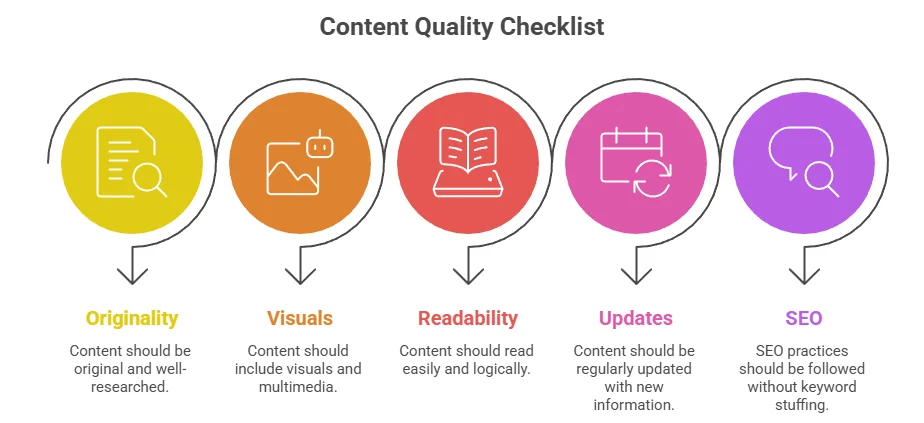
To stay ahead in the affiliate marketing game, producing quality content is not just advantageous; it’s essential. Here’s a quick checklist to keep your content on track:
| Checklist Item | Status |
|---|---|
| Content is original and well-researched | [ ] |
| Includes visuals and multimedia | [ ] |
| Content reads easily and logically | [ ] |
| Regularly updated information | [ ] |
| SEO practices are followed without keyword stuffing | [ ] |
Ultimately, prioritizing high-quality content will not only enhance your SEO performance but will also establish your authority in the niche. Investing time and effort in crafting valuable insights is a strategy that pays off in the long run.
Utilizing Social Media for Enhanced Affiliate Marketing SEO
In today’s digital landscape, leveraging social media can significantly impact your affiliate marketing strategy. Integrating effective social media practices enhances your SEO efforts, broadening your reach while driving targeted traffic to your affiliate links. Below are some strategies to maximize your affiliate marketing through social media platforms.
Understand Your Audience
Recognizing your audience is the first step in effective social media engagement. Knowing who you are targeting allows you to tailor your content accordingly. Consider the following:
- Demographics: Understand the age, location, and interests of your audience.
- Behaviors: Observe how they interact on social media.
- Preferences: Identify what type of content they engage with more often.
Create Engaging Content
Engagement is key when using social media to enhance your affiliate marketing SEO. Content should be tailored to capture the attention of your audience. Here are some forms of content that work well:
- Videos: Short, informative videos can convey messages quickly and effectively.
- Infographics: These visually appealing graphics summarize information succinctly.
- Stories: Use platforms like Instagram and Facebook Stories to share real-time updates.
Your content needs to be informative, entertaining, and inspiring. These qualities encourage shares, likes, and comments, which improve your visibility in search engine results.
Utilize Hashtags Wisely
Hashtags can significantly amplify your reach. However, indiscriminate use can harm your efforts. To use hashtags effectively:
- Research: Explore trending hashtags that are relevant to your niche.
- Mix Popular and Niche Hashtags: Combining both types can help you reach a broader yet targeted audience.
- Avoid Overloading: Using too many hashtags can be seen as spammy. Aim for 5 to 10 relevant hashtags per post.
Engage with Your Followers
Engagement is a two-way street. Don’t just post content and disappear. Interacting with your audience builds a community and strengthens relationships:
- Respond to Comments: Acknowledge your followers by replying to their comments.
- Ask Questions: Encourage followers to share their thoughts, increasing engagement.
- Run Polls: Use features like Instagram’s poll option to gauge opinions.
Collaborate with Influencers
Influencer marketing can also fuel your affiliate marketing efforts. Partnering with influencers in your niche can introduce your brand to a wider audience. To maximize this:
- Choose the Right Influencers: Select individuals who align with your brand values.
- Negotiate Clear Terms: Lay out expectations on both sides in terms of content and compensation.
Monitor Your Performance
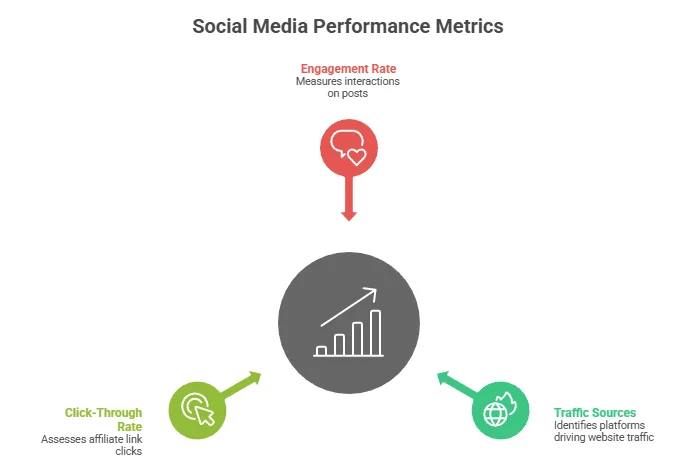
Use analytics to track the effectiveness of your social media strategies. Important metrics include:
| Metric | Description |
|---|---|
| Engagement Rate | Measures interactions on your posts (likes, shares, comments). |
| Traffic Sources | Identify which social media platforms drive the most traffic to your website. |
| Click-Through Rate (CTR) | Assesses how many users clicked on your affiliate link. |
Tools like Google Analytics and social media insights can provide valuable data for refining your strategy. Effectively utilizing social media can significantly boost your affiliate marketing efforts. For more tips and strategies, check out websites such as Social Media Examiner and Oberlo. By understanding your audience and creating engaging content, you position yourself for success in the vast realm of affiliate marketing and SEO.
Conclusion
Avoiding common pitfalls in affiliate marketing SEO can significantly elevate your success. Understanding the deadly mistakes, such as neglecting keyword research, is the first step toward a well-optimized strategy. Remember, effective keyword research not only aids in ranking but also attracts the right audience to your content. Implementing a solid keyword strategy will ensure you’re catering to user intent, which is essential for conversions.
Building quality backlinks is another cornerstone of an effective affiliate marketing plan. These links enhance your site’s authority and drive valuable traffic. Focus on acquiring backlinks from reputable sites within your niche to boost your visibility and credibility. Moreover, never underestimate the power of content quality. Informative, engaging content not only resonates with your audience but also ranks better in search engines. Quality content will keep readers on your page longer, reducing bounce rates and improving SEO performance.
Utilizing social media can significantly enhance your efforts in affiliate marketing SEO. Engage with your audience on various platforms, sharing your content and creating discussions that elevate your brand. Social media not only helps drive traffic but also opens doors for potential backlinks and partnerships.
By addressing these areas and refining your approach, you can create a robust affiliate marketing strategy that leverages SEO effectively. Stay informed, adapt to changes, and commit to continuous improvement for lasting success in the competitive landscape of affiliate marketing.