
How to Optimize Product Pages

ATTENTION: Want to Learn Affiliate Marketing from Successful Affiliates?
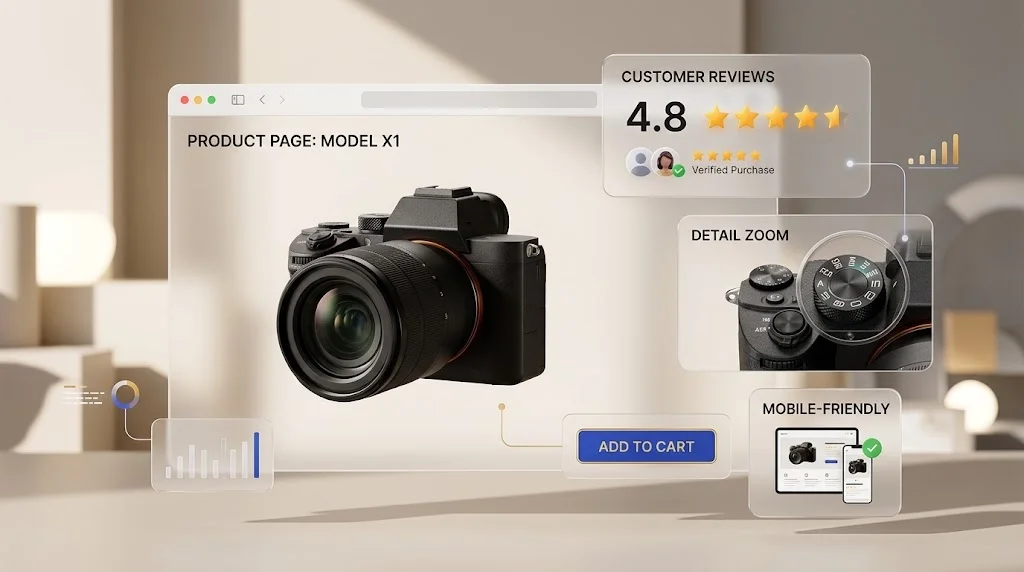
Optimizing your product pages is essential for enhancing user experience, increasing conversion rates, and improving your site’s visibility on search engines. Implementing effective strategies can significantly boost sales and customer satisfaction. Below are key techniques on How to Optimize Product Pages for your online store.
Use High-Quality Images
Images are the first thing that catches a customer’s eye. For this reason, using high-quality images is vital. Clear and detailed images help customers know what to expect. Consider adding multiple images that show products from different angles, and if possible, including lifestyle images. This gives potential buyers a better understanding of how the product fits into their lives.
Craft Persuasive and Unique Product Descriptions
Your product description serves as a sales pitch. To optimize it, include:
Features: Briefly highlight what makes the product special.
Benefits: Explain how the product will improve the customer’s life.
Keywords: Use relevant keywords naturally within the text to boost SEO but avoid keyword stuffing.
For example, instead of just saying, “This blender is fast,” say, “This high-speed blender allows you to make smooth shakes in less than 30 seconds, saving you time and effort every morning.” This method appeals to customers’ needs and improves SEO simultaneously.
Implement User Reviews and Ratings
Displaying user reviews adds credibility to your product pages. Studies show that products with reviews tend to have higher conversion rates. Encourage your customers to leave reviews, and make sure to display them prominently. Consider the following points:
Average Ratings: Show an overall star rating on the product page.
Customer Photos: Allow customers to upload photos of the product in use.
Response to Feedback: Address negative reviews professionally, as this can enhance brand reputation.
Provide Detailed Specifications
Customers want to know exactly what they are buying. Including detailed specifications, such as dimensions, weight, materials, and care instructions, is crucial. This transparency helps customers make informed decisions and reduces return rates.
Use SEO Best Practices
Strong SEO practices are key for product pages to rank higher in search results:
Title Tags: Ensure your product titles are descriptive and include primary keywords.
Meta Descriptions: Write clear, concise descriptions that include keywords and entice clicks.
URL Structure: Use clean URLs that include product names and keywords.
Optimize for Mobile
With more people shopping via mobile devices, ensure that your product pages are optimized for mobile viewing. Make your images responsive, ensure buttons are easy to tap, and the text is legible. A mobile-friendly site not only enhances user experience but also positively affects your search engine rankings.
Include Call-to-Action (CTA)
A clear and effective call-to-action can make a significant difference in conversion rates. Phrases like “Add to Cart,” “Buy Now,” or “Get Yours Today!” encourage customers to take action. Make sure your CTA buttons are visible and placed strategically on the page. Bright colors and contrasting designs can help these buttons stand out.
Check Page Loading Speed
Page speed is crucial for user experience and SEO. A slow-loading page can lead to a high bounce rate. Use tools like Google PageSpeed Insights to analyze your loading speeds and get suggestions for improvement. Ideally, aim for a load time of under three seconds.
Utilize Structured Data
Structured data markup helps search engines understand your product pages better, which can lead to enhanced visibility in search results, including rich snippets. Using schema.org vocabulary can assist in displaying additional information like ratings, price, and availability directly in search results. This, in turn, can increase your click-through rate.
By following these effective strategies on How to Optimize Product Pages, you can create a user-friendly, engaging, and SEO-friendly shopping experience that can drive sales and boost your overall online presence. For more tips on this topic, check out Shopify and BigCommerce.
The Importance of High-Quality Images for E-Commerce
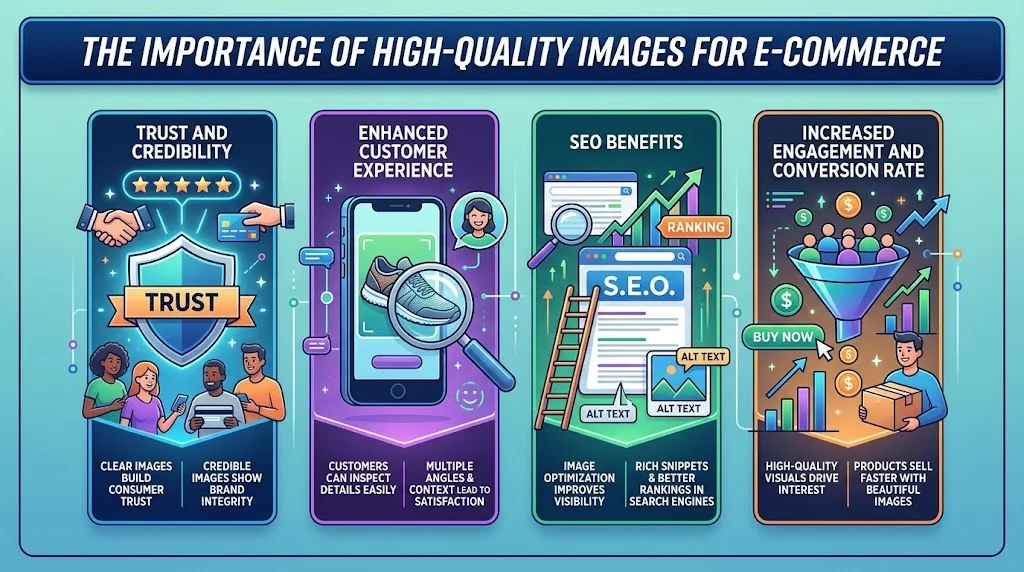
In the world of e-commerce, high-quality images can make or break a sale. Shoppers rely on images to get a feel for a product before making a purchase. When images are clear, engaging, and showcase the product’s details, they significantly increase the chances of conversion. Here’s why investing in top-tier images is crucial for your online store.
Trust and Credibility
Quality images help build trust between you and your customers. When shoppers see clear, professional product images, they are more likely to believe in the integrity of your brand. Here are some effective ways images can enhance trust:
Showcase your product: High-resolution images allow customers to see the finer details of what they are buying.
Brand professionalism: Clear and well-lit images reflect a professional ethos that shoppers appreciate.
Consistency: Using a similar style across product images reinforces your brand identity.
Enhanced Customer Experience
High-quality images enhance the shopping experience, leading to customer satisfaction. When shoppers know they can trust the visuals, they feel more comfortable completing a purchase. A better customer experience directly influences return visits and loyalty. Consider the benefits:
Detailed views: Allowing users to zoom in on products provides an opportunity to inspect elements closely, reducing uncertainty.
Multiple angles: Showcasing your product from different perspectives gives shoppers a comprehensive view.
Contextual imagery: Including images of your product being used in real-life situations helps customers envision it in their own lives.
SEO Benefits
High-quality images do not only engage customers but also help with your website’s SEO. Search engines can index images, so optimizing them for search is essential. Here are some SEO strategies to consider:
| SEO Strategy | Description |
|---|---|
| Image Alt Text | Use descriptive alt text to help search engines understand your image content. |
| File Name | Name images with relevant keywords instead of generic terms like “image1.jpg.” |
| Image Size Optimization | Compress image sizes without losing quality to improve loading speeds. |
Increased Engagement and Conversion Rate
Purchasing decisions are influenced significantly by what customers can see. High-quality images lead to better engagement, stronger interest, and higher conversion rates. Studies show that products with high-quality images sell faster than those with standard photos. Keep these points in mind:
Visual storytelling: Use images to narrate a story about your brand or product that resonates with your target audience.
Desirability: Beautiful images can evoke emotions and allure potential buyers.
Product understanding: Images can easily convey important informational aspects, such as size and material.
Tools for High-Quality Images
To achieve high-quality product images, consider using these tools:
Canva – Great for editing and enhancing images
Adobe Photoshop – Professional editing software for high-quality results
Unsplash – A source for free high-resolution images that can inspire your product shoots
By investing in high-quality images, you’re not only enhancing user experience but also improving your brand’s reputation, SEO prospects, and overall sales. Remember, in e-commerce, a picture is indeed worth a thousand words. Make sure your images tell the right story and offer the quality your customers deserve.
Crafting Compelling Product Descriptions That Sell
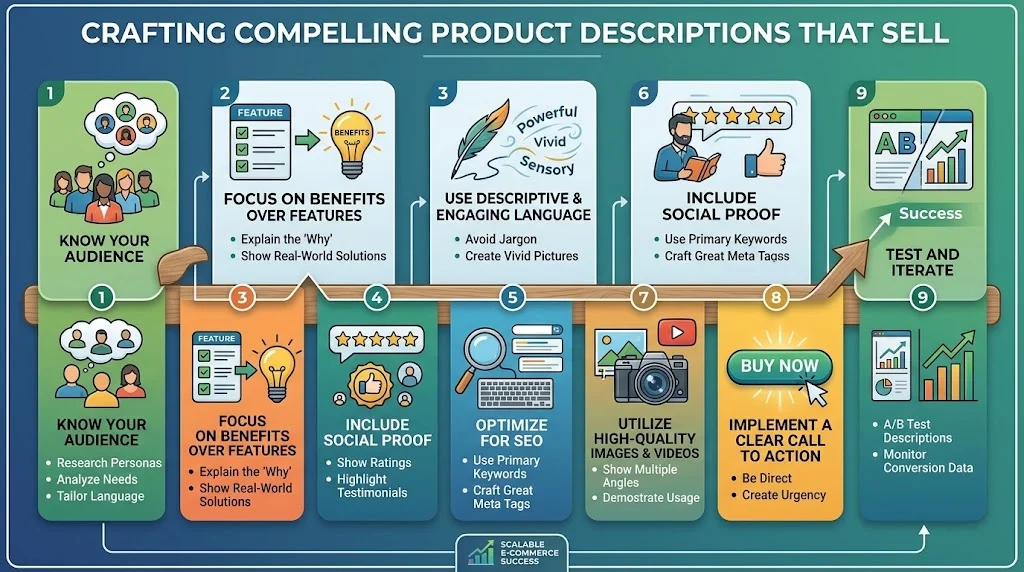
When it comes to online shopping, the product description plays a crucial role in persuading customers to buy. Unique and captivating product descriptions can make your offerings stand out among competitors. Here are some essential strategies to craft compelling product descriptions that sell.
Know Your Audience
Understanding your target audience is key to writing engaging product descriptions. Consider the following:
Identify demographics: Know their age, gender, interests, and pain points.
Understand their desires: What problems are they trying to solve with your product?
Utilize customer feedback: Use insights from reviews and testimonials to shape your writing.
Focus on Benefits Over Features
While it’s important to mention product features, the real selling point lies in how those features benefit the customer. Transform technical jargon into simple, relatable benefits. For example:
| Feature | Benefit |
|---|---|
| Waterproof Material | Stay dry and comfortable in any weather. |
| Lightweight Design | Easy to carry wherever you go. |
Use Descriptive and Engaging Language
Paint a vivid picture with your words. Use sensory language that allows customers to imagine using the product. Instead of saying, “This shirt is soft,” say, “This shirt feels like a gentle cloud against your skin.” Descriptive phrases can evoke emotions, making the product more appealing.
Incorporate Storytelling
Stories resonate and create a connection. Consider narrating how the product was developed or how it has positively impacted others. A story not only captures attention but also fosters a sense of relatability. For instance, if you sell eco-friendly products, share how they contribute to sustainability. People will feel good about supporting a brand with a purpose.
Optimize for SEO
To ensure your product descriptions are found online, incorporate relevant keywords naturally throughout your text. Consider these tips:
Use primary keywords: Include the product name and essential features.
Add long-tail keywords: Use phrases customers are likely to search for.
Write unique descriptions: Avoid copying manufacturer descriptions to prevent penalties from search engines.
Include Social Proof
Testimonials, reviews, and ratings can increase your product’s credibility. Shoppers trust real experiences from other customers. A few well-placed testimonials can make a significant difference in conversion rates. Consider adding a section dedicated to reviews directly on the product page.
Utilize High-Quality Images and Videos
Visual content is just as essential as written descriptions. Use high-resolution images that showcase various angles and uses of the product. Additionally, videos can enhance understanding. A brief clip demonstrating the product in action can be incredibly persuasive.
Implement a Clear Call to Action
Encourage potential buyers to take the next step. Use strong action words in your calls to action, such as “Buy Now,” “Add to Cart,” or “Discover More.” This clarity will guide customers towards completing their purchase.
Test and Iterate
The world of e-commerce is ever-evolving. Test different descriptions to see what resonates best with your audience. A/B testing various aspects like word choice, layout, and call-to-action phrases can provide invaluable insights into what drives sales. Don’t be afraid to tweak your descriptions based on performance data.
Creating product descriptions that sell doesn’t have to be daunting. By knowing your audience, focusing on benefits, and incorporating storytelling, you can create engaging descriptions that convert browsers into buyers. For further insights on product descriptions, visit Shopify or BigCommerce for more tips and strategies.
Utilizing Customer Reviews to Enhance Product Credibility
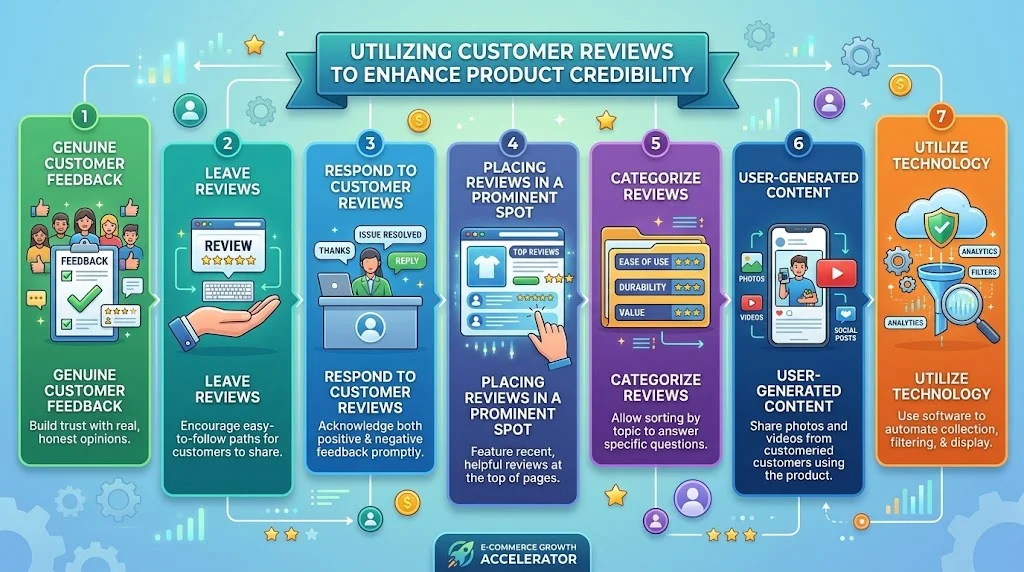
Product credibility is crucial for any business looking to thrive in a competitive market. One of the most effective ways to enhance this credibility is through customer reviews. By leveraging the experiences and opinions of previous buyers, you can build a trustworthy image for your products. Here’s how to utilize customer reviews effectively.
Genuine customer feedback
First and foremost, showcase genuine customer feedback. Customers are more likely to trust reviews that appear authentic and relatable. To achieve this, include both positive and negative reviews on your product pages. This transparency not only highlights the strengths of your product but also shows that you are open to constructive criticism. Think about displaying customer ratings alongside reviews to give potential buyers a quick overview of the product’s reception.
Leave reviews
Encourage your customers to leave reviews by making it easy for them. After a purchase, send a follow-up email thanking them for their business and inviting them to share their experience. You can use an approach like:
Make the process straightforward—include direct links to the review section.
Offer an incentive, like a discount on their next purchase, to motivate them.
Respond to customer reviews
Furthermore, respond to customer reviews, whether they’re positive or negative. When you acknowledge customer feedback, you demonstrate that you care about their opinions. This can lead to increased loyalty and can also help potential customers feel more comfortable making a purchase. Responding promptly to negative reviews shows that you are proactive in resolving issues, which adds another layer of credibility to your brand.
Placing reviews in a prominent spot
Make the most of your product pages by placing reviews in a prominent spot. A well-structured layout can significantly influence the way customers perceive your products. Integrate reviews into the product descriptions or include a separate section dedicated to customer testimonials. An engaging way to present this information could be through a visual display or a slider that rotates through reviews.
Categorize reviews
Additionally, categorize reviews. For example, if your product has multiple features, consider highlighting specific reviews that discuss each one. This makes it easier for prospective buyers to find the information that matters most to them. Here’s a simple table layout you might consider:
| Feature | Customer Review | Rating |
|---|---|---|
| Durability | “This product has lasted longer than I expected!” | 5 stars |
| Ease of Use | “A bit confusing at first, but I got the hang of it!” | 4 stars |
| Value for Money | “Not the cheapest, but worth every penny!” | 5 stars |
User-generated content
To further enhance engagement, consider using user-generated content in your marketing strategies. Share reviews on your social media platforms or even include them in newsletters. This not only promotes products through customer voices but also builds a community around your brand. Encourage customers to post pictures of their purchased products online, and highlight these posts on your site to create a rich visual experience.
Utilize technology
Utilize technology to assist in gathering and displaying reviews. Various tools can help automate the review collection process and can even filter and feature the best reviews. Platforms like Trustpilot or Yotpo are just a few examples of services that can streamline this process and enhance your overall credibility.
Customer reviews are invaluable for establishing product credibility. By collecting authentic feedback, responding proactively, and showcasing it effectively on your product pages, you can significantly influence potential buyers. Remember, the goal is to create an engaging environment where customers feel encouraged to share their experiences, ultimately leading to more confident purchasing decisions.
The Role of SEO in Boosting Product Page Visibility
In today’s competitive online landscape, having optimized product pages is essential for increasing visibility and driving sales. A well-optimized product page can significantly enhance your site’s SEO performance, ultimately leading to higher organic traffic. Here’s how SEO plays a vital role in boosting product page visibility.
Keyword Research: The Foundation of SEO
Before you even write the content for your product pages, effective keyword research is crucial. This process involves identifying the terms and phrases potential customers use when searching for products similar to yours. Once you determine these keywords, you can strategically integrate them into your product descriptions, titles, and meta tags, ensuring you’re targeting exactly what users are searching for.
Tools for Keyword Research
Crafting Compelling Product Descriptions
Your product descriptions are not just a catalog of features; they should engage your audience and motivate them to make a purchase. SEO best practices can enhance these descriptions, making them more searchable. Use a mix of primary and secondary keywords naturally within your text.
Essential Elements of Product Descriptions
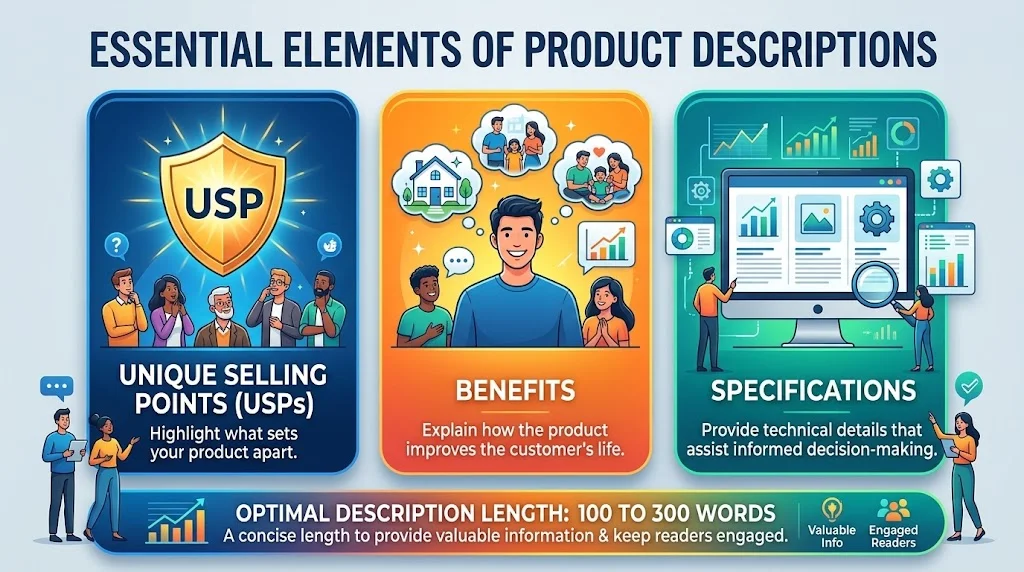
Unique Selling Points (USPs): Highlight what sets your product apart.
Benefits: Explain how the product improves the customer’s life.
Specifications: Provide technical details that assist informed decision-making.
For better performance, aim to keep your descriptions between 100 to 300 words. This length is often enough to provide valuable information while also being concise.
Optimizing Images for SEO
Images play a critical role in product visibility. High-quality images attract customers, but optimizing these images for search engines is equally important. Here are a few tips for optimizing images on your product pages:
File Names: Use descriptive, keyword-rich file names.
Alt Text: Include alt text that describes the image and incorporates relevant keywords.
Compression: Compress images to improve loading time, as faster pages enhance user experience and SEO rankings.
Meta Tags Matter
Meta tags are crucial, yet often overlooked elements of SEO. They include the title tag and meta description, which provide brief information about your page in search results. A well-crafted title tag should include your primary keyword and be around 60 characters. The meta description should summarize your product in an engaging way that encourages clicks. Aim for 150-160 characters, including keywords, to optimize your chances of ranking higher.
Example of an Effective Meta Tag
Title Tag: “Buy Eco-Friendly Yoga Mats | Non-Toxic Materials for Ultimate Comfort”
Meta Description: “Explore our range of eco-friendly yoga mats crafted from non-toxic materials. Perfect for every level of yogi. Shop now!”
User Reviews and Ratings
Encouraging user reviews is an effective way to build trust and authority. Not only do reviews help with conversion rates, but they also contribute to SEO. Search engines view user-generated content as valuable, which can help improve your product pages’ relevance. Additionally, featured snippets generated from reviews can draw even more attention to your products.
Ways to Encourage Customer Reviews
Send follow-up emails after purchase asking for feedback.
Offer incentives such as discounts on future purchases.
Make the review process easy and straightforward.
Internal Linking Strategy
Internal links on your product pages can enhance SEO by helping search engines and users navigate your site more effectively. Link to related products or relevant blog posts to increase engagement and reduce bounce rates. A well-executed internal linking strategy keeps visitors on your site longer, which positively impacts your SEO rankings.
| Type of Link | Benefit |
|---|---|
| Related Products | Increases cross-selling opportunities. |
| Blog Posts | Enhances authority and provides additional information. |
By implementing these SEO strategies, you can significantly boost the visibility of your product pages. Remember that optimizing for humans is as essential as optimizing for search engines. Engaging, informative content that tackles user needs will ultimately lead to better SEO performance and, most importantly, satisfied customers.
For further insights, consider checking resources on Shopify or Neil Patel.
Conclusion
Optimizing your product pages is essential for driving sales and enhancing the overall shopping experience. By implementing effective strategies, such as focusing on high-quality images, you can instantly capture your customers’ attention. Visually appealing images help showcase your products in the best light, leading to increased interest and a higher likelihood of purchase.
Crafting compelling product descriptions is another vital element in this optimization process. Descriptions that engage readers and highlight the benefits of your product can significantly influence buying decisions. When you address your customers’ needs and paint a vivid picture of how your product fits into their lives, you create a stronger connection that can convert browsers into buyers.
In addition to impactful visuals and descriptions, leveraging customer reviews adds an invaluable layer of credibility to your product pages. Positive reviews not only build trust but also provide authentic insights into the customer experience, encouraging new shoppers to feel confident in their choices.
Integrating effective SEO strategies ensures your product pages reach a wider audience. By using relevant keywords and optimizing meta descriptions, you can increase visibility on search engines, making it easier for potential customers to discover your offerings.
Together, these components create a powerful synergy that enhances your product pages. Focused improvements will not only attract more visitors but also foster stronger customer relationships, driving loyalty and repeated purchases. By continually refining these elements, you can keep your product pages competitive and effectively meet the needs of your ever-evolving market. Understanding How to Optimize Product Pages is the ultimate foundation for scalable e-commerce success.