How To Grow an Email Subscriber List

ATTENTION: Want to Learn Affiliate Marketing from Successful Affiliates?
Building a robust email subscriber list is essential for businesses looking to engage customers and drive sales. If you want to know how to grow an email subscriber list effectively, consider these strategic approaches that can attract your target audience and foster lasting relationships.
Utilize Lead Magnets
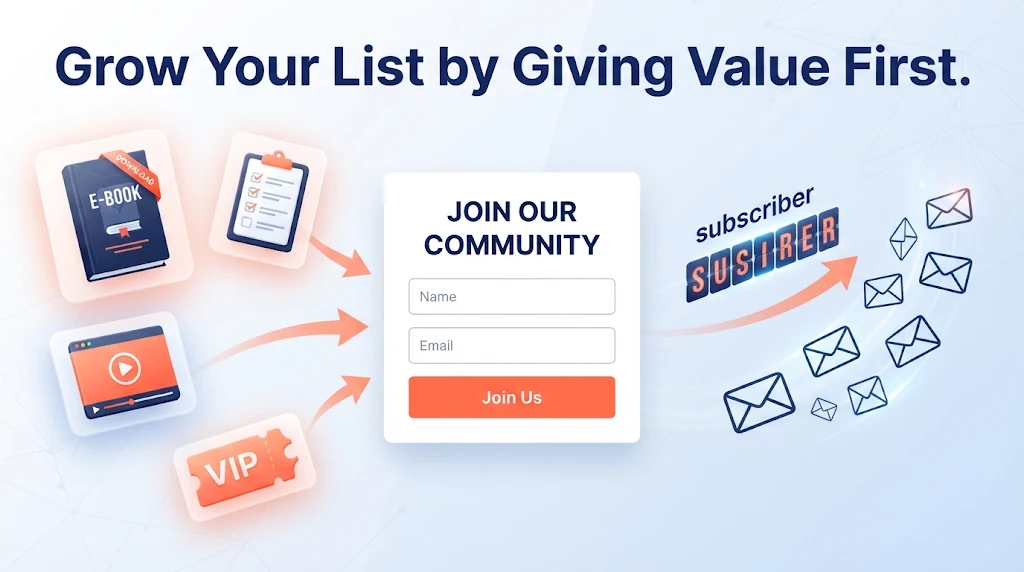
One of the best ways to grow your email subscriber list is by offering valuable lead magnets. A lead magnet is something of value that you give away in exchange for someone’s email address. Here are some effective types of lead magnets:
- E-books: Share in-depth knowledge relevant to your audience.
- Checklists: Simple tools that help your audience complete tasks.
- Webinars: Live or recorded sessions that provide valuable insights.
- Exclusive Discounts: Offer special prices for subscribers.
Choosing the right lead magnet can significantly increase your sign-up rate. Tools like Canva can help create visually appealing lead magnets.
Optimize Your Website Signup Forms
Your website should prominently display signup forms. Make sure they are easy to find and use. Consider the following tips:
- Keep it Simple: Only ask for essential information, like name and email address.
- Placement Matters: Position forms at the top of your website or as pop-ups.
- Use Action-Oriented Language: Instead of “Submit,” try phrases like “Join Us” or “Get Started.”
Experiment with different styles and placements to see what yields the best results.
Leverage Social Media Platforms
Social media is a powerful tool to expand your audience. Share enticing content that leads users to your signup form. Here’s how to do it:
- Provide Sneak Peeks: Tease upcoming content that will be available exclusively to subscribers.
- Run Contests: Encourage users to sign up for your email list to enter.
- Use Social Proof: Share testimonials or reviewer feedback about your email content.
Promoting your email list on platforms like Facebook and Twitter can greatly increase visibility and encourage sign-ups.
Implement Referral Programs
Referral programs can motivate your current subscribers to spread the word. Here’s how to set this up:
- Offer Incentives: Provide rewards to existing subscribers for referring new ones.
- Make It Easy: Ensure that sharing your email list is straightforward and user-friendly.
- Track Effectiveness: Use tools to monitor how many new subscribers come from referrals.
Programs like ReferralCandy can help organize your referral system efficiently.
Create Quality Content
Nurturing your subscriber list begins with delivering engaging content. Subscribers are more likely to stay if they find value in your emails. Follow these strategies:
- Segment Your Audience: Tailor your content to different groups based on interests.
- Maintain Consistency: Regularly send emails, but don’t overwhelm your subscribers.
- Engage with Personalization: Personalize messages with the recipient’s name and preferences.
Platforms like Mailchimp offer great options for email automation and personalization.
Monitor Analytics
Keeping an eye on your email analytics is vital for understanding what works. Here are some key metrics to track:
- Open Rates: This shows what percentage of subscribers is opening your emails.
- Click-Through Rates: Measure engagement through links clicked in your emails.
- Unsubscribe Rates: Monitor this to identify potential problems with your content or approach.
Using tools like Google Analytics can provide insights to refine your strategy continually.
The Role of Incentives in Email List Building
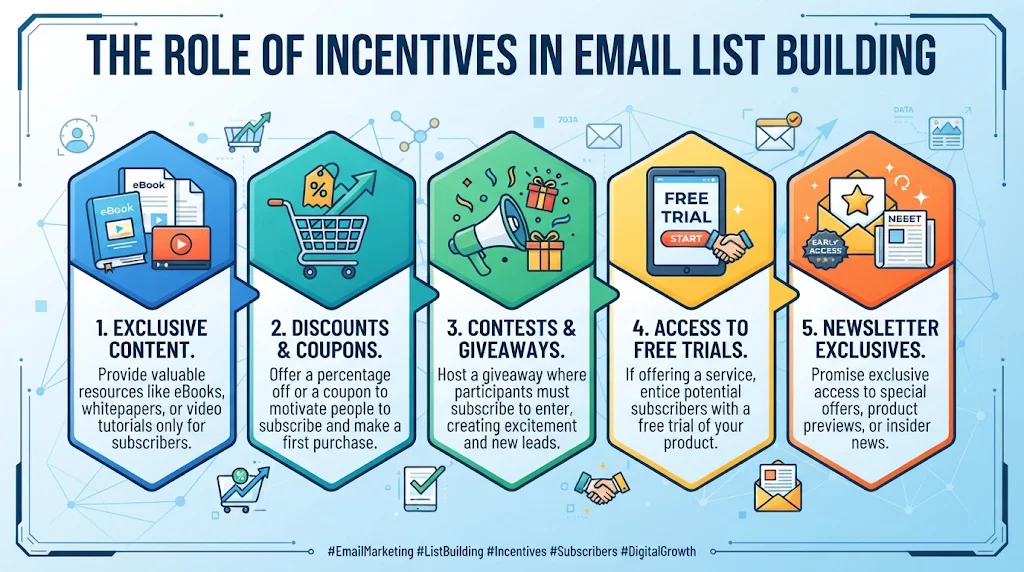
Building an email subscriber list is crucial for any business looking to establish a strong online presence. One of the most effective ways to grow this list is by offering incentives. Incentives not only attract new subscribers but also keep existing ones engaged. Here’s how you can leverage incentives to boost your email list.
First, let’s explore the types of incentives that can work well in drawing in subscribers:
- Exclusive Content: Provide valuable resources such as eBooks, whitepapers, or video tutorials that are only accessible to subscribers.
- Discounts and Coupons: Offering discounts or coupons can motivate people to subscribe. A small percentage off their first purchase can be a powerful motivator.
- Contests and Giveaways: Host a giveaway where participants must subscribe to your list to enter. Not only does this create excitement, but it also increases your subscriber list.
- Access to Free Trials: If you offer a service, providing a free trial can entice potential subscribers to join your email list.
- Newsletter Exclusives: Promise exclusive access to special offers, early access to products, or insider news for subscribers.
When implementing these incentives, it’s important to communicate their value clearly. You want potential subscribers to understand what they will gain by joining your list. For instance, if you’re offering exclusive content like eBooks, showcase the topics covered and how they can benefit the reader—this simple act can greatly influence their decision to subscribe.
Another essential factor to consider is the placement of your subscription forms. Here are some strategies for effective placement:
- Website Pop-ups: While some users find them intrusive, pop-ups can be effective when timed correctly. Offer your incentive as soon as visitors show intent to exit your site.
- Landing Pages: Create dedicated landing pages that explain the benefits of subscribing and highlight your incentive clearly.
- Inline Forms: Incorporate email sign-up forms within blog posts or on product pages to capture users actively engaged with your content.
High-quality visuals
Utilizing high-quality visuals can enhance your incentives. For example, if you’re offering a free eBook, use a visually appealing cover image along with an engaging description. This can immediately draw attention and make your offer more enticing.
Leveraging social proof
Additionally, consider leveraging social proof to build trust. If you have testimonials from existing subscribers about how your newsletter has benefitted them, include these as well. Potential subscribers may be more likely to join your list if they see others have had positive experiences.
Optimize your message for mobile users
Another powerful way to grow your email subscriber list through incentives is by optimizing your message for mobile users. With a significant amount of web traffic coming from mobile devices, it’s essential for your subscription forms and messages to be mobile-friendly. Make sure that your forms are easy to fill out on smaller screens and load quickly.
Engagement is key
Once you’ve begun attracting subscribers, maintaining engagement is key. Ensure that you deliver on the promised incentives. If a subscriber signs up for a free trial, make sure they have a seamless experience navigating your service. Fulfilling promises builds trust, which encourages current subscribers to stay subscribed and to recommend your list to others.
Track and analyze the performance
To further refine your incentive offerings, track and analyze the performance of different types. Split testing (A/B testing) can be an effective way to determine which incentives resonate most with your audience. Experiment with various offers and see which generates the most sign-ups.
Incentives play a significant role in email list building. By understanding what motivates your target audience and creating valuable offers, you can increase your email subscribers effectively. Elevating your strategy with clear communication, strategic placements, engaging visuals, and ongoing analysis can create a robust list that fuels your business growth.
Understanding Your Audience: A Key to Successful Email Marketing
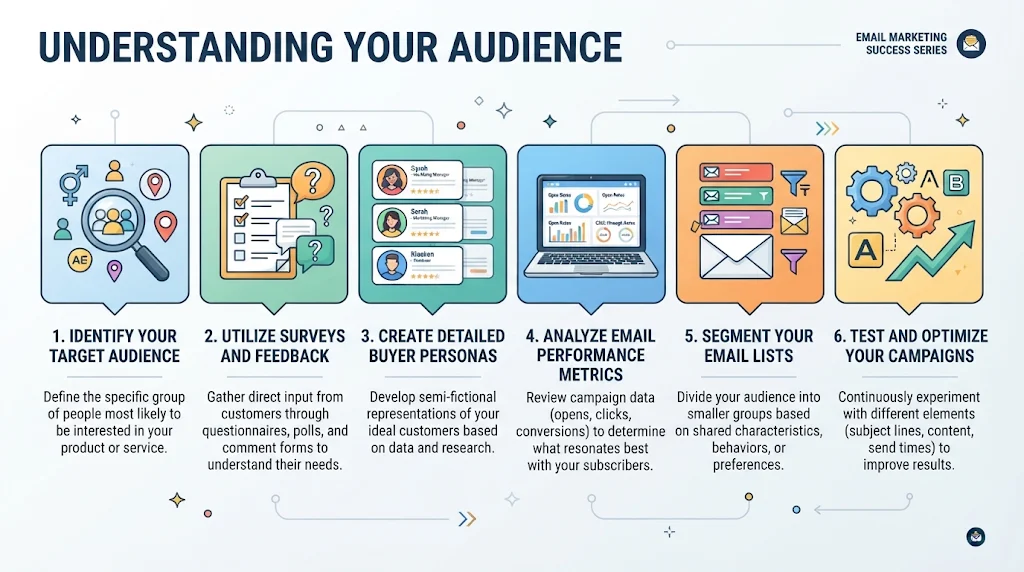
To succeed in email marketing, understanding your audience is crucial. Without insight into who your audience is, your messages may fall flat. You want your emails to resonate, engage, and drive action. Here’s how you can dive deeper into understanding your audience to enhance your email marketing strategy.
Identify Your Target Audience
First, determine who your audience is. Identify their demographics, interests, and preferences. Knowing the age, location, and preferences of your consumers can help you tailor your messaging effectively. Here are some key components to focus on:
- Demographics: Understand age, gender, location, and income levels.
- Interests: Know what topics, products, or services your audience finds appealing.
- Behavior: Observe their past purchase behaviors and engagement levels with your previous emails.
Utilize Surveys and Feedback
Another effective way to understand your audience is by directly asking them. Conduct surveys or polls to gather insights about their preferences. Questions can include:
- What type of content would you like to read in our emails?
- How often do you want to hear from us?
- What problems can we help solve for you?
Utilize tools like SurveyMonkey or Typeform to create engaging surveys that are easy for your audience to complete.
Create Detailed Buyer Personas
Once you have gathered data, create detailed buyer personas. Buyer personas are semi-fictional representations of your ideal customers. Use the information you’ve collected to build profiles that include:
- Name and background
- Goals and challenges
- Favorite content types
- Preferred communication channels
By having a clear picture of your audience, you can customize your emails to address their specific needs and preferences.
Analyze Email Performance Metrics
Regularly analyze your email performance metrics to see how your audience is engaging with your content. Focus on key indicators such as:
| Metric | Description |
|---|---|
| Open Rate | Percentage of subscribers who open your emails |
| Click-Through Rate (CTR) | Percentage of subscribers who click on links within your email |
| Conversion Rate | Percentage of subscribers who take action (e.g., make a purchase) |
These metrics provide valuable insights into what resonates with your audience and where adjustments may be needed.
Segment Your Email Lists
Segmentation allows you to tailor your messaging based on specific characteristics of your audience. By categorizing your subscribers into smaller groups, your chances of engagement increase. Common segmentation strategies include:
- Demographic Segmentation: Group subscribers by age, gender, or location.
- Behavioral Segmentation: Segment based on previous purchases or email engagement.
- Interests and Preferences: Group according to survey feedback or expressed interests.
Platforms like Mailchimp provide robust segmentation options that allow you to create targeted campaigns.
Test and Optimize Your Campaigns
Understanding your audience is a never-ending process. Regularly test different email formats, subject lines, content styles, and sending times. A/B testing allows you to see what works best for your audience.
As you gather data from these tests, refine your strategies based on what your audience responds to best. Analytics tools can help you track these changes and optimize, ensuring your email marketing efforts grow continually.
These strategies will help you create engaging email campaigns tailored to your audience. As you deepen your understanding of your subscribers, you’ll find it easier to craft compelling messages that drive results.
Utilizing Social Media to Boost Your Email Subscriber Growth
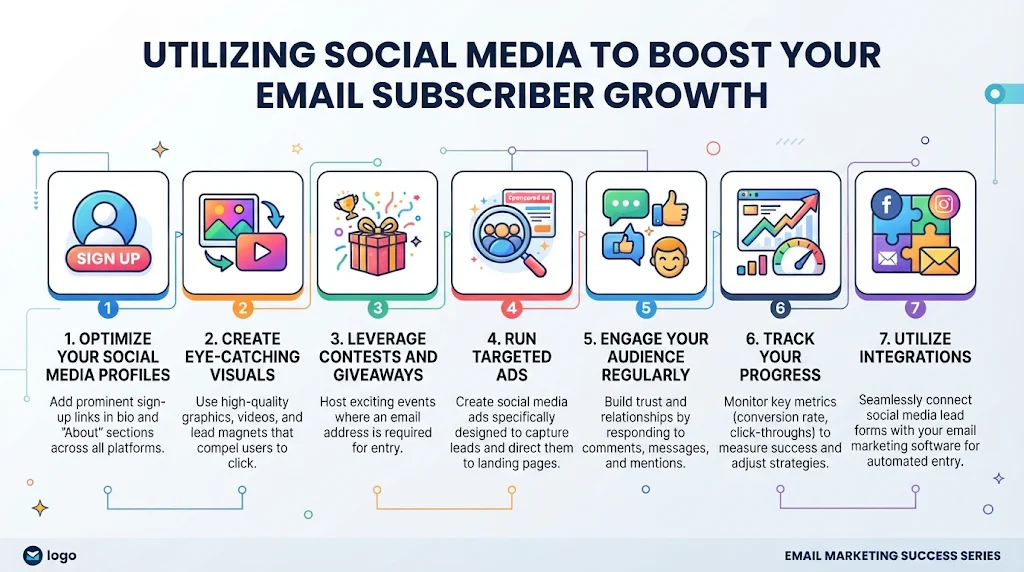
Growing your email subscriber list is essential for connecting with your audience, promoting your products or services, and increasing your sales. Social media can be a powerful tool to accomplish this goal. By strategically integrating social media into your email subscription strategy, you can reach new audiences and engage your existing followers. Here’s how you can effectively use social media to boost your email subscriber growth.
Optimize Your Social Media Profiles
Your social media profiles act as gateways to your audience. Here are some tips to make them work for your email list:
- Link to Your Signup Page: Ensure that you include a direct link to your email signup page in your bio or about sections on platforms like Instagram, Twitter, and Facebook.
- Clear Call-to-Action: Use engaging language that encourages followers to subscribe. For example, “Join our newsletter for exclusive updates!”
- Use a Consistent Brand Voice: Maintain a consistent tone across all your platforms to build trust and recognition.
Create Eye-Catching Visuals
Visual content can significantly increase engagement on social media. Here are some ideas:
- Infographics: Use infographics that highlight what subscribers can expect when they join your email list. For instance, “5 Benefits of Subscribing to Our Newsletter.”
- Videos: Create short videos that explain the value of your email content or show behind-the-scenes footage of your business.
- Promo Graphics: Design promotional graphics highlighting exclusive offers or content available only to subscribers.
Leverage Contests and Giveaways
People love free stuff! Hosting a contest or giveaway can be an effective way to gain new subscribers:
- Require Email for Entry: Make it a rule that participants must submit their email addresses to enter. Ensure the prize is something your audience finds valuable.
- Promote Heavily on Social Media: Use all your platforms to promote the contest and encourage participants to share the post for an increased chance of winning.
- Collaborate with Influencers: Partner with social media influencers who can help amplify your contest to reach a wider audience.
Run Targeted Ads
Paid advertising can also help grow your email list. Here’s how to do it effectively:
- Select Your Audience: Use social media ad platforms to target specific demographics that align with your ideal customer profile.
- Utilize Lead Ads: Platforms like Facebook and Instagram offer lead ads that allow users to sign up for your email list directly through the ad without leaving the site. This can improve conversion rates significantly.
- Offer Incentives: Consider providing lead magnets such as ebooks, discount codes, or exclusive content in exchange for email signup.
Engage Your Audience Regularly
Regular engagement is vital for maintaining interest and encouraging subscriptions:
- Ask Questions: Use polls and questions on platforms like Instagram and Twitter to interact with your audience and gauge their interests.
- Share Valuable Content: Post content that resonates with your audience and showcases your expertise. This builds trust and incentivizes people to subscribe for more.
- Respond to Comments: Engage with comments on your posts to build rapport and increase follower loyalty.
Track Your Progress
Monitor the growth of your email list as you implement these strategies:
Use tools like Google Analytics or social media insights to track which methods are successful in bringing in subscribers. This data can help you refine your approach over time.
Utilize Integrations
Many social media platforms provide integrations with email marketing services. Utilize tools like Mailchimp to easily manage your subscribers and keep your list updated.
These strategies on social media can significantly enhance your email subscriber growth. Remember, it’s all about creating value and engaging with your audience meaningfully. The more you connect, the more your subscriber list will flourish!
The Importance of Personalization in Engaging Email Campaigns
Email marketing has become an essential component of modern business strategy. In an environment where consumers are bombarded with advertisements and promotional campaigns, the ability to stand out is critical. One powerful tool for achieving this is personalization. Understanding how personalization can enhance your email campaigns is key to engaging your audience effectively.
Personalization involves tailoring your email messages to the specific preferences and behaviors of your subscribers. This goes beyond merely using a recipient’s name in the greeting. When done correctly, personalization creates a more relevant experience for the reader, increasing the chances of engagement and conversion.
One of the primary benefits of personalized email campaigns is improved open rates. According to research, emails with personalized subject lines are more likely to be opened. When recipients feel that an email speaks directly to them, they are more inclined to engage with the content.
Strategies for Personalization
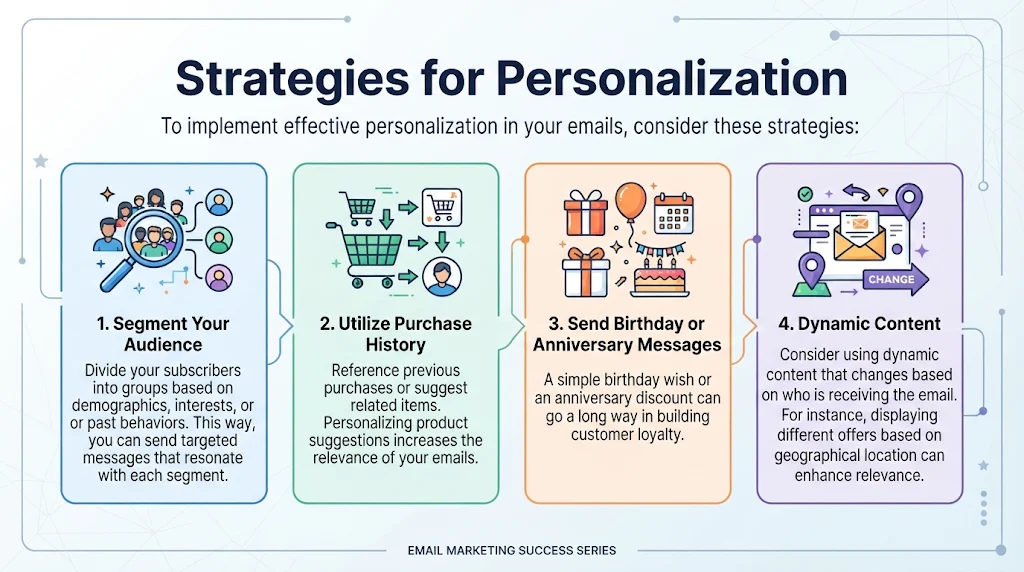
To implement effective personalization in your emails, consider these strategies:
- Segment Your Audience: Divide your subscribers into groups based on demographics, interests, or past behaviors. This way, you can send targeted messages that resonate with each segment.
- Utilize Purchase History: Reference previous purchases or suggest related items. Personalizing product suggestions increases the relevance of your emails.
- Send Birthday or Anniversary Messages: A simple birthday wish or an anniversary discount can go a long way in building customer loyalty.
- Dynamic Content: Consider using dynamic content that changes based on who is receiving the email. For instance, displaying different offers based on geographical location can enhance relevance.
Data-Driven Personalization
Data plays a crucial role in personalization. Collecting data about your subscribers enables you to create detailed profiles and predict future behaviors. Here are a few types of data you should consider gathering:
| Data Type | Description |
|---|---|
| Demographic Information | Collect age, location, and gender to tailor your messaging. |
| Behavioral Data | Analyze how subscribers interact with your previous emails, including click-through rates and interactions. |
| Purchase History | Track previous buys to recommend products that are similar or complementary. |
Utilizing this data to inform your email content creates a more engaging experience for subscribers, leading to higher retention rates.
Automation and Personalization
Automation tools also facilitate personalization. By setting up automated workflows, you can send tailored emails based on specific triggers. For example, you can automatically send a follow-up thank-you email after a purchase or a reminder for abandoned carts. According to sources like Mailchimp, personalized emails can generate six times higher transaction rates.
Furthermore, testing different personalization techniques is essential. A/B testing allows you to determine what messaging resonates most with your audience. This could be as simple as changing the subject line or testing various call-to-action buttons.
Benefits for Businesses
Businesses that invest in personalization often see substantial returns. Some of the key advantages include:
- Higher Engage Rates: Personalized emails drive up interest and action.
- Increased Conversions: When customers feel understood, they are more likely to make purchases.
- Improved Customer Loyalty: Tailored experiences create lasting relationships with your audience.
Personalization in email campaigns is not just a trend; it’s a necessity. By strategically implementing personalized tactics, you can connect with your audience more effectively and significantly enhance engagement rates. Explore resources like HubSpot for further insights into effective email marketing strategies.
The evolving landscape of digital marketing means that personalization isn’t merely an option; it’s a game changer. Take the time to understand your subscribers and leverage the power of personalization to create impactful email marketing campaigns.
Conclusion
Building a robust email subscriber list is a crucial component of any successful marketing strategy. By implementing effective strategies tailored to your audience’s needs, you can create a strong foundation for your email marketing efforts. Offering compelling incentives, such as exclusive content, discounts, or freebies, can motivate potential subscribers to join your list. Don’t underestimate the power of understanding your audience; knowing their preferences allows you to craft messages that truly resonate with them.
Social media platforms present a valuable opportunity to expand your reach and entice new subscribers. By promoting your email sign-up forms on these channels, you can tap into your existing followers and encourage them to receive more personalized content directly in their inboxes. This leads to enhanced engagement, which is further amplified by the importance of personalizing your emails. Tailoring your messages based on individual subscriber preferences can significantly boost open rates and foster a loyal readership.
As you continue to grow your email subscriber list, remember that successful email marketing is an ongoing process. Regularly evaluate your strategies and remain adaptable to change. Keep testing and refining your approach, incorporating feedback from your audience to create a powerful email marketing engine. Ultimately, when you prioritize the needs and interests of your subscribers, you not only grow your list but also foster meaningful connections that can lead to increased conversions and long-term success.