
Best Ways to Increase Search Traffic


ATTENTION: Want to Learn Affiliate Marketing from Successful Affiliates?
Increasing search traffic is essential for driving more visitors to your website. One of the most effective ways to achieve this is through content optimization. By fine-tuning your content, you can attract more organic traffic from search engines. Here are some proven strategies to enhance your content and, in turn, Best Ways to Increase Search Traffic.
Understanding Your Audience
The first step in content optimization is understanding your audience. Knowing who you’re writing for will help you create content that resonates with them. To gather insights about your audience:
- Conduct surveys or polls to gather feedback.
- Utilize tools like Google Analytics to understand user behavior.
- Engage with users on social media platforms to identify their needs and preferences.
Keyword Research
Relevant keywords is vital for increasing your website’s visibility. Start by using tools such as Ahrefs or Moz to find keywords that your audience searches for frequently. Once you identify these keywords, integrate them naturally into your content, including titles, headers, and body text. Aim for a balance: too many keywords can lead to keyword stuffing, which can harm your rankings.
Creating High-Quality Content
Quality is key. Your content needs to be informative, engaging, and free of errors. Here are some tips to create high-quality content:
- Write in a clear, conversational tone to engage your readers.
- Utilize bullet points and lists to make your content easier to read.
- Incorporate images or infographics to break up text and illustrate your points.
Utilizing Internal and External Links
Links play a crucial role in content optimization. Using internal links can guide readers to more content on your website, improving their experience and increasing the time they spend on your site. Moreover, include external links to reputable sources to enhance your credibility. Remember, linking to authoritative websites such as Search Engine Journal can also enhance your content’s trustworthiness.
Optimizing Meta Tags
Meta tags, including titles and descriptions, are essential for SEO. Ensure your title tags are clear, concise, and include your target keyword. Your meta description should provide a natural summary of your content, inviting users to click. Here are some pointers for effective meta tags:
| Element | Best Practices |
|---|---|
| Title Tag | Keep it under 60 characters and include the main keyword. |
| Meta Description | Limit it to 155 characters with a call-to-action. |
Mobile Optimization
With the rise of mobile browsing, optimizing your content for mobile devices is now more crucial than ever. Ensure that your website is responsive, meaning it adjusts automatically to different screen sizes. Test your site’s mobile-friendliness using Google’s Mobile-Friendly Test tool.
Engaging with Social Media
Promoting your content through social media platforms can significantly increase visibility and drive traffic. Share your articles on platforms like Facebook, Twitter, and LinkedIn. Engage with your audience by asking questions and responding to their comments. This interaction not only helps in building relationships but also encourages shares and further amplifies your reach.
Analyzing Performance
To ensure that your content is effective, regularly analyze its performance. Use tools like Google Analytics to track metrics such as page views and bounce rates. This information will help you understand which pieces are performing well and which may need adjustments. Based on this data, refine your strategies to continue improving search traffic.
These strategies will help you optimize your content effectively. A proactive approach to understanding your audience, using the right keywords, and engaging with them can lead to substantial increases in your search traffic. Remember, staying updated with the latest trends in SEO and content creation is key. Keep experimenting and adapting to what works best for your audience!
The Role of Social Media in Driving Organic Traffic
In today’s digital landscape, social media plays a significant role in driving organic traffic to websites. Leveraging social media effectively can enhance your online presence, foster engagement, and ultimately boost your search traffic. Here are the best strategies to utilize social media in your quest for greater organic traffic.
Choosing the Right Platforms
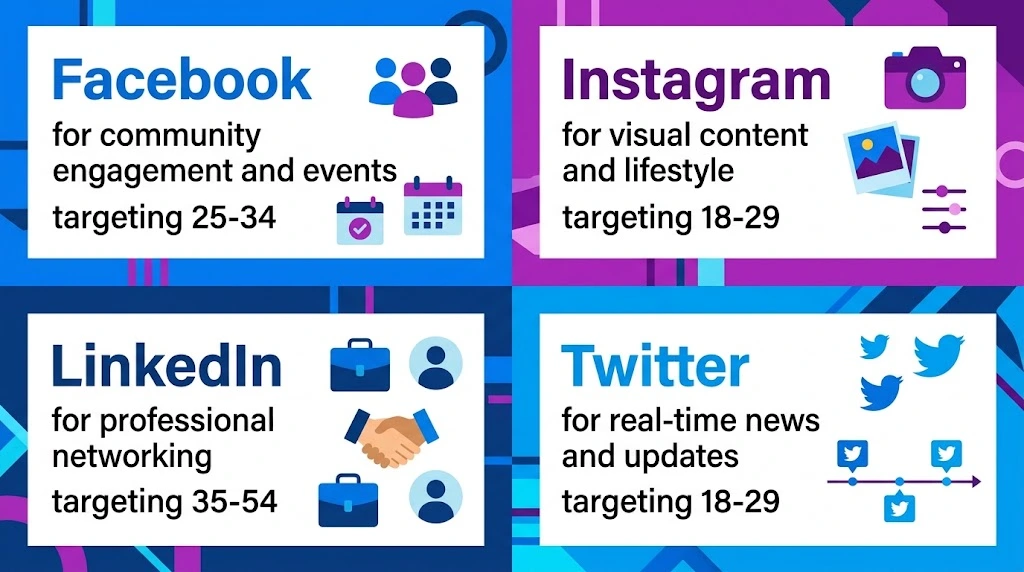
Not all social media platforms are created equal. Different platforms cater to various demographics and types of content. Choose the right ones that align with your target audience. Here’s a quick overview of popular platforms:
| Platform | Best For | Key Demographics |
|---|---|---|
| Community engagement, events | Wide range, particularly 25-34 | |
| Visual content, lifestyle | 18-29 years | |
| Professional networking | 35-54 years | |
| Real-time news, updates | 18-29 years |
Creating Engaging Content
Creating content that resonates with your audience is crucial. Here are some tips to ensure your content stands out:
- Share valuable information that addresses your audience’s interests.
- Utilize a mix of content types like articles, videos, and infographics.
- Incorporate storytelling to make your posts relatable.
- Encourage user-generated content by hosting contests or challenges.
Utilizing SEO Best Practices
To enhance your social media presence and drive traffic, incorporate SEO best practices into your posts. Here’s how:
- Use relevant keywords in your posts to help your audience find your content.
- Optimize images with alt text for better search visibility.
- Leverage hashtags to amplify reach, but keep them relevant and not overly excessive.
Engagement and Community Building
Engagement is a two-way street. Actively responding to comments and messages can create a stronger community. Consider these strategies:
- Respond promptly to comments and direct messages to enhance relationships.
- Host regular live sessions or AMAs (Ask Me Anything) to engage with followers in real-time.
- Join groups and forums related to your niche to connect with potential followers actively.
Monitoring and Adjusting Your Strategy
Constantly monitoring your social media performance is key to success. Review analytics regularly to identify what works and what doesn’t. Tools like Hootsuite and Buffer allow you to track engagement metrics effectively. Adjust your strategy based on these insights to enhance your traffic-driving efforts.
Collaborating with Influencers
Influencer partnerships can be a powerful way to increase organic traffic. By collaborating with influencers in your niche, you can expose your content to a broader audience. Here’s how to find the right influencers:
- Look for influencers whose audience aligns with your target market.
- Review their engagement rates to assess the impact they can have.
- Start with micro-influencers who may charge less while still offering high engagement.
Running Paid Promotions
While organic strategies are vital, consider complementing them with paid promotions. Platforms like Facebook Ads and Instagram Ads can target specific audiences effectively, leading to increased traffic. Make sure to set clear goals for your promotions and track performance to assess ROI.
Effective Keyword Research Techniques for Boosting Visibility
Understanding and implementing effective keyword research techniques is crucial for anyone looking to improve their website’s visibility and attract more traffic. With the right approach, you can uncover keywords that not only resonate with your target audience but also drive significant search traffic to your site.
One of the best ways to kickstart your keyword research is to begin with brainstorming. Think about the topics and questions relevant to your audience. This initial list will serve as the foundation for your keyword strategy. You can expand this list by diving into your competitors’ websites. Tools like Ahrefs can help identify which keywords your competitors rank for, allowing you to discover opportunities that you might have missed.
Next, utilizing keyword research tools can greatly enhance your efforts. Tools like Moz and Ubersuggest provide valuable insights into keyword volume, difficulty, and related queries. This data helps you choose keywords that have both a good search volume and achievable competition levels.
Consider focusing on long-tail keywords as well. Long-tail keywords typically have lower competition and can yield high conversion rates since they are more specific. For example, instead of targeting “shoes,” try a long-tail variant like “best running shoes for flat feet.” These phrases reflect user intent more accurately and can draw in traffic that is ready to engage.
Keyword Optimization Strategies:
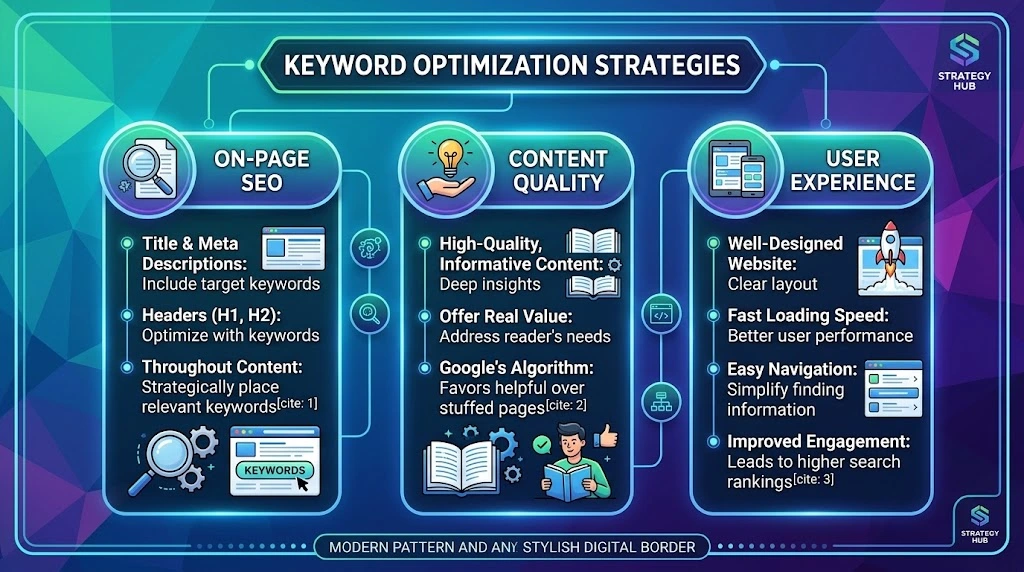
- On-page SEO: Ensure your target keywords appear in key areas such as the title, meta descriptions, headers, and throughout the content. This helps search engines understand your content better.
- Content Quality: Focus on creating high-quality, informative content that offers real value to the reader. Google’s algorithm always favors content that is deemed helpful over keyword-stuffed pages.
- User Experience: A well-designed website that loads quickly and is easy to navigate improves user engagement, making it easier for visitors to find what they’re looking for, which can lead to higher rankings in search results.
Don’t forget to analyze search intent. This means understanding what the user is looking to achieve with their search. There are generally four types of search intent:
- Informational: Users want to learn more about a topic.
- Navigational: Users are trying to reach a specific website.
- Transactional: Users are looking to make a purchase.
- Commercial Investigation: Users are researching products or services before making a decision.
Once you have a solid grasp of the keywords related to your niche, monitoring your progress is vital. Using tools such as Google Analytics allows you to track the traffic coming from different keywords, assessing their overall performance. Keeping an eye on various metrics, including click-through rates and bounce rates, can help you refine your strategy over time.
Regularly updating your content is another technique that can increase visibility. Search engines favor content that is accurate and current. Consider returning to older posts to optimize them with newer keyword insights. Additionally, revisiting these posts allows you to improve internal linking which helps to keep users engaged longer on your site.
Engaging with your audience via social media can supplement your keyword efforts. Share your content on social platforms and encourage discussions around it. This engagement can lead to backlinks, increasing your domain authority and ultimately improving your search visibility. Websites like Social Media Examiner provide insights into how to effectively leverage social channels to support your keyword strategy.
How to Utilize Backlinks for Enhanced Search Engine Ranking
Backlinks play a vital role in improving your website’s search engine ranking. They are essentially links from external websites back to your own. Each backlink acts as a vote of confidence, signaling to search engines that your content is valuable. To effectively utilize backlinks for enhanced search engine ranking, it’s beneficial to adopt several strategies.
Types of Backlinks
Understanding the different types of backlinks can help you strategize better:
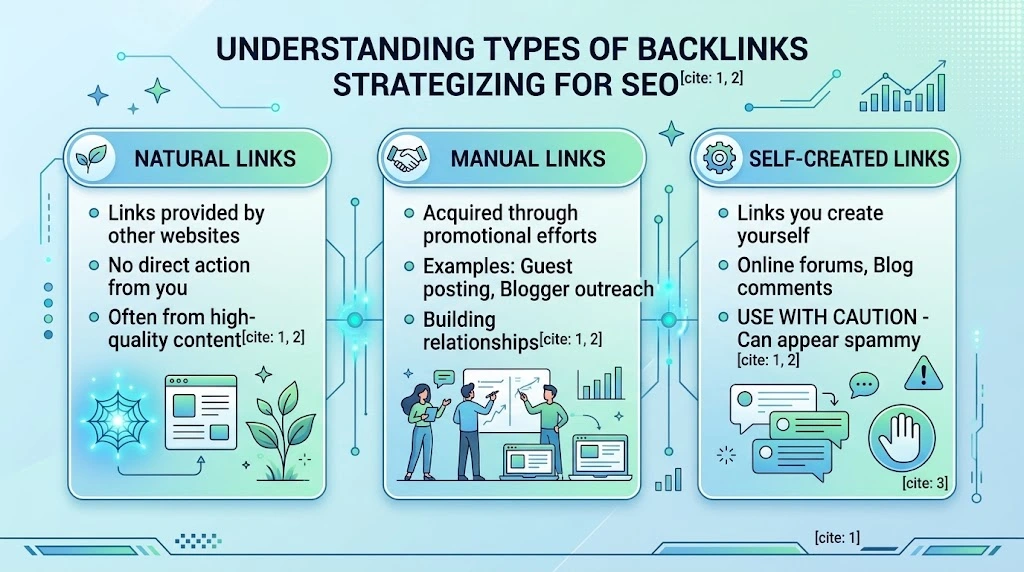
- Natural Links: These are links that other websites provide without any action on your part. They often come from high-quality content that audiences find valuable.
- Manual Links: These are acquired through promotional efforts, such as writing guest posts or reaching out to bloggers.
- Self-Created Links: These are links you create yourself, usually in online forums or through comments on other blogs. However, these should be used with caution, as they can appear spammy.
Strategies to Build Quality Backlinks
Implementing effective strategies can help you generate more high-quality backlinks. Consider the following:
1. Create High-Quality Content
The foundation of any good backlink strategy is to create high-quality, valuable content. If your content addresses the needs and interests of your audience, other websites will naturally want to link to it. Focus on:
- Blog posts
- Infographics
- Research reports
- Videos
2. Guest Blogging
Guest blogging is a popular method for acquiring backlinks. By writing informative articles for reputable websites in your niche, you can gain exposure and secure a backlink. Make sure to:
- Choose relevant websites with a good domain authority
- Provide high-value content that’s unique to their audience
- Include a link back to your site in your author bio or the content itself
3. Utilize Social Media
Social media platforms can be a goldmine for backlink opportunities. By sharing your content across these platforms, you increase its visibility. When you engage with your audience on social media, encourage them to share your content, which can lead to natural backlinks. Use platforms like:
4. Collaborate with Influencers
Partnering with influencers can help you reach a wider audience. By having influencers share your content, you may receive backlinks from their followers who find your content valuable. Strategies include:
- Offering free samples or services
- Collaborating on a project or co-authoring articles
Analyzing Your Backlink Profile
Regularly analyzing your backlink profile is crucial. Tools like Moz Link Explorer or Ahrefs can help you assess which backlinks are beneficial and which ones may harm your site’s credibility. Pay attention to:
- The quality and authority of linking domains
- The anchor text used in your backlinks
Removing Low-Quality Backlinks
If you find low-quality backlinks pointing to your site, it’s essential to take action. Disavow these links using Google’s Disavow Tool. This prevents them from negatively affecting your search engine ranking. Regular maintenance of your backlink profile will ensure you retain a healthy ranking in search results.
Utilizing backlinks effectively is a crucial aspect of enhancing your search engine ranking. By focusing on creating high-quality content, engaging in guest blogging, leveraging social media, and collaborating with influencers, you can significantly improve your backlink profile. Remember to analyze and adjust your strategies regularly to ensure lasting success. For further insights, consider visiting platforms like Search Engine Journal and SEMrush Blog for additional tips and resources for optimizing your search traffic.
The Impact of User Experience on Search Traffic Growth
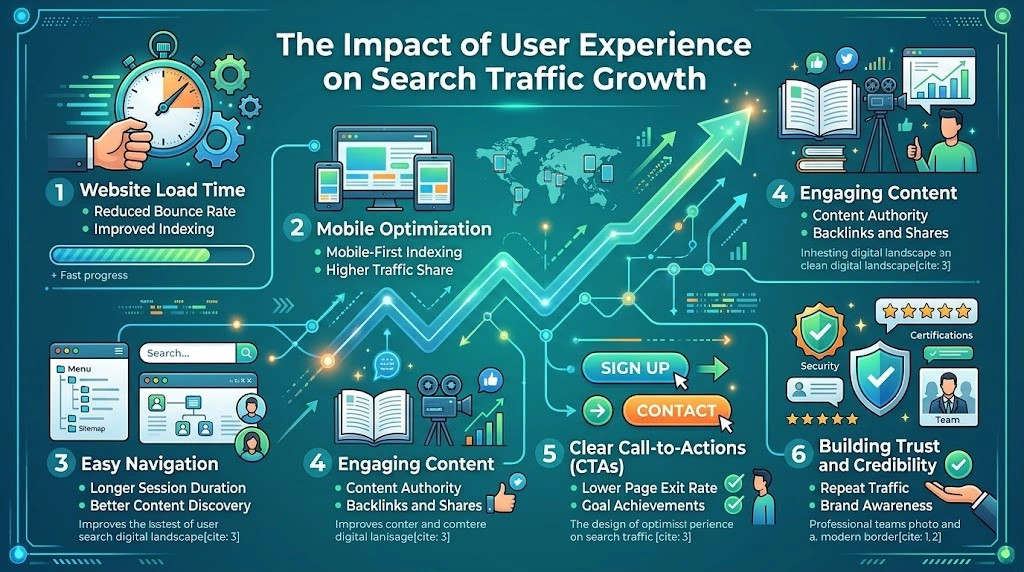
In today’s digital landscape, user experience (UX) plays a pivotal role in determining the growth of search traffic for websites. When users visit a site, they expect a seamless, enjoyable experience. Failing to meet these expectations can lead to high bounce rates and low traffic. Understanding the impact of user experience is essential for building effective strategies to optimize search traffic. Here are key elements of user experience that can significantly affect your website’s traffic growth.
Website Load Time
The speed at which your site loads is directly linked to user satisfaction. Most users expect a page to load in just a few seconds. If it takes longer, they are likely to leave your site. Additionally, Google considers page speed as a ranking factor, which means slower sites may rank lower in search results. Take steps to optimize your website’s load time, such as:
- Compressing images to reduce file size.
- Minimizing JavaScript and CSS scripts.
- Utilizing a content delivery network (CDN) to distribute the load.
Mobile Optimization
With the increasing use of mobile devices for internet access, ensuring your website is mobile-friendly is crucial for maintaining traffic growth. Responsive design not only enhances user experience but is also favored by Google. A few tips for mobile optimization include:
- Using larger fonts and buttons for easy navigation.
- Ensuring touch elements are adequately spaced.
- Testing your website on various screen sizes to ensure proper functionality.
Easy Navigation
User-friendly navigation is a cornerstone of good UX. Visitors should be able to find the information they seek quickly and easily. Complicated menus can frustrate users and increase bounce rates. To improve navigation, consider the following:
- Implementing a clear menu structure with categorized content.
- Including a search bar for easy access to specific information.
- Using breadcrumbs to help users track their path through the site.
Engaging Content
Users come to your website for valuable information. Therefore, high-quality, engaging content is vital. Your content should not only provide answers but also be interesting enough to keep users on your page. Here are some strategies to create engaging content:
- Utilizing visuals such as images and videos to break up text.
- Writing in a conversational tone to connect with readers.
- Interactive elements like quizzes or polls.
Clear Call-to-Actions (CTAs)
Effective call-to-actions guide users on what to do next. Whether you’re seeking to sign up, purchase, or download, clear CTAs can enhance user experience and positively impact search traffic. Make your CTAs stand out by:
- Using contrasting colors to catch the user’s eye.
- Positioning them strategically throughout your content.
- Crafting concise, impactful messages that convey urgency.
Building Trust and Credibility
A trustworthy website encourages users to stay longer and explore more. Elements that build trust include:
- Professional design and branding consistency.
- Displaying security badges if handling sensitive information.
- Offering customer testimonials and reviews.
By focusing on user experience improvements, you can significantly boost your search traffic growth. As you implement these strategies, monitor key metrics such as bounce rates, average session duration, and user engagement levels. Adjust your tactics as necessary to ensure your site continues to meet and exceed user expectations.
Conclusion
Boosting search traffic is a multifaceted approach that requires careful consideration and strategic execution. By focusing on content optimization, you not only enhance your website’s visibility but also provide value to your readers, which keeps them engaged. Social media has emerged as a powerful tool in driving organic traffic. Sharing your content across various platforms can expand your reach and connect you with new audiences.
Effective keyword research techniques are essential for identifying the terms and phrases your target audience is searching for. This knowledge allows you to tailor your content to meet those specific needs, increasing visibility in search results. Additionally, backlinks play a critical role in enhancing your site’s authority. Pursuing quality backlinks from reputable sources can significantly influence your search engine ranking.
Don’t underestimate the impact of user experience on search traffic growth. A well-designed, easy-to-navigate website encourages visitors to stay longer, which can lead to increased conversions. When users have a positive experience, they are more likely to return and recommend your site to others.
Implementing these strategies effectively can create a ripple effect, gradually increasing your search traffic. Remember that growth may take time, but consistency and dedication to these best practices will yield long-term results. Focusing on providing genuine value will not only satisfy search engines like Google but will also cultivate a loyal audience eager for your content.