
Content Marketing for Brand Awareness


ATTENTION: Want to Learn Affiliate Marketing from Successful Affiliates?
To enhance brand awareness through content marketing, having a strategic approach is crucial. Effective Content Marketing for Brand Awareness can help you connect with your audience, communicate your brand values, and establish your business within your niche. Here are some essential strategies to consider.
Understand Your Audience
Understanding your audience is the first step in any content marketing strategy. When you know who your audience is, you can create content that resonates with them. Here are some ways to build audience profiles:
- Conduct surveys to gather insights.
- Use social media analytics to identify demographics.
- Engage with your followers to learn their interests.
This information will guide you in crafting content that appeals directly to your target market.
Create Valuable Content
Your content must offer real value. It should inform, entertain, or solve problems for your audience. Consider producing content such as:
- How-to guides that offer practical solutions.
- Infographics that simplify complex information.
- Videos that engage viewers with dynamic storytelling.
Valuable content is more likely to be shared, which further increases brand awareness.
Utilize Social Media Effectively
Social media platforms are essential for disseminating your content. Each platform has its unique audience and content style:
- Instagram: Focus on visuals and short videos to capture attention.
- LinkedIn: Share industry insights and thought leadership content.
- Facebook: Create community-driven content that encourages sharing and discussion.
Using the suitable platform for your content type can enhance engagement and reach.
Leverage SEO Best Practices
Implementing SEO can elevate your content’s visibility in search engines, which is vital for brand awareness. Consider the following tips:
- Use relevant keywords throughout your content to target what your audience is searching for.
- Optimize meta tags and descriptions to improve click-through rates.
- Incorporate internal and external links to boost authority and credibility.
For more detailed insights on SEO practices, visit Moz.
Use Email Marketing
Email marketing remains one of the most effective channels for content distribution. Here are ways to utilize it:
- Send a regular newsletter highlighting new content, promotions, or upcoming events.
- Segment your email list to send tailored content that meets different audience needs.
- Include strong calls-to-action to encourage further engagement.
This method builds relationships while reminding your audience about your brand.
Collaborate with Influencers
Partnering with influencers can significantly broaden your reach. Influencers can help amplify your message to a targeted audience that trusts their opinions. Here’s how to do it effectively:
- Identify influencers within your industry that align with your brand values.
- Engage them with authentic collaboration ideas, not just sponsorships.
- Provide clear messaging to maintain brand integrity.
This strategy helps tap into new audiences and builds credibility.
Analyze and Optimize Your Content
Measuring the success of your content marketing efforts is vital for optimization. Monitor metrics like:
- Website traffic to evaluate content reach.
- Social shares and engagement rates.
- Conversion rates to see how many users take action.
The Role of Social Media in Enhancing Brand Visibility
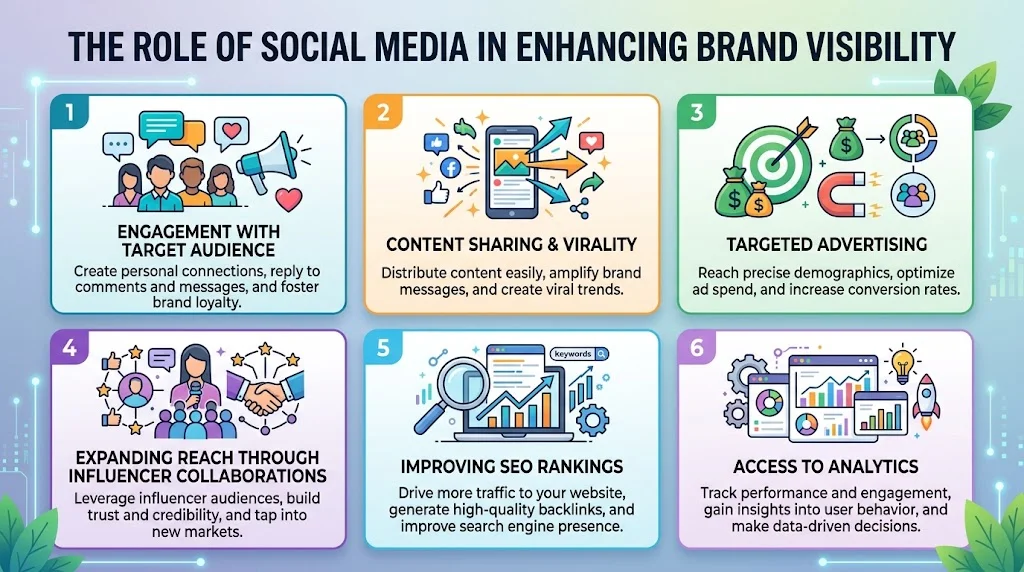
In today’s digital age, social media plays a crucial role in enhancing brand visibility. With billions of users engaging daily on platforms like Facebook, Instagram, Twitter, and LinkedIn, businesses have unprecedented opportunities to reach their target audiences. This powerful medium not only fosters communication but also enables brands to convey their messages in creative and engaging ways.
Brand visibility is all about making your brand known to potential customers. Social media elevates this by providing various tools that make it easier for businesses to showcase their products and connect with users globally. Let’s explore how social media enhances brand visibility in several key ways.
Engagement with Target Audience
One of the most effective aspects of social media is its ability to connect brands with their target audiences. By actively engaging with followers through posts, comments, and direct messages, brands create a sense of community. Here’s how engagement works:
- Real-Time Interaction: Brands can respond to inquiries immediately, enhancing customer satisfaction.
- Building Relationships: Consistent engagement fosters trust and loyalty among customers.
- Gathering Feedback: Social media allows brands to receive instant feedback on products and services, enabling improvements.
Content Sharing and Virality
When users share your content, your brand message proliferates across different audiences, increasing visibility. Compelling content that resonates with your audience encourages shares, likes, and comments. Types of content that perform well include:
- Informative Articles: Educational pieces establish authority in your niche.
- Engaging Videos: Visual content is more likely to be shared, increasing reach.
- Infographics: These are easy to digest and often get shared widely.
Additionally, user-generated content (UGC) is a powerful tool. When customers share their experiences with your brand, it serves as authentic promotion, significantly improving visibility.
Targeted Advertising
Social media platforms offer advanced advertising tools that help businesses reach specific audiences based on demographics, interests, and online behavior. Here’s how targeted advertising enhances brand visibility:
- Precision Targeting: Ads can be tailored to reach individuals most likely to convert.
- Budget Flexibility: Businesses can control their advertising budgets, maximizing ROI.
- Analytics and Tracking: Platforms provide insights into ad performance, allowing for ongoing adjustments.
Expanding Reach through Influencer Collaborations
Collaborating with influencers can significantly diversify your reach. Influencers often have loyal followings who trust their recommendations. By partnering with the right influencer, brands can access larger audiences and enhance their visibility more effectively. Here’s why influencer partnerships are beneficial:
- Authenticity: Influencers offer a personal touch that brands might lack.
- Broadened Audience: Influencers introduce brands to their followers, extending market reach.
- Engagement Boost: Content shared by influencers often sees higher engagement rates.
Improving SEO Rankings
While social media is not a direct ranking factor for search engines, it supports SEO efforts. Increased visibility on social media can lead to more traffic to your website, improving SEO. Here’s how:
- Backlinks: Social media can drive traffic to your site, leading to backlinks from other sites.
- Improved Branding: Higher brand recognition may lead users to search for your site directly.
- Content Distribution: Sharing engaging content on social media propels organic traffic.
Access to Analytics
Social media platforms provide robust analytics that help brands understand their performance better. Metrics like reach, engagement, and conversion rates are invaluable for refining strategies. You can track:
| Metric | Description |
|---|---|
| Reach | The total number of unique users who see your content. |
| Engagement Rate | Measures interactions such as likes, shares, and comments. |
| Conversion Rate | The percentage of users who take a desired action, such as purchasing. |
Utilizing social media to enhance brand visibility is no longer optional; it’s essential for businesses wanting to thrive in the modern marketplace. By connecting with audiences, creating shareable content, leveraging targeted ads, collaborating with influencers, and analyzing data, your brand can achieve substantial visibility.
For more insights on using social media for improved brand awareness, visit Sprout Social or Buffer’s Guide. These resources can help you explore further strategies to enhance your brand visibility through effective social media marketing.
Creating Engaging Content: Key Elements for Success
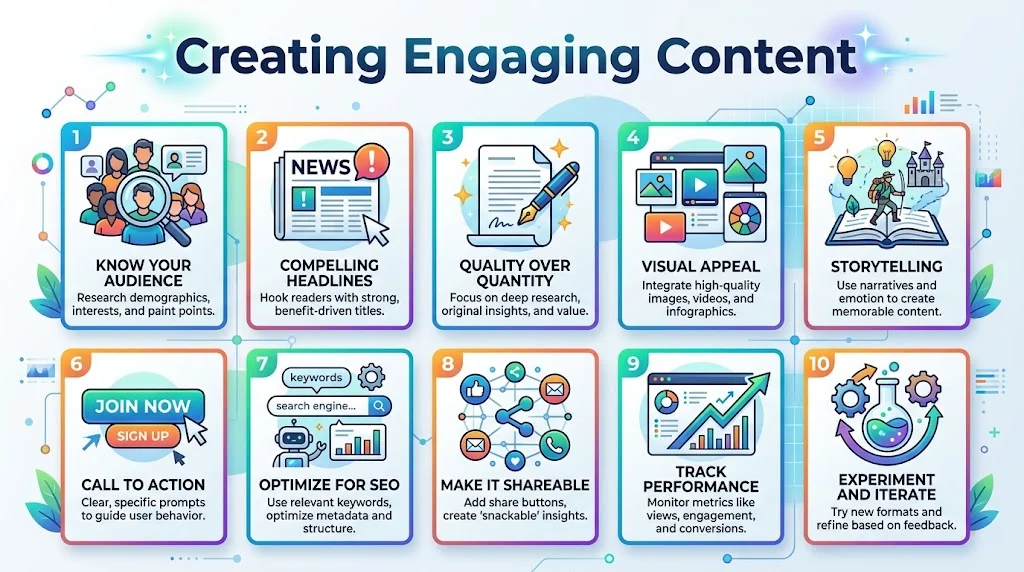
In the fast-paced world of digital marketing, creating engaging content is essential for capturing the attention of your audience. The goal is to invite your readers in, allowing them to connect with your brand on a deeper level. Understanding the key elements that make up engaging content can set your brand apart. Here are several critical components to consider when crafting your message.
Know Your Audience
The first step to creating engaging content is to know who you are talking to. Build detailed profiles of your ideal customers, often called buyer personas. Identify their demographics, interests, pain points, and aspirations. With this knowledge, you can tailor your content to resonate with them personally, making it far more engaging.
Compelling Headlines
Your headline is the first thing people see, and it significantly impacts whether they click to read more. A strong, catchy headline should promise value. Use action words, include numbers, or pose intriguing questions. A great example is “5 Secrets to Boost Your Productivity.” This type of headline creates curiosity and compels the reader to continue.
Quality Over Quantity
It’s better to produce fewer pieces of content that are high quality than to churn out multiple low-quality articles. Prioritize depth over breadth. Fully explore topics that matter to your audience—this builds trust and positions you as an authority in your field.
Visual Appeal
Engagement is not just about words. Dull text can drain enthusiasm. Spice things up with visuals. Incorporate images, infographics, and videos. These elements can clarify complex ideas and make your content more digestible. For instance, articles that include relevant images get 94% more views than text-only articles, dramatically improving engagement.
Storytelling
People love stories. They evoke emotions and create connections. Whether it’s a customer success story or a personal experience, storytelling helps contextualize your message. A well-told story encourages empathy and fosters a connection with your brand. Include real-life scenarios to illustrate your points effectively.
Call to Action
Engaging content often guides readers toward the next step. A clear and compelling call to action (CTA) instructs your audience on what to do next—whether it’s signing up for a newsletter, downloading a white paper, or following you on social media. Effective CTAs create a seamless flow from engagement to action.
Optimize for SEO
Even the best content can go unseen if it isn’t optimized for search. Incorporate relevant keywords naturally throughout your writing. Use internal linking to guide users toward other valuable content on your site. Don’t ignore meta descriptions and alt text for images; these help boost visibility on search engines like Google. Learn more about SEO strategies at Moz.
Make It Shareable
Engaging content should encourage readers to share it within their networks. Include social sharing buttons on your pages. Craft content that’s easily transferable, like lists or tips, which people are more likely to share. The more people share your content, the larger your reach and brand awareness becomes.
Track Performance
Once your content is published, monitoring its performance is crucial. Use tools like Google Analytics to assess engagement metrics such as time on page, bounce rate, and social shares. Understanding what resonates with your audience will guide future content strategy.
Experiment and Iterate
Don’t be afraid to try new formats and styles. Experimentation helps you see what grabs attention. If a certain type of post receives more engagement, consider producing similar content in the future. Continuously iterate based on feedback and analytics.
| Element | Description |
|---|---|
| Know Your Audience | Tailor content to fit the demographic and interests of your readers. |
| Compelling Headlines | Create headlines that promise value and provoke curiosity. |
| Visual Appeal | Enhance the text with images and videos for better engagement. |
| Storytelling | Use stories to make your content relatable and engaging. |
| Call to Action | Guide readers toward the next steps with effective CTAs. |
By embracing these key elements, you can create engaging content that not only captures attention but also fosters loyalty and drives action. Your readers will feel connected, informed, and eager to participate, thus elevating your brand awareness in a crowded marketplace.
For further insights on content creation, visit Content Marketing Institute and explore a wealth of resources designed to enhance your marketing strategies.
Measuring the Impact of Content Marketing on Brand Recognition
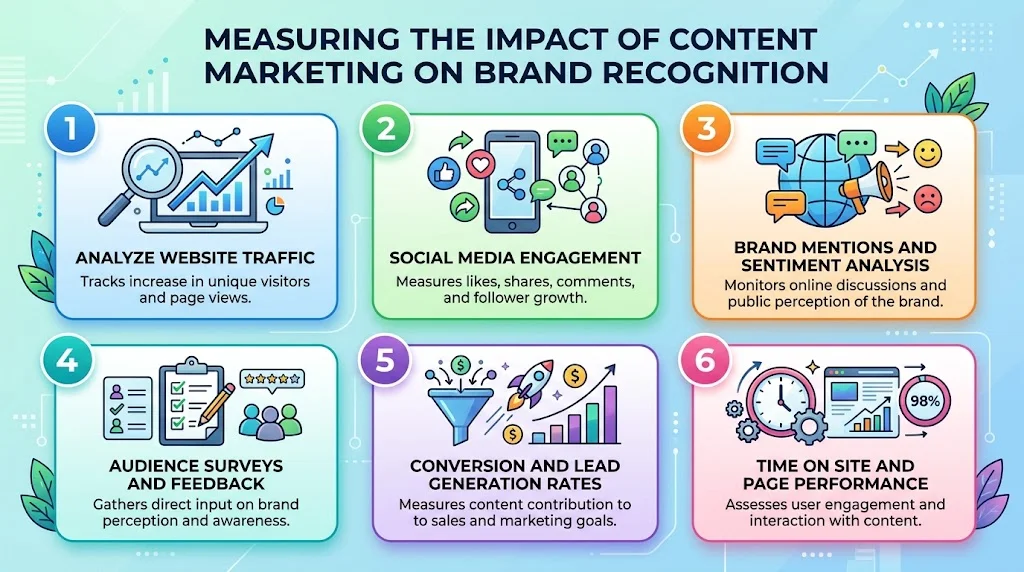
When businesses invest in content marketing, they aim to achieve several goals, with brand recognition often at the forefront. To understand how content marketing influences brand recognition, it’s essential to measure its impact effectively. Here are several approaches and metrics you can use to assess the effectiveness of your content marketing strategies on your brand’s visibility and reputation.
1. Analyze Website Traffic
Monitoring website traffic offers insights into how effective your content marketing efforts are in attracting visitors. Use analytics tools to track:
- Overall visitor growth.
- Unique visitors versus returning visitors.
- Page views and bounce rates.
An increase in traffic often correlates with enhanced brand recognition. Tools like Google Analytics can provide comprehensive insights into user behavior, helping to align your content strategies with brand visibility goals.
2. Social Media Engagement
Social media platforms are vital for building brand recognition. Measuring engagement metrics can help you gauge the effectiveness of your content. Key metrics to watch include:
- Likes, shares, and comments on posts.
- Follower growth over time.
- Mentions and tags of your brand in user-generated content.
These statistics reveal how well your content resonates with your audience and whether it encourages them to recognize and remember your brand.
3. Brand Mentions and Sentiment Analysis
Tracking how often your brand is mentioned across various platforms can be insightful. Use social listening tools to monitor:
- Mentions across social media, blogs, forums, and news sites.
- The sentiment behind those mentions (positive, negative, or neutral).
Tools like Mention help in aggregating this data. Positive mentions indicate successful brand recognition, while negative ones reveal potential issues that need addressing.
4. Audience Surveys and Feedback
One of the most straightforward methods for gauging brand recognition is through direct feedback. Conduct surveys that include questions like:
- What is the first brand that comes to your mind in this industry?
- How did you first hear about us?
- What do you associate with our brand?
Surveying your audience regularly allows you to directly assess the impact of your content and make data-driven adjustments to your marketing strategies.
5. Conversion and Lead Generation Rates
While the ultimate goal of content marketing may be brand recognition, tracking conversions related to your content can be significant. Monitor:
- Newsletter sign-ups.
- Download rates for gated content (e.g., eBooks, whitepapers).
- Overall sales conversion rates attributed to content marketing campaigns.
Increased leads and conversions can often signify heightened brand awareness and trust in your brand.
6. Time on Site and Page Performance
Analyzing how long visitors spend on your site and the specific pages they interact with can indicate which content effectively enhances brand recognition. Use statistics to observe:
- Average session duration.
- Exit rates from specific landing pages.
- Search queries that lead visitors to your content.
Longer time spent on site often showcases higher engagement levels with your brand.
Measuring the impact of content marketing on brand recognition goes beyond simple metrics. It requires a holistic view of your engagement strategies and active listening to your audience’s needs. By employing these methods, you can tailor your content marketing to improve brand recognition consistently.
How to Leverage User-Generated Content for Greater Brand Awareness
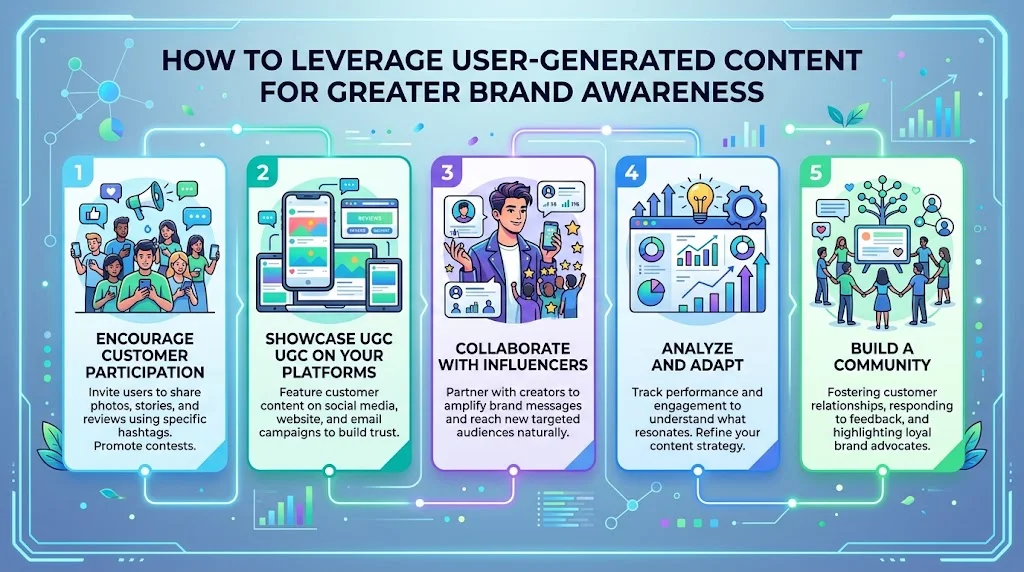
In today’s digital landscape, brands are constantly seeking innovative ways to enhance their visibility and connect with their audience. One effective method is leveraging user-generated content (UGC). By utilizing the authentic voice of their customers, brands can not only boost engagement but also cultivate greater awareness. Here’s a guide on how to effectively use UGC in your content marketing strategy.
One of the primary advantages of UGC is its authenticity. Customers tend to trust their peers more than brands, making UGC a powerful marketing tool. Here are some strategies to effectively implement user-generated content to create greater brand awareness:
Encourage Customer Participation
To get started, actively encourage your customers to share their experiences. You can foster participation in various ways:
- Social Media Contests: Host contests inviting users to share photos or stories using your products. Offer prizes to incentivize participation.
- Hashtags: Create a unique hashtag and use it across platforms. This will help you track UGC effectively.
- Reviews and Testimonials: Encourage customers to leave reviews on your website or social media. Highlighting these reviews can build trust and recognition.
Showcase UGC on Your Platforms
Once you have collected user-generated content, it’s essential to showcase it across your platforms. Here’s how:
- Website Integration: Create a dedicated section on your website to feature UGC. This way, visitors can see real customers using your products.
- Social Media Shares: Regularly share UGC on your social media accounts. Consider using platforms like Instagram or Facebook, where visual content thrives.
- Email Campaigns: Include user-generated content in your newsletters to keep your subscribers engaged and informed.
Collaborate with Influencers
Partnering with influencers who align with your brand can greatly amplify the reach of user-generated content. Influencers can create content that resonates with their followers, further promoting your brand. This can include:
- Sponsored Posts: Have influencers post content featuring your products, using their unique UGC to create authenticity.
- Takeovers: Allow influencers to take over your social media accounts for a day, showcasing their favorite products and encouraging their followers to engage.
Analyze and Adapt
Continuous improvement is vital in any marketing strategy. Regularly analyze the performance of your UGC campaigns. Here are some key metrics to consider:
| Metric | Description |
|---|---|
| Engagement Rate | Measure likes, comments, and shares on UGC posts compared to regular content. |
| Traffic Sources | Analyze website traffic to see how much comes from UGC posts or contests. |
| Conversion Rates | Track sales generated from UGC efforts, comparing to other marketing channels. |
Tools like Google Analytics and social media insights can provide valuable data to guide your strategy.
Build a Community
Creating a strong community around your brand can foster ongoing user-generated content. Engage with your audience, respond to their comments, and showcase their content. Here are a few tips:
- Engagement: Regularly interact with your followers and thank them for their contributions.
- Feedback: Actively seek feedback about your products and services to show customers their opinions matter.
- User Spotlights: Feature a different customer each month, showcasing their story and how they use your products.
By nurturing a community that contributes user-generated content, your brand can significantly increase its visibility and awareness.
Implementing these strategies will not only help you leverage user-generated content effectively but also establish a more authentic connection with your audience. Start today, and watch as your brand awareness grows through the voices of your satisfied customers!
For further insights on content marketing and user-generated content, visit Hootsuite or explore Buffer for tips on social media engagement.
Conclusion
Effective Content Marketing for Brand Awareness combines various strategies that drive engagement and visibility. By implementing a robust content strategy, you can enhance your brand’s presence and make meaningful connections with your audience. Social media plays a vital role in this process, serving as a platform where you can share your brand story, showcase your values, and interact with potential customers in real time. Utilizing these networks allows you to amplify your reach and foster community engagement around your brand.
Creating engaging content is essential for success. Focus on delivering high-quality, relevant information that resonates with your target audience. This keeps them coming back for more and boosts the chances of them sharing your content, further extending your brand’s reach. Tracking your content marketing efforts helps measure the impact on brand recognition. By using analytics tools, you can assess how your audience engages with your content and adjust your strategies accordingly.
Moreover, embracing user-generated content is a powerful way to increase brand awareness. Encouraging your followers to share their experiences with your brand not only builds credibility but also fosters a sense of community. This collaboration creates a buzz around your brand, leading to increased visibility and recognition.
By integrating these strategies, you not only position your brand in front of a broader audience but also cultivate a lasting impression that resonates with consumers. A focused approach to Content Marketing for Brand Awareness establishes your brand as a trusted authority in your industry, paving the way for sustainable growth and heightened brand awareness. Engage, connect, and watch your brand flourish.