Content Distribution Channels for Businesses

ATTENTION: Want to Learn Affiliate Marketing from Successful Affiliates?
In today’s digital landscape, having quality content is just the starting point. To truly succeed, businesses must effectively distribute this content through the right channels. Understanding where to engage your audience can significantly enhance your market reach and drive engagement.
So, where should you focus your efforts? Various Content Distribution Channels for Businesses can help you connect with your audience. Here are several effective strategies:
Social Media Platforms
Social media channels are powerful tools for sharing your content. Platforms like Facebook, Twitter, LinkedIn, and Instagram offer diverse ways to reach different demographics. Consider these strategies:
- Tailored Content: Customize your message to suit each platform’s audience. For instance, visual content works better on Instagram, while professional insights may resonate more on LinkedIn.
- Engagement: Don’t just broadcast. Interact with followers by responding to comments and sharing user-generated content.
Content Syndication
Another effective channel is content syndication. This involves republishing content on other platforms to reach new audiences. Leading sites like Medium and LinkedIn can help you attract different segments of your target market. Ensure your original content includes a canonical link back to your website to avoid duplicate content issues.
Email Marketing
Email remains one of the most effective channels for content distribution. Here’s how to maximize your email marketing:
- Segmentation: Divide your email list into segments based on interests or behaviors. This way, you can send personalized content that better meets the needs of each group.
- Compelling Subject Lines: Make sure your subject lines are engaging. A good subject line can dramatically increase open rates.
Influencer Partnerships
Collaborating with influencers can also create additional value for your content. Influencers already have established trust with their followers. Find influencers in your niche who align with your brand values and can share your content authentically.
Online Communities and Forums
Engaging in online communities can be beneficial for distributing your content. Platforms like Reddit and Quora allow you to share insights and link back to your content. Just be sure to provide value without overtly promoting yourself.
Search Engine Optimization (SEO)
To increase organic traffic to your content, utilize SEO strategies. Focus on optimizing both on-page and off-page elements:
- Keyword Research: Identify relevant keywords that your audience is searching for. Tools like Google Trends can assist with this.
- High-Quality Backlinks: Collaborate with reputable sites for guest posts that link back to your content.
Paid Advertising
Don’t overlook the power of paid advertising to amplify your content distribution. Platforms like Facebook Ads and Google Ads allow for targeted placements that can drive significant traffic to your content. Tailor your ads based on demographics, interests, and behaviors to reach the right audience.
Content Repurposing
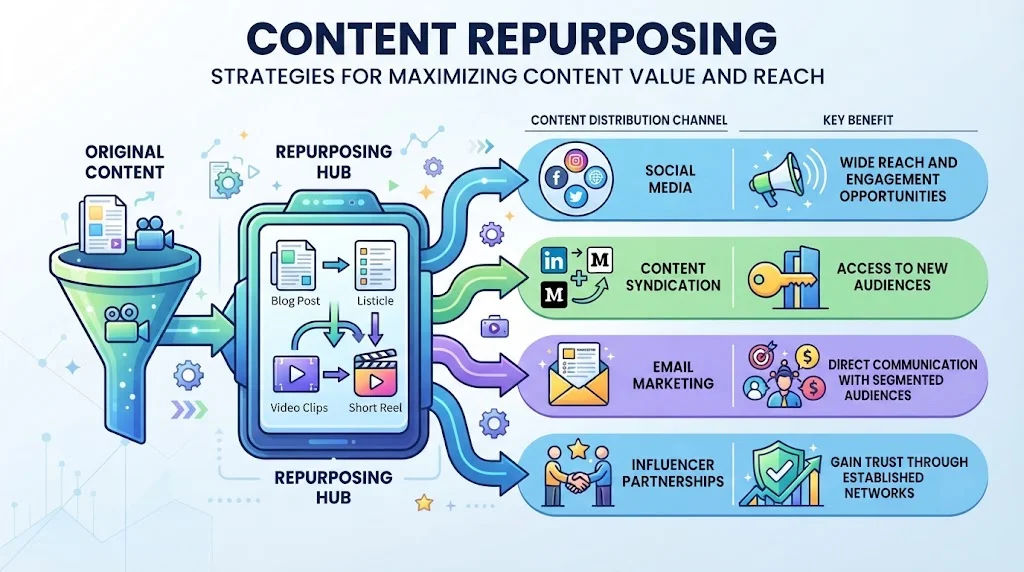
Consider repurposing your content into different formats to reach new audiences. A blog post can be transformed into an infographic, video, or podcast episode. This multi-channel approach ensures that your content appears in various outlets, maximizing opportunities for engagement.
| Content Distribution Channel | Key Benefit |
|---|---|
| Social Media | Wide reach and engagement opportunities |
| Content Syndication | Access to new audiences |
| Email Marketing | Direct communication with segmented audiences |
| Influencer Partnerships | Gain trust through established networks |
By leveraging these effective Content Distribution Channels for Businesses, companies can connect with their target audience in meaningful ways. As you explore these channels, keep your content’s value at the forefront. The ultimate goal is engagement and relationship-building, not just mere visibility.
The Role of Social Media in Content Distribution Strategies
In today’s digital world, social media has transformed from a mere communication tool into a powerful platform for content distribution. For businesses, harnessing the power of social media channels is crucial in reaching wider audiences and boosting brand visibility. By understanding the dynamics of various social media platforms, companies can tailor their content strategies to effectively engage their target audience.
Social media channels offer unique opportunities for businesses to share their content. Some of the most popular platforms include:
- Facebook: Beneficial for community building and brand storytelling.
- Twitter: Ideal for quick updates and engaging in trending conversations.
- Instagram: Perfect for visual storytelling, especially for brands focused on aesthetics.
- LinkedIn: A professional network great for B2B engagement and industry insights.
- TikTok: Emerging as a platform for creative and authentic videos that connect with younger audiences.
Each of these platforms caters to different aspects of content distribution, proving that there isn’t a one-size-fits-all approach. To create a successful content strategy, it’s important to identify which platforms will best resonate with your target market.
Facebook’s vast user base allows businesses to reach diverse demographics. By utilizing targeted ads, companies can ensure their content is seen by the right audience. Posting engaging content such as videos, polls, or interactive stories can significantly enhance user engagement. For more on effective Facebook strategies, check out Social Media Examiner.
On Twitter, real-time engagement is key. Businesses can participate in conversations through trending hashtags and connect with influencers in their industry. Crafting concise, impactful tweets that link back to your website or blog can drive substantial traffic. Additionally, regularly using visuals can help catch users’ attention in their busy feeds.
Instagram stands as a visual powerhouse, making it ideal for brands that thrive on aesthetics. Businesses can utilize images, videos, and stories to showcase their products or services in a visually appealing manner. Collaborations with influencers can further amplify reach, as their followers are likely to trust their recommendations. Learn more about maximizing your Instagram presence on Buffer.
LinkedIn is unmatched for connecting with professionals and B2B marketing. Sharing industry-related articles and white papers can position your brand as a thought leader in your field. Engaging with your connections by commenting on their posts can also improve visibility. For further insights into LinkedIn content strategies, consider visiting HubSpot.
TikTok
The rise of TikTok has disrupted traditional approaches to content distribution. This platform thrives on creative, authentic snippets that often go viral. Businesses can showcase their brand’s personality through fun challenges, trends, and storytelling in a dynamic way. Engaging with TikTok influencers who resonate with your brand can boost your efforts significantly.
To effectively implement a social media content strategy, businesses should consider these essential tactics:
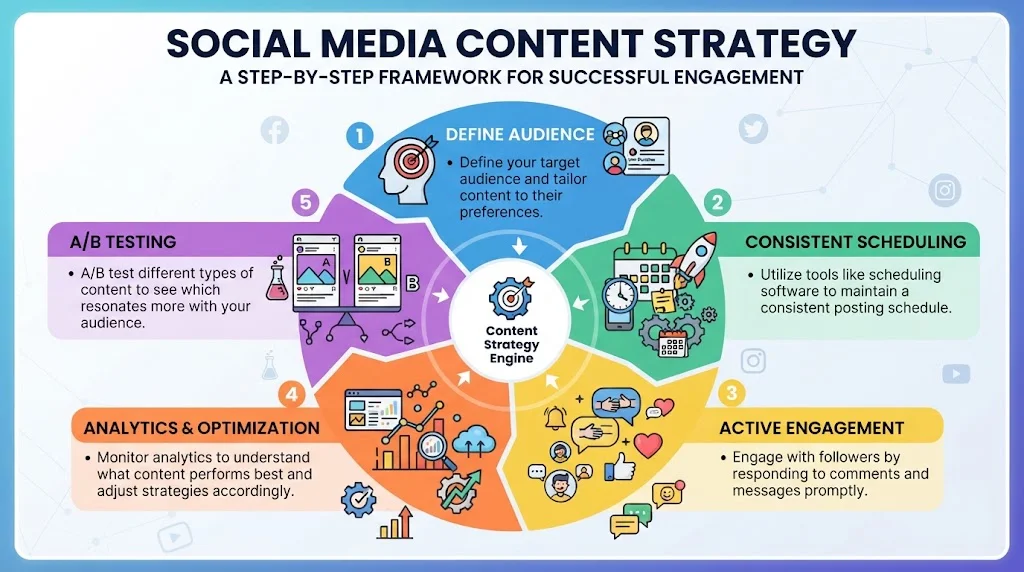
- Define your target audience and tailor content to their preferences.
- Utilize tools like scheduling software to maintain a consistent posting schedule.
- Engage with followers by responding to comments and messages promptly.
- Monitor analytics to understand what content performs best and adjust strategies accordingly.
- A/B test different types of content to see which resonates more with your audience.
Monitoring results is equally important. Using tools like Google Analytics and native platform insights helps businesses identify which social media channels are most effective for distribution. This information allows companies to refine their strategies, focusing on platforms yielding the best results.
Ultimately, social media serves as a vital component of Content Distribution Channels for Businesses. By strategically selecting the right platforms and tailor-making content for each, companies can significantly enhance their reach and engagement. As social media continues to evolve, staying ahead of trends and adapting to changes will ensure ongoing success in content distribution.
Email Marketing: A Powerful Channel for Content Sharing
Email marketing is one of the most effective Content Distribution Channels for Businesses looking to engage their audience and share valuable information. With the right strategy, your emails can connect with customers, build loyalty, and drive conversions. Let’s explore how businesses can leverage email marketing to maximize their content sharing potential.
Why Email Marketing Stands Out
There are several reasons why email marketing is a powerful choice among Content Distribution Channels for Businesses:
- Direct Communication: Emails go straight to the inboxes of your audience, ensuring direct visibility.
- High ROI: Email marketing can generate a higher return on investment compared to other channels, with an average ROI of $42 for every dollar spent.
- Personalized Content: You can tailor messages to segments of your audience, increasing engagement rates.
- Measurable Results: Tools for email marketing allow you to track open rates, click-through rates, and conversions easily.
Crafting Engaging Email Content
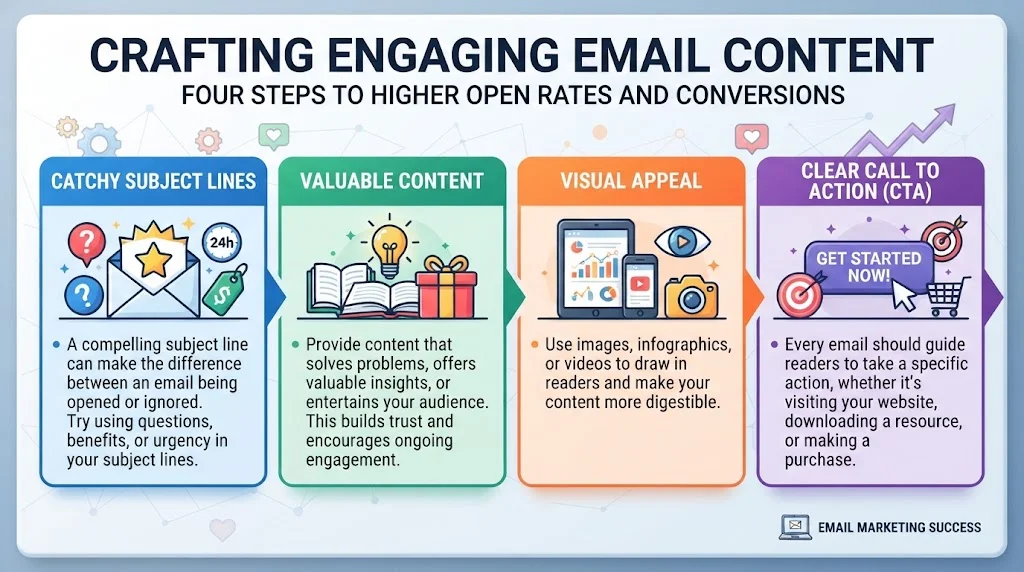
The content of your email is crucial. Here are strategies to create engaging emails that capture attention:
- Catchy Subject Lines: A compelling subject line can make the difference between an email being opened or ignored. Try using questions, benefits, or urgency in your subject lines.
- Valuable Content: Provide content that solves problems, offers valuable insights, or entertains your audience. This builds trust and encourages ongoing engagement.
- Visual Appeal: Use images, infographics, or videos to draw in readers and make your content more digestible.
- Clear Call to Action (CTA): Every email should guide readers to take a specific action, whether it’s visiting your website, downloading a resource, or making a purchase.
Segmenting Your Audience
Another powerful tactic in email marketing is audience segmentation. By dividing your email list into smaller, tailored groups, you can send more relevant content. Here are a few ways to segment your list:
- Demographics: Age, gender, location, and profession can affect preferences.
- Buying Behavior: Segment based on past purchases or interaction with your emails.
- Engagement Level: Separate active subscribers from those who haven’t opened recent emails.
Automation to Enhance Efficiency
Marketing automation can save you time and improve the effectiveness of your campaigns. Automated emails can include:
- Welcome Emails: Send a series of friendly welcome messages to new subscribers.
- Follow-ups: Automatically follow up after someone downloads a piece of content or makes a purchase.
- Abandoned Cart Emails: Remind customers of items left in their shopping carts.
Analyzing Performance to Improve Future Campaigns
After sending your emails, it’s important to analyze performance metrics. Here are some key metrics to track:
| Metric | Description |
|---|---|
| Open Rate | Percentage of recipients who open the email. |
| Click-Through Rate | Percentage of recipients who clicked on a link in the email. |
| Conversion Rate | Percentage of recipients who completed a desired action after clicking through. |
By regularly reviewing these metrics, you can refine your strategies and improve the effectiveness of your campaigns.
Tools to Enhance Your Email Marketing
Utilizing the right tools can streamline your email marketing efforts. Consider platforms like Mailchimp for user-friendly campaigns, or HubSpot for comprehensive automation features. You can also explore Constant Contact for strong analytics and tracking capabilities.
Email marketing remains a vital channel for businesses aiming to distribute content effectively. By focusing on engagement through valuable content, segmentation, automation, and performance analysis, you can enhance your email strategy and connect with your audience in meaningful ways.
Leveraging Influencers for Broader Content Reach
In today’s digital landscape, leveraging influencers is a powerful way to enhance your content reach. Influencers already have established trust with their audience, which makes them valuable partners for businesses looking to boost their visibility and engagement. Here’s how you can effectively collaborate with influencers to maximize your content distribution.
Understanding Your Audience
Before reaching out to influencers, it’s essential to understand your target audience. You need to know their interests, behaviors, and which platforms they frequent. Consider the following:
- Demographics: Age, gender, location, and income level.
- Interests: What topics are they passionate about?
- Platforms: Which social media channels do they use most often?
By pinpointing these factors, you’ll be better equipped to identify the right influencers who can resonate with your audience.
Selecting the Right Influencers
The success of your influencer marketing campaign heavily depends on selecting influencers who align with your brand. Look for individuals whose values match your business. Here are some key points to consider:
- Relevance: Their content should be closely related to your industry or niche.
- Engagement: Focus on influencers who have high engagement rates with their followers, not just a large following.
- Authenticity: Choose influencers who genuinely love your product or service.
Use tools like Influencer Marketing Hub and Upfluence to help identify potential partners.
Building Relationships
Once you’ve identified suitable influencers, it’s time to establish a relationship with them. Approach them with authenticity, showing that you appreciate their work. Tips for building rapport include:
- Engaging with their content: Like, comment, and share their posts to show genuine interest.
- Offering value: Present clear benefits for them in collaborating with your brand.
- Communicating clearly: Be upfront about your expectations and campaign goals.
Creating Compelling Content
The next step is to work collaboratively with the influencer to create engaging content. This content should feel native to their platform while also promoting your brand. Ideas for content include:
- Product reviews or unboxings
- Sponsored posts or stories
- Live Q&A sessions to engage with both audiences
- Fun challenges or giveaways that promote interaction
By crafting content that speaks to both the influencer’s audience and your target market, you’ll create a win-win situation.
Measuring Success
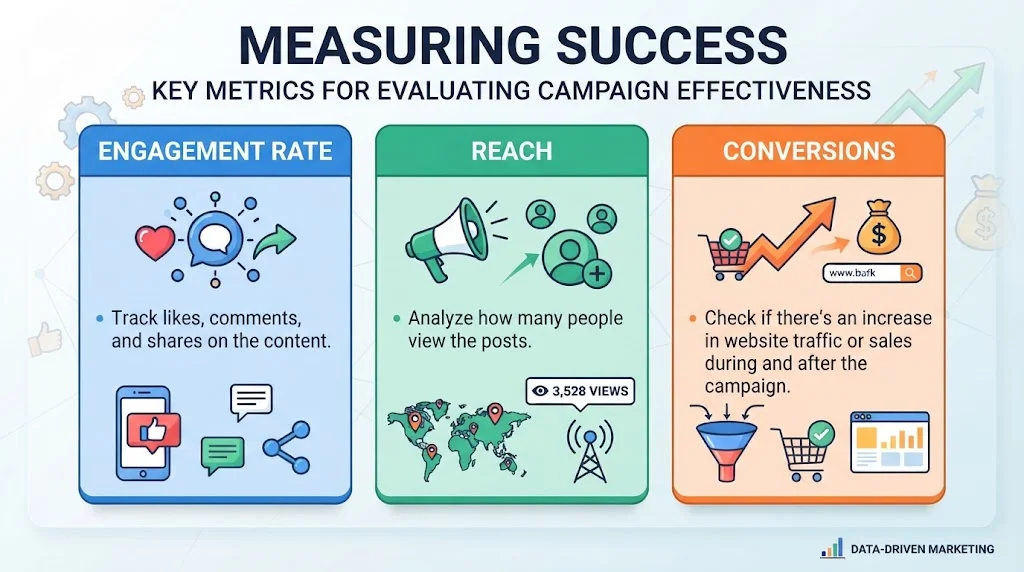
After launching your campaign, it’s crucial to measure its effectiveness. Consider the following metrics:
- Engagement rate: Track likes, comments, and shares on the content.
- Reach: Analyze how many people view the posts.
- Conversions: Check if there’s an increase in website traffic or sales during and after the campaign.
Tools like Google Analytics and Buffer can help you track these metrics effectively.
Staying Compliant
It’s also essential to ensure that your influencer partnerships comply with relevant advertising regulations. The Federal Trade Commission (FTC) requires influencers to disclose paid partnerships. Guides from FTC provide a clear outline of necessary disclosures and transparency guidelines.
Expanding Your Reach Beyond Social Media
While social media is a popular platform for influencer marketing, don’t overlook other channels for content distribution. These can include blogs, podcasts, and email newsletters. By diversifying your strategy, you’ll tap into different audience segments:
- Guest blog posts featuring influencers discussing your brand.
- Podcasts that invite influencers as guests.
- Email collaborations that spotlight influencers in your newsletter.
Leveraging influencer partnerships effectively can amplify your content and help build brand credibility. It’s an evolving strategy that, when executed well, opens doors for new audiences and increased engagement with your content.
Measuring Success: Key Metrics for Evaluating Content Distribution Efforts
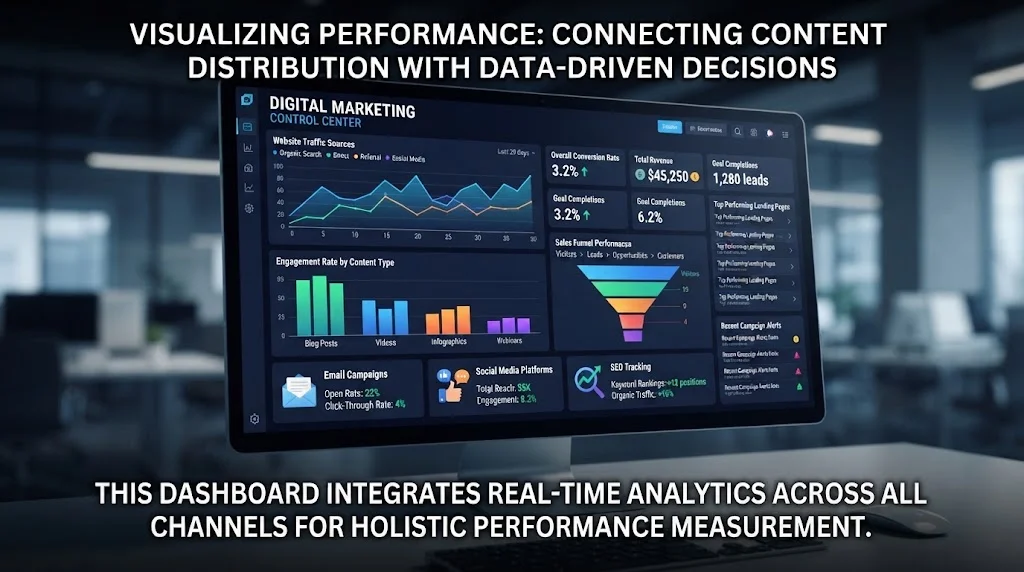
When businesses invest time and resources into content distribution, measuring success becomes critical. Understanding key metrics allows you to assess the effectiveness of your content distribution efforts and make informed decisions moving forward. Here are some of the most important metrics to consider when evaluating how well your content is performing across various distribution channels.
Engagement Metrics
Engagement metrics provide insights into how your audience is interacting with your content. They can help you determine whether your content resonates with your target market. Key engagement metrics include:
- Page Views: This metric indicates how many times your content has been viewed. A high number of page views generally means that your content is attracting attention.
- Time on Page: This shows how long visitors spend reading your content. Typically, longer time indicates that users find your content valuable.
- Bounce Rate: This percentage shows how many visitors leave your site after viewing only one page. A high bounce rate may suggest that your content or website is not engaging enough.
- Comments and Shares: Engagement through comments or social shares is often a sign of strong audience interest. The more people interact with your content, the more effective your distribution strategy may be.
Traffic Sources
Knowing where your traffic comes from is crucial for optimizing content distribution. You can categorize traffic sources as follows:
- Organic Search: Traffic that comes from search engines can give you insight into how well your content is optimized for SEO.
- Social Media: This includes visitors who arrive through platforms such as Facebook, Twitter, LinkedIn, and Instagram. Analyzing which platforms drive the most traffic can help refine your social media strategy.
- Direct Traffic: Visitors who type your URL directly into their browser or come from bookmarks indicate brand recognition and loyalty.
- Referral Traffic: This includes visitors coming from other websites. Monitoring referral traffic can help identify which partnerships and guest posts are working best.
Conversion Metrics
Ultimately, measuring how successful your content distribution is depends on conversions. Look at the following metrics:
- Conversion Rate: This metric represents the percentage of visitors who complete a desired action, such as signing up for a newsletter or making a purchase. A higher conversion rate indicates effective content and distribution.
- Leads Generated: Tracking the number of leads resulting from content can help determine your distribution strategy’s impact on lead nurturing.
- Customer Acquisition Cost (CAC): Knowing how much it costs to acquire a new customer through your content can help assess your return on investment.
Alignment with Goals
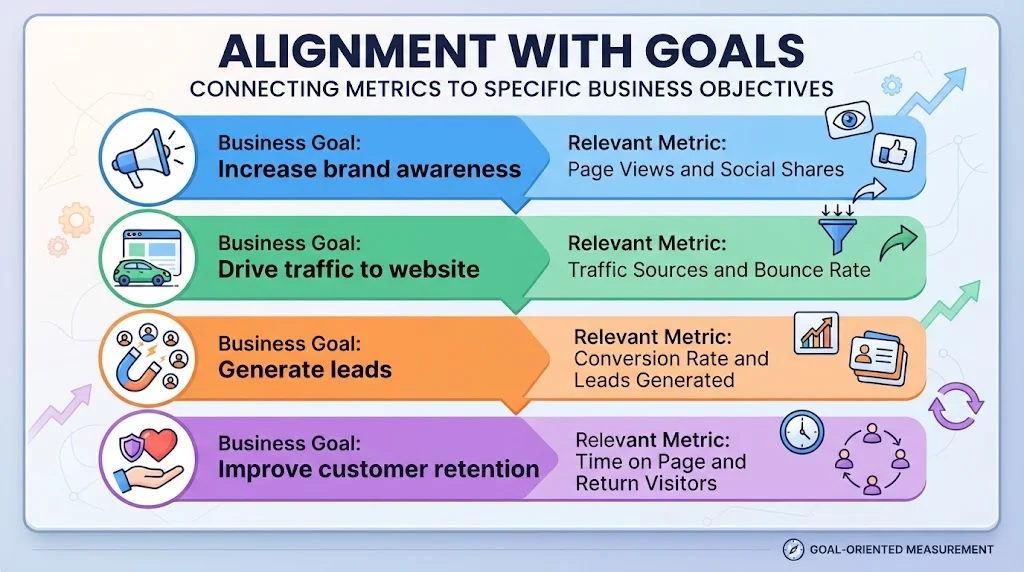
To truly measure success, align your metrics with specific business goals. Here is how to do it:
| Business Goal | Relevant Metric |
|---|---|
| Increase brand awareness | Page Views and Social Shares |
| Drive traffic to website | Traffic Sources and Bounce Rate |
| Generate leads | Conversion Rate and Leads Generated |
| Improve customer retention | Time on Page and Return Visitors |
Utilizing Tools
To effectively measure these metrics, you can leverage various analytical tools. Some widely used platforms include:
- Google Analytics: This is a powerful tool for tracking website traffic, engagement, and conversions.
- Hootsuite: Perfect for monitoring social media engagement and performance across multiple platforms.
- SEMrush: A comprehensive tool for SEO metrics, site audits, and competitive analysis.
Evaluating your content distribution efforts through various key metrics can help you demystify which strategies work best. As you analyze engagement, traffic sources, conversion rates, and align with overarching goals, you can refine your overall approach, ensuring more effective distribution in the future.
Conclusion
Understanding and leveraging the right Content Distribution Channels for Businesses can significantly enhance your business’s reach and engagement. By effectively identifying your audience, you can tailor your content to meet their specific needs and preferences. Social media platforms play a crucial role in this strategy, enabling you to share content widely and interact directly with users, fostering a sense of community around your brand.
Email marketing remains a powerful tool, allowing for personalized communication that can drive conversions. By providing valuable content directly to your audience’s inbox, you can cultivate loyalty and encourage repeat interactions. Additionally, collaborating with influencers helps amplify your message, tapping into established follower bases that trust their recommendations.
Measuring the success of your content distribution efforts is vital for continual improvement. Focus on key metrics such as engagement rates, click-through rates, and conversion rates to assess how your strategies are performing. Regularly analyzing these metrics will enable you to refine your approach and make informed decisions about where to invest your resources next.
By combining these channels and measurement techniques, you can create a robust content distribution strategy that not only extends your reach but also builds meaningful connections with your audience. Stay adaptable and responsive to trends, and your content will resonate more effectively, ultimately driving your business growth. Embrace these strategies, and you’ll be better equipped to navigate the dynamic landscape of content distribution.