Lead Generation Ideas for Online Businesses


ATTENTION: Want to Learn Affiliate Marketing from Successful Affiliates?
For online businesses, lead generation is crucial to driving growth and profitability. Here are some innovative strategies to attract potential customers and convert them into loyal clients.
Utilize Social Media Advertisements
Social media platforms offer a treasure trove of potential leads. You can create targeted ads on platforms like Facebook, Instagram, and LinkedIn.
- Define your audience based on demographics and interests to ensure your ads reach the right people.
- Experiment with different ad formats such as carousel ads, video ads, or lead forms to see what resonates best.
For more information on how to effectively use social media, visit Social Media Examiner.
Leverage Content Marketing
Creating valuable content can establish your expertise and attract new leads. Consider:
- Writing blog posts about industry trends and tips that interest your audience.
- Offering eBooks or whitepapers in exchange for email addresses.
- Hosting webinars to engage directly with your audience and provide valuable insights.
For best practices on content marketing, check out Content Marketing Institute.
Engage with Email Campaigns
Email marketing is still one of the most effective strategies for lead generation. Consider these tips:
- Segment your email list to send tailored messages that resonate with different groups.
- Use eye-catching subject lines to increase open rates.
- Include clear calls to action (CTAs) that guide your readers on what to do next.
You can find useful insights on email strategies from Mailchimp.
Implement Referral Programs
Word-of-mouth is powerful. Create referral programs that encourage existing customers to refer new clients. You can:
- Offer discounts, gifts, or credits for successful referrals.
- Make the referral process simple and seamless for your customers.
For an effective referral program guide, visit ReferralRock.
Optimize Your Website for SEO
Search engine optimization helps attract organic traffic to your website. Focus on:
- Using relevant keywords throughout your site, especially in titles and meta descriptions.
- Creating high-quality backlinks by guest posting on reputable sites.
Learn more about SEO techniques at Moz.
Utilize Chatbots
Chatbots can engage visitors in real-time, offering assistance while collecting lead information. Some advantages include:
- Answering common questions immediately to enhance user experience.
- Collecting contact information for follow-up opportunities.
To get started with chatbots, check out Intercom.
Host Virtual Events
Virtual events are perfect for engaging potential leads. You could:
- Organize online workshops, panel discussions, or networking events relevant to your industry.
- Leverage these events to capture attendee information for follow-up.
For tips on hosting successful virtual events, visit Eventbrite Blog.
Networking on Online Forums
Participating in forums related to your niche can help establish connections and generate leads. Share your expertise, answer questions, and subtly promote your services without being overly salesy.
For popular forums, consider sites like Reddit or Quora.
The Role of Social Media in Boosting Online Sales
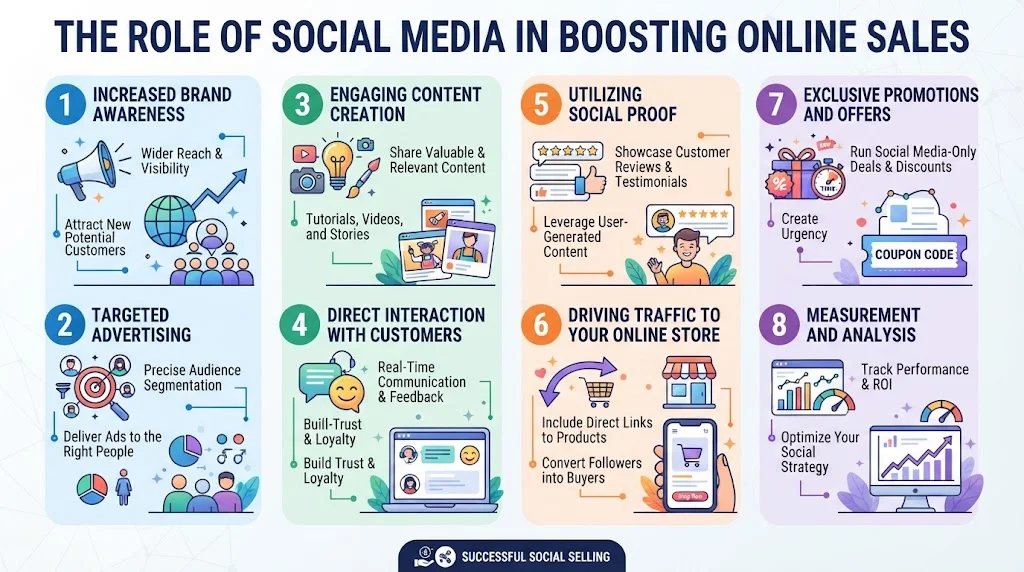
In today’s digital landscape, social media stands out as a vital tool for businesses looking to enhance their online sales. Whether you’re a seasoned entrepreneur or a new online retailer, leveraging social platforms can significantly impact your bottom line.
One of the primary benefits of social media is its ability to reach a vast audience. With billions of users across platforms like Facebook, Instagram, Twitter, and TikTok, businesses can tap into diverse markets. Here’s how social media can specifically boost online sales:
Increased Brand Awareness
Businesses can boost visibility by posting engaging content. Regular engagement helps cultivate a loyal customer base. People who recognize your brand are more likely to make purchases. A study by Sprout Social indicates that 83% of consumers trust a brand more when they see it mentioned on social media.
Targeted Advertising
Social media platforms offer advanced targeting options. You can reach specific demographics by age, location, interests, and behaviors. This precision ensures that your ads are seen by those most likely to buy, improving conversion rates. For example:
- Facebook Ads: Target users based on their behavioral data and interests.
- Instagram Shopping: Showcase products directly in posts and stories.
- Pinterest Ads: Reach users planning their future purchases visually.
Engaging Content Creation
Engagement can lead to sales. Create content that resonates with your audience. Think about tutorials, influencer partnerships, and user-generated content. These strategies not only promote your products but also build community. When customers see others using your products, they’re more likely to purchase.
Direct Interaction with Customers
Social media allows for real-time feedback and communication. Engaging directly with your customers fosters loyalty. Respond to inquiries and address concerns promptly. A conversational approach can make customers feel valued, further encouraging purchases. According to HubSpot, over 50% of consumers use social media to discover new brands. Having a strong social presence means they can find you easily.
Utilizing Social Proof
Social proof plays a significant role in purchase decisions. Customer reviews, testimonials, and user-generated content shared on social media serve as powerful endorsements. Encourage satisfied customers to share their experiences. This could involve running a contest or providing incentives for sharing. You can also showcase positive reviews prominently on your social media pages, creating a cycle of trust and responsiveness.
Driving Traffic to Your Online Store
Linking your social media profiles to your online store is crucial for driving traffic. Use your posts to direct followers to your website, where they can explore your products or services. Incorporate enticing call-to-action phrases to motivate them to click. Tracking clicks and referrals can help measure the effectiveness of your social strategies.
Exclusive Promotions and Offers
Everyone loves a good deal! Use your social media platforms to run exclusive promotions that entice followers. Limited-time offers or discount codes can create urgency and encourage impulsive buying. This strategy not only increases sales but can also bolster your follower count as users share their finds with friends.
Measurement and Analysis
Analytics tools on social media platforms allow businesses to monitor performance. Regularly analyze what content works best and the times when your audience is most active. This will help you refine your strategies for even greater success. Platforms like Buffer and Hootsuite offer insights to optimize your social media usage.
These elements into your social media strategy can lead to improved online sales. As you experiment with different techniques and measure results, you will find what resonates best with your target audience.
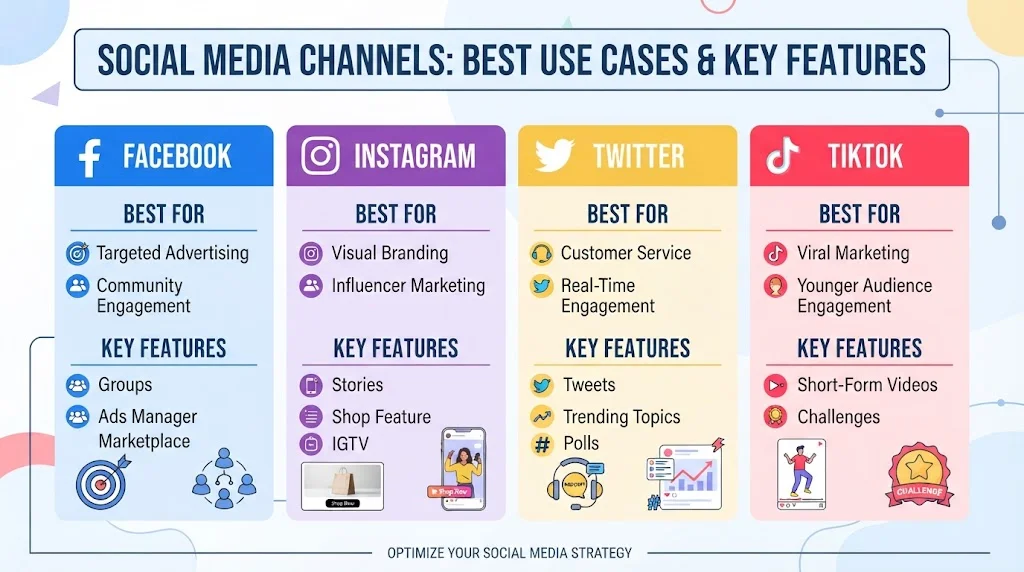
| Social Media Channel | Best for | Key Features |
|---|---|---|
| Targeted advertising, community engagement | Groups, Ads, Marketplace | |
| Visual branding, Influencer marketing | Stories, Shop feature, IGTV | |
| Customer service, Real-time engagement | Tweets, Trends, Polls | |
| TikTok | Viral marketing, Younger audience engagement | Short videos, Challenges |
With persistent effort and strategic planning, social media can be the catalyst for significant growth in your online sales. Embrace these tools and start crafting a brighter future for your business today!
Leveraging Email Marketing for Effective Lead Nurturing
Email marketing remains one of the most powerful tools in your arsenal for nurturing leads and driving conversions. When done correctly, it helps you build a relationship with potential customers, guiding them through your sales funnel. A well-planned email marketing strategy can help you leverage your leads into loyal customers.
To make the most out of your email marketing efforts, you need to focus on key elements that enhance your lead nurturing process. Here are several tactics you can employ:
Segmentation
Segmentation is critical for effective email marketing. By categorizing your leads based on specific criteria, you can send tailored messages that resonate with each segment. Consider creating segments based on:
- Demographics: Age, gender, and location.
- Behavior: Past purchases and email engagement.
- Interests: Areas of products or services they show interest in.
This approach allows you to craft targeted campaigns, making your messages more relevant to your audience.
Personalization
Another powerful lead nurturing strategy is personalization. When your emails address the individual needs of your leads, they are more likely to engage with your content. Use the recipient’s name and relevant details to make your emails feel one-on-one. Some personalization techniques include:
- Tailoring content based on past interactions.
- Sending birthday or anniversary emails with special offers.
- Recommending products based on purchases or browsing history.
According to studies, personalized emails can lead to a 29% higher open rate and a 41% higher click-through rate.
Educational Content
To keep leads engaged, consider offering educational content. This could be in the form of blog posts, how-to guides, webinars, or video tutorials. The goal is to provide value, positioning your business as a helpful resource. Educational emails can include:
- Tutorials on how to use your products effectively.
- Industry updates or insights relevant to your audience.
- Case studies showcasing successful outcomes using your products or services.
When leads feel they are learning something valuable from you, they are more likely to nurture into paying customers.
A/B Testing
A/B testing can enhance the effectiveness of your email marketing. By testing different variations of your email content, subject lines, and call-to-action buttons, you can identify what resonates most with your audience. Track metrics such as:
| Metrics | What to Measure |
|---|---|
| Open Rate | Percentage of recipients who open your email |
| Click-Through Rate | Percentage of readers who click on links in your email |
| Conversion Rate | Percentage of recipients who complete a desired action (like a purchase) |
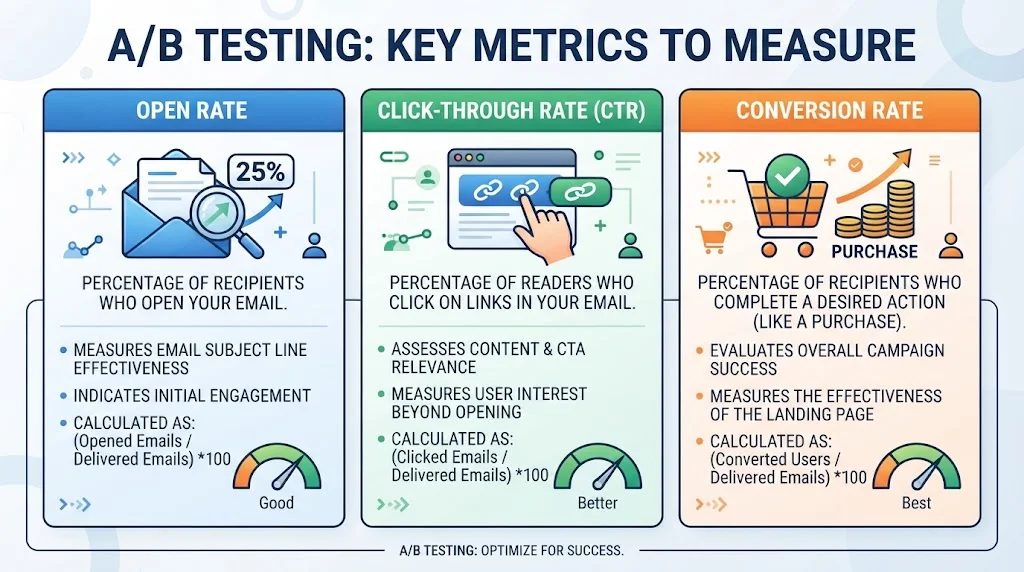 By continuously refining your emails through testing, you can significantly boost their performance.
Automation
Email automation takes lead nurturing to the next level. Automated workflows can help you send timely messages based on specific actions taken by leads. For example:
- Sending a welcome email when someone subscribes.
- Delivering a series of educational emails over time.
- Following up with leads who abandon their cart.
Automation ensures that leads receive relevant communications even when you are busy managing other business operations.
Monitor and Optimize
Monitoring the performance of your email campaigns is crucial. Regularly check the metrics and adjust your strategy based on the results. Tools like Mailchimp or Constant Contact provide valuable insights that can help refine your approach.
These strategies into your email marketing efforts will enhance lead nurturing and encourage conversions. Keep your audience at the forefront of your planning, and remember to pivot based on their needs and behavior. As you discover what works best, you’ll be on your way to building lasting relationships with your customers.
For more resources on effective lead generation strategies, visit HubSpot and enhance your online marketing knowledge.
Creating High-Quality Content to Attract Potential Customers
Creating high-quality content is essential for any online business seeking to attract potential customers. Engaging content not only builds trust but also drives traffic to your website. Below are some effective strategies to help you create content that resonates with your audience and enhances lead generation.
Understand Your Audience
The first step in creating high-quality content is understanding your target audience. Consider the demographics, interests, and pain points of your customers. This knowledge will guide your content creation process. You can use tools like Google Analytics to gain insights into your audience’s behavior.
Create Valuable Content
Your content must offer value to your readers. Here are a few types of valuable content you can create:
- How-to Guides: Detailed guides can help your audience solve specific problems.
- Blog Posts: Share industry news, trends, and tips that are relevant to your niche.
- Videos: Video content is engaging and can communicate complex ideas simply.
- Infographics: Visual content is eye-catching and makes it easier to digest information.
Optimize for SEO
Search engine optimization (SEO) plays a crucial role in making your content discoverable. Here are some tips to optimize your content:
- Keywords: Research keywords relevant to your niche and include them naturally within your content.
- Meta Descriptions: Write clear and compelling meta descriptions to encourage clicks from search results.
- Headers: Use headers to organize your content and make it easier to read.
- Internal Links: Link to other pages within your website to keep visitors engaged.
Leverage Social Media
Share your content across social media platforms to reach a broader audience. Each platform has its unique characteristics, so adjust your content accordingly. For example, use eye-catching images for Instagram and concise, informative text for Twitter. Don’t forget to engage with your audience by responding to comments and messages.
Utilize Email Marketing
Email marketing can be an effective way to promote your high-quality content. Here’s how you can do it:
- Build a Mailing List: Offer free resources, such as ebooks or newsletters, in exchange for email addresses.
- Personalization: Personalize your emails to increase open rates and engagement.
- Call-to-Action: Include clear calls-to-action that direct readers to your latest content.
Repurpose Content
Consider repurposing your existing content into different formats. For example, turn a blog post into a video or an infographic. This not only saves time but also helps you reach different segments of your audience who may prefer different content types.
Measure and Analyze Performance
Regularly measure and analyze the performance of your content. Use analytics tools to track how well your content is performing and identify areas for improvement. Here are some metrics to consider:
| Metric | Description |
|---|---|
| Traffic | How many visitors view your content. |
| Engagement Rate | How many users interact with your content (likes, shares, comments). |
| Bounce Rate | The percentage of visitors who leave without interacting. |
| Conversion Rate | The percentage of visitors who complete a desired action. |
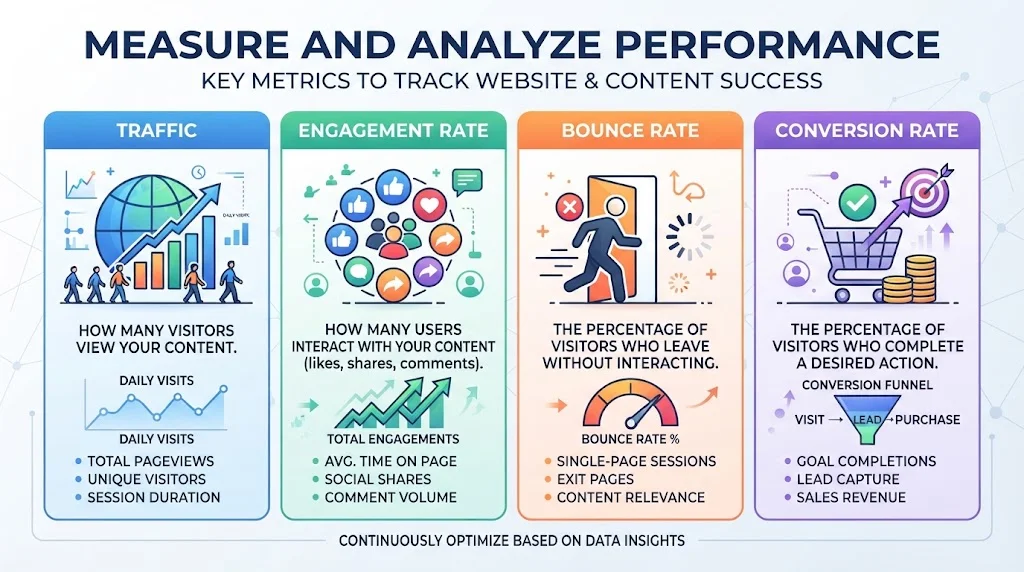
Use these metrics to refine your strategy and continually improve the quality of your content.
These strategies will significantly enhance your online business’s ability to generate leads through high-quality content. For more resources on creating effective content, explore websites like Content Marketing Institute and Neil Patel’s Blog. Consistently providing valuable, optimized content will keep your audience engaged and help you capture their attention, ultimately driving your business growth.
Utilizing Webinars and Live Events for Engagement and Leads
Webinars and live events have become powerful tools for online businesses looking to engage their audience and generate leads. These formats not only allow you to showcase your expertise but also create a personal connection with your audience. By providing valuable content in real-time, you can encourage attendees to take the next step in their customer journey.
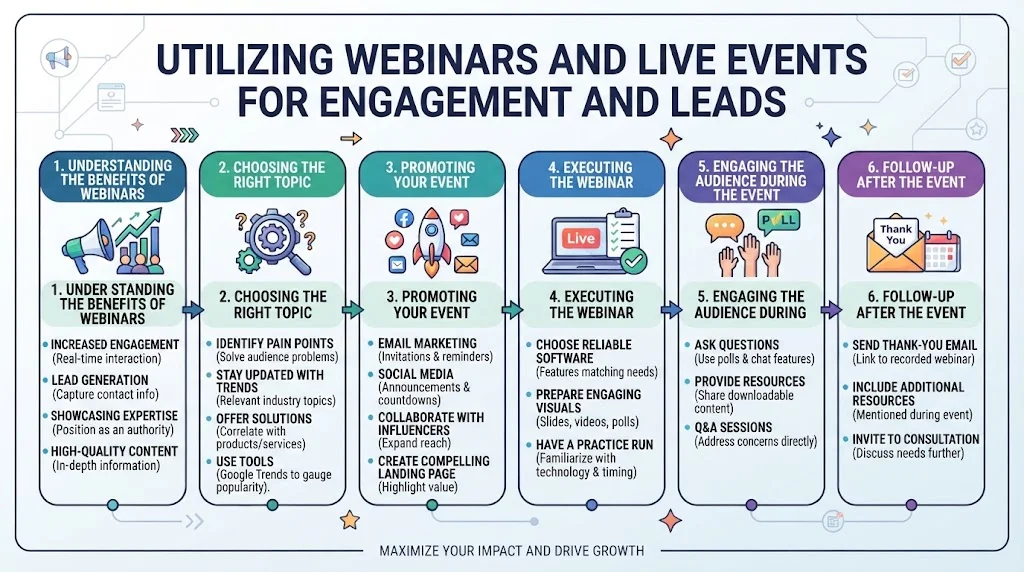
Understanding the Benefits of Webinars
When executed well, webinars and live events offer a range of benefits:
- Increased Engagement: Interacting with your audience in real-time fosters a sense of community and keeps them interested in your brand.
- Lead Generation: Webinars can capture contact information from participants, allowing you to add them to your mailing list for future marketing.
- Showcasing Expertise: Providing valuable content positions you as an authority in your industry, making potential customers more likely to trust you.
- High-Quality Content: The format allows you to dive deeper into subjects, offering more in-depth information than a blog post or a social media update.
Choosing the Right Topic
To make your webinars effective, selecting the right topic is crucial. Here are some factors to consider:
- Identify pain points in your target audience.
- Stay updated with industry trends.
- Offer solutions that correlate with your products or services.
Tools like Google Trends can help you gauge what topics are currently popular among your audience.
Promoting Your Event
You can have the best webinar planned, but if nobody knows about it, it won’t be successful. Consider these promotion strategies:
- Email Marketing: Send out invitations to your subscribers and create a series of reminder emails leading up to the event.
- Social Media: Share announcements and countdowns to create excitement. Platforms like Facebook and LinkedIn are perfect for targeting professionals.
- Collaborating with Influencers: Partner with influencers in your niche who can promote your event to their audience, expanding your reach.
Executing the Webinar
Creating a seamless webinar experience can make a big difference in attendance and engagement. Here’s a checklist to follow:
- Choose reliable software (e.g., Zoom or Webex) that fits your needs.
- Prepare engaging visuals (slides, videos) that enhance your message.
- Have a practice run to familiarize yourself with the technology and timing.
Engaging the Audience During the Event
Keeping your audience engaged is essential. Implement these strategies:
- Ask Questions: Use polls or chat features to encourage participation and make attendees feel involved.
- Provide Resources: Share downloadable content like PDFs or checklists that extend the value of your webinar.
- Q&A Sessions: Allocate time for questions and answers at the end to address the audience’s concerns directly.
Follow-Up After the Event
Once your webinar concludes, the engagement doesn’t have to stop. Here’s how to keep the momentum going:
- Send a thank-you email with a link to the recorded webinar.
- Include additional resources that were mentioned during the event.
- Invite attendees to schedule a one-on-one consultation to discuss their needs further.
Utilizing the power of webinars and live events can greatly enhance your lead generation efforts. For additional insights and to learn more about how to run successful online events, check out Eventbrite’s blog or visit Gather’s Blog.
With careful planning and execution, you can transform your webinars into a significant source of lead generation for your online business.
Conclusion
Implementing innovative Lead Generation Ideas for Online Businesses can significantly enhance the growth of your online business. By recognizing the powerful role of social media, you can create engaging campaigns that not only attract potential customers but also build lasting relationships with them. Using platforms like Facebook, Instagram, and LinkedIn enables you to tap into vast audiences, making it easier to generate quality leads that turn into satisfied customers.
Email marketing remains an essential tool for nurturing these leads. Crafting personalized and relevant emails helps maintain engagement and keeps your brand at the forefront of your audience’s minds. Additionally, high-quality content plays a crucial role in attracting potential customers. By providing valuable information through blog posts, videos, and infographics, you establish your authority in your niche, making it more likely for visitors to trust and choose your brand.
Webinars and live events take engagement a step further. These interactive experiences allow you to connect with your audience in real-time, facilitating meaningful conversations and fostering trust. As you integrate these strategies, remember that the key lies in understanding your audience’s needs and delivering genuine value.
Embrace these Lead Generation Ideas for Online Businesses to create a robust online presence. They not only help you grow your customer base but also pave the way for long-term success. Stay agile and open to experimenting with different tactics, and watch as your online business thrives in this ever-evolving digital landscape.