
Social Media Engagement Tactics for Brands


ATTENTION: Want to Learn Affiliate Marketing from Successful Affiliates?
Engaging with your audience on social media is essential for brands looking to thrive in a competitive marketplace. Creating a vibrant online community not only increases brand visibility, but it also nurtures loyalty and converts followers into customers. Below are some effective Social Media Engagement Tactics for Brands that can help you create a meaningful presence online.
Understand Your Audience
Knowing who your audience is can drastically enhance engagement rates. You should analyze demographics, interests, and behaviors to tailor your content effectively. Tools like Sprout Social can provide insights that help you understand your audience better.
Leverage Visual Content
Visual content tends to perform better on social media platforms. Here’s how you can maximize it:
Use Images and Videos: Create aesthetic images and engaging videos to capture attention. Posts with images receive 650% higher engagement than text-only posts.
Incorporate User-Generated Content: Encourage your followers to create content featuring your products. Sharing their posts can build a sense of community and trust.
Utilize Stories: Platforms like Instagram and Facebook offer Stories, which allow brands to share fleeting content engagingly.
Host Interactive Sessions
Interactivity can deepen your relationship with followers. Consider the following:
Live Q&A Sessions: Host regular sessions where your audience can ask questions in real-time. This approach can humanize your brand.
Polls and Surveys: Use polls to gather opinions and feedback. Keeping your audience engaged in decision-making fosters a sense of ownership.
Contests and Giveaways: Organize contests to encourage participation. People love to win free products and might share your brand in the process.
Respond and Engage
Engagement is a two-way street. You should actively respond to comments and messages. Here’s how:
Engage in Conversations: Don’t just post and ghost. Engage with comments and initiate conversations to show your audience that you care.
Use Personalization: Address followers by name if possible. Personalized responses can create a stronger connection.
Monitor Brand Mentions: Use tools like Mention to track discussions around your brand and join conversations where appropriate.
Utilize Hashtags Wisely
Hashtags can expand your reach when used effectively. It’s important to research trending hashtags within your niche. However, avoid using too many:
| Platform | Recommended Hashtags |
|---|---|
| 5-10 relevant hashtags | |
| 1-2 trending hashtags | |
| 3-5 industry-specific hashtags |
Track and Measure Performance
Constantly evaluate your strategies to understand what works. Use analytics tools to track engagement metrics like likes, shares, and comments. Platforms like Hootsuite offer useful analytics features to help you monitor performance effectively.
Content Consistency
Maintaining a regular posting schedule helps keep your brand top of mind for followers. Tools like Buffer can help you manage your social media posts efficiently. Consistency not only builds trust but also enhances your organic reach.
Collaborations and Partnerships
Collaborating with influencers or other brands can help you tap into new audiences. Ensure you partner with those whose values align with your brand. Joint promotions can be a win-win, allowing both parties to gain exposure and grow their follower base.
By employing these Social Media Engagement Tactics for Brands, your brand can build a strong online presence. Engaging effectively will not only foster loyalty but also convert casual followers into dedicated customers. Remember, the goal is to create meaningful interactions that resonate with your audience and reflect your brand’s personality.
The Role of Authenticity in Brand Engagement on Social Media
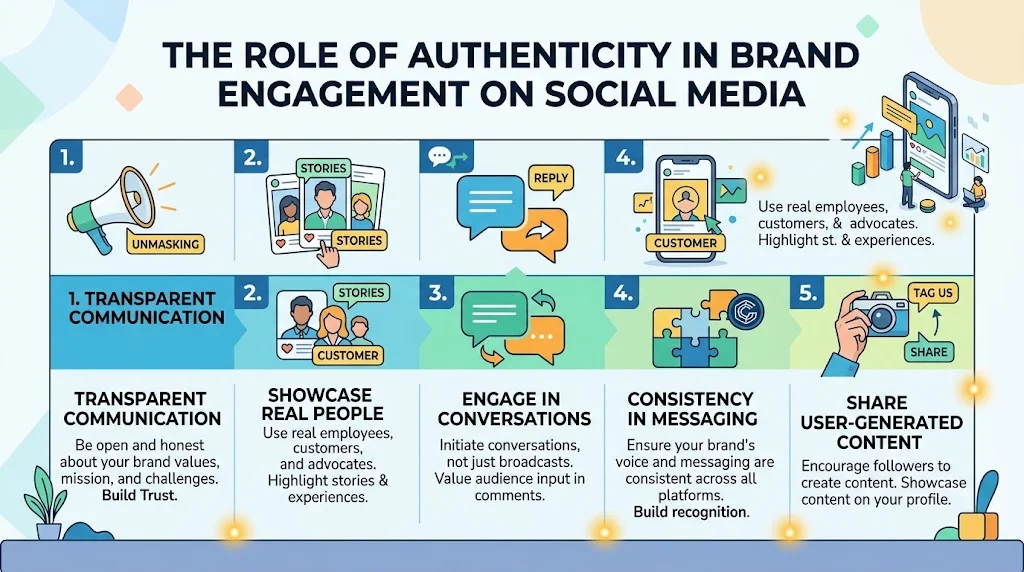
In today’s digital landscape, brands are constantly vying for attention on social media platforms. However, the key to standing out lies not in flashy ads or aggressive selling tactics, but in authenticity. Authenticity creates a genuine connection with your audience, fostering trust and driving engagement. It’s this relationship that ultimately influences customer loyalty, brand perception, and overall engagement.
To build authenticity in brand engagement, consider the following tactics:
Transparent Communication: Be open and honest about your brand values, mission, and any challenges you face. Consumers appreciate brands that communicate transparently.
Showcase Real People: Use real employees, customers, and advocates in your marketing efforts. Highlight their stories and experiences with your brand.
Engage in Conversations: Instead of just broadcasting messages, initiate conversations with your audience. Respond to comments and messages to show you value their input.
Consistency in Messaging: Ensure your brand’s voice and messaging are consistent across all platforms. This builds recognition and trust.
Share User-Generated Content: Encourage your followers to create content related to your brand and showcase it on your profile. This not only empowers your audience but also adds to your brand authenticity.
By implementing these tactics, brands can enhance their authenticity, leading to deeper customer relationships. But why is authenticity so crucial for social media engagement?
First, authentic brands attract loyal followers. When customers feel they can relate to your brand, they’re more likely to support you. For example, brands like Patagonia have built a loyal customer base by being transparent about their environmental efforts and practices. This has not only garnered them followers but also advocates.
Second, authenticity improves brand perception. In a world where consumers are inundated with marketing messages, being genuine helps you rise above the noise. According to a survey by HubSpot, 70% of consumers are more likely to buy from a brand that is transparent about its business practices.
| Engagement Tactics | Benefits |
|---|---|
| Transparent Communication | Builds trust and credibility |
| Showcase Real People | Humanizes your brand |
| Engage in Conversations | Creates a community feel |
| Consistency in Messaging | Enhances brand recognition |
| Share User-Generated Content | Raises engagement and loyalty |
Additionally, authenticity encourages word-of-mouth marketing. When customers feel a connection to your brand, they are more likely to share their experiences with others. This organic reach can be more effective than traditional advertising, as recommendations from friends and family often carry more weight than brand messages.
Social media platforms also reward authentic brands. Algorithms favor posts that receive genuine engagement, such as likes, comments, and shares. This means that when you foster an authentic relationship with your audience, you’re likely to increase your visibility on these platforms.
To sum it up, incorporating authenticity into your social media strategy is essential for engagement. By being transparent, showcasing real stories, and initiating conversations, brands can cultivate an environment of trust and connection. This leads to greater customer loyalty, improved brand perception, and ultimately, an engaged audience that supports and promotes your brand.
For further insights on the impact of authenticity in social media, visit Social Media Examiner and explore their resources on best practices for brand engagement.
Understanding Your Audience: Tailoring Content for Better Interaction
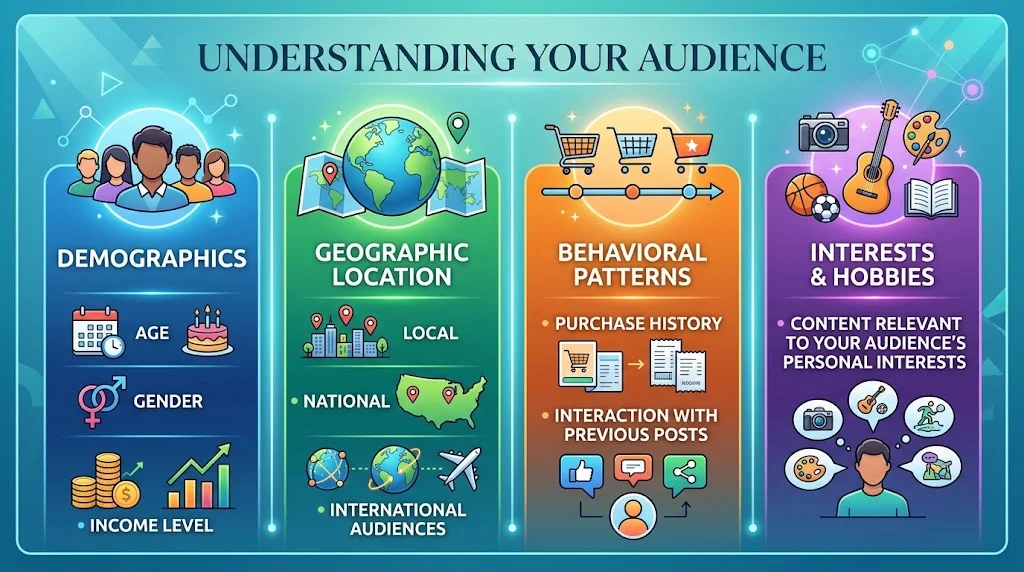
Engaging your audience is essential for any brand in today’s digital landscape. Understanding who your audience is can help you create content that resonates with them, leading to better interactions on social media and other platforms. Start by identifying the demographics of your target audience, including age, location, interests, and behaviors. This foundational understanding will inform your content strategy.
Using audience insights tools like Google Analytics or Sprout Social can provide valuable data about your audience. Analyzing this information enables you to make data-driven decisions about what type of content will capture attention. For instance, if your target demographic is primarily young adults, focusing on trending topics relevant to their interests can boost engagement.
Another key tactic is to segment your audience into smaller groups. Tailored content can resonate more with specific segments than broad generalizations. Here are some effective ways to segment your audience:
Demographics: Age, gender, and income level.
Geographic Location: Local, national, or international audiences.
Behavioral Patterns: Purchase history and interaction with previous posts.
Interests and Hobbies: Content relevant to your audience’s personal interests.
Once you have segmented your audience and collected insights, it’s time to craft content that directly speaks to them. You can do this by tailoring your messaging and visuals to align with their preferences. For example, a brand selling eco-friendly products may create educational posts on sustainability for environmentally conscious consumers. This not only speaks directly to their values but also encourages a sense of community among like-minded individuals.
Utilizing different content formats
Utilizing different content formats can enhance engagement. Visuals such as images, infographics, and videos tend to capture attention more effectively than text alone. According to HubSpot, posts with images receive 650% higher engagement than those without. multimedia elements into your social media strategy can make your content more appealing.
Interaction
Engagement doesn’t stop at content creation; interaction is a vital component as well. Encourage your audience to participate by asking questions, initiating polls, or involving them in challenges. This fosters a two-way conversation that builds relationships. Social media platforms like Instagram and Facebook allow you to create engaging stories and posts that invite responses from your audience.
Audience’s feedback
Furthermore, listen to your audience’s feedback. Monitoring comments, likes, and shares can provide insights into what works and what doesn’t. Tools like Buffer can assist in tracking engagement metrics to guide your future content strategy.
| Content Type | Engagement Rate | Best For |
|---|---|---|
| Images | 650% more engagement | Visual storytelling, quick communication |
| Videos | 1200% more shares | Brand storytelling, product demonstrations |
| Polls | High interaction rates | Gathering opinions, engaging users |
Authenticity
Authenticity is also crucial in creating content that resonates with your audience. Brands that showcase transparency and genuine values tend to build stronger connections. Share behind-the-scenes content, user-generated posts, or testimonials. This humanizes your brand and makes it relatable, encouraging your audience to engage more.
Timing and frequency
Experiment with timing and frequency. Use your analytics to determine when your audience is most active. Posting at optimal times can significantly boost engagement rates. Adjusting your strategy based on real-time data ensures your content reaches the right people at the right moment.
Deep understanding
Creating content that engages your audience requires a deep understanding of their preferences and behaviors. By utilizing audience insights, segmenting your audience, crafting tailored messages, and fostering interaction, you can build a strong, engaged community around your brand. With these tactics, your social media strategy won’t just attract attention; it will drive meaningful interactions that translate into lasting relationships.
Visual Content: How Images and Videos Drive Engagement
In today’s digital landscape, captivating your audience is essential for brands looking to boost their social media engagement. A huge part of this engagement hinges on visual content. Eye-catching images and dynamic videos are more than attractive additions—they’re powerful tools for building connections and conveying messages effectively. When harnessed properly, these elements can significantly elevate engagement rates across various platforms.
Why Visual Content Matters
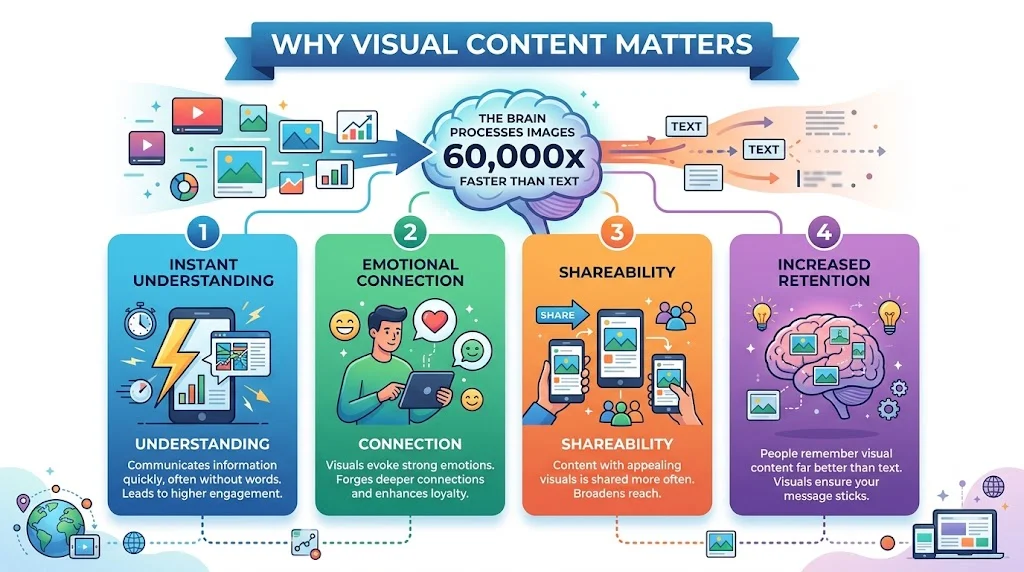
Humans are naturally drawn to visuals. Studies show that the brain processes images 60,000 times faster than text. This means that brands have a very short window to make an impression. Below are key reasons why visual content drives engagement:
Instant Understanding: Images and videos can communicate information quickly, often without the need for words. This instant understanding can lead to higher engagement rates.
Emotional Connection: Visuals evoke emotions. A powerful image or a well-crafted video can forge a deeper connection with your audience, enhancing their loyalty.
Shareability: Content that includes appealing visuals is more likely to be shared by users. People love sharing videos and images, which broadens the reach of your brand’s message.
Increased Retention: People remember visual content better than text. visuals into your messaging can help ensure that your audience retains your brand’s message.
Strategies to Enhance Visual Engagement
Brands can utilize several effective strategies to maximize engagement through visual content. Here are some actionable tactics:
1. Leverage User-Generated Content
Encourage your followers to share their photos or videos using your products. Not only does this build community, but it also serves as authentic social proof. Brands can create specific hashtags that allow users to easily share their experiences.
2. Use Short, Engaging Videos
With platforms like TikTok and Instagram Stories gaining popularity, short videos have become a go-to for engagement. Consider creating:
Behind-the-scenes clips that humanize your brand.
How-to videos that educate your audience on product usage.
Testimonials that build trust through real experiences.
3. Optimize for Each Platform
Different platforms have different visual norms. Customize your visuals according to where you’re sharing them. For instance:
Use vertical videos for stories on Instagram.
Include high-quality images for Pinterest as it is a visual discovery platform.
Create shareable graphics for Facebook’s news feed.
4. Tell a Story with Your Images
Use a combination of images that together tell a compelling story. Whether it’s through an Instagram carousel or a slideshow on Facebook, visually narrating a journey can captivate and engage your audience.
Analyzing Visual Content Performance
It’s crucial to monitor how your visual content performs. Use analytics tools to track engagement metrics such as likes, shares, comments, and view durations. Platforms like Facebook Business and Google Analytics can provide insights to refine your strategy.
| Metric | Importance | How to Improve |
|---|---|---|
| Engagement Rate | Measures interaction with your content | Post more interactive content, like polls and quizzes |
| Reach | The number of people who see your posts | Utilize hashtags and collaborate with influencers |
| Views | How many times your video content is watched | Create compelling thumbnails and start with an engaging hook |
Measuring Success: Analyzing Engagement Metrics for Continuous Improvement
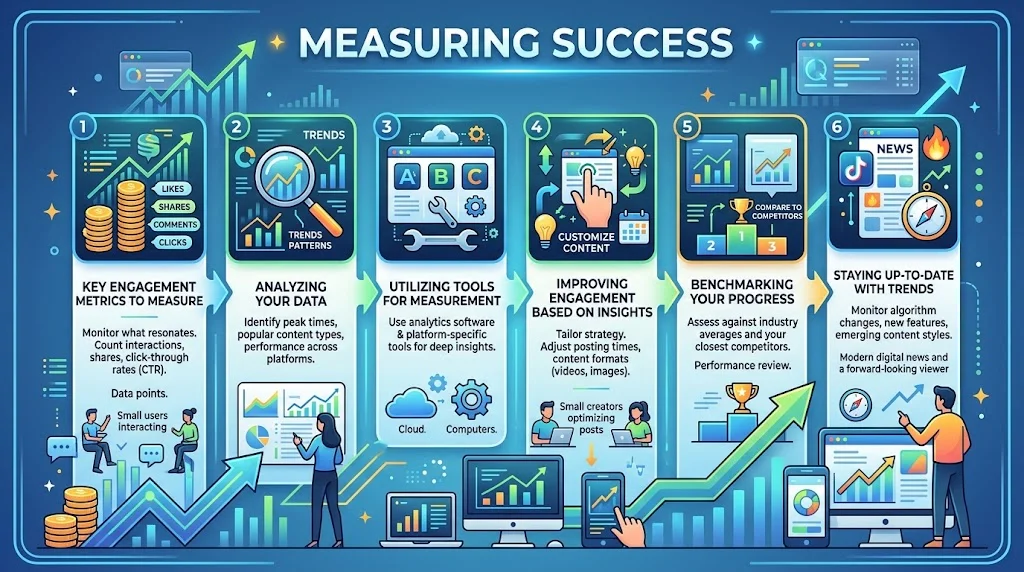
Understanding your social media engagement is crucial in today’s digital landscape. To effectively connect with your audience, you need to measure various engagement metrics. These can guide your strategy and help you improve continuously. Knowing what to track allows you to adapt your content and approach, resulting in stronger relationships with your followers.
Key Engagement Metrics to Measure
When it comes to social media engagement, several key metrics should take your attention:
Likes: A simple yet effective measure of how much your content resonates with your audience.
Shares: Indicates that people find your content valuable enough to share it with their network.
Comments: Reflects the conversational aspect of your content and can provide insights into audience sentiments.
Followers Growth: Helps you understand how well your engagement tactics are attracting new visitors.
Click-Through Rate (CTR): Shows how effective your calls-to-action are in getting people to engage with your website or product.
Impressions and Reach: Measure how many times your content appears on screens and how many unique people see it.
Analyzing Your Data
Once you have gathered your engagement metrics, the next step is analysis. You should look at the data regularly to identify trends and patterns. Start by comparing metrics over different timeframes to find fluctuations in engagement. Ask yourself the following questions:
Which posts received the highest engagement, and what do they have in common?
Are certain types of content performing better than others?
Is there a specific time of day or day of the week when people engage more?
How do your metrics vary across different social media platforms?
Utilizing Tools for Measurement
To optimize your tracking, utilizing social media analytics tools is invaluable. Tools like Sprout Social, Hootsuite, or Buffer can help you monitor your engagement metrics efficiently. These tools provide in-depth analytics and can save you time, allowing you to focus more on content quality.
Improving Engagement Based on Insights
Once you’ve analyzed your metrics, make informed decisions to enhance your engagement tactics:
Content Customization: Tailor your content based on what your audience loves. If videos perform better, consider increasing their frequency.
Audience Interaction: Actively respond to comments and messages. Engaging with your audience fosters a sense of community.
Experimentation: Don’t hesitate to try new types of content, like polls or live streams, to see how your audience reacts.
Timing and Frequency: Adjust when and how often you post based on engagement patterns.
Benchmarking Your Progress
Understanding where you stand compared to your competition is essential. Benchmarking can guide your strategies on improving social media engagement:
Compare your metrics against industry standards.
Identify your competitors’ strengths based on their engagement rates.
Adjust your strategies to stand out even more against the competition.
Being proactive in your measurement and analysis will turn your social media platforms into powerful engagement tools. Keeping a finger on the pulse of your analytics not only benefits your brand’s visibility but also builds meaningful connections with your audience.
Staying Up-to-Date with Trends
The social media landscape is always changing. Therefore, to ensure continued improvement in engagement, make it a habit to stay informed about the latest trends and algorithm changes. Regularly check reliable resources such as Social Media Today and Impact BND for updates.
Measuring and analyzing engagement metrics is not a one-time task. It is an ongoing process that requires your continuous attention and adaptation. Engaging effectively with your audience starts with understanding how they interact with your content, allowing for a more tailored and impactful approach.
Conclusion
Successful social media engagement for brands is a multifaceted endeavor that combines authentic interactions, a deep understanding of the audience, compelling visual content, and continuous measurement of metrics. By implementing effective strategies tailored to resonate with your audience, you can foster genuine connections that enhance brand loyalty. Authenticity plays a crucial role here; consumers today crave transparency and realness. When brands showcase their true selves, it builds trust and encourages followers to engage more actively.
When you tailor your content to meet the specific desires and needs of your audience, you’re not just creating posts—you’re sparking conversations. This personal touch encourages users to interact, share, and become advocates for your brand. Additionally, don’t underestimate the power of visual content. Eye-catching images and enticing videos are proven to grab attention, making them essential tools for boosting engagement rates.
Measuring your engagement success through reliable metrics is vital for continuous improvement. By analyzing data, you can identify what resonates best with your audience and adjust your strategies accordingly. Stay agile and ready to adapt as social media trends evolve, ensuring your brand remains relevant and engaging. Embrace these Social Media Engagement Tactics for Brands, and watch your brand’s community grow as you cultivate meaningful relationships with your audience.