
Digital Marketing Strategies for Startups

ATTENTION: Want to Learn Affiliate Marketing from Successful Affiliates?
As a startup, navigating the digital marketing landscape can feel overwhelming. However, with the right Digital Marketing Strategies for Startups, you can effectively build brand awareness, attract customers, and ultimately drive sales, all while working within a limited budget. Here are some effective strategies to consider.
Leverage Social Media Marketing
Social media platforms are essential for reaching your target audience. Start by selecting the platforms where your audience is most active. Here are some tips:
- Create engaging content: Use visuals, videos, and polls to engage your audience.
- Be consistent: Post regularly to maintain visibility in your followers’ feeds.
- Utilize user-generated content: Encourage customers to share their experiences with your product.
Finding your unique voice on platforms like Instagram, Facebook, and Twitter can help create a loyal following. Check out Social Media Examiner for more tips on social media strategies.
Implement Search Engine Optimization (SEO)
SEO is vital for ensuring your startup is easily found in search engines. Prioritize these aspects for effective search engine optimization:
- Keyword research: Identify keywords relevant to your business and incorporate them into your website content.
- On-page SEO: Optimize your site’s titles, meta descriptions, and headers for better visibility.
- Quality content: Produce valuable content that answers your audience’s questions, making you an authority in your niche.
To better understand SEO, visit Moz’s Beginner’s Guide to SEO.
Content Marketing
Creating high-quality, relevant content connects your brand with customers. Content can take many forms, including:
- Blog posts: Write articles that solve problems or share insights related to your industry.
- Infographics: Use visually appealing graphics to convey information simply.
- Videos: Short clips can effectively engage users and convey messages quickly.
By focusing on providing value, you can establish trust and encourage customer loyalty. For more insights on content marketing strategies, explore Content Marketing Institute.
Utilize Email Marketing
Email marketing remains one of the most effective forms of digital communication. Consider the following to maximize your email efforts:
- Build your email list: Offer a lead magnet, like a discount or an ebook, in exchange for email addresses.
- Segment your audience: Tailor your messages to different audience segments for higher engagement.
- Focus on design and mobile-friendliness: Ensure your emails are visually appealing and easy to read on mobile devices.
For more tips, visit Mailchimp’s Email Marketing Resources.
Paid Advertising
Investing in paid advertisements can provide immediate visibility. Consider these platforms:
- Google Ads: Target specific keywords that your potential customers are searching for.
- Social media ads: Platforms like Facebook and Instagram allow for highly targeted ads based on user behavior.
Measure the performance of your ads and optimize based on results. For assistance in setting up ads, check out WordStream’s Beginner’s Guide to Google Ads.
Track and Analyze Performance
Utilizing analytics tools is essential for understanding the effectiveness of your strategies. Key metrics to track include:
- Website traffic
- Conversion rates
- Engagement on social media
Google Analytics is a great starting point for tracking website performance. For more on analytics, learn from Google Analytics Academy.
With these Digital Marketing Strategies for Startups, your startup can navigate the digital marketing landscape more effectively. Experiment with different approaches, track your success, and adapt as needed. Digital marketing is a journey, and each strategy helps you move closer to your goals.
Leveraging Social Media for Startup Growth
In today’s fast-paced digital landscape, startups face the challenge of getting noticed among a sea of competitors. Leveraging the power of social media is an effective way to drive growth, build brand awareness, and engage potential customers. Here are some Digital Marketing Strategies for Startups that can help you tap into social media for your startup’s success.
Understanding Your Target Audience
Before diving into social media, it’s crucial to understand who your target audience is. Knowing their preferences, behaviors, and pain points allows you to tailor your content accordingly. Consider conducting surveys or using tools like SurveyMonkey to gather insights. Here are a few questions to consider:
- What social media platforms do they use?
- What type of content do they engage with the most?
- What problems are they looking to solve?
Selecting the Right Platforms
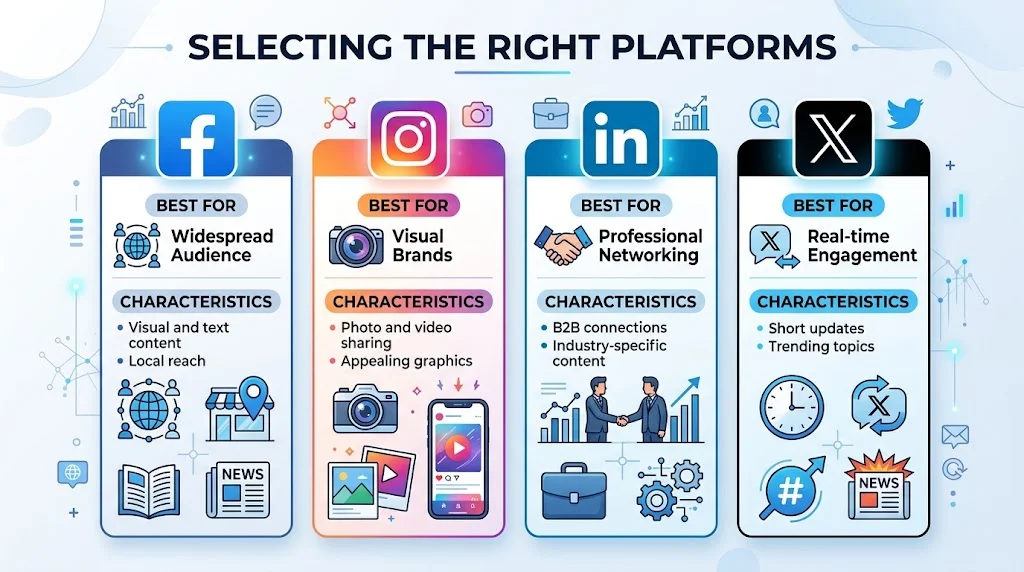
Not every social media platform will suit your startup. It’s essential to choose platforms that align with your audience. Here’s a quick guide to help you decide:
| Platform | Best For | Characteristics |
|---|---|---|
| Widespread Audience | Visual and text content, local reach | |
| Visual Brands | Photo and video sharing, appealing graphics | |
| Professional Networking | B2B connections, industry-specific content | |
| Real-time Engagement | Short updates, trending topics |
Creating Engaging Content
Content is king in the world of social media. Create valuable content that resonates with your audience. Consider using a mix of formats such as:
- Videos: Short, engaging clips can capture attention and convey messages effectively.
- Infographics: These visually appealing graphics can simplify complex information.
- Blog Posts: Share articles that address your audience’s interests and challenges. Utilize platforms like Medium to amplify your reach.
When crafting your content, remember to incorporate storytelling. Share your startup’s journey, challenges you’ve overcome, and customer success stories. This humanizes your brand and fosters connection.
Building a Community
Social media is not just about broadcasting your message; it’s about creating a community. Engage with your followers by responding to comments and messages promptly. This shows that you value their input and fosters loyalty. Consider hosting live Q&A sessions to connect with your audience in real-time.
Utilizing Paid Advertising
While organic reach is vital, consider investing in paid advertising to boost visibility. Platforms like Facebook and Instagram allow you to target specific demographics. Start small and analyze your ads’ performance using metrics such as engagement rates and click-through rates. Adjust your strategy based on these insights.
Measuring Success
To understand the effectiveness of your social media efforts, you need to track your performance metrics. Use tools like Hootsuite or Sprout Social to monitor:
- Follower growth
- Post engagement
- Website traffic from social media
By analyzing this data, you can identify what works and what doesn’t, allowing you to optimize your social media strategy continually.
Collaborations and Partnerships
Collaborating with influencers or other startups can expand your reach. Find individuals or brands that align with your values and audience. This allows you to access their followers and increase your brand exposure through authentic partnerships. Platforms like Upfluence can help you identify suitable influencers.
Using social media strategically can propel your startup’s growth. By understanding your audience, selecting the right platforms, creating engaging content, and measuring your success, you’ll build a solid social media presence that drives results. Start employing these Digital Marketing Strategies for Startups today, and watch your startup flourish in the competitive digital landscape.
Budget-Friendly SEO Techniques for Emerging Businesses
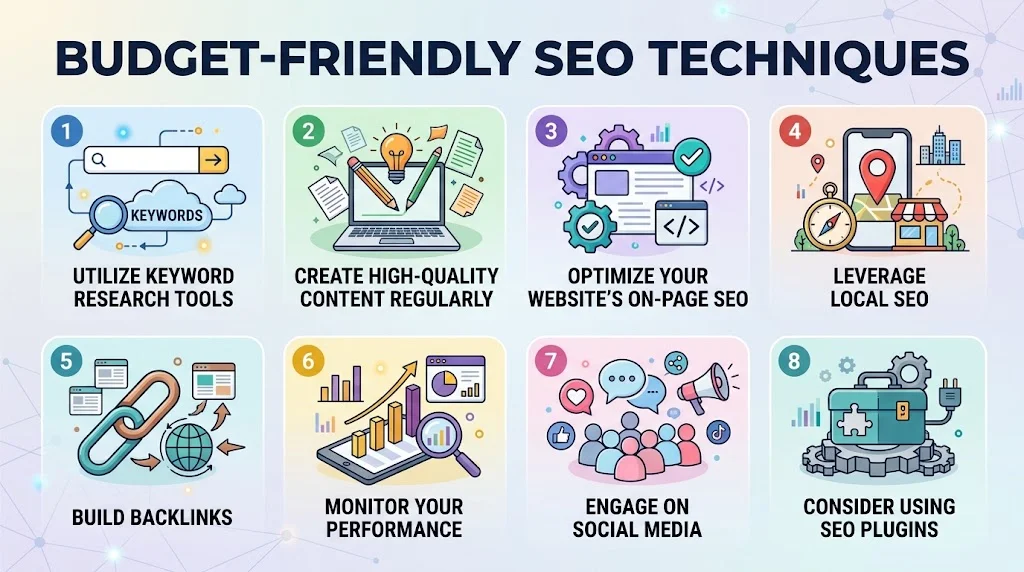
Emerging businesses often find themselves on a tight budget, especially when it comes to promoting their brand and improving their online visibility. However, implementing effective Digital Marketing Strategies for Startups like SEO doesn’t have to be costly. Here are several budget-friendly SEO techniques that can help your startup thrive in the digital landscape.
Utilize Keyword Research Tools
Finding the right keywords is crucial for optimizing your website. There are many free tools available that can help you identify keywords related to your business. Use tools like Ubersuggest or Keyword Tool. These platforms provide valuable insights into search volume, competition level, and related keywords.
Create High-Quality Content Regularly
Your content should provide value to your audience. Regularly creating blog posts, articles, and infographics can help improve your website’s organic traffic. Here are tips to enhance your content:
- Focus on solving problems and answering questions.
- Incorporate relevant keywords naturally.
- Keep your writing clear and engaging.
- Use visuals to make your content more appealing.
Optimize Your Website’s On-Page SEO
On-page SEO is essential for improving your website’s ranking in search results. Here are some techniques you can implement:
- Title Tags: Use clear and concise title tags with your primary keywords.
- Meta Descriptions: Write compelling meta descriptions that encourage clicks.
- Header Tags: Structure your content with appropriate headings for better readability.
- Image Optimization: Use alt tags and compress images for faster loading times.
Leverage Local SEO
If your startup serves a local audience, optimizing for local SEO can dramatically increase your visibility. To implement local SEO, do the following:
- Create and optimize a Google My Business profile.
- Encourage customers to leave reviews on Google and other relevant platforms.
- Use local keywords in your website copy.
- List your business in local directories.
Build Backlinks
Quality backlinks can enhance your site’s authority and improve rankings. Here are some budget-friendly ways to build backlinks:
- Guest blogging on relevant sites.
- Engaging in online communities and forums in your niche.
- Reaching out to influencers or bloggers for collaboration.
- Creating shareable content like infographics or case studies.
Monitor Your Performance
To know what’s working and what isn’t, regularly monitor your SEO performance. Utilize free tools like Google Analytics and Google Search Console to track your progress. Pay attention to:
- Your website’s traffic sources.
- Changes in keyword rankings.
- User engagement metrics like bounce rate and time spent on the site.
Engage on Social Media
While social media signals may not directly affect SEO, engaging with your audience on platforms like Facebook, Twitter, and Instagram can help drive traffic to your site and increase brand awareness. Post regularly, interact with your followers, and promote your content.
Consider Using SEO Plugins
If you’re using a platform like WordPress, take advantage of SEO plugins like Yoast SEO or Rank Math. These tools can guide you in optimizing each page and improve your overall SEO strategy without the need for complex coding.
By leveraging these budget-friendly SEO techniques, your emerging business can enhance its online presence without overwhelming your budget. Remember, consistency is key, and continually improving your SEO efforts is essential for long-term success in the digital world.
Building a Brand Identity in the Digital Age
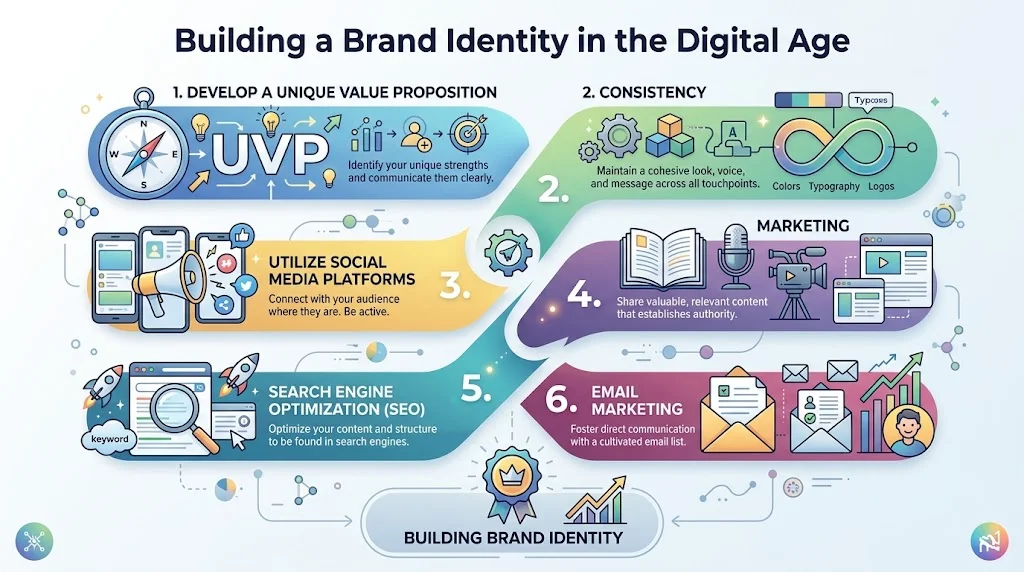
In today’s digital landscape, brand identity has become more critical than ever. A well-defined brand identity helps startups differentiate themselves and connect with their audience. Building your brand in the digital age involves understanding your target market, crafting a compelling image, and maintaining consistency across various platforms.
First, define your target audience. Understanding who your customers are is essential. Take time to research and create buyer personas. This will help you identify their needs, preferences, and pain points. Tools like HubSpot’s Make My Persona can assist in creating detailed customer profiles.
Develop a unique value proposition
Next, develop a unique value proposition (UVP). This statement should clearly communicate what sets your brand apart from competitors. Your UVP should resonate with your audience and reflect how your product or service solves their problems. Remember, being different isn’t enough; you must convey that difference effectively.
Consistency
Consistency in visual identity is key. This includes your logo, color scheme, typography, and overall design. Create a style guide that outlines these elements. A consistent visual identity reinforces brand recognition and helps customers trust your brand. Use tools like Canva to design your graphics and keep your branding visually appealing.
Utilize social media platforms
Utilize social media platforms strategically. Identify the platforms your audience frequents, such as Instagram, LinkedIn, or Facebook, and tailor your content to each platform. Engaging with your audience through social media not only builds relationships but also enhances brand loyalty. Share stories, behind-the-scenes content, and customer testimonials to humanize your brand.
Content marketing
Content marketing plays a vital role in building brand identity. Creating valuable content that speaks to your audience can establish you as an authority in your industry. Consider starting a blog or producing videos that address common questions or challenges your target market faces. For beginners, using platforms like Medium may provide ease in reaching an audience.
Search Engine Optimization (SEO)
Search Engine Optimization (SEO) is also crucial. Optimize your website and content to appear in search engine results. Research relevant keywords and incorporate them naturally into your content. Tools like Moz can help in tracking your keyword performance and improving your website’s visibility.
Email marketing
Engage with your audience through email marketing. Create a mailing list to keep your customers updated on new products, services, or offers. Personalize your emails to reflect your brand’s identity and make recipients feel valued. Email campaigns have a higher ROI compared to other channels, making them a smart investment.
Building brand identity
Customer feedback is a vital component of building brand identity. Encourage customers to leave reviews and share their experiences. Not only does this improve your credibility, but it also provides insights into areas for improvement. Monitor platforms like Trustpilot for customer feedback and actively respond to their reviews to enhance engagement.
| Key Strategy | Description | Tools to Use |
|---|---|---|
| Define Target Audience | Create detailed buyer personas | HubSpot |
| Unique Value Proposition | Highlight what makes your brand unique | N/A |
| Visual Identity | Maintain consistency in logos and colors | Canva |
| Social Media Engagement | Build relationships with your audience | N/A |
| Content Marketing | Establish authority through valuable content | Medium |
| SEO | Improve visibility in search engines | Moz |
| Email Marketing | Inform customers about news and offers | N/A |
| Customer Feedback | Encourage reviews to improve credibility | Trustpilot |
Building a brand identity in the digital age is a multifaceted process. By taking the time to understand your audience and consistently communicating your brand’s values, you’ll foster trust and loyalty. Remember, every interaction you have with your customers is an opportunity to reinforce your identity. Use these Digital Marketing Strategies for Startups to create a strong foundation that will grow with your startup.
The Role of Content Marketing in Startup Success
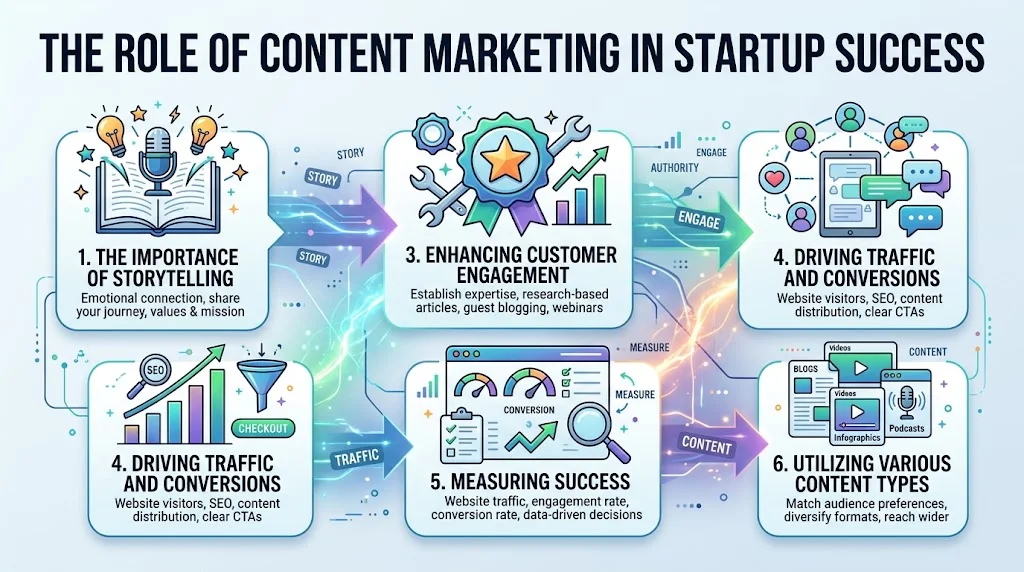
In today’s fast-paced digital world, startups face immense competition. Establishing a brand presence is crucial for success. One powerful approach that can significantly impact a startup’s trajectory is content marketing. When effectively executed, content marketing can help startups build trust, engage their target audience, and ultimately drive sales. Let’s explore how content marketing fits into the success of startups through Digital Marketing Strategies for Startups.
The Importance of Storytelling
Every brand has a unique story to tell. With content marketing, startups can share their journey, values, and mission. This storytelling element connects emotionally with potential customers, fostering a sense of loyalty. Here are a few tips for effective storytelling:
- Be Authentic: Share real stories, challenges, and successes.
- Focus on Your Audience: Tailor your content to their interests and needs.
- Use Different Formats: Mix written content with videos, infographics, and podcasts.
Building Brand Authority
By regularly creating high-quality content, startups can position themselves as experts in their industry. This credibility attracts customers and builds trust. To establish brand authority, consider the following:
- Research-based Articles: Write informative articles backed by data.
- Guest Blogging: Collaborate with established bloggers in your niche.
- Webinars and Workshops: Share your knowledge through live presentations.
Enhancing Customer Engagement
Engagement is key in retaining customers. Content marketing allows startups to interact with their audience, answering questions and providing value. This dialogue can take various forms:
- Social Media Posts: Use platforms like Instagram and Twitter to spark discussions.
- Comment Section: Encourage feedback on blogs and videos to foster community.
- Email Newsletters: Send curated content and offers to keep customers informed.
Driving Traffic and Conversions
Content marketing plays a vital role in generating website traffic, which is essential for conversions. By optimizing content for search engines, startups can appear in relevant searches. Here’s how to drive traffic effectively:
- SEO Optimization: Use relevant keywords, meta tags, and alt text for images.
- Content Distribution: Share content on social media, forums, and email newsletters to reach a larger audience.
- Call-to-Action: Include clear calls-to-action in your content to guide readers.
Measuring Success
To ensure that your content marketing efforts are effective, measuring success is essential. Here are some metrics to track:
| Metric | Importance |
|---|---|
| Website Traffic | Indicates the reach of your content. |
| Engagement Rate | Measures how well your audience responds to your content. |
| Conversion Rate | Shows how many visitors become customers. |
Regularly review these metrics to refine your content marketing strategy. Use tools like Google Analytics to gather data efficiently.
Utilizing Various Content Types
A diverse mix of content can appeal to different audience preferences. Here are effective types to consider:
- Blogs: Great for sharing insights and establishing authority.
- Videos: Highly engaging and shareable, ideal for social media.
- Infographics: Visually capture information, making it digestible.
- Podcasts: Perfect for in-depth discussions and interviews with experts.
Effective content marketing can be a game changer for startups. By focusing on storytelling, building authority, enhancing engagement, driving traffic, and utilizing various content types, startups set themselves on a path to success. For more in-depth insights into content marketing, visit Content Marketing Institute and Neil Patel’s Blog. Embrace the potential of content marketing and you might just see your startup soar.
Conclusion
To thrive in today’s competitive landscape, startups must embrace effective Digital Marketing Strategies for Startups tailored to their unique needs. By leveraging social media, you can create engaging content that resonates with your target audience and drives brand awareness. Establishing a strong presence on platforms like Instagram, Facebook, and Twitter not only boosts visibility but also fosters community engagement, essential for building loyal customers.
Moreover, budget-friendly SEO techniques offer an incredible opportunity for emerging businesses. With the right approach, you can enhance your online presence without breaking the bank, ensuring that your startup ranks higher in search engine results. This visibility is crucial in attracting potential customers who are searching for your products or services.
Building a compelling brand identity in the digital age is also vital. Your brand should communicate clearly who you are and what you stand for, helping to differentiate you in the crowded marketplace. Consistent branding across digital channels reinforces your message and builds trust with your audience.
Never underestimate the power of content marketing. Quality content not only elevates your brand’s authority but also engages your audience, providing valuable insights that can convert leads into customers. By focusing on these Digital Marketing Strategies for Startups, you can effectively position your startup for growth, develop meaningful connections with your audience, and achieve sustainable success. Remember, the key lies in being authentic and responsive to your customers’ needs, ensuring that your digital marketing endeavors truly resonate with them.