What Are the Best Beauty and Skincare Affiliate Programs?

ATTENTION: Want to Learn Affiliate Marketing from Successful Affiliates?
If you’re venturing into the world of beauty and skincare affiliate marketing, you’re on the right path. The beauty industry is booming, and there is plenty of opportunities for beginners to earn through affiliate programs. Let’s explore some of the best beauty and skincare affiliate programs that can kickstart your journey.
Affiliate marketing allows you to earn a commission by promoting products through unique links. When someone purchases via your link, you earn money. Many beauty brands offer such programs, and choosing the right one can make all the difference. Here are a few to consider:
Top Beauty Affiliate Programs
1. Sephora Affiliate Program
Sephora is a renowned name in the beauty world. Their affiliate program is ideal for beginners because it offers a vast selection of beauty and skincare products. With competitive commissions and a recognizable brand, you can attract an audience easily.
Commission Rate: 5% – 10%
Cookie Duration: 30 days
Join Sephora Affiliate Program
2. Ulta Beauty Affiliate Program
Ulta Beauty provides an extensive range of beauty products, from high-end to drugstore brands. Their affiliate program is user-friendly, making it perfect for beginners. You can access exclusive promotions and banners to maximize conversions.
Commission Rate: 5% – 10%
Cookie Duration: 30 days
Join Ulta Beauty Affiliate Program
3. Amazon Associates
Though not a beauty-specific platform, Amazon offers a vast selection of skincare and beauty products. If you choose this route, you can utilize Amazon’s credibility to your advantage. From makeup tools to skincare essentials, everything is available.
Commission Rate: 1% – 10% depending on the category
Cookie Duration: 24 hours
Join Amazon Associates
4. Beautylish Affiliate Program
Beautylish focuses on higher-end skincare and makeup brands. As a beginner, you have access to a community of beauty enthusiasts. The program is straightforward and provides various promotional materials to help you succeed.
Commission Rate: 10%
Cookie Duration: 30 days
Join Beautylish Affiliate Program
5. Thrive Causemetics Affiliate Program
Thrive Causemetics stands out due to their commitment to giving back. Their products are cruelty-free and vegan, appealing to a large market. This program offers a high commission rate, making it lucrative for beginners.
Commission Rate: 15%
Cookie Duration: 30 days
Join Thrive Causemetics Affiliate Program
Choosing the Right Program for You
When selecting the best beauty and skincare affiliate program, consider the following:
- Brand Alignment: Ensure the products align with your personal brand and audience.
- Commission Structure: Look for programs with competitive commission rates.
- Support and Resources: Choose programs that offer promotional materials, resources, and support.
- Product Range: A wide selection can give you more chances to earn commissions.
How to Choose the Right Affiliate Programs for Your Beauty Blog
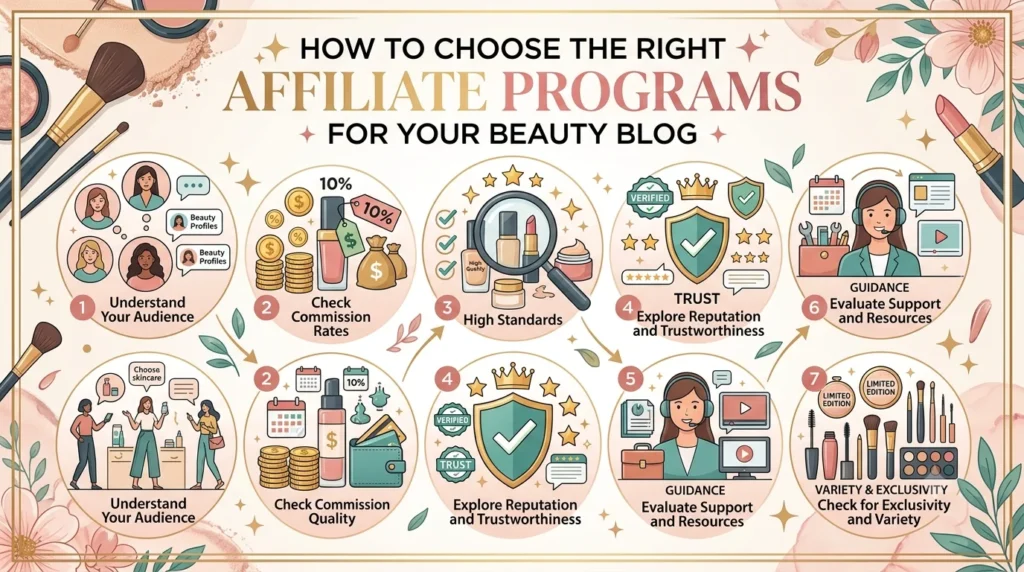
When you are diving into the world of beauty blogging, choosing the right affiliate programs is crucial for your success. With so many options out there, it can feel overwhelming. Here’s a guide to help you navigate the landscape and find affiliate programs that align with your blog’s vision and your audience’s needs.
Understand Your Audience
The first step in selecting the right affiliate programs is understanding your audience. Ask yourself:
- What products are they interested in?
- What age group do they belong to?
- Are they more inclined towards natural, organic products or luxury brands?
By grasping your audience’s preferences, you can choose programs that will resonate with them and generate higher conversions.
Check Commission Rates
Next, take a close look at the commission rates offered by various affiliate programs. High commission rates may seem enticing, but they should come alongside factors like:
- The price of the products
- The conversion rate of the affiliate program
- Duration of the cookie window
A program with high-quality products that provides a moderate commission may be more beneficial in the long run than one with low-quality products and high commissions.
Review Product Quality
Quality matters when it comes to beauty products. Always check reviews and testimonials about the products or brands you are considering promoting. You can use platforms like:
Promoting high-quality items will build trust with your readers and help you maintain credibility in your niche.
Explore Reputation and Trustworthiness
Before joining an affiliate program, research the brand’s reputation. You want to partner with companies that are generally well-regarded in the beauty industry. Check their social media presence, customer service quality, and reviews on platforms like:
A strong reputation will not only help in sales but also enhance the trust between you and your audience.
Consider the Payment Structure
It’s essential to understand the payment structure of the affiliate programs you are considering. Some programs pay a percentage of sales, while others may offer flat-rate commissions. Assess options such as:
- Pay-per-sale (PPS)
- Pay-per-click (PPC)
- Recurring commissions for subscription services
Choose a structure that aligns with your blog’s income strategy and helps you maximize your earnings.
Evaluate Support and Resources
Good affiliate programs often offer support and resources to their affiliates. Look for programs that provide:
- Marketing materials, like banners and product images
- Training or tips on how to promote products effectively
- Dedicated affiliate managers for personalized assistance
All these tools can significantly improve your chances of success.
Check for Exclusivity and Variety
Some affiliate programs have exclusive agreements that may limit your ability to partner with similar brands. Explore programs that offer a variety of products without restricting your options. Consider joining networks that work with multiple beauty brands to diversify your offerings.
A Few Recommended Beauty and Skincare Affiliate Programs
| Program Name | Commission Rate | Key Features |
|---|---|---|
| Sephora | 5% – 10% | Large product selection, high brand trust |
| Ulta Beauty | 2% – 10% | Wide range of beauty products and brands |
| FabFitFun | 25% on subscription boxes | Recurring commissions on subscription renewals |
Choosing the right affiliate programs for your beauty blog ultimately comes down to aligning the program with your goals and your audience’s interests. By considering factors like product quality, reputation, commission rates, and available resources, you can find programs that not only enhance your content but also offer a genuine benefit to your readers.
Strategies for Promoting Beauty and Skincare Products Effectively
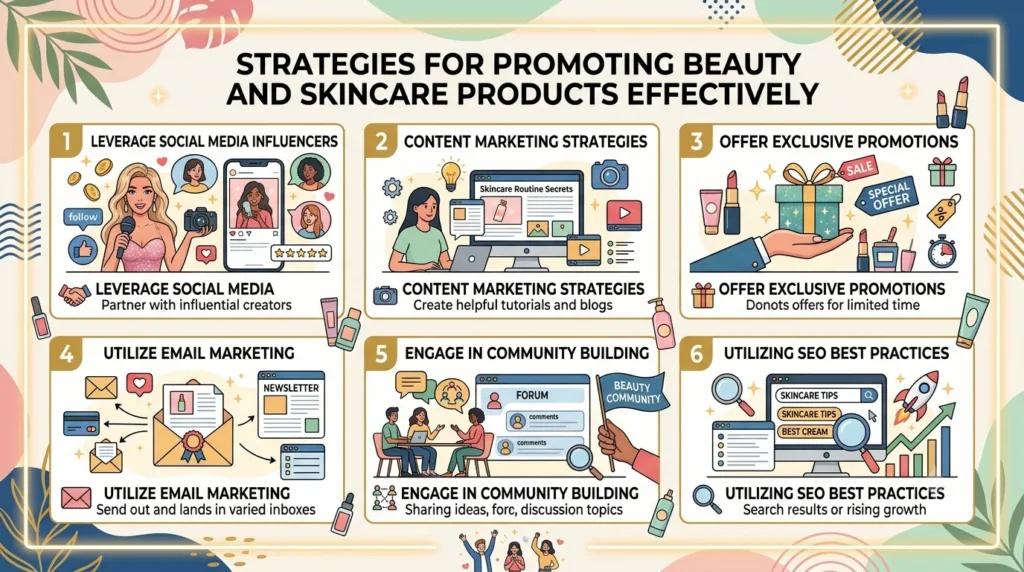
In the beauty and skincare industry, standing out amidst a sea of products can be challenging. However, effective promotion strategies can significantly enhance your marketing efforts and drive sales. Here are some advanced strategies that can help you effectively promote beauty and skincare products.
Leverage Social Media Influencers
Partnering with social media influencers is an excellent way to reach a larger audience. Influencers often have dedicated followers who trust their recommendations. Here’s how to effectively collaborate with influencers:
- Choose the right influencers: Look for influencers whose audience aligns with your target market.
- Provide free products: Send them samples in exchange for honest reviews. This builds authenticity.
- Create challenges or campaigns: Encourage influencers to create unique content based on your products.
Check out Influencer Marketing Hub for additional insights on how to work with influencers effectively.
Content Marketing Strategies
Great content can attract and engage potential customers. Implement these content marketing strategies:
- Blogging: Write informative articles centered around beauty and skincare tips, including using your products.
- Video content: Tutorials showcasing how to use your products can enhance user engagement.
- Guides and E-books: Create downloadable content that offers value to your audience; for example, a skincare routine guide.
Use platforms like Canva to design visually appealing content that captures attention.
Offer Exclusive Promotions
Everyone loves a good deal! Creating exclusive promotions can entice new customers. Here are a few promotional ideas:
- Limited-time offers: Encourage urgency by promoting products at a discount for a short period.
- Seasonal sales: Align your promotions with holidays or seasons to boost interest.
- Referral programs: Give existing customers incentives to refer friends in return for discounts.
Consider implementing a referral program through services like Referral SaaSquatch, which provides tools for tracking referrals.
Utilize Email Marketing
Email marketing remains one of the most effective ways to engage your audience. Here are some email marketing strategies to consider:
- Newsletters: Regularly send newsletters that include beauty tips, new product launches, or special promotions.
- Personalized emails: Use customer data to send personalized offers that resonate with their needs.
- Cart abandonment emails: Remind customers about items they left in their shopping carts to drive conversions.
For helpful email design templates, visit Mailchimp.
Engage in Community Building
Building a community around your brand can foster loyalty and long-term sales. Here’s how to create a strong community:
- Social media groups: Create dedicated groups for your customers to share experiences and tips.
- Host events: Organize online workshops or webinars that involve product use or skincare education.
- Customer feedback loops: Encourage customers to share their feedback and showcase testimonials on your platforms.
You can use platforms like Facebook to build vibrant communities.
Utilizing SEO Best Practices
Optimizing your content for search engines is crucial for visibility. Here are some SEO strategies to implement:
- Keyword research: Identify relevant keywords your audience searches for regularly.
- On-page optimization: Ensure your content includes keywords naturally within titles, headers, and body text.
- Backlinks: Earn backlinks from reputable beauty and skincare blogs to improve your site’s authority.
Tools like Ahrefs can assist with keyword research and tracking your SEO efforts.
By implementing these strategies effectively, you can significantly enhance your promotional efforts for beauty and skincare products. Focus on authenticity and genuine engagement to create lasting relationships with your customers and boost your sales for the long term.
Common Pitfalls to Avoid in Beauty Affiliate Marketing
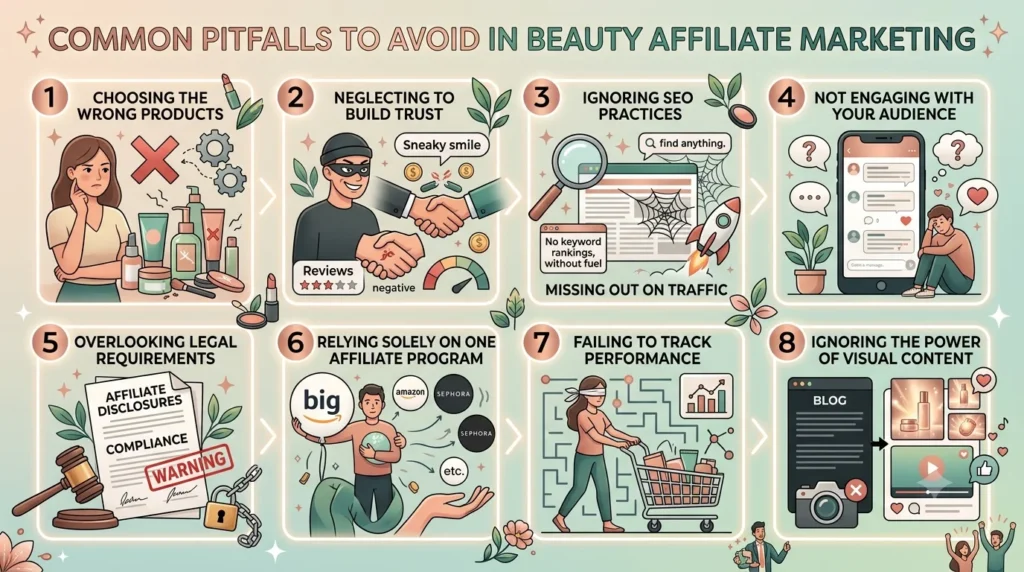
In the world of beauty affiliate marketing, there are numerous opportunities to earn money while sharing your passion for skincare and cosmetics. However, many newcomers often stumble due to common mistakes that can hinder their success. Understanding these missteps can be the difference between thriving in affiliate marketing and falling flat. Here are key pitfalls to avoid in this exciting but competitive niche.
Choosing the Wrong Products
One of the most significant traps you can fall into is selecting beauty products that don’t align with your audience’s preferences. Always aim for products that you know your readers will love and trust. Conduct thorough research on trending products and brands in the beauty community. For instance, take a look at popular affiliate program like Sephora to see what other affiliates are promoting successfully.
Neglecting to Build Trust
Trust is imperative in affiliate marketing. If your audience doesn’t believe your recommendations, they won’t purchase through your links. Avoid overly promotional language and instead focus on genuine product reviews and personal experiences. You can also engage with your audience by answering their questions and responding to comments. For trustworthy beauty products, consider programs like Ulta Beauty and Pat McGrath.
Ignoring SEO Practices
If you’re not optimizing your content for search engines, you’re missing out on organic traffic. Ensure that your blog or website is filled with relevant keywords related to beauty and skincare. Use tools like Google’s Keyword Planner to discover what your potential audience is searching for. Examples of keywords might include “best beauty affiliate programs” or “skincare review.” With enhanced SEO, your content will attract more visitors.
Not Engaging with Your Audience
Affiliate marketing is as much about engagement as it is about the products you promote. Use various platforms to connect with your audience, whether it’s through social media, newsletters, or blog comments. Regular interaction helps build a loyal following. Effective channels can include Instagram and TikTok, where beauty content thrives. Don’t forget that personal stories or experiences with products can resonate deeply with readers.
Overlooking Legal Requirements
Many aspiring affiliate marketers underestimate the importance of legal compliance. The Federal Trade Commission (FTC) requires you to disclose any affiliate links. Ensure that you are transparent about your relationships with brands. Clear disclaimers will foster trust with your audience and keep you compliant with regulations. You can find more detailed information on compliance at the FTC website.
Relying Solely on One Affiliate Program
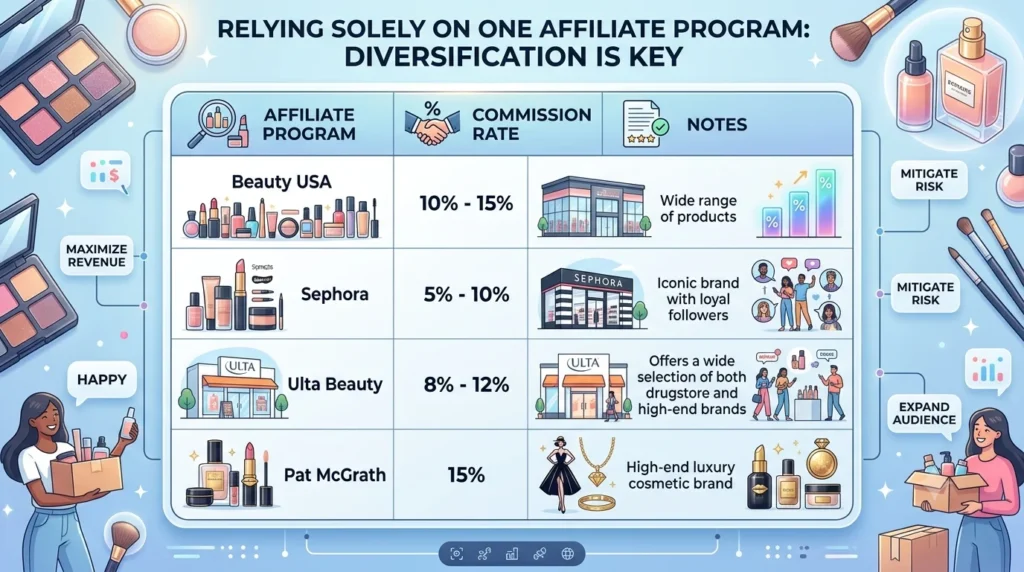
Diversifying your affiliate partnerships can help mitigate risk. If one affiliate program changes their commission structure, it won’t have a significant impact on your overall earnings. Consider joining multiple networks to broaden your offerings. Some of the top beauty affiliate programs you might explore include:
| Affiliate Program | Commission Rate | Notes |
|---|---|---|
| Beauty USA | 10% – 15% | Wide range of products |
| Sephora | 5% – 10% | Iconic brand with loyal followers |
| Ulta Beauty | 8% – 12% | Offers a wide selection of both drugstore and high-end brands |
| Pat McGrath | 15% | High-end luxury cosmetic brand |
Failing to Track Performance
Without tracking your performance, you won’t know what works and what doesn’t. Use tools like Google Analytics or affiliate dashboards to monitor clicks and conversions. Depending on your analysis, you may want to adjust your strategy, focus on high-performing products, or reconsider your audience’s interests.
Ignoring the Power of Visual Content
Beauty is a visual industry, so don’t forget to incorporate high-quality images and videos. Tutorials and product demonstrations are especially engaging. Platforms like YouTube and Instagram can greatly enhance your reach and showcase your expertise. This kind of content not only engages viewers but also improves conversions through appealing visuals.
By avoiding these common pitfalls, you will be better equipped to navigate the beauty affiliate marketing landscape. Keep your audience’s interests at the forefront, continuously educate yourself, and stay adaptable to changes in the industry. Your hard work and careful planning will pay off in the long run!
Real-Life Success Stories from Top Beauty Affiliate Marketers
Affiliate marketing in the beauty industry has become a booming business, with many individuals turning their passion for cosmetics and skincare into lucrative careers. Let’s explore some inspiring stories of top beauty affiliate marketers who have achieved remarkable success, and what you can learn from their journeys.
Teresa Shimizu
One of the standout names in beauty affiliate marketing is Teresa Shimizu. Teresa started her beauty blog while balancing a full-time job. She focused on sharing genuine product reviews and tutorials. By utilizing social media, she built an engaged community that trusted her insights. Her hard work paid off when she partnered with multiple brands and began earning significant commissions. Today, her blog not only generates income but also allows her to collaborate with renowned beauty brands.
Melissa Wood
Another inspiring story is that of Melissa Wood. Known for promoting health and wellness alongside beauty, Melissa has created a niche that resonates with a wider audience. Her unique approach involves not only skincare tips but also holistic beauty practices. This strategy allows her to partner with skincare brands that align with her ethos. Her affiliate marketing income has grown tremendously through her authentic collaborations and online classes.
The Beauty Spy
Moving to Canada, we find The Beauty Spy, a beauty review site run by a team of passionate beauty aficionados. They focus on curating products from different parts of the world, introducing exclusive brands to their followers. Their strategy includes engaging, informative videos and in-depth product reviews. Their affiliate marketing is highly successful, and they leverage email newsletters to maintain audience engagement while promoting products. The intricacies of their approach highlight the importance of consistent and high-quality content.
Jessica Alba
It’s worth noting the success of beauty influencer Jessica Alba. While she is primarily known as an actress, she established The Honest Company, which encompasses beauty and skincare products. Her transition into a businesswoman demonstrates the power of authenticity. She utilizes her platform to share personal stories and experiences, connecting deeply with her audience. Jessica’s affiliate partnerships have blossomed by focusing on eco-friendly and safe products, resonating with health-conscious consumers.
For those looking to follow in their footsteps, here are some key takeaways:
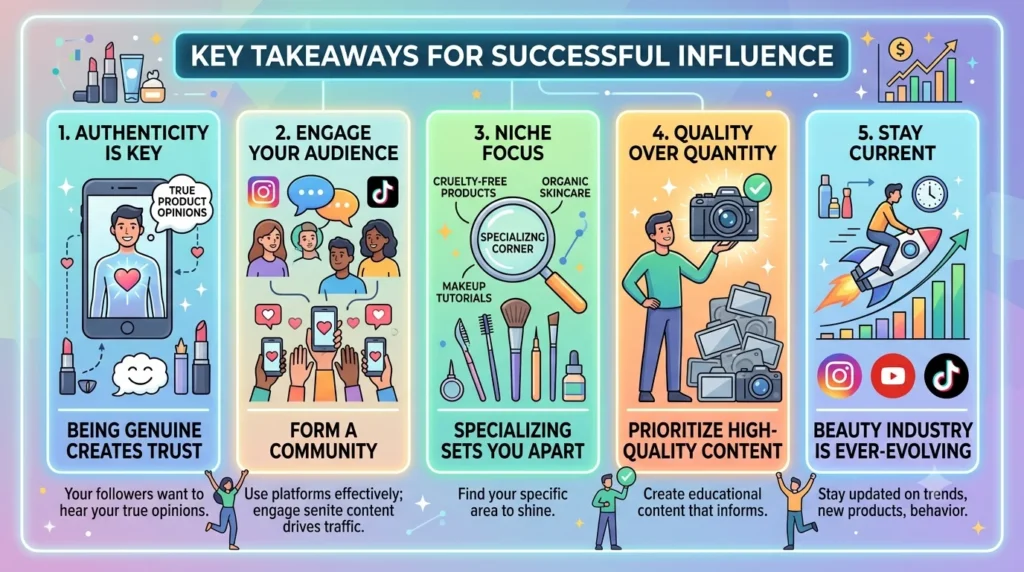
- Authenticity is Key: Being genuine creates trust. Your followers want to hear your true opinions on products.
- Engage Your Audience: Use platforms like Instagram, YouTube, or TikTok to form a community. Engaging content can drive more traffic and conversions.
- Niche Focus: Specializing in a specific area can set you apart. Whether it’s cruelty-free products, organic skincare, or makeup tutorials, find your niche.
- Quality Over Quantity: Prioritize creating high-quality content that educates and informs rather than simply producing large volumes of posts.
- Stay Current: The beauty industry is ever-evolving. Stay updated on trends, emerging products, and changes in consumer behavior.
Moreover, many top bloggers roam beyond traditional blogs. The Beauty Department, founded by celebrity hairstylist Kristin Ess, represents a significant success story. They generate income through their rich and engaging visual content, capturing the transformative power of beauty. By collaborating with beauty brands and providing tutorials, they highlight the importance of a well-developed online presence.
Observe how Chronicles of Her, created by fashion and beauty enthusiast Niki Schwan, showcases a combination of style and beauty. Her authentic storytelling and investment in professional photography have helped her grow her audience and income through affiliate links, proving that aesthetics matter greatly in the beauty niche.
The beauty affiliate marketing landscape is filled with opportunities for passionate individuals. By learning from these success stories, you can carve your path in the beauty industry, creating a sustainable income while sharing your love for beauty and skincare products. Join the community and start your affiliate marketing journey today!
Conclusion
Navigating the world of beauty and skincare affiliate programs can open up exciting opportunities for your blog and income. For beginners, starting with well-reputed programs can set a solid foundation. By carefully selecting affiliate programs that align with your personal brand, you ensure authentic engagement with your audience. Remember, promoting beauty products requires effective strategies, such as utilizing social media, creating engaging content, and understanding your audience’s needs.
To maximize your success, stay clear of common pitfalls, like over-promoting or choosing programs just for their high commissions without considering product quality. It’s essential to cultivate trust with your readers through transparency. The stories of top beauty affiliate marketers show that success in this niche is achievable with the right approach, dedication, and understanding of the market.
As you embark on this affiliate journey, keep your content reader-focused, prioritize the challenges they face, and provide real solutions. This will not only enhance your blog’s credibility but also build a loyal audience eager to click through your links. With patience and persistence, you can thrive in the beauty and skincare affiliate marketing space, turning your passion into profit. Start exploring these programs today, and watch as your efforts blossom into a rewarding venture.