
How to Promote Hosting Affiliate Links Without Being Pushy?


ATTENTION: Want to Learn Affiliate Marketing from Successful Affiliates?
Promoting hosting affiliate links can be a lucrative opportunity for many content creators, but doing so without being pushy is essential for maintaining your audience’s trust and engagement. You want to ensure that your promotion feels natural and useful rather than forced. Here are some effective strategies to help you achieve that balance.
Share Personal Experiences
One of the most genuine ways to promote hosting affiliate links is to share your personal experiences with the hosting service. Write a detailed review or a case study showcasing how the hosting provider helped your website perform better. Include specific outcomes such as improved loading times or enhanced uptime. When readers see that you’ve had real success with the service, they’re more likely to trust your recommendation.
Create Value-Driven Content
Focus on creating valuable content that addresses your audience’s pain points. This could be in the form of tutorials, how-to guides, or informative blog posts that relate to web hosting. By providing helpful information, you naturally incorporate your affiliate links as part of the solution. Aim to answer questions like:
- What should you look for in a web host?
- How can you optimize your site for speed and reliability?
- What are the common pitfalls to avoid when choosing a hosting provider?
In each piece, strategically place your affiliate links so they feel like an extension of the content rather than a hard sell.
Utilize Social Proof
Another powerful tool is social proof. Including testimonials, case studies, and customer reviews can help establish credibility for the hosting service you promote. Share statistics, such as the number of satisfied users or positive ratings from reputable sources. For instance:
| Hosting Service | User Rating | Testimonials |
|---|---|---|
| Bluehost | 4.5/5 | “Bluehost transformed my website speed!” |
| SiteGround | 4.8/5 | “Amazing customer service with a reliable uptime.” |
Use these testimonials in your content to give your readers real feedback about the services you recommend.
Leverage Email Marketing
Email marketing can be a less intrusive way to promote hosting affiliate links. Build a subscriber list and provide them with valuable insights related to web hosting and digital marketing. In your newsletters, include your affiliate links to hosting services naturally. For instance, if you write about website speed optimization, suggest a hosting provider known for fast speeds and include your link.
Engage on Social Media
Social media platforms offer an excellent avenue for promoting hosting affiliate links without being pushy. Share tips, articles, and personal stories on platforms like Twitter, Facebook, and LinkedIn. Occasionally, you can include affiliate links in these posts but keep the focus on providing value. Strive to create engaging discussions around web hosting topics and position yourself as a knowledgeable resource. This way, your audience will be more inclined to check out the links when they are ready.
Create Educational Videos
If you’re comfortable on camera, creating educational videos is another effective way to promote your affiliate links subtly. You can produce tutorials on setting up websites or optimizing performance. Mention the hosting provider you recommend during your videos, and provide affiliate links in the video description. Video content often has a higher engagement rate, making your promotions feel more organic.
Techniques for Building Trust with Your Audience
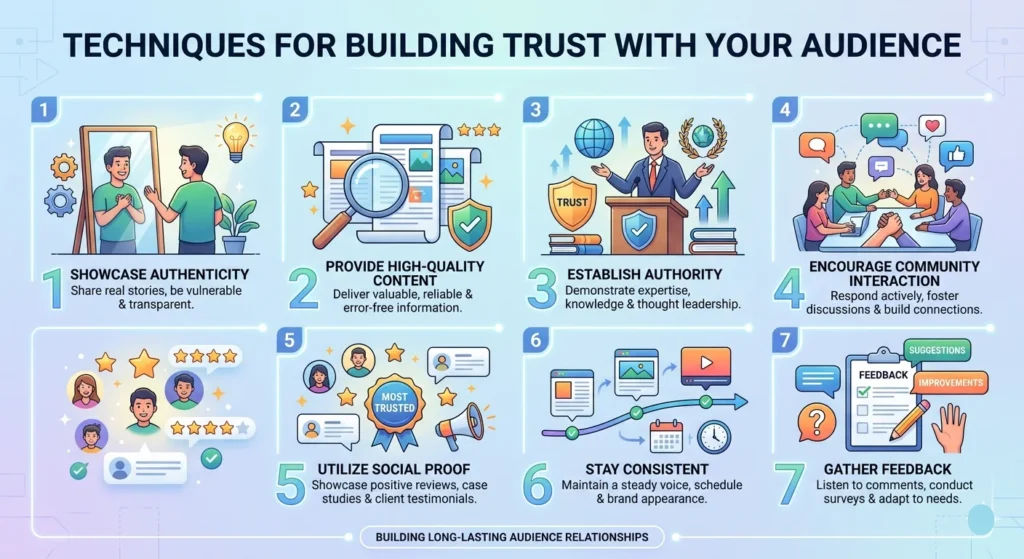
Building trust with your audience is crucial for any content creator or marketer. When your audience feels confident in your expertise and integrity, they are more likely to engage with your content and take the desired actions. Here are some effective techniques to foster trust with your followers.
Showcase Authenticity
Being genuine is one of the key aspects of building trust. Let’s look at some ways to show authenticity:
- Share Personal Stories: Talk about your experiences, successes, and failures. This human element makes you relatable.
- Be Transparent: If you’re promoting products or services, be honest about your connections. Disclose affiliate links and sponsorships clearly.
- Engage in Conversations: Respond to comments and messages. Your willingness to interact shows you care about your audience.
Provide High-Quality Content
Your audience trusts you more when you consistently provide value. Here’s how to enhance your content quality:
- Research Thoroughly: Use reliable sources and data to back up your claims. High-quality information helps solidify your authority.
- Stay Updated: Regularly refresh your content with the latest information and trends in your niche.
- Use Visual Aids: Incorporate images, infographics, and videos to make your content more digestible and appealing. For more tips on visual content, you can visit Canva’s Learn section.
Establish Authority
Establishing yourself as an authority in your field strengthens trust among your audience. Here are strategies for doing this:
- Showcase Expertise: Write guest posts on reputable websites, or collaborate with experts to boost your credibility.
- Share Credible Testimonials: Highlight reviews and testimonials from satisfied customers or readers to enhance your reputation.
- Regularly Attend Events: Participate in industry conferences and webinars to network and stay in the know. This involvement showcases commitment to your niche.
Encourage Community Interaction
Creating a sense of community can significantly enhance trust. Here’s how to nurture this:
- Foster Discussion: Create a platform where your audience can converse. Consider starting a Facebook group or Discord server.
- Host Q&A Sessions: Regularly host live Q&A sessions where your audience can ask questions directly. This approach not only clarifies their doubts but also builds intimacy.
- Highlight User-Generated Content: Encourage your audience to share their own experiences. Featuring this content on your platforms shows appreciation and builds a stronger connection.
Utilize Social Proof
Social proof is a powerful motivator. You can build trust by leveraging social proof in several ways:
- Share Case Studies: Present real-life examples of how your advice or products have helped others.
- Display Trust Badges: If you’re associated with reputable brands or have earned certifications, make sure to display these badges prominently on your site.
- Highlight Followers and Subscribers: The larger your following, the more credibility you gain. Display follower counts for your social media accounts.
Stay Consistent
Consistency is critical in maintaining trust over time. Here’s how to remain consistent:
- Regularly Update Content: Ensure your website and social media platforms remain updated and reflect your latest insights.
- Maintain a Posting Schedule: Create a calendar for content release to help keep your audience engaged and expectant.
- Stay True to Your Voice: Whether you’re humorous, serious, or informative, maintain a consistent tone throughout your content.
Gather Feedback
Soliciting feedback shows that you value your audience’s opinions. You can do this by:
- Conduct Surveys: Use tools like Google Forms or SurveyMonkey to gather insights about what your audience likes and what they want to see.
- Ask for Reviews: Encourage your audience to leave honest reviews on your platforms.
- Act on Feedback: Show that you take suggestions seriously by making changes based on audience input. Doing so demonstrates that you value their opinions.
Effective Content Marketing Methods for Affiliate Links
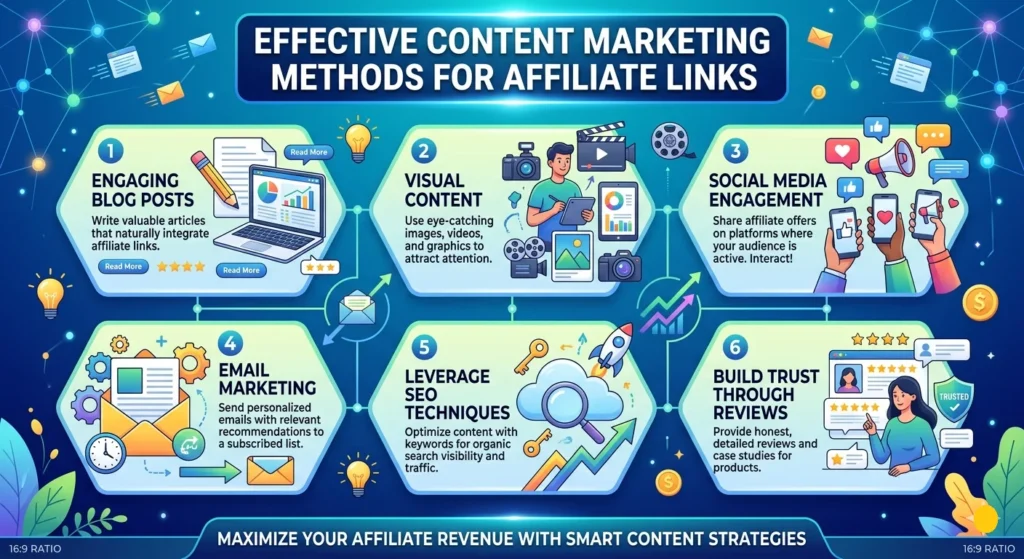
In the world of affiliate marketing, effectively promoting your links can make all the difference. Strategic content marketing allows you to present your affiliate products in a relatable way, thereby increasing engagement without coming off as overly sales-driven. Here are several tried-and-true methods to consider.
Engaging Blog Posts
Creating quality blog posts is one of the most effective ways to promote your affiliate links. By crafting informative content that answers questions your audience has, you can seamlessly weave in affiliate links. Here’s how you can achieve that:
- Identify Pain Points: Know what problems your audience faces and write posts that provide solutions.
- Use Storytelling: Share personal anecdotes that include your affiliate products in a natural way.
- Offer Tutorials: Create how-to guides that integrate your affiliate product, showing readers exactly how it can benefit them.
Visual Content
Images and videos can capture eyes more effectively than text alone. Consider incorporating different forms of visual content like:
- Infographics: These summarize information visually and can include your affiliate links as sources.
- Video Reviews: Create engaging video content that showcases your affiliate products in action.
- Slide Presentations: Use presentations to provide value and reference your affiliate link within the slides.
Social Media Engagement
Your audience likely spends a good amount of time on social media platforms. Engaging with them in this space can help subtly promote your affiliate links. Here are strategies to leverage social media:
- Share Valuable Content: Post snippets of your blog content, encouraging followers to read more while naturally embedding your links.
- Join Relevant Groups: Participate in groups related to your niche where you can answer questions and share your affiliate products when it fits.
- Host Giveaways: If permissible, run giveaways featuring your affiliate products to create excitement and engagement.
Email Marketing
Email continues to be an effective channel for affiliate marketing. You have direct communication with your subscribers, allowing you to promote your links more subtly. Utilize these tactics:
- Value-Focused Newsletters: Send out newsletters packed with useful information while including affiliate links relevant to the content.
- Personal Recommendations: Share personal recommendations sparingly but effectively, as these can build trust.
- Exclusive Offers: Give your subscribers exclusive deals and promotions for the affiliate products you love.
Leverage SEO Techniques
Search engine optimization (SEO) helps ensure that your content reaches the right audience. Here are some critical SEO practices:
- Keyword Research: Identify high-traffic keywords that resonate with your audience and naturally incorporate them into your writing.
- Optimize Images: Use alt text and descriptions that include keywords related to your affiliate products.
- Mobile Optimization: Ensure your content is mobile-friendly, as many users browse on their phones.
Build Trust through Reviews
Consumers appreciate honest opinions. Offering thorough reviews of affiliate products can establish your credibility and lead to higher conversions. Be sure to include:
- Pros and Cons: Honest feedback builds trust with your audience.
- Comparative Guides: Compare multiple products to show your readers the best options available.
- Personal Experiences: Sharing your own journey with the product can resonate well with readers.
The Importance of Authenticity in Affiliate Marketing
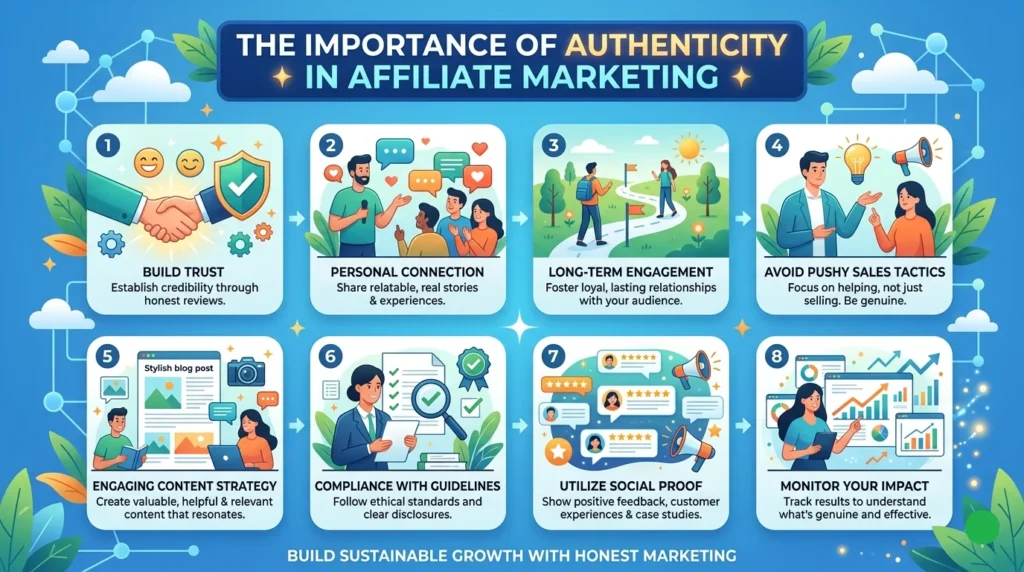
In today’s digital marketing landscape, the authenticity of your branding and messaging can make a significant difference in the effectiveness of your affiliate marketing efforts. Authenticity helps build trust with your audience, fosters engagement, and enhances the overall credibility of your recommendations.
When you promote products or services as an affiliate, it’s essential to align your promotions with your genuine interests and values. This alignment allows you to connect better with your audience while also ensuring that your promotional efforts reflect your personality. Here are several reasons why maintaining authenticity is vital in affiliate marketing:
Building Trust
Your audience is more likely to trust your recommendations if they believe that you genuinely support the product or service. Authenticity in your messaging shows that you are not just in it for the commission but that you sincerely believe in what you are promoting. This can lead to increased click-through rates on your affiliate links and higher conversion rates.
Personal Connection
When you share your personal experiences and insights about a product, it creates a connection with your audience. They see you as more than just a marketer; they view you as a knowledgeable friend who is offering genuine advice. This personal touch can significantly enhance your audience’s perception of your recommendations.
Long-term Engagement
Authenticity encourages long-term relationships with your audience. Rather than just making a one-time sale, a credible and trustworthy affiliate can build a loyal following. As your readers become more engaged, they will be more likely to return for future recommendations, leading to consistent passive income for you.
Avoiding the Pushy Sales Tactics
One of the biggest risks in affiliate marketing is the potential to come off as overly promotional or pushy. Authentic content allows you to promote products without resorting to high-pressure sales tactics. Instead of flat-out selling, focus on sharing engaging stories about your experiences, tips on how to use the product effectively, or valuable advice related to the niche. This can include:
- Detailed product reviews
- Informative blog posts that educate your audience
- Comparison guides that help users make informed choices
By doing this, you guide your audience toward your affiliate links naturally, rather than forcing them to click. This approach maintains a healthy balance between promotion and value.
Engaging Content Strategy
To maintain authenticity while promoting your affiliate links interestingly and engagingly, consider including the following strategies:
- Use storytelling: Share your own journey with the product or service.
- Focus on solution-based content: Explain how the product solves a problem or enhances life.
- Invite guest experts: Collaborate with industry leaders to add diversity and credibility to your content.
These strategies promote your affiliate links authentically without positioning you as overly promotional.
Compliance with Guidelines
To maintain authenticity and build trust, it’s crucial to comply with legal guidelines concerning affiliate marketing. Always disclose your affiliate relationships clearly. Not only does this build trust, but it also keeps you in compliance with regulations set by organizations like the FTC. This transparency adds to your authenticity and shows that you are committed to honest practices in your marketing efforts.
Utilizing Social Proof
Social proof can significantly enhance your authenticity. Sharing testimonials, case studies, or user-generated content can help validate your claims about the products you promote. When potential customers see that others have had positive experiences, they will be more inclined to trust your recommendations.
Monitor Your Impact
The effectiveness of your authentic approach can be tracked through engagement metrics. Pay attention to clicks on your affiliate links, feedback on your blog posts, and overall audience growth. This data allows you to refine your strategies continually and ensures you maintain your authentic voice.
Authenticity into your affiliate marketing is not just a best practice; it’s essential for long-term success. By building trust, fostering engagement, and supporting your claims with personal experiences and social proof, you can promote your hosting affiliate links effectively and naturally. For more insights on affiliate marketing and authenticity, check out ShoutMeLoud and Smart Passive Income.
Tips for Engaging Your Audience Without Overselling
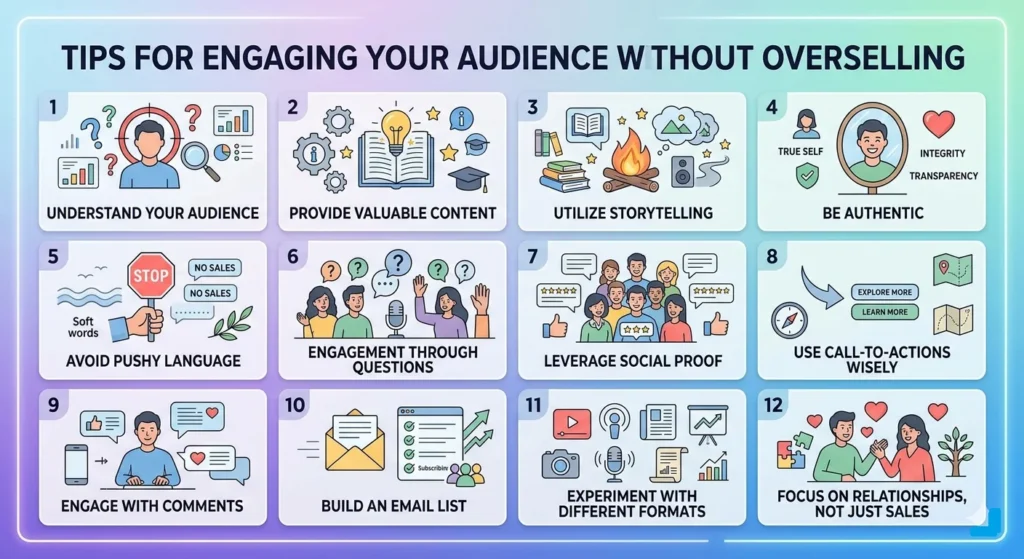
Engaging your audience without being overly salesy is an art that can significantly enhance your online presence. You want your audience to trust you and feel a connection, which ultimately leads to better conversions. Here are some effective strategies to promote your offerings while keeping the relationship genuine.
Understand Your Audience
Knowing who your audience is will foster a deeper connection. Invest time in understanding their needs, preferences, and pain points. Conduct surveys or utilize social media polls to gather insights and engage them in valuable conversations.
Provide Valuable Content
Your content should always offer value. Whether it’s blog posts, tutorials, or infographics, the information should be helpful and educational. This strategy builds trust and establishes you as an authority in your niche.
- Share industry tips and tricks.
- Offer free resources like ebooks or templates.
- Conduct interviews with experts in your field.
- Post case studies that showcase success stories.
Utilize Storytelling
Engage your audience by sharing relatable stories. When you share your experiences or success stories, people are more likely to connect emotionally. This connection makes them more open to your suggestions, including your affiliate offerings.
Be Authentic
Authenticity is key. Speak in a voice that feels natural to you and resonates with your audience. Share personal anecdotes or even failures to show that you are human. This relatability can draw people in, making them more receptive to your messages.
Avoid Pushy Language
Focus on soft selling rather than hard selling. Use phrases that foster conversation instead of pressure. For instance:
- Instead of “Buy now!”, try “If you’re interested, you can find it here.”
- Instead of “You must sign up!”, say “Many have found value in signing up; you might, too!”
Engagement Through Questions
Encourage discussion by asking questions. Pose questions in your blog posts and social media updates that invite commentary. This creates a community atmosphere and establishes a two-way communication channel.
Leverage Social Proof
People are more likely to trust a recommendation if they see that others have had positive experiences. Share testimonials, reviews, and case studies to highlight the successful outcomes others have had with your affiliate products or services. This builds credibility without being salesy.
Use Call-to-Actions Wisely
Your call-to-actions (CTAs) should be strategically placed within your content. Instead of overwhelming your audience with multiple CTAs, use them sparingly and make them relevant. For example:
- “For more information on this topic, check out this link!”
- “If you enjoyed this content, you might also like our recommended tools.”
Engage with Comments
When your audience leaves comments or questions, always respond. This interaction shows that you value their input and fosters community. It also positions you as a helpful source of information.
Build an Email List
An email list is a powerful tool. Rather than bombarding your subscribers with promotional emails, offer exclusive content, insights, and discounts. This way, you nurture the relationship without seeming pushy. Platforms like Mailchimp or Constant Contact are great for managing your email campaigns.
Experiment with Different Formats
Not everyone consumes content the same way, so diversify your formats. Use videos, podcasts, infographics, and live Q&A sessions to reach different segments of your audience. Tools like Canva can help you create visually appealing content with ease.
Focus on Relationships, Not Just Sales
The cornerstone of effective engagement is viewing relationships as paramount. Your audience will be more inclined to support your affiliate links when they see you as a partner in their journey rather than just a seller. Foster relationships by being helpful, informative, and relatable.
By leveraging these strategies, you can promote hosting affiliate links and other products without coming across as pushy. Instead, you will build a loyal audience that appreciates your input, leading to higher trust and, ultimately, better conversions in the long run.
Conclusion
Successfully promoting hosting affiliate links hinges on a thoughtful approach that respects your audience’s needs and preferences. By employing effective strategies, such as creating valuable content and engaging with your audience genuinely, you build the foundation of trust that is essential for any affiliate marketing endeavor. Your audience is more likely to respond positively when they perceive that you prioritize their interests over merely making a sale.
Establishing trust goes beyond mere sales pitches. Incorporate storytelling, transparency, and personal experiences to connect with your readers on a deeper level. This authenticity resonates with them, making your recommendations more impactful. Remember, every piece of content you share should convey helpful insights or solutions that benefit your audience.
Utilizing effective content marketing methods, like blogs, videos, or podcasts, can drive traffic organically and highlight your affiliate links without being pushy. Ultimately, the key lies in being engaging rather than overwhelming. Ask questions, invite feedback, and encourage discussions around the topics related to the hosting services you promote.
By focusing on providing value and demonstrating genuine interest in your audience’s needs, you can promote your hosting affiliate links seamlessly. The result is a loyal following that appreciates your recommendations, leading to increased conversions without the heavy-handed sales tactics. With patience and commitment to your audience’s well-being, you’ll effectively navigate the affiliate landscape and flourish in your marketing efforts.