
How to Write A Tutorial Blog Post That Includes Affiliate Links?

ATTENTION: Want to Learn Affiliate Marketing from Successful Affiliates?
Understanding Your Audience
Before starting your tutorial blog post, it’s crucial to understand who your readers are. Ask yourself: What are their interests? What problems do they face? Tailoring your content to meet their needs will ensure they stay engaged throughout your post. Conducting a bit of research on topics your audience frequently asks about can provide insight into what to write. Sites such as Quora and Reddit can offer ideas based on real user questions.
Choosing a Relevant Topic
Select a topic that appeals to your audience and fits within your niche. The tutorial should have a clear focus, teaching something valuable or solving a specific problem. This captivates your readers and increases the chances of driving traffic to your affiliate links. Use tools like Answer the Public to find popular questions related to your topic.
Structuring the Tutorial
An effective tutorial blog post follows a clear structure. Here’s a simple outline to keep in mind:
- Introduction: Briefly introduce the topic, why it’s important, and what users will learn.
- Step-by-Step Guide: Provide clear, numbered steps. Use images or videos to help visualize complex steps.
- Conclusion: Summarize the tutorial and include a call to action or next steps.
Crafting Engaging Content
Write in an active voice and vary your sentence structure for a natural flow. Engage directly with your readers by using “you.” This creates a more conversational tone that keeps your audience interested. Remember to explain technical terms and concepts in simple language, ensuring that those with varying levels of expertise can follow along easily.
Affiliate Links
Affiliate links are a fantastic way to monetize your blog. Place these links naturally within your content rather than stuffing them awkwardly. Here are some tips for effectively including affiliate links:
- Be Genuine: Recommend products you trust and believe will genuinely help your readers.
- Clear Call-to-Action: After explaining a product, encourage readers to check it out by using a call-to-action such as “Click here to learn more!”
- Disclosure: Always disclose your affiliate relationship. This builds trust and adheres to regulations.
Optimizing for SEO
Use relevant keywords throughout your post, such as “tutorial,” “how-to,” and specific product names. Write an enticing meta description that summarizes your blog post and encourages clicks. Headers (like your H3 and H4) should contain keywords without overstuffing. Remember, the primary goal is to provide value while ensuring search engines can understand your content.
Encouraging Engagement
Encourage your readers to interact with your post. Ask them to leave comments about their experiences or questions they have. You might start with a question like, “What challenges have you faced with this topic?” This can keep the conversation going and make them feel more connected to the content.
Promoting Your Post
Once your post is live, share it on social media platforms and relevant online communities. Utilize platforms such as Facebook and Twitter to reach a wider audience. You can also explore guest posting on other blogs to drive more traffic back to your post.
Measuring Success
Monitor the success of your tutorial through analytics tools. Check metrics such as page views, engagement time, and click-through rates for your affiliate links. Using this data, you can refine future blog posts to better serve your audience and increase your affiliate income. By following these strategies, you can create an engaging tutorial blog post that educates your audience and effectively includes affiliate links. Focus on creating genuine, helpful content that resonates with readers, and success will follow.
Key Elements of a Successful Tutorial for Beginners
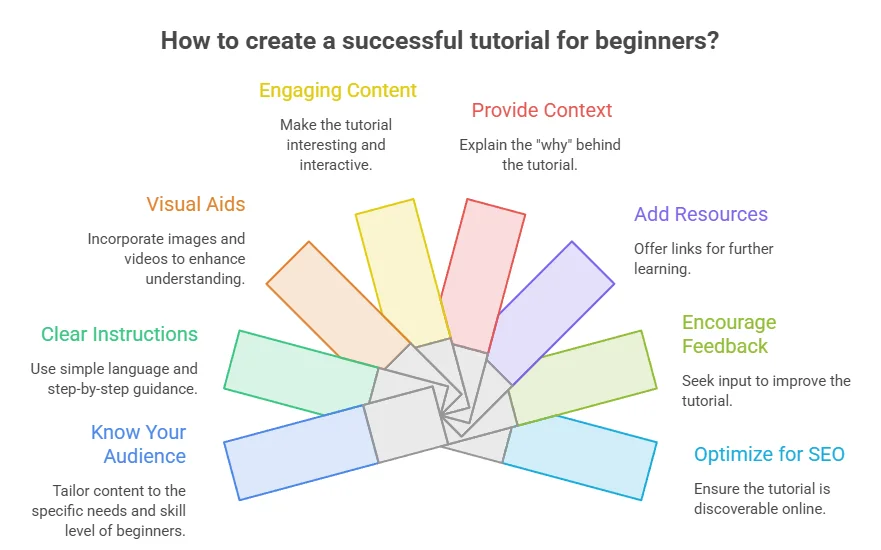
Creating a successful tutorial for beginners involves several key elements that ensure clarity and engagement. Whether you’re teaching a new skill, guiding users through a software program, or providing insights into a hobby, adhering to these essential principles will make your tutorial more effective.
Know Your Audience
The first step in crafting an effective tutorial is to know your audience. Understanding their background, skill level, and learning preferences is vital.
- Identify Skill Level: Determine if your readers are complete novices or have some experience.
- Consider Learning Styles: Visual learners may benefit from diagrams and videos, while others may prefer written instructions.
- Adapt Language: Use simple, jargon-free language that resonates with beginners.
Clear and Concise Instructions
When writing a tutorial, clarity is key. Break down complex processes into simple steps, making them easy for beginners to follow.
- Step-by-Step Format: Present instructions sequentially. Numbered lists often work best.
- Use Short Sentences: Keep sentences brief to enhance understanding.
- Avoid Overloading Information: Stick to one concept per step to prevent confusion.
Visual Aids
Visual elements can greatly enhance the learning experience. They provide context and aid in retention.
- Images: Include relevant images for each step to illustrate the process clearly.
- Videos: Consider adding short videos that demonstrate key steps or techniques.
- Infographics: Use infographics to summarize processes at a glance.
Engaging Content
To keep your readers attentive and motivated, your content should be engaging. Here are a few tips:
- Use a Conversational Tone: Write as if you’re speaking directly to the reader. This makes the tutorial feel more personal.
- Interact with Your Audience: Ask questions or encourage comments to foster engagement.
- Include Personal Experiences: Share your own stories or challenges related to the topic. This helps readers connect with you.
Providing Context and Background
Include background information about why the tutorial is important. Providing context helps readers understand the value of what they are learning.
- Objective: Clearly state what the reader will achieve by the end of the tutorial.
- Real-World Applications: Mention how the skill or knowledge can be applied in everyday situations.
Adding Resources and Further Reading
Offering additional resources can be a great value addition. This might include:
- Links to Relevant Articles: Direct readers to further reading on related topics. For instance, you can find introductory guides at TutorialsPoint.
- Recommended Tools: Mention tools that may assist the reader in their learning journey. For example, check out Canva for design tutorials.
Encouraging Feedback and Interaction
Encouraging feedback can improve future tutorials and keep readers involved. Consider the following:
- Comment Section: Allow readers to ask questions or share tips in the comments.
- Feedback Forms: Use simple forms to gather opinions on your tutorial.
Optimizing for Search Engines
Even though user engagement is your primary goal, optimizing your content for search engines is also important. Here are some strategies:
- Use Relevant Keywords: Incorporate keywords naturally in your content.
- Meta Descriptions: Write compelling meta descriptions to improve click-through rates.
- Internal Linking: Link to other content on your site to keep readers engaged.
By adhering to these key elements, you can create a successful tutorial for beginners that not only teaches effectively but also keeps readers coming back for more. For more insights into effective tutorial writing, check out resources like Writer’s Digest and Copyblogger for expert tips and strategies.
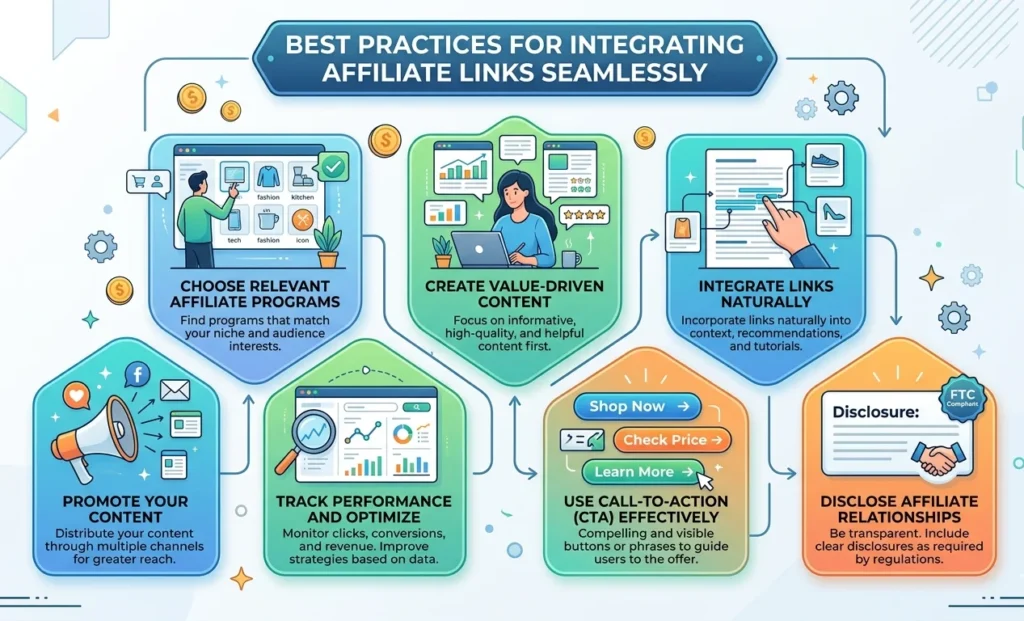
Integrating affiliate links into your content can be a great way to earn passive income while providing value to your readers. However, doing it seamlessly requires a thoughtful approach. Here are some best practices to help you integrate affiliate links effectively.
Choose Relevant Affiliate Programs
Selecting the right affiliate programs is crucial. Focus on programs that share common themes with your blog content and resonate with your audience’s interests. For example, if your blog focuses on photography, consider joining affiliate programs for photography equipment like B&H Photo Video or Amazon Photography.
Create Value-Driven Content
Your content should aim to educate and inform. Provide walkthroughs, tips, or strategies related to the products you’ll feature. This builds trust and encourages your readers to click on your affiliate links. Here’s how to approach it:
- Outline the tutorial: Break down the tutorial into manageable sections, presenting a step-by-step guide.
- Be descriptive: Use clear, simple language to explain concepts. Avoid jargon that might confuse your audience.
- Include visuals: Use images or screenshots to demonstrate the steps, making it easier for readers to follow along.
Integrate Links Naturally
When you mention products or resources, integrate your affiliate links naturally within the content. For instance, instead of simply saying, “You can buy a camera here,” you could say, “This camera has excellent reviews for beginners. You can check it out here.” This approach doesn’t feel forced and provides genuine recommendations.
Disclose Affiliate Relationships
Transparency is essential. Disclose that you may earn a commission from affiliate links. A simple statement such as, “This post may contain affiliate links, which help support my blog at no additional cost to you,” builds trust with your audience.
Use Call-to-Action (CTA) Effectively
Encourage your readers to take action. At various points in your tutorial, include CTAs that invite them to explore the products featured. Phrases like “Learn more about this product” or “See the latest prices” can encourage engagement.
Track Performance and Optimize
Monitor clicks on your affiliate links to evaluate their performance. Use tools like Google Analytics to see which links are driving traffic. Based on this data, you may want to:
- Adjust link placements if certain areas are not generating clicks.
- Experiment with different calls-to-action to see what resonates most.
- Update product recommendations based on current market trends.
Regularly optimizing your approach will help align your content strategy with your audience’s changing preferences.
Promote Your Content
Once your tutorial is live, promote it across social media, email newsletters, or relevant forums to reach a wider audience. Ensure to share snippets that highlight the value of your tutorial, encouraging clicks to both the post and the affiliate links included.
| Affiliate Program | Relevant Product Type | Commission Rate |
|---|---|---|
| B&H Photo Video | Photography Equipment | Up to 6% |
| Amazon Photography | General Products | Up to 10% |
By following these best practices, you can create tutorial blog posts that not only provide valuable information to your readers but also effectively integrate affiliate links. With the right approach, you can turn your blog into a fruitful venture while helping others in their journey.
Strategies to Drive Traffic to Your Tutorial Blog Post
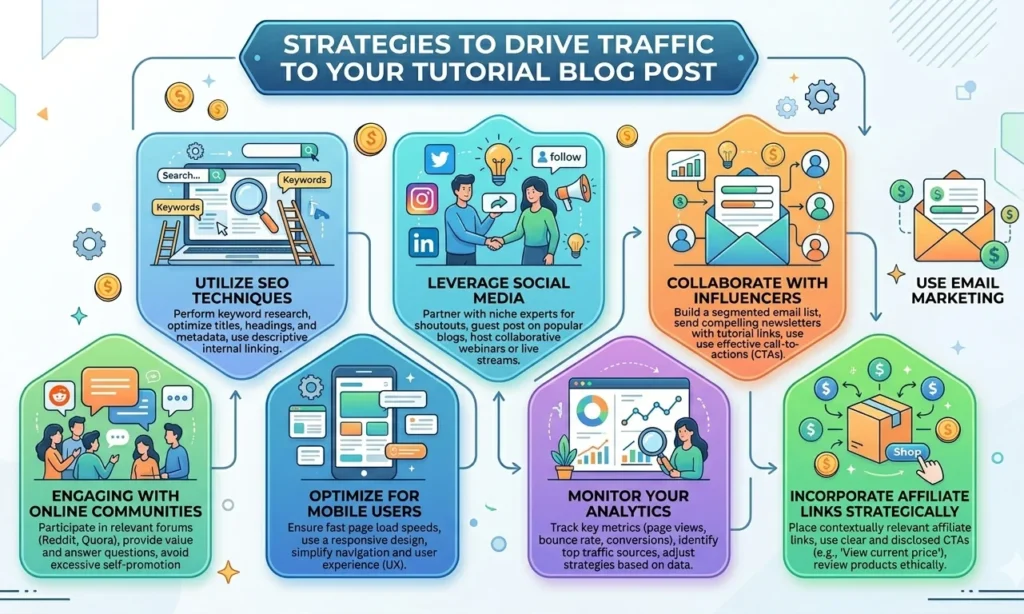
Writing a tutorial blog post is an excellent way to share your knowledge and skills while also potentially earning affiliate income. To maximize your reach and attract more readers, you need effective strategies to drive traffic to your post. Here are some actionable tips to increase visibility and engagement.
Utilize SEO Techniques
Search Engine Optimization (SEO) boosts your blog’s visibility on search engines. Here are key aspects to focus on:
- Keyword Research: Use tools like Moz to find relevant keywords related to your tutorial. Integrate these throughout your content naturally.
- On-Page SEO: Optimize title tags, meta descriptions, and headers. Each should include your primary keyword to rank better.
- Alt Text in Images: Use descriptive alt texts for images to enhance accessibility and assist search engine crawlers.
Leverage Social Media
Social media platforms can be a powerful tool to share your tutorial blog posts. Here are some strategies:
- Share Links: Regularly post links to your tutorial on platforms such as Facebook, X (Twitter), and Instagram.
- Engage with Your Audience: Respond to comments and share user-generated content. This can build a loyal community.
- Participate in Relevant Groups: Join Facebook groups or Discord channels related to your niche. Share your expertise and include your tutorial post where appropriate.
Collaborate with Influencers
Partnering with influencers in your niche can bring new traffic to your blog. They can share your content with their followers, giving you exposure to a broader audience. Consider guest blogging or offering to write a piece for them in exchange for promoting your tutorial.
Use Email Marketing
Email marketing remains a powerful traffic driver. Building an email list allows you to directly reach your audience with updates. Here’s how you can effectively use email:
- Create a Newsletter: Regularly send out a newsletter featuring your latest tutorials, tips, and affiliate products.
- Offer Exclusive Content: Provide subscribers with exclusive tips or resources that are not available on your blog. This incentivizes sign-ups.
Engaging with Online Communities
Find forums and online communities related to your niche. Websites like Reddit and Quora can be great places to share your knowledge. By answering questions and providing value, you can subtly direct readers to your tutorial blog post.
Optimize for Mobile Users
With a growing number of users accessing content through mobile devices, ensure that your blog is mobile-friendly. Responsive design can enhance user experience, reducing bounce rates and improving rankings.
Monitor Your Analytics
Track your progress through analytic tools to see which strategies work best. Monitor traffic sources, engagement levels, and conversion rates. Use this data to refine your approach and adapt your content strategy accordingly.
Incorporate Affiliate Links Strategically
When writing a tutorial blog post, affiliate links should be added naturally to provide value without overwhelming the reader. Use contextual links that guide users toward products or services that enhance their learning experience. For example, if your tutorial discusses photography techniques, linking to relevant photography gear is beneficial and relevant. You can join affiliate networks such as Amazon Associates to find products to recommend. By employing these strategies, not only will you drive traffic to your tutorial blog post, but you will also create a rich and engaging experience for your readers. The combination of useful content, effective SEO, and strategic outreach can lead to increased visibility and potential income from affiliate programs.
Measuring the Success of Your Affiliate Blog Content
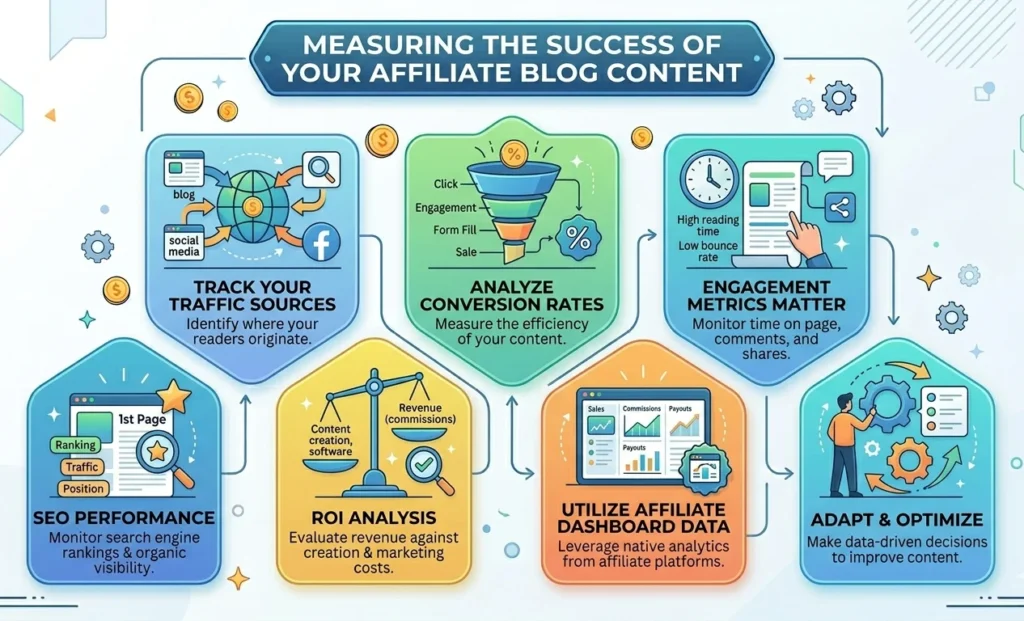
Measuring the success of your affiliate blog content is crucial for optimizing your strategies and maximizing your earnings. By tracking the right metrics, you can understand which aspects of your content resonate with your audience and drive conversions. Here are vital practices to help you analyze your affiliate blog content effectively.
Track Your Traffic Sources
Understanding where your traffic comes from provides insight into what channels are most effective. You can use tools like Google Analytics to measure this. Here’s what to consider:
- Organic Traffic: Are readers finding your blog via search engines? Use keyword research to ensure your content aligns with what users are searching for.
- Social Media: Track shares and engagement from platforms like Facebook or Instagram. Promoting your blog posts on these platforms can drive traffic.
- Email Marketing: If you’re sending newsletters, measure the click-through rate. It’s helpful to see how many subscribers are directly engaging with your affiliate content.
Analyze Conversion Rates
Conversion rates reveal how many visitors completed the desired action, such as clicking on affiliate links or making a purchase. To evaluate conversion rates:
- Identify Key Actions: Determine what actions signify success: clicks on affiliate links, purchases, or sign-ups.
- Use Tracking Tools: Implement UTM parameters in your affiliate links to track conversions more accurately and attribute them correctly.
- Monitor Trends Over Time: Regularly analyze conversion rates on your posts to spot patterns and identify what works.
Engagement Metrics Matter
Metrics like time on page, bounce rate, and comments are indicators of how well your audience engages with your content. Consider the following:
- Time on Page: A longer time usually indicates deeper engagement with your content, suggesting visitors find it valuable.
- Bounce Rate: A high bounce rate might indicate that visitors are not finding relevant content on your page. Improve the value of your posts to keep readers engaged.
- Comments and Social Shares: Reader interaction through comments and shares signifies a strong connection with your content.
SEO Performance
Your content’s search engine ranking affects how visible your affiliate links are. Here are key SEO metrics to track:
- Keyword Rankings: Use tools like SEMrush or Ahrefs to see how your keywords rank over time, especially those linked to your affiliate products.
- Backlinks: Quality backlinks can boost your blog’s authority. Monitor which posts attract inbound links and promote those topics further.
- Click-Through Rate (CTR): Examine how often your listings are clicked in search results to gauge the effectiveness of your titles and meta descriptions.
ROI Analysis
Understanding your return on investment (ROI) is key to measuring the financial success of your affiliate content. Follow these steps:
- Track Earnings: Keep a record of the commissions earned through your affiliate links to assess what content is generating the most revenue.
- Calculate Costs: Evaluate all costs involved, including hosting, domain registration, and marketing expenses.
- Assess ROI: Use the formula ROI = (Total Earnings – Total Costs) / Total Costs to determine the financial health of your affiliate strategy.
Utilize Affiliate Dashboard Data
Many affiliate programs provide dashboards to help you analyze performance metrics. Gain insights on:
- Clicks: See how many visitors are clicking on your affiliate links.
- Sales: Analyze which products are selling best and consider writing more content around those items.
- Trends by Date: Look at seasonal trends that might affect your sales patterns.
These strategies into your blogging routine will help you measure the success of your affiliate blog content effectively. For more in-depth insights on affiliate marketing, visit ShoutMeLoud or check out Smart Passive Income. Continuous assessment is vital for ongoing success. By systematically measuring and analyzing the performance of your content, you boost your earnings and provide valuable insights that can guide your future efforts.
Conclusion
Creating an effective tutorial blog post with affiliate links can significantly boost your online presence and income. By crafting engaging content that speaks directly to beginners, you can help your readers learn something new while simultaneously introducing them to valuable products. Remember to include clear, step-by-step instructions, visuals, and personal anecdotes to keep your audience invested.
Successful tutorials require not just good content but also strategic placement of affiliate links. Integrating these links seamlessly enhances your reader’s experience without coming off as overly promotional. Consider using anchor text or buttons to direct users smoothly and encourage clicks without it feeling forced.
Driving traffic to your tutorial blog post is vital. Utilize social media, SEO techniques, and partnerships to expand your reach. Sharing valuable insights on platforms relevant to your niche allows readers to find your tutorials organically. The more traffic you attract, the higher the potential conversion rate for your affiliate links.
Measuring the success of your blog content is crucial for continuous improvement. Analyze metrics such as click-through rates, conversion rates, and user engagement. Tools like Google Analytics can provide valuable insights that help you refine your approach over time.
By focusing on these aspects, you empower your readers while ensuring that your tutorial blog posts become a reliable source of information and affiliate success. With the right mix of strategy and genuine value, you can turn any tutorial into a win-win situation for both you and your audience.