
Best Way to Promote Affiliate Links in A Newsletter

ATTENTION: Want to Learn Affiliate Marketing from Successful Affiliates?
Promoting affiliate links through newsletters can be a highly effective way to generate revenue while engaging with your audience. The right strategies can help you connect with your readers and increase the likelihood that they’ll click on your affiliate links. Below are some effective methods to consider.
Understand Your Audience
Before you start promoting affiliate links, take time to understand your audience. Knowing their preferences, interests, and pain points can guide you in selecting products or services that resonate with them. Tailoring your content specifically to your audience makes it more likely they will engage with your newsletter.
Use Compelling Content
The backbone of a successful newsletter is compelling content. Consider these approaches:
- Personal Stories: Share personal anecdotes that relate to the product you’re promoting. This builds trust and authenticity.
- Product Reviews: Write honest, thorough reviews of the affiliate products you recommend, highlighting both pros and cons.
- How-to Guides: Create guides that incorporate the affiliate product as a solution to a problem your audience may face.
Incorporate Eye-Catching Design
Your newsletter design plays a crucial role in enticing readers. Here are some tips for a visually appealing newsletter:
- Use Attractive Colors: Select colors that align with your brand while being easy on the eyes.
- Use Images: Add high-quality images of the products you’re promoting, as this draws attention and helps convey your message.
- Clear Call-to-Action: Ensure your affiliate links are integrated with strong calls-to-action, encouraging your audience to click through.
Segment Your Audience
Rather than sending the same newsletter to everyone, segment your audience based on their interests and behaviors. This allows you to tailor the content more precisely, increasing the chances of conversion. For instance, if a segment is interested in fitness, promote affiliate products related to health and exercise.
Ensure Transparency
Being transparent about your affiliate links is essential for establishing trust. Make sure to disclose that you earn a commission from affiliate links. This enhances credibility and follows legal requirements.
Provide Exclusive Offers
Exclusive offers and discounts can incentivize your audience to click on your affiliate links. Consider negotiating special deals with merchants and promoting them in your newsletter. This makes your offerings more attractive and encourages readers to take action.
Test and Measure Your Campaigns
To ensure your newsletter conversion rates are optimal, consistently test different elements of your campaigns. Measure the performance of various strategies, such as:
- Subject lines
- Call-to-action placement
- Content length
- Timing and frequency of sends
Use tools like Mailchimp or SendinBlue to track open rates, click-through rates, and conversions. Analyzing this data helps refine your techniques over time.
Leverage Social Proof
Including testimonials and user experiences can effectively promote affiliate products. When your audience sees that others have had positive experiences, they are more likely to trust your recommendations. You can embed testimonials directly in your newsletter or link to blog posts that showcase user stories.
Utilize A/B Testing
A/B testing different aspects of your newsletter can provide valuable insights. Test subject lines, layouts, or different affiliate products. By analyzing which versions yield better results, you can optimize future newsletters to maximize engagement and conversions.
Maximize Email Capture
Email capture forms can be a powerful tool for building your newsletter subscriber list. Offer free content, like eBooks or exclusive webinars, in exchange for email addresses. This helps grow your audience and sets the stage for successful affiliate marketing.
This approach enables you to create a steady stream of interested readers who are more likely to engage with your affiliate content. Keep your newsletter focused, valuable, and aligned with your audience’s interests to nurture a loyal subscriber base.
By understanding your audience, crafting compelling content, and ensuring transparency, you can create newsletters that not only promote affiliate links effectively but also foster genuine connections with your readers.
Crafting Compelling Newsletter Content that Engages Readers
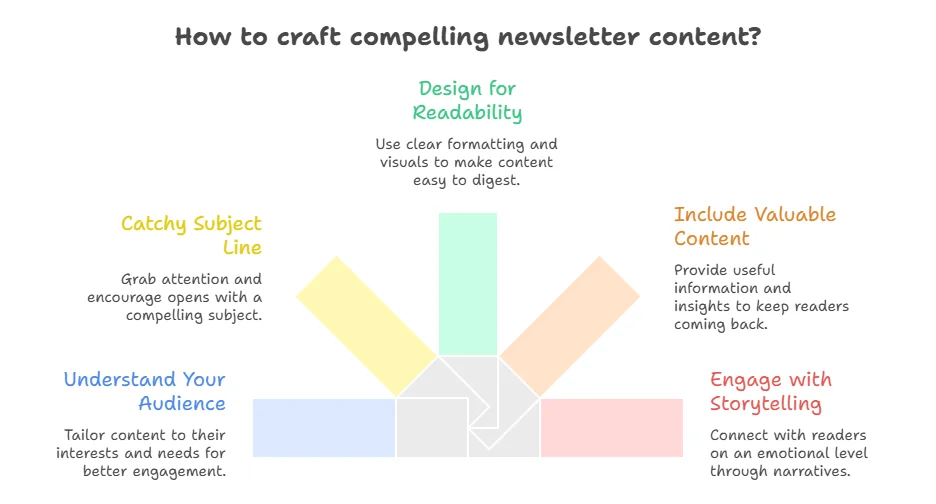
Creating compelling newsletter content can transform how you engage with your readers. A well-crafted newsletter communicates vital information and builds a deeper connection with your audience. Here are some effective strategies you can use to enhance your newsletter’s content and engage your readers more effectively.
Understand Your Audience
The first step in crafting engaging content is knowing who your readers are. You should aim to understand their preferences, interests, and pain points. When you tailor your content to suit their needs, you’ll see a noticeable improvement in engagement rates. Analyzing your audience allows you to create topics that resonate more effectively.
Utilize a Catchy Subject Line
Your subject line is critical in capturing your audience’s attention. An intriguing subject line can entice readers to open your newsletter, while a dull one can lead to low open rates. Here are some tips to create compelling subject lines:
- Use action verbs (e.g., “Discover,” “Unlock,” “Explore”).
- Keep it short and sweet; aim for 40 characters or less.
- Add a personal touch by including the recipient’s name if possible.
- Create urgency or exclusivity (“Last Chance!” or “Exclusive Offer for You”).
Design for Readability
The layout of your newsletter plays a significant role in its effectiveness.
| Element | Best Practices |
|---|---|
| Font Type | Use clean, easy-to-read fonts (e.g., Arial, Helvetica). |
| Font Size | Aim for 14-16pt for body text and larger for headlines. |
| Images | Incorporate relevant visuals to break up text and add interest. |
| White Space | Use ample white space to avoid a cluttered look. |
Include Valuable Content
Your newsletter must provide value to the reader. This could include tutorials, helpful tips, or insightful articles. If you have a blog, consider linking to your latest posts as they can offer additional resources without overwhelming your newsletter. WordStream provides great tips on crafting valuable content that your audience will love.
Engage with Storytelling
Storytelling is a powerful tool in newsletters. By sharing personal experiences or customer stories, you create a narrative that can captivate your audience. This approach humanizes your brand and makes your content relatable. Whether it’s a success story or a lesson learned, stories always resonate with readers.
Call to Action (CTA)
Every piece of content should include a call to action. Whether you want your readers to click on a link, purchase a product, or fill out a survey, a clear CTA can guide them to take the next step. Make your CTA actionable and concise. For example:
- “Sign up for our webinar.”
- “Get your discount now!”
- “Share your thoughts—reply to this email.”
Measure and Adjust
Measuring the performance of your newsletter content is vital. Use analytics tools to monitor open rates, click-through rates, and subscriber engagement levels. Understanding what works best will help you refine and adjust your strategies over time. Tools such as Mailchimp provide insights into your campaigns and help you optimize future newsletters.
The Importance of Building an Email List for Affiliate Marketing
Building an email list is one of the most crucial strategies for anyone involved in affiliate marketing. Your email list is more than just a collection of contacts; it’s an invaluable asset that can significantly enhance your marketing efforts. When you have a targeted group of subscribers, you can promote your affiliate links more effectively, thus increasing your chances of sales and conversions.
For successful affiliate marketing, fostering relationships with your audience is key. Unlike social media, where you’re at the mercy of algorithms, an email list gives you direct access to your subscribers. This direct line of communication allows you to share updates, offers, and content that resonates with your audience’s interests.
One primary reason to build an email list is control. Social media platforms frequently change their algorithms, making it hard for your content to reach your target audience. However, when you have your email list, you can reach your subscribers anytime you want, ensuring that your affiliate promotions are seen.
Here are some advanced strategies to effectively grow your email list for affiliate marketing:
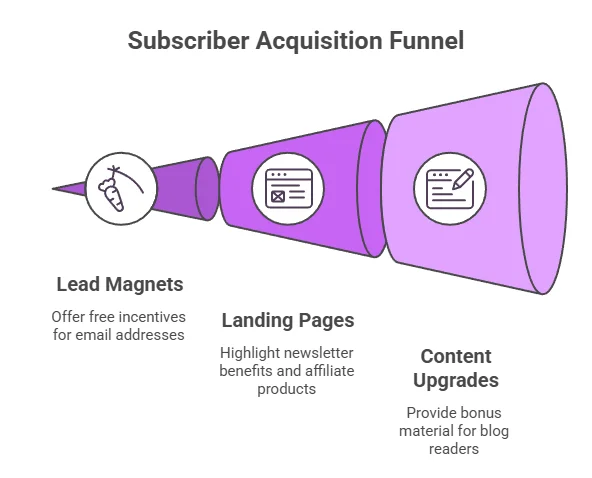
- Lead Magnets: Create unique incentives such as eBooks, checklists, or exclusive content that subscribers can get for free in exchange for their email addresses.
- Landing Pages: Design dedicated landing pages that explain the benefits of your newsletter and the value subscribers will receive, focusing on your affiliate products.
- Content Upgrades: If you have a blog, offer specific enhancements related to your best-performing posts, like an in-depth guide or bonus material that complements the content. This encourages readers to subscribe to access more valuable insights.
Next, segmenting your email list can be very effective for increasing engagement. When subscribers receive tailored content that matches their interests and previous behaviors, they are more likely to engage with your affiliate links. For instance, if someone signed up for information on gardening tools, sending them targeted emails about affiliate products in that niche will enhance the likelihood of conversion.
Additionally, maintaining consistent communication with your subscribers builds trust. You don’t have to overly promote products in every email. Let your audience know that there will be occasional updates about affiliate offerings, but also include helpful content or tips that provide even more value. This balance can maintain subscriber interest without overwhelming them with sales pitches.
To make your emails more appealing, incorporate visually engaging elements. Use images, infographics, or videos related to affiliate products. Research shows that high-quality visuals can increase click rates. Always include clear calls to action (CTAs) encouraging readers to click on your affiliate links.
Using analytics to track your email campaigns is essential. Pay attention to open rates, click-through rates, and conversions to see what works best for your audience. Tools like Mailchimp or Constant Contact offer valuable data that can help you optimize future campaigns.
To illustrate the importance of email lists in affiliate marketing, consider the following:
| Email List Size | Average Click-Through Rate | Average Conversion Rate |
|---|---|---|
| 1,000 subscribers | 15% (150 clicks) | 2% (3 sales) |
| 5,000 subscribers | 18% (900 clicks) | 3% (27 sales) |
| 10,000 subscribers | 20% (2,000 clicks) | 4% (80 sales) |
This simple table reflects how a growing email list can lead to increased clicks and conversions for your affiliate links. With a 10,000 subscriber list, you could potentially achieve up to 80 sales from a single campaign compared to just three from a list of 1,000.
Ensure you are compliant with regulations such as the GDPR when collecting emails. Give participants transparency about how you’ll use their data and make it easy for them to unsubscribe if they wish, to maintain a clean, engaged list.
Building an email list is paramount for anyone keen on thriving in affiliate marketing. By implementing strong strategies and maintaining solid communication, you can significantly amplify the effectiveness of your affiliate links and foster long-lasting connections with your audience.
Best Practices for Tracking and Analyzing Affiliate Link Performance
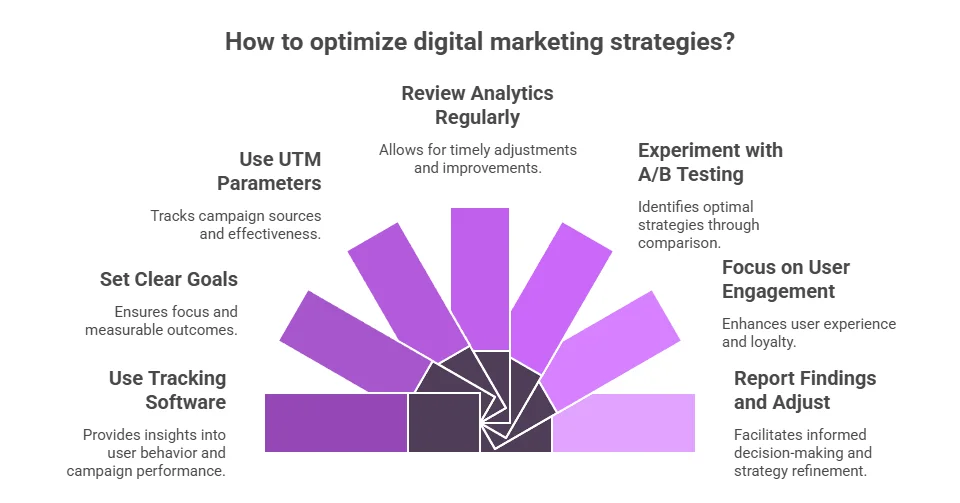
Tracking and analyzing affiliate link performance is crucial for optimizing your affiliate marketing strategy. By measuring how well your links convert, you can adjust your approach to maximize your earnings. Below are some of the best practices that you can implement to effectively track and analyze your affiliate link performance.
Utilize Tracking Software
Investing in tracking software is one of the best ways to monitor your affiliate links. Tools like ThirstyAffiliates provide easy management and tracking of your affiliate links. With these tools, you can:
- View click counts
- Monitor conversion rates
- Identify high-performing links
Additionally, tracking software can help you segment data by different demographics, which is vital for tailoring your marketing efforts.
Set Clear Goals
Before diving into tracking, it is essential to set clear goals. This way, you will know what metrics are most important to analyze. Consider the following goals:
- Increase click-through rates
- Boost conversion rates
- Enhance user engagement
These objectives will guide you in determining what data you should closely monitor.
Use UTM Parameters
UTM parameters are unique tags you can add to your affiliate links. They track the effectiveness of your campaigns. Here’s how to implement them:
- Use the Campaign URL Builder from Google to create UTM-tagged links.
- Share these links across your emails or social platforms.
- Analyze the data in Google Analytics to understand where your traffic is coming from and how it’s converting.
Review Analytics Regularly
Monitoring your analytics regularly ensures that you do not miss any shifts in performance. Set a schedule to check your performance, such as:
- Weekly for clicks
- Monthly for conversions
This routine allows you to adjust your affiliate strategies in real-time. For instance, if you notice a drop in clicks, you may want to change your promotional tactics.
Experiment with A/B Testing
To optimize your affiliate links, consider A/B testing. This method involves creating two versions of a link and measuring which one performs better. Here’s a simple approach:
- Version A: Original link positioning in your email newsletter
- Version B: Alternate positioning with different call-to-action wording
Analyzing the results will not only help you understand what resonates more with your audience but also lead to improved conversions.
Focus on User Engagement Metrics
Don’t just rely on clicks or conversions. Monitoring user engagement metrics can provide invaluable insights. Consider the following metrics:
- Bounce rate
- Time on page
- Pages per session
Engagement metrics can assist you in understanding the overall experience users have with your content and links.
Report Findings and Adjust Strategies
Documenting your findings is vital. Create a report summarizing your performance metrics, and share this data with your team or movement stakeholders. Use the insights gained from your analysis to:
- Refine your advertising strategies
- Adjust your affiliate partnerships
- Implement better content strategies
Through consistent reporting and analysis, you’ll be better equipped to make data-driven decisions.
| Key Metrics | What to Monitor |
|---|---|
| Clicks | Total number of clicks on the affiliate link. |
| Conversions | Number of completed sales or actions after clicking the link. |
| Revenue | Total earnings generated from the affiliate link. |
Tips for Designing Eye-Catching Newsletters that Drive Conversions
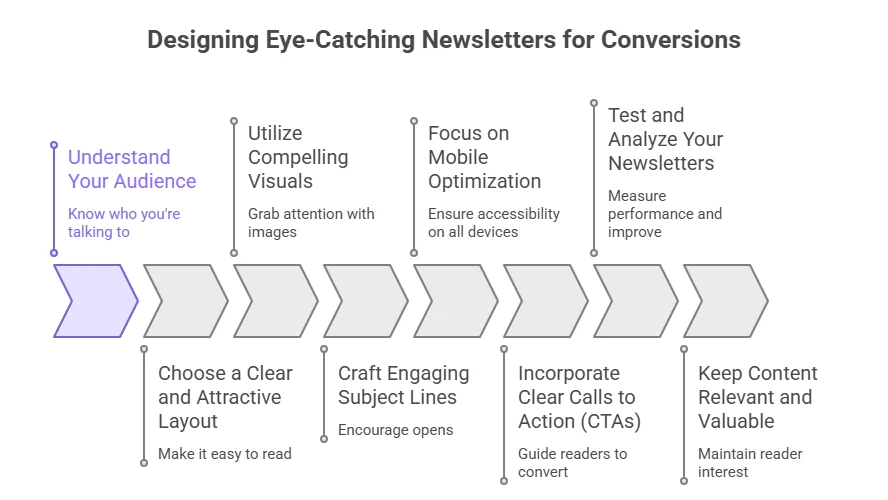
Creating eye-catching newsletters is essential for fostering engagement and driving conversions. You want your audience to look forward to receiving your emails, which means you need to invest time in the design. Here are some tips to help you craft newsletters that capture attention and motivate readers to take action.
Understand Your Audience
Before diving into design, you should know your audience’s preferences and interests. Tailoring your content and visuals can significantly increase engagement. Consider conducting surveys or using analytics to gather insights into what resonates with your subscribers. Use that data to create content they’ll love.
Choose a Clear and Attractive Layout
Your layout can make or break the effectiveness of your newsletter. A clean structure guides your readers through the content without overwhelming them. Follow these layout tips for better results:
- Utilize whitespace to create breathing room around your text and images.
- Make use of a grid layout to organize information logically.
- Prioritize the most important information at the top of the newsletter.
Utilize Compelling Visuals
Images, graphics, and videos can help convey your message more effectively than text alone. Ensure that each visual element you use aligns with your brand and message. Here are some strategies for incorporating visuals:
- Select high-quality images that resonate with your audience.
- Incorporate brand colors and fonts to maintain consistency.
- Use GIFs or videos to make your emails more dynamic.
Craft Engaging Subject Lines
The subject line is your first impression. An eye-catching subject line can boost your open rates. To create compelling subject lines:
- Keep it short and sweet, ideally under 50 characters.
- Create a sense of urgency or exclusivity. For example, mention limited-time offers.
- Personalize it by including the recipient’s name or specific interests.
Focus on Mobile Optimization
With most users accessing emails through their mobile devices, your newsletter must be mobile-friendly. Here’s how to ensure a great mobile experience:
- Use responsive design so that your newsletter adapts to various screen sizes.
- Keep your font size readable; aim for at least 14px for body text.
- Limit the use of large images that might slow down loading times.
Incorporate Clear Calls to Action (CTAs)
Every newsletter should have a purpose. Whether you’re promoting a product, sharing a blog post, or encouraging social media engagement, a strong call to action is crucial. Effective CTA strategies include:
- Make your CTA buttons large and bold, ensuring they stand out.
- Use actionable language such as “Shop Now” or “Discover More.”
- Place CTAs strategically within the newsletter so readers encounter them naturally.
Test and Analyze Your Newsletters
Testing different elements of your newsletters can lead to significant improvements. Consider A/B testing for various subject lines, layouts, or visuals. Use analytics to track open rates, click-through rates, and conversion rates to understand what works best for your audience.
Keep Content Relevant and Valuable
Content is still king. Ensure that every newsletter delivers value. This can be done through:
- Offering exclusive discounts or promotions only for newsletter subscribers.
- Sharing informative articles or insights related to your niche.
- Encouraging user-generated content, like reviews and testimonials.
Conclusion
Promoting affiliate links in a newsletter requires a thoughtful and strategic approach that centers on your audience. By implementing effective strategies, you boost your affiliate sales and enhance reader engagement. Crafting compelling content is essential; it’s your opportunity to connect with your subscribers and keep them coming back for more. Sharing valuable insights, helpful tips, or entertaining stories tailored to their interests creates a strong bond that encourages them to take action on your affiliate links.
Building an email list stands as one of the cornerstones of successful affiliate marketing. By nurturing this list, you cultivate a community of engaged individuals who trust your recommendations. Moreover, analyzing the performance of your affiliate links helps you understand what resonates with your audience, enabling you to refine your strategies for better results. Utilizing tracking tools allows you to identify which products or services convert best, ensuring you focus your efforts where they’ll have the most impact.
The design of your newsletter plays a critical role in driving conversions. An eye-catching layout, combined with a clear call to action, makes it easier for readers to engage with your affiliate offers. By integrating these elements—effective strategies, compelling content, nurturing your email list, diligent tracking, and appealing design—you enhance your chances of success. Remember, the key is to consistently deliver value and foster a genuine relationship with your subscribers, making them more likely to trust your recommendations and ultimately click on those affiliate links.