How to Do Affiliate Marketing on Facebook Groups Legally?

ATTENTION: Want to Learn Affiliate Marketing from Successful Affiliates?
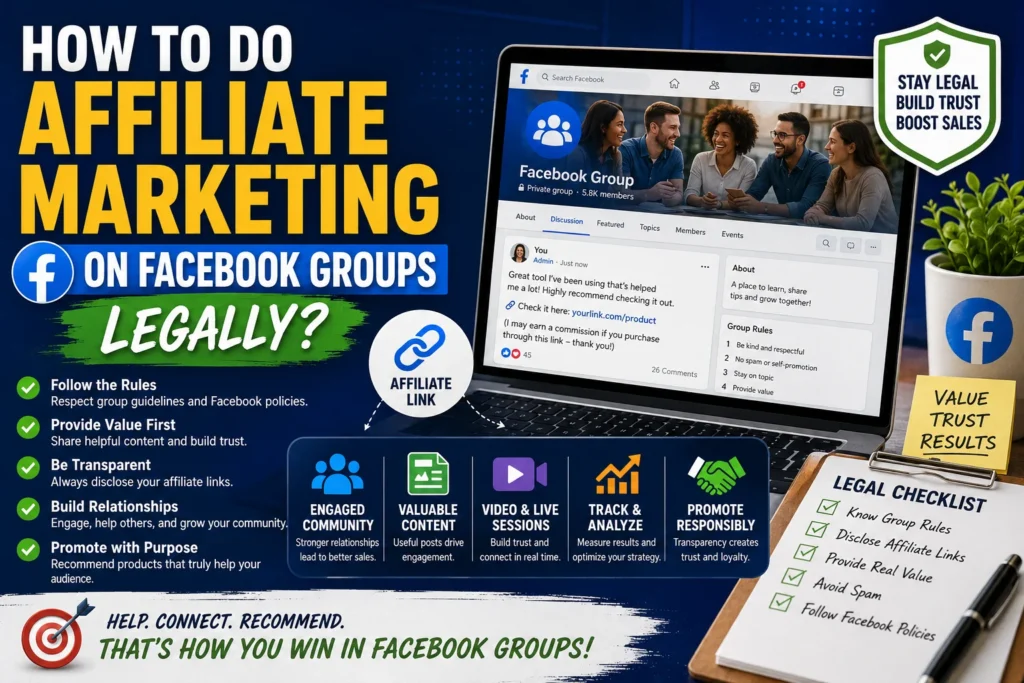
Affiliate marketing has become a popular way to earn passive income, especially on platforms like Facebook. By leveraging Facebook groups, you can reach specific audiences and promote products effectively. However, it’s essential to approach this strategy correctly to avoid being flagged for spam or violating Facebook’s policies. Here are some effective strategies to engage in affiliate marketing in Facebook groups legally.
Understand the Group’s Rules
Before posting affiliate links in any Facebook group, it is crucial to read and understand the group’s rules. Many groups prohibit promotional content. Be respectful of these guidelines to maintain a good standing in the community. You can often find these rules pinned at the top of the group’s page or in the “About” section.
Choose the Right Niche
Select a Facebook group that fits your niche. This will help you connect with members genuinely interested in the products you are promoting. Look for groups dedicated to specific interests, hobbies, or industries related to your affiliate products. You can use the Facebook search bar to discover groups by typing keywords related to your niche.
Build Genuine Relationships
Engagement is key to successful affiliate marketing on Facebook groups. Start by participating in discussions, answering questions, and providing valuable content. Here are some tips:
- Be active: Join conversations and comment on posts regularly.
- Provide value: Share tips, advice, or your experiences related to your niche.
- Be authentic: Avoid coming off as just a salesperson. Focus on building trust.
Share Content Before Promotion
Rather than immediately posting your affiliate link, consider sharing valuable content first. This could be a useful article, a how-to video, or a personal story that relates to the products. By establishing yourself as a helpful member of the group, you’ll create goodwill, making members more likely to trust your recommendations when you later share your affiliate link.
Utilize Facebook Live and Videos
Video content can be extremely effective. Consider hosting a Facebook Live session to discuss a topic related to your product. This kind of direct engagement helps your audience see you as a person rather than just a digital marketer. Additionally, you can incorporate your affiliate link in the video description or mention it during the stream:
- Introduce the problem your product solves.
- Demonstrate the product’s features and benefits.
- Invite viewers to check out your link for more details.
Share Testimonials and Success Stories
People relate to stories. Sharing testimonials or success stories can build trust and encourage members to consider your affiliate products seriously. Make sure to get permission from individuals before sharing their experiences, or share your own story of how the product helped you.
Leverage Facebook Polls and Questions
Creating polls or asking questions can engage the group and gather insights about their preferences. Here’s how:
- Ask members about their favorite products in your niche.
- Use polls to gather opinions on what people need help with.
- Tailor your future posts based on their feedback.
Use Personal Stories and Testimonials
When promoting products, personal stories about how these items positively impacted your life can resonate with the audience. Combine storytelling with data. Consider creating a table to compare your product with competitors to show its superiority.
| Feature | Your Product | Competitor Product |
|---|---|---|
| Price | $49 | $69 |
| Guarantee | 60 Days | 30 Days |
| Customer Support | 24/7 Chat | Email Only |
Track Your Links
Ensure you track the performance of your affiliate links. Using tools like Bitly or Google Analytics allows you to monitor which posts drive the most sales. This data will help you refine your approach and optimize future posts.
Success in affiliate marketing within Facebook groups hinges on building relationships and providing value while adhering to group rules. Always remember to respect the community, as this will lead to a more sustainable approach in your affiliate marketing journey.
Understanding the Legal Guidelines for Promoting Affiliate Links
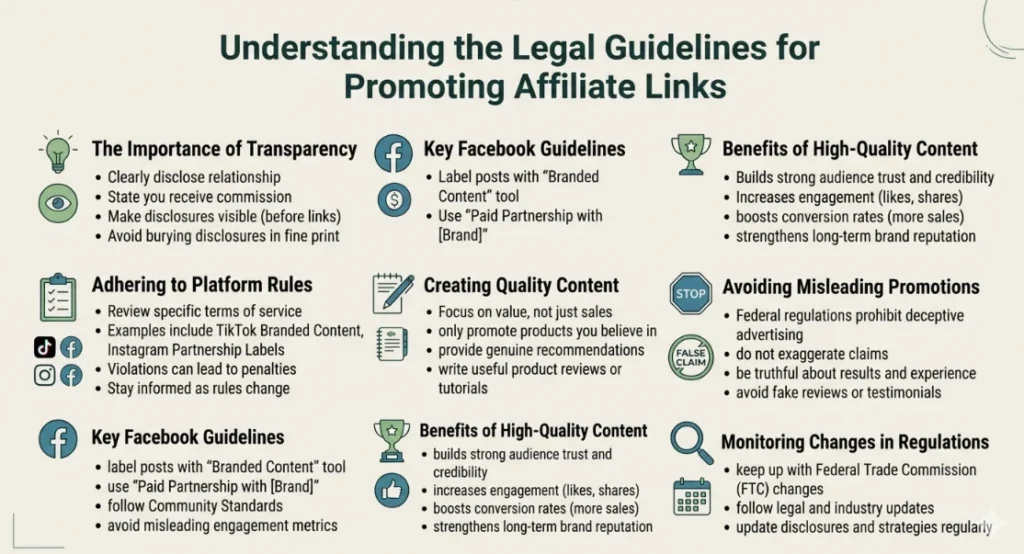
If you’re entering the world of affiliate marketing, understanding the legal guidelines for promoting affiliate links is crucial. Not only does adhering to these guidelines help you maintain credibility, but it also ensures you remain compliant with regulations that could potentially lead to penalties. The following points will help you navigate these important legal waters effectively.
The Importance of Transparency
One of the foremost obligations for anyone engaging in affiliate marketing is transparency. This means clearly disclosing your affiliate relationships to your audience. The Federal Trade Commission (FTC) has established guidelines requiring marketers to inform their followers when a link is an affiliate link. Transparency fosters trust with your audience and can significantly enhance your reputation.
Tips for Disclosure
- Use clear language such as “I earn a commission for purchases made through this link.”
- Include the disclosure at the start of your post or content where the affiliate link is featured.
- Make the disclosure prominent so that it’s impossible to overlook.
Adhering to Platform Rules
Each platform may have specific policies regarding affiliate marketing. For instance, Facebook Groups have their own set of guidelines. It’s essential to familiarize yourself with the rules of any platform where you want to promote affiliate links. Violating these rules can lead to account suspension or removal from the platform.
Key Facebook Guidelines
- Ensure that promotional posts provide genuine value to the group.
- Avoid spamming. Only share your affiliate links when appropriate and relevant to the discussion.
- Respect the group’s focus—don’t bombard unrelated groups with your links.
Creating Quality Content
Focusing on quality is another way to ensure you remain compliant. Content that provides real value is more likely to be accepted by both your audience and the platforms you use. Avoid making exaggerated claims about the products you’re promoting. Instead, provide honest reviews and insights.
Benefits of High-Quality Content
- Build trust, resulting in more conversions.
- Enhance your SEO efforts, making your content more discoverable.
- Encourage audience engagement, leading to greater reach and visibility.
Avoiding Misleading Promotions
Misleading information can lead to legal consequences and damage your credibility. Always represent the product or service accurately. Ensure that the claims you make are backed by sufficient evidence. Avoid using deceptive language that could mislead your audience.
Monitoring Changes in Regulations
Legal guidelines are ever-evolving. Stay updated on changes in regulations both at the federal level and on social media platforms. Engaging in affiliate marketing means you must be proactive about compliance to avoid complications.
Useful Resources for Compliance
| Resource | Description | Link |
|---|---|---|
| FTC Guidelines | Official guidelines from the Federal Trade Commission on endorsements and testimonials. | FTC Guidelines |
| Facebook Commerce Policies | Learn about Facebook’s rules regarding commerce and marketing practices. | Facebook Commerce Policies |
| Affiliate Marketing Best Practices | Resource detailing best practices for ethical affiliate marketing. | Affiliate Marketing Best Practices |
Engaging in affiliate marketing can be a fulfilling venture, especially on social media platforms such as Facebook. However, keeping abreast of the legal requirements is essential for lasting success. Adhering to your obligations, including transparency, quality content, and compliance with platform policies, can lead to a successful affiliate marketing strategy that not only benefits you but also your audience.
Building an Engaged Community to Boost Your Affiliate Sales
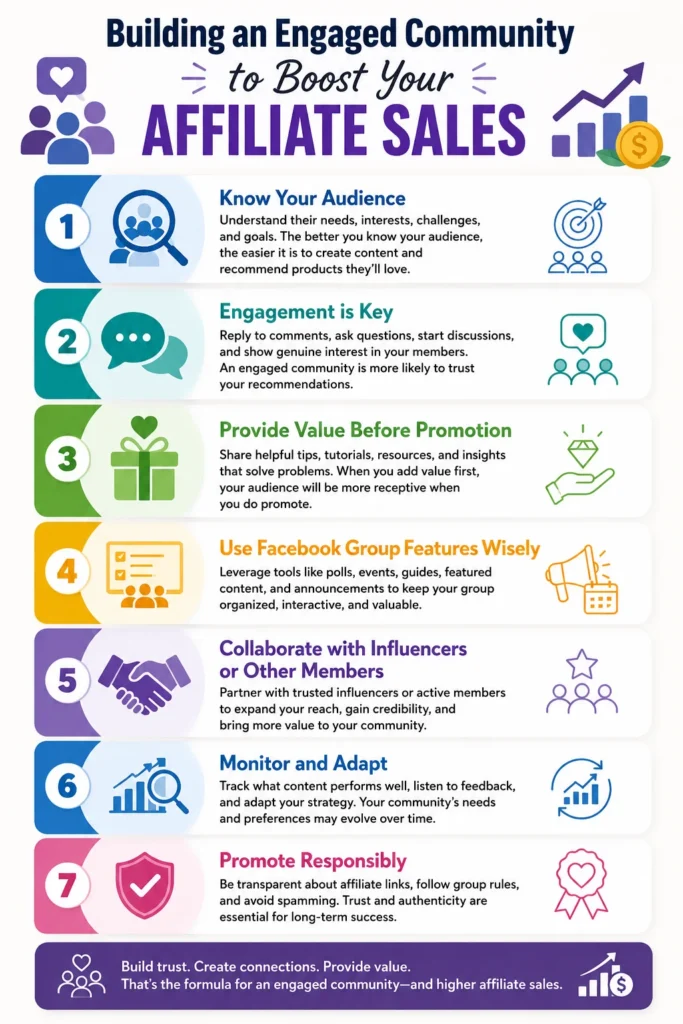
Building an engaged community is crucial for maximizing your affiliate sales. When people feel connected, informed, and valued, they are more likely to make purchases based on your recommendations. This guide will help you understand how to build such a community effectively.
Know Your Audience
The first step in building a strong community is knowing who your audience is. Understand their needs, wants, and pain points. Survey them, ask questions, or simply engage with them to figure out what they care about. By doing this, you can tailor your content and affiliate offers to meet their expectations. Here are a few effective methods:
- Use Facebook polls to gather feedback.
- Ask open-ended questions in your group discussions.
- Run contests to engage your members and understand their preferences.
Engagement is Key
Active participation in your community strengthens relationships. Reply to comments, start conversations, and encourage members to share their experiences. Create a welcoming atmosphere where everyone feels comfortable expressing their thoughts. Here are some strategies to enhance engagement:
- Post regular updates and encourage discussions.
- Share exclusive content, such as tutorials and tips relevant to the products you promote.
- Host live Q&A sessions to provide immediate value.
Provide Value Before Promotion
While promoting your affiliate links is essential, it shouldn’t be your only focus. Share valuable content that helps your community members solve problems. Offer insights, tips, and resources that relate to the products you’re selling. For example, if you promote fitness products, share workout routines, nutritional advice, and how-to guides. This builds trust and establishes you as an authority in your niche.
Use Facebook Group Features Wisely
Facebook Groups come with many features that can promote engagement. Use them to your advantage:
- Pin important posts to the top of your group.
- Utilize the events feature to announce webinars or special promotions.
- Create themed days, like “Tip Tuesday” or “Feature Friday,” to keep content fresh and engaging.
Collaborate with Influencers or Other Members
Working with influencers can significantly expand your reach. Identify key members in your niche and collaborate on content that your audiences will find appealing. Joint ventures can help you gain credibility and introduce your affiliate products to a broader audience without spending a lot on advertising.
Monitor and Adapt
Pay attention to your group’s analytics to see what content performs best. Facebook provides insights that reveal how many people engage with your posts. Use this data to refine your strategies constantly. If a particular type of content drives conversations and shares, double down on that.
Promote Responsibly
Always disclose your affiliate relationships. Transparency builds trust with your audience and helps you comply with legal regulations. You can say things like “I may earn a commission from the links provided” in your posts. This straightforward approach will save you from possible legal trouble and reinforce your audience’s trust in you.
Examples of Successful Strategies
| Strategy | Description | Impact |
|---|---|---|
| Weekly Webinars | Host webinars to provide in-depth information about products. | Increased trust and higher sales. |
| Exclusive Deals | Offer discount codes available only to group members. | Boosts member engagement and encourages purchases. |
| Testimonials and Reviews | Share user-generated content focused on product experiences. | Creates social proof and influences buying decisions. |
For more insights on building your affiliate marketing strategy, check out Blogging Wizard and Smart Passive Income. The more value you provide to your community, the more likely you are to see an increase in your affiliate sales. Focus on creating authentic connections, and the results will surely follow.
Content Creation Tips That Drive Engagement in Facebook Groups
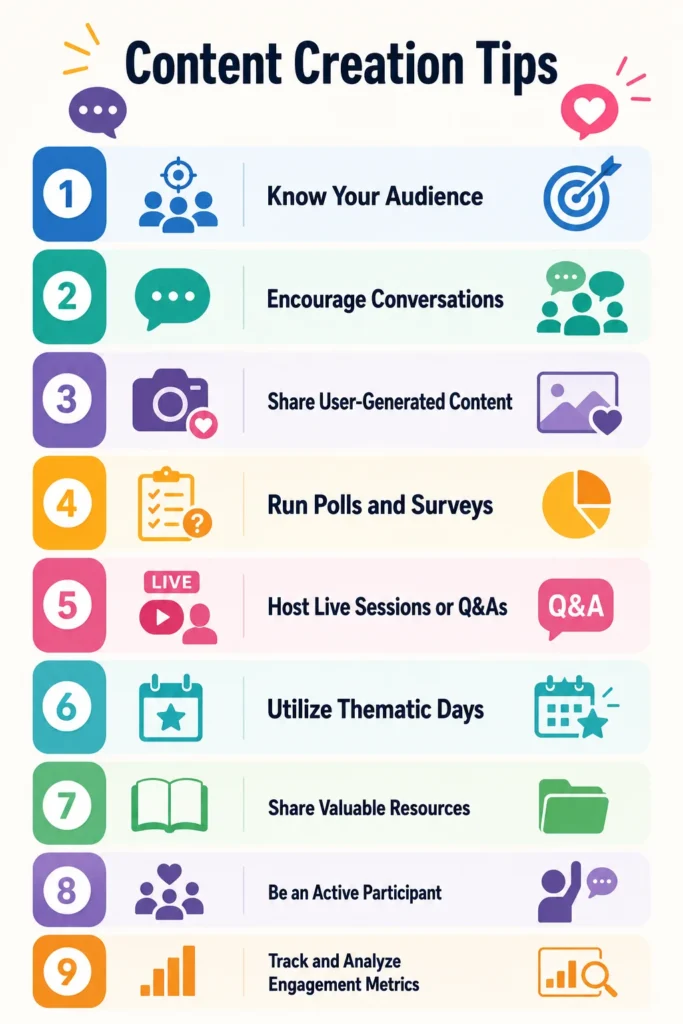
Creating valuable content is essential for engaging members and driving conversations in Facebook Groups. Here are some effective strategies that can significantly boost member engagement.
Know Your Audience
Understanding who your group members are is critical. Tailoring your content to meet their interests and needs fosters a stronger connection. Analyze group demographics and observe discussions to gather insights.
Encourage Conversations
Promote a culture of discussion by asking open-ended questions. This approach invites members to share their thoughts and experiences. Examples include:
- “What’s the best piece of advice you’ve ever received?”
- “How did you overcome a particular challenge in your field?”
- “What tools do you use to stay productive?”
Open-ended questions stimulate interaction and make members feel valued. Additionally, responding to comments encourages more participation.
Create Compelling Visuals
Visual content captures attention more effectively than text alone. Use eye-catching images, infographics, or short videos to complement your posts. Consider using tools like Canva or Piktochart to create stunning visuals that communicate your message efficiently.
Share User-Generated Content
Encourage members to share their experiences and accomplishments. By showcasing user-generated content, you create a sense of community and provide authentic material that resonates with your audience. This can include:
- Testimonials or feedback about specific products or services.
- Success stories from community members.
- Photos of group members using products related to the group theme.
When members see their contributions recognized, they feel valued and are more likely to engage.
Run Polls and Surveys
Polls and surveys are excellent ways to engage your audience while collecting valuable data. Create quick polls about relevant topics or preferences within the group. This technique engages members and provides insight into their preferences, allowing you to refine your content strategy.
Host Live Sessions or Q&As
Live video sessions or Q&A opportunities can elevate group engagement significantly. Schedule regular live broadcasts where expert members or industry leaders discuss trending topics relevant to the group. This approach creates immediacy and encourages active participation.
Utilize Thematic Days
Establishing ‘thematic days’ can boost content consistency and anticipation. For example, you could designate Monday for motivational quotes, Wednesday for helpful tips, and Friday for spotlighting members. Structure your posts around designated themes, making it easier for members to engage with content they love.
Share Valuable Resources
Offer premium resources such as eBooks, templates, or guides that members find useful. Position these resources as exclusive offers for group members. An effective method is to gauge interest through polls or discussions, ensuring that the resources reflect what they value most.
Be an Active Participant
Your presence in the group as a moderator is crucial. Regularly engaging with posts, providing feedback, and answering questions builds a sense of community. Members are more likely to participate when they see an active leader.
Track and Analyze Engagement Metrics
Measuring engagement through insights from Facebook Groups can help you adjust your content strategies. Monitor likes, comments, and shares to understand which types of content resonate best, and iterate accordingly. Consider using metrics from tools like Hootsuite for a comprehensive understanding of your group’s dynamics.
Use Polls and Social Campaigns
Occasionally running campaigns or contests can spark excitement and interest. Promote these campaigns within the group to drive participation and engagement. By implementing these tips, you’ll create an interactive environment in your Facebook Group that encourages participation and builds a sense of community. With the right strategy and content, engaging your audience becomes a fulfilling endeavor. For more insights on boosting Facebook Group engagement, check out Social Media Examiner and Buffer for the latest tips and trends.
Analyzing the Best Affiliate Programs for Facebook Group Promotion
Finding the right affiliate programs to promote in Facebook groups can significantly boost your income while engaging your audience. This process includes assessing the commission structure, target audience, and product relevance. The key is to align your promotions with the interests of your group members.
Look for Relevant Products
The first step is ensuring that the affiliate products or services you choose resonate with your group’s focus. For example, if your Facebook group discusses fitness, look for affiliate programs in the health and wellness sector. Here are some popular niches with their respective affiliate programs:
- Health and Fitness: Consider programs like Amazon Associates for nutritional supplements.
- Technology: Programs like Apple’s Affiliate Program offer ample options for tech products.
- Finance: Explore financial tools through programs like Shopify Affiliate Program.
Evaluating Commission Structures
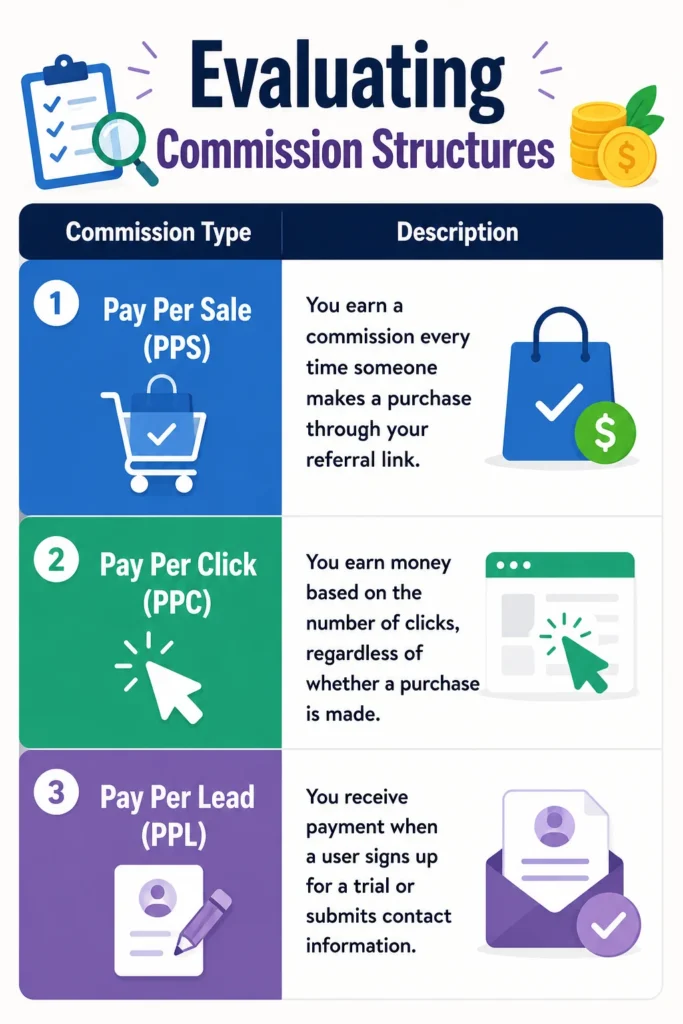
Different affiliate programs offer varying commission rates. Understanding these structures can help you choose which ones might be more profitable for your efforts. Here’s a comparison of commission types you may encounter:
| Commission Type | Description |
|---|---|
| Pay Per Sale (PPS) | You earn a commission every time someone makes a purchase through your referral link. |
| Pay Per Click (PPC) | You earn money based on the number of clicks, regardless of whether a purchase is made. |
| Pay Per Lead (PPL) | You receive payment when a user signs up for a trial or submits contact information. |
Consider Partnering with Trusted Brands
Aligning with reputable brands helps you build trust among your group members. Share promotions from known companies that your audience already values. This enhances your credibility and increases conversion rates. Look for brands that:
- Have positive customer reviews.
- Offer competitive pricing.
- Provide high-quality products or services.
Maximize Engagement Through Authenticity
Once you’ve selected affiliate programs to promote, focus on creating authentic, engaging content. Your audience is more likely to respond if they see that you genuinely use and believe in the products you’re sharing. Use the following strategies:
- Share personal experiences with the products.
- Create how-to guides or tutorials that incorporate the products.
- Host Q&A sessions about the affiliate products to build community interest.
Utilize Facebook Group Features Effectively
Leverage features available within Facebook groups to enhance your marketing efforts:
- Pin important posts about your affiliate products for visibility.
- Use polls to gauge what types of products your members are interested in.
- Encourage group discussions about the products to create buzz.
Compliance with Facebook’s Policies
Always ensure that your affiliate marketing efforts comply with Facebook’s policies. This protects both you and your group from potential penalties. Remember to:
- Disclose affiliate links transparently to your audience.
- Avoid spamming your group with excessive promotions.
- Engage with your members beyond just selling; provide valuable content.
By choosing suitable affiliate programs and marketing them wisely within your Facebook group, you can maximize both engagement and earnings. As you experiment with different strategies, track your success regularly to refine your approach and maintain growth. For more insights, check out Facebook Business, which provides resources for effective marketing strategies.
Conclusion
Successfully navigating affiliate marketing on Facebook Groups requires a blend of effective strategies and a solid understanding of the legal guidelines involved. By adhering to these regulations, you ensure your promotions are legitimate and foster a trusting environment for your group members. Building an engaged community is crucial; when members feel connected and valued, they are more likely to respond positively to your affiliate offerings. Creating compelling content that drives engagement is equally important. When you provide valuable information, insights, or entertainment, group members are more inclined to interact with your posts and explore your affiliate links. Encourage discussions and respond genuinely to comments to further strengthen these relationships.
Selecting the best affiliate programs is foundational for your success. Research and analyze various options to find those that resonate with your audience’s interests and needs. Aligning your affiliate products with the community’s preferences enhances the likelihood of conversions while maintaining authenticity.
By focusing on these key aspects—effective strategies, legal compliance, community building, engaging content creation, and thoughtful affiliate program selection—you can develop a powerful affiliate marketing presence within Facebook Groups. This approach maximizes your potential earnings and enriches the experience for your members, making it a win-win scenario. Engage sincerely and provide value, and you’ll see your affiliate endeavors flourish.