How to Create an Affiliate Landing Page That Actually Converts?

ATTENTION: Want to Learn Affiliate Marketing from Successful Affiliates?
Creating an affiliate landing page that converts requires strategic planning and an understanding of your target audience. These pages are essential tools for affiliate marketers, serving as the bridge between potential buyers and affiliate products. Let’s explore how to craft a successful landing page that drives conversions.
Understand Your Audience
The first step in building an effective affiliate landing page is to truly know who your audience is. What are their needs, preferences, and pain points? Conduct thorough research to get insights into their behavior. Tools like Google Analytics and SurveyMonkey can assist you in gathering valuable data.
Choose a Compelling Offer
Your offer should be enticing enough to make visitors want to take action. This may involve providing discounts, free trials, or exclusive content. Ensure that your offer speaks directly to the audience you are targeting. The more relevant it is, the higher the chances of conversion.
Craft an Engaging Copy
Words have power. Your landing page copy should be engaging and persuasive. Use the following strategies:
- Address a Problem: Start by identifying a problem your audience faces.
- Present a Solution: Introduce your affiliate product as the solution.
- Use Clear Language: Avoid jargon. Write simply and clearly.
- Include a Strong Call-to-Action (CTA): Make your CTA clear and enticing, encouraging users to click through.
Design for User Experience
A clean and user-friendly design can drastically improve your landing page performance. Consider the following aspects:
- Mobile Optimization: Ensure that your landing page looks great on mobile devices.
- Fast Loading Times: Optimize images and scripts for quicker loading.
- Visual Hierarchy: Use headings, bullet points, and spacing to make the information easy to digest.
Utilize Eye-Catching Visuals
Images, videos, and graphics can enhance your landing page. Use visuals to illustrate your message and make it more appealing. Ensure that the visuals are relevant to your content and of high quality. Tools like Canva can help you create professional graphics easily.
Incorporate Social Proof
Social proof can significantly improve your credibility. Including testimonials, reviews, and case studies can encourage visitors to trust your recommendations. Use platforms like Trustpilot to gather reviews for products you are promoting.
Optimize for SEO
SEO plays a vital role in driving traffic to your affiliate landing page. Implement these SEO strategies:
- Keyword Research: Identify relevant keywords that your target audience is searching for.
- Meta Tags: Use meta titles and descriptions effectively.
- Internal and External Links: Link to other related content and external reputable sources.
Track and Analyze Performance
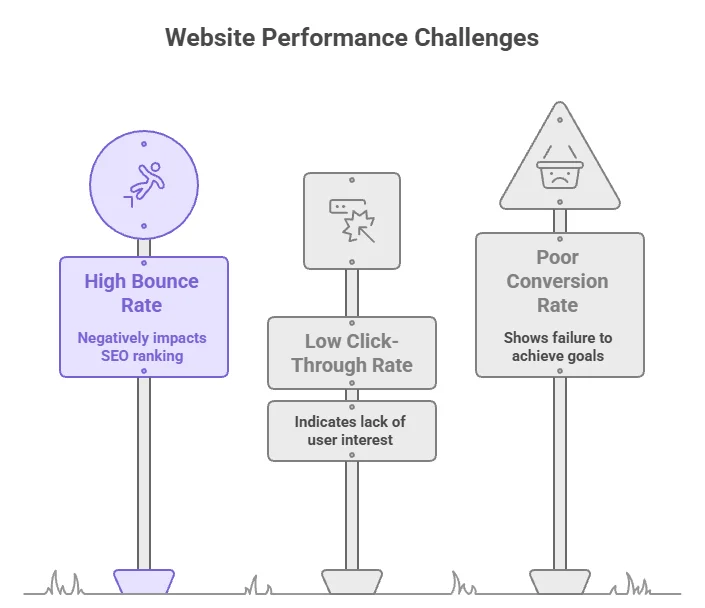
Utilize analytics tools to track how well your landing page performs. Monitor key metrics such as bounce rates, click-through rates, and conversions. Use this data to make informed adjustments to your page for continuous improvement.
| Metric | Importance | How to Improve |
|---|---|---|
| Bounce Rate | Lowers SEO ranking | Improve design and content quality |
| Click-Through Rate | Measures interest | Optimize CTAs and offer |
| Conversion Rate | Indicates success | A/B testing of elements |
By meticulously following these strategies and continuously refining your approach, you can create an affiliate landing page that doesn’t just attract visitors but also converts them into satisfied customers. Remember, the key is to keep experimenting and testing different elements until you find what works best for your audience.
The Importance of Call-to-Action Elements in Landing Pages
In the realm of digital marketing, engaging prospective customers is critical. One of the most effective ways to achieve this is through well-designed landing pages. A crucial aspect of landing pages is the call-to-action (CTA) elements. These elements encourage users to take specific actions and can significantly impact conversion rates. Understanding the importance of CTAs can help you optimize your landing page for maximum effectiveness.
Understanding Call-to-Action Elements
Call-to-action elements are prompts that encourage website visitors to take an immediate action. They come in various forms, such as buttons, hyperlinks, or even simple text. Effective CTAs can guide users down the sales funnel, leading to higher conversion rates.
Key Components of Effective CTAs
When designing your landing page, consider incorporating the following key components for your CTAs:
- Clarity: Your CTA should be simple and easy to understand. Ensure visitors know exactly what they’ll gain by clicking the button.
- Visibility: Use contrasting colors and strategic placement to make CTAs stand out on your landing page.
- Urgency: Phrases like “Sign up now” or “Limited time offer” create a sense of urgency, enticing visitors to act immediately.
- Value Proposition: Highlight the benefit that users will receive. For example, “Get your free eBook” informs visitors about what to expect.
- Action-Oriented Language: Use verbs that inspire action, such as “Download,” “Subscribe,” or “Join”.
Strategic Placement of CTAs
The positioning of your CTA can make a significant difference in conversion rates. Here are some highly effective placements:
- Above the Fold: Place your primary CTA within the first scrollable area of your landing page to catch the attention of visitors immediately.
- At the End of Content: After providing valuable information, include a CTA to encourage users to act on what they’ve read.
- Throughout the Content: Insert multiple CTAs within the text, especially when discussing benefits, to reinforce the message.
Testing and Optimization
It’s essential to continually test and optimize your CTAs. Conduct A/B tests to determine which variations perform better. Consider testing:
- Different colors and sizes of buttons
- Various wording and phrases
- Alternative placements on the page
Use analytics tools to track the effectiveness of your CTAs. Monitor metrics such as click-through rate (CTR) and conversion rates. This data will allow you to make informed adjustments that enhance performance.
Using Data to Reinforce Your Strategy
Understanding your audience is vital to creating effective CTAs. Utilizing data analytics can help you identify user behavior patterns, which will inform your design decisions. Here are a few analytics tools you might consider:
- Google Analytics: Offers comprehensive data about your site’s traffic and user interactions.
- Hotjar: Provides insights into user behavior through heatmaps and session recordings.
- Optimizely: A robust platform for A/B testing and personalization.
Leveraging Social Proof
Integrating social proof into your CTAs can enhance credibility and encourage users to take action. This can include:
- Testimonials from satisfied customers
- User counts, such as “Join over 10,000 satisfied subscribers”
- Media mentions or awards your product may have received
When people see others benefiting from your product or service, they are more likely to convert themselves.
Designing an Engaging User Experience for Higher Conversion Rates
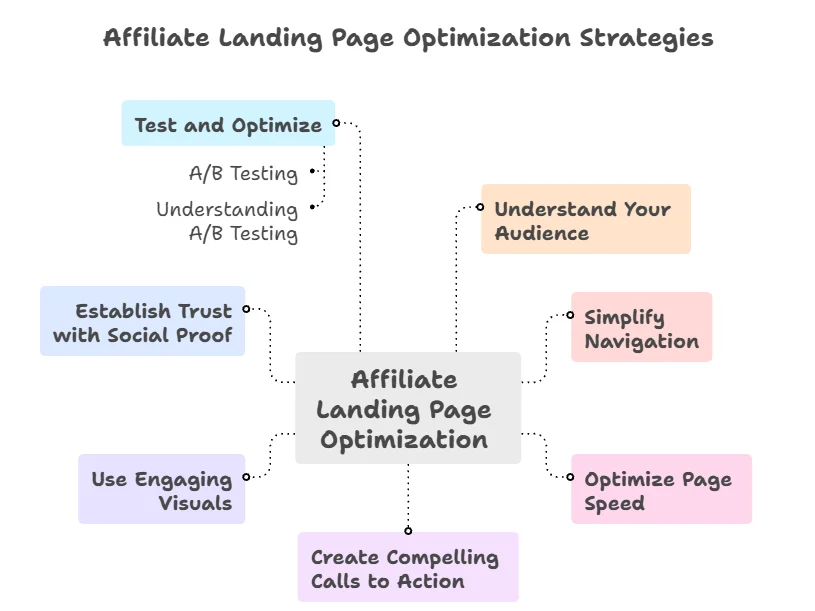
Creating an engaging user experience is vital for converting visitors into customers. When potential buyers land on your site, every element must work harmoniously to guide them through their journey smoothly. Here are some strategies to enhance the user experience, ultimately leading to higher conversion rates.
Understand Your Audience
To design an effective user experience, you first need to know your audience. Conduct thorough research to understand their needs, preferences, and pain points. Use surveys, social media insights, and analytics tools to gather relevant data. Once you understand who your visitors are, you can tailor your content and design to meet their expectations.
Simplify Navigation
Complicated navigation can frustrate users and lead to high bounce rates. Simplify your website’s navigation by following these guidelines:
- Use clear, descriptive labels for menu items.
- Limit the number of menu categories to avoid overwhelming users.
- Implement a breadcrumb trail to help users track their location on your site.
A well-organized site structure ensures visitors can easily find the information they seek, increasing their likelihood to convert.
Optimize Page Speed
Page speed is critical for retaining users. According to Nielsen Norman Group, even a one-second delay in loading time can lead to lower user satisfaction. To improve load times:
- Compress images to reduce file size without losing quality.
- Utilize browser caching to speed up repeat visits.
- Minimize the use of excessive plugins that can slow down your site.
Conduct regular speed tests using tools like GTmetrix or Google PageSpeed Insights to identify areas for improvement.
Create Compelling Calls to Action
Your Calls to Action (CTAs) should stand out and guide users toward the desired action. Here’s how you can create effective CTAs:
- Use action-oriented language to motivate users (e.g., “Get Started” or “Claim Your Discount”).
- Make CTAs visually distinct with contrasting colors or larger fonts.
- Place them strategically throughout your pages, especially at the end of content or in prominent positions.
A well-placed CTA can lead to a significant increase in conversion rates.
Use Engaging Visuals
Visual content plays a crucial role in keeping users engaged. Here are some tips to enhance visuals on your page:
- Incorporate high-quality images that resonate with your brand and audience.
- Implement videos to demonstrate products or solutions. Videos can increase user engagement and convey information more effectively.
- Utilize infographics to present complex information in a digestible format.
Creative visuals can improve user engagement and lead to higher conversion rates.
Establish Trust with Social Proof
Building trust is key to converting visitors. Integrate social proof into your landing pages by:
- Displaying customer reviews and testimonials prominently.
- Highlighting any awards or recognitions your business has received.
- Featuring case studies to demonstrate real-life results.
Provide potential customers with evidence of your credibility and quality, addressing their concerns and boosting their confidence in your offerings.
Test and Optimize
Continuous testing and optimization are crucial to improving user experience and conversion rates. Utilize A/B testing to experiment with different layouts, colors, or CTAs and analyze the results. Tools like Optimizely can help facilitate these experiments. Regularly gathering feedback from users can also provide insight into what works and what doesn’t.
Your ultimate goal should be to create an enjoyable, seamless experience that encourages users to convert. By prioritizing user experience, understanding your audience, and continuously optimizing, you can effectively boost your conversion rates. Don’t underestimate the power of engaging design and content!
Utilizing A/B Testing to Optimize Your Affiliate Landing Page
Creating an effective affiliate landing page is crucial for driving conversions. A/B testing is a powerful tool that can help you fine-tune various elements of your landing page to ensure it resonates with your audience. By systematically comparing two versions of your landing page, you can make data-driven decisions that enhance user experience and boost your conversion rates.
Understanding A/B Testing
A/B testing, also known as split testing, involves showing two versions of a webpage to users at the same time. By tracking user engagement and conversion rates, you can identify which version performs better. Here’s how you can utilize A/B testing effectively:
- Identify the Element to Test: Common elements to test include headlines, call-to-action buttons, images, and overall layout.
- Define Your Goals: Be clear about what you want to achieve from the test—more clicks, sign-ups, or sales.
- Select Your Audience: Ensure that the audience for both versions is similar to gain accurate insights.
- Run the Test: Use A/B testing tools to implement the test while monitoring the traffic and engagement metrics.
- Analyze the Results: Determine which version led to better performance and implement the winning variation.
Key Elements to A/B Test
To maximize the effectiveness of your affiliate landing page, consider testing these specific elements:
Headlines
The headline is often the first thing visitors see. Test different headlines to find out which ones capture attention and encourage visitors to stay on the page longer. A compelling headline can significantly boost your conversion rates. You can refer to Neil Patel’s blog for more insights on effective headline strategies.
Call-to-Action (CTA)
The CTA is crucial for prompting users to take the desired action. Experiment with different colors, sizes, and wording. Analyze which combination has the highest click-through rate. For instance, changing “Buy Now” to “Get Started Today” can make a difference in engagement. For more regarding effective CTA strategies, visit Optimizely’s guide.
Images and Visuals
The visual appeal of your landing page plays a significant role in attracting and keeping users’ attention. A/B test different images, graphics, or even video backgrounds to determine what resonates more with your audience. It can also help to use high-quality images related to the product or service you are promoting.
Layout and Design
Test different layouts to see which one works best. For example, a single-column layout may be more effective than a multi-column layout for some niches. A clear, uncluttered design often results in better user retention, leading to higher conversion rates.
Tools for A/B Testing
To conduct A/B testing efficiently, consider using the following tools:
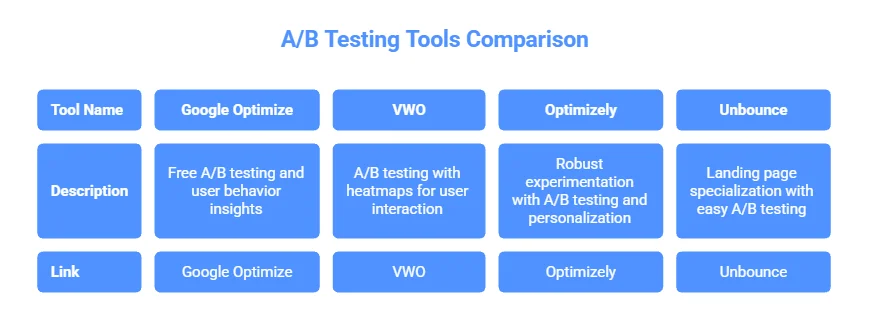
| Tool Name | Description | Link |
|---|---|---|
| Google Optimize | A free tool that allows you to run A/B tests and provides insights based on user behavior. | Google Optimize |
| VWO (Visual Website Optimizer) | Offers A/B testing along with other features like heatmaps to analyze user interaction. | VWO |
| Optimizely | A robust platform for experimentation with A/B testing and personalization capabilities. | Optimizely |
| Unbounce | Specializes in landing pages and offers easy A/B testing features catered for marketers. | Unbounce |
By understanding and utilizing A/B testing, you can make informed decisions that enhance your affiliate landing page. This can lead to increased conversions and ultimately drive more revenue. Don’t hesitate to test various elements regularly, as market trends and user preferences can change over time. A/B testing is about continuous improvement. Employ the insights gained from each test to refine your strategies, optimize your content, and ensure your affiliate landing page resonates with visitors. As you implement these techniques, you’ll likely see not just increased traffic, but also an uplift in your overall conversions. Embrace A/B testing fully for a highly effective affiliate marketing strategy.
Leveraging SEO Best Practices for Affiliate Landing Page Success
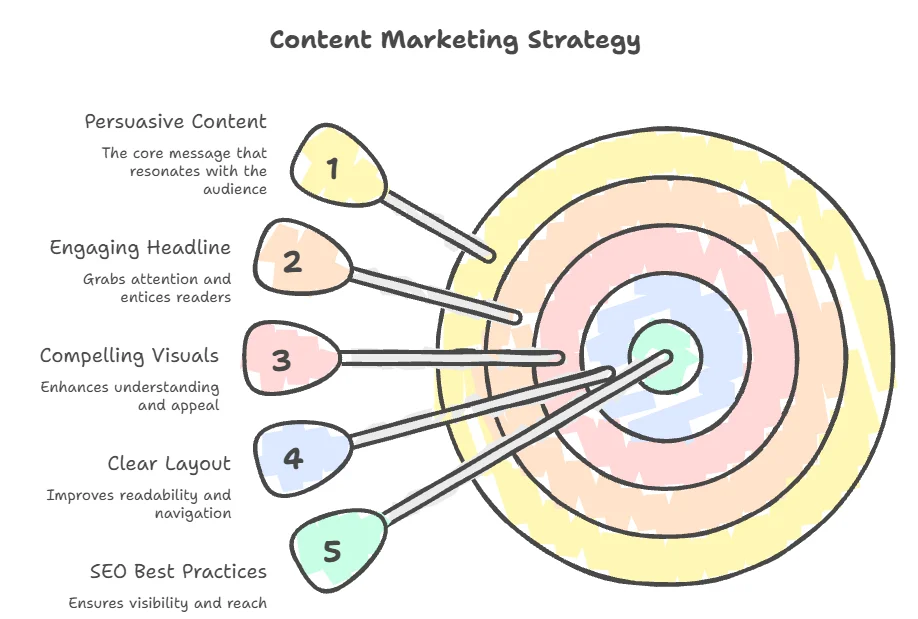
Creating an affiliate landing page that captivates visitors and drives conversions hinges on optimizing your page for both user experience and search engines. By leveraging SEO best practices, you’ll not only enhance your visibility in search results but also touch the hearts and minds of your potential customers. Here are key strategies for achieving this balance.
Understand Your Audience
Your first step should always be to know your target audience. Engage in research to identify their preferences, pain points, and motivations. Understand what they are seeking when visiting your page. Tools like Google Trends can help you uncover popular search terms related to your niche.
Keyword Research
Identifying the right keywords is essential. Focus on long-tail keywords that are specific to your product or service offering. These phrases tend to have less competition and higher conversion rates. Include your primary keyword in:
- Title tags
- Meta descriptions
- Headings
- Body text
To aid in your keyword research, consider using tools such as Ahrefs or SEMrush. They provide insights into keyword difficulty and search volume.
Create an Engaging Headline
Your headline should grab attention instantly while incorporating your primary keyword. Aim to clearly convey the benefit of your offering. For instance, rather than “Best Blender Deals,” try “Transform Your Health: Discover the Best Blenders for Smoothies!” This creates a stronger connection with the reader’s interests.
Use Compelling Visuals
Images and videos can make your landing page more appealing and effective. Use high-quality visuals that pertain to your product, and consider including:
- Product images
- Infographics
- Tutorial videos
Ensure each visual has descriptive alt text to aid SEO while also serving visually impaired users. This helps with indexing in search engines.
Craft Persuasive Content
Your content should focus on how your product solves problems. Use active voice and keep your paragraphs short and engaging. Align the tone with the needs and emotions of your target audience. Employ clear calls-to-action (CTAs) that invite users to take the next step, such as “Buy Now” or “Get Your Free Trial.”
Optimize for Mobile
With the increasing prevalence of mobile browsing, ensuring your landing page is mobile-responsive is non-negotiable. Use tools like Google’s Mobile-Friendly Test to check how your page performs on mobile devices. Optimize loading times, as quick-loading pages enhance user experience and can improve your SEO rankings.
Utilize a Clear Layout
The layout of your landing page contributes significantly to user experience. Organize content in a visually appealing manner. A simple and clean layout can be achieved by:
- Using bullet points for easy readability
- Breaking content into sections with subheadings
- plenty of white space
Ensure that your key information is above the fold, where users can see it without scrolling.
Leverage Social Proof
Incorporate testimonials, reviews, or case studies on your landing page. Displaying positive experiences from previous customers builds trust and can lead to higher conversion rates. A notable insight from Zoorank indicates that customer testimonials can increase conversion rates by up to 34%.
Incorporate SEO Best Practices
Optimize each element of your page for search engines:
- Title tags: Keep them under 60 characters.
- Meta descriptions: Summarize your page in under 160 characters, including your main keyword.
- Internal and external links: Utilize relevant internal links for site navigation and credible external links for supporting information.
| Main Elements | SEO Importance |
|---|---|
| Keywords | Improve search visibility |
| Mobile Optimization | Enhance user experience |
| Visuals | Engagement and retention |
| CTAs | Drive conversions |
By weaving these SEO best practices into your affiliate landing page, you create a powerful tool that not only attracts traffic but also converts visitors into buyers. Remember, consistently monitor your analytics to adjust your strategy based on performance. Use platforms like Google Analytics to track visitor behavior and conversion rates for continuous improvement.
Conclusion
Creating an affiliate landing page that truly converts requires a multifaceted approach. By crafting an engaging and informative layout, you establish trust and guide visitors seamlessly toward taking action. The importance of well-placed call-to-action elements cannot be overstated; these guide your audience, clearly communicating what steps to take next. Moreover, focusing on user experience is crucial. A visually appealing and intuitive design keeps potential customers interested and engaged, ultimately leading to higher conversion rates. Remember, a user-friendly navigation system can make all the difference in retaining visitors.
A/B testing your landing pages serves as an invaluable tool in refining your strategy. By experimenting with different designs, copy, and call-to-action placements, you can understand what resonates best with your audience. This data-driven approach empowers you to make informed decisions that enhance your page’s performance.
Incorporating SEO best practices ensures your affiliate landing page is visible to your target audience. Optimizing for relevant keywords, improving page speed, and utilizing meta descriptions can help drive organic traffic, making it easier for prospective buyers to find your offerings.
By applying these strategies cohesively, you can build an affiliate landing page that not only attracts visitors but effectively converts them into loyal customers. Each element plays a significant role; integrating them thoughtfully will set you on the path to sustained success in the competitive world of affiliate marketing.