
How to Leverage User-Generated Content for Affiliate Sales?

ATTENTION: Want to Learn Affiliate Marketing from Successful Affiliates?
How to Leverage User-Generated Content for Affiliate Sales
In today’s digital landscape, leveraging user-generated content (UGC) can significantly boost your affiliate sales. When potential customers see real people using a product, it builds trust and authenticity. Let’s explore effective strategies for utilizing UGC to drive your affiliate sales.
Understanding User-Generated Content
User-generated content refers to any content created by users rather than brands. This can include reviews, testimonials, photos, videos, and social media posts. It serves as social proof, showcasing how products perform in real life. By integrating UGC into your affiliate marketing strategy, you can create a more relatable and engaging experience for your audience.
Why UGC is Important for Affiliate Marketing
- Builds Trust: Consumers are more likely to trust endorsements from fellow customers than traditional advertisements.
- Enhances Engagement: UGC encourages interaction, drawing in potential customers who are interested in genuine experiences.
- Improves Visibility: Quality UGC can boost your SEO and help you rank higher in search results.
Strategies to Leverage UGC for Affiliate Sales
1. Encourage UGC Creation
Ask your audience to share their experiences with your affiliate products. You can set up campaigns on social media platforms, encouraging users to use a specific hashtag. For instance, if you promote beauty products, invite customers to post their looks and tag your accounts. Offer incentives like contests, discounts, or features on your page to motivate participation.
2. Showcase UGC on Your Platform
Once you have collected UGC, showcase it prominently on your website or blog. Create a gallery that displays these contributions. For example, if you sell athletic wear, display images of real customers wearing your products while working out. This not only enriches your site with authentic content but also enhances overall visitor engagement.
3. Utilize UGC in Email Marketing
Including user-generated content in your email campaigns can make your messages more appealing. Share customer testimonials or their product images to create a personal touch. This tactic helps in humanizing your brand and increases the likelihood of conversions.
4. Integrate UGC into Social Media Ads
Using UGC in your paid advertising can lead to better results than traditional adverts. Create ads featuring real customers interacting with your affiliate products. For example, a popular strategy for brands on platforms like Facebook and Instagram is to highlight customer reviews or candid videos of users enjoying their purchases.
5. Create Authentic Stories
People love stories. Combine different pieces of UGC to create a narrative about the product. This can be done by showcasing various users’ experiences and how the product solves their problems. Crafting an authentic story helps consumers relate to the product on a personal level, which can greatly influence purchasing decisions.
6. Monitor and Engage with Your Audience
Actively monitor platforms where your products are mentioned. Acknowledging and engaging with users who post about your affiliate products can encourage more UGC. Responding to comments and messages builds a sense of community. Always thank users for sharing their content; this makes them feel valued and more likely to share again.
| UGC Type | Best Use | Potential Benefit |
|---|---|---|
| Reviews | Feature on product pages | Builds trust and credibility |
| Photos | Social media galleries | Enhances visual appeal |
| Videos | Email marketing | Increases engagement and click-through rates |
Tools to Manage UGC
To effectively manage and curate UGC, consider utilizing tools that can streamline the process. Some recommended platforms include:
- Yotpo – Ideal for collecting and displaying reviews.
- Talon.One – Great for tracking UGC-driven campaigns.
- Fanpage Karma – Useful for monitoring social media engagement.
By strategically leveraging user-generated content, you can enhance your affiliate marketing efforts, foster deeper relationships with your audience, and ultimately drive more sales. Start today by encouraging your customers to share their stories and showcase their genuine experiences with your products!
The Benefits of User-Generated Content in Building Brand Trust
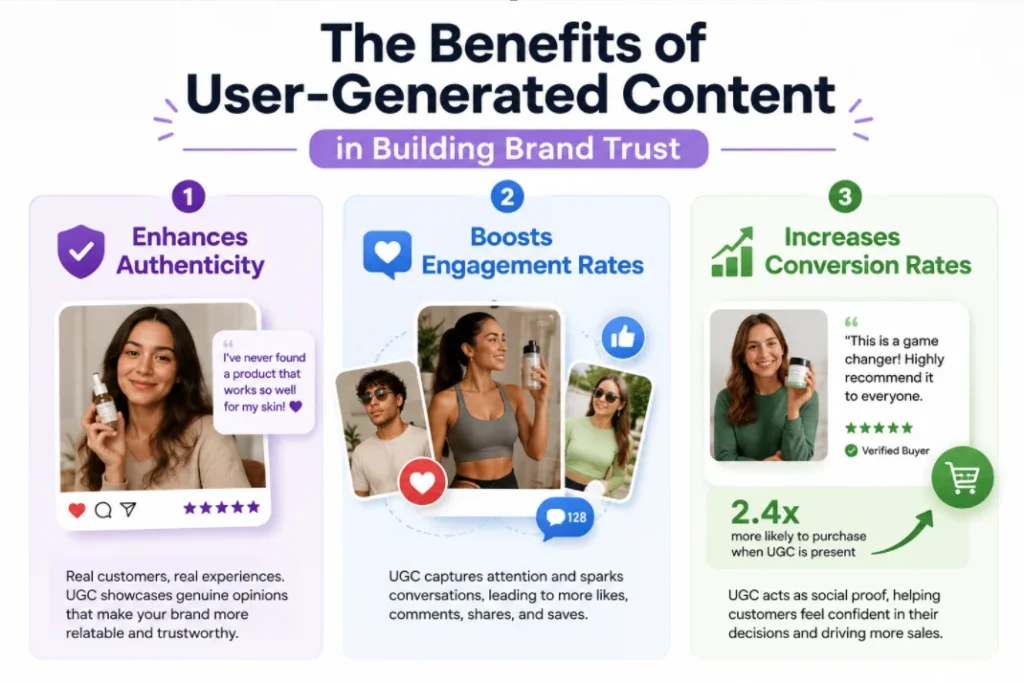
User-Generated Content (UGC) is an effective tool that brands can harness to enhance trust and loyalty among their audience. When customers share their experiences, reviews, and photos, they provide authentic insights that resonate more deeply than traditional advertisements. This type of content acts as a powerful endorsement, allowing potential customers to gauge the credibility of a brand.
One of the most significant benefits of UGC lies in its ability to build social proof. When you see real customers praising a product or sharing their personal stories, it fosters a sense of reliability. It is important to understand how UGC can positively influence trust and perception in your brand.
Enhances Authenticity
In today’s world, consumers crave transparency and authenticity. UGC allows brands to showcase real people using their products. This makes the marketing message not just relatable but also trustworthy. When customers see others who look like them sharing their positive experiences, they are more likely to feel connected to the brand.
Encourages Community Building
User-generated content has the power to create a sense of community. When consumers share their photos or testimonials, they contribute to a larger narrative surrounding the brand. These shared experiences help build a community where customers feel they belong. Here’s how you can encourage community engagement:
- Host contests that invite users to submit photos of themselves using your products.
- Create a dedicated hashtag for customers to use on social media platforms.
- Feature user stories on your website or social media channels regularly.
Boosts Engagement Rates
Content that is created by users tends to get higher engagement rates compared to traditional content. People love interacting with real-life experiences. UGC can lead to more likes, shares, and comments, driving your brand message further. This engagement not only builds trust but also expands your audience reach.
Increases Conversion Rates
According to a report from Influencer Marketing Hub, brands that utilize UGC experience a 161% increase in conversion rates. When potential customers see their peers happily using a product, their fear of making the wrong purchase decision diminishes. This creates a smoother path to conversion.
How to Leverage User-Generated Content
To effectively utilize UGC, it’s essential to create a strategy that encourages user participation. Here’s a simple guide:
- Identify Your Audience: Understand who your customers are and what type of content resonates with them.
- Encourage Sharing: Prompt users to share their experiences through incentives like discounts or giveaways.
- Showcase UGC: Share user-generated photos or testimonials on your website, email campaigns, and social media platforms.
- Engage with Customers: Thank users for their content and engage with them directly. This fosters ongoing loyalty.
Another compelling reason to embrace UGC is the cost-effectiveness it brings to marketing efforts. Traditional advertising can be costly, while UGC often comes at little to no expense. Brands can leverage customer stories without the hefty price tag of professional content creation.
Consider integrating UGC into various marketing platforms. For instance, Instagram Stories and Pinterest boards can be revamped using customer photos, while your website can feature a testimonials section dedicated to real user experiences. Allocate space in your email newsletters for user stories as well, creating a deeper connection with existing customers.
Measuring Impact of UGC
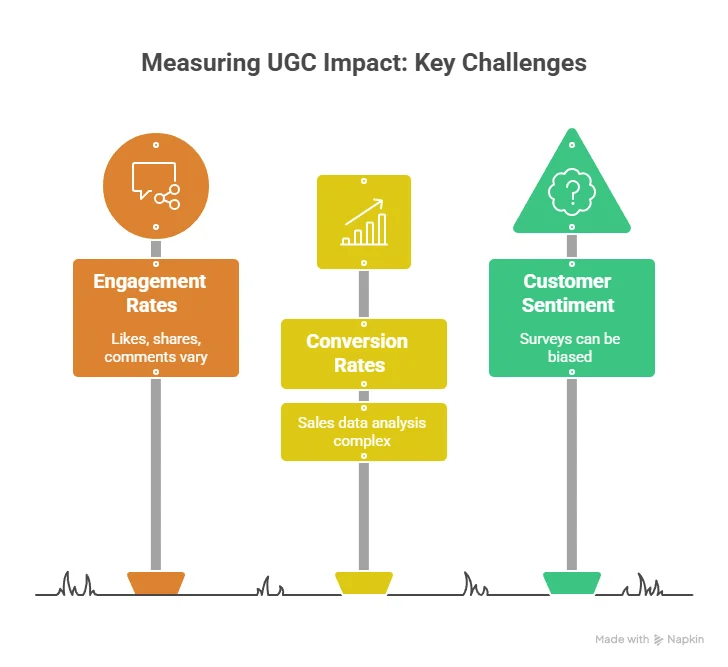
It’s crucial to establish metrics that help you measure the effect of UGC on brand trust. Look for indicators such as:
| Metric | How to Measure |
|---|---|
| Engagement Rates | Monitor likes, shares, and comments across platforms. |
| Conversion Rates | Analyze sales data before and after UGC campaigns. |
| Customer Sentiment | Conduct surveys to measure consumer trust and perception. |
User-generated content is an invaluable asset in establishing brand trust. As more customers seek genuine reviews and experiences, your brand stands to gain significantly by integrating UGC into your marketing strategy. By engaging authentically with your audience and showcasing their stories, you will foster trustworthy relationships that last.
For more insights on building brand trust through UGC, visit Social Media Examiner and explore the strategies they outline.
Strategies to Encourage Consumers to Create Content
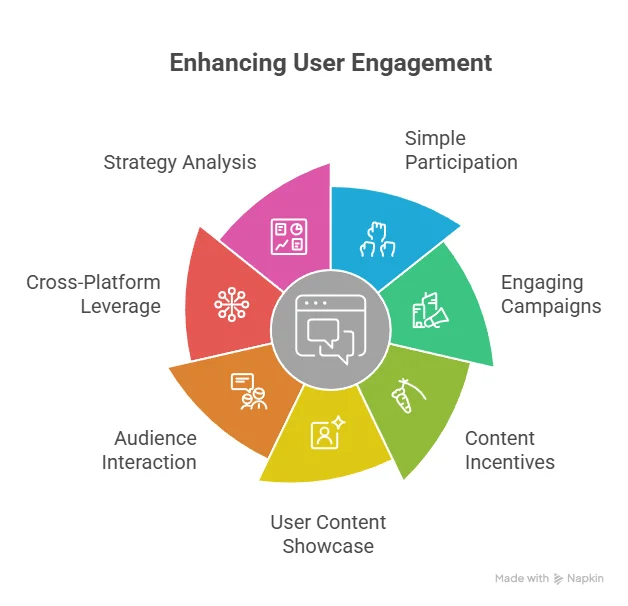
Creating a community around your brand is essential, and one effective way to do this is by encouraging consumers to generate content. By promoting user-generated content (UGC), you can foster brand loyalty, increase engagement, and even boost conversions. Here are some proven strategies to inspire your readers to create content that showcases your brand.
Make Participation Simple
If you want consumers to create content for your brand, it’s vital to make the process as easy as possible. When creating your content prompts, ensure they are straightforward and user-friendly. Here are some tips:
- Provide clear guidelines about the type of content you want.
- Offer examples of other user-generated content to inspire them.
- Use social media platforms that your audience is already active on.
Create Engaging Campaigns
Launching structured campaigns can turn a passive audience into active content creators. Consider the following types of campaigns:
- Contests and Giveaways: Motivate your audience with contests where they must create content related to your brand for a chance to win prizes.
- Themed Challenges: Host monthly or seasonal challenges encouraging users to create specific types of content.
- Collaborations: Partner with influencers to reach more consumers and encourage their followers to engage with your brand.
Incentivize Content Creation
Offering incentives can be a powerful motivator for consumers to create and share content. Here’s how to effectively provide rewards:
- Offer discounts or free products as rewards for user-generated content submissions.
- Feature user content on your official channels, giving them visibility and recognition.
- Launch a loyalty program that rewards users for their contributions to your brand.
Showcase User Content
When consumers see their content being featured, it not only validates their effort but also encourages others to join in. Here’s how you can showcase user-generated content effectively:
- Create a dedicated section on your website for UGC.
- Utilize your social media pages to re-post and highlight user content.
- Encourage sharing by creating a unique hashtag that consumers can use to submit their content.
Engage with Your Audience
Interaction goes a long way. Engaging with your audience creates a sense of community that inspires them to participate. Consider the following activities:
- Respond to comments and questions regarding user-generated content.
- Thank users publicly for their contributions to your brand.
- Host live Q&A sessions to discuss content creation and ideas.
Leverage User-Generated Content Across Platforms
To maximize the impact of user-generated content, integrate it across your marketing efforts. Here are some ways to leverage UGC effectively:
- Incorporate UGC into your email marketing campaigns.
- Use consumer-created content in display ads to build trust.
- Share testimonials and reviews generated by users on your website.
Analyze and Optimize Your Strategy
To ensure your content strategy remains effective, make it a habit to analyze the performance of user-generated content. You can use tools like Sprout Social to track engagement metrics and adjust your efforts accordingly. Keep an eye on:
- Engagement rates and shares of user content.
- The traffic driven to your site through UGC.
- Sales associated with campaigns utilizing user-generated content.
By implementing these strategies, you’ll not only encourage your consumers to create content but also build a dedicated community around your brand. Making them feel involved in your brand’s journey will foster loyalty and ultimately lead to higher affiliate sales. For more insights on developing user-generated content strategies, check out Content Marketing Institute.
Engaging consumers to create content can significantly benefit your brand, driving not only organic visibility but also enhancing building relationships with your audience. Employ these actionable strategies today to start generating authentic content from your users!
Best Practices for Showcasing User-Generated Content in Marketing
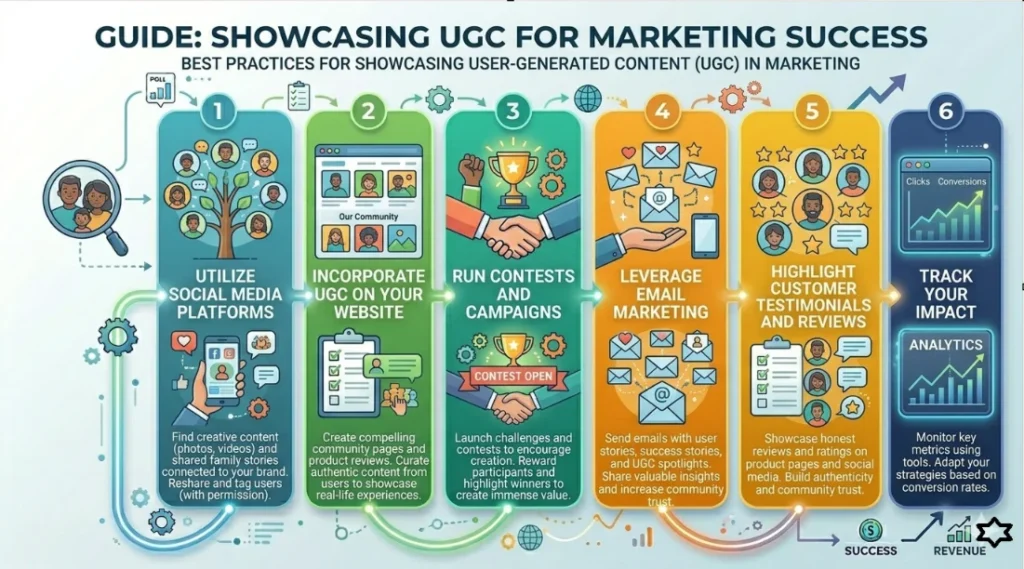
User-generated content (UGC) has emerged as a powerful tool in marketing, especially when it comes to connecting brands with consumers on a personal level. By showcasing UGC effectively, brands can not only enhance their marketing efforts but also foster a sense of community and trust among their audience. Here are some best practices for effectively showcasing user-generated content in your marketing campaigns.
Utilize Social Media Platforms
Social media is a prime space for displaying user-generated content. Platforms like Instagram, Facebook, and Twitter allow brands to share photos, videos, and testimonials submitted by their customers. To make the most of social media, consider the following:
- Hashtags: Develop a specific hashtag for your brand that encourages customers to post their content. This makes it easy to find and share UGC.
- Regular Engagement: Respond to users who share your content. Engaging with them shows appreciation and encourages others to participate.
- Feature Highlights: Create stories or highlights on platforms like Instagram to showcase top UGC, making it a permanent fixture that potential customers can easily access.
Incorporate UGC on Your Website
Your website is an excellent platform to feature user-generated content. Integrating UGC can enhance credibility and build trust with prospective customers. Here are strategies to consider:
- Dedicated Gallery: Create a gallery or page that highlights customer photos and testimonials. This not only showcases your product but also helps potential buyers visualize its use.
- Product Reviews: Encourage and display customer reviews on your product pages to provide social proof. Consider using plugins that facilitate customer feedback collection easily.
- Live Feeds: Utilize live feeds from your social media accounts showcasing UGC. This keeps your website fresh and encourages ongoing interaction.
Run Contests and Campaigns
Engaging your audience through contests or campaigns can generate significant user-generated content. This strategy not only involves users directly but also promotes sharing. Here are a few creative ideas:
- Photo Contest: Ask customers to share their best photos using your product for a chance to win a prize. This encourages creativity and provides a wealth of engaging content.
- Review Challenges: Who can write the most creative review? Offer an incentive for the best-written review to encourage participation.
- Theme-Based Campaigns: Run seasonal campaigns aligned with holidays or events that prompt customers to submit relevant content.
Leverage Email Marketing
Email marketing remains a significant touchpoint to connect with customers. Including user-generated content in your email campaigns can boost engagement. Here’s how to do it:
- Spotlight UGC: Include a dedicated section in your newsletters showcasing user-generated content from social media.
- Customer Stories: Share inspiring stories of how customers use your products, encouraging readers to engage with your brand.
- Direct Links: Always provide links in your emails directing readers to where they can see more UGC or participate themselves.
Highlight Customer Testimonials and Reviews
Authentic testimonials can significantly influence prospective buyers. Consider the following methods:
- Quotes and Images: Display customer quotes alongside their pictures to enhance credibility.
- Video Testimonials: Video content often has a greater impact, so consider asking satisfied customers to provide short testimonial videos.
- In-Store Displays: If relevant, create in-store displays that feature UGC, linking online and offline experiences in your marketing strategy.
Track Your Impact
Measuring the effectiveness of showcasing user-generated content is crucial. Implement tracking tools such as Google Analytics to monitor engagement and conversion rates related to UGC initiatives. Adjust your strategy according to the data collected, ensuring that you are maximizing the potential of user-generated content.
For more insights and resources on user-generated content and its impact on marketing, explore Social Media Examiner or check out Forbes for expert advice.
By implementing these best practices, you will effectively leverage user-generated content in your marketing strategy, ultimately leading to increased trust, engagement, and sales.
Measuring the Impact of User-Generated Content on Affiliate Revenue
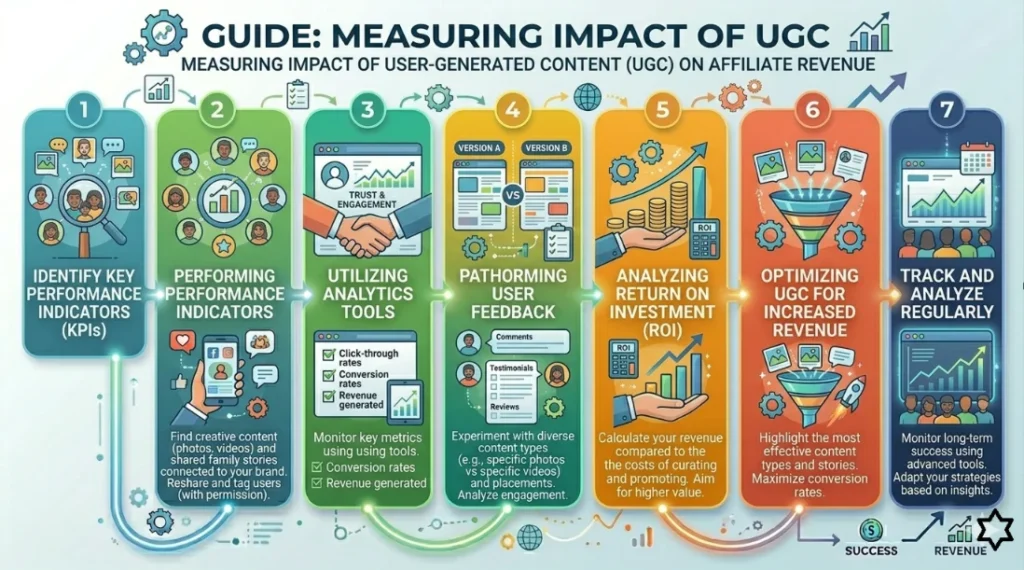
Understanding how to measure the impact of user-generated content (UGC) on affiliate revenue can significantly alter the marketing strategy for businesses. As you dive into the world of UGC, it becomes essential to pinpoint the metrics that truly matter. Here’s how to leverage user-generated content for affiliate sales and effectively measure this impact.
Identify Key Performance Indicators (KPIs)
To gauge the effectiveness of UGC on affiliate revenue, start by establishing precise KPIs. You want to look at metrics that reflect user engagement and sales conversions. Common KPIs include:
- Engagement Rate: Monitor likes, shares, and comments on UGC.
- Conversion Rate: Measure how many users make a purchase after interacting with UGC.
- Referral Traffic: Track how much traffic UGC is directing to your affiliate links.
- Average Order Value (AOV): Analyze if UGC leads to higher spending per transaction.
Utilizing Analytics Tools
Analytics tools play a vital role in understanding user interactions with UGC. Utilizing platforms such as Google Analytics or affiliate networks like ClickBank will help you manage performance data effectively.
With Google Analytics, you can set up goals to track specific actions that indicate conversions from UGC. Employing event tracking can reveal how specific content performs in driving sales.
Gathering User Feedback
Direct user feedback is another valuable approach to understanding the impact of UGC on sales. Conduct surveys or engage with customers via social media platforms. Ask questions such as:
- Did UGC influence your decision to purchase?
- What types of content do you find most helpful in deciding on a product?
Analyzing the feedback will refine your understanding of how UGC sways purchasing behavior, and you can adapt your strategies accordingly.
Performing A/B Testing
A/B testing can also fine-tune how UGC affects affiliate sales. Create variations of marketing content that include UGC and compare them against standard promotional materials. This process allows you to pinpoint what resonates more with your audience, leading to enhanced revenue.
For example, if you notice that posts with customer reviews lead to significantly higher engagement and conversions compared to generic product descriptions, pivot your strategy to incorporate more UGC.
Analyzing Return on Investment (ROI)
The ultimate goal is to ensure that UGC translates to profit. To effectively measure ROI, consider the following:
- Revenue Generated: Calculate the total sales directly attributed to UGC.
- Cost Incurred: Evaluate expenses related to sourcing and promoting UGC.
- ROI Formula: Use the formula: (Revenue – Cost) / Cost to calculate your return on investment.
When your ROI is positive, it indicates that UGC contributes beneficially to your affiliate sales strategy.
Optimizing UGC for Increased Revenue
To maximize your affiliate earnings from UGC, follow these guidelines:
- Engage with Your Audience: Keep communication open through comments and shares to foster a community.
- Encourage Participation: Create campaigns that invite your audience to contribute their content, offering incentives where possible.
- Highlight the Best Content: Feature top user-generated content on your website or social media to draw attention.
By effectively leveraging user-generated content, businesses can not only enhance engagement and build trust, but they can also create a powerful sales engine through affiliate marketing strategies.
Track and Analyze Regularly
Regularly analyzing data related to UGC will keep your strategy agile and responsive to market demands. Schedule periodic reviews to tweak your approach based on performance metrics. Adjust your content strategies regularly to find the sweet spot that drives engagement and conversions.
UGC into your affiliate marketing not only boosts your credibility but also creates a community around your brand. Stay consistent in measuring its impact and continue evolving your strategies for the best results.
Conclusion
Leveraging user-generated content (UGC) for affiliate sales can transform your marketing strategy. By harnessing genuine content created by consumers, you not only build brand trust but also create a community that actively engages with your brand. Showing real customers using and enjoying your products helps to humanize your brand, making it more relatable and trustworthy in the eyes of potential buyers.
Encouraging consumers to create content can be as simple as running contests, offering incentives, or showcasing their contributions on your platforms. By inviting them to share their experiences, you not only enrich your content pool but also foster a sense of belonging among your audience. It’s crucial to highlight this user-generated content effectively; whether through social media features, testimonials on your website, or email campaigns, showcase it in a way that resonates with your target audience.
Tracking the impact of UGC on affiliate sales is equally important. Analyzing metrics such as engagement rates, conversion rates, and customer feedback can offer valuable insights into how well your UGC strategy is performing. This data will help refine your approach and ensure that your efforts are translating into increased revenue.
Ultimately, the successful integration of user-generated content into your affiliate marketing strategy can lead to stronger connections with your audience, higher engagement, and, most importantly, increased sales. By valuing your customers’ voices and experiences, you create a win-win scenario where everyone benefits. Embrace the power of UGC, and watch your affiliate sales soar.