How to Write A “Best Of” Listicle That Ranks in AI Search?

ATTENTION: Want to Learn Affiliate Marketing from Successful Affiliates?
Creating a “Best of” listicle that ranks well in AI search results is an art and a science. It merges appealing content with careful strategic planning. Here’s how you can achieve that balance and help your piece stand out in a crowded digital landscape. How to Write A “Best Of” Listicle That Ranks in AI Search?
Understand Your Audience
Identifying your target audience is the first step in crafting a compelling listicle. Know who you’re writing for and tailor your content to meet their interests and needs. This allows you to create a piece that resonates deeply with readers. For instance, if your audience is tech enthusiasts, consider focusing on the latest gadgets or software applications. Engaging content attracts readers and signals search engines that your material matters.
Choose the Right Topic
Selecting the right topic can dramatically influence the success of your listicle. Consider trending subjects or timeless favorites that encourage engagement. Research keywords that relate to your topic. Tools like Moz or Ahrefs can help you identify popular search terms. Aim for a combination of high search volume and low competition. This strategy provides a better chance for your content to surface in search results.
Craft Eye-Catching Titles
Your title is the first impression readers will have. Make it punchy and informative. Including the term “Best of” naturally into the title can increase its visibility. For example, “Best of 2023: The Top 10 Smartphones You Must Consider” not only includes a key phrase but also sparks curiosity. Remember, your title should give a clear idea of what readers can expect, enticing them to click.
Utilize Structured Data
Incorporating structured data into your listicle can provide enhanced visibility in search results. This code helps search engines better understand your content, making it easier for them to serve it to users. For listicles, consider using schema markup for lists. These enhancements can lead to rich snippets, which showcase your content in an appealing format directly in search results.
Offer Value with Quality Content
Content is king, and when it comes to listicles, providing value is essential. Ensure each item on your list contains concise, helpful information. Here’s how:
- Be Brief: Keep descriptions succinct but informative. Aim for a couple of sentences per item.
- Use Visuals: Incorporate images or videos where possible to make the listicle visually engaging.
- Link to Sources: Providing authoritative links enhances your credibility. Websites like Statista or TechRadar can offer reliable data.
Optimize for SEO
To rank effectively, you need a solid SEO strategy. Make sure to use relevant keywords throughout your listicle, including in headings, subheadings, and body text. However, avoid keyword stuffing; maintain a natural flow. Optimize your meta description, and always include alt text for images to enhance search visibility. How to Write A “Best Of” Listicle That Ranks in AI Search?
Promote Your Content
Promotion is vital to increase visibility. Share your listicle on social media platforms, forums, and relevant online communities. Engage with your audience by responding to comments and soliciting feedback. This interaction can help generate buzz and encourage shares, leading to increased traffic.
Analyze and Adjust
Once your listicle is live, use analytics tools to track its performance. Examine metrics like page views, time spent on the page, and bounce rate. These insights can inform future strategies, allowing you to broaden your reach and improve overall engagement. Tools like Google Analytics can help you monitor these aspects effectively.
The right combination of engaging content, SEO best practices, and robust promotion will set your “Best of” listicle apart from the competition. When you prioritize reader satisfaction, while optimizing for search engines, you’ll find your content climbing the ranks.
Understanding Audience Intent: Tailoring Your Listicle for Reader Engagement
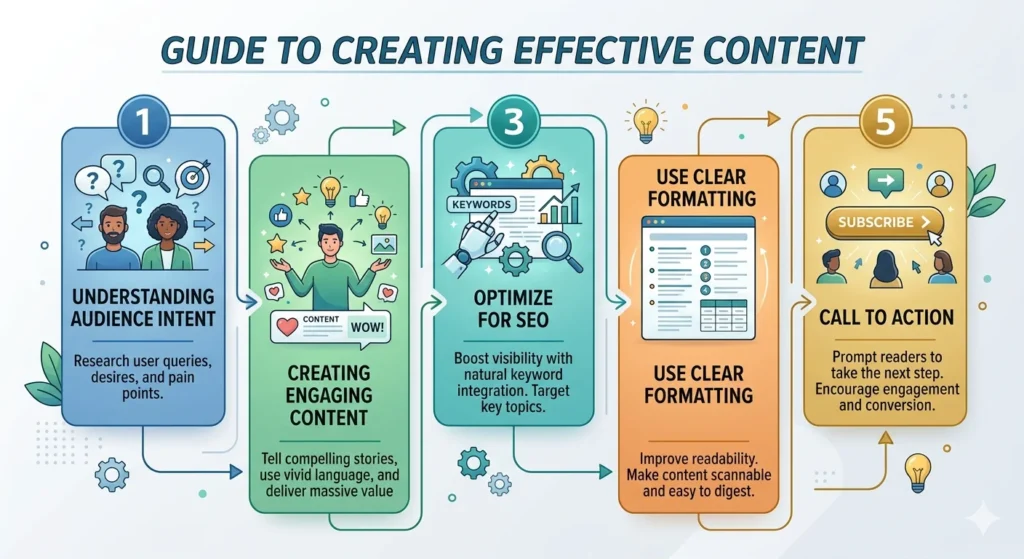
When crafting a compelling listicle, understanding audience intent is crucial. You want to ensure your content resonates deeply with readers, allowing them to engage with your article fully. Begin by identifying what your audience is searching for. Utilizing tools like Answer the Public or Google Trends can provide insights into common queries related to your topic. This helps in aligning your content with what readers desire.
Consider different types of audience intent: informational, navigational, commercial, and transactional. Each type influences how to shape your listicle:
- Informational: Readers seek knowledge. Provide detailed descriptions, facts, and relevant tips.
- Navigational: Users want to find specific content. Ensure your listicle leads them to helpful resources.
- Commercial: Potential customers are exploring products or services. Highlight pros and cons to assist in their decision-making.
- Transactional: Readers are ready to purchase. Clearly list top products or services with purchase links.
Once you understand these intentions, tailor your listicle accordingly. For example, if your article is about “Best Eco-Friendly Products,” know if your audience is looking for general knowledge, specific brands, or purchasing options. This shapes your tone, depth of information, and call-to-action.
Creating Engaging Content
Engagement is key in listicles. Start with an attention-grabbing opening that connects directly with your reader’s needs. Use vivid imagery and relatable language. For the eco-friendly products list, you might start with, “Looking for sustainable choices? These eco-friendly products could change your life while saving the planet!”
As you build your listicle, make each item in the list actionable and informative. Provide relevant descriptions, images, and links to sources for further reading. This not only engages the reader but also enriches the content’s value. Screenshots, infographics, or embedded videos can add visual appeal, increasing dwell time, and reducing bounce rates on your page.
Optimize for SEO Without Sacrificing Quality
To help your listicle rank better in search engines, incorporate relevant keywords naturally throughout the content. Identify primary and secondary keywords using tools like SEMrush or Keyword Tool. Aim to include them in titles, headings, and meta descriptions.
However, the key is to prioritize readability. Google’s algorithms are becoming increasingly adept at recognizing content quality over keyword stuffing. Use active voice, short sentences, and varied sentence structure to maintain a conversational tone. This keeps the reader engaged and discouraged from clicking away.
Use Clear Formatting for Better Readability
The formatting of your listicle can influence its effectiveness. Use bullet points, tables, and images to break up text, making the content easier to read. Consistent formatting aids readers in scanning through your listicle quickly.
For instance, if you detail eco-friendly products, use a table to compare their prices, features, and usability:
| Product Name | Price | Key Features |
|---|---|---|
| Reusable Water Bottle | $15 | Made from stainless steel, BPA-free, keeps drinks hot/cold |
| Compostable Trash Bags | $25 | Biodegradable, strong, easy to use |
| Organic Cotton Tote | $20 | Durable, eco-friendly, machine washable |
This format helps your readers quickly gather information and make decisions based on the data presented, enhancing the overall user experience.
Call to Action
Include a clear call to action (CTA) encouraging readers to engage further. Whether it’s sharing their own experiences, signing up for a newsletter, or checking out products, a well-placed CTA can drive interaction and build community around your content.
By understanding audience intent and tailoring your listicle accordingly, you not only improve reader engagement but also enhance its chances of ranking better in search engines. Remember, the goal is to create valuable and meaningful content that resonates with readers while effectively guiding them through their journey. How to Write A “Best Of” Listicle That Ranks in AI Search?
Effective Use of Keywords: Enhancing SEO in “Best of” Listicles
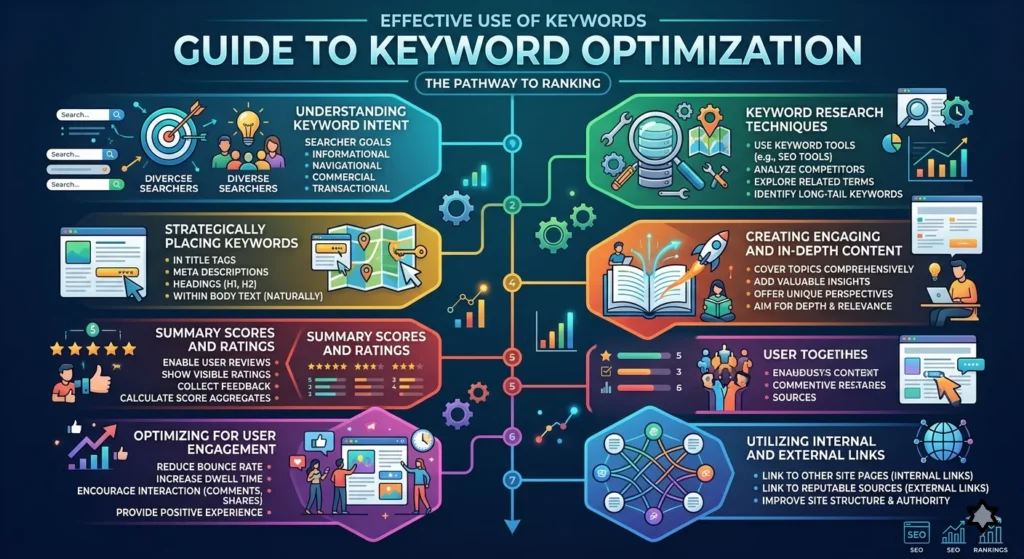
Creating a “Best of” listicle is a great way to engage your readers and provide valuable information. However, to ensure your content ranks well in AI-powered search engines, effective use of keywords is essential. Here’s how you can enhance SEO in your listicles while keeping the content engaging for your audience. How to Write A “Best Of” Listicle That Ranks in AI Search?
Understanding Keyword Intent
Before you start writing, it’s crucial to understand your audience’s search intent. Are they looking for recommendations, comparisons, or reviews? By analyzing keywords related to your topic using tools like Moz, you can tailor your listicle accordingly. Aim for a mix of short-tail and long-tail keywords to capture both broad and niche searches.
Keyword Research Techniques
Effective keyword research can make or break your listicle. Here are a few methods to discover the best keywords:
- Google Keyword Planner: This tool helps find keywords related to your topic and shows search volume data.
- Keyword Surfer: A Chrome extension that offers keyword metrics right within Google search results.
- Competitor Analysis: Analyze similar articles on popular sites to identify the keywords they rank for.
Strategically Placing Keywords
Once you have a good list of keywords, the next step is to place them strategically throughout your listicle:
- Title Tag: Include your primary keyword in the title to improve visibility.
- Meta Description: Craft a compelling meta description with relevant keywords to encourage clicks.
- Headings: Use keywords in H3 or H4 tags without overstuffing. This helps both readers and search engines grasp the structure of your post.
- Body Text: Naturally integrate keywords throughout the content, ensuring they fit well within the context.
Creating Engaging and In-Depth Content
While keywords are important, the value you provide to your readers should come first. Your listicle should offer insightful descriptions, comparisons, and recommendations. An in-depth analysis will not only keep readers on your page longer but also improve your bounce rate. Here are some tips:
- Include specific details about each item in your list, such as features, benefits, and even personal insights.
- Add links to credible sources. This can improve your article’s authority and assist with SEO as well. For example, you can link to Ahrefs for additional insights on keyword research.
- Utilize images or videos to enhance engagement. Visuals can break up text and illustrate your points more effectively.
Summary Scores and Ratings
To help readers quickly analyze the options you present, consider including a summary table that lists the “Best of” items along with key features. This not only enhances readability but also aids in SEO by making it easier for search engines to contextualize the content. Here’s an example of how to format it:
| Item | Rating | Key Feature |
|---|---|---|
| Product A | 9/10 | Highly Durable |
| Product B | 8.5/10 | Best Value for Money |
| Product C | 8/10 | Top Customer Reviews |
Optimizing for User Engagement
Engagement is critical for SEO. You want your readers to spend time on your article, share it, or even leave comments. Encourage interaction by asking questions at the end of your listicle. This can lead to discussions that improve engagement metrics.
Utilizing Internal and External Links
Don’t forget to include internal links to other relevant content on your site. This encourages readers to explore more of your content and helps search engines understand your site’s structure. Additionally, linking out to reputable sources, such as studies or industry analyses, can boost your credibility.
Visual Elements: The Role of Images and Formatting in Listicle Success
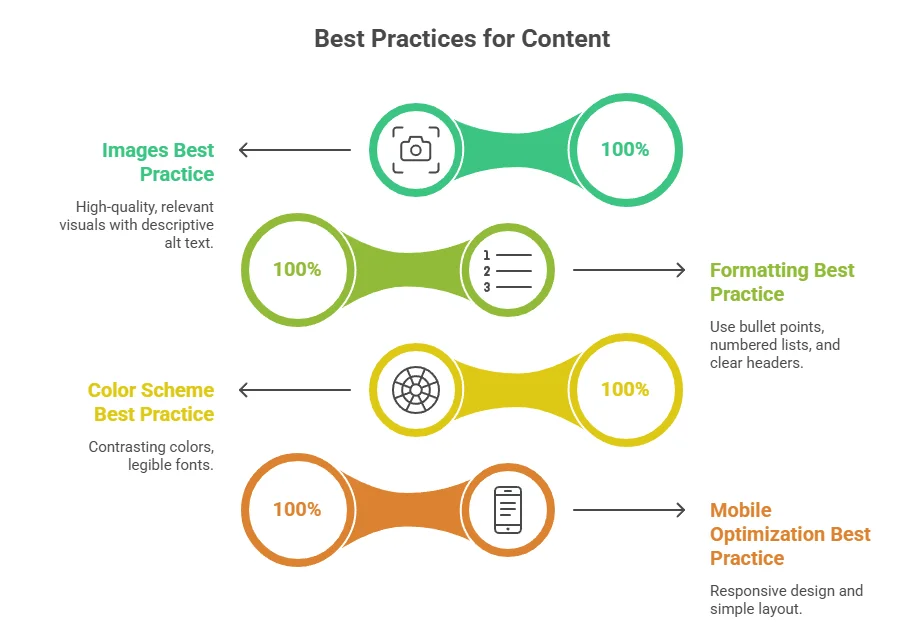
You’ve put in the effort to create content that captures your readers’ attention, but are you fully utilizing visuals and formatting to enhance your listicle? Images and proper layout can be game-changers in how effectively a “Best of” listicle engages readers and ranks in search engines. In this article, we explore how visuals and formatting play crucial roles in making your content not just appealing but also optimized for success. How to Write A “Best Of” Listicle That Ranks in AI Search?
Consider the type of images you include
First, consider the type of images you include. Visuals should not only be relevant but also high-quality and appealing. Ensure that your images resonate with the content. If you’re writing about the “Best Hiking Trails,” use stunning images of those trails to draw readers in. Alternatively, using stock images may also work, but they don’t create the personal touch of real experiences. Websites like Unsplash and Pexels offer excellent high-quality images that can enrich your listicle without cost.
Balance visuals with text
In addition, you should balance visuals with text. Too many images can be distracting, while too little may leave your content feeling bland. A good rule of thumb is to use an image for every 200-300 words of text. This ratio keeps your readers engaged without overwhelming them. Furthermore, always include alt text for images. Not only does this improve SEO, helping your listicle rank better, but it also makes your content accessible to all readers, including those using screen readers. An example of effective alt text might be “Stunning view of [specific trail name] during golden hour.” This added context will benefit both visually impaired users and search engines.
Now, let’s discuss formatting. Using bullet points and numbered lists can improve the readability of your listicle. When readers scan your content, clearly formatted sections make it easy for them to grasp the main points quickly. For example:
- Highlight Important Points: Use bullet points for concise summaries of key features.
- Break It Down: Number your items in the list to guide readers through the information.
- Use Tables: Present data effectively with tables, especially when comparing features or ratings.
Utilizing headers and sub-headers, even in a listicle format, enhances the structure. Headers add a navigation-like feature to your article, allowing readers to jump to the section they find most interesting. For instance, in a listicle about “Best Laptops for Students,” you might organize your content by categories like “Best for Gaming,” “Best for Budget,” and “Best for Design Students.”
Moreover, consider color and contrast when it comes to formatting. A well-structured article shouldn’t strain the reader’s eyes. Pick colors that complement each other but maintain sufficient contrast for easy reading. Systems such as Coolors can help you choose color palettes that enhance the look of your listicle.
Don’t forget mobile optimization! With a significant number of readers consuming content on their mobile devices, ensure your listicle looks just as good on smaller screens. Use responsive images that adjust based on the display size, and keep your layout simple so readers won’t have to zoom in to read the text. Google also prioritizes mobile-friendly content, impacting your search ranking.
| Element | Best Practice |
|---|---|
| Images | High-quality, relevant visuals with descriptive alt text |
| Formatting | Use bullet points, numbered lists, and clear headers |
| Color Scheme | Contrasting colors, legible fonts |
| Mobile Optimization | Responsive design and simple layout |
By focusing on visual elements and proper formatting, your listicle can not only attract more readers but also retain their interest. Strive to engage your audience with appealing visuals, easy navigation, and clear information presentation. You will find that your “Best of” listicle not only ranks well but becomes a go-to resource for readers. For more insights on creating compelling visual content, visit Content Marketing Institute and HubSpot for further resources. How to Write A “Best Of” Listicle That Ranks in AI Search?
Promoting Your Listicle: Strategies for Increasing Visibility and Traffic
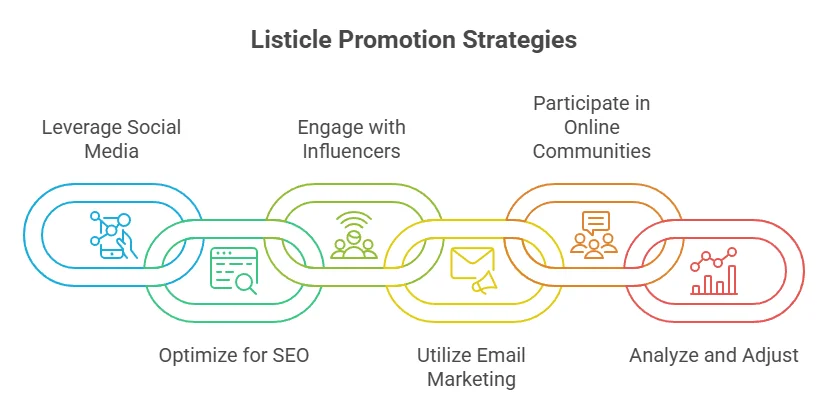
Creating great listicles is just the first step; promoting them effectively is crucial for driving traffic and gaining visibility. Here are some targeted strategies to help you promote your listicles and engage a wider audience. How to Write A “Best Of” Listicle That Ranks in AI Search?
Leverage Social Media
Social media platforms are powerful tools for sharing your listicles. Here’s how to utilize them effectively:
- Choose the Right Platforms: Determine where your target audience spends their time. For instance, if your listicle is visually appealing, platforms like Pinterest or Instagram might be best.
- Use Eye-Catching Graphics: Create engaging images that highlight your listicle’s topic. Tools like Canva can help you design stunning visuals.
- Share at Peak Times: Research when your audience is most active and schedule posts accordingly. Tools like Hootsuite can assist in scheduling.
Optimize for SEO
Search engine optimization (SEO) will enhance your listicle’s visibility on search engines. Here are some SEO tips:
- Focus on Keywords: Utilize relevant keywords throughout your listicle, including in the title, subheadings, and meta descriptions. Tools like Moz can help with keyword research.
- Use Internal Linking: Link to other related content on your site. This not only enhances SEO but also keeps readers engaged with your content longer.
- Create Engaging Meta Descriptions: Write compelling meta descriptions that summarize the listicle and contain key phrases to encourage clicks.
Engage with Influencers
Collaborating with influencers can give your listicle a significant visibility boost. Here’s how to approach this:
- Identify Relevant Influencers: Look for influencers who align with your listicle’s topic. Use tools like BuzzSumo to find them.
- Reach Out with Value: When contacting influencers, offer something valuable in return. This could be an exchange of content or exposure on your own platform.
- Encourage Shares: Once published, ask influencers to share the listicle with their audiences to expand your reach.
Utilize Email Marketing
Email marketing is another effective channel for promoting your listicles. Consider these strategies:
- Build a Subscriber List: Regularly send out newsletters featuring your latest listicles. Make sure to encourage subscriptions on your site.
- Create Compelling Subject Lines: A catchy subject line can significantly increase open rates. Make sure it reflects the content of your listicle.
- Include a Call to Action: Encourage your subscribers to read, share, and provide their feedback on your listicles.
Participate in Online Communities
Joining online forums and communities relevant to your listicle’s topic can help you reach interested audiences:
- Share Value: Contribute to discussions in forums like Reddit or relevant Facebook groups. Sharing your listicle when it provides a solution can position you as a thought leader.
- Engage Authentically: Don’t just self-promote. Engage with users, answer questions, and only add your listicle when it genuinely adds value to the conversation.
Analyze and Adjust
Once you start promoting your listicle, it’s important to analyze your efforts and make adjustments as needed:
- Use Analytics Tools: Google Analytics can provide insights into how your listicle is performing. Track views, engagement, and the traffic source.
- Refine Your Strategy: Based on analytics data, fine-tune your promotional strategies. Focus on what works and eliminate what doesn’t.
By implementing these strategies, you significantly increase the visibility and traffic of your listicles. Promotion is an ongoing process, so be persistent and creative. Always remember, the ultimate goal is to deliver valuable content that resonates with your readers. How to Write A “Best Of” Listicle That Ranks in AI Search?
Conclusion
Creating a compelling “Best of” listicle that effectively ranks in AI search requires a balanced approach that prioritizes the needs and preferences of your audience. By understanding audience intent, you can craft content that resonates deeply with your readers and encourages interaction. Tailoring your listicle to meet the specific interests of your audience not only boosts engagement but also enhances the likelihood of generating shares and backlinks.
Effective keyword usage is another crucial element in the success of your listicle. Integrating relevant keywords seamlessly into your content ensures that it is discoverable by search engines without sacrificing readability. This strategic approach allows you to strike the right balance between SEO optimization and maintaining the natural flow of your writing.
Visual elements play a substantial role in making your listicle appealing and digestible. By including eye-catching images and well-structured formatting, you can enhance the reader’s experience and make your content more shareable. Engaging visuals draw the reader in and help convey information quickly, which keeps them on your page longer.
Promoting your listicle is essential for increasing visibility and driving traffic. Utilize social media, collaborate with influencers, and leverage SEO strategies to get your content in front of your target audience. Building a solid promotional plan ensures that your hard work reaches those who would benefit from it the most.
By combining these strategies, you not only create a “Best of” listicle that ranks well but also delivers meaningful value to your readers, establishing your authority in your niche. Embrace these techniques, and watch your listicles thrive in both engagement and search rankings.