
How to Disclose Affiliate Links According to FTC Guidelines 2026?


ATTENTION: Want to Learn Affiliate Marketing from Successful Affiliates?
In the ever-evolving landscape of affiliate marketing, properly disclosing your affiliate links is essential for maintaining trust with your audience and adhering to legal guidelines. The Federal Trade Commission (FTC) lays out clear regulations that all affiliate marketers should follow. In 2026, it’s more crucial than ever to understand these guidelines as they continue to adapt. Here’s how you can effectively disclose your affiliate links while complying with FTC regulations. How to Disclose Affiliate Links According to FTC Guidelines 2026?
Understanding Affiliate Links
Affiliate links are unique URLs that track the sales generated from your promotional efforts. When someone clicks on your link and makes a purchase, you earn a commission. Although they can be a substantial source of income, failing to disclose these links can lead to severe repercussions.
Why Disclosure Matters
Disclosing affiliate links not only fulfills legal obligations but also builds trust with your audience. Transparency is vital; your readers need to know that you may receive compensation for recommendations. This honesty fosters a better relationship and increases the likelihood of engagement with your content.
FTC Guidelines for Disclosure
The FTC has established a set of guidelines that affiliate marketers must adhere to. Here’s what you need to keep in mind:
- Clear and Conspicuous Disclosure: Your disclosure must be easy to notice and understand. Avoid using jargon or complex terms.
- Proximity: Place your disclosure as close as possible to the affiliate link. If it’s a hyperlink in a blog post, include the disclosure in the same sentence or paragraph.
- Unambiguous Language: Use straightforward language, such as “this post contains affiliate links” or “I may earn a commission from purchases made through these links.”
- Be Honest: Always disclose your affiliate relationships, whether or not the link is related to a paid promotion. Transparency is key.
- Disclose on Social Media: If you share affiliate links on social platforms, ensure that you use hashtags like #ad or #affiliate in your post to clarify your relationship with the promoted product or service.
Examples of Effective Disclosures
| Location | Effective Disclosure Example |
|---|---|
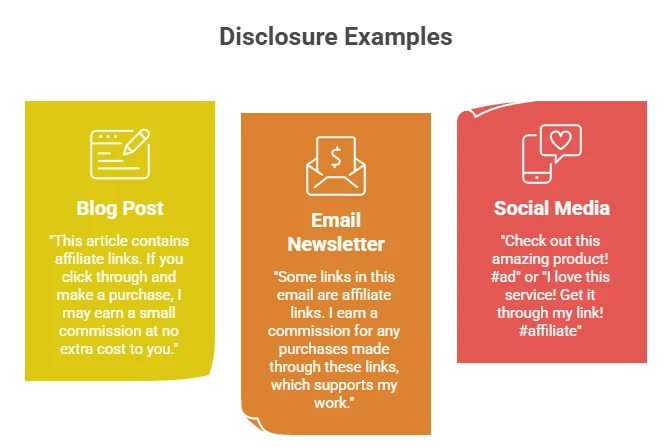
| Blog Post | “This article contains affiliate links. If you click through and make a purchase, I may earn a small commission at no extra cost to you.” |
| Email Newsletter | “Some links in this email are affiliate links. I earn a commission for any purchases made through these links, which supports my work.” |
| Social Media | “Check out this amazing product! #ad” or “I love this service! Get it through my link! #affiliate” |
Staying Updated with FTC Changes
It’s essential to stay informed about any changes in FTC guidelines. The regulations can shift, and keeping track will ensure that you’re always compliant. Regularly check resources such as the FTC’s official website for updates. Being proactive about compliance can save you from potential fines and help maintain your credibility. How to Disclose Affiliate Links According to FTC Guidelines 2026?
Tools to Help You Disclose Properly
- Disclosure Plugins: Use WordPress plugins that automatically add disclosure statements to your posts or pages.
- Templates: Create templates for emails and social media posts to streamline your disclosure process.
- Regular Training: Participate in webinars or courses on FTC regulations to keep your knowledge up-to-date.
Remember, the FTC guidelines are in place to protect consumers and maintain a fair marketplace. By disclosing affiliate links correctly, you not only adhere to the law but also foster trust and transparency with your audience. As an affiliate marketer, your reputation is your most valuable asset—don’t jeopardize it. For more information on affiliate marketing practices, you can refer to resources such as Consumer Affairs or Digital Marketing Institute.
The Importance of Transparency in Affiliate Marketing
In affiliate marketing, transparency is not just a guideline; it’s the bedrock of trust and integrity. As digital marketers, it’s easy to get caught up in the hustle of promoting products and earning commissions. However, neglecting to be clear about your affiliate relationships can drive away potential customers and even bring you into conflict with regulatory bodies. Understanding the importance of transparency can lead to more authentic engagement and better long-term results.
The Role of Trust in Affiliate Marketing
Building trust with your audience is essential. Trust fosters loyalty, meaning that satisfied customers are more likely to return to your site for future purchases. When you are transparent about affiliate links, it signals to your audience that you value honesty over profit. This can differentiate you from competitors who may choose to obscure their affiliations.
Regulatory Compliance
Regulatory compliance is another critical aspect—especially with guidelines from the FTC. The Federal Trade Commission mandates that you disclose affiliate relationships clearly to ensure that consumers are aware they are being marketed to. Missing these disclosures can lead to penalties and damage your reputation.
Best Practices for Disclosure
- Place Disclosures Prominently: Your disclosures should be easy to see. Avoid burying them in fine print. A clear statement at the beginning of your content is most effective.
- Use Clear Language: Avoid jargon. Use straightforward language that everyone understands.
- Be Consistent: Regularly disclose your affiliate links across all platforms—your blog, email newsletters, and social media.
- Educate Your Audience: Some readers may not be familiar with affiliate marketing. Provide a brief explanation of how it works.
The Benefits of Transparency
- Enhanced Credibility: Transparency establishes you as a credible source.
- Improved Engagement: When readers know they can trust your recommendations, they engage more.
- Better Conversions: Customers are more likely to purchase if they feel they are making informed choices.
- Reduced Legal Risk: Abiding by FTC guidelines minimizes the risk of legal repercussions.
Examples of Effective Disclosure
| Website | Disclosure Method | Notes |
|---|---|---|
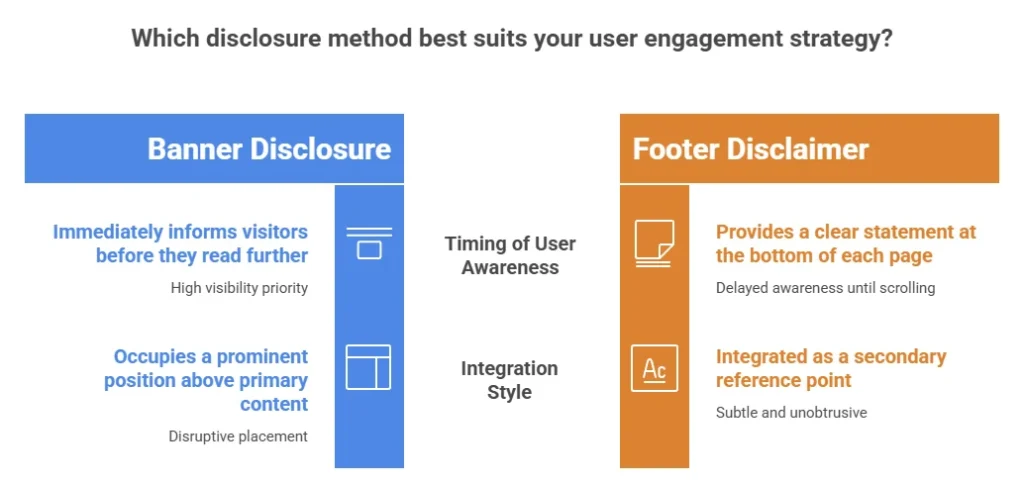
| Example 1 | Clear banner at the top | Immediately informs visitors before they read further. |
| Example 2 | Inline mention within content | Integrated naturally into the article. |
| Example 3 | Footer disclaimer | Clear statement at the bottom of each page. |
As you develop your affiliate marketing strategy, remember that maintaining transparency can strengthen your relationships with your audience. Remember that a transparent approach not only aligns with regulations but also contributes to fostering trust and loyalty among your readers. By implementing clear and consistent disclosures, you encourage positive interactions while enhancing your credibility as an affiliate marketer. For further reading on best practices in affiliate marketing, consider visiting resources like Affiliate Guard Dog or the Digital Marketer community.
Common Misconceptions About Affiliate Link Disclosure
Disclosing affiliate links is vital for maintaining transparency and trust with your audience. Yet, many people cling to misconceptions surrounding affiliate link disclosure. Understanding these misconceptions can help you comply with regulations and provide clearer communication with your audience. How to Disclose Affiliate Links According to FTC Guidelines 2026?
One common belief is that only large influencers need to disclose their affiliate links. This notion is misleading. Regardless of your audience size, if you receive compensation or commissions from a sale, you are required by the FTC to disclose this information. Anyone who promotes products and earns through affiliate marketing must make their relationship transparent to their readers.
Another prevalent misconception is that you can wait until after someone clicks an affiliate link to disclose your relationship. It’s essential to disclose *before* the click. If readers don’t understand your connection to the product when they decide to click on it, the disclosure loses its value. Ensure that your visibility of the disclosure remains clear and avid throughout the entire user experience. How to Disclose Affiliate Links According to FTC Guidelines 2026?
Many affiliate marketers believe that they can be vague about their disclosures and still remain compliant. This is not true. The best practice is clarity and honesty. FTC guidelines require that disclosures must be “clear and conspicuous.” This means your statement should be understandable to the average reader without any legal jargon. Be straightforward—you could say, “I earn a commission when you purchase through my link.”
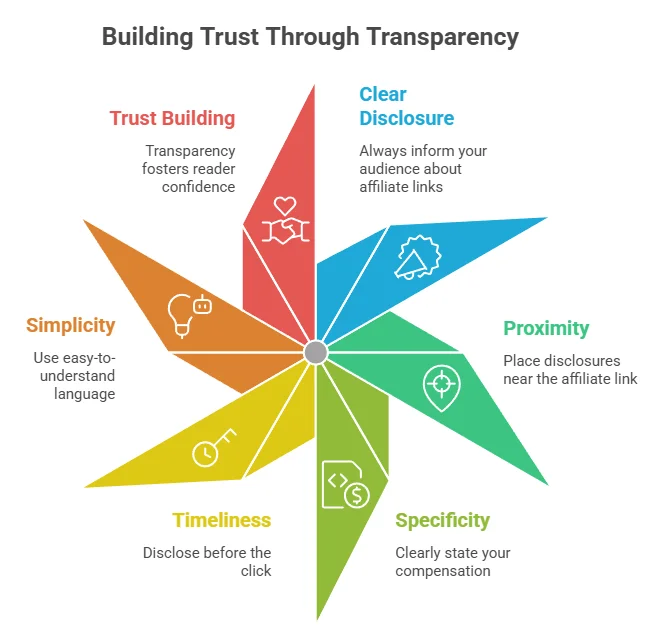
- Always disclose clearly, regardless of your audience size.
- Place disclosures close to the affiliate link.
- Be specific about your compensation.
- Disclose before the click to maintain transparency.
- Use simple language that everyone can understand.
- Consider that transparency builds trust and encourages support from your readers.
Misconstrued ideas about affiliate link disclosures can lead to non-compliance with the FTC guidelines and miscommunication with your audience. Embracing accurate practices ensures not only better engagement but also adherence to legal requirements. For more detailed regulations and resources, check out the FTC Guide.
Best Practices for Effective Affiliate Link Disclosure
When it comes to affiliate marketing, transparency is key. You want your audience to trust you, and disclosing affiliate links appropriately is a fundamental way to build that trust. Following best practices for affiliate link disclosure ensures compliance with guidelines established by the Federal Trade Commission (FTC) and enhances the credibility of your content. How to Disclose Affiliate Links According to FTC Guidelines 2026?
Use Clear and Direct Language
- “I may earn a commission if you buy through my links.”
- “Some of the links on this page are affiliate links, which means I earn a small commission if you make a purchase.”
Position Your Disclosures Prominently
- At the beginning of your post, right before any affiliate links.
- Within the content, ideally just before an affiliate link appears.
- At the end of the article as a reminder.
Educate Your Audience
Many readers may not fully understand what affiliate links are or how they work. Take a moment to educate your audience about affiliate marketing. Providing this information can demystify affiliate marketing and foster a deeper trust between you and your readers. For a deeper dive into this, refer to the FTC’s guidelines on advertising and marketing.
| Best Practices | Description |
|---|---|
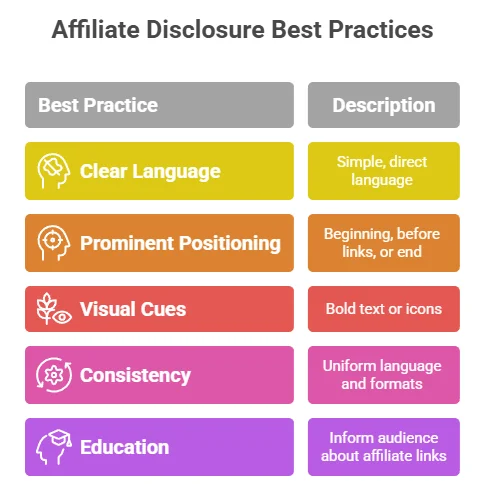
| Clear Language | Use simple, direct language for disclosures. |
| Prominent Positioning | Place your disclosure at the beginning, before links, or at the end of the post. |
| Visual Cues | Include bold text or icons to make disclosures stand out. |
| Consistency | Use uniform language and formats across all platforms. |
| Education | Inform your audience about what affiliate links are and how they benefit. |
Stay updated on regulations by regularly checking the FTC website or visiting resources like the Affiliate Marketing Association.
Legal Consequences of Non-Compliance with FTC Guidelines
Understanding the legal implications of not adhering to Federal Trade Commission (FTC) guidelines is crucial for content creators, marketers, and business owners. Failing to comply can lead to serious repercussions, both financially and reputationally. How to Disclose Affiliate Links According to FTC Guidelines 2026?
- Fines and Penalties: The FTC can impose hefty monetary penalties for non-compliance.
- Legal Action: Non-compliance can trigger investigations and legal action.
- Reputational Damage: Loss of consumer trust and perceived unreliability.
- Loss of Affiliate Partnerships: Current partners may sever ties due to lack of transparency.
In addition to FTC penalties, there are possible state-level repercussions. Some states have their own advertising laws that can amplify the consequences. Resources like the FTC Bureau of Consumer Protection can serve to keep you up to date on necessary practices.
Conclusion
Understanding how to disclose affiliate links according to FTC guidelines in 2026 is crucial for anyone participating in affiliate marketing. Transparency builds trust with your audience, creating a stronger relationship and fostering brand loyalty. How to Disclose Affiliate Links According to FTC Guidelines 2026?
Effective affiliate link disclosure practices include placing clear and visible notices in your content, whether at the beginning or by the specific link itself. Use straightforward language that your audience can easily understand, ensuring they know you may receive compensation for their purchases. This practice not only meets legal requirements but also enriches the user experience by promoting honesty.
Ultimately, engaging your readers while embracing these evolving voice search techniques will not only improve your search visibility but also build trust and loyalty among your audience. By focusing on delivering genuine value and connecting with users through these innovative strategies, you will position your affiliate blog for continued growth and success in the voice search-driven future. How to Disclose Affiliate Links According to FTC Guidelines 2026?