
How to Optimize Affiliate Blog Posts for Voice Search In 2026?


ATTENTION: Want to Learn Affiliate Marketing from Successful Affiliates?
Optimizing affiliate blog posts for voice search is becoming increasingly important as more users turn to voice-activated devices for their queries. By 2026, voice search technology will play a significant role in how information is accessed online. To stay ahead, you must adapt your content strategies. Here are key strategies you can use to ensure your affiliate blog posts are optimized for voice search.
Focus on Natural Language
When users engage with voice search, they often speak in full sentences rather than typing keywords. To cater to this behavior, incorporate more conversational language in your blog posts. Use phrases and questions that individuals are likely to ask aloud. Here are some examples to consider:
- Instead of “best running shoes,” use “What are the best running shoes for beginners?”
- Replace “cheap vacation destinations” with “Where can I find affordable vacation spots?”
This approach helps your content resonate with voice search queries and improves the chances of being featured in a voice search result.
Utilize Long-Tail Keywords
Long-tail keywords are crucial for voice search optimization. Voice queries tend to be longer and more detailed compared to text searches. Here’s how you can implement them:
- Identify common phrases related to your niche.
- Utilize keyword research tools to find long-tail variations.
- Integrate these long-tail keywords naturally into your content.
For example, instead of just focusing on “fitness supplements,” consider “Which fitness supplements are recommended for weight loss?” This not only improves search visibility but also aligns your content with user intent.
Optimize for Local Searches
Many voice searches are local in nature, especially for services and products. To capture this market segment:
- Include local keywords in your posts, such as city names or neighborhoods.
- Claim and optimize your Google My Business listing.
- Encourage user-generated content that mentions your location.
By tailoring your content to local searches, you can enhance your visibility in specific geographic areas.
Make Use of Featured Snippets
Featured snippets are the small boxes of information that appear at the top of search results. They can dramatically increase your visibility on voice search. Here’s how to target them:
- Answer common questions directly in your blog posts, providing clear and concise responses.
- Use lists, tables, or bullet points for easy scanning.
- Formatting your content to be concise can help it get picked up as a featured snippet.
Ensure your answers are within 40-60 words since this length is often favored in voice search extracts.
Enhance Page Load Speed and Mobile Friendliness
Voice searches are largely conducted on mobile devices. If your website takes too long to load, visitors might leave before it even appears. Follow these tips to improve speed:
- Use optimized images and limit their sizes to reduce load time.
- Minimize redirects and leverage browser caching.
- Consider using a content delivery network (CDN) to speed up content delivery.
Additionally, ensure your website is responsive and user-friendly on mobile to provide an optimal experience for all visitors.
Promote Engaging and Interactive Content
Using engaging and interactive content can significantly enhance user experience, thus increasing the likelihood of shares, saves, and interactions. Try incorporating:
- Interactive elements like quizzes or polls that relate to your niche.
- Videos that answer common questions in a more digestible format.
- Infographics summarizing your blog points succinctly.
Interactive content not only retains reader interest longer but can also improve shareability, leading to broader reach.
Monitor and Adjust Your Strategy
Regularly tracking the performance of your posts is essential in the ever-evolving digital landscape. Use tools like Google Analytics and Google Search Console to gauge how your voice search optimization efforts are paying off. Pay attention to:
- Traffic sources and user engagement metrics.
- Which keywords are driving voice search traffic.
- Conversion rates to measure the effectiveness of your affiliate links.
By adjusting your approach based on these insights, you can continuously enhance your strategy for voice search optimization. Implementing these strategies will place your affiliate blog posts in a favorable position for success in the evolving landscape of voice search in 2026.
Understanding the Impact of Voice Search on Consumer Behavior
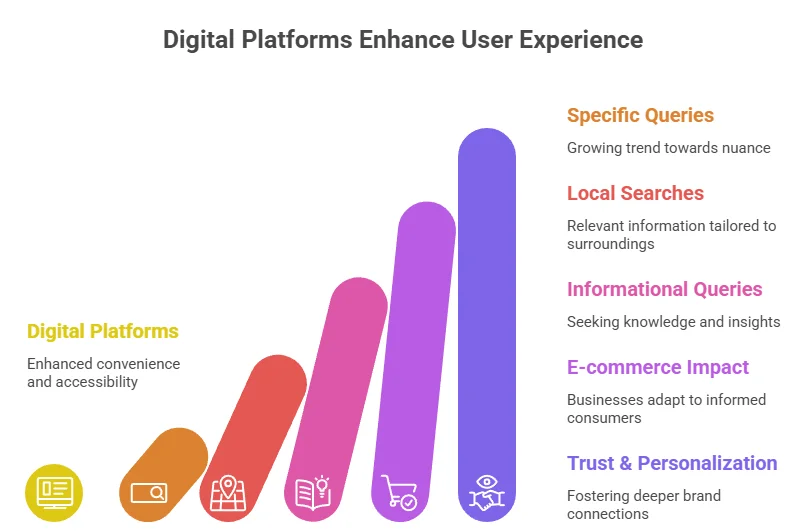
Voice search is revolutionizing the way consumers interact with technology. Gone are the days of typing queries into search engines; now, users speak their questions or commands aloud. This shift has created a significant impact on consumer behavior and enables brands to rethink their marketing strategies. As voice-activated devices become more prevalent, it is important to understand how they influence consumer decision-making. Here are some ways voice search affects how consumers behave:
Convenience and Accessibility
Voice search offers unmatched convenience. Consumers appreciate the speed and ease with which they can get information. With just a voice command, users can access maps, make calls, set reminders, or receive product recommendations. This convenience leads to a more immediate and impulsive approach toward purchases.
Changing Search Queries
When using voice search, consumers phrase their queries differently than they do when typing. Typically, voice searches are longer and more conversational. For instance, while someone may type “best pizza NYC,” they might say, “What are the best pizza places in New York City?” This difference in language requires brands to optimize their websites and content accordingly.
Influence on Local Searches
Voice search significantly boosts the importance of local SEO. Many voice searches are location-based, with users looking for nearby services or products. According to Statista, 58% of consumers used voice search to find local businesses in 2023. If businesses optimize their local listings, they can attract more foot traffic and gain competitive advantages. Consider these steps to enhance local search optimization:
- Claim and update Google My Business listings.
- Incorporate location-based keywords into content.
- Encourage customers to leave reviews on platforms like Google and Yelp.
Shift to Informational Queries
Voice search users often seek answers rather than links. For example, they might ask, “What are the top benefits of yoga?” instead of typing “yoga benefits.” Brands can cater to this by creating detailed, direct answers within their content to meet the demands of voice searchers. Implementing a FAQ section on your website can be a useful strategy to provide quick, informative responses.
Impact on E-commerce
The trend of voice shopping is also on the rise. A study conducted by PR Newswire revealed that 43% of consumers have used voice commands to shop at least once. This represents a shift in purchasing behavior, with users embracing the ease of adding items to their cart through voice commands. For brands, this means creating voice-compatible shopping experiences. Here are a few suggestions:
- Make product descriptions clear and concise.
- Ensure that your website is mobile-friendly for seamless transactions.
- Allow for easy navigation through voice commands.
Trust and Personalization
Trust is another significant factor in voice search adoption. Consumers may feel more comfortable making purchases through voice assistants, especially when they trust the platform. Personalization is crucial. The more tailored experiences are, the more likely consumers will engage with the brand. Voice assistants can utilize data to anticipate user needs and preferences, thus improving recurring interactions.
The transition to voice search is not just a trend; it is redefining consumer behavior. As people adopt these technologies, businesses must adjust their strategies to remain relevant in a voice-driven landscape. Embracing the changes means understanding how consumers interact with their devices and ensuring that brands meet their needs through well-structured and optimized content. As this landscape continues to evolve, staying informed and adaptable will be key for brands to thrive. Harnessing insights on user behavior will help marketers create strategies that resonate and engage, ensuring customers receive a seamless experience in their buying journey.
The Role of Long-Tail Keywords in Voice Search Optimization
Voice search is revolutionizing the way users interact with search engines. As technology advances, understanding How to Optimize Affiliate Blog Posts for Voice Search In 2026? becomes crucial. One of the keys to effectively engaging in this modern form of search lies in leveraging long-tail keywords. Long-tail keywords are phrases that users are more likely to speak into a voice-enabled device rather than type into a search engine. In this context, they play a significant role in improving the visibility and relevance of your content.
So, how can you incorporate long-tail keywords into your content strategy for voice search optimization? Here are some effective strategies:
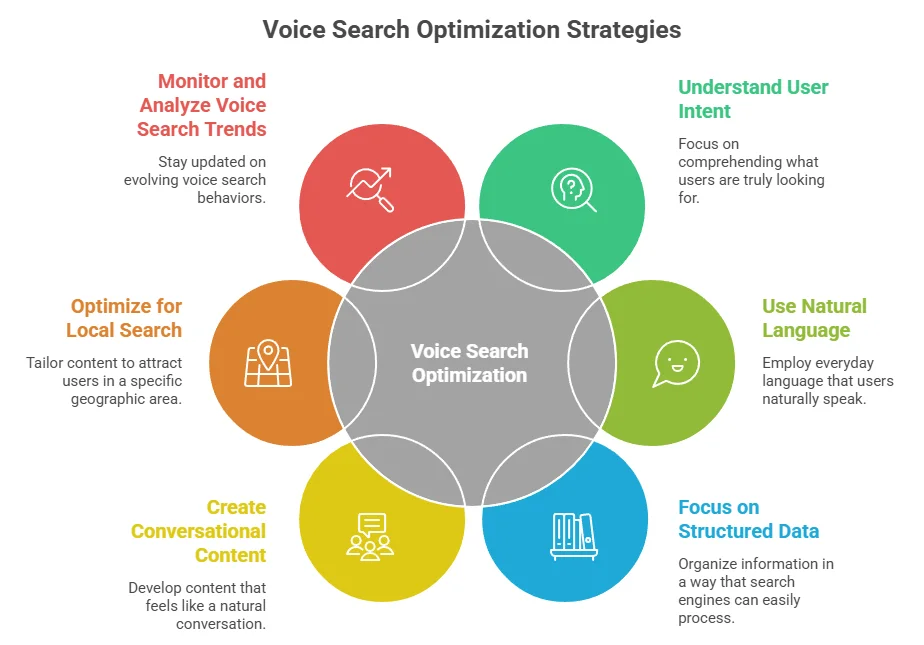
1. Understand User Intent
Before you start optimizing, it’s important to grasp what users are looking for when they perform voice searches. Typically, these searches are more conversational and specific. With this in mind, you should focus on understanding what questions users might ask. For instance:
- What are the best affiliate marketing programs in 2026?
- How do I start an affiliate blog for beginners?
By crafting content that directly addresses these inquiries, you’re more likely to rank higher when voice searches are made.
2. Use Natural Language
Writing in a natural, conversational tone is essential for voice search optimization. Users tend to speak in a more relaxed manner compared to typing. Therefore, using phrases like “how to” or “what is” can significantly enhance your content’s relevance to voice queries. Here’s how you can adjust your writing style:
- Use direct questions in your content.
- Incorporate phrases that match natural speech patterns.
3. Focus on Structured Data
Structured data helps search engines understand the context of your content, which is vital for voice search. Utilizing schema markup can make your blog posts more appealing to search engines, resulting in better rankings. For affiliate blogs, implementing structured data for product reviews, FAQs, and how-tos can make your posts more recognizable. Examples of schema markup include:
- FAQ schema for answering common questions.
- Product schema to provide detailed product information.
4. Create Conversational Content
To optimize for voice search, your content should mimic conversation. This can be effectively achieved by creating articles that flow smoothly, like a dialogue. For instance, when addressing a topic such as “best cooking tools for beginners,” consider framing it as a Q&A format, making it easy for the reader to absorb the information.
5. Optimize for Local Search
With the increase of local voice searches, optimizing for local SEO can be immensely beneficial. Make sure to incorporate location-based long-tail keywords throughout your blog posts. For example:
- “Best affiliate programs in New York”
- “Top-rated affiliate blogs in Austin”
This approach connects your content with local searchers, enhancing engagement and potential conversions.
6. Monitor and Analyze Voice Search Trends
Staying updated with the latest trends in voice search can give you a competitive edge. Utilize tools like Google Trends and AnswerThePublic to explore what long-tail keywords are gaining traction in your niche. Regular analysis of user queries can help you fine-tune your content strategy more effectively.
In addition to these strategies, consider the importance of page speed and mobile responsiveness. Search engines favor mobile-friendly content, particularly with the increase in voice search being performed on smartphones. Ensuring your website loads quickly and is easy to navigate will enhance user experience and encourage visitors to engage with your content longer.
To summarize, How to Optimize Affiliate Blog Posts for Voice Search In 2026? involves understanding user intent, using natural language, implementing structured data, and focusing on local search. By leveraging long-tail keywords appropriately, you can improve engagement and visibility. For further insights on SEO and voice search, visit Search Engine Journal or Moz for expert tips.
Adapting Content Structure to Enhance Voice Search Discoverability
As voice search continues to gain traction, adapting your blog content structure is essential for gaining visibility. By understanding how voice search operates, you can How to Optimize Affiliate Blog Posts for Voice Search In 2026? for a seamless user experience. In 2026, users will increasingly rely on natural speech patterns when looking up products or information. This evolution implies a shift in how content is structured to meet the needs of voice search queries.
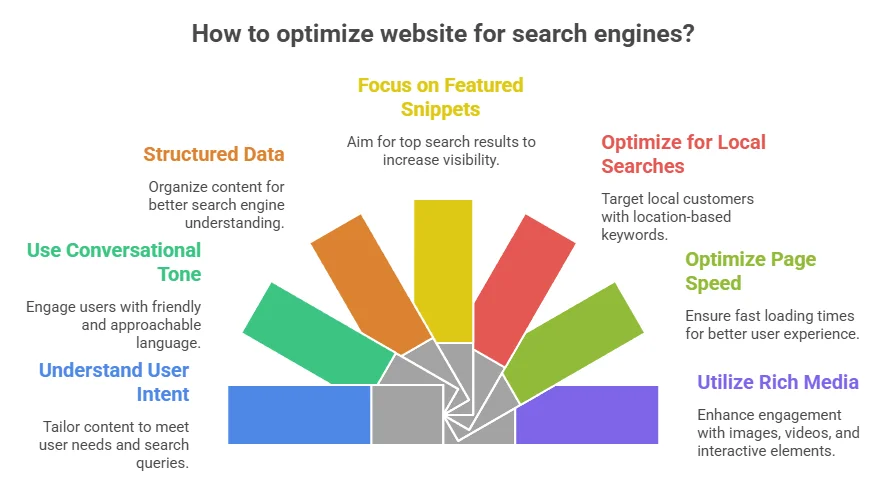
Understand User Intent
Before you write, it’s crucial to grasp what your audience is asking. Voice search often involves completing a question, such as “What’s the best affiliate program for beginners?” or “How to choose a product to promote?” To optimize your content:
- Analyze common questions related to your topic using tools like Answer the Public.
- Incorporate long-tail keywords that reflect conversational queries.
- Prioritize user intent; ensure your content answers the questions users are asking.
Use a Conversational Tone
Voice searches are typically more casual than typed queries. To resonate with voice search users:
- Write as if you’re having a conversation with a friend.
- Utilize simple language and a friendly, inviting tone.
- Make use of contractions (like “you’re” instead of “you are”) to create a relaxed feel.
Structured Data is Key
By employing structured data markup, you boost your chances of appearing in voice search results. This technology helps search engines understand your content better. Include schema markup on your affiliate posts:
- Utilize FAQ schema for common questions and their answers.
- Use Product schema to accurately portray items you are promoting.
- Incorporate Review schema if you are reviewing affiliate products.
Focus on Featured Snippets
Featured snippets appear as direct answers to users’ queries, making them prime real estate for voice search results. To increase your likelihood of getting featured:
- Use concise headings and bullet points to highlight key details.
- Provide clear, direct answers to questions within the first 50-100 words of your posts.
- Incorporate lists or tables to organize information effectively.
Optimize for Local Searches
Voice search often has local intent. If you’re promoting local services or products, don’t forget to:
- Include location-based keywords in your content.
- Register your business with Google My Business.
- Add local citations and backlinks to increase your prominence in local voice searches.
Optimize Page Speed and Mobile Responsiveness
Since many voice queries originate from mobile devices, ensure your blog loads quickly and is mobile-friendly. Google prioritizes sites with excellent load times. Here are a few tips:
- Compress images to reduce load times.
- Minimize redirects and utilize browser caching.
- Test your site’s mobile responsiveness using the Google Mobile-Friendly Test.
Utilize Rich Media
Incorporate rich media, such as videos and infographics, to keep users engaged. This can improve dwell time, a positive ranking signal for search engines:
- Embed videos that explain or review the products you’re promoting.
- Create infographics that summarize important data.
- Ensure media is accessible across all devices.
How to Optimize Affiliate Blog Posts for Voice Search In 2026? entails understanding user intent and adjusting content structure accordingly. Focus on natural language, make use of structured data, and ensure your site has a fast, mobile-friendly design. By doing so, you can enhance discoverability and draw more traffic to your content.
Future Trends in Voice Search Technology and Their Implications for Affiliates
As technology continues to evolve, voice search is becoming an essential tool for consumers and a valuable asset for affiliates. Understanding future trends in voice search technology can help you stay ahead in the competitive affiliate marketing landscape.
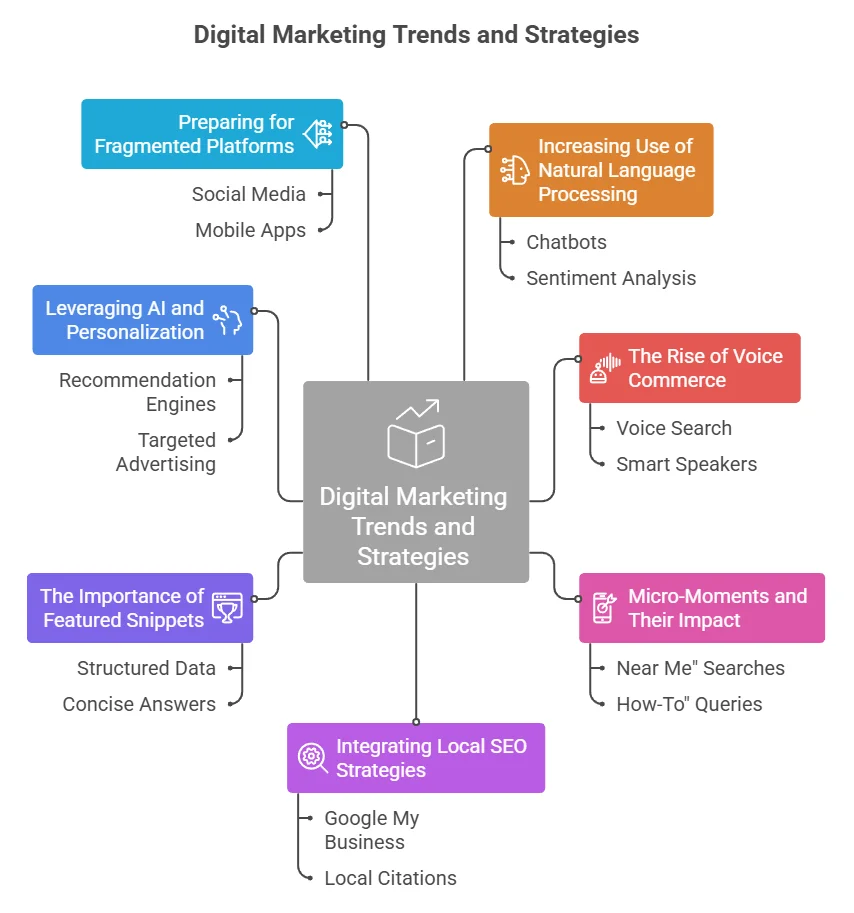
Increasing Use of Natural Language Processing
Natural Language Processing (NLP) is a significant trend impacting voice search technology. This technology enables devices to understand and respond to human language more naturally. As NLP improves, users will tend to ask questions in a more conversational manner. For you, as an affiliate marketer, this means you should How to Optimize Affiliate Blog Posts for Voice Search In 2026? for natural speech patterns rather than just traditional keyword phrases.
The Rise of Voice Commerce
With advancements in voice recognition and security, users are becoming comfortable making purchases through voice commands. In fact, Statista reported that the voice commerce market is expected to reach over $40 billion by 2024. This shift underscores the need for affiliates to create content that facilitates voice shopping experiences. Here’s how to adapt:
- Use clear and concise product information.
- Incorporate direct calls to action that prompt purchases.
- Ensure your affiliate links are easily reachable via voice commands.
Micro-Moments and Their Impact
Micro-moments refer to instances when consumers turn to their devices for quick answers. Voice search is particularly effective in catering to these moments, as users often seek immediate and relevant information. This trend pushes affiliates to create content that directly answers potential customer queries in a conversational tone. For example, if you sell kitchen gadgets, consider including FAQs that address common concerns like “What is the best blender for smoothies?”
Integrating Local SEO Strategies
As users frequently employ voice search for local inquiries, How to Optimize Affiliate Blog Posts for Voice Search In 2026? for local SEO is vital. Research shows that nearly 76% of people using voice search for local information visit a business within a day. To take advantage of this trend:
- Incorporate location-based keywords organically throughout your content.
- Claim and optimize your Google My Business listing.
- Encourage customer reviews to improve local search rankings.
The Importance of Featured Snippets
Featured snippets are becoming increasingly crucial for voice search results. These snippets provide quick answers to user queries and are often read aloud by Alexa or Google Assistant. To target this space, you should:
- Structure your content using bullet points or numbered lists.
- Provide clear, concise answers to common questions.
- Use headings and subheadings effectively to help search engines index your content.
Leveraging AI and Personalization
Artificial Intelligence (AI) plays a significant role in enhancing user experiences. AI-driven voice assistants can learn user preferences and provide personalized recommendations. As an affiliate, consider using AI tools to analyze customer behaviors and tailor your content accordingly. Personalized content has a higher likelihood of driving conversions, especially in affiliate marketing.
Preparing for Fragmented Platforms
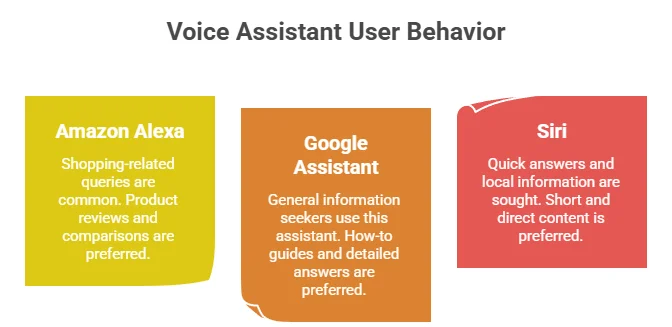
With the emergence of numerous voice-activated devices—from smart speakers to mobile phones—affiliates must adapt their strategies for different platforms. This can entail customizing your content for various voice assistants such as Siri, Google Assistant, and Alexa. Each platform might interpret queries differently, so a one-size-fits-all approach may not work. Here’s a comparison:
| Platform | User Behavior | Preferred Content Type |
|---|---|---|
| Amazon Alexa | More shopping-related queries | Product reviews and comparisons |
| Google Assistant | General information seekers | How-to guides and detailed answers |
| Siri | Quick answers and local information | Short and direct content |
As technology evolves, staying updated with these trends will be crucial for maximizing your affiliate marketing efforts through voice search. Adapting your content to align with these changes will not only improve your visibility but also help you engage effectively with your audience. For comprehensive insights on affiliate marketing, consider following resources like BlogHer and Affiliate Insider.
Conclusion
As we look ahead to 2026, How to Optimize Affiliate Blog Posts for Voice Search In 2026? will be essential in staying relevant and effectively reaching your audience. Understanding how voice search influences consumer behavior allows you to tailor your content to meet the needs of users who prefer speaking over typing. Long-tail keywords become increasingly vital in this landscape, providing more natural phrases that align with how people communicate when using their voice assistants.
To enhance discoverability, consider adapting your content structure. Short, direct answers and conversational tones resonate better with voice search algorithms, allowing you to connect with your audience meaningfully. By implementing features such as FAQs and bullet points, you can present information in a way that voice search technology can easily interpret and relay. Future trends hint at advancements in AI and voice recognition technology, which will further transform how consumers interact with content. Staying informed about these trends will empower you to adjust your strategies continually. rich media and interactive elements will also play a significant role in future voice search optimization.
Ultimately, engaging your readers while embracing these evolving voice search techniques will not only improve your search visibility but also build trust and loyalty among your audience. By focusing on delivering genuine value and connecting with users through these innovative strategies, you will position your affiliate blog for continued growth and success in the voice search-driven future.