
How to Build an Email List for Affiliate Marketing from Scratch


ATTENTION: Want to Learn Affiliate Marketing from Successful Affiliates?
Join this FREE community where successful marketers share their secrets!
Learn directly from highly successful affiliate marketers
Access free, actionable training content regularly
Connect with an active community of over 5,000 members
Network with multiple six-figure earning affiliates
Get your questions answered by real experts
JOIN FREE NOW!
ATTENTION: Want to Learn Affiliate Marketing from Successful Affiliates?
Building an email list for affiliate marketing from scratch can seem daunting, but with the right strategies, it becomes manageable and even rewarding. Your email list is a vital asset that allows you to connect directly with your audience, promote products, and earn commissions effectively. Here are some effective strategies to help you get started.
Identify Your Target Audience
The first step in building your email list is understanding who your target audience is. Knowing their demographics, interests, and needs will help you tailor your content accordingly. Consider creating buyer personas to map out detailed profiles of your ideal customers.
Create Valuable Content
Content is king, and providing valuable information to your audience is essential. Consider offering:
- eBooks or Guides
- Exclusive Discounts or Coupons
- Webinars or Online Courses
- Newsletters with industry insights
When you create content that resonates with your audience, they are more likely to subscribe to your email list. High-quality content not only builds trust but also positions you as an authority in your niche.
Offer Incentives for Sign-Ups
People love free stuff! To encourage visitors to join your email list, consider offering incentives. Some popular options include:
- A free trial of a premium product
- A downloadable resource like a checklist or template
- Entry into a giveaway for valuable items related to your niche
Ensure that the incentives are relevant to your niche. You can find ideas and inspiration on websites like OptiMonk.
Utilize Landing Pages
Create dedicated landing pages with a clear focus on capturing email addresses. This means your message should be straightforward, highlighting what subscribers will gain by signing up. Use compelling visuals and persuasive copy that demonstrates benefits clearly.
Make sure to include a simple sign-up form that has minimal fields – typically just a name and email address will suffice. The easier you make it, the higher your conversion rates will be!
Leverage Social Media
Social media platforms are a fantastic way to grow your email list. Promote your email sign-up on platforms like Facebook, Instagram, and Twitter by sharing enticing snippets of your content or exclusive offers. Engage with your audience and direct them to your sign-up page, ensuring they understand the value of subscribing.
Run Targeted Ads
If you have a budget for marketing, consider running targeted ads through platforms like Facebook or Google Ads. Tailor your ads to reach your specific audience based on their interests and behaviors. You can drive traffic to your landing page and significantly increase your sign-ups.
Engage Your List Regularly
Once you have started building your email list, it’s important to engage your subscribers regularly. Send out newsletters that offer value, including tips, product recommendations, and exclusive content. This keeps your audience interested and can increase the chances of them making purchases through your affiliate links.
Make use of tools such as MailChimp or ConvertKit for managing your email campaigns and automating responses.
Track and Analyze Performance
To continuously improve your email list-building efforts, monitor your performance metrics. Pay attention to sign-up rates, open rates, and click-through rates. Tools like Google Analytics can provide valuable insight into user behavior, helping you refine your strategies.
A/B Testing Strategies
Use A/B testing to determine which elements of your sign-up forms and email content resonate best with your audience. Test different headlines, incentives, and layouts to find out what yields the highest conversions. Making data-driven decisions can significantly improve your email marketing success.
By implementing these strategies, you can effectively How to Build an Email List for Affiliate Marketing from Scratch. Remember, consistency and providing value to your audience are key elements of success in this endeavor.
The Importance of Lead Magnets in Email List Growth
Building an email list is vital for anyone engaged in affiliate marketing. Your email list represents a direct line of communication with potential customers. However, getting people to subscribe can be challenging. This is where lead magnets become crucial. They help you capture the interest and details of prospective subscribers, making your email list grow effectively.
A lead magnet is any incentive you offer to potential subscribers to entice them to join your list. This could be anything from an eBook to a free trial or exclusive content. Understanding what makes a lead magnet effective can transform your email marketing efforts.
Types of Effective Lead Magnets
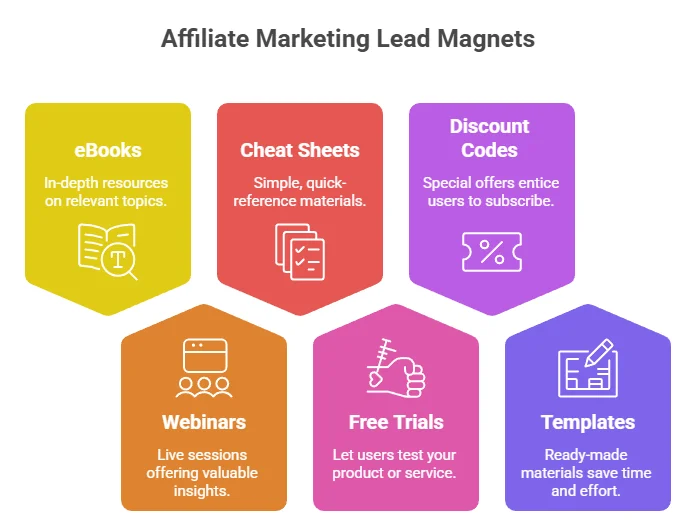
Not all lead magnets are created equal. Here are several types that work well for affiliate marketing:
- eBooks: An in-depth resource on a relevant topic can draw in readers looking for information.
- Webinars: Live sessions can engage users in real-time, offering valuable insights.
- Cheat Sheets: Simple, quick-reference materials provide immediate value.
- Free Trials: Let users test your product or service for free.
- Discount Codes: Special offers entice users to subscribe.
- Templates: Ready-made materials save time and effort for potential subscribers.
Why Lead Magnets Boost Email List Growth
The effectiveness of lead magnets lies in their ability to provide immediate value. Here are some reasons they work:
- Addressing Pain Points: Great lead magnets offer solutions to common problems, making them attractive.
- Building Trust: By providing something of value upfront, you showcase your credibility.
- Specific Targeting: Tailoring your lead magnet to a niche audience ensures better engagement, leading to a more receptive email list.
By offering relevant content that speaks directly to your audience’s interests, you ensure that your email list consists of subscribers who are genuinely invested in what you have to offer.
Crafting Your Lead Magnet
Creating an effective lead magnet involves understanding your audience well. You can start by:
- Conducting surveys or polls to determine what your audience values.
- Analyzing competitors to see what types of lead magnets they offer.
- Using A/B testing to see which lead magnets perform better.
This approach helps refine your lead magnet to meet subscriber needs, ensuring it hits home and prompts action.
How to Promote Your Lead Magnet
Even an effective lead magnet needs promotion. Here are some methods to get it in front of your target audience:
- Landing Pages: Create a dedicated landing page focused solely on your lead magnet.
- Social Media: Use platforms like Facebook, Instagram, or Twitter to promote your offer.
- Blog Content: Integrate your lead magnet into relevant blog posts to capture interested readers.
- Paid Ads: Consider using Google Ads or Facebook Ads to reach larger audiences.
Tracking Performance
Monitoring your lead magnet’s performance is essential. Use key metrics like:
- Conversion Rate: Track how many visitors take advantage of your offer.
- Subscriber Growth: Monitor how your email list increases over time.
- Email Engagement: Evaluate open and click rates on emails.
Based on the performance data, don’t hesitate to tweak your lead magnet to improve results.
Best Practices for Engaging Email Campaigns that Convert
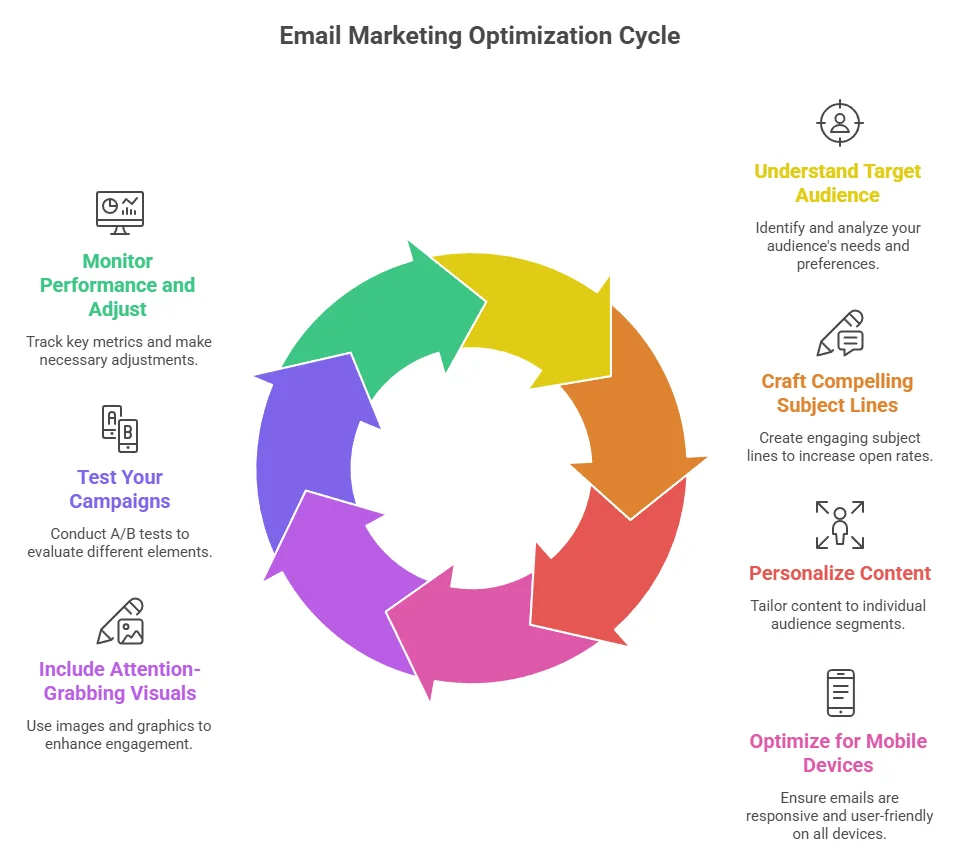
Engaging your audience through email campaigns is crucial for converting leads into loyal customers. To create successful email campaigns, you need to focus on strategies that captivate your audience and entice them to take action. Here are some best practices to help you craft engaging email campaigns that convert.
Understand Your Target Audience
Before you begin crafting your campaigns, it’s essential to understand who your audience is. Segmentation helps you tailor your messages to various groups based on their needs and preferences. Here is a simple breakdown:
- Demographics: Age, gender, and location can define buyer behavior.
- Behavior: Analyze what products or services they are most interested in.
- Interests: Tailor your content based on what excites your audience.
Craft Compelling Subject Lines
Your email subject line is the first impression you make. Make it count! Here are some tips to write attractive subject lines:
- Be clear: Avoid ambiguity—state what’s in the email.
- Use action words: Encourage readers to take action.
- Create urgency: Phrases like “limited time” or “don’t miss out” can prompt immediate responses.
Personalize Your Content
Personalization increases engagement significantly. Here’s how you can incorporate personal touches:
- Use their name: A simple “Hi [Name]” makes emails feel more personal.
- Tailor recommendations: Suggest products or content based on past interactions.
- Customize timing: Send emails at times when your audience is most active.
Optimize for Mobile Devices
Most people now check their emails on mobile devices. Ensure your emails are mobile-friendly. Use these tips:
- Responsive design: Choose a layout that adapts to any screen size.
- Shorten content: Use concise paragraphs and bullet points for better readability.
- Clear call-to-action (CTA): Make CTAs easy to tap on mobile.
Include Attention-Grabbing Visuals
Images and videos can boost engagement levels. Use visuals that complement your message rather than distract from it. Consider these factors:
- High-quality images: Use visually appealing images that add value.
- Videos: According to research, videos can increase click rates significantly.
- Alt text: Always include alt text for images in case they don’t load.
Test Your Campaigns
Before sending out your emails, test them to ensure everything works as planned. Here are some elements to test:
- Subject lines: Try A/B testing to see what resonates better with your audience.
- CTAs: Experiment with different placements and wording.
- Design elements: Compare different layouts to determine which performs better.
Monitor Performance and Adjust Accordingly
Monitoring metrics like open rates, click-through rates, and conversion rates is essential for continuous improvement. Use these insights to refine future campaigns:
- Open Rates: Track how many recipients opened your emails.
- Click-Through Rates: Measure how many clicked on your links.
- Conversion Rates: Evaluate how many ultimately made a purchase.
Through dedicated effort and ongoing testing, you can discover what truly resonates with your audience. For more information on effective email marketing strategies, check out Mailchimp and Constant Contact. These platforms offer tools and resources to help you master the art of engaging emails.
By applying these best practices, you can create email campaigns that not only engage but also convert your audience into loyal customers. Remember, the key is to understand your audience and deliver value with every email you send.
Utilizing Social Media to Boost Your Email List for Affiliate Marketing
Building your email list for affiliate marketing can be incredibly effective, especially when harnessing the power of social media. Many people already use various platforms daily, making them a goldmine for attracting potential subscribers. Here are some strategies to utilize social media effectively to boost your email list.
Choosing the Right Platforms
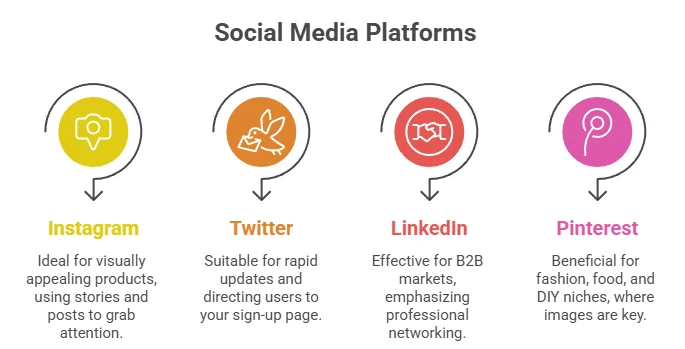
Not all social media platforms will work equally well for your audience or niche. It is vital to pinpoint where your potential subscribers congregate. Here are some popular platforms to consider:
- Facebook: With its vast user base, it’s ideal for forming communities and sharing engaging content.
- Instagram: Perfect for visually-oriented products; stories and posts can capture attention quickly.
- Twitter: Great for quick updates and links to your sign-up page.
- LinkedIn: Excellent for B2B markets where professional networking plays a key role.
- Pinterest: Useful for niches like fashion, food, and DIY, where images drive interest.
Crafting Engaging Content
Once you’ve selected your platforms, focus on developing content that resonates with your audience. Aim to create:
- Value-Driven Posts: Share helpful tips, industry news, and insights related to your niche.
- Eye-Catching Visuals: Use images, infographics, and videos to grab attention and convey your message effectively.
- Actionable Items: Create clear calls-to-action (CTAs) encouraging your audience to subscribe to your email list.
Using Lead Magnets
A lead magnet is an irresistible offer designed to entice your audience to provide their email address. Here are some examples of effective lead magnets:
- Ebooks: Share in-depth guides that solve a particular problem related to your niche.
- Exclusive Discounts: Offer discounts or deals available only to subscribers.
- Webinars: Conduct informative sessions where attendees must sign up with their email.
- Checklists: Provide handy resources that your audience can use at their convenience.
Promoting Your Lead Magnets on Social Media
Once you’ve created effective lead magnets, promote them on your social media channels. Here’s how:
- Dedicated Posts: Create posts specifically highlighting your lead magnet. Use engaging images and compelling descriptions to draw attention.
- Stories and Highlights: Use Instagram Stories or Facebook Stories to make your lead magnets more visible. Consider saving them in highlights for easy access.
- Pinned Posts: On platforms like Twitter and Facebook, pin posts that promote your lead magnets. This keeps them visible to your audience.
Engaging with Your Audience
Interactions can significantly enhance your email list-building efforts. Respond to comments and messages actively and provide value wherever possible. Building a relationship with your audience fosters trust, making them more likely to subscribe to your email list.
Social Proof
Social proof can be an effective motivator for new subscribers. Share testimonials, user-generated content, or success stories of existing subscribers. Show how your email content has positively impacted their lives. This approach builds credibility and encourages potential subscribers to join your list.
Using Ads to Reach Broader Audiences
If you want to speed up your email list growth, consider using social media ads to target specific audiences. Ads can help you reach users who may not yet follow your profile but are interested in your niche. Platforms like Facebook and Instagram provide powerful targeting options. Design a compelling advertisement that promotes your lead magnet directly.
Tracking Your Efforts
Keep an eye on your metrics. Track how many new subscribers you gain from each social media platform. Use tools like Google Analytics to measure the effectiveness of your campaigns. Adjust your strategies based on what works best for your audience.
Social media is a powerful ally in building your email list for affiliate marketing from scratch. With the right approach, you can create engaging content, effective lead magnets, and build strong relationships with your audience. If you need more insights, check out Social Media Examiner for the latest trends and strategies.
Utilize these strategies effectively to ensure a growing email list that will serve your affiliate marketing endeavors well!
Analyzing Metrics: How to Measure the Success of Your Email List Growth
Understanding Your Metrics
When you focus on building your email list, it’s crucial to have a grasp on how to measure your success. Metrics allow you to understand what’s working and what needs improvement. Start by defining specific goals. Are you looking to grow your list by a certain number of subscribers each month? Or perhaps increasing your open rates? Setting clear objectives ensures that you have a benchmark against which to measure your progress.
Key Metrics to Monitor
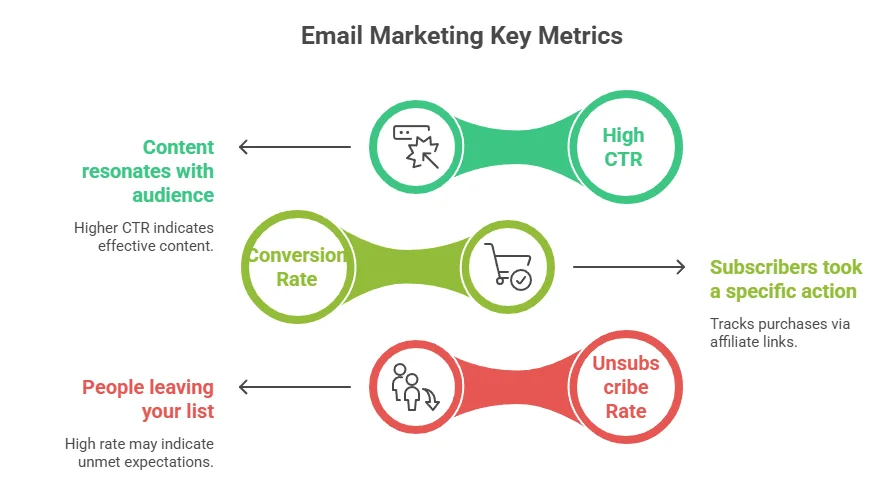
Here are the essential metrics you should keep an eye on:
- Subscriber Growth Rate: This tells you how fast your list is growing. Measure new subscribers against unsubscribes during a specific period.
- Open Rate: Indicates the percentage of recipients who open your emails. A high open rate often means your subject lines are engaging.
- Click-Through Rate (CTR): This metric shows how many readers clicked on links within your email. A higher CTR indicates that your content resonates with your audience.
- Conversion Rate: Tracks the number of subscribers who took a specific action, such as purchasing a product via an affiliate link.
- Unsubscribe Rate: This helps you understand why people are leaving your list. A high rate may indicate that your content isn’t meeting their expectations.
Analyzing Your Subscriber Growth Rate
To calculate your subscriber growth rate, use the following formula:
| New Subscribers | Unsubscribed | Growth Rate (%) |
|---|---|---|
| 100 | 10 | (New Subscribers – Unsubscribed) / Total Subscribers × 100 |
The growth rate lets you know if your emails are attractive enough to bring new subscribers while maintaining existing ones. If this number is consistently low, consider refreshing your email strategy.
Improving Open Rates
Your open rates can dramatically impact your affiliate marketing efforts. Here are some strategies to improve them:
- Craft Compelling Subject Lines: Make them engaging and relevant to your audience’s interests. A/B testing different subject lines may provide insights into what works best.
- Segment Your List: Tailor your messages to specific groups within your audience. Personalization can significantly increase open rates.
- Optimize Send Timing: Experiment with different days and times to find when your audience is most active.
Boosting Click-Through Rates
A high click-through rate signifies that your subscribers find your content valuable. To achieve this, consider these tips:
- Include Clear Calls to Action (CTAs): Make sure your audience knows what action you want them to take.
- Provide Engaging Content: Focus on delivering valuable information that encourages readers to interact with your CTAs.
- Utilize A/B Testing: Test different layouts, images, and copy to see what generates the most clicks.
Monitoring Conversion Rates
Ultimately, affiliate marketing hinges on conversions. To effectively boost your conversion rate:
- Align Your Offers with Your Audience: Ensure the products or services you promote match your subscribers’ interests.
- Build Trust: Share genuine product reviews and experiences.
- Test Your Landing Pages: Monitor which designs lead to higher conversion rates.
By applying these metrics and strategies, you will be better equipped to measure the success of your email list growth. Resources like HubSpot’s Email Marketing Metrics can provide additional insights into the world of email marketing. Remember, tracking these metrics is an ongoing process that empowers you to continuously optimize your email campaigns for better engagement and conversion rates.
Conclusion
Building an email list for affiliate marketing from scratch is a journey that requires patience, creativity, and strategy. By implementing effective strategies tailored to your audience, you set a solid foundation for growth. Utilizing lead magnets can significantly enhance your list-building efforts, as they provide real value to potential subscribers in exchange for their contact information. Remember, offering something meaningful helps establish trust right from the start.
Engaging email campaigns are essential for maintaining interest and converting your subscribers into loyal customers. Focusing on crafting compelling content, personalized messages, and clear calls to action will keep your audience engaged and eager to receive your updates. Don’t overlook the power of social media; it can dramatically increase your reach and attract new subscribers to your email list. Actively promoting your lead magnets on platforms like Facebook, Instagram, and Twitter can drive traffic and expand your audience exponentially.
Analyzing key metrics is vital to understanding the effectiveness of your email list growth efforts. Pay attention to open rates, click-through rates, and conversion rates to determine what works and where improvements are needed. Adjust your strategies accordingly to create a cycle of continuous growth and engagement.
By combining these approaches, you will not only build a strong email list for your affiliate marketing endeavors but also foster lasting relationships with your audience. As you implement these tactics, always prioritize delivering value and connecting with your subscribers. This commitment will ultimately lead to a thriving email list and successful affiliate marketing outcomes.