
Affiliate Marketing Vs Dropshipping Which Is Better for Beginners

ATTENTION: Want to Learn Affiliate Marketing from Successful Affiliates?
Join this FREE community where successful marketers share their secrets!
Learn directly from highly successful affiliate marketers
Access free, actionable training content regularly
Connect with an active community of over 5,000 members
Network with multiple six-figure earning affiliates
Get your questions answered by real experts
JOIN FREE NOW!
ATTENTION: Want to Learn Affiliate Marketing from Successful Affiliates?
In the world of online business, two popular choices have emerged for beginners: affiliate marketing and dropshipping. Both have their unique advantages and drawbacks. Understanding which one suits your goals better is key to your success. Let’s take a deeper look at each method.
Understanding Affiliate Marketing
Affiliate marketing is a performance-based marketing strategy where you earn commission by promoting another company’s products. Essentially, you provide a link to a product and earn money when someone makes a purchase using that link. Here are some critical points:
- Low Startup Cost: You don’t need to invest in inventory or shipping. You only need a platform, like a blog or social media, to promote products.
- Flexibility: You can choose which products to promote based on your audience’s interests, allowing you to tailor your marketing efforts.
- No Customer Service Required: Since you’re not handling the products directly, any customer service issues are the responsibility of the company you’re promoting.
Exploring Dropshipping
On the other hand, dropshipping allows you to sell products without managing inventory. When a customer orders from your online store, a third-party supplier handles all aspects of fulfillment. Key points of dropshipping include:
- Control Over Your Store: You have more freedom to create your brand and choose your product range.
- Higher Potential Profits: Unlike affiliate marketing, where you’re paid a flat commission, you can set your product prices and aim for higher margins.
- More Responsibility: You are responsible for customer service, marketing, and managing the supplier relationship.
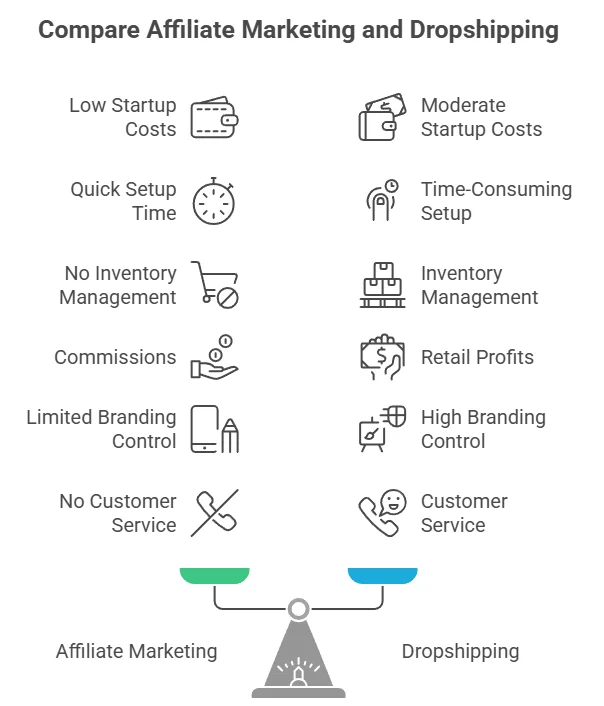
Comparing Affiliate Marketing vs Dropshipping
| Feature | Affiliate Marketing | Dropshipping |
|---|---|---|
| Startup Costs | Low | Moderate |
| Time Required to Set Up | Quick | Time-Consuming |
| Inventory Management | No | Yes |
| Commissions vs Profits | Commissions | Retail Profits |
| Control over Branding | Limited | High |
| Customer Service | No | Yes |
Which One Should You Choose?
The choice between affiliate marketing or dropshipping really depends on your interests and capabilities. Here are some questions to ponder:
- Are you more interested in minimal startup costs and long-term passive income? Then affiliate marketing may be the right path for you.
- Do you want to build a brand and manage customer relationships? If so, dropshipping could be a better fit.
Understanding the Basics of Affiliate Marketing
Affiliate marketing is a popular way for individuals and businesses to earn income by promoting products or services from other companies. In this arrangement, affiliates receive a commission for driving sales or traffic to the merchant’s website. Understanding the basics of affiliate marketing can help you determine whether it’s the right path for you as a beginner.
One of the first steps in affiliate marketing is finding the right affiliate program. These programs can vary by niche, commission structure, and support offered to affiliates. Some of the most popular affiliate programs include:
- Amazon Associates – A well-known program that allows affiliates to promote a vast range of products available on Amazon.
- ClickBank – A popular platform for digital products, offering high commission rates.
- ShareASale – A network connecting affiliates with various merchants across multiple niches.
- Rafflecopter – Not strictly an affiliate program but a tool for running contests that can help drive traffic and sales.
Once you’ve chosen a program, the next step is to build your online presence. This is key for promoting products effectively. You have various options for establishing this presence, including:
- Starting a blog or website: This allows you to create content related to your niche and incorporate affiliate links naturally.
- Using social media: Platforms like Instagram, Facebook, and Twitter can help spread your message and engage with potential customers.
- Utilizing email marketing: Building an email list enables you to reach a more dedicated audience with targeted affiliate promotions.
When creating content for your affiliate marketing strategy, focus on providing value to your audience. You want your readers to see you as a trusted source of information. Offer tips, reviews, and tutorials that naturally include your affiliate links. Here are a few content ideas to consider:
- Product reviews: Write honest reviews about the products you’re promoting to help your audience make informed decisions.
- Tutorials: Create guides that showcase the products in action, explaining how they solve a problem or fulfill a need.
- Comparison articles: Help consumers weigh their options by comparing similar products and highlighting the advantages of the ones you endorse.
Tracking your progress is essential in affiliate marketing. Most affiliate programs provide tools to monitor your clicks, sales, and commissions. Use this data to refine your strategy. You’ll be able to determine which products perform the best and which marketing channels drive the most traffic. Additionally, adjust your content and promotional efforts based on this information to optimize your results.
Another fundamental aspect to consider is the importance of compliance. Transparency with your audience builds trust. Be sure to disclose your affiliate relationships clearly. A simple statement like, “This post contains affiliate links, which means I may earn a small commission if you make a purchase through my link at no additional cost to you,” goes a long way in maintaining credibility.
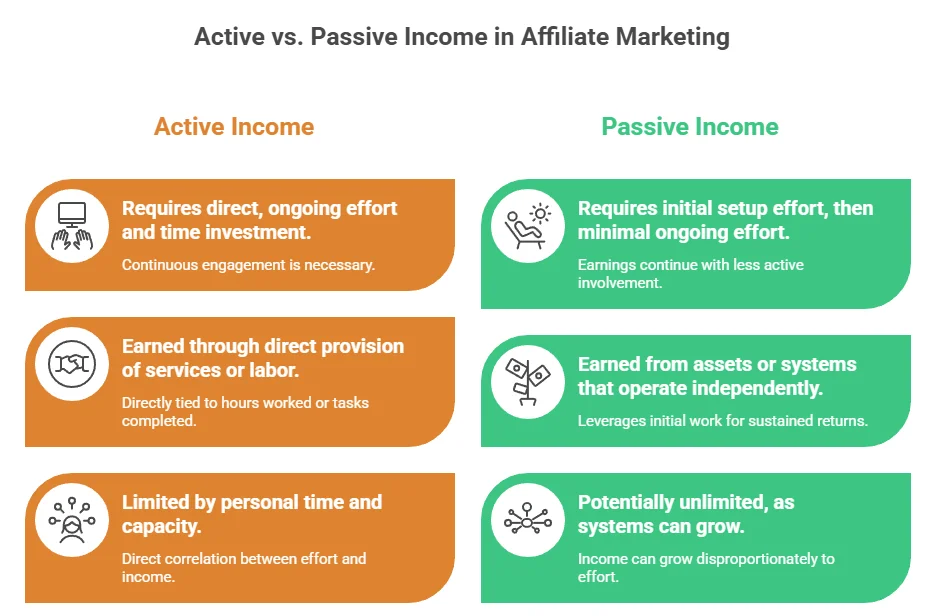
Here is a simple table illustrating the differences between active and passive income in affiliate marketing:
| Type of Income | Description | Example |
|---|---|---|
| Active Income | Money earned through direct effort, such as services or freelance work. | Consulting or freelance writing |
| Passive Income | Money earned with less ongoing effort after initial setup. | Affiliate marketing, where you earn from links even when you’re not actively promoting them. |
Networking with other affiliates can also enhance your success. Engaging with like-minded individuals can lead to sharing strategies, insights, and even collaboration opportunities. Consider joining forums, social media groups, or attending webinars that focus on affiliate marketing.
Affiliate marketing offers a flexible and scalable opportunity for beginners looking to earn money online. By understanding the basics, creating a solid online presence, and building effective marketing strategies, you position yourself for success in the affiliate marketing landscape.
A Deep Dive into Dropshipping: Pros and Cons
When considering a business model to start your online venture, dropshipping often emerges as a popular choice. It offers a variety of advantages, but potential challenges also accompany it. Here, we’ll explore the pros and cons of dropshipping to help you determine if it’s the right fit for you.
Pros of Dropshipping
1. Low Startup Costs
One of the primary benefits of dropshipping is the minimal initial investment required. You don’t need to purchase inventory upfront, which significantly lowers your startup costs. You only pay for the products you sell once your customers place orders. This allows you to redirect funds to marketing and website development.
2. Easy to Start
Launching a dropshipping business can be done swiftly and with relative ease. There are various platforms available, such as Shopify and WooCommerce, that allow you to set up an online store without any coding knowledge. A few clicks and you’re ready to start selling.
3. Wide Product Selection
With dropshipping, you can offer a vast array of products without worrying about inventory. You can quickly switch your niche or product offerings based on market trends. This flexibility allows you to stay competitive and adapt to changes in consumer preferences.
4. No Inventory Management
Managing inventory can be cumbersome for many businesses. Dropshipping eliminates this headache, as suppliers handle storage and shipping. This means you can focus more on marketing and sales strategies instead of worrying about stock levels.
5. Location Independence
Running a dropshipping business can be done from anywhere with an internet connection. Whether you’re at home or on the go, you can manage your store, which appeals to many budding entrepreneurs looking for a flexible lifestyle.
Cons of Dropshipping
1. Lower Profit Margins
While the dropshipping model has low startup costs, it typically results in lower profit margins. Since you’re not buying in bulk, suppliers often charge higher prices per product. To maintain competitiveness, you might need to keep your retail prices low, which can squeeze your profits.
2. Inventory Issues
Although dropshipping frees you from managing inventory, it can lead to issues with stock levels. If your supplier runs out of stock, it might affect your ability to fulfill orders promptly. This could result in unhappy customers or lost sales. Regular communication with your suppliers is crucial to navigate this challenge.
3. Quality Control Challenges
When you don’t handle products directly, ensuring quality can be tricky. If a customer receives a defective item, it reflects poorly on your store, even if the issue lies with the supplier. Therefore, it’s vital to choose reputable suppliers and possibly invest time in product testing before listing them on your store.
4. Shipping Complexities
If you work with multiple suppliers, shipping times can vary significantly, leading to confusion or frustration for customers. You must clearly communicate shipping policies and expected delivery times. Setting proper expectations can help enhance customer satisfaction despite the complexities.
5. Limited Customization
As a dropshipper, you don’t have control over the fulfillment process. This lack of control extends to branding and packaging of products, which can hinder your ability to create a strong brand identity. While some suppliers offer customization options, it may come with limitations, affecting how you differentiate your shop.
Making the Decision
When considering whether to start a dropshipping business, think about your strengths, resources, and goals. Dropshipping can be a gateway into entrepreneurship without steep financial risks, but it also demands considerable effort to build a sustainable operation. Evaluate your willingness to confront potential challenges associated with this business model.
If you’re interested in learning more about dropshipping, reputable resources include Shopify’s Dropshipping Guide and Oberlo’s Overview of Dropshipping. Both sites offer valuable insights that can assist you on your journey.
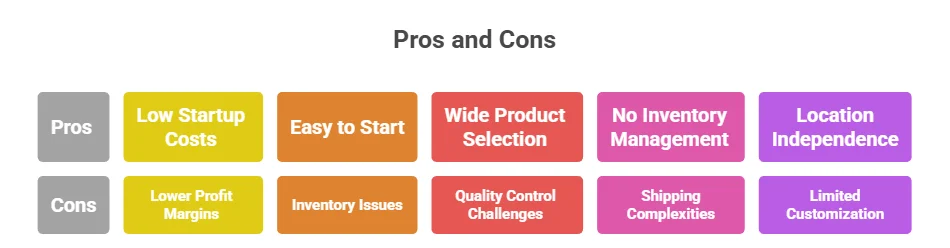
| Pros | Cons |
|---|---|
| Low Startup Costs | Lower Profit Margins |
| Easy to Start | Inventory Issues |
| Wide Product Selection | Quality Control Challenges |
| No Inventory Management | Shipping Complexities |
| Location Independence | Limited Customization |
Embarking on a dropshipping journey can be both exciting and daunting. Understanding the advantages and disadvantages will better equip you for the challenges ahead. Make informed decisions as you build and grow your store—your success depends on it!
Key Factors to Consider When Choosing Between Affiliate Marketing and Dropshipping
When diving into the world of online business, many newcomers face a pivotal decision: should they pursue affiliate marketing or dropshipping? Both models offer unique advantages and challenges, making the choice a vital one for beginners. Let’s explore key factors that can help steer you towards the option that aligns best with your goals and skill set.
Understanding Affiliate Marketing
Affiliate marketing involves promoting another company’s products and earning a commission for each sale made through your referral links. This model allows you to leverage existing products without having to manage inventory or customer service directly. Here are some noteworthy points about affiliate marketing:
- Low Startup Costs: You can get started with minimal investment, as you don’t have to buy inventory.
- Flexibility: You can choose the products that resonate with your audience.
- Passive Income Potential: With effective strategies, you can earn money while you sleep if users click through your links.
Understanding Dropshipping
Dropshipping allows you to sell products through an online store without holding inventory. When a customer places an order, you purchase the product from a third party who ships it directly to the customer. Some significant aspects of dropshipping include:
- Higher Control: You have the ability to curate your product offerings and brand image.
- Potential for Higher Profits: You can set your own prices and profit margins.
- Customer Relationship Management: You handle customer service, which can foster loyalty.
Key Considerations for Beginners
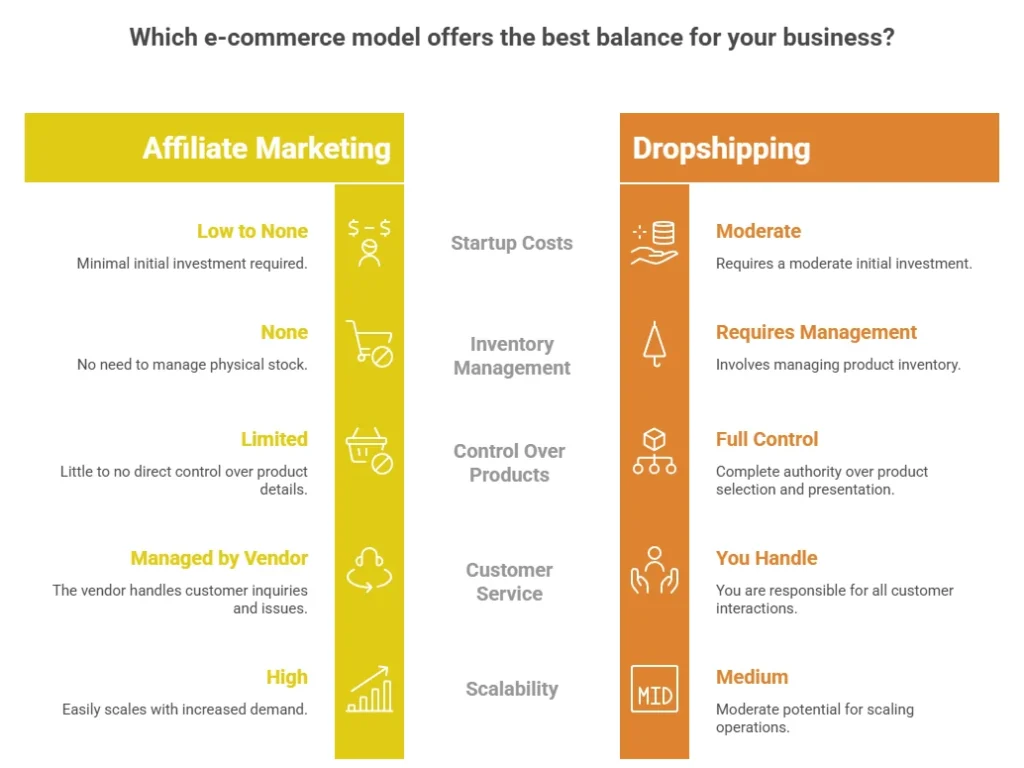
| Factor | Affiliate Marketing | Dropshipping |
|---|---|---|
| Startup Costs | Low to None | Moderate |
| Inventory Management | None | Requires Management |
| Control Over Products | Limited | Full Control |
| Customer Service | Managed by Vendor | You Handle |
| Scalability | High | Medium |
Your Skills and Experience
Your existing skills play a crucial role in making the right choice. If you excel at content creation, blogging, or social media marketing, affiliate marketing could be your angle. On the other hand, if you’re comfortable with e-commerce platforms and customer service, dropshipping may suit you better.
Time Investment
Another important aspect to think about is how much time you can dedicate. Affiliate marketing might require significant initial efforts in creating content and building a following. However, once established, it can be more passive. Conversely, dropshipping requires continuous monitoring of inventory and customer interactions, which can be time-consuming.
Marketing Strategies
Evaluate your familiarity with marketing tactics. Affiliate marketing often leans heavily on SEO and social media marketing to drive traffic. In contrast, dropshipping might require paid ads, influencer collaborations, or a robust email marketing strategy. If you are already versed in one of these methods, it might influence your choice.
Profit Margins
Typically, affiliate marketing can offer lower commissions per sale, but since you’re not dealing with product costs, your overhead is lower. In dropshipping, the profit margins can be quite attractive, but you must factor in shipping and handling costs, which can cut into your profits if not managed well.
Your decision between affiliate marketing and dropshipping shouldn’t be made lightly. Careful consideration of your financial situation, skill set, and the amount of time you’re willing to invest will lead you to the right choice. Explore valuable insights and learn from experts in the field. Websites like Digital Marketer and Shopify offer extensive resources that can deepen your understanding of these business models. Ultimately, the “best” option depends on your personal interests and business goals. Choose a path that not only aligns with your current expertise but also excites you for the journey ahead!
Success Stories: Beginners Who Thrived in Affiliate Marketing vs. Dropshipping
Many beginners are eager to dive into the world of online commerce, often torn between two popular options: affiliate marketing and dropshipping. These paths offer unique opportunities for profit, but which one is more suitable for beginners? Exploring success stories can provide valuable insight into how others have thrived in either niche.
Affiliate marketing allows individuals to earn commissions by promoting other people’s products or services. This model is often seen as a low-risk entry point for beginners because it doesn’t require an extensive initial investment. Notably, many successful affiliate marketers started with little experience and limited resources.
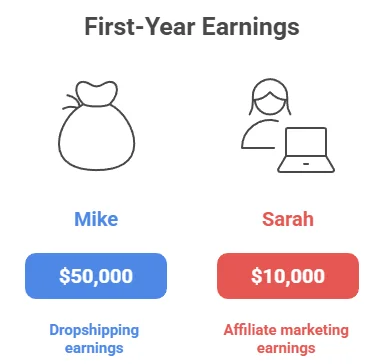
Consider the story of Sarah, a stay-at-home mom who began her affiliate marketing journey by creating a blog focused on parenting tips. By sharing her experiences and reviewing various baby products, she attracted an audience of fellow parents. Through platforms like Amazon Associates, she began earning commissions from product links embedded in her content. In her first year, Sarah made over $10,000, transforming her side-hustle into a full-time income.
On the flipside, dropshipping involves selling products through an online store without holding inventory. The seller partners with suppliers who handle shipping directly to customers. This model may require more upfront knowledge of e-commerce platforms and marketing but can be equally rewarding. Many successful dropshippers were once beginners who learned as they cultivated their brands.
A great example is Mike, who started dropshipping with a focus on fitness apparel. With an initial investment of just $500, he set up a Shopify store and launched targeted ads on social media. Through trial and error, Mike discovered which products resonated with his audience. After six months, he scaled his business to generate over $50,000 in sales, showcasing how effective marketing strategies can lead to massive success.
| Name | Business Model | Initial Investment | First-Year Earnings |
|---|---|---|---|
| Sarah | Affiliate Marketing | $0 (blogging costs) | $10,000 |
| Mike | Dropshipping | $500 | $50,000 |
When evaluating Affiliate Marketing Vs Dropshipping Which Is Better for Beginners, it’s important to consider the scalability and sustainability of each model. Affiliate marketing often benefits from an existing audience and can build passive income over time. In contrast, dropshipping can allow for more control over branding and customer experience, appealing to those who want to create their own business identity.
To be successful in affiliate marketing, it’s critical to choose the right niche and cultivate trust with your audience. Resources like Fiverr can connect you with experts for content creation or social media marketing assistance.
The same principle applies to dropshipping, where selecting trending products is vital. Utilizing platforms like Shopify can give you the tools to set up your store easily and efficiently. Additionally, thorough market research can guide you toward untapped niches that may have less competition.
Both affiliate marketing and dropshipping offer distinct pathways for beginners to enter the online business landscape. The choice between the two can depend on your goals, interests, and the time you can invest in learning and growing your business. These success stories exemplify how determination and strategic planning can lead to thriving enterprises, regardless of which path you choose.
As you embark on your own journey, remember that success in either model requires patience and continuous learning. Engage with resources, connect with communities, and be adaptable to changes in the market for optimal growth. For those intrigued by the trends and complexities of these models, further guidance can be found on specialized websites. For affiliate marketing insights, check out Affilorama.
As for dropshipping, Oberlo delivers an array of tools and tutorials to help newcomers navigate their way successfully.
Conclusion
Choosing between affiliate marketing and dropshipping can seem overwhelming for beginners. Both options have unique advantages and challenges, making it crucial to understand what suits your individual skills, interests, and financial goals. Affiliate marketing allows you to promote products without holding inventory, appealing to those who prefer a lower-risk business model. On the other hand, dropshipping offers the thrill of running an e-commerce store, although it may involve more complexity and upfront investment in terms of website creation and marketing.
Understanding the basics of each strategy is essential. With affiliate marketing, you can start by using social media or a blog to drive traffic, while dropshipping requires selecting reliable suppliers and managing customer satisfaction.
Key factors like startup costs, time commitment, and your preference for hands-on versus hands-off involvement should heavily influence your decision. Success stories from both realms show that beginners can thrive; it often comes down to personal willingness to learn and adapt.
Ultimately, the best choice hinges on your unique situation. If you’re seeking a straightforward way to earn money online without significant investment, affiliate marketing may be your best bet. Conversely, if you’re excited about building a brand and don’t mind investing your time and resources, dropshipping might be the right path. Take the time to evaluate your options, weigh the pros and cons, and align your choice with your long-term business vision. No matter which route you pick, consistent effort and dedication are key to finding success in either field.