How to Use Pinterest for Affiliate Marketing Without Getting Banned

ATTENTION: Want to Learn Affiliate Marketing from Successful Affiliates?
Pinterest is a powerful platform for affiliate marketing, but navigating its rules can be tricky. To make the most of Pinterest without risking a ban, implement these effective strategies that can help you engage your audience while promoting products successfully.
Understand Pinterest’s Rules and Guidelines
Before you dive into affiliate marketing on Pinterest, take a moment to familiarize yourself with the platform’s terms of service. Following these guidelines is crucial to avoid any potential bans. Pinterest wants to ensure its community feels safe; manipulative or deceptive practices can get you flagged.
Utilize Professional Accounts
Switching to a Pinterest Business account unlocks valuable features tailored for marketers. You gain access to analytics, allowing you to track engagement and performance. This data can guide your strategies effectively. To create a business account, simply visit Pinterest for Business.
Create Engaging Content
Generating eye-catching, high-quality pins will attract more clicks. Here are some tactics to enhance your pin engagement:
- Use Vertical Images: These stand out on user feeds and typically receive more engagement.
- Include Text Overlays: Clear, bold text can help communicate the essence of your pin quickly.
- High-Quality Visuals: Invest time in creating or sourcing images that draw the eye and represent your brand well.
Keyword-Rich Descriptions
Incorporate relevant keywords in your pin descriptions to improve visibility in search results. However, ensure that your usage feels natural. Overusing keywords may lead to penalties. Consider what potential customers might be searching for in relation to your products. Aim for easy-to-read descriptions that tell users what they can expect. Often, these products belong to Sustainable Affiliate Programs that prioritize long-term value over quick clicks.
Link Wisely
Directly inserting affiliate links can lead to bans, so always link to a blog, landing page, or website that hosts the affiliate link. This way, Pinterest can see that you’re driving traffic to your own content rather than just pointing to a sales page. Write engaging blog articles that include your affiliate links and then create pins that link back to these articles. Many successful marketers use this method to promote Sustainable Affiliate Programs through their own platforms.
Disclose Affiliate Relationships
Transparency builds trust. Make it clear that your pins are affiliate links, whether by adding a simple “affiliate link” notice in your descriptions or by using hashtags like #affiliate. This practice not only adheres to Pinterest’s community guidelines but also helps maintain a good reputation with your followers.
Engage with Your Audience
Don’t just post pins and vanish. Respond to comments, create boards around trending topics, and follow other users. Engaging with your audience will help foster relationships and encourage more people to check out your pins. The more involved you are, the more likely you’ll be able to drive traffic to your affiliate products successfully.
Leverage Rich Pins
Rich Pins allow you to provide more context about an idea because they include extra information directly on the pin. There are three types of Rich Pins: Product, Recipe, and Article. Setting up Rich Pins can help you stand out and improve your click-through rate. For detailed steps on how to set them up, visit Pinterest Developer.
Monitor Analytics Regularly
Keep an eye on Pinterest Analytics to see what’s working and what’s not. Trends can change rapidly, and knowing what content is popular can help you adjust your strategy accordingly. Pay attention to the pins that receive the most engagement and consider creating similar content that promotes Sustainable Affiliate Programs.
Be Consistent
Post regularly to build and maintain your audience. Use scheduling tools like Tailwind to plan your posts in advance. Consistency not only keeps your account active but also enhances your visibility in search results. Aim for at least a few pins a day to keep your audience engaged.
By following these strategies, you can effectively use Pinterest for affiliate marketing without getting banned. Always prioritize your audience’s experience, adhere to the rules, and engage meaningfully. With persistence and the right approach, you can turn Pinterest into a fruitful channel for your affiliate marketing efforts.
Understanding Pinterest’s Community Guidelines for Affiliate Marketers
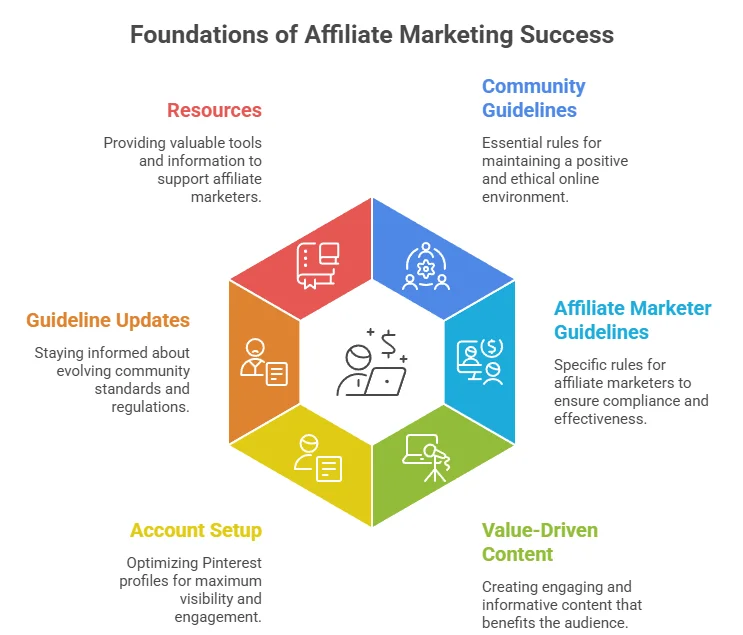
Pinterest is a powerful platform for affiliate marketers, but navigating its community guidelines is crucial to avoid penalties or getting banned. Understanding these guidelines can help you leverage Pinterest effectively while maintaining compliance. Let’s explore how you can use Pinterest for affiliate marketing while aligning with its rules.
Why Community Guidelines Matter
Pinterest’s community guidelines are in place to create a safe and enjoyable environment for all users. By adhering to these guidelines, you not only protect your account but also contribute to a positive community. Knowing these rules is essential for anyone looking to promote products through affiliate marketing.
Key Guidelines for Affiliate Marketers
Here are some of the main guidelines you should follow to ensure your affiliate marketing efforts on Pinterest are compliant:
- No Spammy Content: Avoid posting repetitive content or links that lead to low-quality websites. Your pins should be informative and valuable.
- Focus on High-Quality Pins: Ensure that the images and descriptions in your pins are appealing and provide real value to users. Pinterest prioritizes content that is engaging and visually attractive.
- No Misleading Links: Your pins should accurately represent the destination. Misleading links not only violate Pinterest’s guidelines but can also harm your brand’s reputation.
- Respect Copyright: Always use images and content that you own or have permission to use. Credit creators when necessary to maintain transparency.
- Avoid Clickbait: Using deceptive titles or images to gain clicks can lead to a ban. Be honest about what users will find when they click on your pin.
Creating Value-Driven Content
To succeed in using Pinterest for affiliate marketing, focus on creating value-driven content tailored to your target audience. This is especially true when highlighting Sustainable Affiliate Programs that require consumer trust. Here are some strategies:
- Educational Pins: Create pins that educate your audience about products or topics related to your affiliate links. For example, infographics or step-by-step guides can be very effective.
- Tutorials and How-Tos: Share tutorials that incorporate your affiliate products naturally. This kind of content is inherently valuable and can lead to higher engagement rates.
- Seasonal and Timely Content: Keep in mind seasonal trends and events. Create relevant pins that promote products during these times to capture interest.
Setting Up Your Pinterest Account for Success
Here’s how to set up your Pinterest account properly when focusing on affiliate marketing:
- Business Account: Start with a business account. This offers access to analytics and other tools beneficial to marketers.
- Optimize Your Profile: Use a clear profile image and an informative bio. Include relevant keywords related to your niche to help users find you.
- Create Relevant Boards: Organize your pins into themed boards that attract your target audience. This also makes it easier to manage your content.
Staying Updated with Changing Guidelines
Pinterest’s guidelines can change over time, so it’s essential to stay informed. Regularly check the Pinterest Business Community Guidelines for updates. This can help you adjust your strategies accordingly and maintain compliance. This proactive approach ensures you can continue promoting Sustainable Affiliate Programs without interruption.
Resources for Affiliate Marketers
To support your journey, consider visiting these helpful websites:
- Social Media Examiner – Offers insights on social media marketing strategies.
- Tailwind – A great tool for scheduling and analyzing your Pinterest content.
- Hootsuite Blog – Provides helpful tips on Pinterest marketing.
Utilizing Pinterest for affiliate marketing can yield great results, but respecting the platform’s community guidelines is vital. By focusing on creating valuable content and staying compliant, you can successfully promote your affiliate links and grow your traffic and conversions safely.
Best Practices for Creating Compliant and Engaging Pins
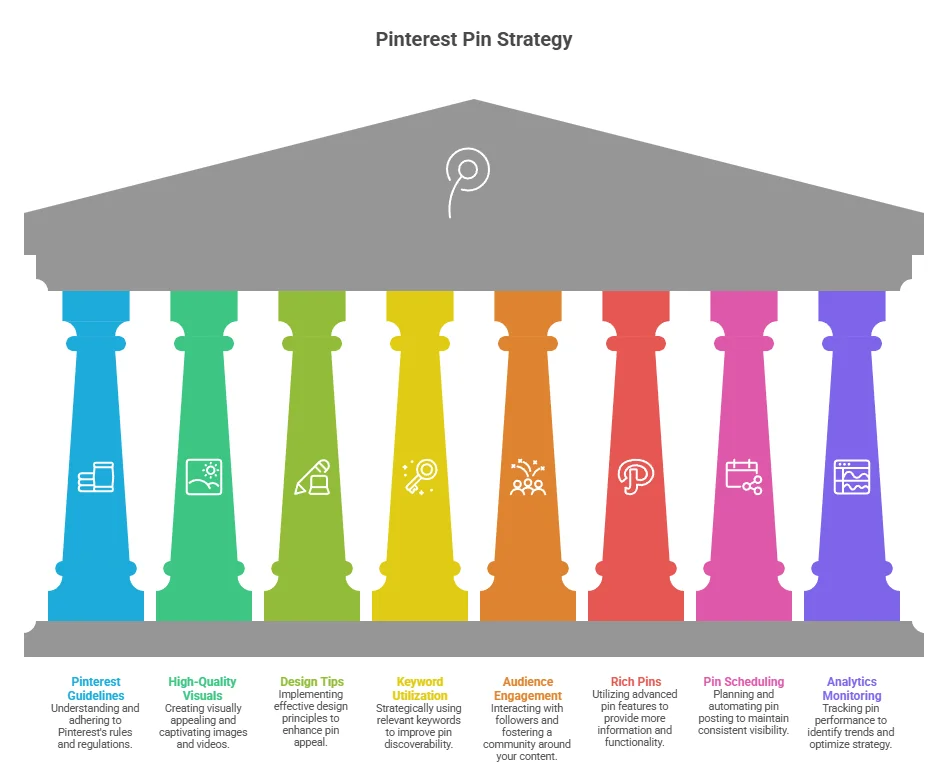
Using Pinterest effectively for affiliate marketing requires a blend of creativity and compliance. To succeed, you must create engaging pins that draw attention while adhering to Pinterest’s guidelines. Here are some best practices to ensure your pins are both compliant and captivating.
Understand Pinterest’s Guidelines
Before you start creating pins, familiarize yourself with Pinterest’s advertising policies. Understanding what is allowed can save you from getting banned. Some key points to remember include:
- Pinterest prohibits adult content, misinformation, and hateful or violent content.
- Affiliates must disclose their affiliations, especially when promoting products or services.
- Don’t use images that could mislead users about the content of your pins.
Create High-Quality Visuals
The first step to an engaging pin is high-quality visuals. Here are some tips to make your pins stand out:
- Use bright, vibrant colors and easy-to-read fonts.
- Incorporate clear images that represent your product well.
- Utilize tools like Canva or Adobe Spark to design professional-looking pins.
Design Tips for Effective Pins
To catch users’ attention, consider the following design elements:
- Text Overlay: Use a text overlay to give context or highlight a benefit. Aim for a font size that’s visible even in small formats.
- Aspect Ratio: Pinterest favors taller images. The ideal ratio is 2:3, such as 1000 x 1500 pixels.
- Branding: Include your logo subtly to enhance brand recognition without overwhelming the design.
Utilize Keywords Wisely
Keywords play a significant role in making your pins discoverable. Here’s how to effectively integrate them:
- Include relevant keywords in your pin descriptions. Think about what potential customers might search for.
- Utilize hashtags sparingly; about 2-3 relevant hashtags can enhance discoverability without looking spammy.
- Make sure your board titles and descriptions also contain keywords to ensure your pins are grouped effectively.
Engage with Your Audience
Engaging with your audience not only builds a community but also increases your pins’ visibility. Here are ways to engage:
- Respond to comments promptly to create a dialogue.
- Follow and interact with other users and creators within your niche.
- Share user-generated content featuring your products, which can build trust and credibility.
Leverage Rich Pins
Rich pins offer more context and are a great way to engage users. They automatically sync information from your website and provide more details directly on the pin. Here’s how to set them up:
- Apply for rich pins through Pinterest’s developer page.
- Ensure your website has the correct metadata so that Pinterest can pull the relevant information.
- Focus on product pins that highlight pricing and availability, making it easier for users to shop directly from Pinterest.
Schedule Your Pins
Consistency is key in maintaining engagement. Use scheduling tools like Tailwind to plan your pins:
- Pinterest favors frequent activity, so schedule your pins during peak traffic times.
- Mix promotional pins with valuable content (like blog posts or how-tos) to keep your audience interested. This is a great way to introduce Sustainable Affiliate Programs without overwhelming followers.
- Analyze performance analytics provided by Pinterest to refine your strategy continuously.
Monitor Your Analytics
Use Pinterest Analytics to track the performance of your pins. Monitoring allows you to see what works and what doesn’t:
- Evaluate which pins receive the most clicks, saves, and impressions.
- Adjust your strategy based on audience engagement data to improve future campaigns.
- Identify seasonal trends and adapt your content accordingly.
Following these best practices can help you create compliant and engaging pins for affiliate marketing on Pinterest. For more in-depth guidance, consider resources like Social Media Examiner and Hootsuite Blog. Remember, the key is to blend creativity with compliance for the best results, ensuring the longevity of your Sustainable Affiliate Programs.
Building a Targeted Audience on Pinterest for Affiliate Success
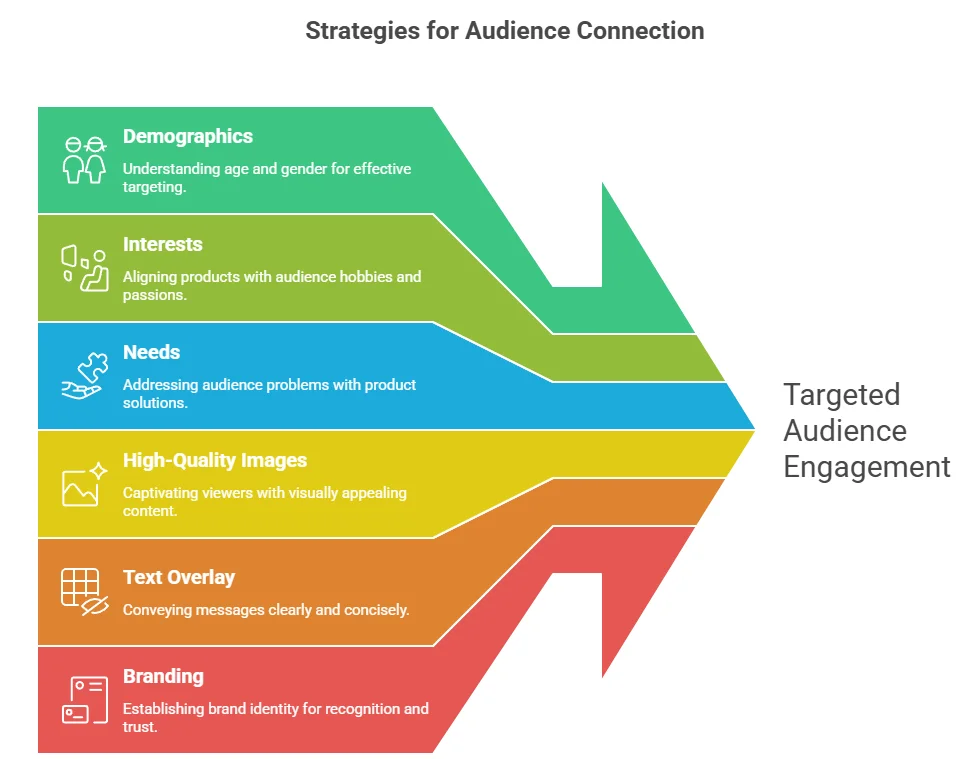
Building a targeted audience on Pinterest can significantly enhance your affiliate marketing success. Pinterest is more than just a social media platform; it is a visual search engine where users look for inspiration and products. To tap into this vast resource effectively, you need to create content that resonates with your target audience. Here’s how you can establish and grow a relevant and engaging audience on Pinterest.
First, it is crucial to understand who your target audience is. Consider the following:
- Demographics: What age group are you targeting? Are they primarily male or female?
- Interests: What hobbies or interests do they have that relate to your affiliate products?
- Needs: What problems can your products solve for them?
Once you have a clear picture of your audience, the next step is to perform keyword research. Use tools like Pinterest Trends to discover what users are searching for. Keywords help in improving your visibility in Pinterest search results, enhancing your chances of reaching potential customers who might be interested in Sustainable Affiliate Programs.
Creating appealing pins is essential for capturing attention. Here are some tips for designing effective pins:
- High-Quality Images: Use clear, high-resolution images that attract the viewer’s eye.
- Text Overlay: Add text overlays to convey the message quickly; make sure it is readable and not overcrowded.
- Branding: Consistently use your brand colors and logo to foster recognition.
In addition to creating visually appealing content, engaging descriptions are vital. When crafting your pin descriptions, include relevant keywords naturally without forcing them. You can also add a call-to-action (CTA) to direct users to click on your link. For example, “Check out this must-have product!” or “Discover more tips on our website!”
To build an audience, consider following these strategies:
- Join Group Boards: These boards allow several contributors to share pins, giving you access to a wider audience.
- Engage with Others: Like and repin content from users in your niche. Engaging with others fosters community and encourages reciprocation.
- Consistent Posting: Use tools like Tailwind to schedule posts. Consistency keeps your profile active and can help in retaining followers.
Utilizing Pinterest SEO effectively can drive targeted traffic. Implementing keywords in your pin titles, board titles, and descriptions will enhance your discoverability. Additionally, using hashtags can increase your pin’s reach, but limit them to avoid appearing spammy.
As your audience grows, you can analyze your performance. Take advantage of Pinterest Analytics to understand what pins and boards perform the best. This insight is invaluable in determining what your audience enjoys and how to replicate successful strategies. Here’s what to focus on in your analytics:
| Metric | Importance |
|---|---|
| Impressions | How many times your pins were seen by users. |
| Engagement | The number of saves and clicks on your pins. |
| Traffic | The number of visitors your website is receiving from Pinterest. |
Moreover, you should stay informed about Pinterest’s guidelines. Understanding what is prohibited on the platform can prevent your account from being banned. Avoid violating the policies regarding deceptive practices or spam content. Always disclose affiliate links transparently to maintain trust with your audience, as it is a best practice to promote authenticity and Sustainable Affiliate Programs.
Participating in Pinterest communities and following industry trends further enhances your understanding of what your audience values. By joining Pinterest-related forums, you can learn from other marketers and share your insights. This collaborative approach helps in reinforcing your position as a trusted member of the Pinterest marketing community. Ultimately, building a targeted audience on Pinterest revolves around understanding your audience’s needs, creating tailored content, engaging actively, and analyzing your results. By following these steps, you can effectively position your affiliate marketing efforts for success without risking your account. Make sure to stay committed and adapt as trends evolve, as Pinterest’s platform is always changing.
Analyzing Pinterest Analytics to Optimize Your Affiliate Marketing Efforts
When it comes to affiliate marketing on Pinterest, understanding Pinterest Analytics is key to boosting your efforts. These analytics give you a wealth of information about how your content is performing, helping you make informed decisions. Analyzing this data will allow you to optimize your strategies, ensuring that you reach a wider audience and potentially increase your earnings through Sustainable Affiliate Programs.
First, it’s essential to know what data Pinterest Analytics provides. This includes impressions, clicks, saves, and other engagement metrics. You can track how many times your pins have been seen, how many times users click through to your linked content, and how often they save those pins. This information is crucial for determining which of your posts resonate most with your audience.
Key Metrics to Monitor
Here are some critical metrics to keep an eye on:
- Impressions: This tells you how often your pins are displayed to users. High impressions with low clicks could indicate a need to improve your pin design or description.
- Clicks: Monitor how many times users click on your pins to visit your website. If clicks are low, consider changing the call to action in your pin description.
- Saves: This indicates how often users save your pins to their own boards. Higher saves could mean your content is engaging and shareable.
- Engagement Rate: This is the percentage of people who interacted with your pins compared to the total impressions. It’s a good measure of pin effectiveness.
Utilizing Analytics for Better Performance
To optimize your affiliate marketing efforts, start by regularly assessing these metrics. Here’s how you can utilize them effectively:
Track Trends Over Time
Look for trends within your analytics. Are certain types of pins performing better than others? Perhaps infographics tend to gain more traction than standard images. Over time, identifying these trends will help you refine your content strategy for Sustainable Affiliate Programs.
Targeting the Right Audience
Using Pinterest Analytics, you can learn about the demographics of your audience. Knowing their age, gender, and location can help tailor your content. For instance, if most of your clicks come from female users aged 25-34, consider creating more content that aligns with their interests.
Optimize Pin Designs
If certain pin designs lead to higher engagement, replicate those styles for future posts. Analyze the color schemes, text overlay, and layout. Tools like Canva can help you create visually appealing pins that attract more clicks.
Improving Your Strategy
Once you’ve gathered insights from your Pinterest Analytics, it’s time to refine your strategy:
| Action Item | Description |
|---|---|
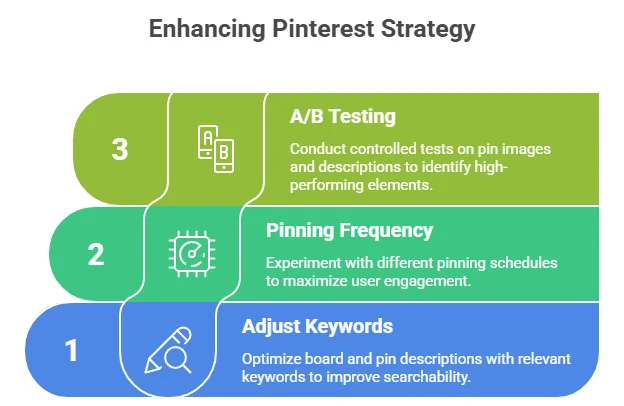
| Adjust Keywords | Use the keywords that are driving traffic to your profile in your board titles, descriptions, and throughout your pin descriptions to improve searchability. |
| Pinning Frequency | Test out different pinning frequencies to see what leads to the most engagement. Some users find success in pinning multiple times a day, while others may pin less frequently. |
| A/B Testing | Try A/B testing your pins to see which images or descriptions drive more clicks. Keep the variables controlled to get accurate results. |
Leveraging Pinterest Trends
In addition to your personal analytics, check out Pinterest Trends to discover what’s popular on the platform. This tool can help you align your content with current trends, giving you an edge in your niche. By keeping a close eye on your Pinterest Analytics and adapting your strategies, you can significantly improve the effectiveness of your affiliate marketing efforts. Remember to continuously test different tactics, stay up-to-date with trends, and adjust your strategy based on data-driven decisions. This way, you’re not just pinning in the dark; you’re making informed moves that can lead to greater success with Sustainable Affiliate Programs.
Conclusion
Successfully leveraging Pinterest for affiliate marketing requires a thoughtful approach, combining strategy with an understanding of community guidelines. By implementing effective strategies, you can navigate the platform without risk of being banned. Knowing Pinterest’s community guidelines is crucial; these rules help you create content that not only engages users but also aligns with platform expectations. Creating compliant and engaging pins is essential for standing out. Use captivating visuals and compelling descriptions to draw your audience in while ensuring that each pin adheres to Pinterest’s policies.
Building a targeted audience fosters genuine interest in your affiliate offerings. Focus on creating niche boards and engaging with other users to grow your following organically. This is the cornerstone of promoting Sustainable Affiliate Programs effectively. Analyzing Pinterest Analytics plays a vital role in refining your affiliate marketing efforts. By understanding which pins resonate with your audience and driving traffic effectively, you can adapt your strategies to maximize conversion rates. Assessing metrics such as impressions, clicks, and saves gives you invaluable insights into what works and what doesn’t.
By combining these elements—strategies, understanding guidelines, designing engaging pins, targeting an audience, and leveraging analytics—you can create a robust affiliate marketing presence on Pinterest. This not only helps you avoid bans but also positions you for long-term success in fostering genuine engagement and driving affiliate sales. Stay informed, remain compliant, and continuously adapt your tactics to thrive in the dynamic landscape of affiliate marketing on Pinterest. Through Sustainable Affiliate Programs and ethical pinning practices, you can build a profitable and stable income stream.